
Diaper Bag Maintenance: Keeping Your Bag in Top Condition

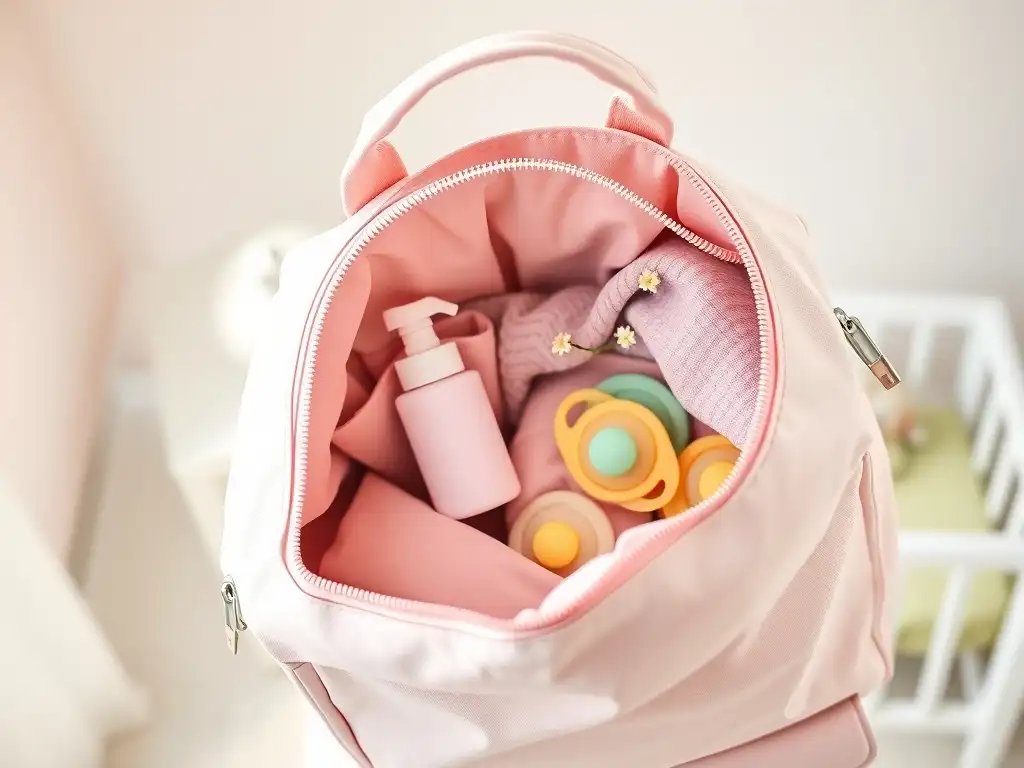
Welcome to BabyCareHub, your ultimate guide to navigating the exciting yet challenging world of parenthood! Are you ready to conquer the daily demands of baby care? We understand the overwhelming feeling of being a first-time parent, which is why we've created this comprehensive resource. But first, let's tackle a crucial aspect of your daily routine: mastering the art of Clean Diaper Bag Essentials. Discover our expert tips and tricks to keep your diaper bag organized and sanitary, ensuring you're always prepared for any adventure with your little one. Dive in and unlock the secrets to a smoother parenting journey!
- Understanding the Importance of Diaper Bag Hygiene: Preventing Germs and Odors
- Essential Cleaning Supplies for Your Diaper Bag: A Comprehensive Checklist
-
Step-by-Step Guide to Cleaning Your Diaper Bag: A Practical Approach
- Emptying the Diaper Bag: Removing All Contents and Debris
- Pre-Treatment of Stains: Addressing Spills and Messes with Stain Remover (e.g., Shout wipes)
- Washing the Interior and Exterior: Hand-Washing vs. Machine Washing (Tips for various bag materials)
- Drying Your Diaper Bag Thoroughly: Preventing Mold and Mildew Growth
- Disinfecting Your Diaper Bag: Using Safe and Effective Disinfectants (e.g., diluted bleach solution)
- Maintaining a Clean Diaper Bag Between Deep Cleans: Quick and Easy Tips
- Choosing the Right Diaper Bag for Easy Cleaning: Material and Design Considerations
- Dealing with Specific Diaper Bag Stains: Effective Cleaning Strategies
- Prolonging the Life of Your Diaper Bag: Care Tips for Durability
- Frequently Asked Questions About Diaper Bag Cleaning
- Frequently Asked Questions
- Final Reflection: The Enduring Power of a Prepared Parent
- Rediscover the Joy of a Tidy Diaper Bag!
Understanding the Importance of Diaper Bag Hygiene: Preventing Germs and Odors
Maintaining a clean diaper bag is more than just a matter of aesthetics; it's a crucial aspect of ensuring your baby's health and well-being. A diaper bag, constantly carrying soiled diapers, wipes, and other baby essentials, becomes a breeding ground for bacteria and unpleasant odors if not properly cleaned and maintained. This article will guide first-time parents through the essential steps of diaper bag maintenance, focusing on practical tips and strategies to keep your bag in top condition and minimize the risks associated with poor hygiene.
We'll cover everything from daily cleaning routines to deep cleaning strategies, ensuring you have the knowledge and tools to prioritize your baby's safety and your own peace of mind. Understanding the importance of “clean diaper bag essentials” is paramount for a healthy and happy baby.
The Risks of a Dirty Diaper Bag: Bacterial Growth and Baby's Health
A neglected diaper bag can quickly become a haven for harmful bacteria. The warm, moist environment inside, coupled with the presence of soiled diapers and used wipes, creates ideal conditions for bacterial growth. This can lead to several potential health risks for your baby, including:
- Skin infections: Contact with contaminated surfaces within the bag can easily transfer bacteria to your baby's delicate skin, leading to rashes, diaper rash, or more serious infections.
- Respiratory illnesses: Bacteria and viruses can linger in the bag, potentially spreading through the air and leading to respiratory infections in your baby.
- Gastrointestinal issues: Improper cleaning can allow harmful bacteria to contaminate food or bottles stored in the bag, causing gastrointestinal distress.
Regular cleaning, therefore, isn't just about eliminating unpleasant smells; it's a critical step in safeguarding your baby's health. The risk is amplified during warmer months when bacteria multiply faster. Think of your diaper bag as a mini-ecosystem – one that needs regular maintenance to prevent unwanted inhabitants from thriving.
Maintaining a Clean Diaper Bag: Essential for Baby's Well-being and Peace of Mind
Maintaining a clean diaper bag is surprisingly straightforward and doesn't require extensive effort. A consistent approach, incorporating these simple steps into your daily routine, will make a significant difference:
- Daily wipe-down: After each diaper change, quickly wipe down the interior of your bag with a disinfecting wipe or a damp cloth. Focus on areas that come into contact with soiled items.
- Regular emptying: Empty the bag of trash and soiled items daily. Don't let used diapers sit for extended periods.
- Weekly deep clean: Once a week, completely empty the bag and wash it according to the manufacturer's instructions. This might involve hand-washing, machine washing (if the bag allows), or spot cleaning.
- Air it out: After cleaning, allow the bag to air dry completely before refilling it. This helps prevent the growth of mold and mildew.
By following these simple steps, you'll significantly reduce the risk of bacterial contamination and keep your diaper bag smelling fresh. Remember, a clean diaper bag contributes to a healthier baby and a more stress-free parenting experience. This simple act of maintaining hygiene is a key component of "clean diaper bag essentials".
Long-Term Benefits of Regular Diaper Bag Cleaning: Prolonged Bag Lifespan
Regular cleaning not only protects your baby's health but also extends the lifespan of your diaper bag. Consistent maintenance prevents stains from setting, reduces the build-up of odors, and protects the bag's fabric from damage. By avoiding harsh chemicals and following the manufacturer's care instructions, you can keep your diaper bag looking and functioning like new for a longer time. This translates to cost savings in the long run and minimizes the environmental impact of frequently replacing worn-out bags.
Investing time in regular cleaning is an investment in both your baby's well-being and your budget. Think of it as preventative maintenance – a small effort that yields significant long-term rewards. This contributes to the overall concept of "clean diaper bag essentials" by ensuring the bag remains usable and hygienic for a longer period.
Essential Cleaning Supplies for Your Diaper Bag: A Comprehensive Checklist
Maintaining a clean diaper bag is crucial for your baby's health and well-being. A well-stocked cleaning kit ensures you're prepared to tackle spills, messes, and general grime on the go. This checklist outlines the clean diaper bag essentials you'll need for effective and efficient cleaning. Remember, regular cleaning prevents the buildup of bacteria and unpleasant odors, keeping your diaper bag fresh and ready for use.
Choosing the Right Cleaning Products: Baby-Safe and Effective Solutions (e.g., Seventh Generation Baby Wipes, Method All-Purpose Cleaner)
Selecting the right cleaning products is paramount, especially when dealing with items that come into contact with your baby. Opt for baby-safe and effective solutions to avoid any potential irritation or allergic reactions. Harsh chemicals should be avoided at all costs.
Here are some examples of safe and effective cleaning products:
- Baby Wipes: Look for wipes specifically designed for babies, like Seventh Generation Free & Clear Baby Wipes or WaterWipes. These are generally fragrance-free and hypoallergenic, minimizing the risk of skin irritation. Always check the ingredient list to ensure they are free of harsh chemicals.
- All-Purpose Cleaner: A gentle, plant-based all-purpose cleaner like Method All-Purpose Cleaner is a good choice for cleaning the exterior of your diaper bag. Ensure it's diluted according to the instructions and test it on an inconspicuous area first to check for any discoloration or damage.
- Laundry Detergent: For washable diaper bag liners or removable parts, use a fragrance-free, hypoallergenic laundry detergent. This ensures that any residue left behind won't irritate your baby's sensitive skin.
Remember to always read the product labels carefully and follow the manufacturer's instructions for safe and effective use. Testing a small, inconspicuous area first is always a good precaution.
Recommended Tools for Deep Cleaning: Sponges, Brushes, and Microfiber Cloths
Beyond cleaning solutions, the right tools are essential for achieving a thorough clean. Different tools are best suited for different tasks and materials.
- Microfiber Cloths: These are incredibly versatile. Their soft texture is gentle on the diaper bag's material, and they're effective at removing dirt and grime without scratching. They're also reusable and washable, making them an eco-friendly choice.
- Sponges: A soft sponge is ideal for cleaning larger areas and tackling stubborn stains. Choose a non-abrasive sponge to avoid damaging the fabric of your diaper bag.
- Small Brushes: A small, soft-bristled brush is useful for cleaning crevices and hard-to-reach areas of your diaper bag, ensuring a thorough clean. This is especially helpful for zippers and seams where dirt and crumbs tend to accumulate.
Consider keeping a dedicated set of cleaning tools specifically for your diaper bag to avoid cross-contamination.
Organizing Your Cleaning Supplies: A Dedicated Diaper Bag Cleaning Kit
For convenient and efficient cleaning, assemble a dedicated diaper bag cleaning kit. This will ensure you have everything you need readily available, whenever and wherever you need to clean your bag. A small, zippered pouch or toiletry bag is perfect for keeping your cleaning supplies organized and contained within your larger diaper bag.
Here's a suggested layout for your kit:
| Item | Quantity | Notes |
|---|---|---|
| Baby Wipes | 1 pack | Choose fragrance-free and hypoallergenic options. |
| All-Purpose Cleaner | Small bottle | Dilute according to instructions. |
| Microfiber Cloths | 2-3 | Easily washable and reusable. |
| Small Soft Sponge | 1 | For tackling stubborn stains. |
| Small Soft-Bristled Brush | 1 | For cleaning hard-to-reach areas. |
| Small Ziploc Bag | 1 | For storing used wipes or soiled items. |
This kit allows for quick spot cleaning and occasional deep cleaning, ensuring your diaper bag remains hygienic and ready for your next outing. Remember to regularly replenish your supplies to keep your kit fully stocked. 🧼
Step-by-Step Guide to Cleaning Your Diaper Bag: A Practical Approach
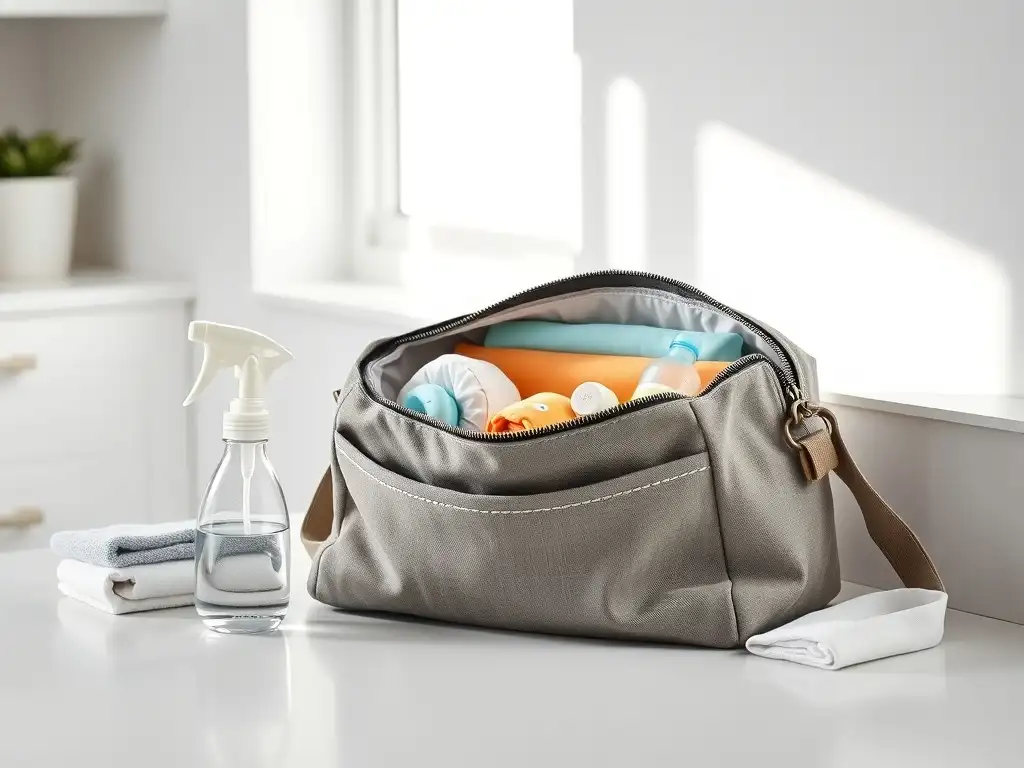
This section provides a detailed, step-by-step guide on how to effectively clean your diaper bag, ensuring it remains hygienic and ready for your next outing. Maintaining a clean diaper bag is crucial for preventing the spread of germs and keeping your baby's belongings fresh. Remember, a clean diaper bag is one of the clean diaper bag essentials for every parent.
Emptying the Diaper Bag: Removing All Contents and Debris
Before you begin the cleaning process, completely empty your diaper bag. Remove all items, including diapers, wipes, bottles, toys, and any other contents. Pay close attention to the corners and pockets, as these areas often accumulate crumbs, dust, and other debris. Discard used diapers and wipes appropriately.
Inspect each item for stains or damage before returning them to the bag after cleaning. This initial step is critical for effective cleaning and prevents the spread of bacteria from soiled items. Think of it as a crucial first step in your clean diaper bag essentials routine. A thorough emptying allows for a more comprehensive cleaning process.
Don't forget to check the insulated compartments if your bag has them, as these can harbor spills and milk residue. Consider using a small hand brush or a damp cloth to remove any stubborn dirt or crumbs from hard-to-reach areas. This meticulous approach ensures a truly clean and sanitary diaper bag.
Pre-Treatment of Stains: Addressing Spills and Messes with Stain Remover (e.g., Shout wipes)
Once the bag is empty, inspect it for stains. Baby messes are inevitable, so pre-treating stains is a key part of maintaining a clean diaper bag essentials regime. Spills of milk, juice, or even baby food require immediate attention. Use a pre-treatment stain remover, such as Shout wipes or a similar product, to gently dab at the affected areas.
Avoid rubbing vigorously, as this can spread the stain and damage the bag's fabric. Let the stain remover sit for the recommended time (usually 5-10 minutes) before proceeding to the next cleaning steps. For stubborn stains, you might need to repeat the pre-treatment process or use a gentle laundry detergent.
Remember to always test any cleaning product on an inconspicuous area of the bag first to ensure it doesn't damage the material. Proper stain removal is a vital component of keeping your diaper bag looking and smelling fresh. Different fabrics require different approaches; delicate materials, for instance, might need a gentler cleaning solution.
Washing the Interior and Exterior: Hand-Washing vs. Machine Washing (Tips for various bag materials)
The method of washing your diaper bag depends largely on the material. Many diaper bags are made from durable fabrics like nylon or polyester, which can often be machine-washed. However, always check the care label before washing. For machine washing, use a gentle cycle and a mild detergent. Place the bag in a mesh laundry bag to protect it from damage. Air drying is generally preferred to prevent shrinkage or damage from high heat.
For delicate materials like canvas or leather, hand-washing is recommended. Fill a sink or basin with lukewarm water and a small amount of mild detergent. Gently sponge the interior and exterior of the bag, paying special attention to stained areas. Rinse thoroughly with clean water and allow the bag to air dry completely away from direct sunlight. Avoid harsh scrubbing, which can damage the material.
Remember, even when machine washing, always check the care instructions on the bag's label to avoid damaging your bag. Proper cleaning techniques, tailored to your specific diaper bag material, are essential elements of maintaining clean diaper bag essentials. This ensures the longevity and hygiene of your trusty diaper bag companion. Following these steps will help keep your diaper bag clean, organized, and ready for all your adventures with your little one!
Drying Your Diaper Bag Thoroughly: Preventing Mold and Mildew Growth
After washing your diaper bag, thorough drying is crucial to prevent the growth of mold and mildew. These microorganisms thrive in damp environments, and a damp diaper bag provides the perfect breeding ground. Leaving even a slightly damp bag can lead to unpleasant odors and potentially harmful conditions for your baby. The material of your diaper bag will influence the drying process. For example, a nylon bag might dry much faster than a canvas bag.
To ensure complete dryness, avoid simply leaving your diaper bag to air dry. Instead, consider these steps:
- Stuffing with clean towels: Fill the bag with clean, dry towels to absorb any remaining moisture and help it retain its shape. This method is particularly useful for bags with multiple compartments.
- Air circulation: Place the bag in a well-ventilated area, away from direct sunlight, which can fade the color. A breezy porch or a room with a fan is ideal. Avoid stuffing it into a closet where air circulation is limited.
- Timely drying: The drying time varies depending on the material and size of the bag. A small nylon bag might dry within a few hours, while a large canvas bag could take up to a full day. Check frequently to ensure it's completely dry before storing it. Any lingering dampness is a breeding ground for bacteria and unpleasant smells.
- Inspecting thoroughly: Before repacking, carefully inspect all pockets and compartments. Pay close attention to zippers and seams, as these areas often retain moisture. A damp cloth can be used to wipe down any lingering wet spots.
Ignoring proper drying techniques can lead to persistent unpleasant odors, the growth of mold and mildew, and ultimately, the need to replace your diaper bag sooner than expected. Proper drying is an essential part of maintaining a clean and hygienic diaper bag, protecting your baby's health and the longevity of your bag. Remember, prevention is always better than cure when it comes to mold and mildew.
Disinfecting Your Diaper Bag: Using Safe and Effective Disinfectants (e.g., diluted bleach solution)
Disinfecting your diaper bag is a crucial step in maintaining hygiene, especially given the exposure to potentially harmful bacteria and germs. While regular washing removes most dirt and grime, disinfecting eliminates lingering pathogens. However, it’s vital to choose disinfectants carefully, ensuring they're safe for your baby and the bag's material. Never use harsh chemicals that could damage the fabric or leave behind residues harmful to your child.
A diluted bleach solution is a common and effective disinfectant, but it's crucial to use it correctly:
- Dilution is key: Never use full-strength bleach. Always dilute it according to the manufacturer's instructions. A typical dilution might be one part bleach to ten parts water. Incorrect dilution can damage the bag's fabric or leave behind a bleach smell, which can be irritating to your baby.
- Spot testing: Before applying the diluted bleach solution to the entire bag, perform a spot test on an inconspicuous area to check for colorfastness and potential damage. This prevents accidental discoloration or damage to your diaper bag.
- Application method: Use a clean cloth or sponge to apply the diluted solution, ensuring even coverage. Pay close attention to frequently touched areas like handles, zippers, and pockets.
- Thorough rinsing: After applying the solution, rinse the bag thoroughly with clean water to remove any bleach residue. Failure to rinse properly can lead to irritation or allergic reactions for your baby.
- Alternative disinfectants: If you prefer avoiding bleach, consider using other safe disinfectants like alcohol-based wipes (check for baby-safe formulations) or specialized baby-safe disinfecting sprays. Always follow the manufacturer's instructions carefully.
Remember, disinfecting your diaper bag is part of your overall baby hygiene routine. Regular cleaning and disinfection help create a safe and healthy environment for your little one. Choose your disinfectants wisely, follow instructions meticulously, and always prioritize your baby's safety. A clean diaper bag contributes significantly to maintaining a healthy environment for your baby, minimizing the risks associated with germs and bacteria.
Maintaining a Clean Diaper Bag Between Deep Cleans: Quick and Easy Tips
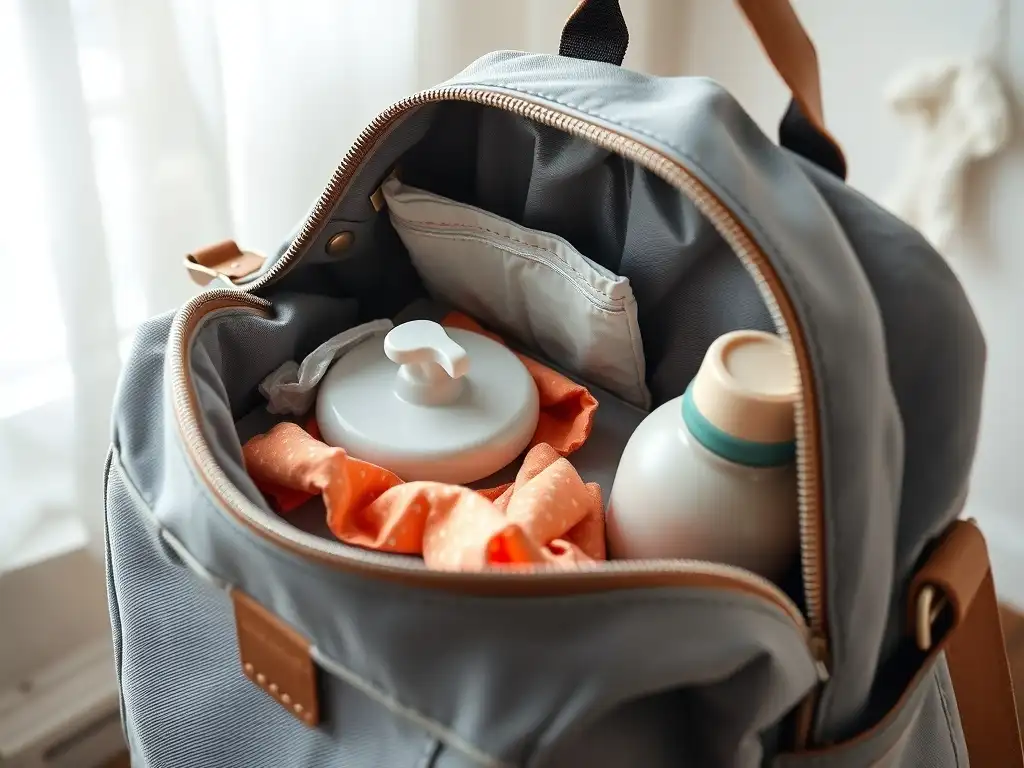
Keeping your diaper bag sanitary doesn't require a full-blown cleaning every day. Implementing a few simple, regular practices can significantly reduce the buildup of germs and unpleasant smells, maximizing the lifespan of your bag and ensuring a fresh environment for your baby's essentials. These quick clean diaper bag essentials will help maintain a healthy and pleasant experience for both you and your little one.
Daily Wipe-Downs: Using Baby Wipes or Disinfecting Sprays
A quick wipe-down each day is crucial for preventing the accumulation of messes and bacteria. Think of it as a preventative measure, catching minor spills and crumbs before they become ingrained stains or breeding grounds for germs. The best approach is to use fragrance-free baby wipes, as these are gentle on the bag's material and safe for your baby. Focus on frequently touched areas like the zipper pulls, handles, and any exterior pockets.
For more stubborn stains or if you suspect exposure to illness, consider using a diluted solution of a baby-safe disinfectant spray. Always test the solution on an inconspicuous area of the bag first to ensure it doesn't damage the fabric or cause discoloration. Remember to let the area air dry completely before putting anything back into the bag. This daily cleaning is a core component of clean diaper bag essentials.
Remember to always check the manufacturer's instructions for your specific diaper bag material before using any cleaning solutions. Some materials may be more sensitive than others. A soft cloth and warm water are always a safe bet for general cleaning.
Regularly Replacing Used Liners: Maintaining a Fresh and Odor-Free Environment (Examples of reusable & disposable liners)
Using liners in your diaper bag is a game-changer for maintaining cleanliness. They create a barrier between the bag's interior and the potentially messy contents, making cleaning significantly easier. There are two main types: disposable and reusable.
Disposable liners are incredibly convenient. Simply remove and discard the soiled liner, leaving the bag relatively clean. Many brands offer biodegradable or eco-friendly options to minimize your environmental impact.
Reusable liners, on the other hand, offer a more sustainable choice. They are typically made from waterproof fabric and can be easily wiped clean or machine washed. Consider having several on hand to rotate while others are being laundered. This prevents the need to constantly clean the diaper bag itself, a key aspect of clean diaper bag essentials.
Here’s a comparison table:
| Feature | Disposable Liners | Reusable Liners |
|---|---|---|
| Convenience | High | Moderate |
| Cost | Higher in the long run | Lower in the long run |
| Environmental Impact | Can be higher depending on material | Lower, especially with eco-friendly fabrics |
| Cleaning | Discard after use | Wipe clean or machine wash |
Regardless of your choice, replacing liners frequently—ideally after each diaper change—is crucial for keeping your bag smelling fresh and preventing the spread of bacteria.
Airing Out Your Diaper Bag: Preventing the Build-Up of Odors
Even with regular cleaning and liner changes, odors can still linger inside your diaper bag. The best way to combat this is to regularly air out your bag. Once or twice a week, simply empty the bag completely, and leave it open in a well-ventilated area for several hours, or even overnight. This allows any trapped moisture and lingering smells to dissipate.
Sunlight can also help to naturally disinfect the bag's interior. This simple step, combined with the other clean diaper bag essentials, ensures your bag stays fresh and ready for use. Consider storing it in a breathable fabric bag when not in use to help prevent odor build-up. This is particularly important if you use a waterproof or coated diaper bag material.
Smart Packing Techniques: Preventing Messes and Spills
Smart packing is the cornerstone of maintaining a clean diaper bag. A well-organized bag minimizes the chances of spills and messes, making regular cleaning much easier. Think of it as proactive diaper bag maintenance – preventing problems before they arise. This involves more than just tossing items in; it's about strategic placement and the use of appropriate containers.
One effective technique is using separate, zippered pouches for different items. A small pouch for soiled clothes keeps them contained and prevents the spread of odors or stains. Another pouch can hold wipes, keeping them readily accessible and protected from accidental spills of lotions or creams. Consider a dedicated pouch for snacks, preventing crumbs from scattering throughout the bag. This compartmentalization is crucial for easy cleanup and prevents cross-contamination.
Another helpful tip is to utilize leak-proof containers. This is especially important for storing baby food, drinks, or even diaper rash cream. A small spill of formula or puree can quickly ruin a whole diaper bag, leading to more extensive cleaning. Choosing containers with secure lids significantly reduces the risk of such incidents. Additionally, using reusable silicone bags is another excellent, eco-friendly option for containing messy items.
Furthermore, packing items upright whenever possible helps prevent spills and keeps things organized. Instead of throwing bottles or sippy cups loosely into the bag, consider using a dedicated bottle holder or placing them upright in a side pocket. This prevents them from rolling around and potentially leaking. The same principle applies to creams and lotions; upright storage in a sturdy container significantly reduces the risk of messy accidents.
Finally, remember the importance of regular checks. Before leaving the house, and periodically throughout the day, quickly check the diaper bag for any spills or leaks. Addressing small spills immediately prevents them from becoming larger problems. A quick wipe down with a damp cloth can often prevent a full-blown cleaning session later. This proactive approach is key to keeping your diaper bag clean and organized between deep cleans.
Choosing the Right Diaper Bag for Easy Cleaning: Material and Design Considerations
Choosing a diaper bag that's easy to clean is crucial for maintaining hygiene and preventing the spread of germs. This means considering the material and design carefully before making a purchase. A well-chosen bag can significantly simplify your daily routine and reduce the time spent on cleaning. Remember, a clean diaper bag is a key element of your clean diaper bag essentials.
Waterproof and Water-Resistant Materials: Simplifying Cleaning and Maintenance
The material of your diaper bag directly impacts its cleanability. Opting for waterproof or water-resistant materials is a smart move. These materials prevent liquids from seeping into the fabric, making spills and accidents much easier to handle. A quick wipe with a damp cloth is often all that's needed to clean up messes. Consider bags made from nylon, polyester, or coated canvas.
These fabrics are durable, easy to clean, and readily available in a variety of styles and designs. Some high-end diaper bags even boast features like sealed seams to further enhance their waterproof capabilities. This is particularly beneficial for those inevitable messy situations involving milk, formula, or… well, you know. 👶
Think about the practicality: A quick spill of juice at the park becomes a simple wipe-down instead of a potential breeding ground for bacteria. This translates to less time spent scrubbing and more time spent enjoying your baby. The ease of cleaning offered by waterproof materials significantly contributes to maintaining the overall hygiene of your clean diaper bag essentials.
Easy-to-Wipe Surfaces: Smooth Fabrics vs. Textured Materials
While the material's water resistance is important, the texture of the fabric also plays a significant role in ease of cleaning. Smooth fabrics, such as nylon or coated canvas, are far easier to wipe clean than textured materials. Textured fabrics, while often stylish, can trap dirt and grime, making cleaning more challenging and potentially less effective.
Think about the difference between wiping a smooth countertop versus a heavily textured surface – the smooth surface wins every time. This principle applies directly to your diaper bag. For parents prioritizing hygiene and ease of cleaning, smooth, easy-to-wipe surfaces should be a top priority when selecting a diaper bag that’s part of your clean diaper bag essentials.
Consider this scenario: You're changing your baby's diaper in a public restroom. A small accident occurs. With a smooth, easy-to-wipe diaper bag, you can quickly clean the affected area and continue your day without much fuss. A textured bag, however, might require more time and effort to thoroughly clean. The difference in convenience is undeniable.
Removable and Washable Liners: A Game Changer for Diaper Bag Hygiene
The inclusion of a removable and washable liner is a game-changer for maintaining a truly hygienic diaper bag. These liners provide an extra layer of protection, catching spills and messes before they reach the main fabric of the bag. Regularly washing the liner is far easier than cleaning the entire bag, ensuring that your diaper bag remains fresh and odor-free.
The liner itself can be made from a variety of materials, including waterproof fabrics or even simply a durable, washable cotton. This feature significantly reduces the likelihood of lingering odors and the buildup of bacteria, further enhancing the effectiveness of your clean diaper bag essentials.
Think of it as a sacrificial layer. The liner takes the brunt of the mess, allowing you to simply remove and wash it when needed, keeping the main bag relatively clean and extending its lifespan. Look for diaper bags that explicitly state the liner is removable and machine washable for optimal convenience. This simple feature dramatically improves the long-term hygiene and maintenance of your diaper bag, making it a must-have feature for any parent. This contributes to a more efficient and less stressful experience, allowing you to focus on what truly matters – your baby.
Spacious Compartments: Facilitating Organization and Cleaning
A well-organized diaper bag is not just convenient; it's crucial for maintaining hygiene. Spacious compartments allow you to separate clean and dirty items, preventing cross-contamination and making cleaning much easier. Imagine trying to disinfect a cluttered bag – a nightmare! With dedicated sections for diapers, wipes, clothes, and even a separate, waterproof pouch for soiled items, cleaning becomes a breeze. You can easily remove and wash or wipe down each compartment individually, ensuring a thorough cleaning process. This compartmentalization also helps prevent the spread of germs and keeps your baby's essentials readily accessible.
Consider a diaper bag with multiple zippered pockets, mesh pockets for ventilation (perfect for bottles or wet clothes), and perhaps even insulated pockets to keep milk or food at the right temperature. These features not only aid in organization but also contribute significantly to easier cleaning. For example, a mesh pocket is easily wiped down and air-dried, preventing the growth of bacteria that might thrive in a damp, enclosed space.
A dedicated waterproof section for soiled clothes or diapers allows you to isolate potentially messy items, simplifying the cleaning process dramatically. This prevents the spread of bacteria and odors throughout the entire bag. The ease of cleaning directly relates to the bag's organization; a well-organized bag is inherently easier to clean than a cluttered one.
Think about the time you save by having a system in place! This is a significant advantage when you are already juggling many responsibilities as a new parent. Prioritizing a bag with strategic compartmentalization is investing in your time and your baby's health.
Dealing with Specific Diaper Bag Stains: Effective Cleaning Strategies
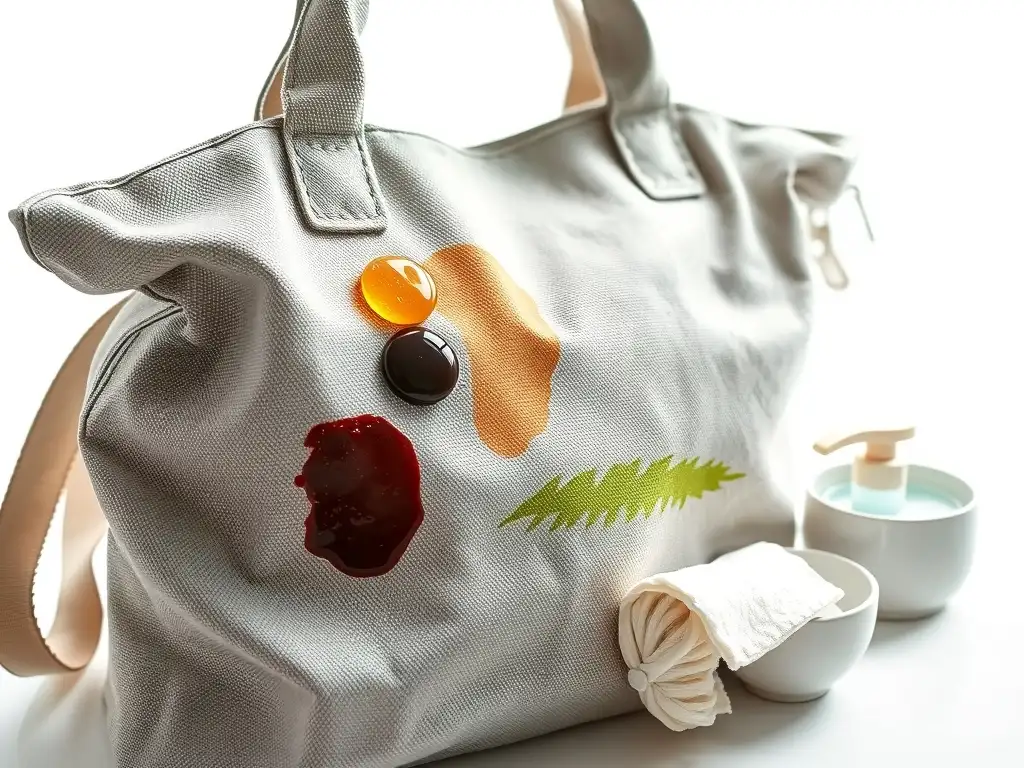
Maintaining a clean diaper bag is crucial for your baby's health and well-being. Regular cleaning is essential, but knowing how to tackle specific stains effectively is key to keeping your bag fresh and functional. This section focuses on proven strategies for removing common diaper bag stains, ensuring you're equipped to handle any mess. Understanding the best approaches for different types of stains will help you maintain a clean and sanitary environment for your little one. This is especially important when considering the essentials for a clean diaper bag.
Removing Food Stains from Your Diaper Bag: Effective Stain Removal Techniques
Food spills are inevitable, especially with little ones. Whether it's pureed carrots, spilled milk, or remnants of a dropped biscuit, acting quickly is paramount. For most food stains, immediate action is crucial. Blot (don't rub!) the stain with a clean, damp cloth to lift as much of the substance as possible. Avoid spreading the stain by using gentle blotting motions. Then, depending on the fabric of your diaper bag, you can use one of the following methods:
- For washable fabrics: Pre-treat the stain with a gentle laundry detergent or a stain remover specifically designed for baby items. Allow it to sit for a few minutes before washing according to the bag's care instructions. Air drying is preferable to using a machine dryer, as high heat can set stains.
- For non-washable fabrics: Use a specialized cleaning solution for the material (check the manufacturer's instructions). A mild solution of water and mild soap can often suffice, but always test a small, inconspicuous area first. Gently blot the area, rinse with clean water, and allow it to air dry completely. Consider using a baby wipe for quick clean ups of minor spills on non-washable bags.
Remember, speed is key! The quicker you address a food stain, the easier it will be to remove completely. Regular spot cleaning after each use will significantly reduce the build-up of food particles and prevent stubborn stains. This proactive approach is a key part of maintaining clean diaper bag essentials.
Cleaning Up Diaper Cream Residue: Preventing Build-Up and Odor
Diaper rash cream, while essential, can leave a stubborn residue on your diaper bag. This residue can not only look unsightly but also contribute to unpleasant odors. Preventing build-up is key. Always ensure the cream is fully absorbed before placing soiled diapers in your bag. Use a clean diaper or cloth to wipe away excess cream from your baby's bottom before changing them to avoid transferring cream to your diaper bag.
For existing residue, try these methods:
- Gentle scrubbing: Use a soft-bristled brush and a mild soap and water solution to gently scrub away the residue. Pay close attention to seams and crevices.
- Baby wipes: Baby wipes can be surprisingly effective at removing light diaper cream residue. Wipe the affected area gently and thoroughly.
- Baking soda paste: For stubborn residue, make a paste of baking soda and water. Apply it to the stain, let it sit for a few minutes, then gently scrub and rinse.
Regular cleaning, even if just wiping down the inside of the bag with a damp cloth after each use, goes a long way in preventing build-up and maintaining a clean diaper bag, which is crucial for clean diaper bag essentials. Remember to always check the bag's care instructions before using any cleaning products.
Dealing with Vomit and Other Bodily Fluids: Safe and Hygienic Cleanup Methods
Dealing with vomit or other bodily fluids requires immediate action and careful hygiene. The priority is to prevent the spread of germs and ensure the safety of your baby. Always wear gloves when cleaning up bodily fluids.
Here's a step-by-step guide:
- Remove the contaminated items: Carefully remove any soiled items from the diaper bag, placing them in a sealed plastic bag for disposal.
- Clean the affected area: Blot (don't rub!) the vomit or fluid with paper towels. Avoid spreading the contamination.
- Disinfect: Use a disinfectant wipe or a solution of diluted bleach (follow the manufacturer's instructions carefully) to thoroughly clean the affected area. Allow it to air dry completely.
- Wash: If the diaper bag is washable, wash it according to the manufacturer's instructions using hot water and detergent.
- Air dry: Always air dry the diaper bag thoroughly to prevent mold and mildew growth.
Remember, proper hygiene is paramount when dealing with bodily fluids. This meticulous cleaning process helps maintain a clean and healthy diaper bag, contributing significantly to your clean diaper bag essentials routine. Always prioritize your baby's safety and health. Following these steps will help you maintain a clean and hygienic environment for your baby's belongings.
Removing Milk Stains: Effective Methods for Different Fabrics
Milk stains, whether from breast milk or formula, can be particularly stubborn. The key to effective removal is acting quickly. The longer a milk stain sits, the more it sets into the fabric fibers, making it significantly harder to remove. Always blot (never rub!) the stain immediately with a clean cloth or paper towel to absorb as much excess milk as possible.
For cotton and other washable fabrics, pre-treating the stain is crucial. A gentle solution of cold water and a mild detergent, such as baby laundry detergent, is often sufficient. Gently work the solution into the stain, allowing it to sit for at least 15 minutes before washing the diaper bag according to the manufacturer's instructions.
For persistent stains, a paste of baking soda and water applied directly to the stain before washing can help lift the discoloration. Remember to always test any cleaning solution on an inconspicuous area of the bag first to ensure it doesn't damage the fabric or cause discoloration.
Dealing with nylon or other synthetic fabrics requires a slightly different approach. These materials are more delicate and may not tolerate harsh scrubbing. Again, blot the stain immediately. A solution of cold water and a gentle, fabric-safe detergent is recommended. Avoid hot water, as this can set the stain. After applying the solution, gently wipe the area with a clean, damp cloth. Air-drying is preferable to machine drying, as high heat can damage synthetic materials and set the stain.
For leather or faux leather diaper bags, milk stains can be particularly challenging. Avoid submerging the bag in water. Instead, use a damp cloth with a small amount of mild soap to gently dab at the stain. Then, wipe the area with a clean, damp cloth to remove the soap residue. Finally, condition the leather to prevent it from drying out and cracking.
Dealing with more stubborn milk stains, regardless of fabric type, might require a more intensive approach. Soaking the stained area in a mixture of cold water and a specialized stain remover designed for baby products could prove beneficial. Follow the instructions on the stain remover carefully. Always test in an inconspicuous area first!
In particularly persistent cases, consider professional cleaning services specializing in delicate fabrics and leather goods. They possess the expertise and equipment to tackle even the most challenging stains effectively and safely. Remember, patience and a gentle touch are key to successful stain removal. Rushing the process or using overly harsh chemicals can damage your diaper bag and potentially worsen the stain.
Prolonging the Life of Your Diaper Bag: Care Tips for Durability
Maintaining a clean diaper bag is crucial not only for hygiene but also for extending its lifespan. A well-maintained bag can withstand the daily rigors of parenthood for years, saving you money and providing consistent reliability. This section focuses on practical strategies for maximizing the durability of your chosen diaper bag, ensuring it remains a dependable companion throughout your baby's early years. We'll explore techniques that go beyond simple cleaning, focusing on preventative care and proactive maintenance. Remember, a stitch in time saves nine – or in this case, a new diaper bag!
Proper Storage of Your Diaper Bag: Keeping it Clean and Protected
Proper storage significantly impacts the longevity of your diaper bag. Avoid leaving it haphazardly tossed in the corner or crammed into a closet. When not in use, store your diaper bag in a cool, dry place, away from direct sunlight and extreme temperatures. Sunlight can fade the color and weaken the fabric, while extreme temperatures can damage the materials and stitching.
For optimal protection, consider using a breathable dust bag or storing it in a dedicated shelf or compartment. This prevents accidental damage and keeps it clean, minimizing the need for frequent deep cleaning. Think of it as giving your faithful companion a well-deserved rest!
Regular Inspections: Identifying and Addressing Wear and Tear Early
Regular inspections are key to early detection of potential problems. Once a month, take a few minutes to thoroughly examine your diaper bag. Check the zippers for smoothness and any signs of damage. Inspect the seams for fraying or loose threads. Pay close attention to the handles and straps, looking for any signs of weakening or excessive wear.
Examine the fabric for any tears, stains, or discoloration. Addressing minor issues promptly can prevent them from escalating into major problems requiring extensive repairs or even replacement. A quick check can save you significant hassle and expense down the line. Early detection is crucial for effective "clean diaper bag essentials" maintenance.
Repairing Minor Damages: Simple Fixes to Extend the Bag's Lifespan
Many minor damages can be easily repaired at home, extending the life of your diaper bag. A loose stitch can be easily secured with needle and thread matching the bag's color. Small tears can often be mended with fabric glue or a patch. If a zipper is jammed, try applying a little lubricant like silicone spray or even a bar of soap to the tracks.
For more significant damage, consider consulting a professional repair service, especially for leather or high-end bags. Remember to always test any repair method on a hidden area first to ensure it doesn't damage the fabric. A little DIY repair can significantly increase the lifespan of your trusty diaper bag and save you the cost of a replacement. This proactive approach is a key element of effective clean diaper bag essentials practices.
Frequently Asked Questions About Diaper Bag Cleaning
Maintaining a clean diaper bag is crucial for your baby's health and well-being. A germ-free environment in your diaper bag helps prevent the spread of bacteria and viruses, keeping your little one safe and healthy. Let's address some common questions about diaper bag cleaning to ensure you're equipped with the knowledge to keep your essential baby gear fresh and sanitary.
How often should I clean my diaper bag?
The frequency of diaper bag cleaning depends largely on its material and how frequently it's used. A daily wipe-down with a disinfecting wipe is a good practice for all diaper bags, especially after exposure to spills or messes. However, a thorough cleaning – whether spot cleaning or a complete wash – should be done at least weekly, or more often if necessary. Signs it's time for a deeper clean include lingering odors, visible stains, or a generally unclean appearance. Consider the following schedule as a guideline:
- Daily: Wipe down the interior and exterior with a damp cloth and mild disinfectant. Pay special attention to frequently touched areas like zippers and handles.
- Weekly: Perform a more thorough cleaning, depending on the bag's material (see below for specifics).
- Monthly: Deep clean the bag, including washing any removable liners or compartments.
Remember, consistency is key! Regular cleaning helps prevent the buildup of bacteria and unpleasant smells, ensuring a clean and hygienic environment for your baby's essentials.
Can I put my diaper bag in the washing machine?
Whether you can toss your diaper bag in the washing machine depends entirely on the bag's material and construction. Always check the manufacturer's care instructions before attempting to machine wash. Many diaper bags are made from materials that can withstand machine washing, but others are not. For example, a canvas diaper bag might be machine washable, while a leather or delicate fabric bag would likely require hand washing.
Before washing, always empty the bag completely. Remove all items, including changing mats, bottles, and other contents. If the bag has removable liners or compartments, wash these separately according to their care instructions. For machine washable bags, use a gentle cycle with cold water and a mild detergent. Air dry the bag completely to prevent shrinking or damage. Avoid using harsh chemicals or bleach, as these can damage the material and potentially harm your baby. Improper washing can damage the bag and void any warranty.
Tips for Machine Washing a Diaper Bag
- Turn the bag inside out before washing.
- Use a mesh laundry bag to protect the bag from damage.
- Avoid using high heat settings.
What's the best way to remove stubborn stains?
Stubborn stains on your diaper bag can be frustrating, but with the right approach, you can often remove them successfully. The key is to act quickly, addressing stains as soon as they occur. For most stains, a mixture of mild detergent and warm water is a good starting point. Gently rub the solution into the stain using a soft cloth or sponge. Rinse thoroughly and allow the bag to air dry.
For tougher stains, you may need to employ more specialized cleaning methods. For example:
| Stain Type | Cleaning Solution | Additional Tips |
|---|---|---|
| Milk/Formula | Mild detergent and warm water | Pre-treat the stain before washing. |
| Juice/Fruit Puree | Baking soda paste (mix with water) | Let the paste sit for 30 minutes before scrubbing. |
| Mud/Dirt | Cold water rinse followed by mild detergent | Allow the mud to dry before brushing it off. |
| Ink | Rubbing alcohol (test in an inconspicuous area) | Apply sparingly and blot gently. |
Remember to always test any cleaning solution on a hidden area of the bag first to ensure it doesn't damage the material. If you're unsure about how to treat a particular stain, consult a professional cleaner or the manufacturer's care instructions. Regular cleaning with a focus on "clean diaper bag essentials" will help prevent the build-up of stubborn stains. 🧼
How can I prevent odors from developing in my diaper bag?
Preventing unpleasant smells in your diaper bag is crucial for maintaining a hygienic environment for your baby. The key is proactive cleaning and smart packing strategies. Regularly emptying the bag of soiled items is paramount. Don't let used diapers linger; dispose of them immediately and wash your hands thoroughly afterwards. This simple step significantly reduces the chance of odor buildup.
Beyond diaper disposal, consider what you're storing in your diaper bag. Avoid leaving food or drinks inside for extended periods, as spills can quickly lead to mold and unpleasant smells. Pack snacks and drinks in sealed containers to prevent leaks. If a spill does occur, clean it up immediately with a damp cloth and allow the bag to air dry completely before repacking.
Another important aspect is the choice of materials. Some diaper bag materials are more prone to trapping odors than others. Bags made from breathable fabrics, such as canvas or nylon, generally fare better than those made from dense, non-porous materials. When choosing a diaper bag, consider the material's breathability to minimize odor retention.
Finally, consider using odor-absorbing products. Small sachets of baking soda or activated charcoal can be placed inside the diaper bag to help neutralize odors. These natural absorbents are effective at trapping unpleasant smells, keeping your bag fresh between cleanings. Remember to replace these sachets regularly for optimal effectiveness.
Regular cleaning, combined with these preventative measures, will ensure your diaper bag stays fresh and odor-free. This is a key element of maintaining a clean diaper bag, essential for both your baby's health and your peace of mind. Remember, a proactive approach is far easier than dealing with a stubbornly smelly bag!
Frequently Asked Questions
How often should I clean my diaper bag?
You should clean your diaper bag at least once a week, or more frequently if it's visibly soiled or smells unpleasant. A quick wipe-down with a disinfectant wipe is sufficient between deep cleans.
What are the essential cleaning supplies for my diaper bag?
You'll need disinfectant wipes, a mild detergent, and a clean cloth or sponge. For tougher stains, a stain remover might be helpful. Avoid harsh chemicals that could damage the bag's material.
How do I clean a fabric diaper bag?
Spot clean spills immediately. For a deeper clean, hand-wash or machine-wash (check the care label!) with mild detergent and air dry. Avoid putting it in the dryer, as high heat can damage the fabric.
Can I use bleach to clean my diaper bag?
Generally, no. Bleach can damage the fabric and potentially leave behind harmful residue. Stick to mild detergents and disinfectant wipes for effective cleaning.
What are some tips for preventing my diaper bag from getting too messy?
Use waterproof liners or separate wet bags for soiled clothes and diapers. Always clean up spills immediately. Regularly empty the bag and discard trash.
Final Reflection: The Enduring Power of a Prepared Parent
The seemingly mundane task of diaper bag maintenance is, in reality, a powerful symbol of proactive parenting and a testament to the enduring strength of preparation. A clean and organized diaper bag isn't just about avoiding unpleasant smells; it's about ensuring the well-being and comfort of your little one, and ultimately, your own peace of mind. This preparedness extends far beyond the immediate needs of a diaper change, reflecting a broader commitment to navigating the unpredictable journey of parenthood with grace and efficiency.
The impact of a well-maintained diaper bag extends beyond the individual family. It speaks to a larger cultural shift towards prioritizing preventative care and mindful organization. It's a small act of self-care that ripples outwards, impacting the family dynamic and even influencing how we approach other aspects of our lives. The details are not the details. They make the design.
– Charles Eames. This quote perfectly encapsulates the importance of seemingly small details, like a clean diaper bag, in creating a more harmonious and functional life.
So, as you pack your diaper bag for your next adventure, remember the significance of this seemingly simple task. Take a moment to appreciate the power of preparedness, the importance of self-care, and the ripple effect of mindful organization. Consider how this principle of proactive maintenance can be applied to other areas of your life, bringing a sense of calm and control to even the most chaotic moments. Let the well-maintained diaper bag be a reminder that even in the midst of the messy and unpredictable, we can find order, peace, and a sense of empowered control.
Rediscover the Joy of a Tidy Diaper Bag!
Thank you for learning how to keep your diaper bag organized and efficient! We hope you found our tips helpful in simplifying your daily routine. Now, let's put that knowledge into practice:
- Prioritize a weekly deep clean: Schedule 15 minutes each week to thoroughly clean your diaper bag. This prevents the buildup of dirt and grime and keeps everything fresh!
- Declutter regularly: Take a few minutes each week to remove any unused or expired items. This will keep your bag lighter and easier to manage.
- Share your best organization tips: Let's build a supportive community! Share your favorite tips in the comments below – what's your secret to a perfectly organized diaper bag?
What's your favorite way to keep your diaper bag in top condition?