
Baby Travel Refillable Bottles: Reducing Waste and Saving Space

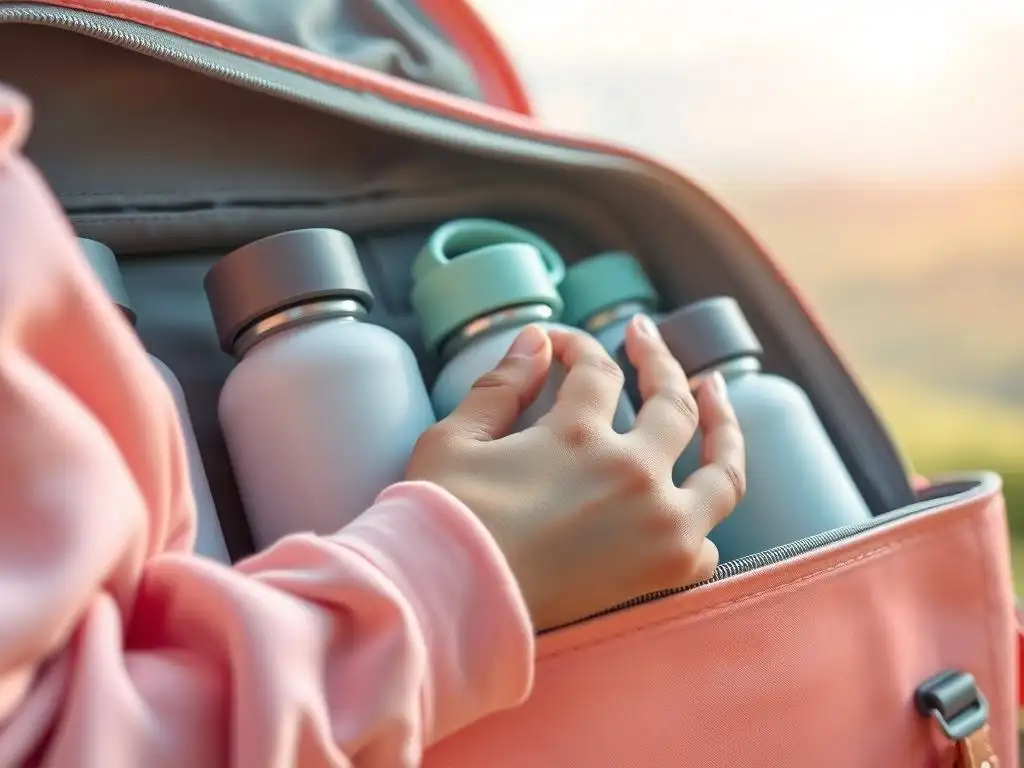
Welcome to BabyCareHub, your ultimate guide to navigating the incredible journey of parenthood! Are you ready to embark on adventures with your little one, without the baggage of endless disposable bottles? Discover the secrets to sustainable and convenient travel with our comprehensive guide on reusable baby bottles for travel, a must-read for every first-time parent seeking practical solutions in the "Parenting Practicalities" section. Learn how to effortlessly combine eco-consciousness with stress-free travel, and prepare for smooth sailing on your family adventures. Let's get started!
- The Eco-Friendly Choice: Reusable Baby Bottles for Travel
- Choosing the Best Refillable Baby Bottle for Your Travel Needs
- Leak-Proof Design: Essential Features for Preventing Messes During Travel with Baby
- Cleaning and Sterilizing Your Reusable Baby Bottles on the Go: Practical Tips and Recommended Products
- Packing Your Refillable Baby Bottles for a Smooth Trip
- Making the Switch to Reusable Baby Bottles: A Step-by-Step Guide
- Maximizing the Lifespan of Your Reusable Baby Bottles
- Eco-Friendly Alternatives to Plastic Baby Bottles for Travel
- Frequently Asked Questions about Reusable Baby Bottles for Travel
-
Frequently Asked Questions
- How are reusable baby bottles better for travel than disposable ones?
- What features should I look for in a reusable baby bottle for travel?
- Are reusable baby bottles safe for my baby's health?
- How do I clean and sterilize reusable baby bottles while traveling?
- Where can I find reusable baby bottles specifically designed for travel?
- Final Reflection: A Greener Future, One Baby Bottle at a Time
- Unlock Effortless Travel with Your Little One
The Eco-Friendly Choice: Reusable Baby Bottles for Travel
Traveling with a baby can be a daunting task, filled with packing lists longer than your arm and the constant worry about forgetting something essential. Among the many items on your checklist, baby bottles often occupy significant space and contribute to a considerable amount of waste. This article focuses on a smart, sustainable, and space-saving solution: reusable baby bottles designed for travel.
We'll explore the environmental benefits and cost savings associated with switching to reusable options, and review some of the top contenders in the market, helping you make an informed decision that's both kind to the planet and convenient for your family's adventures. Choosing reusable baby bottles is not just about convenience; it’s a commitment to a greener future and a more sustainable lifestyle for your little one. Let's dive into the details and discover how you can pack lighter and travel smarter while minimizing your environmental footprint.
Why Choose Reusable Baby Bottles Over Disposable Options? Environmental Impact and Cost Savings
Disposable baby bottles might seem convenient at first glance, but their long-term impact on the environment and your wallet is significant. Consider the sheer volume of plastic waste generated by countless disposable bottles used over a baby's first year. This contributes to overflowing landfills and ocean pollution, harming wildlife and ecosystems. Switching to reusable baby bottles significantly reduces this waste, offering a more sustainable alternative for environmentally conscious parents.
Furthermore, the long-term cost savings are undeniable. While the initial investment in reusable bottles might seem higher, you'll save money in the long run by avoiding the recurring expense of purchasing disposable bottles. This translates to significant savings over time, especially considering the frequency of bottle usage, particularly during travel.
Let's look at a simple comparison:
| Feature | Disposable Bottles | Reusable Bottles |
|---|---|---|
| Environmental Impact | High (plastic waste) | Low (reduced plastic waste) |
| Cost (per use) | Relatively low (per bottle) | Initially higher, significantly lower per use over time |
| Convenience | Initially high (readily available) | Requires cleaning and sterilization |
| Durability | Low (single-use) | High (multiple uses) |
The initial higher cost of reusable bottles is quickly offset by their longevity and reusability. The environmental benefits, however, are immeasurable, making the switch a responsible and rewarding choice for parents committed to sustainability. Moreover, many reusable bottles are made from BPA-free materials, ensuring the safety and health of your baby.
Top 5 Reusable Baby Bottles for Travel: A Comparative Review
Choosing the right reusable baby bottle for travel involves considering several factors such as leak-proof seals, ease of cleaning, durability, and material safety. This section will delve into a comparative review of five popular reusable baby bottles commonly used by parents for travel. We will evaluate each bottle based on its features, pros, and cons to help you find the perfect fit for your needs. Remember that individual preferences may vary, and it’s crucial to consider your baby's specific requirements and your travel style when making your selection.
This review will provide a comprehensive overview to guide your purchasing decision, allowing you to make the most environmentally friendly and practical choice. We'll analyze factors such as: ease of cleaning (dishwasher safe? ); material (BPA-free, silicone, glass? ); leak-proof capabilities; and overall durability and longevity.
Choosing the Best Refillable Baby Bottle for Your Travel Needs
Choosing the right reusable baby bottle for travel can significantly impact your trip's success. A poorly chosen bottle can lead to spills, messes, and unnecessary stress. This section focuses on helping you select the perfect reusable baby bottle to minimize waste and maximize convenience during your travels.
Factors to Consider When Selecting a Reusable Baby Bottle for Travel: Material, Size, and Ease of Cleaning
Several critical factors influence the selection of a reusable baby bottle for travel. Let's examine material, size, and ease of cleaning in detail.
Material is paramount. While glass offers superior hygiene and is free from potentially harmful chemicals like BPA, its fragility makes it unsuitable for travel. Silicone is a popular choice; it's lightweight, durable, and relatively easy to clean. However, some parents prefer stainless steel for its longevity and resistance to scratches and dents. Consider the trade-offs between durability, weight, and potential chemical leaching when making your decision. Remember to always verify that the material is BPA-free and food-grade.
Size is another important consideration. Opt for bottles that are compact and lightweight to save space in your diaper bag. A set of smaller bottles (e.g., 4-6 oz) might be more practical than one large bottle, especially for frequent feedings. Consider also the size of the bottle's components – are they easy to pack and reassemble?
Ease of cleaning is crucial, particularly when traveling. Look for bottles with wide necks that allow for thorough cleaning. Bottles with removable parts are preferable for efficient cleaning and sterilization. Some bottles are even dishwasher-safe, which can be a significant time saver. Consider the availability of replacement parts, as losing a component can render your bottle unusable.
Leak-Proof Design: Essential Features for Preventing Messes During Travel with Baby
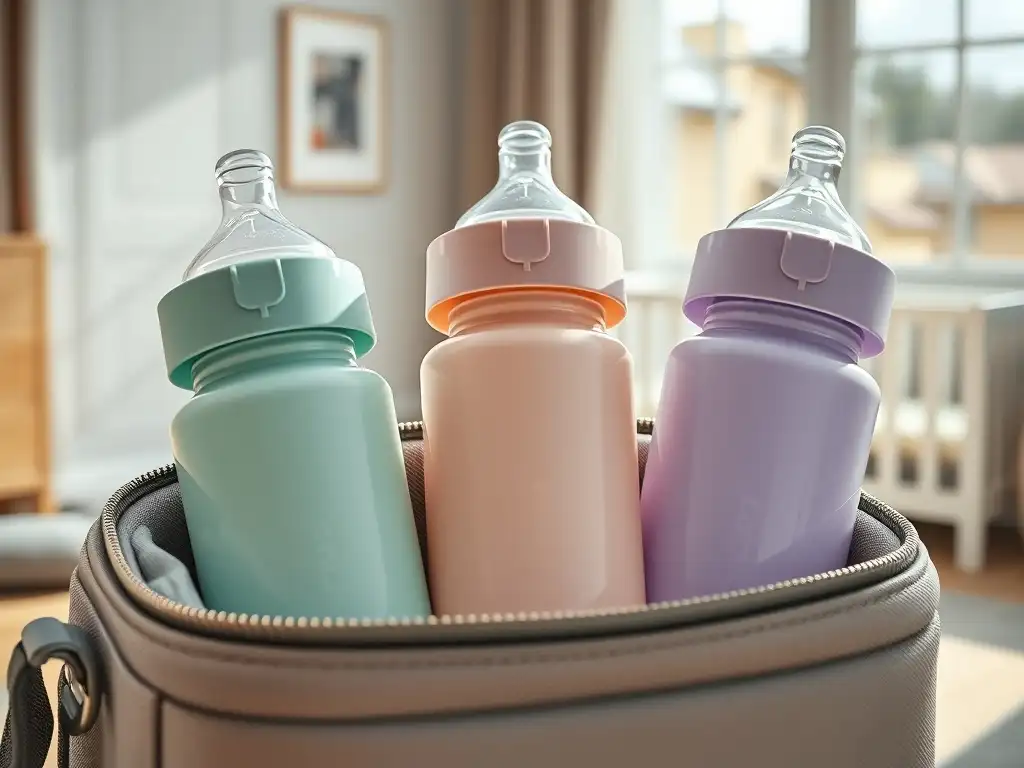
A leak-proof design is non-negotiable when it comes to reusable baby bottles for travel. Spills can be disastrous, leading to wasted formula or breast milk, soggy clothes, and a generally unpleasant travel experience. Several features contribute to a leak-proof design.
- Secure Seals: Look for bottles with airtight seals and robust lids that prevent leaks even when the bottle is knocked over or jostled. A double-locking mechanism or a silicone seal is preferable. Test the bottle's seal before your trip by filling it with water and shaking it gently.
- Durable Construction: A sturdy bottle made from high-quality materials is less likely to crack or break, potentially leading to leaks. Avoid bottles with flimsy parts or weak seams.
- Proper Assembly: Always follow the manufacturer's instructions for assembling the bottle to ensure a proper seal. Incorrect assembly is a common cause of leaks.
- Temperature Considerations: Some bottles might leak slightly more when filled with hot liquids due to expansion. Consider this factor, especially if you're preparing formula in advance.
Cleaning and Sterilizing Your Reusable Baby Bottles on the Go: Practical Tips and Recommended Products
Maintaining hygiene is critical when traveling with a baby. Cleaning and sterilizing your reusable baby bottles on the go requires careful planning and the right tools.
Practical Tips and Recommended Products
- Travel-Sized Bottle Brush: A compact bottle brush is essential for cleaning bottles thoroughly, even in tight spaces.
- Sterilizing Bags: Microwave sterilizing bags are a convenient way to sterilize bottles without needing a bulky sterilizer. These bags are designed to kill harmful germs with steam.
- Disinfecting Wipes: Disinfecting wipes can be used for a quick clean-up of spills or sticky residue on the bottle.
- Soap and Water: Even when traveling, a thorough wash with soap and warm water is the foundation of good hygiene. Make sure to rinse thoroughly to remove all traces of soap.
- Portable Sterilizer: Some portable sterilizers are available, offering a more thorough sterilization option than wipes. Consider the size and weight before purchasing.
Remember, regular cleaning and sterilization are vital in preventing the growth of bacteria and ensuring your baby’s health. Always prioritize hygiene to maintain a safe and sanitary environment for your little one, even during your travels. Prioritize a cleaning routine that suits your travel style and the available resources.
Packing Your Refillable Baby Bottles for a Smooth Trip
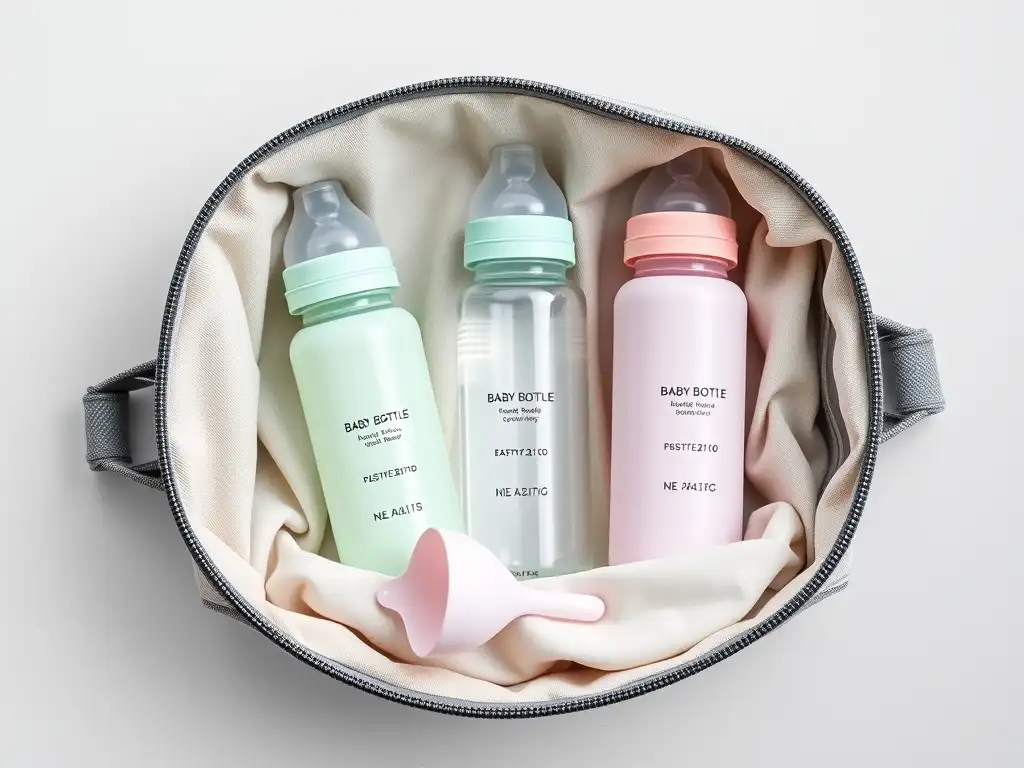
Traveling with a baby can be stressful, but proper preparation can significantly ease the burden. One area that often causes anxiety is managing baby bottles, especially if you're committed to using reusable, refillable options for environmental and economic reasons. Efficient packing is key to a smooth journey. This section focuses on the best practices for packing your reusable baby bottles for travel, ensuring both hygiene and convenience.
Essential Accessories for Traveling with Refillable Baby Bottles: Cleaning Supplies and Storage Solutions
Packing reusable baby bottles requires more than just tossing them in a bag. Maintaining hygiene is paramount, especially when traveling. You'll need a dedicated travel kit to ensure your baby's bottles remain clean and safe throughout your journey. This typically includes:
- Small, portable bottle brush: Essential for scrubbing away milk residue efficiently. Look for brushes with a narrow head to reach the bottom of narrow-necked bottles.
- Travel-sized bottle sterilizing solution or wipes: While boiling water isn't always feasible while traveling, sterilizing wipes or a concentrated solution offer a convenient alternative for on-the-go sterilization. Always check the instructions to ensure they are appropriate for your bottle material.
- Resealable bags: These are crucial for storing clean bottle parts and nipples separately to prevent contamination. Using multiple bags will help organize different components.
- Insulated bottle bag: This keeps your prepared formula or expressed breast milk at the right temperature for several hours. Choose one with a good thermal lining and a secure closure.
- Small container for powdered formula: A leak-proof container is essential if you're using powdered formula. This helps maintain hygiene and prevents spills.
- A few extra bottle rings and nipples: Accidents happen, so having spares on hand eliminates potential travel disruptions.
Consider the volume of milk your baby consumes. Pack enough bottles to cover several feeds, accounting for potential delays. Over-packing is better than running short. Remember to label each bag clearly to avoid confusion. This organized approach ensures efficient and hygienic handling of your baby's bottles during your trip. The added benefit? You're actively contributing to a more sustainable lifestyle by choosing reusable baby bottles.
Airline Regulations and Baby Bottles: What You Need to Know Before You Fly
Flying with a baby presents unique challenges, and understanding airline regulations concerning baby bottles is crucial for a stress-free journey. While most airlines accommodate traveling with baby bottles containing formula or breast milk, specific guidelines vary. Always check with your airline before your flight to confirm their current policies. Generally, you can expect the following:
| Airline Policy Aspect | Typical Guidelines | Important Considerations |
|---|---|---|
| Liquid Limits | Breast milk and formula are generally exempt from standard liquid restrictions. | You might need to show proof that the milk is for your baby's consumption (e.g., a copy of your itinerary). |
| Quantity Restrictions | Usually limited to the amount needed for the duration of the flight plus a small buffer. | Excessive quantities may be subject to further screening or confiscation. |
| Packaging Requirements | Bottles should be clearly labeled with the contents and ideally kept in a separate, easily accessible bag. | Transparent bags aid security checks. |
| Temperature Considerations | Airlines generally do not have temperature-controlled storage for baby bottles. | Use an insulated bag to maintain the appropriate temperature for formula or breast milk. |
| Security Check Procedures | Be prepared for security personnel to inspect the contents of your baby bottles. | Remain calm and cooperative during the security check process. |
Remember that these are general guidelines. Specific airline policies may change, so always verify the most up-to-date information on the airline's website or by contacting their customer service. Thorough preparation minimizes potential issues at the airport and ensures a smoother travel experience for both you and your baby. Packing strategically with reusable baby bottles, while initially requiring more planning, ultimately contributes to a more sustainable and environmentally conscious travel experience.
Making the Switch to Reusable Baby Bottles: A Step-by-Step Guide
This section provides a practical guide on transitioning your baby from disposable to reusable baby bottles, focusing on minimizing disruption and maximizing the benefits of eco-friendly choices. Switching to reusable baby bottles for travel offers significant advantages in terms of reduced waste and space savings. However, a smooth transition requires careful planning and consideration.
Transitioning from Disposable Bottles to Reusable Bottles: A Smooth Transition for Your Baby
Introducing reusable bottles doesn't have to be stressful. The key is gradual introduction and careful observation of your baby's reaction. Many babies readily accept the change, especially if the new bottle's nipple is similar to their previous one. However, some babies might initially show resistance due to differences in texture, flow rate, or temperature retention.
Start by offering a small amount of familiar formula or breast milk in the reusable bottle alongside their usual feeding method. This allows your baby to explore the new bottle at their own pace without feeling pressured. Positive reinforcement, such as gentle praise and cuddling, can greatly assist in the process.
If your baby shows resistance, don't force the issue. Try again later, or perhaps try a different type of nipple (slow-flow, medium-flow, etc.). Experimentation is key. Remember, consistency is crucial. Continue offering the reusable bottle alongside the familiar feeding method for a few days, gradually increasing the amount offered in the reusable bottle.
| Day | Feeding Method | Reusable Bottle | Observations |
|---|---|---|---|
| 1 | Breast/Bottle (usual) | Small amount in reusable bottle | Baby curious, slight hesitation |
| 2 | Breast/Bottle (usual) | Half feeding in reusable bottle | Baby accepted small amount, slight preference for usual bottle |
| 3 | Breast/Bottle (usual) | Full feeding in reusable bottle | Baby fully accepted reusable bottle |
| 4 | Full feeding in reusable bottle | - | Baby shows no preference, happy with new bottle |
Remember, every baby is unique. Some babies may adapt quickly, while others may require more time and patience. Don't get discouraged if it takes a few days or even a week. The transition should be a positive experience for both you and your baby. Celebrate small victories along the way! 🎉
Cleaning and Sterilizing Reusable Baby Bottles: Maintaining Hygiene and Safety
Maintaining the hygiene of reusable baby bottles is paramount. Thorough cleaning and sterilization are essential to prevent the growth of harmful bacteria. After each use, disassemble the bottle and wash all parts in hot, soapy water using a bottle brush to reach all crevices. Rinse thoroughly to remove all traces of soap.
Sterilization is highly recommended, especially for newborns. Several methods are available:
- Boiling: Boil the bottle parts in water for 5-10 minutes. This is a simple and effective method.
- Steam Sterilizer: Steam sterilizers are convenient and efficient, killing germs using steam.
- Microwave Sterilizer: Microwave sterilizers offer a quick and easy sterilization option.
- Cold Water Sterilizer Tablets: These tablets dissolve in cold water, creating a sterilizing solution.
Regularly inspect the bottles for any signs of wear and tear. Replace any damaged or scratched parts immediately to prevent potential hazards. Remember, proper cleaning and sterilization are crucial for your baby's health and safety. 🧼
Choosing the Right Reusable Baby Bottles: Features to Consider for Travel
Selecting the right reusable baby bottles is crucial, especially when traveling. Consider these key features:
- Leak-proof design: Essential for preventing spills during travel.
- Easy to clean: A simple design with fewer parts simplifies cleaning.
- Durable materials: Choose bottles made from BPA-free, food-grade materials that can withstand bumps and drops.
- Lightweight and compact: Lightweight bottles save space in your luggage.
- Wide-neck design: Allows for easy filling and cleaning.
- Temperature retention: Some bottles are designed to keep liquids warmer or cooler for longer periods.
Investing in high-quality, durable reusable baby bottles will make your travels smoother and more enjoyable. Consider purchasing several bottles to have spares on hand, especially during long trips. Remember, proper planning and preparation are key to stress-free travel with your little one. ✈️
Maximizing the Lifespan of Your Reusable Baby Bottles
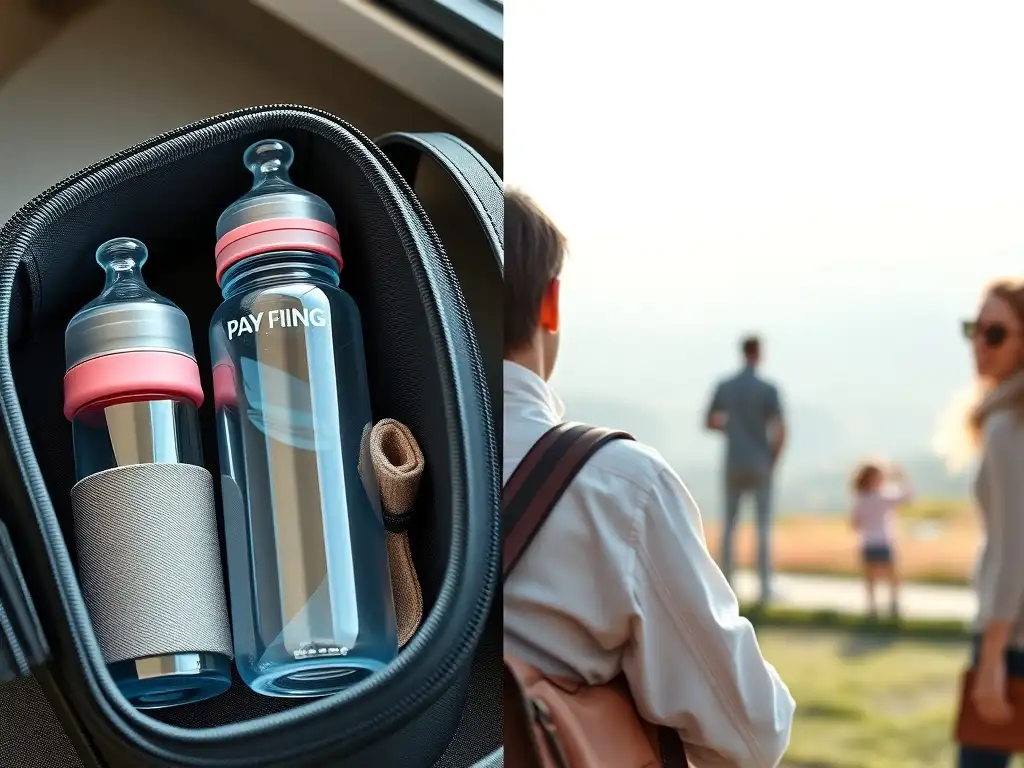
Extending the life of your reusable baby bottles not only benefits your wallet but also significantly reduces your environmental impact. Reusable baby bottles are a fantastic alternative to disposable ones, contributing to a greener future for your little one. However, their longevity depends on proper care and maintenance. Let's explore how to maximize their lifespan and ensure they remain safe and hygienic for your baby.
Proper Care and Maintenance of Your Reusable Baby Bottles: Extending Their Usefulness
Proper cleaning is paramount to maintaining the hygiene and extending the life of your reusable baby bottles. Thorough cleaning prevents the buildup of bacteria and milk residue, ensuring your baby's health and the bottle's longevity. Here's a step-by-step guide:
- Immediate Cleaning: Clean the bottle immediately after each use. This prevents milk from drying and becoming difficult to remove. A quick rinse with warm water is a good first step.
- Disassembly: Disassemble the bottle completely, separating the nipple, ring, and bottle body. This allows for thorough cleaning of all parts.
- Washing: Wash all parts with warm soapy water. A bottle brush is invaluable for cleaning the interior of the bottle, reaching all those hard-to-clean corners. Consider using a baby-specific dish soap, formulated to be gentle yet effective.
- Sterilization: Sterilizing your reusable baby bottles is crucial, especially in the early months. You can sterilize using a steam sterilizer, boiling water (for 5-10 minutes), or a microwave sterilizer. Always follow the manufacturer's instructions for sterilization.
- Drying: Allow all parts to air dry completely before reassembling. Avoid using towels, as they can introduce bacteria. A drying rack designed for baby bottles is ideal.
- Regular Inspection: Regularly inspect your reusable baby bottles for any signs of wear and tear, such as cracks or scratches. Discard any bottles showing signs of damage to prevent potential health hazards.
Identifying and Addressing Common Issues with Reusable Baby Bottles
Even with proper care, issues can arise with reusable baby bottles. Understanding these issues and how to address them can significantly extend their lifespan.
- Scratches: Scratches can harbor bacteria, making thorough cleaning more challenging. While minor scratches are usually manageable with diligent cleaning, deep scratches warrant replacement.
- Leaks: Leaks often occur due to worn-out seals or improperly assembled parts. Check the seals for damage and ensure all parts are correctly fitted. If the leak persists, replacement parts might be necessary.
- Discoloration: Discoloration can occur due to prolonged exposure to milk or juice. While not necessarily a health hazard, it indicates the need for more frequent and thorough cleaning. Try soaking the bottle in a solution of baking soda and water to help remove stubborn stains.
- Smell: A persistent unpleasant smell indicates a need for a deep clean. Try soaking the bottle in a solution of white vinegar and water overnight, followed by thorough washing and sterilization.
Choosing the Right Reusable Baby Bottle for Travel: Durability and Practicality
Selecting durable and practical reusable baby bottles is crucial for travel. Consider these factors when choosing bottles for your trips:
- Material: Look for bottles made from BPA-free materials, such as high-quality silicone or stainless steel. These materials are durable and resistant to damage.
- Leak-proof Design: A leak-proof design is essential to prevent spills and messes during travel. Look for bottles with secure lids and reliable seals.
- Easy to Clean: Choose bottles that are easy to disassemble and clean, as thorough cleaning is crucial during travel when access to cleaning supplies might be limited.
- Size and Weight: Consider the size and weight of the bottles. Opt for lightweight bottles that are easy to pack and carry. Consider the amount of formula or breast milk your baby typically consumes to choose the appropriate size.
This careful approach to choosing, using, and maintaining reusable baby bottles ensures you maximize their lifespan, minimizing waste and saving money while providing a safe and hygienic feeding experience for your little one. Remember, proactive care is key to enjoying the long-term benefits of reusable baby bottles, making them a smart choice for both you and the environment. 🍼
Eco-Friendly Alternatives to Plastic Baby Bottles for Travel
Traveling with a baby can be challenging, especially when it comes to packing. Diapers, clothes, toys – the list seems endless! One significant contributor to travel bulk is baby bottles. Disposable bottles add to landfill waste, while multiple plastic bottles take up precious luggage space. This section explores eco-friendly alternatives to traditional plastic baby bottles, focusing on reusable options that minimize your environmental impact and streamline your packing. We'll delve into the specifics of material choices, cleaning methods, and the overall benefits of choosing reusable baby bottles for travel.
Sustainable and Reusable Options: Exploring Materials Beyond Plastic
The most impactful way to reduce waste associated with "reusable baby bottles travel" is to switch to reusable alternatives. Let's explore some of the most popular and sustainable materials:
- Glass: Glass baby bottles are incredibly durable, non-porous (meaning they don't retain smells or stains), and easy to clean. They are also free of BPA and other potentially harmful chemicals. However, they are heavier and more fragile than plastic, making them less ideal for frequent travel or for babies who are prone to dropping their bottles. Consider a high-quality silicone sleeve for added protection.
- Stainless Steel: Stainless steel bottles are virtually indestructible. They're lightweight, durable, and resistant to scratches and dents, making them perfect for travel. They are also non-toxic and easy to clean. The downside? They can retain temperature longer than plastic or glass, so you might need to pre-cool or pre-heat the milk more carefully.
- Silicone: Silicone bottles are lightweight, flexible, and shatterproof. They're a great choice for travel because they can withstand bumps and drops. While generally safe, always check for BPA-free certification. However, silicone can be more prone to scratches and harbor bacteria if not cleaned thoroughly.
| Material | Pros | Cons | Best For |
|---|---|---|---|
| Glass | Durable, non-porous, easy to clean, BPA-free | Heavy, fragile | Home use, shorter trips |
| Stainless Steel | Durable, lightweight, resistant to damage | Can retain temperature, potential for scratches | Frequent travel, active babies |
| Silicone | Lightweight, flexible, shatterproof | Can scratch, needs thorough cleaning | Travel, babies who drop their bottles frequently |
Choosing the right material depends on your baby's age, travel style, and personal preferences. Remember to always prioritize safety and thorough cleaning regardless of the material chosen. Proper sterilization is crucial for maintaining hygiene, especially during travel.
Cleaning and Sterilizing Reusable Baby Bottles on the Go
Keeping your reusable baby bottles clean while traveling is paramount. Here are some tips for maintaining hygiene:
- Travel Sterilizer: Compact travel sterilizers are available, using steam or UV light to kill germs. These are invaluable for maintaining hygiene when you're on the go.
- Boiling: If you have access to boiling water, this is a reliable method of sterilization. Submerge the bottles in boiling water for at least 5 minutes.
- Bottle Brush: A high-quality bottle brush with a long handle is essential for reaching all areas of the bottle, removing any milk residue.
- Soap and Water: Thorough washing with hot, soapy water is a crucial first step before sterilizing.
Remember to always thoroughly dry bottles before storing them to prevent mold growth. Proper cleaning and sterilization are key to preventing illness and ensuring your baby's health, especially when using reusable "reusable baby bottles travel" options. This minimizes the risk of bacterial contamination, a crucial aspect of baby health, particularly when traveling.
Benefits Beyond Waste Reduction: The Advantages of Reusable Baby Bottles
Switching to reusable baby bottles offers numerous advantages beyond environmental friendliness. These benefits extend beyond simply reducing waste; they also enhance convenience and save money in the long run.
- Cost Savings: While the initial investment in reusable bottles might be higher, you'll save money in the long run by avoiding the ongoing expense of disposable bottles.
- Reduced Plastic Consumption: This significantly contributes to a healthier planet for your baby's future.
- Convenience: Having a set of reusable bottles readily available eliminates the need to constantly buy replacements.
- Temperature Control: Some reusable bottles are designed to maintain the temperature of the milk for longer periods, which is particularly useful during travel.
The transition to reusable baby bottles is a significant step towards sustainable parenting and contributes to a healthier environment for your child. The convenience and cost savings add to the compelling reasons to make the switch for your "reusable baby bottles travel" needs. Choosing reusables is a win-win – for the planet and your family.
Frequently Asked Questions about Reusable Baby Bottles for Travel
This section addresses common concerns surrounding the practical use of reusable baby bottles, particularly during travel. We'll delve into cleaning, sterilization, and even travel regulations to ensure you're fully prepared for your next adventure with your little one.
Answering Common Questions About Cleaning, Sterilization, and Travel Regulations
Traveling with a baby inevitably involves dealing with bottles, and keeping them clean and sterile is paramount. Many parents worry about the logistics of this while on the go. Let's address those concerns.
First, cleaning is simpler than you might think. Most reusable baby bottles are dishwasher safe (always check the manufacturer's instructions! ), making cleanup a breeze. Even without a dishwasher, a thorough handwash with hot, soapy water is sufficient. Pay close attention to the nipples and valves, ensuring you remove any milk residue. A bottle brush with a long handle is invaluable for reaching all the crevices. Remember to rinse thoroughly to remove any soap residue.
Next, sterilization. While daily sterilization might not be necessary for older babies, it's crucial for newborns and infants. While on the road, you have a few options. Boiling water remains an effective method; simply submerge the disassembled bottles and nipples in boiling water for 5-10 minutes. Alternatively, you can use steam sterilization bags designed for travel. These are convenient and compact, requiring only a few minutes in the microwave. For longer trips, consider purchasing a portable sterilizer that uses UV light or steam. This eliminates the need for boiling water and makes sterilization a quick and easy task.
Finally, travel regulations. There aren't specific regulations concerning reusable baby bottles for air travel, but common sense prevails. Pack bottles in your carry-on luggage to avoid potential damage or loss. If you're using formula, ensure it's in a sealed, tamper-evident container to prevent any issues at security checkpoints.
Pre-measured formula portions in individual bags can save time and space. Always declare any liquids exceeding the standard carry-on allowance to airport security. With a little preparation, traveling with reusable baby bottles should be a smooth experience. Consider labeling bottles clearly with your child's name and any relevant dietary information for added peace of mind.
Choosing the Right Reusable Bottle for Travel: Materials, Features, and Durability
The selection of the right reusable baby bottle significantly impacts your travel experience. Consider these factors:
- Material: Look for bottles made from high-quality, BPA-free materials like glass or stainless steel. Glass offers superior hygiene and is easy to clean, while stainless steel is virtually indestructible and ideal for rough handling. Avoid plastic bottles with questionable material claims.
- Features: Consider features like leak-proof lids, wide-neck openings for easy filling and cleaning, and ergonomic designs for comfortable handling. Some bottles even come with insulated sleeves to maintain the temperature of the milk for longer periods.
- Durability: Invest in bottles known for their durability to withstand the rigors of travel. A sturdy bottle that can handle drops and bumps will save you headaches and potential spills.
Choosing the right reusable baby bottle can make a significant difference in your travel experience. Prioritize durability, easy cleaning, and features that make feeding your baby on the go smoother. Remember to always check the manufacturer's recommendations for cleaning and care.
Maintaining Hygiene on the Go: Tips and Tricks for Keeping Bottles Clean While Traveling
Maintaining hygiene is crucial when traveling with a baby. Here are some tips and tricks for keeping your reusable baby bottles clean while on the go:
| Tip | Description |
|---|---|
| Carry Disinfecting Wipes | Useful for quickly cleaning spills or sticky surfaces. |
| Travel-Sized Dish Soap | Pack a small, travel-sized bottle of dish soap for handwashing. |
| Reusable Sterilization Bags | These convenient bags allow for quick and easy sterilization in the microwave. |
| Portable Sterilizer | A portable sterilizer offers a convenient alternative to boiling water, especially in locations without access. |
| Ziploc Bags | Use ziploc bags to store clean bottles and nipples, keeping them separate from dirty ones. |
Remember, proactive hygiene prevents problems. A little planning and preparation goes a long way in ensuring your little one stays healthy and happy while traveling. Regular cleaning and sterilization, combined with smart packing strategies, will guarantee a much more enjoyable trip. 🍼
Frequently Asked Questions
How are reusable baby bottles better for travel than disposable ones?
Reusable baby bottles are significantly better for travel because they reduce waste and save valuable luggage space. You avoid the bulk and weight of numerous disposable bottles, making packing easier.
What features should I look for in a reusable baby bottle for travel?
Look for bottles that are leak-proof, easy to clean, and made from durable, lightweight materials. Consider bottles with wide necks for easier filling and cleaning, and insulated options to keep the milk at the right temperature.
Are reusable baby bottles safe for my baby's health?
Yes, when choosing reputable brands, reusable baby bottles are perfectly safe. Ensure they are made from BPA-free materials and are properly sterilized before each use. Always check for any manufacturer warnings or recommendations.
How do I clean and sterilize reusable baby bottles while traveling?
You can clean bottles using hot, soapy water and a bottle brush. For sterilization, utilize boiling water or sterilizing wipes/tablets, which are easily portable. Ensure they are thoroughly dried before reuse.
Where can I find reusable baby bottles specifically designed for travel?
Many online retailers like Amazon and specialized baby stores sell travel-friendly reusable baby bottles. Look for sets with carrying cases or bottle bags for convenient and organized transport. Check reviews to see what other parents recommend.
Final Reflection: A Greener Future, One Baby Bottle at a Time
The convenience of refillable baby bottles extends far beyond simple travel; it represents a crucial shift towards sustainable parenting and a healthier planet. Choosing reusable options isn't just a trend; it's a conscious decision to reduce our environmental footprint, one tiny bottle at a time, and a powerful statement about the kind of world we want to leave for future generations.
The impact of single-use plastics on our oceans and landfills is undeniable, and the shift towards reusable baby bottles is a small but significant step in the right direction. This change resonates deeply with me, as a parent, because it allows me to prioritize both my child's well-being and the well-being of our planet. The best time to plant a tree was 20 years ago. The second best time is today.
This quote perfectly encapsulates the urgency and importance of adopting sustainable practices, even if it's just one small change at a time.
Consider the ripple effect of your choices. By choosing reusable baby bottles, you're not only reducing waste but also inspiring others to make similar conscious decisions. You're teaching your child the value of sustainability from a young age, fostering a generation that prioritizes environmental responsibility. Embrace the convenience, embrace the change, and embrace a future where sustainability is the norm, not the exception. Start today, and let's build a greener tomorrow, one refillable bottle at a time.
Unlock Effortless Travel with Your Little One
Thank you for joining us on this journey to greener, more organized baby travel! We hope you've discovered practical ways to simplify packing and reduce your environmental impact. Now, let's put this knowledge into action!
- Embrace reusable baby bottles: Switching to reusable bottles saves space and reduces waste on your next trip.
- Share your eco-travel tips: Inspire other parents by sharing your favorite sustainable travel hacks for babies in the comments below.
- Join our BabyCareHub community: Connect with other families committed to eco-conscious parenting and share your experiences!
Ready to pack lighter and travel greener? What's your biggest challenge when it comes to sustainable baby travel?