
Twin Baby First Aid Kit: Essential Items for Emergencies


Welcome to BabyCareHub, your ultimate guide to navigating the incredible journey of parenthood! Are you ready for the double dose of delight—and responsibility—that comes with twins? Then you've come to the right place. Discover the essential items you need to build a twin baby first aid kit and feel confident in handling any emergency. Learn what to include in your kit, ensuring your little ones are safe and cared for. Let's dive into the vital steps to prepare for the unexpected – read on to explore our comprehensive guide to Twin Baby First Aid Essentials!
- Building Your Twin Baby First Aid Kit: A Comprehensive Guide
- Addressing Common Twin Baby Emergencies: A Preparedness Checklist
- Beyond the Basics: Advanced Twin Baby First Aid Preparedness
- Maintaining Your Twin Baby First Aid Kit: Regular Checks and Updates
- Creating a Peaceful and Safe Environment for Your Twins: Beyond First Aid
-
Frequently Asked Questions
- What are the essential differences between a single baby first aid kit and a twin baby first aid kit?
- What specific first aid items are crucial for twin babies, given their increased risk of accidents?
- How can I organize my twin baby first aid kit for easy and quick access during emergencies?
- Where should I store my twin baby first aid kit to ensure it's easily accessible but safe from the babies?
- Are there any specific first aid courses or resources recommended for parents of twins?
- Final Reflection: A Prepared Parent is a Peaceful Parent
- Ready to Tackle Twin-Sized Emergencies?
Building Your Twin Baby First Aid Kit: A Comprehensive Guide
Navigating the world of twin parenthood presents unique joys and challenges. While the double the love is undeniable, so too is the doubled responsibility, particularly when it comes to ensuring your little ones' safety and well-being. This comprehensive guide focuses on building a robust first aid kit specifically tailored for twins, addressing the increased likelihood of simultaneous or near-simultaneous incidents requiring immediate attention.
We'll delve into essential medications, twin-specific supplies, and crucial monitoring tools, equipping you with the knowledge and resources to confidently handle minor emergencies and provide prompt, effective care for your precious pair. Remember, this guide is for informational purposes only and should not replace professional medical advice. Always consult your pediatrician for any health concerns or before administering any medication to your infants.
This guide aims to help you prepare for common situations, providing peace of mind and the confidence to act swiftly and appropriately in times of need. Let's get started on building a first aid kit that’s ready for anything!
Essential Medications for Twins: Stocking Your Medical Supply
Having a well-stocked supply of essential medications is paramount when caring for twins. The potential for simultaneous illnesses or injuries necessitates a doubled supply of many items. It's crucial to keep these medications organized, easily accessible, and stored correctly according to the manufacturer's instructions. Remember to always check expiration dates and replace medications as needed. Here's a suggested list:
- Infant Acetaminophen (Paracetamol): Keep two separate bottles, clearly labeled for each baby, to avoid confusion. Always follow dosage instructions carefully.
- Infant Ibuprofen (if recommended by your pediatrician): Again, keep two separate bottles, one for each baby. Only administer if advised by your pediatrician, and adhere strictly to the recommended dosage.
- Infant Saline Nasal Spray: Two bottles are necessary to address potential congestion issues in both infants simultaneously.
- Infant Gas Relief Drops (if needed): Having two bottles on hand can help alleviate common digestive discomfort in both babies.
- Antiseptic Wipes: A larger quantity than you might need for a single baby is advisable.
- Thermometer (digital, rectal, and/or temporal artery): You'll likely need at least two thermometers for accurate and efficient temperature checks for both babies.
Twin-Specific First Aid Supplies: Addressing Unique Needs
Caring for twins presents unique logistical challenges. Having readily available and duplicate supplies can help you manage emergencies effectively. The following items are crucial additions to your twin baby first aid kit:
| Item | Quantity (Minimum) | Notes |
|---|---|---|
| Sterile Gauze Pads | 2 boxes (or more) | For cleaning minor wounds and applying antiseptic. |
| Adhesive Bandages (various sizes) | 2 boxes (or more) | For covering minor cuts and scrapes. |
| Antiseptic Cream/Ointment | 2 tubes | For treating minor wounds and preventing infection. |
| Tweezers | 2 pairs | For safely removing small splinters or foreign objects. |
| Safety Scissors | 2 pairs | For cutting bandages or clothing. |
| Baby-safe Nail Clippers | 2 pairs | Essential for regular nail trimming to prevent scratching. |
| Disposable Gloves | 1 box (minimum 20 pairs) | Crucial for maintaining hygiene during first aid procedures. |
| Baby Blanket | 2 | For wrapping and comforting your babies during emergencies. |
| Emergency Contact List: | 1 (clearly visible) | Include pediatrician's number, poison control, and emergency services. |
Temperature Monitoring for Twins: Accurate Readings for Early Intervention
Accurately monitoring your twins' temperatures is critical for early intervention in case of illness. Having multiple thermometers and understanding how to use them correctly is essential.
Early detection of fever can be the difference between a mild illness and a more serious condition, especially in newborns.
Consider the following:
- Digital Rectal Thermometers: These provide the most accurate temperature readings for infants, but require careful handling. Have at least two readily available.
- Temporal Artery Thermometers: These are quick and non-invasive, but may be slightly less accurate than rectal thermometers. Owning two ensures efficient monitoring.
- Regular Temperature Checks: Establish a routine for checking your twins' temperatures, particularly during periods of illness or when exhibiting symptoms such as fussiness, lethargy, or poor feeding. Document these readings for your pediatrician.
- Know the Signs of Fever: Be vigilant for symptoms beyond just elevated temperature. Observe for changes in behavior, feeding habits, and overall demeanor. Promptly contact your pediatrician if you have any concerns.
Remember, preparation is key to confident parenting. This detailed guide will help you create a comprehensive first aid kit, enabling you to handle minor emergencies effectively and swiftly. Always prioritize your twins' safety and well-being.
Addressing Common Twin Baby Emergencies: A Preparedness Checklist
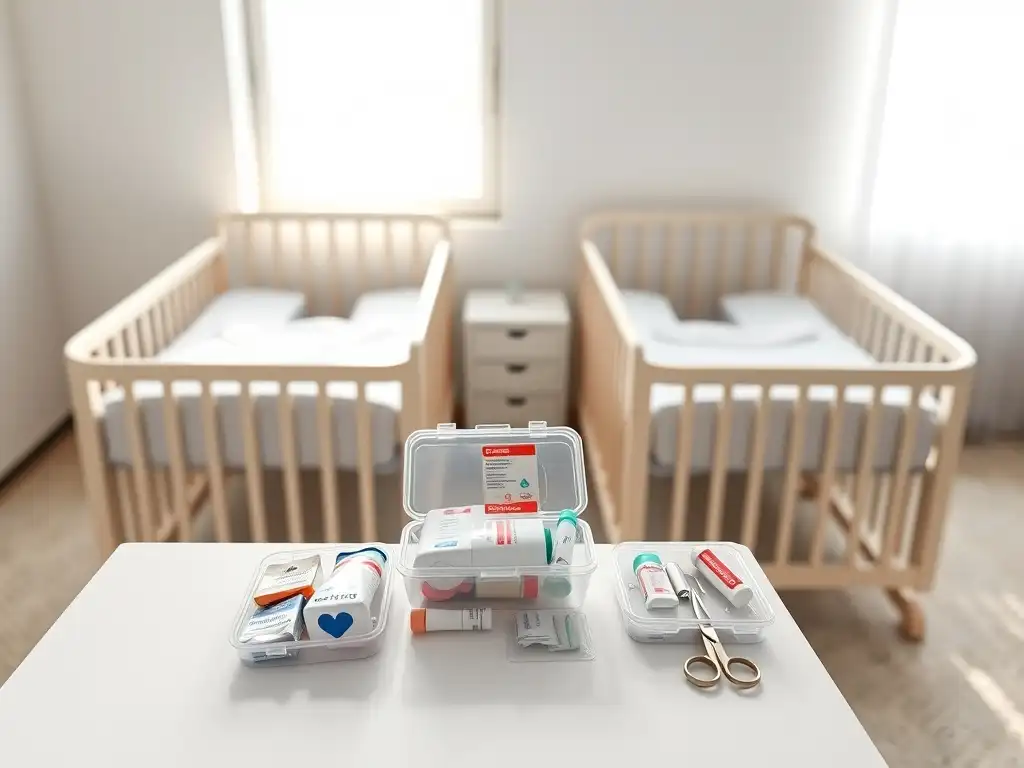
Having twins significantly increases the likelihood of needing first aid, simply due to the doubled workload and potential for simultaneous incidents. A well-stocked first-aid kit is crucial, but preparedness extends beyond just the contents. This section details essential items and strategies for handling common emergencies involving twins. Effective management hinges on swift action and a calm, organized approach. Remember, while this guide offers valuable information, it's not a substitute for professional medical advice. Always seek immediate medical attention when necessary.
Dealing with Twin-Specific Feeding Challenges: Addressing Colic and Latch Difficulties
Feeding twins presents unique hurdles. Colic, characterized by excessive crying and fussiness, can strike both babies simultaneously, leading to parental exhaustion. Latch difficulties, especially common with twins due to potential variations in their individual needs, can hinder effective feeding and impact their weight gain.
Effective strategies involve:
- Organized feeding schedule: Establishing a structured routine, even with small variations to accommodate individual needs, helps maintain consistency and reduces chaos. This includes noting down feeding times, amounts, and any observations regarding each twin's behavior.
- Individualized feeding approach: Recognizing that twins are distinct individuals is paramount. One might have a stronger suck than the other, requiring different feeding techniques or bottle nipples. Keep detailed records of each twin's feeding progress.
- Support systems: Leaning on family, friends, or a postpartum doula can provide invaluable assistance during challenging feeding times. Don't hesitate to ask for help!
- Early intervention: If latch difficulties persist, consult a lactation consultant. They can offer personalized guidance and identify any underlying issues. For colic, a pediatrician can help rule out any medical conditions and suggest soothing techniques.
- Monitoring weight gain: Regular weight checks are vital to ensure both twins are thriving. Any significant deviation from the expected growth curve should be addressed promptly with your pediatrician.
Managing Twin Colds and Respiratory Issues: Treating Congestion and Coughs
Twins share close proximity, increasing the risk of rapid infection transmission. A cold in one often quickly becomes a cold in both. Recognizing symptoms early and taking appropriate steps is critical.
Key considerations for managing twin colds:
| Symptom | Action | Note |
|---|---|---|
| Runny Nose | Saline drops and gentle suction (bulb syringe) for infants; tissues for older babies. | Avoid over-the-counter decongestants without consulting a pediatrician. |
| Cough | Humidifier to moisten the air; plenty of fluids. | Persistent or severe coughing warrants immediate medical attention. |
| Fever | Monitor temperature regularly; administer age-appropriate fever reducers (as directed by a pediatrician). | High fever, especially in infants, requires immediate medical attention. |
| Difficulty Breathing | Seek immediate medical attention. | This is a serious symptom and requires prompt professional assessment. |
Remember to keep twins separate as much as possible (if feasible) to minimize the spread of infection. Good hygiene practices, such as frequent handwashing, are essential. Separate bedding and feeding supplies can also help mitigate the spread of germs.
Diaper Rash Prevention and Treatment in Twins: Minimizing Irritation and Promoting Healing
Diaper rash is a common occurrence, and with twins, the likelihood of both experiencing it concurrently increases. Proactive prevention is key.
Effective strategies for managing diaper rash in twins include:
- Frequent diaper changes: Changing diapers frequently, especially after bowel movements, minimizes skin exposure to irritants.
- Gentle cleansing: Use warm water and a soft cloth to clean the diaper area; avoid harsh soaps or wipes.
- Air drying: Allow the diaper area to air dry before applying a diaper.
- Barrier creams: Apply a diaper rash cream containing zinc oxide or other protective ingredients to create a barrier against moisture.
- Proper diaper fit: Ensure diapers are not too tight, preventing chafing and irritation.
- Monitoring for infection: Look for signs of infection such as increased redness, swelling, or pus. Seek medical attention if signs of infection are present.
- Consistency is key: Maintaining a consistent routine for diaper changes and skin care is paramount for preventing and treating diaper rash in twins. This can significantly reduce the frequency and severity of outbreaks.
Addressing diaper rash in two babies simultaneously necessitates meticulous organization and a proactive approach. The earlier you intervene, the more likely you are to prevent a worsening condition. Remember, seeking professional advice is always an option if you are unsure or concerned. 👶👶
Beyond the Basics: Advanced Twin Baby First Aid Preparedness
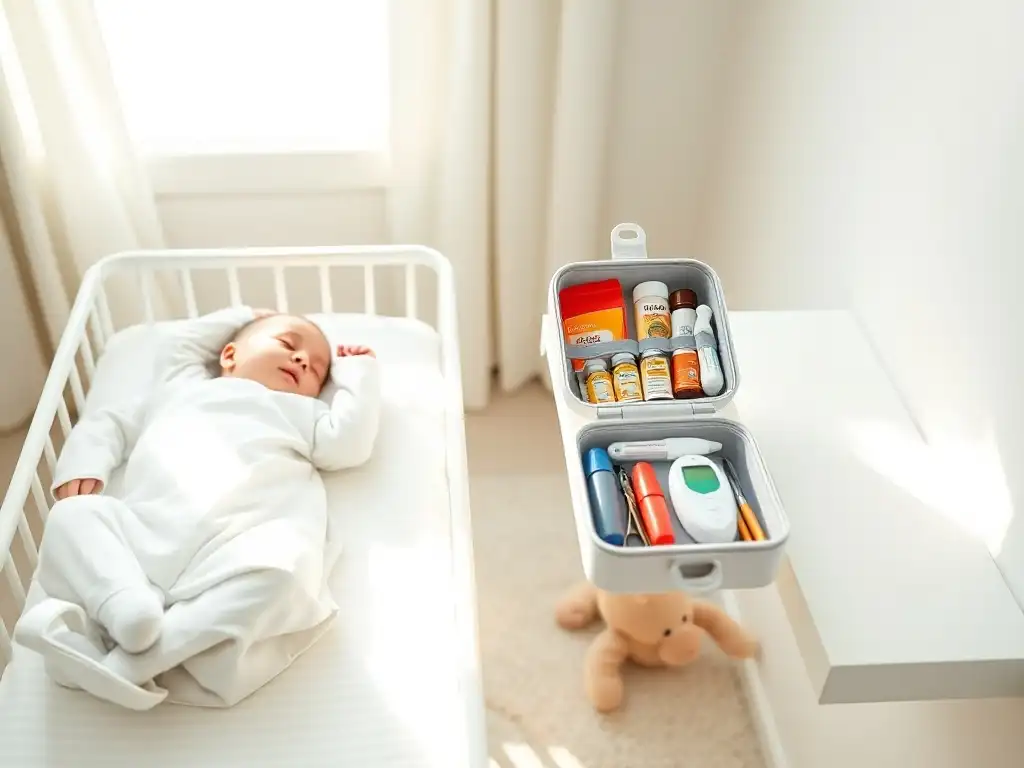
This section delves into crucial aspects of first aid preparedness specifically tailored for parents of twins. While a well-stocked first aid kit is essential (covered in previous sections), proactive planning for emergencies significantly enhances your ability to respond effectively. Remember, the unique challenges of caring for two newborns simultaneously require a more comprehensive approach to emergency preparedness. This involves not only having the right supplies but also establishing clear procedures and acquiring essential skills. Efficiently managing two infants during a crisis requires forethought and practice.
Emergency Contact Information and Action Plans for Twins
Having readily accessible emergency contact information is paramount, especially when dealing with two infants. Simply listing numbers isn't enough; you need a streamlined system. Consider creating a laminated card with large, clear print, including:
- Emergency Services: Your local emergency number (911 in the US, 999 in the UK, etc.)
- Primary Care Physician: Name, phone number, and address.
- Pediatrician: Name, phone number, and address.
- Family/Friends: List at least two reliable contacts who can assist during an emergency. Include their phone numbers and brief instructions on how they can help (e.g., "Call pediatrician," "Pick up older sibling").
- Hospital Information: The nearest hospital's address and phone number.
- Twin Baby Information: A brief summary of each twin's medical history, allergies, and current medications. This is particularly crucial if one twin requires specialized care.
Furthermore, develop a clear action plan. This plan should outline steps to take in various emergency scenarios, such as:
- Fever: What temperature warrants a call to the doctor? What medications are you authorized to administer?
- Choking: Practice infant CPR and choking relief techniques for both babies. This requires more coordination than with a single infant.
- Accident: Establish a clear procedure for assessing the situation, providing immediate first aid, and contacting emergency services.
This detailed plan should be easily accessible, perhaps near your phone or within your first aid kit. Practice this plan with your partner to ensure both of you are comfortable and familiar with the steps involved. Regularly review and update this information as needed.
Transporting Twins in an Emergency: Safety and Efficiency
Simultaneously transporting two infants during an emergency presents unique logistical challenges. Pre-planning is key to ensuring the safety and efficient transport of your twins.
Consider these points:
- Car Seats: Ensure you have two properly installed car seats, appropriate for the twins' age and weight. Practice securing both infants quickly and correctly.
- Diaper Bag: A well-organized diaper bag with essentials (diapers, wipes, extra clothing) is crucial. Consider having a separate, smaller bag for each twin to avoid confusion during a rush.
- Designated Transport Plan: Determine in advance who will transport the twins (you, your partner, or emergency services) and which route to take to the nearest hospital or medical facility.
- Emergency Vehicle: If using your personal vehicle, ensure it is in good working order and readily available.
The key here is practice. Regularly practice getting both twins into their car seats quickly and safely. Simulate an emergency situation to identify potential bottlenecks and refine your procedure. This practice minimizes stress and maximizes efficiency in a real emergency.
CPR and First Aid Training for Twin Parents
This is non-negotiable. Knowing CPR and basic first aid is essential for any parent, but doubly so for parents of twins. The added complexity of managing two infants simultaneously requires specialized training.
- Certified Courses: Enroll in a certified infant and child CPR and first aid course. Many organizations offer these courses, often specifically tailored to parents.
- Focus on Twin-Specific Challenges: During the training, explicitly address the challenges of managing two infants simultaneously. Practice scenarios that involve needing to provide CPR or first aid to one twin while simultaneously monitoring the other.
- Regular Refresher Courses: CPR and first aid techniques evolve. Regular refresher courses ensure your skills remain up-to-date and your confidence remains high.
Remember, investing in this training is an investment in your twins' safety and well-being. The knowledge and skills gained will provide invaluable peace of mind and the ability to respond effectively in any emergency situation. Don't underestimate the importance of this step; it’s a crucial element of comprehensive twin baby first aid preparedness.
Maintaining Your Twin Baby First Aid Kit: Regular Checks and Updates
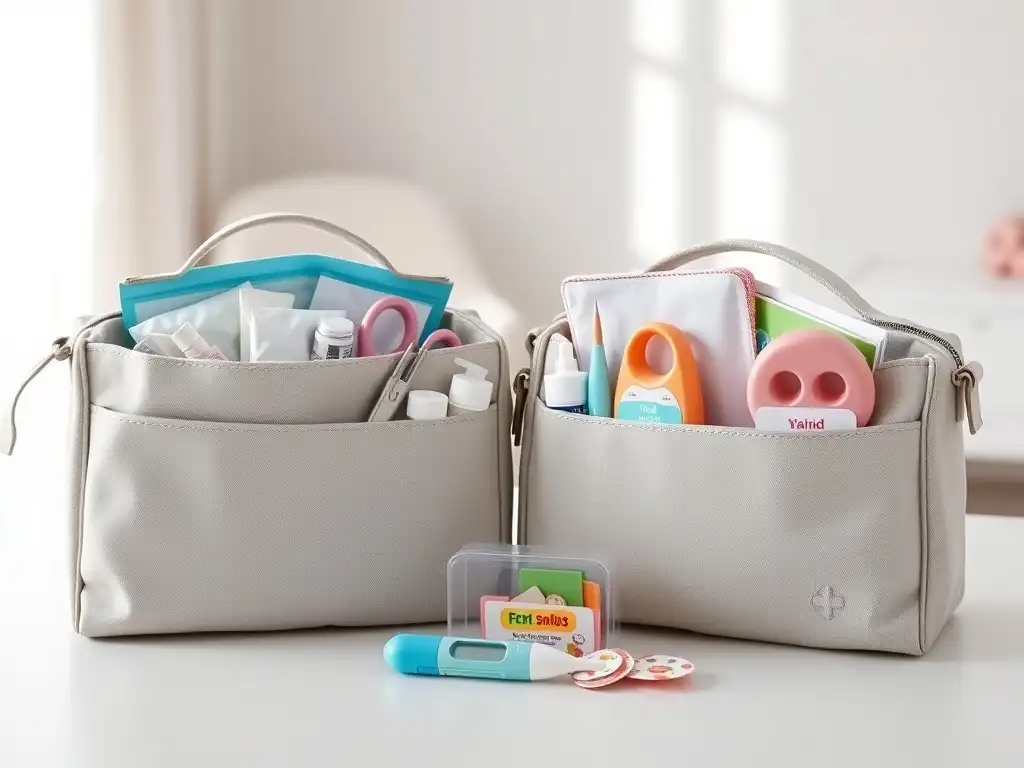
Having a well-stocked first aid kit is crucial for any parent, but even more so when caring for twins. The demands are doubled, and the potential for needing immediate care is significantly increased. Therefore, maintaining your twin baby first aid kit requires diligence and regular attention. This isn't just about having the supplies; it's about ensuring everything is readily accessible, in good condition, and appropriately replenished. Neglecting this can lead to delays in crucial moments. Think of it as preventative care for your preventative care!
Replenishing Supplies: A Monthly Checklist for Twin Parents
Maintaining a twin baby first aid kit involves more than just a one-time stock-up. Regular checks are vital, and a monthly review is highly recommended. This prevents expiration dates from sneaking up on you and ensures you're always prepared. Consider using a checklist like the one below:
| Item | Quantity (per twin) | Check Monthly For: | Notes |
|---|---|---|---|
| Antiseptic wipes | 2 packs | Expiration date, quantity | Choose alcohol-free wipes for sensitive skin. |
| Band-aids (various sizes) | 2 boxes | Quantity, sticking ability | Ensure a variety of sizes are available for different wounds. |
| Gauze pads | 2 packs | Quantity, cleanliness | Check for any damage or discoloration. |
| Thermometer (digital) | 2 | Functionality, battery life | Having two ensures you can take temperature simultaneously if needed. |
| Saline solution | 2 bottles | Expiration date, leakage | Useful for cleaning minor wounds and nasal congestion. |
| Baby pain reliever (check with pediatrician) | 2 bottles | Expiration date, dosage | Always consult your pediatrician before using any medication. |
| Tweezers | 1 | Cleanliness, functionality | Useful for removing splinters or other small irritants. |
Remember, this is a sample checklist. Adjust it based on your twins' specific needs and your doctor's recommendations. Always consult your pediatrician for advice on specific medications and first aid procedures. The peace of mind knowing you're prepared is invaluable.
Storing Your Twin First Aid Kit: Accessibility and Safety
The location of your twin baby first aid kit is just as important as its contents. Accessibility is paramount in emergencies. A poorly placed kit can mean precious seconds lost when every second counts. Simultaneously, safety must be prioritized; you don't want curious little hands accessing potentially dangerous items.
Consider these factors when choosing a storage location:
- Accessibility: Keep the kit in a central, easily accessible location, ideally on a lower shelf within easy reach. Avoid placing it in a high cabinet or a hard-to-reach area.
- Safety: Store the kit out of reach of your twins. A locked cabinet might be necessary, especially as they become more mobile. Ensure any potentially hazardous items are securely sealed and stored separately if necessary.
- Organization: Organize the kit logically, with frequently used items easily identifiable. Using clear containers can further improve visibility and organization. Label everything clearly.
- Environment: Store the kit in a cool, dry place, away from direct sunlight and moisture. This will help preserve the quality and effectiveness of the supplies.
When to Seek Professional Medical Help for Your Twins: Recognizing Warning Signs
While a well-stocked first aid kit helps manage minor injuries and ailments, knowing when to seek professional medical help is crucial. With twins, the situation can quickly escalate, so prompt action is essential. Don't hesitate to contact your pediatrician or seek emergency medical attention if you observe any of the following warning signs:
- High fever (above 100.4°F or 38°C): A persistent high fever in either twin warrants immediate medical attention, especially in infants.
- Difficulty breathing: Rapid, shallow breathing, wheezing, or any signs of respiratory distress require immediate medical help.
- Persistent vomiting or diarrhea: Dehydration can quickly become a serious issue for infants; consult a doctor if vomiting or diarrhea persists.
- Seizures: Any seizure activity necessitates immediate medical attention.
- Unconsciousness or loss of responsiveness: This is a life-threatening emergency requiring immediate medical intervention.
- Significant head injury: Any head injury, even a seemingly minor bump, should be assessed by a medical professional.
- Severe allergic reaction: Signs like swelling, difficulty breathing, or hives indicate a severe allergic reaction requiring immediate medical attention.
- Any concerning changes in behavior or feeding patterns: If you notice unusual lethargy, irritability, or changes in feeding habits, contact your doctor.
Remember, when in doubt, it's always better to err on the side of caution. Your twins' health and safety are paramount. Trust your instincts, and don't hesitate to seek professional medical help when needed. Early intervention can make a significant difference in the outcome.
Creating a Peaceful and Safe Environment for Your Twins: Beyond First Aid
Having a first aid kit readily available is crucial for twin parents, but creating a safe and peaceful home environment is equally vital. This goes beyond simply having the right supplies; it's about proactively minimizing risks and fostering a calm atmosphere for your little ones. Remember, two babies mean double the potential for accidents, requiring a more comprehensive approach to safety. This section focuses on strategies to establish a secure and tranquil home for your twins, reducing the likelihood of emergencies in the first place. Proper preparation is key to managing the unique challenges of caring for twins.
Baby-Proofing Your Home for Twins: Double the Precautions
Baby-proofing for twins requires a significantly heightened level of vigilance. Everything needs to be considered twice – two babies mean twice the number of curious hands exploring their environment. Traditional baby-proofing measures need to be implemented with even greater thoroughness. Consider these key areas:
- Electrical Outlets: Use safety plugs on every outlet, not just the ones you think are accessible. Twins are surprisingly resourceful at finding unexpected ways to reach things! Double-check regularly that all plugs remain securely in place.
- Cabinets and Drawers: Install childproof latches on all cabinets and drawers, paying special attention to those containing cleaning supplies, medications, and potentially harmful items. Consider using latches that are difficult for even determined toddlers to open – you'll need robust solutions for twice the inquisitive minds.
- Furniture Anchoring: Secure tall furniture (bookcases, dressers) to the walls to prevent tipping accidents. This is especially important with twins, as they might climb on or pull themselves up on furniture, potentially causing serious injuries. Remember to use appropriate anchoring hardware rated for the weight of the furniture.
- Stairways: Install sturdy gates at the top and bottom of all staircases. Double-check the gate closures regularly to ensure they are properly secured. With two babies, even a brief lapse in security can lead to a dangerous situation.
- Window Treatments: Use cordless blinds or shades to prevent strangulation hazards. Traditional cords pose a significant risk, and with twins, the chances of entanglement increase exponentially.
- Toxic Substances: Store all cleaning supplies, medications, and other potentially harmful substances in locked cabinets, high up and out of reach. Consider using a locked cabinet specifically designed for storing hazardous materials. Keep the key in a safe, inaccessible place.
- Flooring: Use soft, padded flooring or rugs in areas where your babies are likely to crawl or play. This will help to cushion falls and minimize injuries. Regularly inspect the flooring for any hazards such as loose tiles or protruding objects.
- Small Objects: Regularly scan the floor and play areas for small objects that could pose a choking hazard. Remember, what might seem too small for one baby might be tempting for the other to put in their mouth. Use a toy chest with a secure lid to store toys that are not currently in use.
| Hazard Category | Baby-Proofing Solution | Twin Considerations |
|---|---|---|
| Electrical Outlets | Safety plugs | Install on every outlet; check regularly for secure placement |
| Cabinets & Drawers | Childproof latches | Use robust latches; double-check frequently |
| Tall Furniture | Wall anchoring | Secure all tall furniture; use appropriate weight-rated hardware |
| Stairways | Safety gates | Install gates at top and bottom; check closures regularly |
| Window Treatments | Cordless blinds/shades | Avoid traditional cords entirely |
| Toxic Substances | Locked cabinets, high and out of reach | Use a dedicated locked cabinet for hazardous materials |
| Choking Hazards | Regular floor checks, secure toy storage | Increased vigilance; smaller objects are a greater risk |
Remember, proactive baby-proofing is a continuous process. Regularly reassess your home environment as your twins grow and develop new skills. The goal is not just to prevent accidents, but to create a home where your twins can explore and thrive in a safe and peaceful atmosphere. 👶👶
Frequently Asked Questions
What are the essential differences between a single baby first aid kit and a twin baby first aid kit?
The main difference is the quantity of supplies. You'll need double the amount of items like bandages, antiseptic wipes, and fever reducers to care for two babies simultaneously. Consider also having two separate kits for easier access during emergencies.
What specific first aid items are crucial for twin babies, given their increased risk of accidents?
Given the higher likelihood of simultaneous needs, prioritize duplicate supplies of essential items such as thermometers, nasal aspirators, and oral rehydration solutions. Also, include extra clothing and blankets for warmth and comfort.
How can I organize my twin baby first aid kit for easy and quick access during emergencies?
Organize your kit using clear, labeled containers or bags. Keep frequently used items like bandages and antiseptic wipes readily accessible on top. Consider a portable bag for easy transport if you're frequently on the go.
Where should I store my twin baby first aid kit to ensure it's easily accessible but safe from the babies?
Store the kit in a designated, easily accessible location, such as a low shelf in a cupboard, but out of reach of the twins. Ensure the storage area is cool, dry, and dark to preserve the efficacy of the supplies.
Are there any specific first aid courses or resources recommended for parents of twins?
While standard first aid training is beneficial, consider courses focusing on infant and child CPR, and handling multiple emergencies. The American Red Cross and St. John Ambulance offer excellent resources and courses suitable for parents of twins.
Final Reflection: A Prepared Parent is a Peaceful Parent
The unexpected nature of infancy, doubled with twins, underscores the critical need for preparedness. A well-stocked first-aid kit isn't just a box of supplies; it's a symbol of proactive care and a lifeline in moments of worry. Knowing you have the essential tools readily available can significantly reduce stress and anxiety during those inevitable bumps and scrapes (and maybe a few more significant emergencies).
The journey of twin parenthood is a unique and often overwhelming experience, demanding a level of readiness that surpasses the typical single-child scenario. The sheer volume of needs, doubled in every aspect, can feel daunting. Yet, the ability to swiftly and effectively address minor injuries or illnesses can make a world of difference in maintaining a sense of calm and control. The best way to find yourself is to lose yourself in the service of others.
– Mahatma Gandhi. This quote, while seemingly unrelated at first, speaks to the self-care aspect of preparedness. By prioritizing your ability to care for your twins, you are ultimately caring for yourself and fostering a more peaceful environment for your entire family.
Now, consider your own first-aid kit. Is it complete? Does it contain everything you need for your twins' specific needs? Take a moment to review the items discussed in this article and assess your own preparedness. Don't wait for an emergency to strike; take proactive steps today to ensure you have the tools and knowledge to navigate the beautiful chaos of twin parenthood with confidence and peace of mind. Your peace of mind is invaluable, and a well-stocked first-aid kit is a significant step towards achieving it.
Ready to Tackle Twin-Sized Emergencies?
Thank you for taking the time to learn about essential first aid for your twins! We hope this guide empowers you with the confidence to handle unexpected situations. Let's put that knowledge into practice.
- Assemble your personalized twin first-aid kit today! Use this guide as a checklist, tailoring it to your twins' specific needs and ages. Remember to account for having two children—you'll likely need twice the amount of supplies.
- Share your top tips and essential items with other parents of twins in the comments below. Let's build a supportive community!
- Consider creating a laminated emergency contact sheet and keeping it readily accessible near your first-aid kit.
What unexpected challenges have you faced with your twins, and how did you prepare for them?