
Traveling with a Newborn: How to Prepare for Unexpected Situations

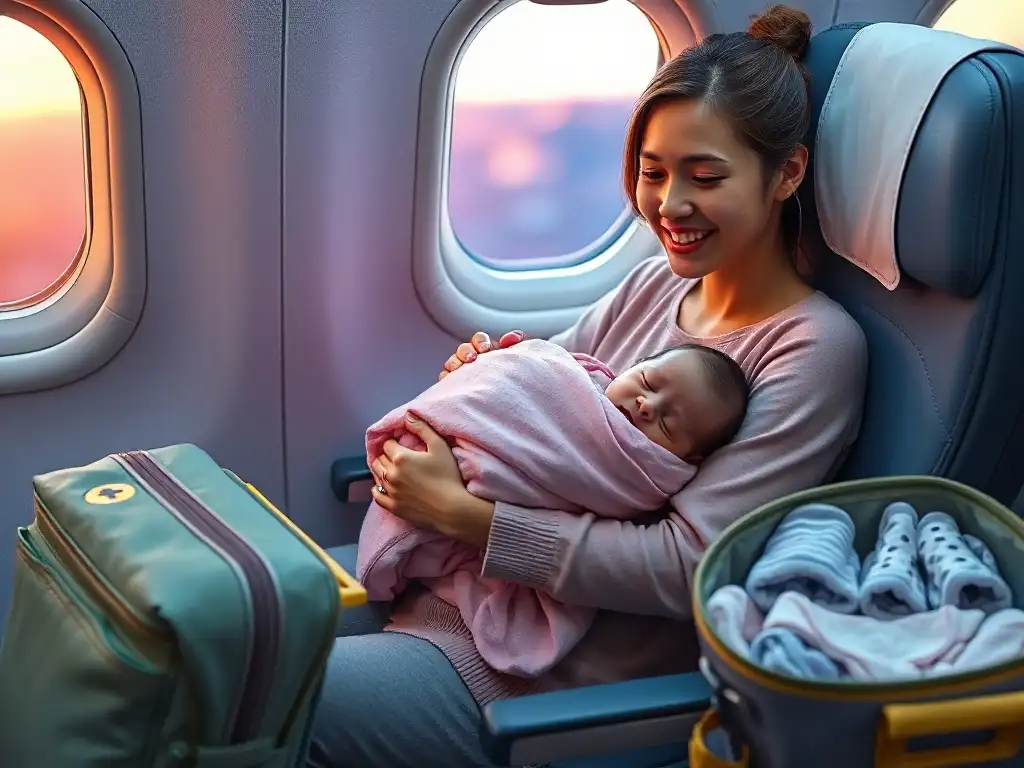
Welcome to BabyCareHub, your ultimate guide to navigating the incredible journey of parenthood! Are you ready for your first family adventure? Then prepare for takeoff – but not without exploring our essential guide on newborn travel emergency preparedness. We'll equip you with the knowledge and confidence to handle unexpected situations, ensuring smooth sailing on your travels with your little one. Discover the secrets to stress-free trips and peace of mind – let's get started!
- Mastering Newborn Travel Emergency Preparedness: A Comprehensive Guide
- Addressing Common Newborn Travel Challenges: Proactive Solutions
- Planning for Potential Newborn Travel Emergencies: Prevention is Key
- Handling Newborn Travel Emergencies: Step-by-Step Actions
- Post-Trip Newborn Care After Travel: Re-establishing Routines
-
Frequently Asked Questions
- What are the essential medical supplies I should pack for a newborn's travel emergency kit?
- How do I transport my baby's medications safely during travel?
- What are some safety measures I should take when traveling by car with a newborn?
- What should I do if my baby gets sick during travel?
- How can I prepare my baby for the changes in altitude or climate during travel?
- Final Reflection: Navigating the Uncharted Territory of Newborn Travel
- Unlock Your Worry-Free Travel Adventure!
Mastering Newborn Travel Emergency Preparedness: A Comprehensive Guide
Traveling with a newborn can be an incredibly rewarding experience, filled with precious moments and lasting memories. However, the unpredictable nature of infants, coupled with the challenges of navigating unfamiliar environments, necessitates thorough preparation. This guide focuses on newborn travel emergency preparedness, equipping first-time parents with the knowledge and resources to confidently handle unexpected situations while traveling with their little one. We'll delve into essential packing lists, crucial first-aid knowledge, and vital medication considerations, ensuring a smoother and safer journey for both parent and baby.
Successfully navigating unexpected events during newborn travel requires proactive planning and a calm, resourceful approach – this guide will empower you to achieve just that. Remember, being prepared is the key to minimizing stress and maximizing the joy of your family adventure. 👶✈️
Packing Essentials for Newborn Travel Emergencies: Diaper Bag Must-Haves
A well-stocked diaper bag is your first line of defense against minor travel mishaps. Beyond the usual diapers, wipes, and changes of clothes, consider these crucial additions for emergency preparedness:
- Extra Clothing: Pack at least three complete changes of clothes for your baby, including socks and outerwear. Spills, blowouts, and unexpected illnesses can happen quickly.
- Blankets: A lightweight receiving blanket and a warmer swaddle can provide comfort and warmth in unpredictable temperatures.
- Diaper Rash Cream: Prevent and treat diaper rash, a common travel irritant.
- Baby Wipes: These are essential for cleaning up messes, hands, and faces. Pack more than you think you'll need!
- Plastic Bags: For soiled clothing, dirty diapers, and unexpected spills – keeping things contained is crucial.
- Hand Sanitizer: Maintain hygiene on the go, especially in areas with limited access to handwashing facilities.
- Baby Food/Formula (if applicable): Pack extra, considering potential delays or disruptions to your travel plans.
- Bottles & Sippy Cups (if applicable): Ensure clean and readily available feeding options.
- Portable Changing Pad: Provides a clean and hygienic surface for diaper changes in various locations.
Infant First-Aid Kit Checklist for Smooth Newborn Travel
A comprehensive first-aid kit tailored to your newborn’s needs is non-negotiable for safe travel. This should go beyond a basic kit and include items specifically addressing infant needs:
| Item | Quantity | Notes |
|---|---|---|
| Thermometer (digital) | 1 | Essential for monitoring your baby's temperature. |
| Antiseptic Wipes/Solution | Multiple | Clean and disinfect minor cuts and scrapes. |
| Sterile Gauze Pads | Several | For wound cleaning and dressing. |
| Band-Aids (various sizes) | Several | For minor cuts and abrasions. |
| Tweezers | 1 | For removing splinters or foreign objects. |
| Pain Reliever (Infant) | As needed | Always consult your pediatrician before administering any medication. |
| Saline Nasal Spray | 1 | To clear a stuffy nose. |
| Baby Nail Clippers | 1 | Keep those tiny nails trimmed to prevent scratches. |
| Oral Rehydration Salts | 1 packet | Crucial for preventing dehydration during illness, especially diarrhea. |
Essential Medications and Supplies for Unexpected Newborn Health Issues on the Go
Beyond the first-aid kit, having essential medications readily available can be life-saving in unexpected situations. Remember to always consult your pediatrician before traveling with any medication and ensure you have the necessary prescriptions.
- Prescription Medications: Pack a sufficient supply of any prescription medications your baby requires, including extra for potential delays.
- Copies of Prescriptions: Keep digital and physical copies readily available in case of loss or emergency.
- Allergies Medication (if applicable): Ensure you have appropriate medication to address any known allergies.
- Fever Reducer (Infant): Consult your pediatrician for the appropriate dosage and administration guidelines.
- Anti-diarrheal Medication (Infant): Only use as directed by your pediatrician; dehydration is a serious concern.
Remember, this is a starting point. Your pediatrician can provide personalized advice based on your baby's specific health needs and your travel plans. Prioritizing preparedness ensures peace of mind and a safer, more enjoyable journey for your family.
Addressing Common Newborn Travel Challenges: Proactive Solutions

Traveling with a newborn can be daunting, even for experienced parents. Unexpected situations are almost guaranteed, making thorough preparation crucial for a smoother journey. This section focuses on proactive strategies to mitigate common challenges associated with newborn travel emergency preparedness. We'll delve into practical solutions and techniques to help you navigate the complexities of traveling with your little one. Remember, preparedness is key to minimizing stress and maximizing enjoyment during your trip.
Dealing with Fussy Babies During Travel: Calming Techniques and Strategies
A fussy baby can transform a pleasant journey into a stressful ordeal. Understanding the reasons behind your baby's fussiness is the first step towards effective management. Common causes during travel include changes in routine, unfamiliar environments, and the pressure changes associated with air travel.
Several calming techniques can help soothe a distressed infant. These include:
- Pacifiers: Offer a clean pacifier; sucking provides comfort and reduces stress.
- Swaddling: A snug swaddle can mimic the feeling of security from the womb, reducing anxiety.
- White noise: The rhythmic sounds of a white noise machine or app can block out distracting noises and promote relaxation. Many parents find that the sound of a running car engine or airplane works surprisingly well.
- Skin-to-skin contact: Holding your baby close against your skin provides warmth and reassurance.
- Movement: Gentle rocking or swaying can soothe a fussy baby. A baby carrier can be incredibly useful for this purpose.
- Feeding: Hunger is a frequent cause of fussiness. Offer a feeding, even if it's not quite time according to the usual schedule.
Remember to stay calm yourself; your baby will pick up on your anxiety. A calm and reassuring demeanor can significantly impact your baby's emotional state. Pack familiar toys and blankets to provide comfort and a sense of security. Consider packing a small, soft toy that has a familiar scent from home.
Managing Diaper Changes and Feeding Schedules During Travel
Maintaining a consistent diaper changing and feeding routine while traveling can be challenging but crucial for your baby's well-being. Unexpected delays or changes in location can disrupt even the most meticulously planned schedules.
- Diaper Changes: Pack plenty of diapers, wipes, diaper rash cream, and disposal bags. Consider using a portable changing mat for hygiene and convenience. Always have a backup plan for changing diapers in unconventional locations. Public restrooms, while not ideal, may be your only option.
- Feeding Schedules: For breastfed babies, maintaining a consistent feeding schedule might be easier, although the change in environment can affect milk supply. For formula-fed babies, prepare formula in advance, using disposable bottles or bringing a travel-sized water container to mix formula on the go. Always ensure the water you use is safe for baby consumption. Consider using pre-measured formula packets for added convenience.
Having a well-organized diaper bag is essential. Organize items logically to quickly locate what you need. This will save valuable time and reduce stress, especially in crowded or less-than-ideal changing locations. A checklist can be helpful to ensure you haven't forgotten anything crucial.
Airport security checkpoints can be stressful, even without a baby. However, with proper planning, you can minimize disruption and ensure a smoother experience.
- Pre-check: If eligible, enrolling in TSA PreCheck can significantly speed up the process.
- Separate liquids: Pack breast milk or formula in separate, clear, plastic bags. Inform the TSA agent that you have baby supplies. They will often allow additional quantities beyond standard liquid limits.
- Carry-on essentials: Keep essential items such as diapers, wipes, and a change of clothes readily accessible in your carry-on bag. This is critical to avoid delays and maintain your baby's comfort.
- Baby carrier: Using a baby carrier can be more efficient than a stroller, especially during security checks. Consider a carrier that allows easy access to your baby for quick comfort measures.
- Patience: Remember to be patient; airport security lines can be long and unpredictable. Allow ample time to navigate the process. A calm and collected demeanor will help make the experience less stressful for both you and your baby.
Remember that airport personnel are generally understanding and accommodating to families with infants. Don't hesitate to ask for assistance if needed. Planning ahead and having a prepared mindset are your best allies in navigating airport security with a newborn. Proper newborn travel emergency preparedness includes anticipating and planning for the security checkpoint.
Planning for Potential Newborn Travel Emergencies: Prevention is Key
Traveling with a newborn, while exciting, inherently introduces unforeseen challenges. Effective newborn travel emergency preparedness hinges on proactive planning and meticulous preparation. Minimizing risks begins long before your departure date, focusing on prevention rather than solely reaction. This section delves into crucial pre-trip strategies to mitigate potential emergencies and ensure a smoother journey for both you and your little one. Successfully navigating unexpected situations during newborn travel requires careful consideration of various factors, from health concerns to logistical arrangements.
Pre-Trip Doctor's Visit for Newborn Travel: Important Checkups and Vaccinations
A comprehensive pre-trip checkup with your pediatrician is paramount. This isn't just about ensuring your baby is healthy enough to travel; it's about creating a safety net. Discuss your travel plans in detail, including the destination, duration, and mode of transportation. This allows your doctor to assess any potential health risks specific to your itinerary. For example, traveling to regions with different climates or prevalent diseases might necessitate additional vaccinations or preventative medications.
Your doctor can provide vital information regarding:
- Necessary vaccinations: Depending on your destination, certain vaccinations might be recommended for your newborn. These could include protection against diseases like polio, measles, mumps, rubella (MMR), and others. Your doctor will determine the appropriate schedule based on your baby's age and the specific health risks of your travel location.
- Prescription medications: Discuss any potential need for prescription medications, such as antibiotics for common childhood illnesses or remedies for allergies. Ensure you have sufficient quantities for the entire trip, plus a little extra in case of delays.
- First-aid kit essentials: Your doctor can help you assemble a comprehensive first-aid kit tailored to your newborn's needs and your travel plans. This should include items like antiseptic wipes, bandages, pain relievers (if appropriate for your baby's age), and any specific medications your baby might require.
- Emergency contact information: Obtain your doctor's direct contact information and any relevant hospital contact details in your destination area. This ensures you can quickly seek assistance if needed.
Selecting the Right Transportation for Newborn Travel: Car Seats and Carriers
The safety and comfort of your newborn during travel are paramount. Choosing the right transportation, particularly car seats and carriers, is non-negotiable. A correctly installed and appropriate car seat is vital for car journeys, regardless of distance. For flights, consider a comfortable carrier that allows you to keep your baby close while navigating airports and on the plane.
Here's a breakdown of essential considerations:
| Transportation Type | Key Considerations | Safety Tips |
|---|---|---|
| Car | Properly installed car seat appropriate for your baby's age and weight. Regular checks. | Ensure the car seat is correctly installed and your baby is securely fastened. |
| Airplane | FAA-approved infant car seat or comfortable carrier. | Keep baby secured during takeoff and landing. Monitor for signs of discomfort. |
| Train/Bus | Comfortable carrier that allows for easy access and breastfeeding/bottle feeding. | Secure carrier to prevent falls or sudden movements. |
Remember, always prioritize safety. Never compromise on the quality or appropriateness of your chosen transportation method.
Communicating with Healthcare Providers During Newborn Travel: Establishing a Plan
Before departure, establish clear communication lines with your healthcare providers. This includes having readily available copies of your baby's medical records, including vaccination history and any allergies. In addition to your pediatrician, consider having contact information for local healthcare professionals at your destination. This proactive measure ensures you can quickly access appropriate medical care if necessary.
Consider these steps:
- Digital copies of medical records: Store digital copies of your baby's medical records in a secure cloud storage service or on a readily accessible device.
- International health insurance: If traveling internationally, ensure you have comprehensive travel insurance that covers medical emergencies for your newborn.
- Translation services: If traveling to a non-English speaking country, arrange for translation services to facilitate communication with healthcare providers.
- Emergency contact list: Create a detailed emergency contact list, including your pediatrician's number, local healthcare providers' details, and emergency services numbers for your destination.
Effective communication is a cornerstone of successful newborn travel emergency preparedness. By establishing these channels before you go, you significantly reduce stress and increase the likelihood of a smooth and safe journey. Remember, prevention and preparation are your best allies when traveling with a newborn.
Handling Newborn Travel Emergencies: Step-by-Step Actions
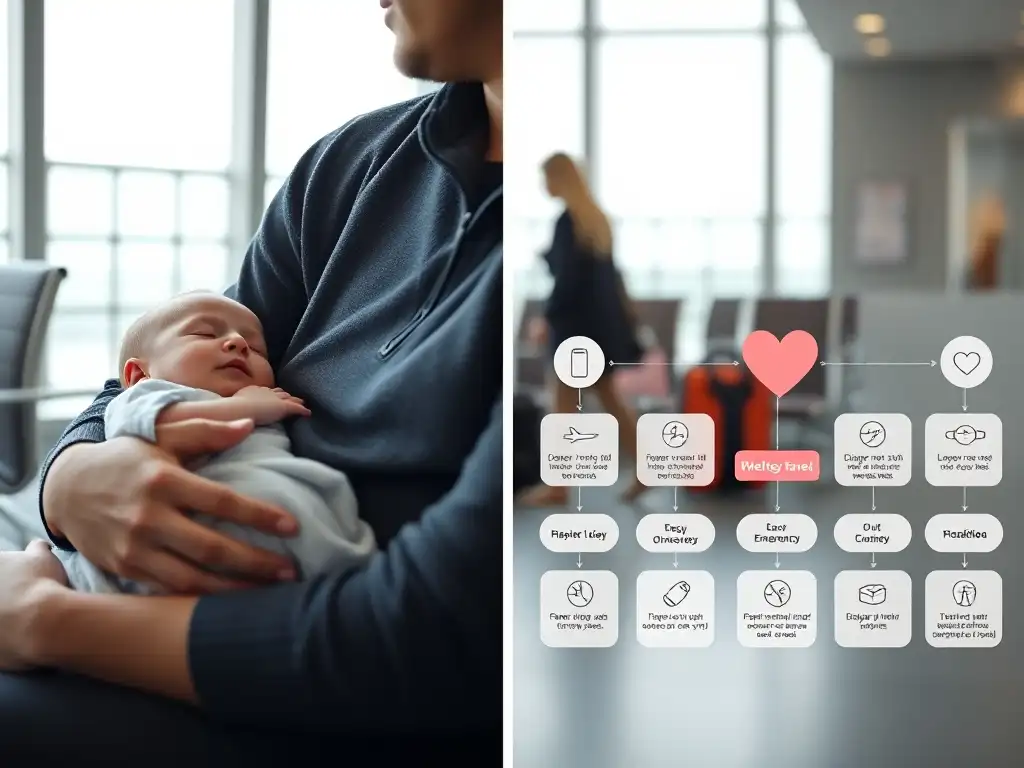
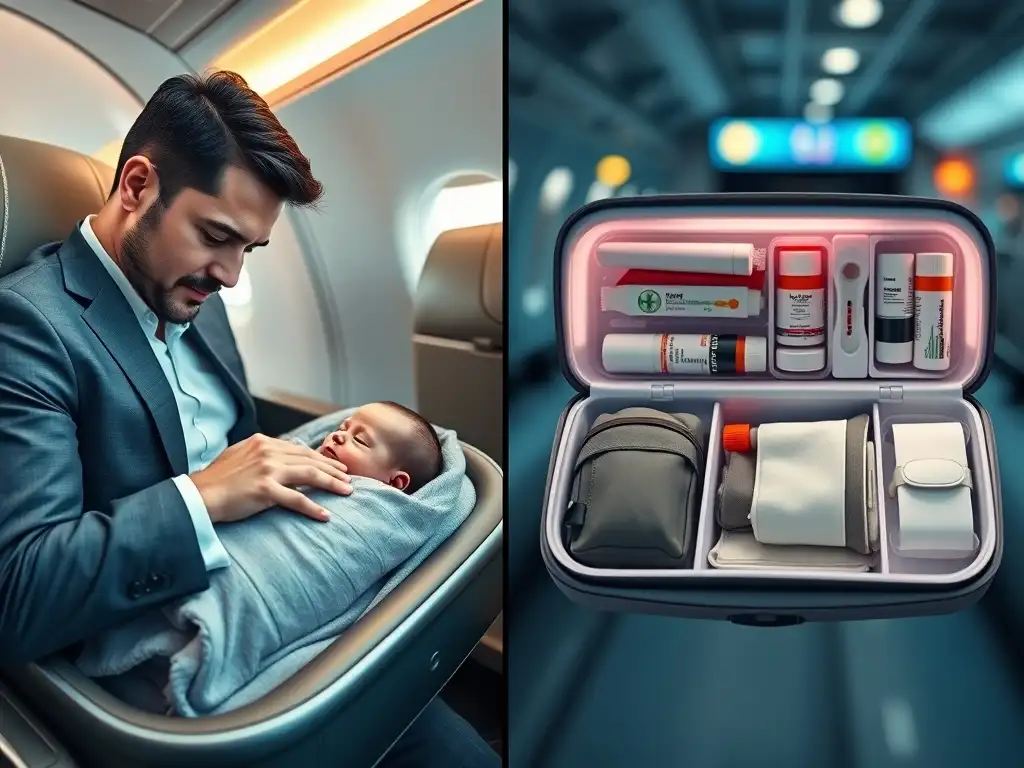
Traveling with a newborn presents unique challenges, and unexpected situations can arise. Effective newborn travel emergency preparedness hinges on proactive planning and a calm, decisive approach when problems occur. This section details a step-by-step action plan for handling various emergencies. Remember, your baby's safety is paramount. Always prioritize their well-being.
Responding to Common Newborn Illnesses During Travel: Fever, Vomiting, Diarrhea
Newborns are susceptible to illnesses, and travel can exacerbate existing conditions or trigger new ones. Fever, vomiting, and diarrhea are common concerns. Here's how to respond:
- Fever: A temperature above 100.4°F (38°C) warrants immediate attention. Offer frequent small amounts of fluids like breast milk or formula (if applicable). Dress your baby in light clothing to prevent overheating. Monitor their temperature closely and seek medical advice if it persists or worsens. Keep a detailed record of their temperature readings and any other symptoms. This will be invaluable information for medical professionals.
- Vomiting: Frequent vomiting can lead to dehydration. Offer small, frequent sips of fluid, resting for a short period between each offering. If vomiting continues for several hours or is accompanied by other symptoms like lethargy or fever, seek immediate medical attention. Consider keeping a small, clean container to collect any vomit samples, as this might be useful for diagnosis.
- Diarrhea: Similar to vomiting, diarrhea can cause dehydration quickly. Offer electrolyte solutions designed for infants, following package instructions carefully. Monitor diaper changes closely and note the frequency and consistency of the stools. If diarrhea persists for more than 24 hours or is accompanied by fever or blood in the stool, seek medical attention immediately. Dehydration in newborns is a serious concern, so prompt action is crucial. Remember to pack extra diapers and wipes for increased changes.
This structured approach helps to manage these common issues effectively. Always err on the side of caution and consult a healthcare professional when in doubt. Prevention through hygiene practices—frequent handwashing and sanitization—is equally crucial in mitigating the risk of illnesses during travel.
Addressing Minor Injuries During Newborn Travel: Cuts, Bruises, and Rashes
Minor injuries are inevitable, especially when traveling with a curious, mobile (or soon-to-be mobile) infant. Knowing how to handle them effectively is crucial for maintaining your baby’s comfort and preventing complications.
- Cuts: Clean the wound gently with mild soap and water. Apply a thin layer of antibiotic ointment and cover with a clean bandage. If the cut is deep, bleeds profusely, or shows signs of infection (redness, swelling, pus), seek immediate medical attention.
- Bruises: Most bruises are minor and will heal on their own. Apply a cold compress to reduce swelling and pain. Monitor for any signs of infection. If the bruise is unusually large, painful, or accompanied by other symptoms, seek medical advice.
- Rashes: Rashes can have various causes, from allergies to infections. Note the location, appearance, and any accompanying symptoms. If the rash is widespread, accompanied by fever, or appears infected, seek medical attention. Keeping a detailed log of the rash's progression can be beneficial for diagnosis. A photograph can also be helpful.
Remember, even seemingly minor injuries can become problematic if not properly managed. Always prioritize cleanliness and monitor for signs of infection. A well-stocked first-aid kit specifically designed for infants is essential for newborn travel emergency preparedness.
Seeking Medical Attention While Traveling with a Newborn: Finding Local Healthcare
Knowing how to access medical care while traveling is a critical aspect of newborn travel emergency preparedness. Before your trip:
- Research local healthcare options: Identify nearby hospitals, clinics, and pediatricians. Knowing their locations and contact information can save precious time in an emergency.
- Obtain necessary medical records: Carry copies of your baby's immunization records, medical history, and any relevant allergies. Ensure these are readily accessible in case of emergency.
- Inform your pediatrician: Let your pediatrician know your travel plans and obtain any necessary recommendations or prescriptions. They can also advise on potential health risks specific to your destination.
- Pack a comprehensive first-aid kit: Include essentials such as antiseptic wipes, bandages, pain relievers (appropriate for infants), and any necessary prescription medications.
Having a plan in place for seeking medical attention greatly reduces stress and improves the chances of a positive outcome during a medical emergency. Remember that proactive planning and preparation are key components of ensuring a safe and enjoyable travel experience for you and your newborn. Always prioritize your baby's well-being and seek medical help when needed.
Post-Trip Newborn Care After Travel: Re-establishing Routines
Returning home after a trip with your newborn can be just as challenging as the journey itself. The disruption to your established routines can lead to fussiness, sleep disturbances, and even illness. Successfully navigating this transition requires a thoughtful approach focused on gently reintegrating your baby's usual schedule. Effective newborn travel emergency preparedness includes planning for this post-trip phase.
Addressing Jet Lag in Newborns: Strategies for Rest and Recovery
Jet lag, even in newborns, can manifest as disrupted sleep patterns, irritability, and difficulty feeding. While newborns are remarkably adaptable, minimizing jet lag's impact requires proactive measures. Gradually adjusting your baby's sleep schedule before the trip can be beneficial. For example, if you're traveling east, start shifting bedtime slightly earlier in the days leading up to your departure. Conversely, shift bedtime later when traveling west.
The key is to make these adjustments gradually, perhaps by 15-30 minutes per day, to avoid overwhelming your baby. Upon arrival, maintain a consistent sleep-wake cycle, even if it means adjusting to the new time zone more quickly than you might otherwise. Sunlight exposure can also help regulate your baby's circadian rhythm. Consistent feeding times, even if slightly adjusted to accommodate the new time zone, can also help.
Remember, patience is key; it may take several days for your baby to fully adjust. Prioritize skin-to-skin contact and soothing routines to help your baby feel secure and comfortable during this transition. Observe your baby closely for any significant changes in behavior or feeding patterns which might indicate a more serious issue requiring medical attention.
Maintaining Hygiene and Preventing Infections After Travel
Travel exposes your newborn to various germs and environments different from their usual home surroundings. Maintaining impeccable hygiene is crucial to preventing infections, especially after exposure to unfamiliar places and potentially unsanitary conditions. Newborn travel emergency preparedness involves a thorough hygiene plan before, during, and after the trip.
This involves diligent handwashing – yours and anyone else handling your baby. Frequent handwashing with soap and water is paramount. If soap and water aren't readily available, use an alcohol-based hand sanitizer with at least 60% alcohol. Keep your baby's hands clean as well, wiping them frequently. Maintain a clean environment for your baby, especially their sleeping area and any surfaces they might come into contact with. Sanitize frequently touched surfaces like changing mats, toys, and feeding equipment. If possible, use disposable items to minimize the need for frequent cleaning.
Pay close attention to diaper changes, ensuring prompt and thorough cleaning to prevent diaper rash and infection. After the trip, consider a slightly more frequent cleaning schedule than usual. Monitor your baby carefully for any signs of infection, such as fever, diarrhea, rash, or unusual irritability. Early detection is critical for timely intervention. Don't hesitate to consult your pediatrician if you have any concerns about your baby's health following your travels. Remember, a proactive approach to hygiene is a cornerstone of effective newborn travel emergency preparedness.
Remember to always consult your pediatrician before and after any travel with your newborn, especially if you have any concerns about their health or well-being. This information is for educational purposes only and does not constitute medical advice.
Frequently Asked Questions
What are the essential medical supplies I should pack for a newborn's travel emergency kit?
Your kit should include infant pain relief medication (check dosage with pediatrician), antiseptic wipes, bandages, thermometer, oral rehydration salts, and a copy of your baby's medical records. Always consult your pediatrician before traveling.
How do I transport my baby's medications safely during travel?
Keep medications in their original containers and pack them in your carry-on bag, not checked luggage. Carry a doctor's note detailing the medications and dosages if necessary. Ensure you have enough medication for the entire trip, plus extra.
What are some safety measures I should take when traveling by car with a newborn?
Always use an appropriately sized rear-facing car seat, secured correctly. Never leave your baby unattended in the car, even for a short time. Pack extra diapers, wipes, and a change of clothes.
What should I do if my baby gets sick during travel?
Remain calm and assess the situation. If it's a minor ailment like a rash, treat as advised by your pediatrician. For more serious conditions like a fever or difficulty breathing, seek immediate medical attention at the nearest hospital or clinic.
How can I prepare my baby for the changes in altitude or climate during travel?
Gradual acclimatization is key. If traveling to a significantly different altitude or climate, allow your baby time to adjust. Hydration is crucial; breastfeed or offer formula frequently. Consult your pediatrician about any potential health concerns related to the destination.
The unexpected nature of newborn travel is a reality every parent must confront, and preparedness is not merely a suggestion, but a necessity for a safe and enjoyable journey. The challenges outlined in this article – from sudden illnesses to logistical hurdles – highlight the importance of proactive planning and a flexible mindset. Failing to prepare adequately can transform a dream vacation into a stressful ordeal, impacting the well-being of both parent and child.
The emotional rollercoaster of navigating unfamiliar environments with a tiny human is a profound experience, shaping our understanding of resilience and adaptability. It's a journey that forces us to confront our own limitations and discover unexpected strengths. This experience, though demanding, fosters a unique bond between parent and child, forged in the crucible of shared challenges. The journey of a thousand miles begins with a single step,
Lao Tzu wisely observed, and this journey, though fraught with potential difficulties, is ultimately a testament to the enduring power of love and determination.
Now, consider your own upcoming travels, or even your daily routines. What unforeseen circumstances could arise? What steps can you take today to mitigate potential risks and enhance your preparedness? Don't just passively read about emergency preparedness; actively build a plan tailored to your family's needs. Embrace the unexpected, knowing that with careful planning and a positive attitude, you can transform potential anxieties into opportunities for growth and unforgettable memories. The journey awaits – are you ready?
Unlock Your Worry-Free Travel Adventure!
Thank you for joining us on this journey into the unpredictable world of traveling with a newborn! We hope you've gained valuable insights to help you prepare for anything. Now, it's time to put that knowledge into action.
- Craft your personalized travel checklist: This is key to a smooth and stress-free trip. Download our free printable checklist (available on the BabyCareHub homepage) to get started!
- Share your best travel tip: What advice would you give other parents facing the same challenge? Share it in the comments below—let's build a supportive community for new parents!
- Visualize your ideal family getaway: Imagine yourselves relaxed and enjoying your trip. How will you adapt your preparations to make this a reality?
Ready to plan your next unforgettable family adventure?