
Swaddling: Understanding Your Baby's Needs


Welcome to BabyCareHub, your ultimate guide to navigating the incredible journey of parenthood! Are you ready to unlock the secrets to a happier, healthier baby? We understand the overwhelming experience of welcoming a newborn, which is why we've created this comprehensive resource. Discover the art and science behind baby swaddling in our detailed Baby Swaddling Guide for Newborns, a crucial step in ensuring your little one sleeps soundly and safely. Dive in and explore the world of newborn care – your adventure starts now!
- Baby Swaddling Guide for Newborns: The Basics
- How to Swaddle Your Newborn Baby: A Step-by-Step Guide
- When to Stop Swaddling Your Baby: Recognizing Developmental Milestones
- Common Swaddling Mistakes and How to Avoid Them
- Swaddling and Safe Sleep Practices
- Swaddling and SIDS: Understanding the Risks and Precautions
- Alternatives to Swaddling for Your Baby
- Frequently Asked Questions
- Final Reflection: The Enduring Embrace of Swaddling
- Unlock Your Baby's Peaceful Sleep: A Swaddling Journey Begins
Baby Swaddling Guide for Newborns: The Basics
Swaddling, a practice dating back centuries, is experiencing a resurgence in popularity amongst modern parents. This comprehensive guide will delve into the art and science of swaddling your newborn, providing you with the knowledge and confidence to safely and effectively use this soothing technique.
We'll explore the benefits of swaddling, how to choose the right swaddle for your little one, and importantly, how to identify when your baby might be ready to transition out of a swaddle. This guide aims to empower first-time parents with the information necessary to make informed decisions about swaddling and contribute to a more peaceful and restful experience for both baby and caregiver.
Understanding your baby's individual needs and preferences is key to successful swaddling, and this guide will walk you through each crucial step. This guide aims to answer your questions on baby swaddling for newborns, providing a step-by-step approach to this essential newborn care technique.
What is Swaddling and Why is it Beneficial for Newborns?
Swaddling involves wrapping your baby snugly in a blanket, mimicking the feeling of being held securely. This gentle pressure can have a remarkably calming effect on newborns, reducing the startle reflex (also known as the Moro reflex) that often jolts them awake during sleep. The feeling of being enveloped provides a sense of security and comfort, similar to the sensation they experienced in the womb. This comforting pressure can significantly improve sleep duration and quality for both the baby and parents! 🎉
Numerous studies have shown the benefits of swaddling, including:
- Improved sleep: Swaddling can lead to longer periods of uninterrupted sleep for newborns, crucial for their growth and development.
- Reduced crying: The calming effect of swaddling can significantly lessen crying spells, providing relief for both baby and parent.
- Enhanced comfort: The snug feeling of being swaddled provides a sense of security and comfort, similar to the womb environment.
- Reduced startle reflex: Swaddling helps minimize the Moro reflex, a natural reflex that can startle babies awake.
However, it's crucial to remember that swaddling is not suitable for all babies, and it's essential to follow safety guidelines. We'll discuss this further in subsequent sections.
Understanding Your Baby's Sleep Preferences and Swaddling Needs
Every baby is unique, and their sleep preferences and responses to swaddling will vary. Some babies thrive in a swaddle, while others might find it restrictive. Observing your baby's cues is paramount. Pay close attention to:
- Sleep patterns: Does your baby seem more settled and sleep longer when swaddled?
- Body language: Does your baby show signs of discomfort, such as fussiness or struggling against the swaddle?
- Developmental milestones: As your baby grows and develops, they may become more mobile and start rolling over. This is a critical time to consider whether to continue swaddling. [Specific information pending on age ranges and rolling over]
- Temperature: Ensure your baby isn't overheating. Check their skin regularly to ensure it's not clammy or sweaty.
Understanding these individual cues helps you determine if swaddling is beneficial for your baby and when it might be time to transition to other sleep aids. Remember, swaddling is a tool to aid sleep, not a solution for all sleep problems.
Choosing the Right Swaddle: Fabrics, Sizes, and Types
The market offers a wide variety of swaddles, each with its own features and benefits. Choosing the right one can significantly impact your baby's comfort and safety. Consider the following factors:
| Feature | Considerations |
|---|---|
| Fabric | Soft, breathable materials like cotton or muslin are preferred. Avoid synthetic fabrics. |
| Size | Choose a size appropriate for your baby's weight and length. [Specific size recommendations pending] |
| Type | Several types exist: traditional blankets, Velcro swaddles, zipper swaddles, and more. Each offers different levels of adjustability and ease of use. |
| Safety Features | Look for swaddles with secure closures to prevent loose fabric that could pose a suffocation risk. |
Remember, safety should always be the top priority when choosing a swaddle. Always follow the manufacturer's instructions and never swaddle a baby who can roll over on their own. A safe and comfortable swaddle can significantly contribute to your baby's well-being and your peace of mind. Choosing the right swaddle is a crucial aspect of ensuring your baby sleeps soundly and safely.
Safe Swaddling Techniques for Preventing Hip Dysplasia and Suffocation
Swaddling your newborn can be a wonderful way to promote calm and restful sleep, mimicking the snug feeling of the womb. However, it's crucial to understand the potential risks and employ safe swaddling techniques to prevent hip dysplasia and suffocation. Improper swaddling can restrict your baby's hip movement, potentially leading to developmental dysplasia of the hip (DDH), a condition where the hip joint doesn't develop properly. Similarly, swaddling too tightly or with loose blankets can increase the risk of suffocation.
To ensure safe swaddling, prioritize loose swaddling techniques that allow for natural hip movement. Avoid swaddling too tightly, ensuring your baby has enough room to move their legs and hips freely. A good rule of thumb is to be able to fit two fingers comfortably between your baby's chest and the swaddle. If the swaddle feels too tight, loosen it immediately.
The position of your baby's hips is paramount. Choose swaddles that allow for a natural, slightly frog-legged position. This means their hips are flexed (bent) and slightly abducted (turned out). Avoid swaddling that keeps their legs straight and extended. Many swaddles on the market are designed with this in mind, offering specific features to support healthy hip development. However, even with these swaddles, always check that your baby’s hips are positioned correctly.
Furthermore, always place your baby on their back to sleep, even when swaddled. Never swaddle your baby face down. The American Academy of Pediatrics strongly recommends placing babies on their backs to reduce the risk of Sudden Infant Death Syndrome (SIDS). Ensure the swaddle is snug but not restrictive around the neck or face. Always check regularly to ensure the swaddle remains in place and hasn't come loose.
Finally, consider the timing of swaddling. As your baby grows and becomes more mobile, they may start to roll over, making swaddling unsafe. Once your baby shows signs of rolling, it's crucial to discontinue swaddling to prevent them from suffocating or becoming trapped. This usually occurs around 2-3 months of age, but it's essential to monitor your individual baby's development. Always prioritize your baby's safety and discontinue swaddling if you have any concerns. Remember, a safe and comfortable swaddle is key to a peaceful night's sleep for both you and your little one.
How to Swaddle Your Newborn Baby: A Step-by-Step Guide
This section provides a detailed, step-by-step guide on how to correctly swaddle your newborn baby. Following these instructions will help ensure your baby feels secure and comfortable, promoting better sleep and reducing the startle reflex. Remember, safe swaddling practices are crucial for your baby's well-being. This guide focuses on the most common swaddling technique using a standard square blanket. Always prioritize your baby's safety and comfort. Consult your pediatrician if you have any concerns. This is a vital part of your baby swaddling guide for newborns.
Step 1: Laying Out the Swaddle Blanket
Before you begin, choose a lightweight, breathable swaddle blanket made from soft, natural materials like cotton or muslin. Avoid blankets that are too bulky or heavy, as these can overheat your baby. The ideal size is usually a large square, approximately 40x40 inches, allowing for ample wrapping.
Lay the blanket flat on a surface. Imagine a diamond shape; you'll be folding it into a triangle. Lay the blanket out with one corner pointing upwards. This upward-pointing corner will become the baby's head. Ensure the blanket is smooth and free of wrinkles to prevent discomfort. The texture of the blanket is important; a soft, slightly textured cotton muslin is generally preferred for newborns. This step is fundamental to your baby swaddling guide for newborns. A properly laid-out blanket ensures a secure and comfortable swaddle.
Step 2: Positioning Your Baby
Gently place your baby on the blanket, lying face up. Their head should be above the pointed corner, with their shoulders resting just below the top edge of the blanket. Ensure their neck and head are not covered. This is crucial to prevent suffocation. The baby's body should be positioned centrally on the blanket. Avoid placing them too high or too low on the blanket. A correctly positioned baby makes for a safe and effective swaddle. This is a key aspect of your baby swaddling guide for newborns. Remember, safety is paramount.
Important Note: Never swaddle a baby who can roll over on their own. This usually happens around 4-6 months, depending on the baby's development. Continuing to swaddle a baby who can roll over increases the risk of Sudden Infant Death Syndrome (SIDS).
Step 3: Wrapping the First Arm and Shoulder
Bring the bottom corner of the blanket (the corner opposite to your baby's head) up and across your baby's body, covering one arm and tucking it securely under their shoulder. The blanket should be snug, but not too tight. You should be able to fit two fingers comfortably between the blanket and your baby's chest. This ensures proper airflow and prevents overheating.
Always check for adequate breathing space during and after swaddling. This step requires a gentle but firm touch, ensuring the baby's comfort and safety. This detail is essential to your baby swaddling guide for newborns. Improper wrapping can lead to discomfort or restricted movement.
The following steps will continue to guide you through the complete process, ensuring a secure and comfortable swaddle for your little one. Remember to always prioritize your baby's safety and consult your pediatrician with any questions or concerns. This comprehensive baby swaddling guide for newborns will help you master this essential skill.
Step 4: Wrapping the Second Arm and Shoulder

With your baby lying on their back and one arm tucked in, gently bring their other arm across their chest. Position it similarly to the first arm, ensuring it lies comfortably against their body. The key here is to maintain a natural, relaxed position for your baby's arms; avoid forcing them into a position that feels unnatural or constricted. This is crucial for preventing discomfort and ensuring your baby feels secure.
Remember, the goal is gentle containment, not tight binding. The fabric should be snug but allow for some movement. Observe your baby's facial expressions throughout the process; a relaxed and content expression is your best indicator that you're doing it correctly.
If they seem distressed or uncomfortable, loosen the swaddle slightly. Consider the fabric's breathability as well; overheating can be a significant concern, so choose lightweight and breathable fabrics, especially during warmer months. A slightly loose swaddle in hot weather is preferable to a tight one.
Step 5: Securing the Swaddle and Final Check
Once both arms are tucked in, bring the bottom corner of the swaddle blanket up and over your baby's body. Tuck it securely under their shoulder and slightly across their chest, creating a neat and snug wrap. Avoid pulling the fabric too tightly; leave enough room for your baby to breathe comfortably and move their hips slightly. A correctly secured swaddle should feel snug but not restrictive. Before you finish, perform a final check.
Make sure the fabric isn't covering your baby's face, obstructing their breathing, or creating any pressure points. Their nose and mouth should be completely clear. Their legs should have ample room to move and kick. Feel the fabric around their neck and shoulders; it should be loose enough to avoid any constriction.
A final visual check of their face for signs of discomfort is also important. A peaceful, relaxed expression indicates a successful swaddle. If you notice any signs of discomfort or restriction, adjust the swaddle immediately. Remember, practice makes perfect; with a few attempts, you'll master the art of swaddling your newborn and creating a safe and comforting sleep environment.
When to Stop Swaddling Your Baby: Recognizing Developmental Milestones
Stopping swaddling is a crucial step in your baby's development, marking a transition towards greater independence and mobility. Knowing when to transition your little one out of their swaddle is vital for their safety and healthy sleep patterns. This isn't a one-size-fits-all answer; it depends heavily on your baby's individual development and cues. A key phrase to remember is baby-led weaning from swaddling. This means closely observing your baby and adjusting your approach based on their actions and capabilities.
Recognizing Signs Your Baby is Ready to Transition Out of Swaddling
Several key indicators signal your baby's readiness to graduate from swaddling. These signs demonstrate that they're developing the motor skills and awareness to roll over, potentially placing them at risk within a swaddle. Observe for these:
- Rolling Over: This is the most important sign. Once your baby consistently rolls from back to stomach or vice versa while swaddled, it's time to stop swaddling immediately. A swaddled baby who rolls onto their stomach may not be able to lift their head to breathe properly, leading to a dangerous situation.
- Pushing Up on Hands and Knees: This indicates increasing strength and mobility. If your baby is regularly pushing up on their hands and knees, they are demonstrating a readiness to move around more freely, and the swaddle will restrict this development.
- Showing Signs of Escape: Some babies are quite ingenious at escaping their swaddles. If your baby consistently breaks free or shows frustration with the swaddle, they're telling you they're ready for something else. This is an important cue to respect.
- Reaching for Objects: As babies develop, they become more curious and want to interact with their surroundings. A swaddle can limit their ability to reach and grasp, hindering their exploration and development.
The average age for transitioning out of a swaddle is between 2 and 4 months. However, some babies may be ready earlier, while others may need it longer. Remember, this is a guide, not a rigid rule. Prioritize your baby's safety and developmental cues over strict timelines. Always err on the side of caution. Think of it as a process of self-weaning from the swaddle for your baby.
Gradual Transition from Swaddling to Other Sleep Aids
Instead of abruptly stopping swaddling, consider a gradual transition. This helps reduce anxiety and promotes a smoother adjustment to the new sleep arrangement. A sudden change can disrupt your baby's sleep patterns and lead to increased fussiness.
- Loose Swaddling: Begin by using a looser swaddle, allowing for more arm movement. This gives your baby a sense of security while gradually introducing them to less restriction.
- Partial Swaddling: Try swaddling only the lower body, leaving the arms free. This method offers a balance between security and freedom of movement.
- Arm-Free Swaddles: Use swaddles specifically designed with arm openings, providing a comfortable transition. These often have a zipper or velcro closure.
- Sleep Sac Introduction: Introduce a sleep sack gradually. Start by using it during naps and gradually transition it to nighttime sleep.
This phased approach allows your baby to adjust to the change without feeling overly exposed or insecure. Remember, patience and consistency are key during this transition.
Introducing Sleep Sacks and Alternatives to Swaddling
Once your baby is ready to transition completely away from swaddling, sleep sacks are excellent alternatives. Sleep sacks provide a sense of security and warmth without the risks associated with swaddling a mobile baby.
- Choosing the Right Sleep Sack: Select a sleep sack appropriate for your baby's age and size. Ensure it's the correct TOG rating (Thermal Overall Grade) for the room temperature to prevent overheating.
- Introducing the Sleep Sack: Gradually introduce the sleep sack, starting with naps. This allows your baby to adjust to the new feeling and temperature regulation.
- Other Alternatives: Other options include wearable blankets or weighted blankets (for older babies, always following safety guidelines). These can provide a similar comforting sensation to a swaddle.
Remember that transitioning away from swaddling is a significant developmental milestone. By carefully observing your baby's cues and employing a gradual transition, you can support their development and ensure safe and comfortable sleep. Always prioritize your baby's safety and individual needs throughout this process. 😴
Common Swaddling Mistakes and How to Avoid Them
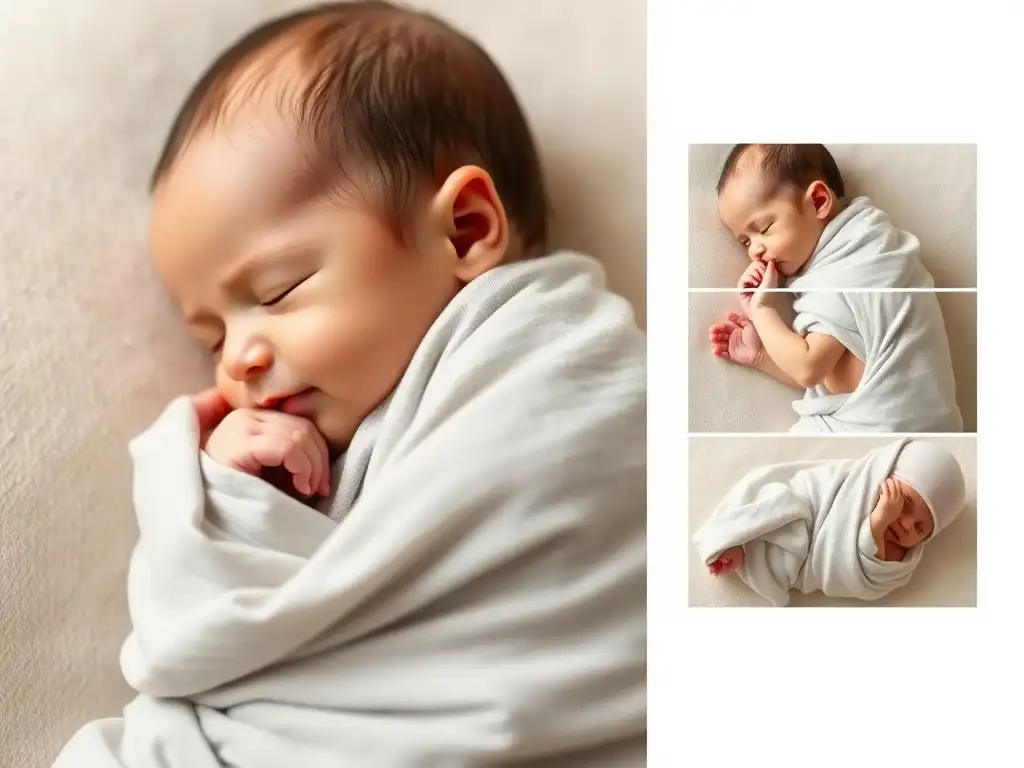
This section addresses common errors parents make when swaddling their newborns and offers practical solutions to ensure your baby's safety and comfort. Mastering the art of swaddling is crucial for a peaceful night's sleep for both you and your little one. Remember, a properly executed swaddle mimics the secure feeling of the womb, promoting restful sleep and reducing the startle reflex. However, improper swaddling can lead to various issues, so careful attention to detail is paramount. This guide will help you become proficient in the safe and effective swaddling of your newborn.
Avoiding Over-Tight Swaddling and Ensuring Proper Breathing
Over-tight swaddling restricts your baby's breathing and movement, potentially leading to discomfort and even serious health risks. Imagine your own chest feeling constricted – that's how your baby feels! Always ensure there's enough room for your baby to breathe freely and move their arms slightly. A good rule of thumb is to leave enough space for a loose fist between the swaddle fabric and your baby's chest.
Think of it like this: You want the swaddle to be snug, not suffocating. The fabric should be close enough to provide a sense of security, but loose enough to allow for natural breathing and movement. Avoid wrapping the swaddle too tightly around the chest and shoulders. Observe your baby's breathing while they are swaddled to ensure there is no restriction.
Here's a simple test: After swaddling, gently try to slip a flat hand between your baby's chest and the swaddle. If you can't easily slide your hand in, the swaddle is too tight. Adjust the swaddle accordingly to ensure comfortable breathing. Prioritize safety and always err on the side of caution. A slightly looser swaddle is preferable to one that's too tight.
Preventing Overheating and Maintaining Optimal Temperature
Overheating is another significant risk associated with improper swaddling. Newborns have difficulty regulating their body temperature, making them particularly vulnerable. Using heavy fabrics or swaddling in a warm room can easily lead to overheating and discomfort.
Always choose lightweight and breathable fabrics like cotton or muslin for your baby's swaddle. Avoid using fleece or other heavy materials, especially in warmer weather. Monitor your baby's skin temperature regularly to check for signs of overheating, such as sweating or flushed skin. If your baby feels warm to the touch, remove a layer of clothing or loosen the swaddle.
Remember that the room temperature also plays a vital role. Maintain a comfortable room temperature, typically between 68-72°F (20-22°C). Avoid overdressing your baby before swaddling; a lightweight onesie is usually sufficient. Regularly checking your baby's temperature and adjusting the environment accordingly are key to preventing overheating. A slightly cool room is better than a warm one when swaddling.
Identifying and Addressing Signs of Discomfort or Distress
Even with careful attention, your baby might still show signs of discomfort or distress while swaddled. Learning to recognize these cues is essential for ensuring your baby's wellbeing. Observe your baby's facial expressions, body language, and vocalizations.
Signs of discomfort can include: fussiness, crying, arching their back, pulling at the swaddle, or turning red in the face. If you notice any of these signs, gently unswaddle your baby to check if they are overheating, too cold, or simply need a change of position. Remember, every baby is different, and what works for one might not work for another. Be attentive to your baby's individual needs and adjust your swaddling technique accordingly.
Trust your instincts – if something feels wrong, it probably is. Don't hesitate to unswaddle your baby and address any concerns immediately. Your baby's comfort and safety are paramount.
Dealing with a Baby Who Doesn't Like Being Swaddled
Not all babies enjoy being swaddled. Some babies find the snug feeling restrictive and may show their displeasure through fussing, crying, or arching their back. Forcing a baby who actively resists swaddling can be counterproductive and even stressful for both parent and child. Respecting your baby's preferences is crucial. Observe their cues; if they consistently fight against the swaddle, it's a clear signal to try alternative soothing techniques.
Understanding why your baby dislikes being swaddled is the first step. Perhaps the swaddle is too tight, causing discomfort. It might be too warm, leading to overheating. The fabric might be irritating their skin.
Or, your baby might simply have a strong startle reflex that the swaddle isn't effectively managing, leading to a feeling of confinement rather than security. Experiment with different swaddle types; some offer more flexibility than others. A looser swaddle, or one that allows for arm movement, might be a better option. You could also try a sleep sack, which provides a sense of security without the same level of restriction.
Consider alternative calming methods. Gentle rocking, humming, or white noise can be soothing. Skin-to-skin contact often provides comfort and regulates temperature. A pacifier can also help soothe some babies. Remember, a happy, calm baby is more likely to sleep soundly, even without a swaddle.
Prioritize your baby’s comfort and adjust your approach accordingly. This might involve trying different swaddling techniques, alternative sleep aids, or even accepting that swaddling isn't the right approach for your child. There's no single "right" way to soothe a baby; finding what works best for your individual child is key. Keep a swaddling journal to track your baby's reactions and what techniques work best.
Sometimes, a baby's aversion to swaddling is temporary. They may grow out of their dislike as they mature and their startle reflex lessens. Patience and consistent observation are key to understanding your baby's needs and finding the most effective soothing method. Remember, a parent's intuition is invaluable. Trust your instincts and don't hesitate to seek advice from your pediatrician if you have concerns. They can offer personalized guidance and address any underlying issues that might be contributing to your baby's discomfort.
Swaddling and Safe Sleep Practices
This section delves into the crucial intersection of swaddling and safe sleep practices for newborns. Understanding how to swaddle correctly is paramount to ensuring your baby's safety and comfort. Incorrect swaddling techniques can, unfortunately, increase the risk of Sudden Infant Death Syndrome (SIDS). Therefore, adhering to safe swaddling guidelines is non-negotiable. This guide will provide you with the knowledge to swaddle your baby safely and effectively, contributing to a peaceful night's sleep for both you and your little one. Remember, this information complements, and does not replace, advice from your pediatrician.
Safe Swaddling Practices for Back Sleeping
The American Academy of Pediatrics (AAP) strongly recommends placing babies on their backs to sleep to reduce the risk of SIDS. This recommendation extends to swaddled infants. However, safe back sleeping with swaddling requires careful attention to detail.
Here are key points for safe swaddling while ensuring your baby sleeps on their back:
- Loose Swaddle: The swaddle should be loose enough to allow for your baby's legs to bend at the hips and knees. A tight swaddle restricts movement and can be dangerous. Think of it as a gentle hug, not a tight wrap. Imagine you should be able to easily slip a hand between the swaddle and your baby's chest.
- Arms In or Out?: While many associate swaddling with having the baby's arms tucked in, for newborns, this is often preferable as it mimics the feeling of being held. However, as your baby gets older and starts showing signs of rolling, it's crucial to discontinue swaddling completely or to transition to a swaddle with arms out. This prevents them from rolling onto their stomach while swaddled.
- Material Matters: Choose lightweight, breathable fabrics such as cotton muslin. Avoid heavy materials that can overheat your baby. This is especially important during warmer months.
- Foot Position: Ensure that your baby's feet are not tucked in tightly. Their feet should be able to move freely within the swaddle.
- Monitoring: Always supervise your baby while swaddled, especially during their first few months. Regularly check your baby's temperature to ensure they aren't overheating.
Side Sleeping and Swaddling: Considerations and Alternatives
Side sleeping is strongly discouraged for infants due to the increased risk of SIDS. Swaddling should never be used with a baby sleeping on their side. The swaddle can restrict movement and increase the risk of suffocation or aspiration if the baby rolls onto their stomach.
If you're concerned about your baby's comfort during sleep, consider these safer alternatives:
- White Noise: A white noise machine or fan can help create a calming, consistent sound environment that promotes sleep.
- Pacifier: A pacifier can help soothe your baby and improve sleep quality (always follow your pediatrician's advice regarding pacifier use).
- Gentle Rocking: Gently rocking or swaying your baby can help them fall asleep.
- Skin-to-Skin Contact: Skin-to-skin contact can be incredibly soothing for newborns and can help regulate their body temperature and heart rate.
Stomach Sleeping and Swaddling: Risks and Alternatives
Stomach sleeping is extremely dangerous for infants and should be avoided at all costs. Swaddling a baby who is sleeping on their stomach significantly increases the risk of suffocation and SIDS. The combination of restricted movement and face-down positioning makes it very difficult for the baby to breathe properly.
If your baby shows a preference for sleeping on their stomach, immediately consult your pediatrician. They can help determine the underlying cause and suggest appropriate strategies to encourage back sleeping. Never attempt to force a baby to sleep on their back; instead, focus on creating a safe and comfortable sleep environment that encourages back sleeping. This may involve using a firm mattress, removing loose bedding, and ensuring the room is well-ventilated. Remember, a safe sleep environment is paramount to reducing the risk of SIDS. Prioritize your baby's safety above all else. 😴
Swaddling and SIDS: Understanding the Risks and Precautions

Swaddling, while offering comfort and promoting sleep in newborns, has been linked to an increased risk of Sudden Infant Death Syndrome (SIDS) if not done correctly. Understanding the potential risks and adhering to safe sleep practices is crucial for minimizing this risk. This section will explore the connection between swaddling and SIDS and provide essential guidelines for safe swaddling techniques. The key is to strike a balance between providing your baby with the comforting security of a swaddle and ensuring their safety. Remember, a safe sleep environment is paramount.
Safe Sleep Practices and Swaddling Recommendations
The American Academy of Pediatrics (AAP) strongly recommends placing infants to sleep on their backs on a firm, flat surface, free from loose bedding, pillows, bumpers, or toys. This is crucial for reducing the risk of SIDS, regardless of whether the baby is swaddled or not. When swaddling, it's essential to follow these guidelines:
- Choose the right swaddle: Opt for a swaddle designed for newborns, ensuring it's snug but not too tight. Avoid loose blankets or clothing that could cover the baby's face. Look for swaddles with adjustable closures for a customized fit. The fabric should be breathable and lightweight, such as cotton or muslin.
- Swaddle with arms in or out: While swaddling with arms tucked in can be soothing for some babies, it's important to monitor your baby's comfort level. Some babies may prefer to have their arms out, particularly as they get older and become more mobile. Observe your baby's cues and adjust accordingly. Always ensure their face and head remain uncovered.
- Stop swaddling as needed: As your baby starts to show signs of rolling over, typically around 2-4 months old, it’s time to discontinue swaddling. A swaddled baby who rolls onto their stomach may not be able to turn back, increasing the risk of suffocation and SIDS. This transition should be gradual, perhaps starting by only swaddling the baby's lower body.
- Monitor your baby: Even with careful swaddling, regular monitoring is essential, especially during the first few months of life. Check on your baby frequently to ensure they're breathing comfortably and their face is uncovered.
Minimizing SIDS Risk Through Proper Swaddling Techniques
Improper swaddling techniques can significantly increase the risk of SIDS. Over-swaddling, leading to overheating, is a major concern. Babies overheat more easily than adults, and an overheated baby is at a higher risk of SIDS. Therefore, the environment plays a crucial role.
- Room temperature: Maintaining a comfortable room temperature is essential. Avoid overdressing your baby and using heavy blankets. The room should be cool, but not cold. Consider using a room thermometer to monitor the temperature.
- Observe your baby's skin: Regularly check your baby's skin for signs of overheating, such as excessive sweating or flushed skin. If your baby feels too warm, loosen the swaddle or remove a layer of clothing.
- Avoid loose swaddles: Ensure the swaddle is snug but not restrictive. Loose swaddles can cover the baby's face, obstructing breathing and increasing the SIDS risk. Always ensure the swaddle is fastened securely. A properly fitted swaddle should allow for some movement of the baby’s legs, but should prevent the arms from coming free.
- Consider alternatives: If you're concerned about swaddling, explore alternative methods for soothing your baby, such as rocking, singing, or using a pacifier. Remember, every baby is different, and what works for one may not work for another. Consult with your pediatrician for personalized advice. This "Baby swaddling guide for newborns" aims to provide comprehensive information but should not replace professional medical advice.
Remember, following these guidelines will help create a safe and comfortable sleeping environment for your baby, significantly reducing the risk of SIDS. Always prioritize safe sleep practices, and consult your pediatrician for any concerns or questions regarding swaddling and SIDS prevention. A proactive and informed approach is key to ensuring your baby's safety and well-being.
Alternatives to Swaddling for Your Baby
This section explores alternatives to swaddling, offering parents options to promote safe and comfortable sleep for their newborns. While swaddling can be beneficial, it's crucial to understand the alternatives and choose the best approach for your baby's individual needs and developmental stage. Remember, always prioritize safety and consult your pediatrician if you have any concerns. This guide focuses on providing a comprehensive Baby swaddling guide for newborns and its alternatives.
Using Sleep Sacks and Other Comfort Items
Sleep sacks, also known as swaddle sacks or sleeping bags, are a popular alternative to traditional swaddling. They offer a secure feeling similar to swaddling without the risk of loose blankets or the restriction of arm movement as your baby grows. Sleep sacks are available in various sizes and materials, allowing you to select the perfect option for your baby's age and the season. They're especially beneficial for babies who've started showing signs of rolling over, as they eliminate the risk of becoming entangled in loose bedding.
Choosing the right sleep sack is crucial. Consider the following factors:
- TOG rating: This indicates the warmth of the sleep sack. Higher TOG ratings are suitable for colder temperatures, while lower TOG ratings are better for warmer weather. Understanding this rating is vital for maintaining your baby's safe sleeping temperature.
- Material: Opt for breathable fabrics like cotton or muslin, avoiding materials that may overheat your baby. Natural fibers are generally preferred for their breathability and softness.
- Size: Ensure the sleep sack fits your baby snugly without being too tight. Avoid sleep sacks that are too big, as they pose a safety risk.
- Zippers or snaps: Zippers and snaps should be secure and easy to use, but also safe for your baby.
Beyond sleep sacks, other comfort items can help create a calming sleep environment. These include:
- Weighted blankets (for older babies): Lightweight weighted blankets can provide a sense of security and comfort for older babies, but always ensure they are appropriately sized and weighted for your child's age and weight. Never use weighted blankets on infants.
- Loveys or security blankets: A soft, familiar toy or blanket can provide comfort and security for your baby. Choose a small, lightweight item with no loose parts to prevent choking hazards.
- White noise machine: A consistent, low level of white noise can help block out distracting sounds and promote restful sleep.
Remember to always follow safe sleep guidelines and avoid placing any loose items in your baby's crib.
Creating a Safe and Soothing Sleep Environment
Creating a safe and soothing sleep environment is paramount for promoting healthy sleep habits in your baby. This goes hand-in-hand with choosing the right swaddling alternative. Even without swaddling, a calming atmosphere can significantly improve your baby's sleep quality.
Here are key elements to consider:
- Temperature: Maintain a comfortable room temperature—around 68-72°F (20-22°C) is generally recommended. Overheating is a significant risk factor for Sudden Infant Death Syndrome (SIDS), so proper room temperature regulation is crucial.
- Darkness: A dark room helps promote melatonin production, which regulates sleep. Use blackout curtains or blinds to minimize light exposure, especially during nighttime sleep.
- Sound: While a white noise machine can be beneficial, avoid excessively loud noises. A calm and quiet environment is ideal for promoting restful sleep.
- Positioning: Always place your baby on their back to sleep on a firm, flat surface. Avoid placing pillows, blankets, or other soft items in the crib.
| Factor | Recommendation | Importance |
|---|---|---|
| Room Temperature | 68-72°F (20-22°C) | Prevents overheating and reduces SIDS risk. |
| Darkness | Minimize light exposure with blackout curtains | Promotes melatonin production and better sleep quality. |
| Sound | Quiet environment or white noise machine (low level) | Creates a calming atmosphere and masks distracting noises. |
| Positioning | On their back, on a firm, flat surface | Reduces the risk of SIDS and ensures safe sleep. |
By implementing these strategies and choosing suitable alternatives to swaddling, you can create a sleep environment that promotes healthy sleep patterns and ensures your baby's safety and well-being. Remember, consistent routines and a calm parental presence also contribute significantly to your baby's ability to sleep soundly. This holistic approach, encompassing both the choice of swaddling alternative and a well-designed sleep environment, is vital for successful sleep training and a happy, healthy baby.
Frequently Asked Questions
What are the benefits of swaddling a newborn?
Swaddling can help calm and soothe your baby by mimicking the feeling of being held. It can also improve sleep quality and reduce the startle reflex, leading to longer stretches of sleep for both baby and parent.
When should I stop swaddling my baby?
You should stop swaddling your baby once they show signs of rolling over, typically around 4-6 months old. Continuing to swaddle after this point increases the risk of suffocation.
What are the risks associated with swaddling?
Improper swaddling can increase the risk of overheating, hip dysplasia, and Sudden Infant Death Syndrome (SIDS). Always ensure your baby's hips are properly positioned and that they aren't overheated.
How tightly should I swaddle my baby?
The swaddle should be snug but not too tight. Your baby should be able to comfortably move their arms and legs within the swaddle, but there shouldn't be excessive loose fabric. Think of a comfortable hug.
What are some alternatives to swaddling?
If your baby doesn't like being swaddled, or if you've stopped swaddling due to developmental milestones, consider alternatives like a sleep sack, white noise, or gentle rocking. These can help promote safe and restful sleep.
Final Reflection: The Enduring Embrace of Swaddling
The gentle art of swaddling, once a commonplace practice, remains a powerful tool for soothing newborns and promoting healthy sleep, a testament to its enduring relevance in modern parenting. While advancements in childcare continue, the fundamental need for comfort and security in infancy persists, making understanding swaddling techniques more crucial than ever. The benefits extend beyond simple comfort, impacting sleep patterns, reducing the startle reflex, and contributing to overall infant well-being.
The impact of swaddling extends far beyond the immediate comfort it provides; it's a tangible link to generations past, a quiet ritual passed down through families and cultures. It represents a fundamental human need for connection and security, a need that transcends time and trends. The most important thing a father can do for his children is to love their mother.
– Theodore Hesburgh. While not directly about swaddling, this quote speaks to the core of nurturing and providing a secure environment, mirroring the role swaddling plays in a baby's early development. This simple act of wrapping a baby in a soft blanket becomes a symbol of care, protection, and the enduring power of human connection.
Consider the ways in which you can create a nurturing and secure environment for your little one, drawing inspiration from the age-old practice of swaddling. Remember the importance of safe swaddling techniques and always prioritize your baby's comfort and safety. Embrace this opportunity to connect with your child on a deeply fundamental level, fostering a bond built on trust, security, and the gentle embrace of tradition. Let the act of swaddling be a reminder of the enduring power of simple gestures in creating a loving and supportive environment for your child to thrive.
Unlock Your Baby's Peaceful Sleep: A Swaddling Journey Begins
Thank you for learning about swaddling and its impact on your baby's sleep! We hope this article provided valuable insights into creating a more restful environment for your little one. Now, let's put that knowledge into practice.
- Master the art of swaddling: Experiment with different techniques and fabrics to find what best suits your baby's comfort and safety. A snug but secure swaddle is key to calmer nights!
- Share your experiences: Connect with other parents in our BabyCareHub community forum. Share your tips, ask questions, and learn from each other.
- Enhance the sleep environment with white noise: A white noise machine can create a soothing atmosphere that promotes longer, deeper sleep for your baby.
Ready to transform your baby's sleep routine and enjoy peaceful nights for the whole family? What's your biggest swaddling challenge, and how can we help?