
Swaddling Techniques for Different Baby Temperaments


Welcome to BabyCareHub, your ultimate guide to navigating the incredible journey of parenthood! Are you ready to unlock the secrets to a peaceful night's sleep for both you and your little one? Discover the best swaddling techniques for babies, tailored to different temperaments, and learn how to master this essential skill. Dive into our "Newborn Basics" section and uncover the knowledge you need to confidently embrace the beautiful chaos of those first precious months. Let's get started!
- Understanding Your Baby's Temperament and Swaddling Needs
- Best Swaddling Techniques for Easy-Going Babies
- Best Swaddling Techniques for Active Babies
- Best Swaddling Techniques for Sensitive Babies
- Safe Swaddling Practices for All Babies
- Troubleshooting Common Swaddling Issues
- Frequently Asked Questions
- Final Reflection: The Gentle Art of Swaddling and its Enduring Power
- Unlock Your Baby's Sweetest Sleep: Master Swaddling Today!
Understanding Your Baby's Temperament and Swaddling Needs
Choosing the right swaddling technique is crucial for ensuring your baby sleeps soundly and comfortably. However, what works wonders for one baby might be completely ineffective – or even unsettling – for another. This is largely due to individual temperaments. This guide explores how understanding your baby's personality can help you select the best swaddling method, contributing to improved sleep for both you and your little one.
We'll delve into different swaddling techniques tailored to various temperaments, offering a comprehensive approach to this essential aspect of newborn care. Finding the perfect swaddle can significantly impact your baby's sleep quality and overall well-being, making this a critical skill for all new parents. This article will help you navigate the world of swaddling and find the best swaddling techniques for your baby. Remember, the goal is a happy, secure, and well-rested baby!
Identifying Your Baby's Temperament: Easy-Going, Active, or Sensitive
Understanding your baby's temperament is the first step to successful swaddling. Babies generally fall into three main temperament categories: easy-going, active, and sensitive.
- Easy-Going Babies: These babies are generally calm, adaptable, and predictable. They often adjust easily to new situations and have regular sleep patterns. They may tolerate a wider variety of swaddles and find comfort in a snug, secure wrap.
- Active Babies: These babies are typically more energetic, alert, and less predictable. They might resist being swaddled tightly and prefer a looser wrap or even no swaddle at all. They may startle easily and require a more flexible swaddling approach.
- Sensitive Babies: These babies are often more reactive to stimuli, easily overstimulated, and may require a gentler, more customized swaddling approach. They might benefit from a lighter weight swaddle or a swaddle that allows for more arm movement.
Recognizing your baby's temperament isn't an exact science; it's an observational process. Pay attention to their reactions to different stimuli, their sleep patterns, and their overall demeanor. Consistent observation will help you pinpoint their personality type, allowing you to choose the most appropriate swaddling method. Consider keeping a baby journal to record observations and responses to different swaddling techniques. 👶
How Temperament Affects Sleep and Swaddling Preferences
A baby's temperament significantly influences their sleep patterns and preferences regarding swaddling. For instance:
- Easy-Going Babies: Often sleep well with a variety of swaddling techniques. A tightly wrapped swaddle, mimicking the feeling of being held, can be very effective. They may also tolerate swaddles with arms out or only one arm out.
- Active Babies: Might find tighter swaddles restrictive and uncomfortable. They might prefer a looser swaddle, a swaddle with arms out, or even no swaddle at all. Observe their reactions; if they seem agitated or struggle against the swaddle, it's a sign to try a different approach. A sleep sack might be a better alternative.
- Sensitive Babies: Often need a more gentle and less constricting swaddle. A lightweight swaddle made from soft, breathable material is usually preferred. Consider a swaddle that allows for a bit of arm movement, providing a sense of security without feeling overly confined. Avoid overly tight swaddles or those with rough textures.
Remember, every baby is unique. What works for one baby might not work for another, even within the same temperament category. Experiment with different swaddling techniques and pay close attention to your baby's cues to find what works best for them. Observe their sleep patterns, their level of contentment, and their overall behavior. Don't hesitate to adjust your approach as needed. The key is to create a safe and comfortable sleep environment tailored to your baby’s individual needs and personality. This ensures better sleep for both you and your little one! ✨
Best Swaddling Techniques for Easy-Going Babies
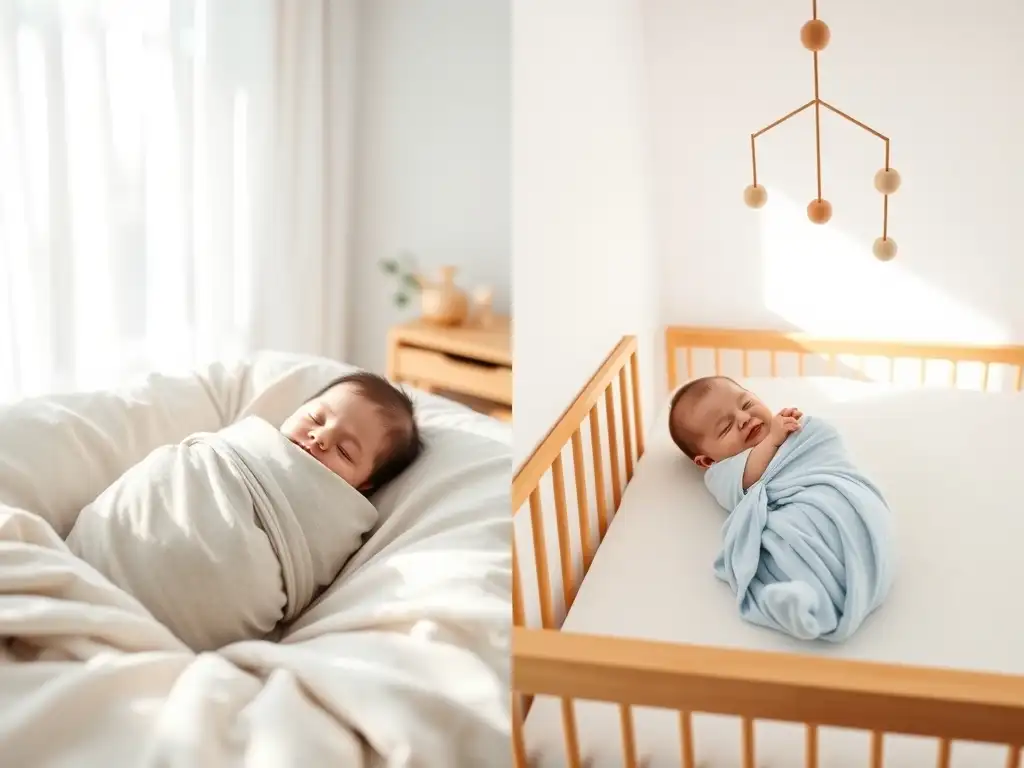
Easy-going babies, those little bundles of joy who readily adapt to new situations and generally maintain a calm demeanor, still benefit from the comforting embrace of a swaddle. However, the approach might differ slightly from what's needed for fussier infants. The key is to provide a secure yet not overly restrictive environment, allowing for freedom of movement while maintaining a sense of security.
Finding the best swaddling techniques for your easy-going baby will ensure a peaceful sleep experience for both of you. This section focuses on techniques designed to provide gentle containment and comfort, promoting relaxation and healthy sleep patterns. Remember that every baby is unique; observe your little one's cues and adjust the swaddle accordingly.
Loose Swaddle for Relaxed Babies: A Step-by-Step Guide
A loose swaddle is ideal for easy babies who don't require the tightest of wraps. This method prioritizes comfort and allows for some arm movement, preventing feelings of restriction. Here's a step-by-step guide:
- Lay the swaddle flat: Choose a lightweight, breathable swaddle blanket made of soft, comfortable material. Lay it flat on a surface with the upper corner pointing towards you.
- Position the baby: Place your baby face up in the center of the blanket, ensuring their shoulders are aligned with the top edge.
- Wrap one side: Bring one side of the blanket across your baby's body and tuck it snugly under their back, near the opposite shoulder. Avoid wrapping too tightly; leave some room for movement.
- Wrap the other side: Repeat the process with the other side of the blanket, tucking it securely under their back. Again, avoid over-tightening.
- Fold the bottom: Fold the bottom edge of the blanket up over your baby's feet, ensuring their feet remain untucked. This prevents overheating and allows for natural movement.
This loose swaddle provides a sense of security without restricting your baby's natural reflexes. Remember to always check on your baby regularly to make sure they are comfortable and not overheating. Monitor for signs of discomfort, such as fussiness or excessive sweating. This method is particularly suitable for babies who exhibit a preference for some arm movement during sleep. Using a lightweight cotton muslin swaddle is often preferred for this technique due to its breathability.
Alternative Swaddling Methods for Easy Babies: The "Love To Dream" Swaddle, The Aden + Anais Swaddle
While a traditional loose swaddle works well, some parents find that specific commercially available swaddles are better suited to their easy-going baby's needs. Two popular options include the "Love To Dream" swaddle and the Aden + Anais swaddle.
The "Love To Dream" swaddle is designed with a unique arm-out design. This allows for some arm movement, which can be particularly beneficial for babies who like to self-soothe by sucking on their hands. This option is perfect for babies transitioning out of swaddles, as it provides a sense of security while allowing for greater freedom of movement. This makes it a great choice for easy babies showing signs of wanting to move their arms.
The Aden + Anais swaddle is known for its lightweight, breathable muslin material. Its larger size allows for a looser, more relaxed wrap, reducing the risk of overheating. This is a great option for warmer climates or for babies who tend to get warm easily. The soft, breathable fabric is gentle on baby's delicate skin, making it a popular choice among parents. The large size also provides flexibility in creating a comfortable swaddle, adapting to the baby’s size and preferred level of containment. Many parents find the looseness of this swaddle particularly suited to easy-going babies.
Remember, the best swaddling technique is the one that works best for your baby. Observe your baby's cues, and don't hesitate to experiment with different methods to find the perfect fit for your little one. Prioritize safety and comfort above all else. Always ensure that the swaddle is not too tight and that your baby can breathe freely. Regularly check your baby's temperature to prevent overheating. By paying close attention to your baby's needs and preferences, you can create a safe and comfortable sleeping environment that promotes healthy sleep and overall well-being.
Best Swaddling Techniques for Active Babies
Active babies, bless their wiggly hearts, can be a challenge to swaddle. Their constant movement often leads to them breaking free from traditional swaddles, disrupting their sleep and potentially increasing their risk of startling themselves awake. Finding the best swaddling techniques for these little dynamos requires a bit more finesse and the right approach.
This section focuses on techniques specifically designed for active infants, helping parents achieve a secure and comfortable swaddle that lasts throughout the night. We'll explore different methods, focusing on preventing escapes and ensuring a smooth transition to independent sleep. Mastering these techniques is crucial for optimizing your baby's sleep and reducing parental stress.
Secure Swaddle for Active Babies: Preventing Escapes and Maintaining Comfort
The key to swaddling an active baby is to create a snug but not restrictive wrap. A too-loose swaddle will allow for escape, while a too-tight swaddle can be uncomfortable and even restrict their breathing. The ideal swaddle should keep their arms securely tucked in while still allowing for some freedom of movement in their hips and legs. Consider using a swaddle with velcro or other secure fasteners, rather than just ties, to minimize the chances of your baby wriggling free.
Several techniques can help improve the security of the swaddle:
- Double Swaddle: This involves using two swaddle blankets, one layered on top of the other. This provides extra security and helps prevent escapes. Think of it as adding an extra layer of defense against those powerful baby limbs!
- The "Tuck and Roll" Method: After placing your baby in the center of the blanket, tuck one side firmly under their body, then roll the other side across their chest and tuck it securely under their back. This creates a snug, secure fit that is harder for your baby to break free from.
- Strategic Blanket Choice: Opt for swaddles made from stretchy, breathable fabrics. These materials conform to your baby's body more effectively, providing a better fit and reducing the likelihood of escapes. Avoid overly bulky or slippery fabrics.
A properly executed swaddle should leave your baby feeling secure and snug, not restricted. Remember to always check regularly to ensure the swaddle isn't too tight and that your baby can breathe comfortably. Observe your baby's cues – fussiness or difficulty breathing are signs you need to adjust the swaddle or consider alternative methods. A happy, well-rested baby is the ultimate goal!
Adjusting the Swaddle for Active Movement: Tips and Tricks
Even with the most secure swaddle, some babies are incredibly adept at escaping. If your little one consistently wriggles free, don't despair. There are several adjustments you can make to improve the success of your swaddling efforts.
- Strategic Placement of Arms: Instead of tucking both arms straight down, try tucking one arm slightly higher than the other. This can slightly alter the center of gravity and make it harder for your baby to roll over and escape.
- Using a Weighted Swaddle: The gentle pressure of a weighted swaddle can provide a sense of security and calm, making it easier for your baby to relax and stay put. However, always ensure the weight is appropriately distributed and that the swaddle remains breathable.
- Swaddling at the Right Time: The optimal time to swaddle is right before placing your baby down for sleep. Swaddling an already drowsy baby will often lead to a more successful and peaceful sleep experience.
Remember, consistency is key. Experiment with different techniques and adjustments until you find the perfect method for your active baby. The goal isn't to completely restrict movement, but to provide a sense of security and comfort that promotes better sleep. The slight modifications detailed above can significantly impact the effectiveness of your swaddling efforts.
Transitioning from Swaddle to Sleep Sack for Active Babies
As your baby grows and becomes more mobile, it's essential to transition them from a swaddle to a sleep sack. This is crucial for safety reasons, as swaddling can increase the risk of Sudden Infant Death Syndrome (SIDS) once your baby starts to roll over. However, the transition can be challenging, particularly with active babies who have become accustomed to the security of a swaddle.
Here are some tips for a smooth transition:
- Gradual Introduction: Don't just abruptly switch to a sleep sack. Start by allowing your baby to have one arm out of the swaddle during naps. Once they adjust, try both arms out. This gradually reduces their reliance on the swaddling sensation.
- Choosing the Right Sleep Sack: Opt for a sleep sack that provides a snug but not restrictive fit. Look for sleep sacks with a zipper or snaps for easy on and off, and consider a heavier tog rating for colder nights.
- Maintaining a Sense of Security: Provide extra comfort and reassurance during the transition. This could include using a lovey, playing soothing music, or offering extra cuddles.
- Patience is Key: The transition can take time. Be patient and understanding, and celebrate even small victories. Your baby will adapt at their own pace. Remember that the ultimate goal is to ensure your baby sleeps safely and soundly.
Remember to always follow safe sleep guidelines and consult your pediatrician with any concerns about your baby's sleep. The transition from swaddling to a sleep sack is a crucial step in ensuring your baby's safe and healthy development. By following these tips, you can help your active baby transition smoothly and peacefully.
Best Swaddling Techniques for Sensitive Babies

Sensitive babies often react strongly to stimuli, making finding the best swaddling techniques crucial for their comfort and sleep. Understanding their unique needs requires a gentle and adaptable approach. This section focuses on techniques specifically designed for these little ones, prioritizing minimizing sensory overload and maximizing comfort. Finding the right swaddle can significantly improve your baby's sleep quality and reduce fussiness. Remember, every baby is unique, so experimentation is key to finding what works best for your little one.
Gentle Swaddling for Sensitive Babies: Minimizing Sensory Overload
Sensitive babies can be easily overstimulated. Too much pressure, too much warmth, or even the feel of certain fabrics can lead to distress. Therefore, gentle swaddling is paramount. The goal is to provide a sense of security and containment without feeling constricted or overwhelmed.
We recommend using a lightweight, breathable fabric like muslin cotton. Avoid tight swaddles that restrict movement. The baby should still have some room to wiggle their hips and legs, promoting natural reflexes without feeling trapped. A loose swaddle allows for breathing space and prevents overheating. Consider a swaddle with a wider arm opening, offering more freedom.
Think of it this way: you wouldn't want to be wrapped up tightly in a heavy blanket on a hot day! The same principle applies to your baby. Observe your baby's cues. If they seem distressed, loosen the swaddle immediately.
Using a Lightweight Swaddle Blanket for Sensitive Skin
Sensitive skin requires extra care. Harsh fabrics or rough seams can cause irritation and discomfort, leading to increased fussiness and sleep disturbances. Opt for swaddle blankets made from 100% organic cotton or other hypoallergenic materials. These materials are soft against the skin and less likely to trigger allergic reactions or skin irritations. Avoid swaddles with tags or embellishments that could rub against the skin and cause discomfort.
Before using a new swaddle, pre-wash it a few times to soften the fabric and remove any potential irritants. Check the care label carefully and follow the washing instructions precisely to maintain the softness and quality of the material. Remember to always check the fabric for any loose threads or seams that could scratch or irritate your baby's delicate skin. A soft, breathable swaddle is key to a comfortable and restful sleep for your little one.
Recognizing Signs of Discomfort and Adjusting the Swaddle Accordingly
Even with the best swaddling techniques, it's crucial to monitor your baby's reactions. Signs of discomfort can include:
- Increased fussiness or crying
- Arching of the back
- Pulling at the swaddle
- Redness or irritation on the skin
- Difficulty breathing (a very serious sign - seek medical attention immediately)
If you notice any of these signs, immediately loosen or remove the swaddle. Your baby might be overheating, feeling too constrained, or experiencing discomfort from the fabric. Observe your baby closely to identify the cause of their distress. Adjust the swaddle accordingly—make it looser, use a different fabric, or even consider skipping the swaddle altogether for a while. Remember, a happy, comfortable baby is a priority. A well-adjusted swaddle should promote relaxation, not stress. Continuously learning your baby's cues and adapting your swaddling technique will ultimately lead to better sleep for both of you. 😴
Safe Swaddling Practices for All Babies
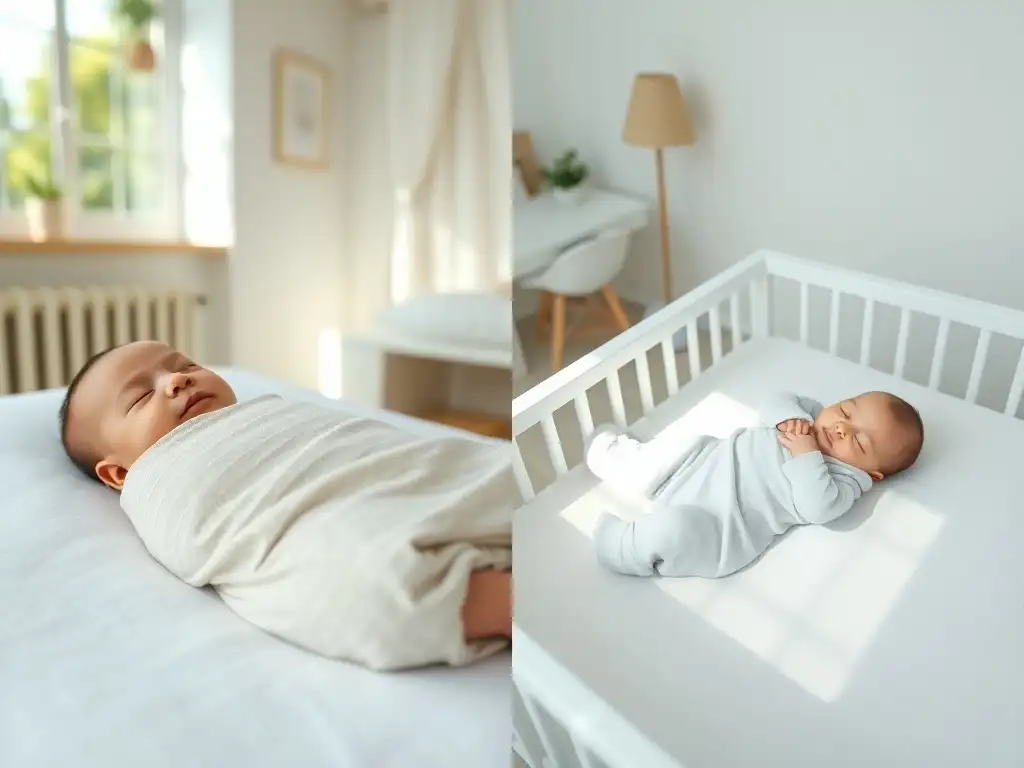
This section focuses on essential safety measures to ensure your baby's comfort and well-being while swaddling. Remember, safe swaddling is paramount for preventing potential hazards and promoting healthy sleep. Finding the best swaddling techniques for babies involves prioritizing safety above all else.
Avoiding Over-Tight Swaddling: Recognizing Signs of Restriction
Over-tight swaddling can restrict your baby's breathing and movement, leading to discomfort and potential health issues. It's crucial to learn to identify signs of over-tight swaddling. A properly swaddled baby should have enough room to move their hips and legs freely. They shouldn't be constrained to the point where their chest feels constricted.
Here are some key indicators of over-tight swaddling:
- Difficulty breathing: Observe your baby's breathing. Rapid, shallow breaths or labored breathing could indicate a problem.
- Facial flushing or redness: If your baby's face appears red or flushed, it might be a sign of overheating or restricted airflow.
- Fussiness or crying: Excessive fussiness or crying, especially after being swaddled, may indicate discomfort.
- Limited leg movement: Your baby's legs should be able to move freely within the swaddle. If they appear stiff or unable to bend, the swaddle is likely too tight.
- Arms pulled tightly against the body: While the arms should be tucked in, they shouldn't be held so tightly that they restrict movement.
Always ensure that you can easily slip two fingers between the swaddle and your baby's chest. If you can't, loosen the swaddle immediately. Remember, a slightly loose swaddle is better than one that's too tight. Prioritizing your baby's comfort and safety is key to finding the best swaddling techniques babies.
Choosing the Right Swaddle Blanket Material and Size
The material and size of your swaddle blanket significantly impact your baby's comfort and safety. Opt for breathable fabrics like cotton or muslin to prevent overheating. Avoid materials that are too heavy or bulky. The size of the swaddle should be appropriate for your baby's size, allowing for comfortable movement without excessive fabric.
Here's a table summarizing ideal swaddle blanket characteristics:
| Material | Pros | Cons |
|---|---|---|
| Cotton Muslin | Breathable, soft, easy to wash | Can be slightly less warm than fleece |
| Cotton Flannel | Soft, warm, absorbent | May be slightly less breathable than muslin |
| Knit Cotton | Soft, stretchy, allows for some movement | May not be as breathable as muslin |
| Avoid: Fleece | Too warm, potentially unsafe for summer |
Choosing the right size is equally important. A swaddle that's too small will restrict your baby's movement, while one that's too large presents a suffocation risk. Always follow the manufacturer's instructions regarding appropriate size for your baby's age and weight. Consider the best swaddling techniques babies also includes selecting the most suitable material for your climate and baby's comfort.
When to Stop Swaddling: Developmental Milestones and Safety Considerations
Swaddling is generally recommended for newborns and young infants, but it's crucial to know when to stop. Continuing to swaddle beyond a certain point can impede your baby's development and pose safety risks. The transition away from swaddling should be gradual and tailored to your baby's individual developmental progress.
Several factors determine when to stop swaddling:
- Rolling over: Once your baby shows signs of rolling over, whether from back to side or vice versa, it’s crucial to stop swaddling. A swaddled baby who rolls onto their stomach may not be able to turn back, increasing the risk of Sudden Infant Death Syndrome (SIDS).
- Pushing up on hands and knees: This indicates your baby is developing the strength to potentially roll over.
- Showing signs of wanting to break free: Some babies become frustrated by the swaddle as they grow and want more movement.
- Age: Most babies stop being swaddled around 4 months old, though some transition earlier or later depending on their individual development.
Remember, the best swaddling techniques babies involve a careful consideration of safety and developmental milestones. Always prioritize your baby's safety and consult with your pediatrician if you have any concerns about when to stop swaddling. The transition should be gradual, allowing your baby time to adjust to sleeping without a swaddle. For example, you might start by loosening the swaddle or transitioning to a sleep sack. This careful approach ensures a smooth transition and promotes healthy sleep habits. 😴
Troubleshooting Common Swaddling Issues
Swaddling, while beneficial for many newborns, isn't a one-size-fits-all solution. Understanding and addressing common issues is crucial for ensuring your baby's safety and comfort. This section will explore frequent problems and provide practical solutions to optimize your swaddling technique and maximize its effectiveness for your little one. Remember, always prioritize your baby's safety and comfort. If you have any concerns, consult your pediatrician. Finding the best swaddling techniques for babies requires patience and observation.
Baby Breaking Free from the Swaddle: Solutions and Alternatives
Many babies, particularly those with strong motor skills or a preference for movement, will master the art of escaping their swaddles. This isn't necessarily a sign of distress, but it does mean your swaddling technique needs adjustment or you might need to consider alternatives.
Here are some solutions to prevent escape artistry:
- Tighter Swaddle: Ensure the swaddle is snug but not restrictive. Imagine a comfortable hug – that’s the goal. Loose swaddles are easy to escape. However, be careful not to wrap too tightly, which can restrict breathing or blood flow.
- Different Swaddle Type: Experiment with different swaddle types. Some babies prefer the security of a velcro swaddle, while others might find a muslin swaddle more comfortable. Consider a swaddle with extra fabric at the shoulders to prevent wriggling out.
- Strategic Placement: Pay close attention to the placement of the fabric. Make sure the fabric is tucked securely under the baby's arms and around the body, leaving only the neck and face exposed.
- Gradually Loosen the Swaddle: As your baby grows and becomes more mobile, gradually loosen the swaddle to allow for more movement. This helps them adjust to less restriction.
- Transition to a Sleep Sack: Once your baby starts showing signs of rolling over (typically around 4 months), it's time to discontinue swaddling and transition to a sleep sack. Sleep sacks provide a similar sense of security without the risk of suffocation.
This table summarizes some popular swaddle types and their pros and cons:
| Swaddle Type | Pros | Cons | Best for |
|---|---|---|---|
| Velcro Swaddles | Easy to use, secure fastening | Can be bulky, may restrict movement too much | Newborns who need a very secure swaddle |
| Muslin Swaddles | Breathable, soft, versatile | Requires practice to wrap securely | Babies who prefer a looser swaddle |
| Zipped Swaddles | Easy to use, secure, often stretchy fabric | Can be expensive | Babies who are active sleepers |
| Weighted Swaddles | Can provide calming pressure | Risk of overheating, consult pediatrician | Babies with sensory sensitivities |
Remember, always supervise your baby while swaddled and never swaddle a baby who is already showing signs of rolling over.
Baby Showing Signs of Discomfort While Swaddled: Adjustments and Troubleshooting
Even with proper technique, some babies might still exhibit signs of discomfort while swaddled. Recognizing these signs is crucial for ensuring your baby’s well-being. Signs of discomfort can include fussiness, crying, arching their back, or pulling at the swaddle.
Here's how to troubleshoot:
- Overheating: Check your baby's skin temperature. If they feel hot or sweaty, remove the swaddle immediately and allow them to cool down. Dress your baby in lighter clothing underneath the swaddle. Remember, room temperature also plays a significant role.
- Too Tight: If the swaddle feels too tight, loosen it slightly. Ensure there's enough room for your baby to breathe comfortably and move their arms slightly.
- Position: Experiment with different swaddle positions. Some babies prefer to have their arms tucked in slightly differently.
- Underlying Issues: Discomfort during swaddling could indicate other issues like colic, gas, or reflux. Consult your pediatrician if you suspect an underlying medical condition. Rule out these issues before making swaddling adjustments.
- Swaddle Alternatives: If your baby consistently shows signs of distress while swaddled, consider alternatives like a sleep sack or simply letting your baby sleep without a swaddle.
By carefully observing your baby and making necessary adjustments, you can find the best swaddling techniques to ensure both their safety and comfort. Remember, every baby is unique, and what works for one might not work for another. Patience and observation are key! 👶
Frequently Asked Questions
What are the benefits of swaddling a baby?
Swaddling can calm and soothe a baby, promoting better sleep and reducing the startle reflex. It can also mimic the feeling of being held, providing a sense of security.
What are the different swaddling techniques?
There are several techniques, including the "straight jacket" method, the "football hold" method, and using a swaddle blanket or sleep sack. The best technique depends on your baby's temperament and preferences.
How tight should I swaddle my baby?
The swaddle should be snug but not too tight. Your baby should be able to comfortably move their hips and breathe easily. Ensure you can fit two fingers comfortably between the swaddle and your baby's chest.
When should I stop swaddling my baby?
Most babies should stop swaddling around 4 months old, or when they start showing signs of rolling over. Continuing to swaddle past this point increases the risk of SIDS.
My baby hates being swaddled, what should I do?
Some babies simply dislike being swaddled. Try different swaddling techniques, or consider using a weighted blanket or sleep sack as an alternative to provide a sense of security and comfort.
Final Reflection: The Gentle Art of Swaddling and its Enduring Power
The art of swaddling, far from being a relic of the past, remains a vital tool for parents navigating the often-turbulent waters of newborn care. Understanding the nuances of different swaddling techniques, tailored to individual baby temperaments, is crucial for fostering healthy sleep patterns and promoting overall infant well-being. This knowledge empowers parents to provide the most effective comfort and support for their little ones.
The impact of swaddling extends beyond the immediate comfort it provides; it speaks to the enduring human need for connection and security. The gentle pressure of the swaddle mimics the feeling of being held, a primal comfort that resonates deeply with infants. This simple act can profoundly influence a baby's development, contributing to a sense of calm and security that lays the foundation for future emotional well-being. A baby's needs are simple: to be loved, to be fed, and to be kept warm.
This quote, while seemingly straightforward, highlights the fundamental role of swaddling in fulfilling these basic needs.
Consider the information presented in this article – the different swaddle types, the considerations for various temperaments, and the importance of safe swaddling practices. You now possess a valuable tool to enhance your parenting journey. Reflect on your own experiences, or those of parents you know. How can you apply this knowledge to create a more peaceful and nurturing environment for your baby or the babies in your life? Embrace the power of the gentle swaddle, and witness the transformative impact it can have on your little one's life.
Unlock Your Baby's Sweetest Sleep: Master Swaddling Today!
Thank you for learning about swaddling techniques! We hope you gained valuable insights into creating a more peaceful sleep environment for both you and your baby. Now it's time to put that knowledge into practice.
- Choose a swaddling method that suits your baby's temperament, always prioritizing safety and comfort. Observe their reactions and adjust as needed.
- Share your experiences—both successes and challenges—with other parents in our BabyCareHub community forums. Your insights could be incredibly helpful to someone else!
- Experiment with different fabrics and swaddle types to find what works best for your baby's comfort and sleep habits. For example, a lightweight cotton muslin is ideal for warmer weather, while a softer fleece is better suited for cooler months.
Ready to transform bedtime from a battle to a blissful experience? What small change will you make to your swaddling routine tonight?