
Swaddle vs. Sleep Sack: Choosing the Best Option for Your Baby

Welcome to BabyCareHub, your ultimate guide to navigating the exciting yet challenging world of parenthood! Are you overwhelmed by the choices facing new parents? We understand. That's why we've created this comprehensive resource to support you every step of the way. Discover the secrets to a peaceful night's sleep with our in-depth article on Baby swaddle sleep sack choice, helping you decide between swaddles and sleep sacks for your little one. Let's unlock the key to happy, healthy sleep – read on to learn more!
- Understanding Baby Sleep and Safe Sleep Practices
- What is a Swaddle? Benefits and Drawbacks
- What is a Sleep Sack? Benefits and Drawbacks
- Swaddle vs. Sleep Sack: A Detailed Comparison for Your Baby
- Making the Right Baby Swaddle Sleep Sack Choice for Your Little One
- Frequently Asked Questions about Swaddles and Sleep Sacks
- Frequently Asked Questions
- Final Reflection: The Sweet Sleep Solution: Choosing Wisely for Your Little One
- Unwrap Your Baby's Best Sleep: Choose Wisely!
Understanding Baby Sleep and Safe Sleep Practices
Navigating the world of newborn sleep can feel overwhelming for first-time parents. Sleep is crucial for your baby's growth and development, and understanding safe sleep practices is paramount. This article will delve into the age-old debate of swaddles versus sleep sacks, helping you make an informed decision about which is best for your little one.
We'll explore the benefits and drawbacks of each, considering factors like your baby's age, developmental stage, and individual preferences. Ultimately, our goal is to empower you with the knowledge to create a safe and comfortable sleep environment for your baby, promoting healthy sleep habits from the very beginning.
Choosing between a swaddle and a sleep sack is a significant decision impacting your baby's sleep quality and safety, so let's examine both options thoroughly to find the perfect fit for your family. This guide will cover everything you need to know to make the best "baby swaddle sleep sack choice" for your precious newborn.
The Importance of Safe Sleep for Infants
Safe sleep practices significantly reduce the risk of Sudden Infant Death Syndrome (SIDS) and other sleep-related infant deaths. The American Academy of Pediatrics (AAP) recommends placing your baby on their back to sleep on a firm, flat surface, such as a crib or bassinet, without any loose bedding, pillows, bumpers, or toys. This significantly minimizes the risk of suffocation or entanglement. Maintaining a comfortable room temperature is also vital.
Overheating can be dangerous, so it's crucial to dress your baby appropriately and avoid excessive blankets or layers. Remember, a baby sleeping too warmly is a risk factor for SIDS. Consistent and predictable sleep routines can also contribute to a safer and more restful sleep environment for both parents and baby. Establishing healthy sleep habits early on can have lasting positive effects on your child's overall well-being.
Recognizing Baby Sleep Cues
Understanding your baby's sleep cues is essential for establishing a healthy sleep routine and preventing overtiredness. Babies often exhibit subtle signs of tiredness, such as rubbing their eyes, yawning excessively, becoming fussy or irritable, or losing interest in their surroundings. Learning to identify these cues allows you to put your baby down for a nap or bedtime before they become overly exhausted and difficult to settle.
This proactive approach helps to promote longer, more restful sleep periods and contributes to a more predictable sleep pattern. Missing these cues can result in increased fussiness, difficulty falling asleep, and shorter sleep cycles. Each baby exhibits unique sleep cues, requiring attentive observation and understanding of their individual patterns.
SIDS and Safe Sleep Guidelines: A Parent's Guide
Sudden Infant Death Syndrome (SIDS) is a devastating event, and understanding the recommended safe sleep guidelines is crucial for every parent. The AAP's guidelines emphasize the importance of placing your baby on their back to sleep on a firm, flat surface. Avoid soft surfaces like adult beds, sofas, or armchairs.
Furthermore, keeping the baby's sleep area free from loose bedding, pillows, bumpers, and toys is essential to prevent suffocation risks. Room sharing (but not bed sharing) for the first six months is recommended, but always in a separate crib or bassinet. Breastfeeding, offering a pacifier at bedtime, and ensuring your baby receives regular prenatal care are also associated with a reduced risk of SIDS.
Regular check-ups with your pediatrician will provide reassurance and allow for any concerns to be addressed promptly. Remember, a safe sleep environment is the cornerstone of protecting your baby and promoting healthy sleep development. Staying informed about the latest SIDS research and guidelines is crucial for every parent.
What is a Swaddle? Benefits and Drawbacks
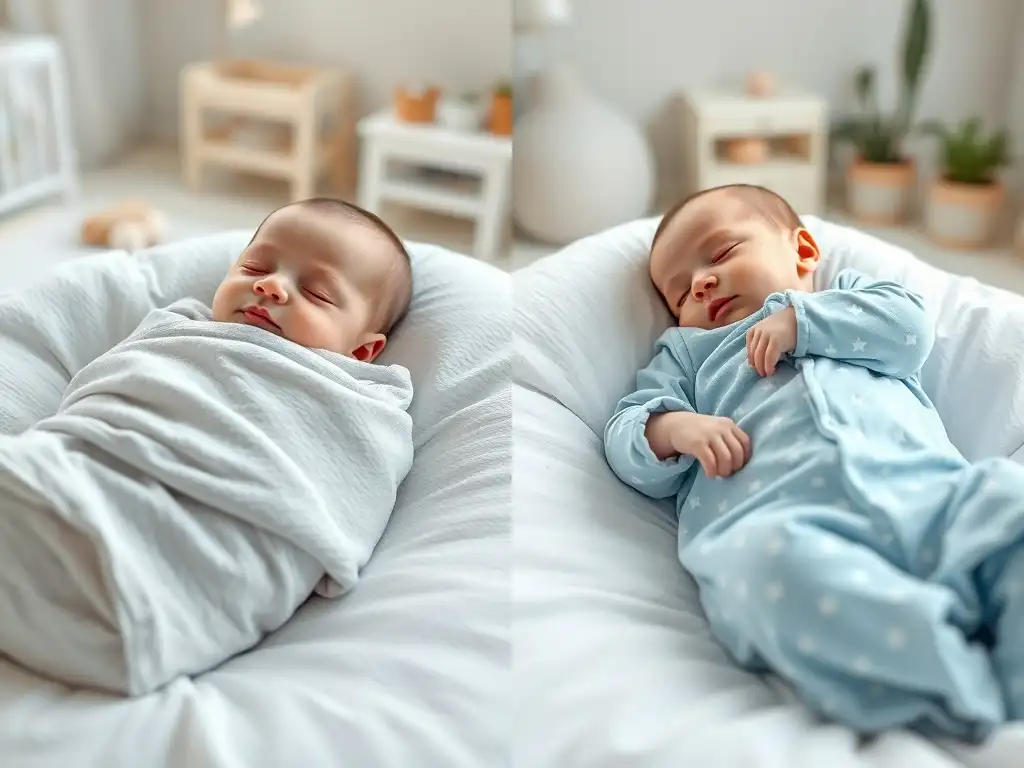
A swaddle is a piece of fabric used to wrap a baby snugly, mimicking the feeling of being held. It's been a common practice for centuries, offering several potential benefits for both baby and parent. The snug, secure feeling provided by a swaddle can help soothe a fussy baby, promoting better sleep and reducing the startle reflex that often wakes newborns. Many parents find swaddling incredibly helpful during those early, often sleepless, weeks. The feeling of security can also contribute to a sense of calm and contentment for the infant.
However, it's crucial to understand that swaddling isn't a universally beneficial practice, and it does come with potential drawbacks. The tightly wrapped nature of a swaddle can, in some cases, overheat a baby, increasing the risk of Sudden Infant Death Syndrome (SIDS). Additionally, some babies may strongly dislike being swaddled, finding it restrictive and uncomfortable.
Over-swaddling can also hinder a baby's ability to move their arms and legs freely, potentially affecting their development. Ultimately, a parent needs to carefully weigh the potential benefits against the risks before deciding whether or not to swaddle their baby. Understanding the appropriate techniques and knowing when to stop is essential for safe and effective swaddling.
How to Swaddle a Baby Safely and Effectively
Safe swaddling involves using a lightweight, breathable fabric and ensuring the baby is not overheated. The swaddle should be snug but not too tight; the baby should be able to comfortably move their hips and knees. Avoid swaddling too tightly around the chest and shoulders, which could restrict breathing. Here's a step-by-step guide:
- Lay the swaddle flat on a surface.
- Place your baby on their back, with their head at the top edge of the swaddle.
- Bring one side of the swaddle across your baby's body and tuck it under their back.
- Bring the bottom corner of the swaddle up and tuck it over your baby's feet.
- Bring the other side of the swaddle across your baby's body and tuck it under their back, ensuring a snug but not tight fit.
Remember to always supervise your baby while swaddled and never swaddle a baby who can roll over onto their stomach. The key is to find a balance between providing a secure and comforting environment and allowing for sufficient movement and breathing space. Consider using a swaddle with adjustable fasteners for better control and safety. A well-executed swaddle should leave your baby feeling secure and comfortable, promoting better sleep and reducing fussiness.
When to Stop Swaddling Your Baby
The timing to stop swaddling varies depending on individual babies and their developmental milestones. Generally, it's recommended to stop swaddling once your baby shows signs of rolling over from back to stomach. This is usually around 4 months of age, but some babies may show these signs earlier or later. Continuing to swaddle a baby who can roll over increases the risk of SIDS because they could roll onto their stomach and be unable to breathe easily. Stopping swaddling too late carries risks, while stopping too early might disrupt the baby's sleep patterns.
It's important to observe your baby's cues. If they seem uncomfortable or frustrated in the swaddle, it's time to consider transitioning to a sleep sack. The transition can be gradual, starting by loosely swaddling them or using a swaddle with one arm out. This allows them to gradually adjust to the less restrictive environment. Monitoring their sleep and observing their behavior provides valuable insights into the optimal time to discontinue swaddling. Remember, prioritizing your baby's safety and comfort is paramount in this decision.
Potential Risks and Disadvantages of Swaddling
While swaddling offers potential benefits, it’s essential to be aware of the potential risks and disadvantages. As previously mentioned, the most significant risk is the increased risk of SIDS if swaddling is continued after the baby can roll over. Overheating is another concern; using a lightweight, breathable fabric is crucial to mitigate this risk.
Some babies may find swaddling restrictive and uncomfortable, leading to increased fussiness or difficulty settling to sleep. In these cases, a sleep sack may be a better alternative. Additionally, excessively tight swaddling can impact hip development, although this is less of a concern with proper swaddling techniques.
Furthermore, swaddling can sometimes make it more difficult to detect problems with your baby's breathing or movement. Regular monitoring is therefore essential. Observing your baby’s behavior and reactions to the swaddle provides valuable information. If your baby shows signs of distress, such as increased fussiness, sweating, or difficulty breathing, stop swaddling immediately and consult your pediatrician. Remember, a safe and comfortable sleep environment is crucial for your baby's well-being. A thorough understanding of the potential risks associated with swaddling allows for informed decision-making and responsible baby care.
What is a Sleep Sack? Benefits and Drawbacks
A sleep sack, also known as a wearable blanket, is a baby sleeping bag designed to keep your little one warm and comfortable throughout the night without the risks associated with loose blankets. Unlike swaddles, sleep sacks allow for greater freedom of movement, particularly in the arms and legs, which is crucial as your baby grows and develops their motor skills. This is a key aspect of the baby swaddle sleep sack choice decision.
The primary benefit of a sleep sack is safety. Loose blankets in a crib pose a significant suffocation risk, especially for newborns. Sleep sacks eliminate this hazard by securely enveloping your baby without the risk of loose fabric covering their face. They also help regulate your baby's body temperature, preventing overheating or chills, contributing to a more restful sleep for both parent and child. Furthermore, the consistent warmth provided can reduce the frequency of night wakings due to temperature fluctuations.
However, sleep sacks aren't without their potential drawbacks. Some babies may find the snug feeling restrictive, especially if they are used to more freedom of movement. Choosing the right size and type of sleep sack is crucial to avoid discomfort. Additionally, the initial cost of purchasing several sleep sacks can be higher than the cost of blankets, although the long-term safety benefits often outweigh this financial consideration. Finally, some parents find that transitioning their baby from a swaddle to a sleep sack can be challenging, requiring patience and a gradual approach.
Types of Sleep Sacks: Choosing the Right One for Your Baby
Sleep sacks come in a variety of styles and sizes to accommodate different developmental stages and preferences. The baby swaddle sleep sack choice hinges greatly on understanding these variations.
- Lightweight Sleep Sacks: Ideal for warmer weather or rooms with higher temperatures. These typically are made from thinner materials like cotton or muslin.
- Medium-Weight Sleep Sacks: Suitable for moderate temperatures and offer a good balance of warmth and breathability. Flannel or cotton blends are common materials.
- Heavyweight Sleep Sacks: Best for colder climates or rooms with lower temperatures. These often use fleece or thicker cotton materials.
- Tog Rating Sleep Sacks: Some sleep sacks are labeled with a "tog" rating, indicating their warmth level. This is helpful for precise temperature regulation. A higher tog rating means more warmth.
- Sleeved Sleep Sacks: Offer added warmth for the arms and are especially useful during colder months.
- Footed Sleep Sacks: Provide extra warmth for the feet, particularly beneficial for babies who tend to have cold feet.
Choosing the right sleep sack depends on your baby's age, the season, and the temperature of their sleeping environment. Always prioritize safety and ensure the sleep sack fits snugly but allows for comfortable movement.
Sleep Sack Material and Features: A Detailed Overview
The material of a sleep sack significantly impacts its warmth, breathability, and overall comfort. Understanding the different materials available is crucial for making an informed baby swaddle sleep sack choice.
| Material | Pros | Cons | Suitable for |
|---|---|---|---|
| Cotton | Breathable, soft, easy to wash | Can wrinkle easily, may not be warm enough in colder weather | Spring/Summer, year-round (lightweight) |
| Muslin | Breathable, lightweight, soft | Can be delicate, prone to stretching | Spring/Summer |
| Flannel | Warm, soft, cozy | Can be less breathable than cotton | Autumn/Winter |
| Fleece | Very warm, soft, cozy | Can be less breathable than other materials | Autumn/Winter, very cold climates |
Beyond the material, consider these features:
- Zipper vs. Snaps: Zippers offer easy access for diaper changes, while snaps can be more secure.
- Two-way Zippers: Allow for easier diaper changes and temperature adjustments.
- Neckline Design: A snug neckline is essential to prevent the sleep sack from riding up and covering the baby's face.
Careful consideration of these factors ensures a safe and comfortable sleeping environment for your baby.
Transitioning from Swaddle to Sleep Sack: A Smooth Move
Transitioning your baby from a swaddle to a sleep sack is a significant milestone that requires a gradual and patient approach. The timing is crucial for a successful baby swaddle sleep sack choice transition. For many babies, this transition happens between 2 and 4 months of age, when they start showing signs of rolling over. Forcing the transition too early can lead to frustration and disrupted sleep for both parent and child.
Here's a step-by-step guide:
- Introduce the sleep sack gradually: Begin by placing your baby in the sleep sack during daytime naps for short periods.
- Start with a familiar feeling: Choose a sleep sack made of a similar material to the swaddle your baby is used to.
- Offer a transitional object: A favorite toy or blanket can provide comfort during the transition.
- Monitor for signs of discomfort: If your baby seems uncomfortable or distressed, go back to the swaddle for a while and try again later.
- Be patient and consistent: The transition may take several days or even weeks. Consistency is key.
Remember, every baby is different. Some babies transition smoothly, while others may require more time and patience. Don't hesitate to seek advice from your pediatrician if you are experiencing difficulties. A calm and supportive approach is crucial for a successful transition.
Swaddle vs. Sleep Sack: A Detailed Comparison for Your Baby

This section delves into the nuances of choosing between a swaddle and a sleep sack for your little one. Understanding the key differences and similarities will empower you to make an informed decision that best suits your baby's needs and your parenting style. The choice between a swaddle and a sleep sack is a significant one for promoting safe and restful sleep for your newborn. Many parents find themselves grappling with this “baby swaddle sleep sack choice” dilemma. Let's explore the options.
Baby Swaddle Sleep Sack Choice: Key Differences and Similarities
The fundamental difference lies in the level of restriction. A swaddle tightly wraps your baby, mimicking the feeling of being held. This can be incredibly soothing for newborns, especially those who exhibit the Moro reflex (the startle reflex). The snug feeling provides a sense of security and can help reduce fussiness and promote longer sleep stretches. However, this tight wrapping isn't suitable for all babies, or for all developmental stages.
On the other hand, a sleep sack, also known as a wearable blanket, is a loose-fitting garment that allows for freedom of movement. Your baby's arms are free, which is crucial once they begin to roll over. Sleep sacks maintain warmth without the risk of loose blankets covering the face. They offer a compromise between the security of a swaddle and the freedom of unrestricted sleep.
Both swaddles and sleep sacks aim to create a safe and comfortable sleep environment for your baby, reducing the risk of overheating and accidental suffocation from loose bedding. However, the level of restriction and the developmental stage of your baby are key differentiators in choosing the appropriate option. Consider your baby's temperament and sleep patterns when making this crucial "baby swaddle sleep sack choice." Some babies thrive in the snug embrace of a swaddle while others prefer the more spacious comfort of a sleep sack.
Swaddles and Sleep Sacks: Pros and Cons Compared
Let's analyze the advantages and disadvantages of each option in a comparative table:
| Feature | Swaddle | Sleep Sack |
|---|---|---|
| Security | High; mimics being held | Moderate; provides warmth and comfort |
| Movement | Restricted | Free |
| Temperature | Can lead to overheating if too warm | Generally better temperature regulation |
| Startle Reflex | Effectively reduces the Moro reflex | Less effective in reducing startle reflex |
| Suitable Age | Newborns (until they start rolling) | From birth; can be used longer |
| Safety | Risk of overheating and suffocation if used incorrectly | Safer option once baby starts rolling |
Choosing the right option depends heavily on your baby's developmental stage and individual preferences. Remember, safety is paramount, and you should always follow safe sleep guidelines. A well-fitting sleep sack is generally considered safer than a swaddle once your baby shows signs of rolling over.
Choosing Between a Swaddle and a Sleep Sack Based on Your Baby's Needs
The best choice depends on several factors:
- Baby's Age and Development: Newborns often benefit from the security of a swaddle, but as they grow and become more mobile (around 4 months), transitioning to a sleep sack is crucial for safety. Once your baby begins showing signs of rolling over, discontinue swaddling immediately. This is a critical aspect of the "baby swaddle sleep sack choice".
- Baby's Temperature Preferences: Some babies are naturally warmer than others. If your baby overheats easily, a sleep sack might be a better choice.
- Baby's Sleep Habits: If your baby is a restless sleeper, a sleep sack might allow for more freedom of movement. However, if your baby is easily startled, a swaddle might provide more soothing comfort.
- Your Parenting Style: Some parents find swaddling easier and more convenient than dealing with a sleep sack, especially in the early days. However, as your baby grows, the benefits of a sleep sack become increasingly apparent.
Remember to always prioritize safe sleep practices. Never place loose blankets, pillows, or toys in the crib with your baby. Consult your pediatrician if you have any concerns about your baby's sleep. The ultimate "baby swaddle sleep sack choice" is the one that ensures your baby sleeps soundly and safely.
Making the Right Baby Swaddle Sleep Sack Choice for Your Little One
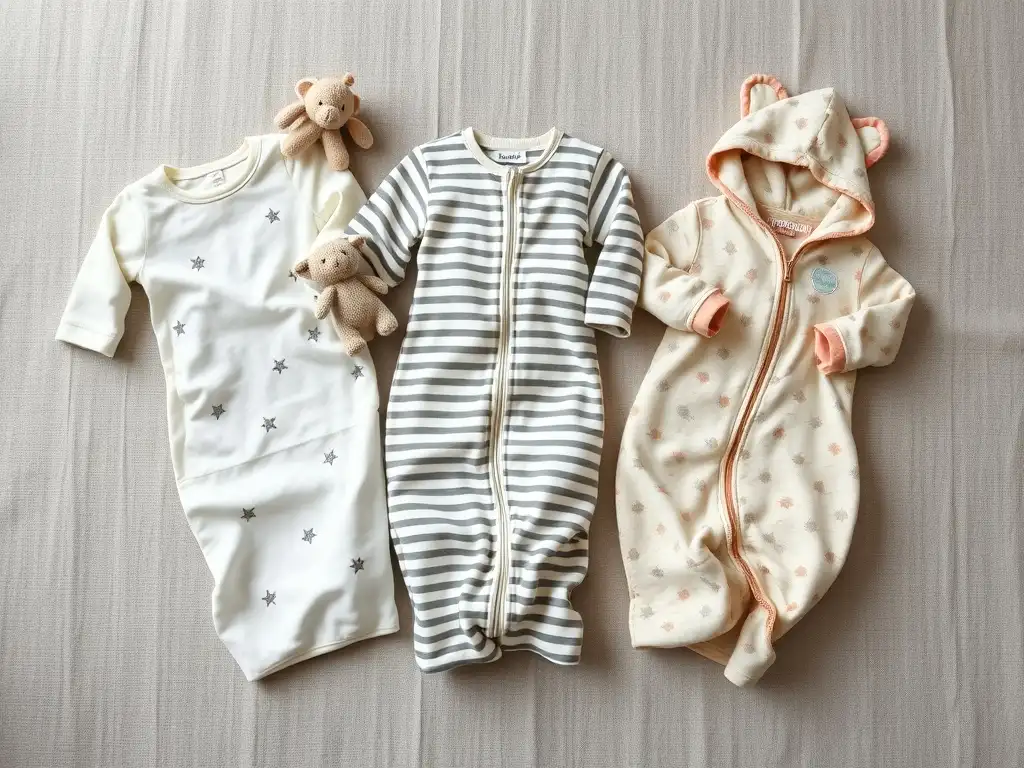
Choosing between a swaddle and a sleep sack can feel overwhelming for new parents. Both aim to provide a secure and comforting sleep environment for your baby, but they differ significantly in design and suitability. Understanding these differences is key to making the best "baby swaddle sleep sack choice" for your little one's individual needs.
This section will explore the crucial factors to consider when making this decision, helping you navigate the options and select the sleep solution that promotes the safest and most restful sleep for your baby. The right choice will contribute significantly to your baby's healthy development and your own peace of mind.
Considering Your Baby's Age and Development Stage
A baby's age significantly impacts the appropriateness of a swaddle versus a sleep sack. Swaddles, which wrap your baby snugly, are generally recommended for newborns and younger infants (typically up to 3-4 months old) who still exhibit the Moro reflex – that startling reflex that can wake them. The swaddle mimics the feeling of being held, providing a sense of security and reducing the startle reflex.
However, as your baby grows and becomes more mobile, the swaddle can become a safety hazard. Once your baby shows signs of rolling over, it's crucial to transition to a sleep sack. A swaddle can restrict their movement and increase the risk of Sudden Infant Death Syndrome (SIDS).
Sleep sacks, on the other hand, are designed for babies who have outgrown swaddles. They provide warmth and comfort without restricting movement. They are available in various sizes and weights, allowing you to choose one appropriate for your baby's age and the season.
For example, a lightweight cotton sleep sack is ideal for warmer months, while a fleece sleep sack offers more warmth during colder weather. Remember to always check the manufacturer's recommendations for appropriate age ranges and sizes to ensure a safe and comfortable fit. Choosing the right sleep solution aligned with your baby's developmental stage is paramount for safe sleep.
Addressing Individual Baby Sleep Preferences
While age and development are key factors, your baby's individual sleep preferences also play a crucial role in your "baby swaddle sleep sack choice." Some babies naturally prefer the snug feeling of a swaddle and sleep more soundly within its confines. Others might find it restrictive and prefer the freedom of movement a sleep sack offers. Observing your baby's sleeping patterns and reactions to different sleep aids will help you determine their preference.
Does your baby seem restless and frequently wake up in a swaddle? They might be ready for a sleep sack. Conversely, if they consistently sleep soundly in a swaddle, you may continue to use it until they show signs of rolling over. Remember, every baby is unique, and what works for one might not work for another. Experimentation and careful observation are essential to finding the optimal sleep solution for your individual baby. Prioritize your baby's comfort and safety above all else.
Factors to Consider When Choosing a Swaddle or Sleep Sack
Beyond age and individual preferences, several additional factors should inform your "baby swaddle sleep sack choice":
- Material: Opt for breathable, soft, and hypoallergenic materials such as cotton or bamboo. Avoid materials that trap heat or irritate your baby's delicate skin.
- Safety: Always choose swaddles and sleep sacks that meet relevant safety standards. Look for products with secure closures and no loose strings or small parts that could pose a choking hazard. Ensure the fit is snug but not restrictive.
- Season: Consider the temperature of your home and the season when selecting the weight and material of your swaddle or sleep sack. Overheating is a significant risk, so prioritize breathability.
- Ease of Use: Choose a swaddle or sleep sack that is easy to put on and take off. This will be particularly helpful during nighttime changes.
- Personal Preference: Consider your own comfort level and ease of use. A sleep sack might be easier to use for some parents, especially during night feedings.
Remember, the best "baby swaddle sleep sack choice" is the one that promotes safe, comfortable, and restful sleep for your baby. Pay attention to your baby's cues, follow safety guidelines, and don't hesitate to experiment to find the perfect solution. 😴 A well-rested baby often translates to well-rested parents!
Frequently Asked Questions about Swaddles and Sleep Sacks
This section addresses common queries regarding swaddles and sleep sacks to help you make the best choice for your little one's sleep and comfort. Choosing between a swaddle and a sleep sack is a crucial decision for new parents, impacting your baby's sleep quality and safety. Understanding the nuances of each option is key to optimizing your baby's sleep environment.
My baby hates being swaddled. What should I do?
Not all babies enjoy being swaddled. Some babies find the snug feeling restrictive, while others might simply dislike the sensation of being wrapped tightly. If your baby shows clear signs of distress – crying excessively, arching their back, or pulling at the swaddle – it's crucial to respect their cues and discontinue swaddling. Forcing a baby to stay swaddled can lead to increased anxiety and disrupted sleep.
Instead of swaddling, consider alternative methods to promote a sense of security and comfort. A sleep sack, for example, offers a similar feeling of containment without the restrictive nature of a swaddle. You could also try placing a weighted blanket (always under supervision and following safety guidelines) on top of the sleep sack or introducing a comforting lovey or plush toy to soothe your baby.
Remember, a calm and consistent bedtime routine plays a significant role in helping your baby relax and fall asleep. Pay attention to your baby's body language and adjust your approach accordingly. Some babies may also benefit from white noise or a pacifier to help them self-soothe.
Remember, the goal is to ensure your baby feels safe and secure, and if swaddling isn't working, there are several effective alternatives. Experiment with different methods to find what works best for your little one. Consult your pediatrician if you have any concerns.
When should I transition my baby from a swaddle to a sleep sack?
The transition from a swaddle to a sleep sack is a significant developmental milestone. It's generally recommended to transition when your baby shows signs of rolling over from back to tummy, typically around 4-6 months of age. This is a crucial safety precaution to prevent Sudden Infant Death Syndrome (SIDS). Once your baby can roll from their back to their stomach, they could potentially roll over onto their tummy while swaddled and suffocate.
However, every baby develops at their own pace. Some babies might show signs of readiness earlier, while others might need a little longer. Observe your baby closely for these key indicators:
- Rolling over: The most significant sign. If your baby consistently rolls from back to tummy, it's time to transition.
- Pushing up on arms: This indicates strengthening of upper body muscles, signifying a readiness to move more freely.
- Showing signs of discomfort in the swaddle: As mentioned previously, if your baby consistently shows signs of distress while swaddled, it's a clear indication to switch.
Transitioning should be gradual. Start by slightly loosening the swaddle, giving your baby more room to move. Then, try using a swaddle with one arm out. Finally, move to a sleep sack. This gradual approach helps your baby adjust to the new sensation and reduces anxiety.
What material is best for a sleep sack?
The ideal material for a sleep sack depends on several factors, primarily the season and your baby's temperature preferences. However, some materials are consistently better choices than others. Prioritize breathable, lightweight fabrics to prevent overheating. Here's a breakdown:
| Material | Pros | Cons | Best Suited For |
|---|---|---|---|
| Cotton | Breathable, soft, hypoallergenic, washable | Can wrinkle easily, may not be warm enough in winter | Spring/Summer, transitional seasons |
| Flannel | Soft, warm, cozy | Can be too warm in warmer climates | Autumn/Winter |
| Muslin | Lightweight, breathable, soft | May not be as warm as flannel | Spring/Summer, transitional seasons |
| Lightweight Merino Wool | Breathable, temperature regulating, soft | More expensive, requires special care | Year-round (depending on weight) |
Avoid materials that are too heavy, thick, or synthetic. Always ensure the sleep sack fits snugly but not tightly, allowing your baby to move their arms and legs freely. Always check the care instructions and wash regularly to maintain hygiene and comfort. Prioritizing safety and comfort will lead to better sleep for both you and your baby. Remember to always supervise your baby during sleep.
What size sleep sack should I buy?
Choosing the right size sleep sack is crucial for your baby's safety and comfort. A sleep sack that's too small can restrict movement and potentially lead to overheating, while one that's too large poses a suffocation risk. Manufacturers typically provide size charts based on your baby's weight and height. However, always prioritize a snug but not tight fit. You should be able to slip a hand flat between your baby's chest and the sleep sack.
It's also important to consider your baby's growth rate. Newborns grow rapidly, so you'll likely need to purchase several sleep sacks in different sizes. Buying a few sizes at once can be cost-effective, especially if you find a good sale. Remember to check the specific size guidelines provided by the brand, as sizing can vary.
Some brands offer sleep sacks designed for specific age ranges, further simplifying your selection process. For example, a brand might offer a size for newborns (0-3 months), another for infants (3-6 months), and so on. This age-based categorization provides a convenient guide for choosing the appropriate size for your baby's developmental stage.
Always err on the side of caution—a slightly larger sleep sack is preferable to one that is too small, but ensure it is still snug enough to prevent your baby from wriggling out. Regularly check the fit as your baby grows to ensure continued safety and comfort. Don't hesitate to transition to a larger size sooner than later if your baby seems restricted in their current sleep sack.
Frequently Asked Questions
What is the difference between a swaddle and a sleep sack?
A swaddle wraps your baby tightly like a burrito, mimicking the feeling of being held. A sleep sack, also known as a wearable blanket, is a loose-fitting sack that allows for movement while keeping your baby warm. Both promote safe sleep.
When should I transition my baby from a swaddle to a sleep sack?
Most babies should transition from a swaddle to a sleep sack around 4-6 months old, or when they show signs of rolling over. This is to prevent suffocation risks associated with swaddling once they can roll.
What are the benefits of using a sleep sack?
Sleep sacks offer a safe and comfortable alternative to loose blankets, reducing the risk of suffocation. They help regulate your baby's temperature and can promote longer, more restful sleep.
How do I choose the right size sleep sack for my baby?
Choose a sleep sack that is the correct size for your baby's height and weight. Ensure there is enough room for your baby to move their legs and arms comfortably, but not so much that they can slip out. Check the manufacturer's guidelines for size recommendations.
What material should I look for when buying a sleep sack?
Consider breathable materials like cotton or muslin for warmer months, and slightly heavier materials like fleece for colder months. Avoid materials that are too heavy or that might overheat your baby. Look for hypoallergenic options if your baby has sensitive skin.
Final Reflection: The Sweet Sleep Solution: Choosing Wisely for Your Little One
The debate between swaddles and sleep sacks rages on, yet the core issue remains the same: ensuring your baby sleeps soundly and safely. The right choice significantly impacts your baby's sleep quality and, consequently, your own well-being. This decision, while seemingly small, holds profound implications for the early development and overall happiness of your child.
The journey of choosing between a swaddle and a sleep sack is a deeply personal one, reflecting the unique needs and preferences of each family. It's a testament to the ever-evolving world of parenting, where evidence-based practices constantly inform and refine our approaches. The most important thing is to find what works best for your baby and your family.
This simple truth underscores the importance of careful consideration and flexibility in navigating this crucial decision. The impact extends beyond the immediate, shaping bedtime routines and influencing the development of healthy sleep habits that will last a lifetime.
Now, as you embark on this journey of parenthood, remember the information shared within this article. Consider your baby's temperament, their sleep patterns, and your own comfort level. Don't be afraid to experiment and find the perfect sleep solution that fosters a peaceful night's rest for both you and your precious little one. Embrace the process, celebrate the small victories, and remember that the path to sweet dreams is paved with informed choices and unwavering love.
Unwrap Your Baby's Best Sleep: Choose Wisely!
Thank you for joining us on this journey to better understand swaddles and sleep sacks! We hope you feel more confident in choosing the right sleep solution for your little one. Ready to put this new knowledge into practice?
- Prioritize your baby's comfort and safety: Carefully consider your baby's age, developmental stage, and individual preferences when selecting a sleep aid. Observe their sleep patterns closely after making a change to see what works best.
- Share your experience: Tell us in the comments which sleep aid you prefer and why! Let's build a supportive community of parents helping each other.
- Find more tips and tricks for peaceful nights by exploring additional resources online. Many helpful websites offer expert advice on baby sleep.
What's the most important factor you'll consider when choosing a sleep solution for your baby tonight?