
Premature Baby Clothing: Choosing the Right Materials

Welcome to BabyCareHub, your ultimate guide to navigating the incredible journey of parenthood! Are you a first-time parent feeling overwhelmed by the sheer volume of information out there? We understand. That's why we've created this comprehensive resource to help you confidently care for your little one. But what about those extra special needs? Discover the crucial role of fabric choice in the delicate world of premature infants and delve into our expert advice on Preemie baby clothing materials – a vital first step in ensuring your precious baby's comfort and well-being. Let's begin this exciting adventure together!
- Understanding Preemie Skin Sensitivity and Clothing Needs
- Best Materials for Preemie Baby Clothes: A Comprehensive Guide
- Selecting the Right Weight and Fit for Preemie Garments
- Practical Tips for Washing and Caring for Preemie Clothes
- Beyond Materials: Other Considerations for Preemie Clothing
- Frequently Asked Questions
- Final Reflection: Weaving a World of Comfort for Preemies
- Unwrap the Comfort: Dress Your Little One in Confidence
Understanding Preemie Skin Sensitivity and Clothing Needs
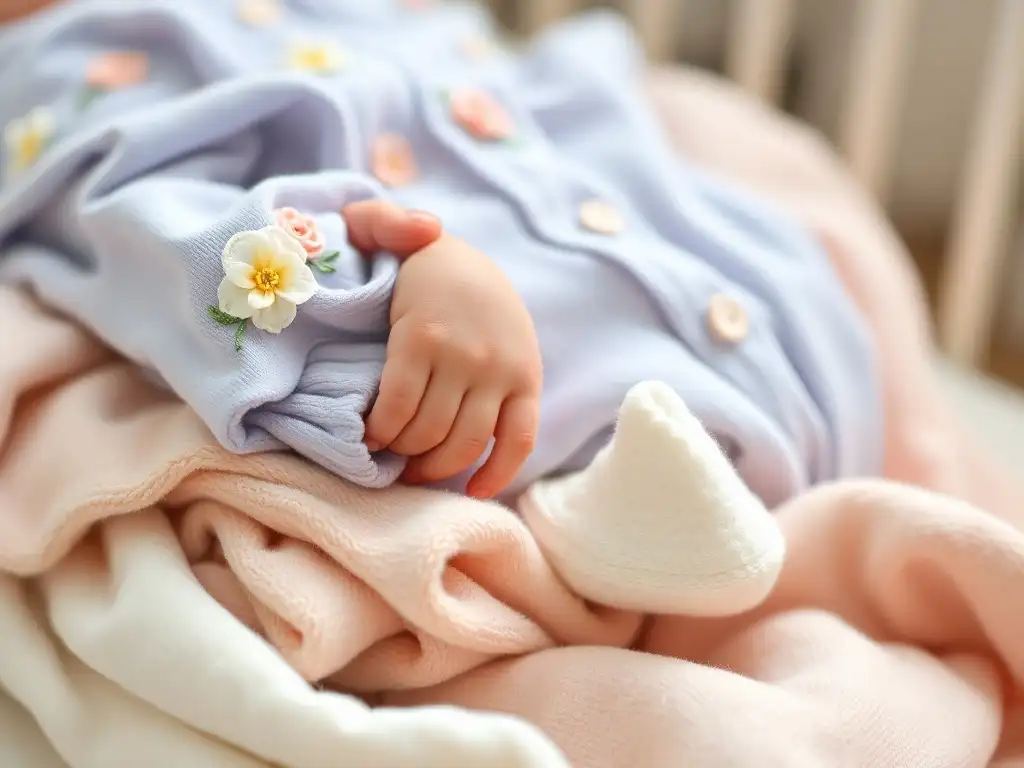
Premature babies, born before 37 weeks of gestation, possess incredibly delicate skin. This fragility makes choosing the right clothing materials crucial for their comfort, health, and overall development. This article serves as a comprehensive guide for first-time parents navigating the world of preemie baby clothing, focusing specifically on the selection of appropriate materials to protect their little one's sensitive skin. We'll explore why certain fabrics are better suited than others, highlighting the importance of breathability, softness, and hypoallergenic properties. Understanding the unique needs of preemie skin is the first step in providing optimal care and ensuring a healthy start for your precious infant. Choosing the right clothing can significantly impact their comfort, reduce the risk of skin irritation, and contribute to their overall well-being. This guide will empower you to make informed decisions about preemie baby clothing materials, helping you create a safe and nurturing environment for your premature baby.
Delicate Skin: Why Material Matters for Premature Infants
Premature infants have thinner, more permeable skin than full-term babies. This means their skin is more susceptible to irritation, infection, and moisture loss. Their skin barrier is not fully developed, making them vulnerable to various skin conditions. The choice of clothing material directly impacts their skin's health. Harsh fabrics can cause chafing, rashes, and even infections.
Conversely, soft, breathable fabrics can protect their skin, promoting comfort and preventing irritation. Consider this: a preemie's skin is approximately 40% thinner than a full-term baby's, emphasizing the critical need for gentle and appropriate fabrics. The right materials can significantly reduce the risk of common preemie skin problems. Choosing wisely is an act of proactive care, contributing to a healthier and happier baby.
Common Skin Issues in Preemies and How Clothing Impacts Them
Several common skin issues affect premature babies, and clothing plays a significant role in their management. For example, eczema is a prevalent condition characterized by dry, itchy skin. Rough fabrics can exacerbate eczema symptoms, leading to increased discomfort and potential secondary infections. Similarly, irritant contact dermatitis can be triggered by harsh dyes or chemicals present in some clothing materials. Choosing hypoallergenic and naturally dyed fabrics is crucial to minimize the risk of these reactions. Furthermore, premature babies are prone to temperature fluctuations, and clothing made from breathable materials helps regulate their body temperature, preventing overheating or chilling, both of which can negatively impact their delicate skin. Proper clothing selection can be a key factor in preventing or mitigating these issues.
The Importance of Breathable Fabrics for Premature Babies
Breathability is paramount when selecting preemie clothing. Fabrics that allow for adequate air circulation help prevent overheating, which can lead to excessive sweating and skin irritation. Overheating can also worsen existing skin conditions like eczema. Natural fibers like 100% cotton are excellent choices due to their breathability and softness. Avoid synthetic fabrics, especially those with low breathability, as they can trap heat and moisture against the baby's skin, creating a breeding ground for bacteria and increasing the risk of infections.
Remember that proper temperature regulation is crucial for a preemie's overall health and well-being. Prioritizing breathable fabrics is a significant step in creating a comfortable and safe environment for your little one. The right clothing can make a world of difference in their comfort and health. Choosing breathable fabrics is an investment in your baby's well-being.
Best Materials for Preemie Baby Clothes: A Comprehensive Guide
Preemie baby clothing materials require careful consideration due to the unique sensitivities and vulnerabilities of premature infants. Their skin is incredibly delicate, and their body temperature regulation is often less efficient. Selecting the right fabrics is crucial for their comfort, health, and well-being. This guide explores the best options, focusing on both natural and synthetic materials, to help you make informed decisions for your little one's wardrobe. Choosing the right fabrics is a key component of ensuring your preemie's comfort and safety.
Choosing Soft and Gentle Fabrics for Premature Infants
The most important factor when selecting preemie baby clothing materials is softness. Premature babies have extremely thin and sensitive skin, prone to irritation and chafing from rough fabrics. Avoid anything scratchy or potentially abrasive. Look for fabrics that feel incredibly soft against your skin – you should be able to easily assess this by touch. Consider the following qualities:
- Smooth Texture: The fabric should have a smooth, even surface to minimize friction against the baby's delicate skin.
- Lightweight Feel: Heavy fabrics can overheat the baby and restrict movement. Lightweight materials allow for better breathability and comfort.
- Breathability: The fabric should allow for good airflow to prevent overheating and sweat buildup. This is especially critical for preemies who have difficulty regulating their body temperature.
- Hypoallergenic Properties: Opt for fabrics known for their hypoallergenic qualities to minimize the risk of allergic reactions.
Remember, a preemie's skin is extremely fragile. Even seemingly minor irritations can lead to discomfort and potential complications. Prioritizing softness is paramount.
Natural Fibers: Cotton, Wool, and Silk for Preemie Clothing
Natural fibers are generally preferred for preemie clothing due to their inherent softness, breathability, and hypoallergenic properties. Let's examine some popular choices:
- Cotton: Undoubtedly the most popular choice for baby clothing, cotton is incredibly soft, breathable, and absorbent. Look for 100% organic cotton for the purest and gentlest option. It's easily washable and readily available, making it a practical and safe choice. Avoid blends with synthetic fibers, especially if your preemie has sensitive skin.
- Wool (Merino): While wool might seem unexpected, fine merino wool is remarkably soft and gentle on delicate skin. It's naturally temperature-regulating, keeping your baby warm in cool environments and preventing overheating. However, ensure the wool is superwash treated to prevent shrinkage and make it machine washable. Always check the care label before washing.
- Silk: Silk is a luxurious fabric known for its smoothness and softness. It's naturally hypoallergenic and temperature-regulating, but it's more delicate and requires special care. Silk is a more expensive option, but its softness and gentle nature can be beneficial for very sensitive preemies.
Synthetic Fabrics: When and How to Use Them Safely for Preemies
While natural fibers are generally preferred, some synthetic fabrics can be suitable for preemie clothing under specific circumstances. However, always prioritize natural fibers whenever possible. Here's a cautious approach to synthetics:
- Modal: Modal is a semi-synthetic fabric made from cellulose. It's exceptionally soft, smooth, and absorbent, similar to cotton but often more durable. It is often blended with other fibers.
- Microfleece: Microfleece is a synthetic fabric known for its warmth and softness. It can be a good option for layering in colder climates, but ensure it's a high-quality, soft microfleece to prevent any irritation. Always check the label for softness and hypoallergenic properties. Avoid scratchy or stiff microfleece.
Important Note: Regardless of the fabric, always check the care label before washing preemie clothing. Use gentle detergents specifically designed for sensitive skin and avoid harsh chemicals or fabric softeners. Air-drying is generally preferred to machine drying to prevent shrinkage and damage to the delicate fabrics. Prioritize softness above all else when selecting preemie clothing materials; a comfortable baby is a happier baby. 🧸
Avoiding Irritants: Allergens and Chemicals in Baby Clothes
Premature babies have incredibly delicate skin, making them highly susceptible to irritation from harsh chemicals and allergens found in many clothing materials. Choosing the right fabrics is crucial for preventing rashes, eczema, and other skin problems. The goal is to minimize contact with potential irritants, ensuring maximum comfort and protecting their sensitive skin. This means carefully examining clothing labels and opting for natural, hypoallergenic options whenever possible.
One of the most common culprits is formaldehyde, a chemical often used in the manufacturing process to prevent wrinkles and maintain shape. While generally present in low concentrations, formaldehyde can still trigger allergic reactions in sensitive babies, leading to skin redness, itching, and even breathing difficulties in severe cases. Look for clothing labeled as "formaldehyde-free" or "low-formaldehyde" to mitigate this risk.
Similarly, dyes and finishes applied to fabrics can contain irritants. Brightly colored clothing, especially those with vibrant patterns, may contain azo dyes, known for their potential to cause allergic contact dermatitis. Opting for naturally dyed clothing, or those with subdued colors, significantly reduces this risk. The less processing a fabric undergoes, the less likely it is to contain these potentially harmful chemicals.
Synthetic fabrics like polyester and nylon, while often durable and easy to care for, can trap heat and moisture against the baby's skin, creating a breeding ground for bacteria and further irritating sensitive skin. These fabrics are often treated with additional chemicals to improve their properties, adding to the potential for skin irritation. Therefore, prioritize natural fibers that breathe better and are less likely to cause problems.
Finally, remember to always pre-wash any new clothing before putting it on your preemie. This removes any residual chemicals or dyes that might remain on the fabric after manufacturing, ensuring a softer, cleaner, and safer garment for your little one. Washing in a gentle, hypoallergenic detergent is also recommended. This simple step can make a significant difference in preventing skin irritation and promoting your baby's comfort.
Selecting the Right Weight and Fit for Preemie Garments
Choosing the right clothing for your premature baby is crucial for their comfort, warmth, and overall well-being. Preemies have underdeveloped temperature regulation systems, making them particularly vulnerable to both overheating and chilling. Therefore, selecting garments of the appropriate weight and fit is paramount. This section focuses on understanding the nuances of preemie clothing and how to ensure your little one is dressed appropriately for various situations. This information will help you make informed decisions regarding preemie baby clothing materials and ensure your baby's comfort.
Appropriate Weight of Clothing for Different Environments
The ideal weight of clothing for a preemie depends heavily on the ambient temperature and humidity. Overdressing can lead to overheating, increasing the risk of dehydration and discomfort, while underdressing can result in hypothermia. Consider these guidelines:
- Warm Environments (70-75°F / 21-24°C): Lightweight cotton onesies or sleep sacks are generally sufficient. Avoid layering unless absolutely necessary. Remember that preemies often need less clothing than full-term babies.
- Moderate Environments (65-70°F / 18-21°C): A lightweight cotton onesie paired with a thin cotton or lightweight fleece sleep sack or swaddle might be appropriate. Monitor your baby's temperature regularly.
- Cool Environments (Below 65°F / 18°C): You might need to layer clothing, using a cotton onesie, a lightweight sweater or vest, and a warmer sleep sack or swaddle. Always prioritize breathable fabrics to prevent overheating.
It's crucial to remember that individual needs vary. Some preemies may be more sensitive to temperature changes than others. Pay close attention to your baby's cues, such as sweating, shivering, or cool extremities, to gauge whether adjustments to their clothing are needed. Always prioritize comfort and safety when making decisions about preemie clothing. This careful consideration of preemie baby clothing materials is vital for their well-being.
Understanding Preemie Sizes and Finding the Perfect Fit
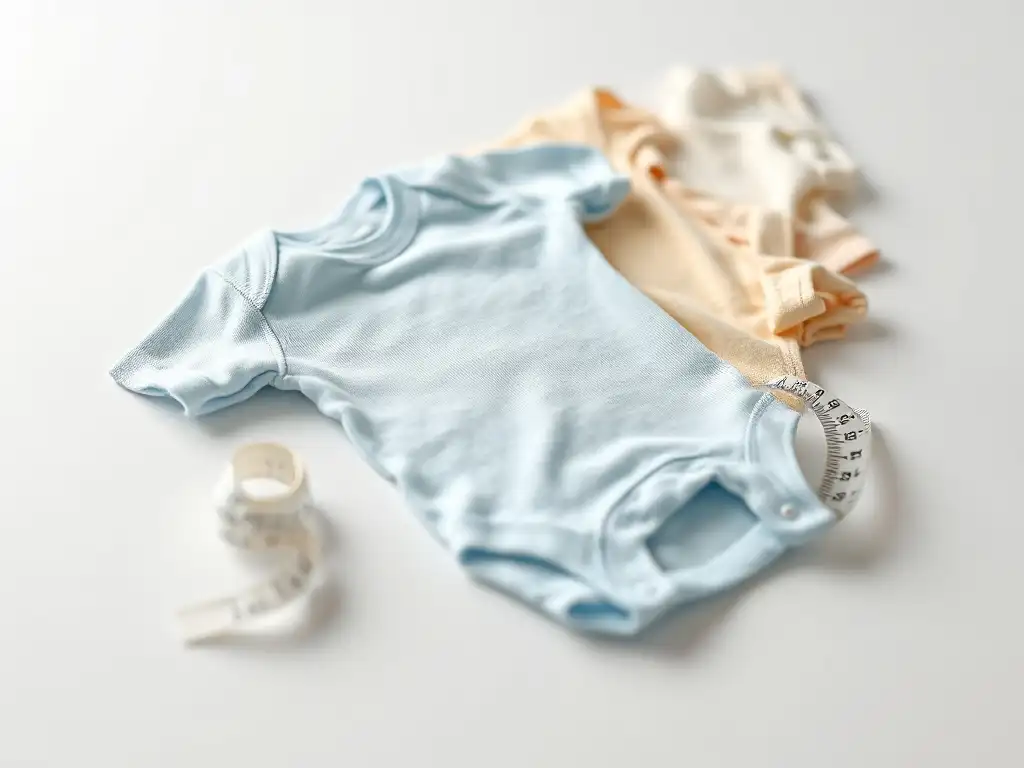
Preemie sizes can vary between brands, so it's essential to check the size charts carefully before purchasing. Generally, preemie clothing is sized according to weight, ranging from approximately 1-5 pounds. However, the size charts can be inconsistent. Some brands might use weight ranges, while others might use length or other measurements.
Here's what to look for when selecting the right size:
- Seamless Construction: Look for garments with minimal seams to avoid irritating your baby's delicate skin. Seams should be soft and flat.
- Easy Access: Opt for garments with easy-to-open closures, such as snaps or zippers, for quick diaper changes. Avoid complicated fastenings that could add stress to your baby's delicate skin.
- Snug but Not Tight: The clothing should fit snugly but not constrict your baby's movement. Tight clothing can restrict blood flow and impact their comfort. Loose clothing presents a safety hazard.
- Stretchable Fabrics: Choose fabrics with some give to allow for comfortable movement and growth. This is especially important for active preemies.
Remember that your preemie will likely grow quickly, so consider purchasing a few sizes to accommodate their rapid development. Prioritizing the right fit and the right preemie baby clothing materials is key to their comfort and well-being.
Dressing Your Preemie: Tips for Easy and Comfortable Clothing
Dressing a premature baby can be challenging, but with a few simple tips, you can make the process easier and more comfortable for both of you.
- Layering: Layering is a great way to adjust to temperature changes without completely undressing your baby. Start with a base layer of a soft cotton onesie and add layers as needed.
- Soft Fabrics: Choose soft, breathable fabrics like 100% cotton, silk, or bamboo. These materials are gentle on your baby's sensitive skin and help regulate their temperature. Avoid harsh materials like wool or synthetic fabrics.
- Avoid Tight Clothing: Tight clothing can restrict blood flow and cause discomfort. Ensure the clothing is loose enough to allow for comfortable movement.
- Easy-to-Open Closures: Snap closures are generally easier to manage than buttons or ties. Choose garments with easy-to-use fasteners.
- Footless Onesies: Footless onesies allow for easier access to your baby's feet and prevent overheating.
- Sleep Sacks: Sleep sacks are a great alternative to blankets, providing warmth and security without the risk of loose covers.
By understanding the nuances of preemie clothing selection and following these tips, you can help ensure your little one is dressed comfortably and safely. This attention to detail in choosing the right preemie baby clothing materials is paramount to their well-being. 👶
Practical Tips for Washing and Caring for Preemie Clothes
Caring for your preemie's delicate skin requires extra attention, and that extends to their clothing. Washing and maintaining their clothes correctly is crucial for their comfort and health. Preemie baby clothing materials, often made from finer fabrics, need gentle handling to prevent damage and irritation. Let's delve into some best practices.
Gentle Laundry Practices for Premature Baby Clothing
Washing preemie clothes requires a gentler approach than adult or even older baby garments. The delicate nature of the fabrics and the sensitivity of your baby's skin demand careful consideration. Avoid harsh scrubbing or twisting, which can damage the fibers and potentially irritate your little one's skin.
Here's a step-by-step guide:
- Pre-treat stains: Before washing, gently dab any stains with a mild, baby-safe stain remover. Avoid rubbing vigorously, as this can set the stain.
- Separate the laundry: Always wash preemie clothes separately from adult or older baby clothing. This prevents larger items from snagging or damaging the smaller garments. Also, separate whites and colors to avoid color bleeding.
- Use a mesh laundry bag: Enclose delicate items like lace or embroidered preemie clothing in a mesh laundry bag to prevent damage during the washing cycle.
- Choose the right cycle: Select a gentle or delicate cycle on your washing machine. A shorter wash cycle with cool or lukewarm water is preferable. Avoid using hot water, as this can shrink or damage the fabrics.
- Air dry whenever possible: Air drying is the gentlest method for preemie clothing. Lay the garments flat on a clean, dry surface or hang them on a clothesline. Avoid using a dryer, as high heat can damage the fibers and cause shrinkage. If using a dryer, choose the lowest heat setting and remove the clothes immediately.
Choosing Detergents and Avoiding Harsh Chemicals
The type of detergent you use is critical when washing preemie baby clothing materials. Harsh chemicals, fragrances, and dyes found in many commercial detergents can irritate your baby's sensitive skin, causing rashes or allergies.
- Opt for fragrance-free and hypoallergenic detergents: These are specifically formulated to be gentle on delicate skin. Look for detergents that are pediatrician-tested and approved.
- Consider free & clear options: These detergents contain minimal additives and are less likely to cause skin irritation.
- Avoid bleach: Bleach can damage the fibers of preemie clothing and can be harmful to your baby's skin.
- Rinse thoroughly: Ensure all traces of detergent are removed by rinsing the clothes thoroughly. Multiple rinse cycles may be necessary, especially if using a concentrated detergent.
- Test for allergies: Before using a new detergent, it’s always a good idea to test it on a small, inconspicuous area of your baby's clothing to check for any allergic reactions.
Storing and Maintaining Preemie Garments for Optimal Hygiene
Proper storage is essential for maintaining the hygiene and longevity of your preemie's clothes. Here are some tips:
- Fold carefully: Avoid creasing or crushing delicate fabrics. Fold garments neatly and lay them flat in drawers or on shelves.
- Use breathable storage containers: Avoid airtight plastic bags or containers, as these can trap moisture and lead to mildew. Opt for breathable fabric storage solutions.
- Wash before storing: Always wash new preemie clothing before storing it. This removes any manufacturing residues or chemicals that could irritate your baby's skin.
- Regularly inspect clothes: Periodically check stored clothes for any signs of damage, stains, or mildew. Discard any damaged or soiled items.
- Ironing: If ironing is necessary, use a low heat setting and a pressing cloth to protect the fabric. Many preemie clothes benefit from air drying and do not require ironing.
Remember, prioritizing gentle care for your preemie's clothing will help keep them comfortable, healthy, and protected. Careful attention to laundry practices and storage will extend the life of your little one's wardrobe and contribute to their overall well-being. 👶
Beyond Materials: Other Considerations for Preemie Clothing
Choosing the right material is crucial for preemie baby clothing, but it's only one piece of the puzzle. Several other factors significantly impact your little one's comfort, safety, and overall well-being. Understanding these aspects is key to ensuring your preemie thrives. The selection of preemie baby clothing materials should be complemented by thoughtful choices concerning garment design and functionality.
Ignoring these aspects can lead to discomfort and even potential health complications. This section will explore these vital considerations beyond the fabric itself. Remember, selecting the appropriate preemie baby clothing materials is just the first step towards creating a safe and comfortable environment for your fragile newborn.
Seamless Garments: Minimizing Skin Irritation
Premature babies have incredibly delicate skin, prone to irritation and chafing. Seams, even from soft fabrics, can cause discomfort and potentially lead to skin breakdown, especially in areas prone to friction like the neck, armpits, and legs. Therefore, opting for seamless garments or those with exceptionally soft, flatlock seams is paramount. This minimizes the risk of rubbing and irritation, allowing your preemie's skin to breathe and heal naturally.
Look for garments specifically designed with this in mind, often labeled as "seamless" or "tagless." The absence of tags further reduces potential irritation points. Consider the garment's construction carefully; a well-made seamless outfit contributes significantly to your preemie's comfort. Some manufacturers specialize in creating clothing designed to minimize skin irritation in preemies, offering a range of preemie baby clothing materials that are both gentle and durable.
Avoiding Tight Clothing and Ensuring Comfort
Tight clothing can restrict your preemie's movement and breathing, impacting their comfort and development. Premature babies often have underdeveloped muscles and require ample room to move freely. Choosing clothing that is appropriately loose-fitting yet secure is crucial. Avoid anything too snug around the neck, wrists, or ankles, as this can restrict blood flow and cause discomfort.
Garments should allow for easy diaper changes and access for medical procedures if necessary. Consider the overall fit of the clothing item – it should be snug enough to stay in place but loose enough to allow for unrestricted movement. Remember, a comfortable baby is a happy baby, and this translates directly to their overall well-being. The right fit, combined with the right preemie baby clothing materials, creates an optimal environment for your preemie's growth.
The Role of Clothing in Regulating Preemie Body Temperature
Premature babies have difficulty regulating their body temperature, making clothing selection even more critical. They are highly susceptible to both hypothermia (dangerously low body temperature) and hyperthermia (dangerously high body temperature). The clothing you choose should help maintain a stable temperature, providing an additional layer of warmth without overheating. Lightweight, breathable fabrics are generally preferred, as they allow for better air circulation. However, the number of layers and the choice of preemie baby clothing materials will depend on the ambient temperature and your preemie's individual needs.
Always monitor your baby's temperature regularly, adjusting clothing as needed. Consulting with your pediatrician about appropriate clothing for your preemie's specific needs is essential. Remember, maintaining a stable body temperature is vital for your preemie's health and development. The appropriate clothing choice, considering both material and fit, plays a significant role in achieving this.
Frequently Asked Questions
What materials are best for premature baby clothing?
Premature babies need gentle, soft fabrics that won't irritate their delicate skin. Look for clothing made from 100% cotton, soft fleece, or bamboo. Avoid anything with rough seams or harsh chemicals.
Why is fabric choice so important for preemies?
Premature babies have thin, sensitive skin that is prone to irritation and infection. Choosing the right fabric minimizes the risk of rashes and discomfort, promoting their overall health and well-being.
Should I avoid certain fabrics when dressing my preemie?
Yes, avoid materials like wool, synthetic fibers, and materials with added dyes or chemicals. These can cause allergic reactions or skin irritations. Natural, breathable fabrics are always the best option.
Where can I find preemie clothing made from suitable materials?
Many online retailers and baby stores specialize in preemie clothing. Look for brands that specifically highlight the use of soft, natural fabrics in their product descriptions. Check reviews to ensure quality.
How can I tell if a fabric is soft enough for my premature baby?
Feel the fabric yourself! It should be extremely soft and smooth against your skin. If it feels scratchy or rough, it's likely not suitable for a preemie's delicate skin. Look for clearly stated fabric composition.
Final Reflection: Weaving a World of Comfort for Preemies
The delicate skin of a premature baby demands the utmost care, and the choice of clothing materials plays a crucial role in their health and well-being. Choosing the right fabrics isn't just about aesthetics; it's about creating a safe and nurturing environment for these tiny humans fighting to thrive. The impact of this seemingly small decision reverberates far beyond the immediate comfort of the infant.
The journey of selecting appropriate preemie clothing has profoundly impacted my understanding of the vulnerability of newborns and the importance of thoughtful choices in their care. It's a stark reminder of how easily something as seemingly insignificant as fabric can affect a fragile life. The smallest things often take the most room in our hearts.
This quote resonates deeply, highlighting the disproportionate significance of seemingly minor details when caring for a preemie. The ongoing need for accessible, high-quality, and safe clothing for these babies underscores the importance of continued awareness and advocacy within the medical and parental communities.
Now, consider your own role in this. You've learned about the crucial differences between fabrics, the importance of breathability, and the potential dangers of harsh chemicals. Take this knowledge and use it to make informed decisions, not only for your own child but also to advocate for better standards and greater awareness surrounding preemie clothing. Let's collectively weave a world of comfort and safety for these precious little ones, ensuring their journey to health is as gentle and supportive as possible.
Unwrap the Comfort: Dress Your Little One in Confidence
Thank you for learning about choosing the right materials for your premature baby's clothing. We hope this guide has empowered you to prioritize their delicate skin. Now, let's put that knowledge into practice!
- Prioritize soft, natural fabrics: Review your baby's clothing and select items made from 100% cotton, silk, or bamboo. These gentle materials will minimize skin irritation.
- Share your knowledge: Discuss your findings with other parents of premature babies – your insights could significantly improve their babies' comfort.
- Choose sustainable options: Consider buying gently used clothing or ethically sourced garments to reduce your environmental impact while ensuring your baby is dressed in high-quality, soft materials.
What unexpected fabric have you found to be best for your premature baby's delicate skin? Share your experiences in the comments below!