
Postpartum Exercise: Gentle Ways to Rebuild Strength After Birth


Welcome to BabyCareHub, your ultimate guide to navigating the incredible journey of parenthood! Are you a first-time parent eager to learn the ropes? We understand the overwhelming feeling of new beginnings, which is why we've created this comprehensive resource. Discover practical, step-by-step advice on everything from feeding schedules to baby's development. But first, let's talk about you. Our latest article, "Postpartum Exercise: Gentle Ways to Rebuild Strength After Birth," explores safe and effective ways to regain your strength and well-being after delivery. Ready to embark on this empowering journey of self-care? Let's begin!
- Understanding Postpartum Physical Changes and Exercise Needs
- Safe Postpartum Exercises for New Mothers: A Step-by-Step Guide
- Nutrition and Hydration for Optimal Postpartum Recovery
- Listening to Your Body: Recognizing Signs to Slow Down or Stop
- The Benefits of Postpartum Exercise for Physical and Mental Well-being
- Finding Support and Resources for Postpartum Fitness
- Creating a Sustainable Postpartum Fitness Plan
- Frequently Asked Questions
- Final Reflection: Reclaiming Strength, Reclaiming Self
- Rediscover Your Strength: Next Steps to a Healthier You
Understanding Postpartum Physical Changes and Exercise Needs
The journey to motherhood is transformative, both emotionally and physically. After childbirth, your body undergoes significant changes, requiring a mindful and gradual approach to regaining strength and fitness. This article focuses on safe and effective postpartum exercise for new moms, addressing the unique physical demands and hormonal shifts experienced during this period.
We'll explore gentle exercises that help rebuild strength, improve stamina, and promote overall well-being without jeopardizing your recovery. Understanding the nuances of postpartum recovery is crucial for new mothers, as rushing into strenuous activity can hinder healing and potentially lead to complications. This guide provides a roadmap for a safe and effective return to exercise, empowering you to prioritize your health and well-being while caring for your newborn.
Remember, consistency is key, and listening to your body is paramount throughout this process. Let's delve into the specifics of postpartum recovery and how to safely incorporate exercise into your routine.
Hormonal Shifts and Physical Recovery After Childbirth
The postpartum period is characterized by significant hormonal fluctuations. The dramatic drop in estrogen and progesterone levels after delivery can lead to fatigue, mood swings, and physical discomfort. Your body is also working hard to heal from childbirth, whether it was a vaginal delivery or a Cesarean section. The pelvic floor muscles, stretched and weakened during labor, require specific attention to regain strength and prevent issues like incontinence. Additionally, abdominal muscles may be separated (diastasis recti), requiring specialized exercises to correct.
Understanding these hormonal and physical changes is crucial in choosing appropriate postpartum exercises. Ignoring these changes can lead to setbacks and potentially worsen existing conditions. A gentle approach, focusing on rebuilding core strength and improving overall mobility, is highly recommended. Remember to consult your doctor or a qualified healthcare professional before starting any exercise program. 🤰
The Importance of Gradual Exercise Postpartum
Jumping back into intense workouts immediately after childbirth is strongly discouraged. Your body needs time to heal and recover. Starting with gentle movements and gradually increasing intensity is essential to avoid injury and ensure a safe and effective postpartum fitness journey. Begin with short, low-impact activities like walking, and gradually incorporate more challenging exercises as your strength and stamina improve. Listen to your body and don't push yourself too hard, especially in the initial weeks after delivery.
Remember, progress is not always linear, and rest days are equally important. The goal is to gradually rebuild your strength and endurance, not to rush back to your pre-pregnancy fitness level. Patience and consistency are key to long-term success. A gradual approach helps you avoid injuries and ensures a sustainable fitness routine that fits into your new life as a mother. 🚶♀️
Common Physical Challenges New Mothers Face
Many new mothers experience physical challenges in the postpartum period. These can include:
- Pelvic floor weakness: Leading to urinary incontinence or pelvic organ prolapse.
- Diastasis recti: Separation of the abdominal muscles.
- Back pain: Caused by postural changes and weakened core muscles.
- Fatigue: Due to sleep deprivation and hormonal changes.
- Joint pain: Especially in the hips and knees.
These challenges highlight the importance of a tailored exercise program designed to address specific needs. Working with a physical therapist or certified postpartum fitness instructor can provide personalized guidance and help prevent further complications. They can assess your individual needs and design a safe and effective exercise plan. Remember, seeking professional help is not a sign of weakness but rather a proactive step towards a healthy and fulfilling postpartum recovery. Prioritizing your physical well-being will ultimately benefit both you and your baby. 💪
Safe Postpartum Exercises for New Mothers: A Step-by-Step Guide
This section details a safe and effective postpartum exercise plan for new mothers, focusing on gradual progression and mindful movement. Remember to consult your doctor or midwife before starting any new exercise routine after childbirth. This guide provides a framework; always listen to your body and adjust accordingly. The goal is to gently rebuild strength and stamina, not to push yourself too hard too soon. Finding joy in movement is key to consistent postpartum exercise for new moms.
Week 1-4: Gentle Movement and Breathing Exercises
The first four weeks postpartum are crucial for healing and recovery. Focus on gentle movements and breathing exercises to improve circulation, reduce pain, and promote relaxation. Avoid strenuous activity during this period.
Pelvic Floor Exercises (Kegels) for New Moms
Pelvic floor exercises, also known as Kegels, are essential for strengthening the muscles that support your pelvic organs. These muscles are often weakened after childbirth. To perform a Kegel:
- Identify the muscles: Try to stop the flow of urine mid-stream. The muscles you contract are your pelvic floor muscles. You can also practice contracting these muscles without urinating.
- Contract and release: Gently contract your pelvic floor muscles, hold for 3-5 seconds, and then release. Repeat 10-15 times.
- Consistency is key: Aim to perform Kegels several times a day, throughout the week. Gradually increase the duration of your contractions as you get stronger.
Regular Kegel exercises can help prevent urinary incontinence, improve sexual function, and support pelvic organ prolapse, common concerns for new mothers. Remember to focus on proper form rather than the number of repetitions.
Gentle Walking and Stretching
Short walks are an excellent way to gently increase your activity level during the first month postpartum. Start with 10-15 minutes daily and gradually increase the duration and intensity as you feel comfortable. Combine your walks with gentle stretches to improve flexibility and reduce muscle stiffness.
Here are a few examples of safe postpartum stretches:
- Neck stretches: Gently tilt your head from side to side and forward and backward.
- Arm stretches: Extend your arms overhead and gently stretch them towards the ceiling.
- Shoulder stretches: Gently rotate your shoulders forward and backward in circular motions.
- Leg stretches: Gently stretch your legs by extending one leg at a time and gently pulling it towards your chest.
Remember to breathe deeply during each stretch and avoid any movements that cause pain.
Deep Breathing Techniques for Relaxation
Deep breathing exercises can help reduce stress, anxiety, and pain, common postpartum experiences. Practice diaphragmatic breathing, also known as belly breathing:
- Lie down comfortably: Find a comfortable position, either lying on your back or side.
- Place one hand on your chest and the other on your belly: Notice the movement of your hands as you breathe.
- Inhale deeply: Inhale slowly and deeply through your nose, allowing your belly to rise. Your chest should remain relatively still.
- Exhale slowly: Exhale slowly through your mouth, letting your belly fall.
Practice deep breathing for 5-10 minutes several times a day to promote relaxation and reduce stress. This simple technique can significantly improve your overall well-being during postpartum. Combining deep breathing with gentle stretching is also beneficial.
Week 4-8: Increasing Intensity and Adding Variety
Once you've established a baseline of gentle exercise, you can gradually increase the intensity and variety of your workouts. Always listen to your body and stop if you experience any pain.
Low-Impact Cardio Exercises for Postpartum Recovery
After the initial four weeks, you can introduce low-impact cardio exercises such as:
- Swimming: Swimming is a gentle, low-impact exercise that is excellent for cardiovascular fitness.
- Walking: Continue your daily walks, gradually increasing the distance and pace.
- Cycling (stationary bike): Stationary cycling is another low-impact option that is easy on your joints.
Aim for at least 30 minutes of moderate-intensity cardio most days of the week. Remember to stay hydrated and listen to your body.
Strengthening Exercises for Core Muscles
Strengthening your core muscles is essential for postpartum recovery. Start with simple exercises such as:
- Plank: Hold a plank position for 10-15 seconds, gradually increasing the duration as you get stronger. Focus on maintaining proper form to avoid injury.
- Bridge: Lie on your back with your knees bent and feet flat on the floor. Lift your hips off the floor, squeezing your glutes and core muscles. Hold for a few seconds and then lower.
- Side plank: Lie on your side, supporting your body with your forearm and feet. Lift your hips off the floor, engaging your core muscles.
Remember to engage your core muscles during all exercises to improve stability and prevent injury. Start with a few repetitions and gradually increase the number as you feel more comfortable.
Gentle Yoga and Pilates for New Mothers
Yoga and Pilates are excellent low-impact exercises that can help improve strength, flexibility, and balance. Choose classes specifically designed for postpartum women. These classes will focus on gentle movements and modifications to accommodate your body's changes after childbirth. The emphasis is on mindful movement and connection to your body, promoting both physical and mental well-being. Many studios offer modifications for postpartum recovery, ensuring a safe and effective workout. This gentle approach helps restore core strength and flexibility safely, focusing on rebuilding strength without overexertion.
Week 8 and Beyond: Building Strength and Endurance
By week eight postpartum, many mothers feel significantly stronger and more energetic. This is a great time to start incorporating more challenging exercises to build strength and endurance. Remember, consistency is key, and listening to your body is paramount. Don't push yourself too hard, especially if you're experiencing any pain or discomfort.
Focus on proper form to avoid injury. This phase focuses on gradually increasing the intensity and duration of your workouts. The goal isn't to become a marathon runner overnight, but to steadily improve your fitness level while prioritizing your recovery and well-being. Remember to stay hydrated throughout your workouts and replenish electrolytes as needed, especially if you are breastfeeding.
Your body is still recovering, so be patient and celebrate every milestone. Even small improvements are significant steps forward in your postpartum fitness journey. Many mothers find that this stage coincides with a renewed sense of self and accomplishment, which is a powerful motivator to continue their exercise routine.
Incorporating Weight Training (Light Weights)
After eight weeks postpartum, you can begin incorporating light weight training into your routine. Start with very light weights (even water bottles can work initially!) and focus on proper form. Excellent exercises include bicep curls, tricep extensions, and overhead presses. Remember, the goal is to strengthen your muscles, not to lift heavy weights. Start with 1-2 sets of 8-12 repetitions for each exercise.
Gradually increase the weight or repetitions as you feel stronger. Always prioritize proper form over the amount of weight lifted. Poor form can lead to injury, which will set back your progress. If you're unsure about proper form, consider working with a physical therapist or certified personal trainer experienced in postpartum fitness. They can provide personalized guidance and ensure you are using safe and effective techniques. Listen to your body and don't hesitate to take rest days when needed.
Increasing Cardio Intensity Gradually
Once you’ve established a comfortable baseline with your postpartum exercise routine, you can start to gradually increase the intensity of your cardio workouts. If you've been walking, you might increase the duration or speed of your walks. If you've been doing low-impact aerobics, you might add more challenging movements or increase the duration of your sessions. Remember, gradual progression is key.
Don't jump from walking for 15 minutes to running a 5k overnight. Increase the intensity by 5-10% each week and always listen to your body’s signals. Pay close attention to your heart rate and breathing. If you feel overly breathless or experience significant pain, slow down or stop.
Remember that adequate rest and recovery are crucial for muscle repair and overall well-being. Consider incorporating interval training, alternating between high-intensity bursts and periods of rest or low-intensity activity. This can be a highly effective way to improve cardiovascular fitness without overexerting yourself.
Maintaining a Healthy Exercise Routine Long-Term
Maintaining a healthy exercise routine long-term requires commitment and planning. Find activities you genuinely enjoy, making exercise a sustainable part of your lifestyle rather than a chore. Schedule your workouts like any other important appointment. Consider finding a workout buddy for motivation and accountability. Don't be afraid to adjust your routine as your fitness level improves or your life circumstances change.
Celebrate your achievements, no matter how small. Acknowledge your progress and reward yourself for your hard work. Remember that consistency is more important than intensity. Even short, regular workouts are more beneficial than sporadic intense sessions.
Prioritize rest and recovery to prevent burnout and injuries. Remember, your postpartum journey is a marathon, not a sprint. Focus on building sustainable habits that will benefit your physical and mental well-being for years to come. 🎉 This long-term commitment to exercise will positively impact not only your physical health but also your mental health and overall well-being.
Nutrition and Hydration for Optimal Postpartum Recovery

Postpartum recovery is a marathon, not a sprint, and fueling your body correctly is crucial for regaining strength and energy after childbirth. Ignoring your nutritional needs can significantly hinder your progress with postpartum exercise and overall well-being. This section focuses on the vital role of nutrition and hydration in supporting your physical recovery and enabling you to safely and effectively engage in postpartum exercise routines. Remember, consulting with your doctor or a registered dietitian is always recommended for personalized advice tailored to your specific needs and health history. This information is for general guidance only.
Essential Nutrients for Postpartum Moms
The demands placed on your body during pregnancy and childbirth are immense. Replenishing essential nutrients is paramount for healing, energy production, and breast milk production (if breastfeeding). Prioritizing the following nutrients will significantly aid your postpartum recovery and support your ability to exercise safely:
- Iron: Iron levels often dip after childbirth due to blood loss. Iron is vital for red blood cell production, preventing fatigue, and supporting energy levels crucial for exercise. Good sources include red meat, spinach, lentils, and fortified cereals. A blood test can determine if iron supplementation is necessary.
- Protein: Protein is the building block of tissues and muscles. Adequate protein intake is essential for repairing tissues damaged during delivery and rebuilding muscle strength – critical for engaging in postpartum exercise. Excellent sources include lean meats, poultry, fish, eggs, beans, and lentils. Aim for a higher protein intake than pre-pregnancy.
- Calcium: Calcium is crucial for bone health, especially after pregnancy and childbirth, when your body draws heavily on calcium reserves. Adequate calcium intake helps prevent bone loss and supports overall skeletal strength, important for carrying out physical activity. Dairy products, leafy greens, and fortified foods are good sources.
- Vitamin D: This vitamin plays a vital role in calcium absorption and bone health. Many women are deficient in Vitamin D, and supplementation may be necessary, especially if you have limited sun exposure. Discuss Vitamin D supplementation with your healthcare provider.
- Fiber: Constipation is a common postpartum complaint. Increasing your fiber intake helps regulate bowel movements and prevents straining, which is important for healing and avoiding injury during exercise. Focus on fruits, vegetables, and whole grains.
| Nutrient | Importance in Postpartum Recovery | Excellent Food Sources |
|---|---|---|
| Iron | Prevents fatigue, supports energy for exercise | Red meat, spinach, lentils, fortified cereals |
| Protein | Repairs tissues, rebuilds muscle strength | Lean meats, poultry, fish, eggs, beans, lentils |
| Calcium | Bone health, prevents bone loss | Dairy products, leafy greens, fortified foods |
| Vitamin D | Calcium absorption, bone health | Fatty fish, egg yolks, fortified foods, sunlight |
| Fiber | Prevents constipation, aids healing | Fruits, vegetables, whole grains |
Remember to eat a balanced diet rich in fruits, vegetables, and whole grains to ensure you're getting a wide range of nutrients. Don't forget healthy fats, which are essential for hormone production and overall well-being.
Staying Hydrated During Postpartum Recovery
Hydration is often overlooked but is absolutely critical for postpartum recovery. Adequate water intake supports breastfeeding, helps prevent constipation, aids in detoxification, and improves energy levels – all essential for safely engaging in postpartum exercise. Dehydration can lead to fatigue, headaches, and decreased performance during workouts.
Aim to drink plenty of water throughout the day. The amount will vary depending on factors like breastfeeding, climate, and activity level, but generally, you should aim for at least eight glasses of water per day. Listen to your body; if you're thirsty, drink! You can also increase your fluid intake through other healthy beverages like herbal teas (caffeine-free) and diluted fruit juices. Avoid excessive sugary drinks.
Proper hydration is crucial for energy levels and efficient bodily functions, which directly benefit your postpartum exercise journey. Staying hydrated helps your body recover more effectively and reduces the risk of fatigue or injury during exercise. It also supports your overall well-being during this important time. Don't underestimate the power of simple water in your postpartum recovery.
Listening to Your Body: Recognizing Signs to Slow Down or Stop
Postpartum exercise for new moms is crucial for physical and emotional recovery, but it's equally vital to prioritize listening to your body. Ignoring warning signs can lead to setbacks and potentially harm your recovery. This section focuses on identifying key indicators that signal the need to slow down or cease your workout routine. Remember, gentle progress is key, not immediate intensity. Your body has undergone significant changes, and patience is paramount. The goal is to rebuild strength gradually and safely, not to rush the process. Ignoring your body's signals can compromise your progress and overall well-being.
Pain, Discomfort, and Excessive Bleeding
Pain is your body's primary warning system. Any sharp, stabbing pain, or persistent aching during or after exercise should be a red flag. This isn't about mild muscle soreness—that's expected and usually subsides within a day or two. We're talking about pain that significantly interferes with your daily activities. Similarly, discomfort that doesn't improve after resting or taking pain relievers (always consult your doctor before taking medication while breastfeeding) should warrant a pause in your postpartum exercise program.
Excessive bleeding is another serious concern. While some spotting is normal postpartum, heavy bleeding (soaking more than one pad per hour) accompanied by exercise is a clear sign to stop immediately and consult your doctor. This could indicate complications that require medical attention. Don't hesitate to seek professional help; your health is non-negotiable. Remember, postpartum recovery is a marathon, not a sprint.
| Symptom | Severity | Action |
|---|---|---|
| Sharp, stabbing pain | High | Stop exercising immediately. Rest and seek medical advice if pain persists. |
| Persistent aching/discomfort | Moderate to High | Reduce intensity or duration of exercise. Rest and consider ice/heat packs. |
| Heavy bleeding | High | Stop exercising immediately and consult your doctor. |
| Dizziness or lightheadedness | Moderate to High | Stop exercising immediately and rest in a safe place. |
| Weakness or fatigue | Moderate to High | Reduce intensity or duration of exercise. Prioritize rest and adequate hydration. |
Remember, even mild discomfort can be a sign your body needs a break. Pay attention to your body's subtle cues. It's better to err on the side of caution and take a rest day than to push through pain and risk injury or complications. Listen to your intuition; it's a valuable tool in your postpartum recovery journey.
When to Consult Your Doctor or Physical Therapist
Consulting a healthcare professional is not a sign of weakness; it's a proactive step towards a healthy recovery. It's crucial to seek professional guidance if you experience any of the following:
- Persistent pain: Pain that doesn't improve after several days of rest and home remedies should be evaluated by your doctor or a physical therapist.
- Excessive bleeding or unusual vaginal discharge: As mentioned earlier, this warrants immediate medical attention.
- Pelvic floor issues: Problems with bladder control (urinary incontinence) or bowel function (fecal incontinence) require specialized assessment and treatment.
- Diastasis recti: Separation of the abdominal muscles is common postpartum, but severe cases may require physical therapy to correct.
- Concerns about your fitness level: If you're unsure about which exercises are safe for you, or if you have pre-existing conditions, a consultation is essential. A physical therapist can create a personalized exercise plan tailored to your specific needs and limitations.
- Postpartum depression or anxiety: Your mental health is just as important as your physical health. If you're struggling emotionally, don't hesitate to reach out for support.
Your doctor or physical therapist can provide personalized advice and guidance, ensuring your postpartum exercise journey is safe and effective. They can help you identify potential risks, modify exercises as needed, and monitor your progress. Remember, a healthy postpartum recovery is a collaborative effort. Don't hesitate to seek professional support when you need it. Prioritizing your well-being is the best investment you can make for yourself and your baby.
The Benefits of Postpartum Exercise for Physical and Mental Well-being
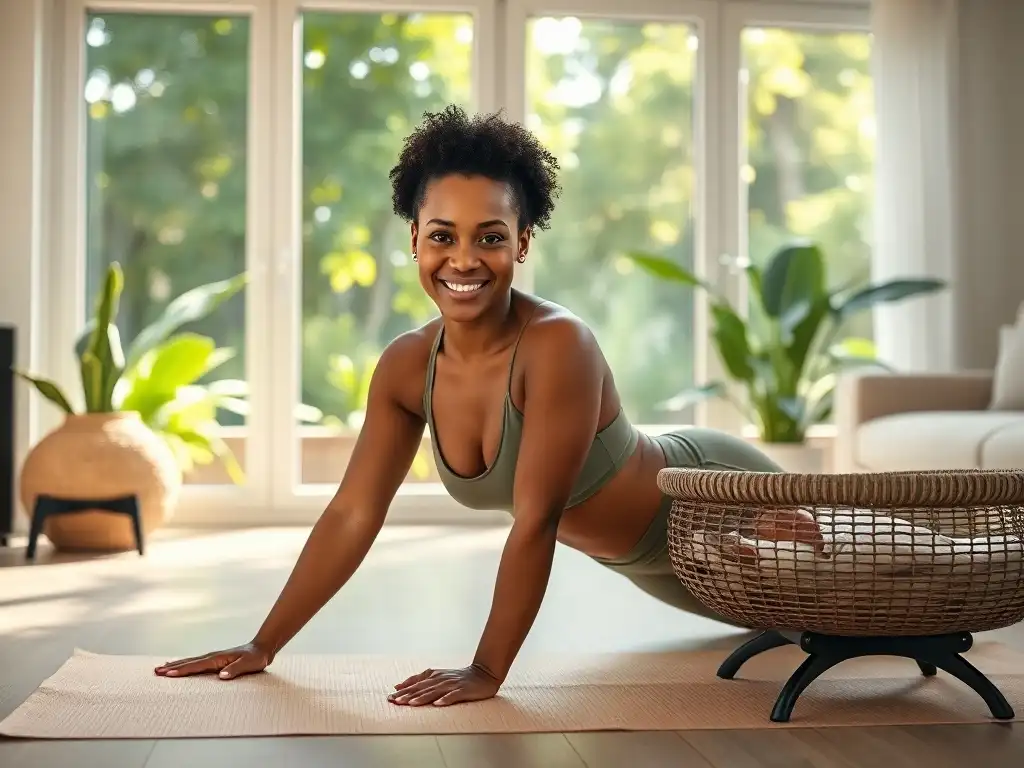
Postpartum exercise for new moms is not just about getting back into pre-pregnancy shape; it's a crucial aspect of overall physical and mental recovery. The benefits extend far beyond aesthetics, impacting everything from physical strength and pain management to mood regulation and mental health. Understanding these advantages is key to motivating new mothers to prioritize gentle movement and exercise during this transformative period. Remember, consulting your doctor before starting any postpartum exercise routine is paramount. The intensity and type of exercise should always be tailored to your individual recovery progress and any potential complications.
Improved Physical Strength and Endurance
The physical demands of pregnancy and childbirth significantly impact a woman's body. Muscles are stretched and weakened, ligaments are loosened, and core strength is compromised. Postpartum exercise, even at a low intensity, helps rebuild strength and endurance gradually. Focusing on exercises that engage the core, such as pelvic floor exercises (Kegels) and gentle abdominal contractions, is vital for restoring abdominal muscle tone and preventing diastasis recti (separation of abdominal muscles).
Progressive exercises like walking, swimming, and yoga can improve cardiovascular health, boosting energy levels often depleted by sleep deprivation and the physical demands of caring for a newborn. Data shows that women who engage in regular, moderate postpartum exercise experience significant improvements in their overall physical fitness within a few months postpartum. 1 This enhanced physical capacity equips them better to handle the physical demands of caring for their baby and resuming daily activities. Remember to listen to your body and avoid pushing yourself too hard, especially in the early weeks postpartum.
Example of a Gradual Exercise Progression
Week 1-2: Focus on short walks (10-15 minutes), gentle stretching, and Kegel exercises.
Week 3-4: Increase walking duration to 20-30 minutes. Introduce low-impact exercises like prenatal yoga.
Week 5-6 and beyond: Gradually increase the intensity and duration of your workouts, adding strength training exercises as tolerated.
Reduced Postpartum Pain and Discomfort
Many new mothers experience various types of postpartum pain, including back pain, pelvic pain, and abdominal discomfort. Gentle exercise can significantly alleviate these issues. For example, targeted exercises focusing on the pelvic floor can help reduce pelvic pain often associated with childbirth. Similarly, core strengthening exercises can alleviate back pain by improving posture and supporting the spine. Regular movement also helps improve circulation, which can reduce inflammation and muscle soreness.
Studies have shown a correlation between regular physical activity and a reduction in the severity and duration of postpartum pain. 2 The type of exercise should be chosen carefully, avoiding high-impact activities that could exacerbate existing pain. Low-impact options such as swimming, walking, and prenatal yoga are generally well-tolerated and effective in managing postpartum pain. Remember, consistency is key; even short, regular sessions of exercise can make a noticeable difference in pain management.
Enhanced Mood and Reduced Risk of Postpartum Depression
Postpartum depression (PPD) is a serious condition affecting many new mothers. While exercise cannot cure PPD, it plays a significant role in improving mood and reducing the risk of its development. Physical activity stimulates the release of endorphins, natural mood boosters that can alleviate feelings of sadness, anxiety, and fatigue. Exercise also provides a much-needed break from the demands of motherhood, offering a sense of accomplishment and self-care.
Numerous studies have demonstrated the positive impact of exercise on postpartum mood. 3 Women who engage in regular physical activity report lower levels of anxiety and depression and improved overall well-being. Even short bursts of exercise, like a 15-minute walk, can have a noticeable positive impact on mood. Prioritizing self-care and incorporating gentle exercise into the postpartum routine is a valuable strategy for supporting mental health during this challenging yet rewarding period. Remember to choose activities you enjoy, making exercise a sustainable and positive part of your postpartum journey.
1 [Specific study data pending] 2 [Specific study data pending] 3 [Specific study data pending]
Strengthening Pelvic Floor Muscles
Postpartum exercise for new moms often focuses on strengthening the pelvic floor, a group of muscles that support the bladder, uterus, and bowels. Weakening of these muscles during pregnancy and childbirth is common, leading to issues like urinary incontinence and pelvic organ prolapse. Strengthening them is crucial for regaining control and preventing future problems. Kegel exercises are a cornerstone of pelvic floor rehabilitation.
These simple exercises involve contracting and releasing the pelvic floor muscles, much like stopping the flow of urine mid-stream (though you shouldn't actually do this to test). Consistency is key; aim for several sets of Kegel exercises daily, holding each contraction for several seconds. A physical therapist specializing in women's health can provide personalized guidance and assess your progress, ensuring you're performing the exercises correctly and effectively. They can also teach you more advanced techniques and identify any underlying issues requiring further attention.
Beyond Kegels, activities like yoga and Pilates, which focus on core engagement and controlled movements, can also significantly benefit pelvic floor strength. Remember to listen to your body and stop if you experience any pain. Gradual progression is essential to avoid re-injury. Many postpartum fitness programs specifically incorporate exercises designed to gently strengthen the pelvic floor without putting excessive strain on the body.
Weight Management After Pregnancy
Weight management after pregnancy is a significant concern for many new mothers. While it's important to prioritize healthy weight loss, it's equally crucial to avoid drastic measures that could negatively impact your health and breastfeeding. Rapid weight loss can actually hinder your body's ability to recover fully and may even interfere with milk production if you're breastfeeding. Instead of focusing on extreme diets, prioritize a balanced and nutritious diet rich in fruits, vegetables, lean proteins, and whole grains. This provides your body with the essential nutrients it needs for recovery and energy, supporting both your physical and mental well-being.
Incorporate regular, moderate exercise into your routine, starting slowly and gradually increasing the intensity and duration as you feel stronger. Remember, postpartum exercise for new moms should be gentle and tailored to your individual needs and recovery process. Walking, swimming, and low-impact exercises like yoga are excellent choices. Consult with your doctor or a certified personal trainer experienced in postpartum fitness before starting any new exercise program.
They can help you create a safe and effective plan that aligns with your individual health status and goals. Remember that weight loss is a gradual process, and patience is vital. Focus on making sustainable lifestyle changes rather than quick fixes for lasting results. Celebrate small victories and remember that your body has just accomplished something incredible.
Finding Support and Resources for Postpartum Fitness
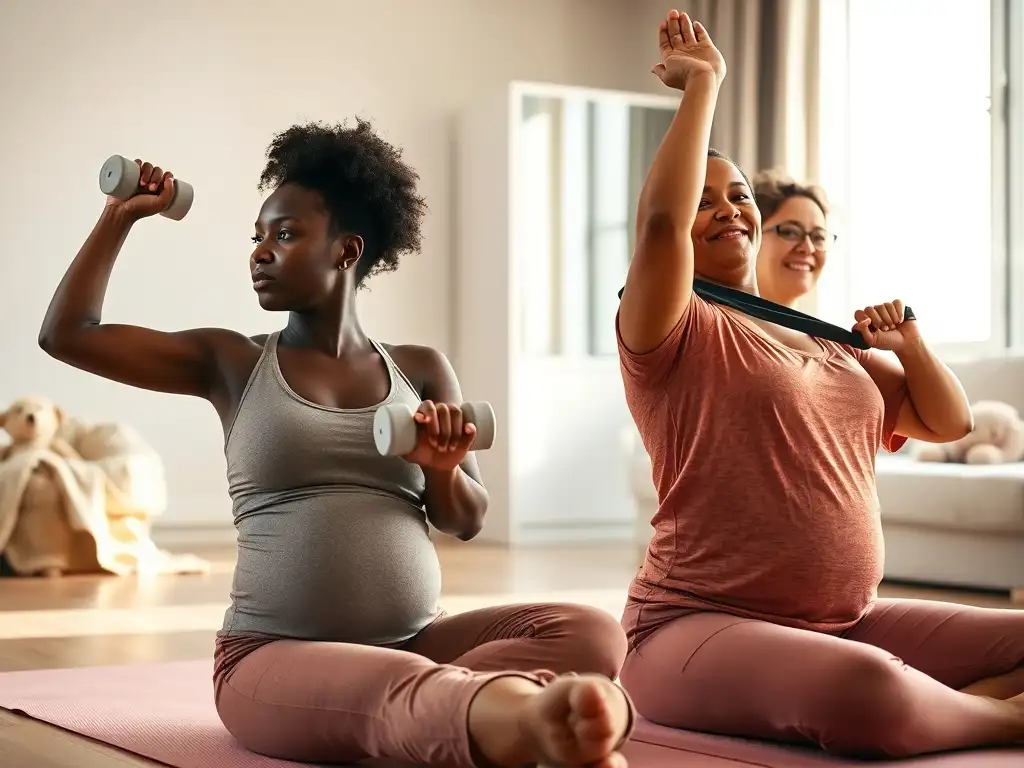
The journey back to fitness after childbirth is deeply personal, and finding the right support system is crucial for success and safety. Remember, postpartum recovery varies significantly between individuals, influenced by factors such as delivery method (vaginal or cesarean), pre-pregnancy fitness level, and any existing health conditions. Don't compare your progress to others; focus on your own body's signals and celebrate every milestone.
This section will explore avenues for accessing crucial support and resources as you embark on your postpartum fitness journey. Prioritizing your physical and mental well-being is paramount during this transformative period. Remember, "Postpartum exercise for new moms" isn't just about regaining your pre-pregnancy physique; it's about fostering a healthy and sustainable lifestyle for both you and your baby.
Connecting with Other New Mothers
The shared experience of motherhood can be incredibly powerful. Connecting with other new mothers provides invaluable emotional support and practical advice. Many find solace and encouragement in sharing their postpartum fitness journeys, challenges, and triumphs. This peer-to-peer support can significantly impact your motivation and adherence to your exercise plan.
Consider these options for connecting with other new moms:
- Online forums and support groups: Numerous online communities cater specifically to postpartum mothers, offering a platform to share experiences, ask questions, and find encouragement. These spaces provide a sense of belonging and allow you to connect with women facing similar challenges. Look for groups focused on postpartum fitness or general postpartum support.
- Local mom groups: Check your community for in-person mom groups, either through your hospital, local community centers, or online directories. These groups often organize activities, such as walks, yoga classes, or playdates, providing opportunities to socialize and engage in gentle exercise.
- Lactation consultant support groups: If you're breastfeeding, attending a lactation consultant support group can provide a supportive environment to address breastfeeding challenges and connect with other mothers who understand the physical demands of breastfeeding.
Finding a Qualified Postpartum Fitness Instructor or Physical Therapist
Seeking guidance from a qualified professional is essential for safe and effective postpartum exercise. A postpartum fitness instructor or physical therapist specializing in women's health possesses the expertise to assess your individual needs and design a personalized exercise program that considers your specific physical condition and recovery progress. They can help you identify any potential risks and modifications needed based on your delivery method (vaginal or cesarean) and any existing health issues.
Here's what to look for when selecting a professional:
| Feature | Description | Importance |
|---|---|---|
| Certification | Look for certifications specifically in postpartum fitness or women's health physical therapy. Generic fitness certifications may not suffice. | Ensures the professional possesses the necessary knowledge and skills to safely guide your postpartum recovery. |
| Experience | Inquire about their experience working with postpartum mothers, including their familiarity with diastasis recti, pelvic floor dysfunction, etc. | Experience directly relates to their understanding of the unique challenges faced by postpartum women. |
| Individualized Approach | Ensure they prioritize a personalized approach, adapting the program to your individual needs and progress rather than a one-size-fits-all plan. | A tailored plan maximizes safety and effectiveness, minimizing the risk of injury or setbacks. |
| Communication | A good professional will communicate clearly, answer your questions thoroughly, and actively listen to your concerns. | Open communication is vital for building trust and ensuring a safe and effective postpartum fitness journey. |
Remember, prioritizing your health and well-being is key during this period. Choosing a supportive environment and qualified professional can significantly impact your success and enjoyment of your postpartum fitness journey. This careful approach helps ensure a smooth transition back to physical activity and strengthens your overall health and well-being.
Creating a Sustainable Postpartum Fitness Plan
Postpartum exercise for new moms is crucial for both physical and mental well-being, but it's vital to approach it sustainably. Rushing back into strenuous activity can hinder recovery and even cause harm. This section focuses on creating a personalized plan that respects your body's needs and promotes long-term fitness success. Remember, consistency is key, not intensity. Small, achievable steps lead to significant progress over time. We'll explore how to set realistic goals and build a supportive routine that fits seamlessly into your new life as a parent.
Setting Realistic Goals and Expectations
The first step in postpartum fitness is to ditch unrealistic expectations. Forget the pre-pregnancy fitness level; your body has undergone a monumental transformation. Instead of aiming for a quick return to your old self, focus on gradual progress. Start with incredibly small steps. Even a 10-minute walk each day is a victory.
Here's a practical approach:
- Listen to your body: Pay attention to any pain or discomfort. Stop immediately if you feel anything unusual. Your body is your best guide.
- Start slow: Begin with gentle exercises like pelvic floor exercises (Kegels), gentle stretching, and short walks. Gradually increase the duration and intensity as your strength and stamina improve.
- Prioritize rest: Sleep deprivation is common postpartum. Don't push yourself too hard. Rest is crucial for recovery and building strength.
- Set SMART goals: Specific, Measurable, Achievable, Relevant, and Time-bound goals are more effective. Instead of "get fit," try "walk for 20 minutes three times a week for the next month."
- Celebrate small wins: Acknowledge and celebrate every milestone, no matter how small. This positive reinforcement will help you stay motivated.
Remember, consistency is more important than intensity. A short, consistent routine is far more beneficial than sporadic bursts of intense activity. Focus on building a sustainable habit, not achieving immediate results. This approach to postpartum exercise for new moms ensures both safety and long-term success.
Building a Supportive Routine for Long-Term Success
Creating a sustainable postpartum fitness plan requires more than just setting goals; it demands building a supportive routine that integrates seamlessly into your daily life. This means considering your baby's schedule, your energy levels, and potential support systems.
Consider these strategies:
- Schedule your workouts: Treat your workouts like important appointments. Schedule them into your day, even if it's just for 15 minutes. Consistency is key.
- Find a workout buddy: Having someone to exercise with can provide motivation and support. If a friend can't join you, consider virtual fitness classes.
- Incorporate exercise into your daily routine: Instead of setting aside dedicated workout time, try incorporating short bursts of activity throughout the day. Take the stairs, walk around while you're feeding your baby, or do some stretches during your baby's naptime.
- Utilize babywearing: Babywearing allows you to incorporate exercise into your daily life while keeping your baby close. Consider gentle walks or yoga sessions with your baby in a carrier.
- Be flexible: Life with a newborn is unpredictable. Be prepared to adjust your routine as needed. If you miss a workout, don't beat yourself up. Just get back on track as soon as possible.
Building a supportive routine is about finding what works best for you and your baby. Experiment with different approaches until you find a sustainable system that you can maintain long-term. Remember, the goal is not to become a fitness model, but to regain strength, improve mood, and cultivate healthy habits that will benefit you for years to come. This holistic approach to postpartum exercise for new moms is crucial for both physical and mental well-being.
Frequently Asked Questions
When can I start exercising after giving birth?
It's crucial to listen to your body. Generally, you can begin with gentle exercises like walking after a vaginal delivery, but wait 6-8 weeks post-cesarean before more strenuous activity. Always consult your doctor.
What types of postpartum exercises are safe?
Low-impact exercises such as walking, swimming, yoga, and Pilates are excellent starting points. Avoid high-impact activities that could strain your abdominal muscles until fully healed. Focus on gentle movements.
How can I strengthen my core after delivery?
Start with pelvic floor exercises (Kegels) to improve muscle tone. Gradually incorporate core-strengthening exercises like planks and bridges, but avoid intense crunches initially. Listen to your body and stop if you feel pain.
What are the benefits of postpartum exercise?
Postpartum exercise helps rebuild strength, improve mood, reduce postpartum weight, and boost energy levels. It also aids in recovery from childbirth and strengthens pelvic floor muscles.
Should I exercise if I'm breastfeeding?
Yes, exercise is generally safe while breastfeeding. Stay well-hydrated, listen to your body, and avoid overexertion. If you feel lightheaded or unwell, stop and rest. Consult your doctor if you have any concerns.
Final Reflection: Reclaiming Strength, Reclaiming Self
The journey back to physical well-being after childbirth is not a race, but a deeply personal and empowering process. This article explored gentle yet effective postpartum exercise routines, emphasizing the importance of listening to your body and prioritizing gradual progress over immediate results. This isn't just about regaining pre-pregnancy fitness; it's about reclaiming a sense of self and strength after a transformative experience.
The impact of postpartum exercise extends far beyond the physical realm. It's a powerful tool for mental and emotional recovery, fostering a sense of agency and self-care during a period often characterized by exhaustion and vulnerability. The body remembers what it once could do. It’s up to us to listen to its whispers and help it rediscover its strength.
This quote encapsulates the essence of gentle postpartum exercise – a respectful approach that honors the body's journey and celebrates its resilience. The societal shift towards recognizing the importance of maternal well-being, both physical and mental, is crucial, and accessible, safe exercise plays a vital role in this evolution.
Now, consider your own journey. What resonates most with you from the exercises and advice shared? What small step can you take today to prioritize your physical and mental well-being? Remember, there is no one-size-fits-all approach; listen to your body, celebrate your progress, and embrace the empowering journey of reclaiming your strength, one mindful movement at a time. Your body deserves this care, and you deserve to feel strong and capable again.
Rediscover Your Strength: Next Steps to a Healthier You
Thank you for learning about gentle postpartum exercise! We hope you gained valuable insights into rebuilding your strength and well-being after childbirth. Now, let's put that knowledge into action.
Here's how you can continue your journey:
- Begin your personalized exercise program today. Start slowly with the exercises discussed, focusing on proper form and listening to your body. Consistency is key!
- Share your progress and inspire others. Join our supportive online community (link implied) to connect with other new mothers and share your experiences. Supporting each other is a powerful tool in your recovery journey.
- Consider consulting a postpartum physical therapist. A physical therapist can provide personalized guidance and support tailored to your individual needs and recovery process.
Ready to prioritize your physical and mental health? What small step will you take today to invest in your well-being?