
Planning Your First Trip with a Newborn: StepbyStep Guide

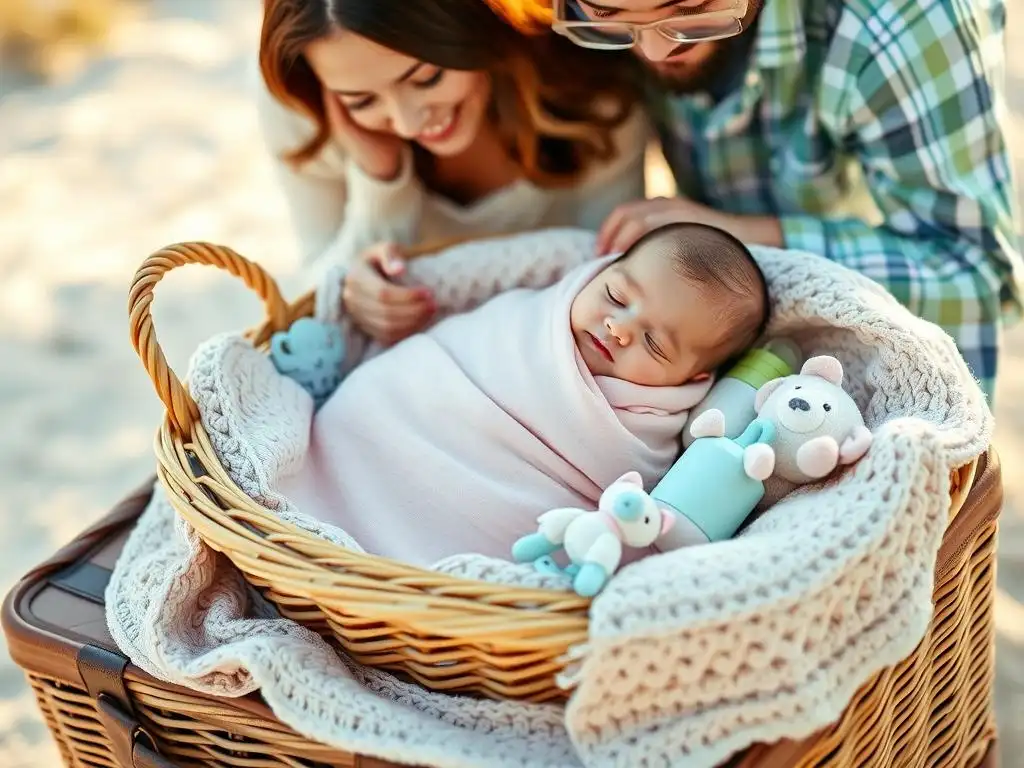
Welcome to BabyCareHub, your ultimate guide to navigating the incredible journey of parenthood! Are you ready for your first adventure as a family? We understand the excitement – and the apprehension – that comes with planning your newborn's first trip. Our comprehensive newborn first trip planning guide, found within our "Newborn Basics" section, will equip you with the confidence and knowledge to ensure a smooth and memorable experience for you and your little one. Discover invaluable tips and tricks to make travel with your newborn safe, comfortable, and enjoyable. Let's embark on this journey together!
- Pre-Trip Preparations: Essential Checklist for Your Newborn's First Journey
- During the Trip: Managing Your Newborn's Needs on the Go
- Post-Trip Recovery: Settling Back Home After Your Newborn's First Trip
- Safety First: Travel Safety Tips for Newborns
- Planning Your First Trip with a Newborn: Budgeting and Financial Considerations
- Frequently Asked Questions
- Final Reflection: Embracing the Adventure: Your First Trip with a Newborn
- Unleash Your Adventure: Plan Your Dream Newborn Trip!
Pre-Trip Preparations: Essential Checklist for Your Newborn's First Journey
Planning your first trip with a newborn can feel daunting, but with careful preparation, it can be a wonderfully enriching experience for both you and your little one. This comprehensive guide provides a step-by-step approach to planning your newborn's first journey, ensuring a smooth and enjoyable trip. We'll cover everything from assessing your baby's readiness for travel to packing the essential gear and choosing the right destination and transportation. Remember, the key is meticulous planning and prioritizing your baby's comfort and safety throughout the process.
This guide focuses on providing practical advice and actionable steps to help you navigate this exciting milestone with confidence. Successfully navigating your newborn's first trip hinges on thorough preparation and a proactive approach to potential challenges. Let's dive in!
Assessing Your Newborn's Readiness for Travel: Health and Development Considerations
Before embarking on any journey with your newborn, it’s crucial to assess their health and developmental stage. Consult your pediatrician well in advance of your planned trip. They can provide personalized advice based on your baby's specific needs and any pre-existing health conditions.
Consider these key factors:
- Immunizations: Ensure your baby's vaccinations are up-to-date, particularly if traveling internationally. Certain destinations may have specific immunization requirements.
- Health Status: Postpone the trip if your baby is unwell, showing signs of illness, or recovering from an illness. A healthy baby is essential for a comfortable trip.
- Developmental Milestones: While there's no strict age limit, consider your baby's ability to tolerate changes in routine and environment. A more settled baby might handle travel better than a particularly fussy one.
- Feeding Schedule: Consider your baby's feeding routine and how it might be affected by travel. Plan accordingly, bringing enough formula or breast milk if necessary.
Remember, prioritizing your baby's well-being is paramount. A slightly delayed trip is far better than risking your baby's health. Open communication with your pediatrician is crucial throughout the planning process. 👶
Choosing the Right Destination and Transportation for a Smooth Trip
Selecting the right destination and mode of transportation is key to a stress-free trip. For a first trip, shorter distances are generally recommended to minimize disruption to your baby's routine.
- Destination Selection: Consider destinations with fewer potential health risks, especially if traveling internationally. Choose places with comfortable accommodations, preferably with amenities suitable for babies (e.g., cribs, changing tables).
- Transportation: Road trips offer greater flexibility but can be tiring. Air travel requires careful planning regarding car seats and managing your baby's needs during the flight. Train travel can be a comfortable option, offering more space than airplanes. Weigh the pros and cons of each option based on your specific circumstances and your baby's needs.
Think about:
- Proximity to medical facilities.
- Climate – extreme heat or cold can be challenging for newborns.
- Accessibility – easy navigation with a baby carrier or stroller is important.
Careful consideration of these factors will contribute significantly to a positive travel experience.
Packing Essentials: Newborn Travel Gear and Baby Supplies Checklist
Packing for your newborn’s first trip requires careful planning. Overpacking can be cumbersome, but underpacking can lead to unnecessary stress. Here's a comprehensive checklist to help you stay organized:
| Category | Essential Items | Optional Items |
|---|---|---|
| Clothing | Several onesies, sleepers, socks, hats, outerwear appropriate for the climate. | Extra outfits for unexpected messes. |
| Diapering | Diapers (plenty! ), wipes, diaper rash cream, changing pad, disposal bags. | Diaper pail liners (for convenience). |
| Feeding | Bottles (if formula-feeding), formula, breast milk storage bags, nursing cover. | Pacifiers (if used), bibs, burp cloths. |
| Sleep | Portable crib or bassinet, swaddles, sleep sack, white noise machine (optional). | Favorite comfort items from home. |
| Health & Safety | Thermometer, baby first-aid kit, hand sanitizer, sunscreen (if applicable). | Medications (with prescription if needed), insect repellent (if necessary). |
| Other | Baby carrier or sling, stroller (if applicable), toys, books, changing bag. | Portable changing mat, travel wipes, baby monitor (if staying in unfamiliar place). |
Remember to check airline regulations for liquids and permitted items before packing. Always prioritize safety and comfort when selecting items for your baby's travel bag. Careful preparation will make all the difference! 🧳
Booking Flights or Accommodation: Tips for Traveling with Infants
Planning your first trip with a newborn requires meticulous attention to detail, especially when it comes to booking flights and accommodation. Choosing the right options can significantly impact the comfort and safety of your journey. For flights, consider booking a direct flight whenever possible to minimize disruptions and potential stress for both you and your baby. Direct flights reduce the chances of missed connections and the need for lengthy layovers, which can be particularly challenging with an infant. If a direct flight isn't feasible, opt for flights with shorter layovers to minimize the inconvenience.
When booking your flights, remember to inform the airline about your infant's travel plans. Many airlines offer bassinets for infants, but these are often limited and allocated on a first-come, first-served basis. Booking early significantly increases your chances of securing a bassinet, providing a safer and more comfortable sleeping space for your baby during the flight. Also, inquire about the airline's policies regarding infant meals and any special assistance they provide for families traveling with infants. Some airlines provide complimentary baby food or offer assistance with baggage handling.
Choosing the right accommodation is equally crucial. Look for accommodations that offer amenities specifically designed for families with young children. Consider hotels or vacation rentals with cribs, high chairs, and baby-proofing features. Proximity to medical facilities is also an important factor to consider, especially for a first-time trip with a newborn. A hotel located near a hospital or clinic can provide peace of mind in case of any unexpected medical needs.
Furthermore, check if the accommodation provides amenities like a washing machine and dryer, which can be invaluable for washing baby clothes on the go. Prioritize accommodations that can accommodate your family's needs and ensure a comfortable and safe stay. Remember to read reviews carefully, paying close attention to comments about family-friendliness and the cleanliness of the facilities. A clean and well-maintained space is essential for your baby's health and well-being.
During the Trip: Managing Your Newborn's Needs on the Go
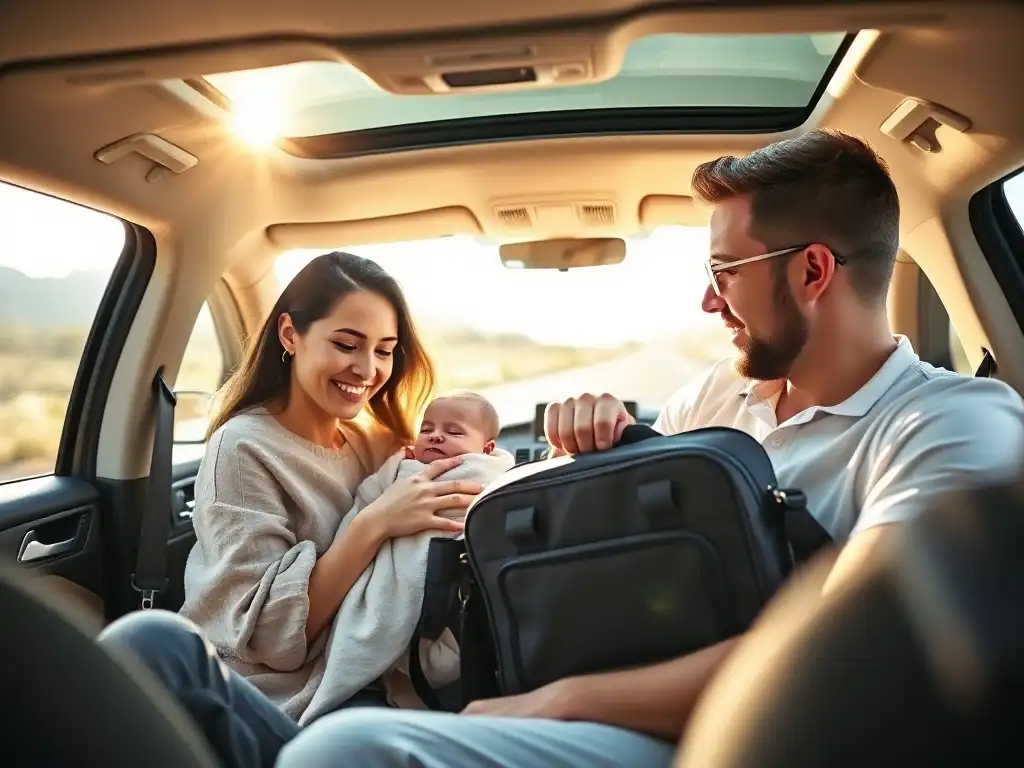
This section focuses on the practical aspects of caring for your newborn during your journey. Successfully navigating a trip with a newborn requires meticulous planning and adaptability. Remember, the goal is to maintain your baby's routine as much as possible while acknowledging that some adjustments will be inevitable. Prioritizing your baby's comfort and well-being is paramount. This section will equip you with the strategies and tools to smoothly handle feeding, diapering, and soothing your little one while on the go. Let's dive into the specifics.
Maintaining Your Newborn's Feeding Schedule During Travel
Maintaining a consistent feeding schedule is crucial for a newborn's health and well-being, even when traveling. However, the realities of travel can disrupt even the most meticulously planned routines. Flexibility is key. Here's how to navigate feeding challenges:
- Breastfeeding: If breastfeeding, find private and comfortable spaces for nursing. Airports and many public places have designated nursing rooms or family restrooms. Consider using a nursing cover for added privacy if you prefer. Always prioritize hygiene and handwashing before and after feeding.
- Formula Feeding: Prepare formula in advance, using pre-measured portions or individual bottles to simplify the process. Carry a thermos of hot water if needed, ensuring it's cooled to a safe temperature before mixing. Pack extra bottles and nipples; unexpected spills or leaks are common.
- Adapting to Time Zones: When traveling across time zones, gradually adjust your baby's feeding schedule to the new time zone. This gradual shift can minimize disruption to both your baby's and your sleep patterns. Start by adjusting feeding times by 15-30 minutes each day.
- Emergency Supplies: Pack extra formula, bottles, nursing pads (for breastfeeding mothers), and wipes. Being prepared for unexpected situations will alleviate stress and provide peace of mind.
Managing Diapering and Hygiene Needs While Traveling
Diapering a newborn on the go requires preparedness and a few clever strategies. Unexpected messes are part of the experience, but with the right planning, you can minimize the inconvenience.
- Diaper Bag Essentials: Your diaper bag should be a well-organized mobile changing station. Pack plenty of diapers (more than you think you'll need! ), wipes, diaper rash cream, a changing pad, and plastic bags for soiled diapers. Consider adding a small trash bag for extra convenience.
- On-the-Go Changes: Utilize available changing facilities wherever possible. Airports, rest stops, and many restaurants have family restrooms equipped with changing tables. In a pinch, a clean, flat surface will suffice.
- Hygiene Practices: Maintain good hygiene practices, washing your hands thoroughly before and after each diaper change. Carry hand sanitizer for situations where handwashing isn't readily available. Remember, preventing diaper rash is crucial for your baby's comfort.
- Disposal: Dispose of soiled diapers responsibly, using the designated receptacles where available. If no proper disposal is available, securely seal soiled diapers in plastic bags until you can dispose of them appropriately.
Soothing a Fussy Newborn: Travel-Friendly Calming Techniques
Travel can be stressful for newborns, leading to fussiness and crying. Having a repertoire of soothing techniques is essential for managing these moments.
- Pacifiers: Pacifiers can be incredibly effective for soothing a fussy baby. Pack several in case one gets lost or dropped.
- Swaddling: Swaddling can provide a sense of security and comfort, mimicking the feeling of being held. Use a lightweight, breathable swaddle for warmer climates.
- White Noise: The consistent sound of white noise can be remarkably calming for a crying baby. Many white noise apps are available for smartphones, providing a convenient source of soothing sounds.
- Movement: Gentle rocking or swaying can often soothe a fussy newborn. If traveling by car, a car seat can provide a calming rocking motion. Remember, safety is paramount; always secure your baby properly in their car seat.
- Skin-to-Skin Contact: When possible, skin-to-skin contact can be incredibly effective in calming a distressed baby. This provides a sense of security and regulates their body temperature.
Remember, patience and adaptability are essential when traveling with a newborn. While disruptions to routines are inevitable, maintaining a calm and reassuring demeanor will benefit both you and your baby. Enjoy your trip! 🎉
Traveling with a newborn, especially over long distances, presents unique health challenges. Proactive planning is crucial to mitigate potential issues and ensure your little one's well-being. One of the most common concerns is dehydration. Newborns, particularly breastfed babies, lose fluids more quickly in unfamiliar environments. Therefore, maintaining adequate hydration is paramount.
Frequent breastfeeding or formula feeding, along with offering water if your pediatrician approves, is essential. Keep a close eye on their wet diapers – a good indicator of sufficient hydration. Fewer wet diapers than usual can signal dehydration, requiring immediate attention. Remember to pack extra diapers and wipes, and have a plan for diaper changes in less-than-ideal situations, such as long car rides or airport restrooms.
Another significant concern is exposure to germs. Airports and other public spaces are breeding grounds for various illnesses. Babies' immune systems are still developing, making them more susceptible to infections. Frequent handwashing for yourself and anyone handling your baby is critical. Using hand sanitizer when soap and water aren't readily available is equally important.
Consider using a baby carrier instead of a stroller in crowded areas to minimize exposure to surfaces. If possible, avoid peak travel times to reduce the likelihood of encountering large crowds. If your baby shows any signs of illness, such as fever, cough, or diarrhea, seek medical attention immediately. Having a pediatrician's contact information readily available, along with any necessary prescriptions, is essential for peace of mind.
Altitude sickness can also be a factor, particularly if you're traveling to mountainous regions. While rare in newborns, it's worth being aware of. Symptoms include difficulty breathing, lethargy, and poor feeding. If you suspect altitude sickness, descend to a lower altitude as soon as possible and consult a medical professional. Planning your route carefully and avoiding high-altitude destinations, especially during the first few months of your baby's life, is a wise precaution.
Remember to pack any necessary medications, such as prescribed allergy or reflux medication, and have a copy of your baby's medical records readily available in case of emergencies. Being prepared for potential health issues will allow you to focus on enjoying your trip with your precious little one. Remember, proactive planning and careful observation are your best allies in ensuring a healthy and happy journey. 👶✈️
Post-Trip Recovery: Settling Back Home After Your Newborn's First Trip
Returning home after your newborn's first trip can feel like a significant adjustment for both you and your little one. The familiar comforts of your home environment are crucial for a smooth transition and a swift recovery from the travel experience. Successfully navigating this phase requires careful planning and a patient approach. This section focuses on strategies to help you and your baby reintegrate into your established routines and schedules post-travel.
Re-establishing Routines and Schedules After Travel
The disruption of travel can significantly impact your baby's sleep and feeding patterns. Many newborns thrive on routines, and even a short trip can throw them off. To ease the transition back home, try to reinstate your pre-trip schedule as quickly as possible. This includes feeding times, nap times, and bedtime routines. Consistency is key!
However, be prepared for some flexibility. Your newborn may be more fussy or unsettled than usual for a few days. This is normal; traveling is stressful, even for infants. Respond to your baby's cues and offer extra cuddles and comfort.
Consider a gradual approach. If your baby's sleep schedule was significantly altered during the trip, don't try to force a complete change overnight. Instead, adjust the schedule by 15-30 minutes each day until you've reached your desired routine. This minimizes stress for both you and your baby. Remember, patience and understanding are paramount during this phase. Observe your baby's cues and adapt accordingly. A well-established routine will help your baby feel secure and comfortable, promoting better sleep and overall well-being.
Addressing Jet Lag and Travel Fatigue in Your Newborn
Jet lag, even in newborns, can manifest in various ways, including disrupted sleep patterns, irritability, and changes in feeding habits. While newborns don't fully experience jet lag in the same way adults do, the change in time zones and the stresses of travel can still affect their delicate systems.
To mitigate jet lag, gradually adjust your baby's schedule to the new time zone before you even leave. Start shifting bedtime and feeding times a few days prior to departure. This helps ease the transition and minimizes the impact of the time difference.
Upon returning home, maintain a consistent sleep-wake cycle. Expose your baby to sunlight during the day to help regulate their internal clock. Avoid long naps during the day, especially if the goal is to get them accustomed to sleeping at night. If your baby seems particularly restless or fussy, offer frequent, smaller feeds to help regulate their blood sugar and maintain comfort. Remember, consistency and patience are your best allies in helping your baby overcome jet lag.
Monitoring Your Newborn's Health Following the Trip
Following any trip, particularly one involving air travel, it's crucial to carefully monitor your newborn's health. Pay close attention to any signs of illness, such as fever, diarrhea, vomiting, or unusual fussiness. Keep a close eye on their diaper changes, monitoring for any changes in bowel movements or unusual odors. Changes in feeding patterns or a sudden decrease in the baby's activity level could also warrant attention.
Maintain meticulous hygiene. Wash your hands frequently, and ensure all surfaces your baby comes into contact with are clean. This is particularly important after travel, where exposure to germs is higher. Document any changes in your baby's behavior or health status. This will be helpful in communicating with your pediatrician if necessary. If you notice any concerning symptoms, consult your pediatrician promptly. Early detection and intervention are key to ensuring your baby's health and well-being.
Remember, the post-trip recovery period is a critical time for both you and your newborn. Prioritize rest, maintain consistent routines, and don't hesitate to seek professional guidance if needed. Enjoy the comfort of being back home, and cherish this precious time with your little one. 👶
Safety First: Travel Safety Tips for Newborns
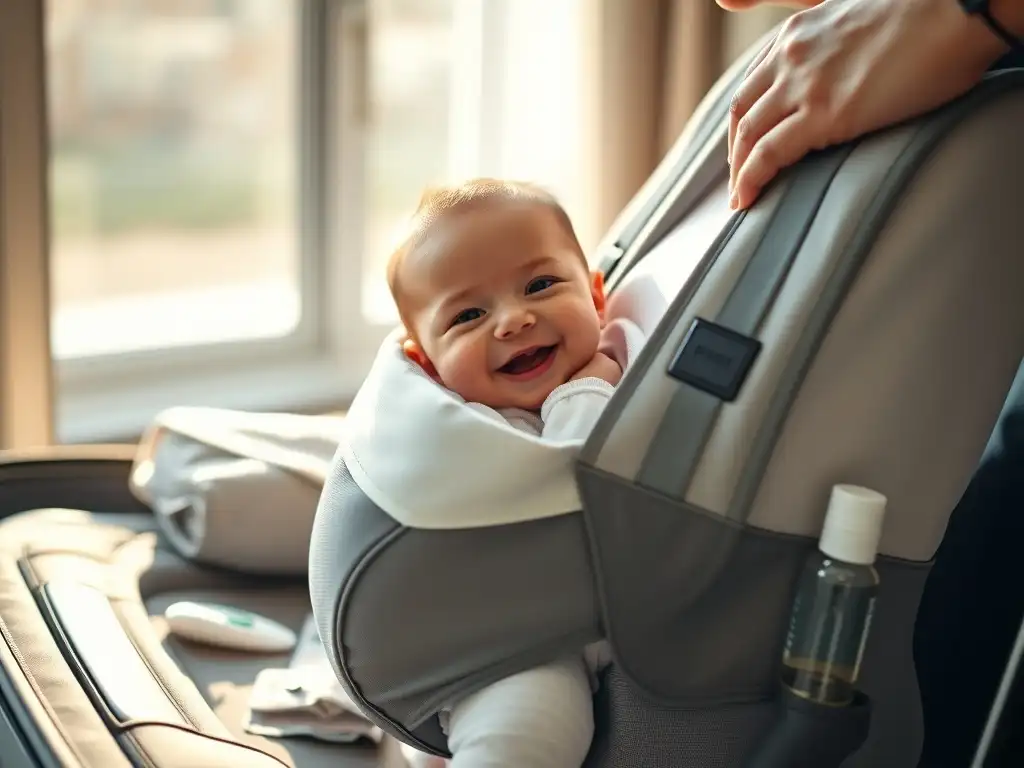
Planning your first trip with a newborn requires meticulous attention to safety. This isn't just about convenience; it's about ensuring your little one's well-being throughout the journey. Every detail, from the car seat to your emergency plan, needs careful consideration. This section focuses on prioritizing safety measures to make your trip as smooth and secure as possible for both you and your baby. Remember, a well-prepared journey minimizes stress and maximizes enjoyment. Let's delve into the specifics.
Car Seat Safety for Newborns During Travel
The safest way to transport a newborn is in a rear-facing car seat, specifically designed for infants. This is crucial, regardless of the trip's length. Before you even think about packing your bags, ensure your car seat is properly installed and meets all current safety standards. Check the manufacturer's instructions meticulously; a correctly installed car seat significantly reduces the risk of injury in the event of an accident. Consider these points:
- Proper Installation: Is the car seat securely fastened? Does it move more than an inch in any direction? If so, readjust it until it's perfectly stable. Consider having a certified car seat technician check your installation if you're unsure.
- Harness Fit: The harness straps should be snug against your baby's body, with no slack. The chest clip should be at armpit level. A loose harness compromises safety.
- Infant Insert: Many infant car seats include inserts designed to support newborns. Use these inserts until your baby reaches the minimum weight or height recommended by the car seat manufacturer. Removing the insert too early can be dangerous.
- Regular Checks: Before every trip, double-check the car seat's installation and your baby's harness. It's a simple habit that could save a life.
Remember, a properly secured car seat is the cornerstone of newborn travel safety. Don't compromise on this vital aspect.
Protecting Your Newborn from Germs and Illness During Travel
Travel exposes your newborn to a higher risk of infection. Their immune systems are still developing, making them particularly vulnerable. Proactive measures are essential to minimize this risk. Here's how to create a germ-free travel environment for your little one:
- Hand Hygiene: Frequent handwashing is paramount. Carry hand sanitizer with at least 60% alcohol content and use it liberally, especially before handling your baby. Encourage everyone traveling with you to do the same.
- Surface Sanitization: Wiping down frequently touched surfaces, such as tray tables on airplanes or changing tables in restrooms, with antibacterial wipes can significantly reduce the spread of germs.
- Breastfeeding (if applicable): Breast milk provides crucial antibodies that bolster your baby's immune system. Continue breastfeeding as much as possible during travel.
- Avoiding Crowds: When possible, try to avoid crowded areas, especially during peak flu seasons or when illnesses are prevalent.
- Packing Essentials: Pack extra diapers, wipes, and any necessary medications. Being prepared for unexpected situations can help manage potential problems effectively.
Prioritizing hygiene is an integral part of keeping your newborn healthy while traveling. Be vigilant and proactive in maintaining a clean and safe environment.
Emergency Preparedness: Essential Items and Contact Information
Unexpected situations can arise during travel. Being prepared for emergencies is crucial for peace of mind. Before embarking on your journey, assemble an emergency kit containing:
- First-aid Kit: A well-stocked kit tailored to newborns, including antiseptic wipes, bandages, pain relievers (as advised by your pediatrician), and any necessary medications.
- Important Contact Information: Keep a list of emergency contacts readily accessible, including your pediatrician's phone number, local emergency services, and the numbers of any relatives or friends in your destination.
- Copies of Important Documents: Bring copies of your baby's birth certificate, immunization records, and insurance information. Store these separately from the originals.
- Baby's Medical History: Have a summary of your baby's medical history, including any allergies or pre-existing conditions, easily accessible.
- Extra Supplies: Pack extra formula (if not breastfeeding), diapers, wipes, and any other essential baby items. It's better to be over-prepared than under-prepared.
Having a well-defined emergency plan and readily available resources can significantly reduce stress and improve your response time in unexpected situations. This proactive approach ensures the safety and well-being of your newborn during your travels. Remember, preparation is key to a safe and enjoyable trip.
Planning Your First Trip with a Newborn: Budgeting and Financial Considerations
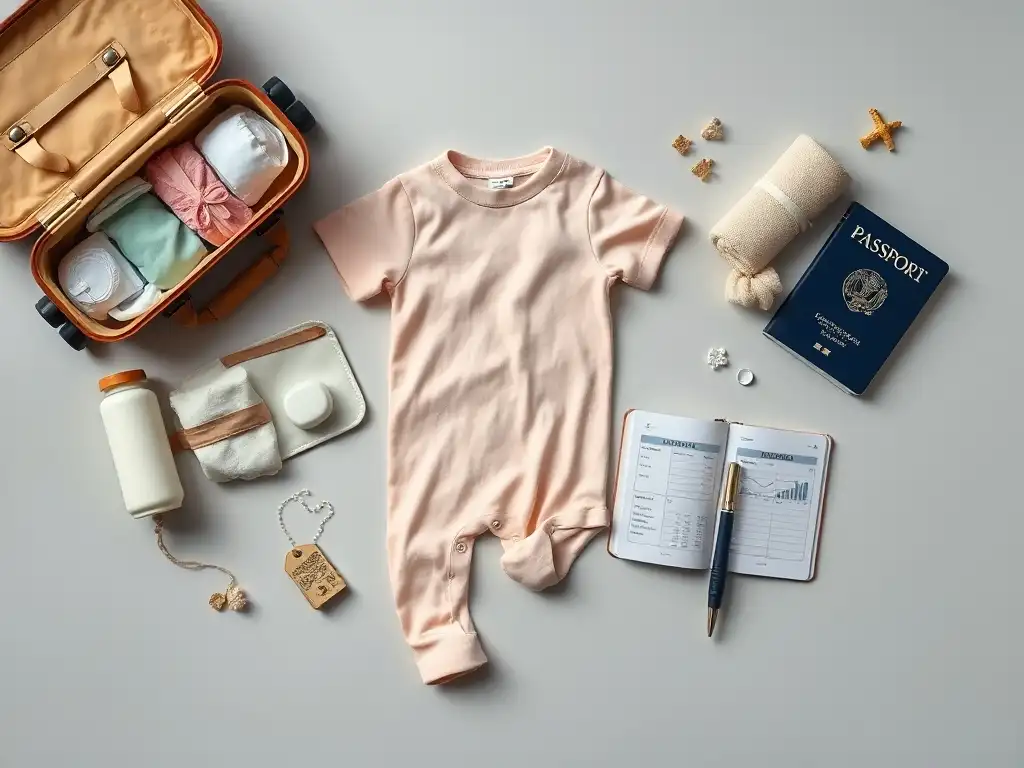
Planning your first trip with a newborn requires meticulous budgeting. The costs can quickly escalate beyond what you might initially anticipate. Failing to account for all expenses can lead to financial strain and detract from the enjoyment of your family's first adventure. This section focuses on effectively managing your finances to ensure a smooth and stress-free journey. Remember, a well-planned budget contributes significantly to a positive travel experience for both you and your little one.
Estimating Travel Costs: Flights, Accommodation, and Baby Supplies
Accurately estimating travel costs is paramount. Many factors influence the overall expense, and overlooking even minor details can lead to significant budget overruns. Let's break down the key cost components:
- Flights: Airline prices fluctuate wildly depending on the time of year, destination, and booking time. Consider booking in advance for better rates, but be flexible with your travel dates if possible. Remember to factor in the cost of checked baggage, which is often necessary for baby gear. For example, a round-trip flight for a family of three could range from $800 to $2500 depending on your location and destination.
- Accommodation: Your accommodation choices significantly impact your budget. Hotels often charge extra for cribs or baby cots. Consider alternatives like renting a vacation home through platforms offering family-friendly amenities. The cost can vary drastically, from $100 per night for a basic hotel room to $300+ per night for a family-friendly suite or vacation rental.
- Baby Supplies: Don't underestimate the cost of baby supplies for travel. Diapers, wipes, formula (if not breastfeeding), baby food, and other essentials add up quickly. A conservative estimate for a three-day trip could easily be $100-$200, depending on the baby's age and needs. Consider purchasing some items at your destination to potentially save on baggage fees.
| Cost Category | Low Estimate | High Estimate | Notes |
|---|---|---|---|
| Flights | $800 | $2500 | Prices vary greatly depending on destination, time of year, and booking. |
| Accommodation | $300 | $900 | Consider hotels, vacation rentals, or Airbnb. |
| Baby Supplies | $100 | $200 | Diapers, wipes, formula, food, etc. |
| Total (3-day trip) | $1200 | $3600 | This is a rough estimate; adjust based on your specific needs and location. |
Finding Affordable Travel Options for Families with Newborns
Traveling with a newborn doesn't have to break the bank. Several strategies can help you keep costs down:
- Off-season travel: Avoid peak travel seasons to secure lower prices on flights and accommodation.
- Consider alternative destinations: Explore less popular destinations that offer comparable experiences at a lower cost.
- Pack smart: Bring only essential items to minimize checked baggage fees. Utilize travel-sized containers for toiletries.
- Utilize loyalty programs: Take advantage of airline and hotel loyalty programs to earn points or discounts.
- Look for family discounts: Many hotels and attractions offer discounts for families with children.
Utilizing Travel Insurance for Unexpected Events
Travel insurance is crucial when traveling with a newborn. Unexpected events, such as medical emergencies or flight cancellations, can incur substantial costs. A comprehensive travel insurance policy can provide financial protection and peace of mind. Consider policies that cover:
- Medical expenses: This is especially important when traveling internationally or to areas with limited healthcare access.
- Trip cancellations or interruptions: Unexpected events can force you to cancel or cut short your trip.
- Lost or stolen baggage: Losing essential baby supplies can be a major inconvenience.
Investing in travel insurance is a smart financial decision, ensuring that unforeseen circumstances don't derail your trip and leave you with significant unexpected expenses. The cost of insurance is a small price to pay for the protection it offers. Remember to carefully review policy details before purchasing to ensure it meets your specific needs.
Frequently Asked Questions
What are the essential items to pack for a newborn's first trip?
Packing for a newborn requires careful planning. Essentials include diapers, wipes, formula or breast milk, a change of clothes, and a favorite comfort item. Don't forget medications and a copy of your baby's medical records.
How far is too far to travel with a newborn?
The ideal distance for a newborn's first trip depends on your baby's comfort level and your own confidence. Short trips are generally recommended initially, allowing you to gauge your baby's reaction to travel. Prioritize safety and comfort above all else.
When is the best time to travel with a newborn?
The best time to travel with a newborn is when your baby is settled into a routine and you feel confident in your ability to manage their needs while on the go. Consider avoiding peak travel seasons to minimize stress and potential delays.
What are some tips for keeping a newborn calm during travel?
Keeping your newborn calm involves planning ahead. Bring familiar items like a favorite blanket or toy, and schedule frequent feeding and diaper changes. Minimize stimulation during travel, using soothing sounds or motion if needed.
What safety precautions should be taken when traveling with a newborn?
Car seat safety is paramount. Ensure the car seat is properly installed and your baby is securely fastened. Bring extra diapers and wipes, and be mindful of germs and hygiene. Always supervise your baby closely, especially near water or other hazards.
Final Reflection: Embracing the Adventure: Your First Trip with a Newborn
The anxieties surrounding a first trip with a newborn are real, but the rewards of creating lasting family memories far outweigh the perceived challenges. Planning meticulously, as outlined in this guide, transforms the daunting prospect into a manageable and even enjoyable experience. The journey itself becomes a testament to your adaptability and the unbreakable bond you share with your little one.
The impact of these early family adventures extends far beyond the immediate trip itself. They shape the family dynamic, fostering a sense of shared experience and resilience. These moments, filled with both chaos and calm, become cherished memories that weave the fabric of your family's story. The best memories are made when families are together, creating moments that will last a lifetime.
This simple truth underscores the importance of embracing these early opportunities for travel, despite the initial apprehension.
Now, consider your own aspirations for family travel. What adventures await you and your little one? Don't let fear hold you back from creating those unforgettable memories. Take the steps outlined in this guide, adapt them to your unique family needs, and embark on your journey with confidence. The world awaits, and your newborn's first adventure is just the beginning.
Unleash Your Adventure: Plan Your Dream Newborn Trip!
Thank you for joining us as we explored planning your first trip with your little one! We hope you feel confident and prepared to embark on this exciting new adventure. Now it's time to put your newfound knowledge into practice.
- Book that family getaway! Don't let your carefully crafted plans gather dust. This is your chance to create precious family memories. Start searching for the perfect destination and travel dates today.
- Share your travel tips and tricks! Have any unique strategies you've discovered or insights you'd like to share with other new parents? Leave a comment below and share your experiences!
- Explore baby-friendly travel gear: Research essential items for stress-free travel. Check out reviews and find the perfect gear for your family's needs.
Ready to turn your dream family trip into a reality? What's the first step you'll take to plan your baby's first adventure?