
Newborn Screening: How to Interpret the Results

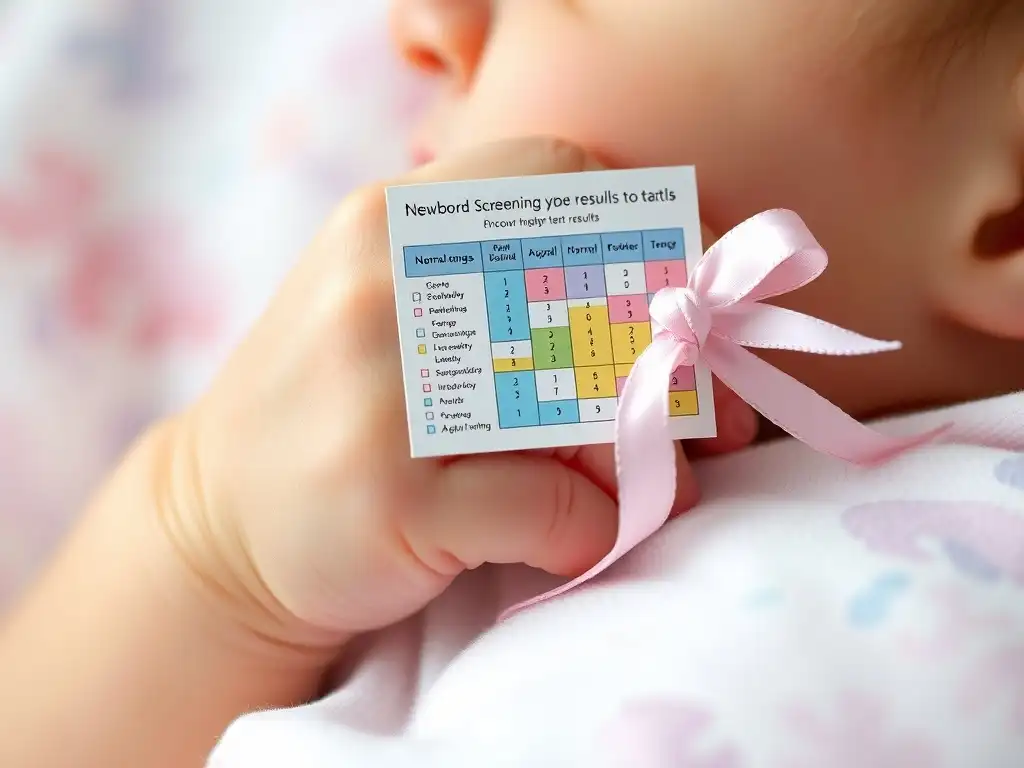
Welcome to BabyCareHub, your ultimate guide to navigating the incredible journey of parenthood! Are you overwhelmed by the sheer volume of information facing new parents? We understand. That's why we've created this comprehensive resource, packed with practical advice and expert insights to help you confidently care for your little one. Let's start with the crucial topic of newborn screening. Understanding newborn screening results can feel daunting, but we're here to demystify the process and empower you to make informed decisions. Dive in and discover how to interpret your baby's screening results with confidence.
- Understanding Newborn Screening Results: A Parent's Guide
- Deciphering Your Newborn's Screening Report
- Common Questions About Newborn Screening Results
- Resources and Support for Parents
- Frequently Asked Questions
- Final Reflection: Navigating the Labyrinth of Newborn Screening Results
- Unlock Your Baby's Health Journey Today!
Understanding Newborn Screening Results: A Parent's Guide
Newborn screening is a crucial process that helps identify potential health conditions in babies shortly after birth. This comprehensive guide will equip first-time parents with the knowledge and understanding needed to interpret their newborn's screening results, empowering them to make informed decisions about their child's health. We'll explore the various types of tests performed, what the results mean, and the importance of early detection in ensuring optimal development and well-being.
Understanding your newborn's screening results is a vital step in becoming a confident and prepared parent, allowing you to advocate effectively for your child's healthcare needs. This guide is designed to demystify the process and empower you to ask the right questions of your healthcare provider. Navigating the world of newborn care can be overwhelming, but having a clear understanding of newborn screening is a significant step towards feeling more confident and prepared.
What is Newborn Screening? The Importance of Early Detection
Newborn screening involves a series of tests conducted on a baby shortly after birth to detect potential health problems that may not be apparent at the time. These tests are non-invasive and are performed using a small blood sample collected from the baby's heel. Early detection is crucial because many of the conditions screened for can be effectively managed or treated if identified early.
Untreated, these conditions can lead to serious health complications, developmental delays, or even death. The benefits of early detection significantly outweigh any risks associated with the screening process, making it a vital part of routine newborn care. The peace of mind provided by knowing your baby is healthy, or that any potential issues are identified promptly, is invaluable for new parents.
The emotional impact of receiving newborn screening results can be significant. Understanding the process beforehand can alleviate some of the anxiety and uncertainty that many parents experience. This guide aims to provide clarity and support throughout this crucial phase of your baby's life. Remember, you are not alone, and healthcare professionals are there to guide you every step of the way.
Types of Newborn Screening Tests Performed
Several types of newborn screening tests are typically performed, depending on your location and healthcare provider's recommendations. These tests are designed to detect a range of conditions, from metabolic disorders to hearing impairments. While specific tests may vary, the overarching goal remains consistent: early detection and intervention for optimal child health. The following sections detail some of the most common newborn screening tests.
Blood Spot Screening: Common Conditions Tested
Blood spot screening, also known as heel prick testing, is the most common type of newborn screening. A small sample of blood is collected from the baby's heel and tested for a range of metabolic disorders, genetic conditions, and endocrine problems. The specific conditions screened for vary by location and may include, but are not limited to:
- Phenylketonuria (PKU)
- Hypothyroidism
- Galactosemia
- Cystic fibrosis
- Sickle cell disease
The results of blood spot screening usually become available within a few weeks. Positive results often require further testing and specialist consultation to confirm the diagnosis and develop an appropriate treatment plan. It is crucial to follow up with your pediatrician promptly to discuss any positive results and understand the next steps.
Hearing Screening: Understanding the Process and Results

Hearing screening is another vital component of newborn screening. This test assesses a baby's ability to hear and identifies potential hearing loss. Early detection of hearing loss is extremely important as it allows for timely intervention, such as hearing aids or early intervention programs, which can significantly improve a child's development and communication skills.
The screening typically involves using auditory brainstem response (ABR) or otoacoustic emissions (OAE) tests. These tests are quick, painless, and effective in identifying hearing impairments. A "pass" result indicates normal hearing, while a "refer" or "fail" result requires further evaluation by an audiologist.
Pulse Oximetry Screening: Detecting Heart and Lung Conditions
Pulse oximetry screening is a non-invasive test that measures the oxygen saturation level in a baby's blood. This test helps detect critical congenital heart defects (CCHD) that may affect the baby's ability to receive adequate oxygen. The test is typically performed using a small sensor placed on the baby's hand or foot.
A low oxygen saturation level may indicate a potential heart or lung condition requiring further investigation. It's important to remember that a low reading doesn't automatically mean a serious problem; further tests are necessary to determine the underlying cause. This test is a valuable tool for early detection, potentially preventing serious complications.
Deciphering Your Newborn's Screening Report
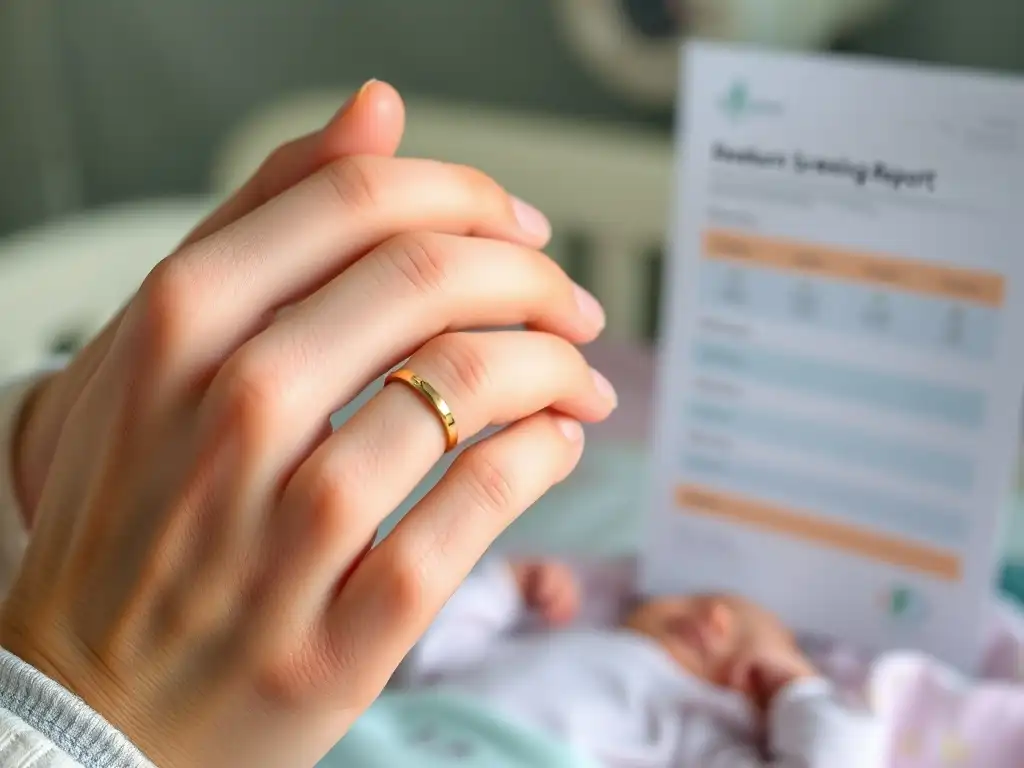
Understanding the results of your newborn's screening can feel overwhelming. This section aims to equip you with the knowledge to confidently navigate this crucial process. The goal is to help you understand newborn screening results and what they mean for your baby's health. Remember, this information is for educational purposes and should not replace advice from your pediatrician. Always consult your healthcare provider with any questions or concerns.
Understanding the Terminology on Your Report
Newborn screening reports often contain medical jargon. Familiarizing yourself with common terms will significantly improve your comprehension. Let's break down some key terms you'll likely encounter:
- Positive Screening Result: This doesn't automatically mean your baby has a condition. It indicates a result that falls outside the normal range and requires further investigation. Think of it as a flag requiring a closer look, not a diagnosis.
- Negative Screening Result: This means the screening test did not detect any abnormalities. However, it's important to remember that no test is 100% accurate, and some conditions might be missed.
- False Positive: A false positive is a positive result when, in fact, there is no underlying condition. This is a possibility with any screening test.
- False Negative: A false negative is a negative result when, in reality, a condition is present. This is less common but still possible.
- Reference Range: This specifies the normal range of values for a specific test. Results falling outside this range trigger further evaluation.
- Quantitative Result: This shows the actual measured value for a specific analyte (e.g., the level of a particular enzyme).
- Qualitative Result: This provides a descriptive result (e.g., positive or negative).
The report itself will likely list various analytes tested, their measured values, and whether the results are within the normal range. Many states use standardized reporting formats, but there might be variations. Don't hesitate to ask your healthcare provider for clarification on any unclear points. Remember, you are your baby's advocate! 👍
Interpreting Normal Results: What to Expect
A normal newborn screening result is excellent news! It means the tests did not detect any significant abnormalities in the analytes screened. However, it's crucial to understand that a normal result does not guarantee your baby is entirely free from any health issues. Some conditions may not be detectable through newborn screening.
Receiving a normal report should bring relief, but continued monitoring of your baby's growth and development is still essential. Regular well-baby checkups with your pediatrician are vital for early detection of any potential problems. Pay close attention to your baby's feeding patterns, sleep habits, and overall well-being. Any concerns, no matter how small, should be addressed promptly with your healthcare provider.
Interpreting Abnormal Results: Next Steps and Actions
Receiving an abnormal result can be unsettling, but it's important to remain calm and proactive. An abnormal result does not automatically mean your baby has a serious condition. It simply indicates the need for further investigation to confirm or rule out any potential concerns. The next steps will usually involve:
Follow-up Testing and Procedures
Following an abnormal screening result, your pediatrician will likely order additional tests to confirm the initial findings. These might include:
- Repeat Newborn Screening: A simple retest using a new blood sample. Sometimes, initial abnormal results are due to technical issues or transient factors.
- Diagnostic Tests: More specific tests such as genetic testing, enzyme assays, or imaging studies (e.g., ultrasound) to pinpoint the exact diagnosis.
- Specialized Consultations: Depending on the suspected condition, you might be referred to specialists such as geneticists, metabolic specialists, or other relevant experts.
The type and extent of follow-up testing will depend on the specific analyte(s) showing abnormal results and your baby's overall clinical presentation. Your pediatrician will explain the process clearly and answer all your questions.
Working with Your Pediatrician or Specialist
Open communication with your healthcare provider is paramount. Don't hesitate to ask questions, express your concerns, and seek clarification on any unclear information. Maintaining a strong collaborative relationship with your pediatrician or specialist will ensure your baby receives the best possible care. Remember, you are a crucial part of your baby's healthcare team. Take an active role in understanding the results and participating in decision-making. This proactive approach will empower you to navigate this process effectively and confidently. The goal is to understand your baby's health status and ensure they receive the necessary care and support.
Common Questions About Newborn Screening Results

Understanding newborn screening results can be daunting for first-time parents. The process involves testing for a range of conditions, and receiving the results can trigger a flurry of questions and concerns. This section addresses some frequently asked questions to help you navigate this crucial stage of your baby's life and better understand newborn screening results.
What if the results are inconclusive?
Receiving inconclusive newborn screening results can be unsettling. It means the initial test results aren't clear enough to definitively rule out or confirm a specific condition. This isn't necessarily cause for alarm, but it does require further investigation. Inconclusive results often stem from factors such as insufficient sample volume, interference from medications the mother may have been taking, or the baby's current health status.
The healthcare provider will likely recommend follow-up testing, which might involve repeating the initial screen or conducting more specialized tests. These additional tests are designed to provide a clearer picture and provide a more definitive answer. During this waiting period, it's crucial to maintain open communication with your pediatrician or healthcare provider. They can offer reassurance and guidance based on your baby's specific situation. Remember, an inconclusive result doesn't automatically mean your baby has a condition; it simply necessitates further evaluation to ensure accuracy. Many inconclusive results ultimately resolve with subsequent testing showing no condition present.
It’s important to actively participate in the follow-up process, asking questions and expressing any concerns you may have. This proactive approach will help alleviate anxiety and ensure that your baby receives the necessary care. The goal is to obtain clear results and, most importantly, to ensure your baby's well-being.
What does a "false positive" mean?
A "false positive" in newborn screening means that the test indicates a potential problem when, in reality, your baby is perfectly healthy. These results are thankfully relatively common and usually stem from the inherent limitations of the screening tests themselves. The tests are designed to be highly sensitive – meaning they are likely to detect even trace amounts of a substance that could indicate a condition. However, this sensitivity also means they might occasionally register a positive result even when the condition isn't actually present.
For example, a false positive might occur if the baby temporarily has elevated levels of a specific substance due to factors unrelated to the condition being screened for, such as prematurity or the mother’s diet. The good news is that further tests will almost always confirm that the initial positive result was a false alarm. This confirmation process usually involves more specific and conclusive diagnostic tests.
While a false positive can cause temporary worry, it's ultimately a good sign that the screening process is working and catching potential issues, even if they turn out to be false alarms. Open communication with your healthcare provider is crucial to address any anxieties and ensure you fully understand the results.
Managing Anxiety and Uncertainty Regarding Test Results
Waiting for newborn screening results and understanding the complexities of the information provided can be a stressful experience. The uncertainty surrounding the test results can amplify anxiety, even if the ultimate outcome is positive. Here are some strategies to help manage anxiety and uncertainty:
- Maintain Open Communication: Don't hesitate to contact your pediatrician or healthcare provider with any questions or concerns, no matter how small they may seem. Regular updates and clear explanations can significantly reduce anxiety.
- Seek Support: Talk to your partner, family, friends, or support groups for emotional support. Sharing your feelings can help alleviate stress and provide a sense of community.
- Focus on Self-Care: Prioritize your physical and mental well-being. Ensure you're getting enough sleep, eating nutritious meals, and engaging in activities that help you relax.
- Avoid Unreliable Information: Stick to reliable sources of information, such as your healthcare provider and reputable organizations, to avoid misinformation and unnecessary anxiety.
- Remember the Purpose: Keep in mind that newborn screening is designed to identify potential conditions early, allowing for prompt treatment and improved outcomes. The process, while sometimes stressful, ultimately aims to protect your baby's health.
The emotional rollercoaster associated with newborn screening is completely understandable. Remember, you are not alone in this experience. By proactively addressing concerns, maintaining open communication, and prioritizing self-care, you can navigate this crucial period more effectively and confidently. The ultimate goal is to ensure your baby's health and well-being, and understanding the screening results is a key step in that process.
Long-term implications of abnormal newborn screening results
Understanding the long-term implications of abnormal newborn screening results is crucial for parents. A positive screening test doesn't automatically mean a life-altering diagnosis. Many conditions detected through newborn screening are treatable, and early intervention significantly improves outcomes. However, the potential impact varies greatly depending on the specific condition identified.
For some conditions, such as phenylketonuria (PKU), early dietary management can prevent severe intellectual disability and other developmental problems. Lifelong adherence to a specialized diet is necessary, but with careful monitoring and planning, individuals with PKU can lead healthy and fulfilling lives. Regular check-ups with specialists are vital for ongoing management and adjustments to the dietary plan as needed. The long-term implication here is the need for consistent, lifelong dietary restrictions, but with proper management, the negative effects can be largely mitigated.
Other conditions, like congenital hypothyroidism, require hormone replacement therapy. This treatment, usually administered daily as a medication, is generally simple and effective. With consistent treatment, children with congenital hypothyroidism can develop normally and lead healthy lives. The long-term implication is the need for ongoing medication, but the impact on their overall health and development is minimal with proper care.
However, some conditions identified through newborn screening have more complex long-term implications. For instance, cystic fibrosis requires ongoing management of respiratory and digestive symptoms, potentially involving regular medications, physiotherapy, and specialized dietary adjustments. While advancements in treatment have significantly improved life expectancy and quality of life for individuals with cystic fibrosis, it necessitates a more intensive and multifaceted approach to long-term care. This involves regular hospital visits, potentially specialized schooling accommodations, and ongoing monitoring for potential complications.
It's essential to remember that the long-term implications are not predetermined by the initial screening result. The severity of the condition and its impact on the child's life depend heavily on the specific diagnosis, the availability of effective treatments, and the ongoing medical care received. Open communication with healthcare providers, including genetic counselors, is vital to understand the specific implications for your child and develop a comprehensive plan for their long-term care and well-being.
Regular follow-up appointments, adherence to recommended treatments, and ongoing monitoring are key to managing the condition effectively and maximizing the child's developmental potential. The emotional support provided to the family is also a crucial aspect of navigating the long-term effects of an abnormal newborn screening result. Support groups and counseling can prove invaluable in coping with the challenges and uncertainties involved.
Resources and Support for Parents
Understanding newborn screening results can be overwhelming for new parents. It's crucial to remember you're not alone in this process, and numerous resources are available to help you navigate any concerns or questions. This section provides guidance on accessing support and further information to ensure you feel confident and informed.
Contacting Your Healthcare Provider
Your pediatrician or family doctor is your primary resource for interpreting your baby's newborn screening results. They have access to your baby's complete medical history and can provide personalized guidance based on the specific findings. Don't hesitate to contact them with any questions, no matter how small they may seem. Early intervention is key, and your healthcare provider can help you understand the implications of the results and determine the next steps.
It's beneficial to prepare a list of questions before calling. This ensures you cover all your concerns and receive the most comprehensive information. For instance, you might want to ask about:
- The meaning of specific test results, particularly if any are flagged as positive or outside the normal range.
- The potential implications of the results for your baby's health and development.
- The recommended follow-up tests or procedures, if any.
- The potential long-term effects of any identified conditions.
- The availability of support services or specialists who can assist you.
Remember to keep a record of all communications with your healthcare provider, including dates, times, and key discussion points. This documentation can be invaluable for future reference. Don't feel pressured to make immediate decisions; take the time you need to process the information and ask clarifying questions.
Finding Support Groups and Online Communities
Connecting with other parents who have navigated newborn screening can provide invaluable emotional and informational support. Sharing experiences and learning from others who have faced similar challenges can significantly reduce feelings of isolation and anxiety.
Numerous online forums and support groups cater specifically to parents with concerns about newborn screening. These communities offer a safe space to ask questions, share experiences, and receive encouragement from others who understand. You can find these groups through online searches or by contacting patient advocacy organizations related to specific conditions.
Remember to approach online information critically. While online communities can be incredibly helpful, not all information found online is accurate or reliable. Always cross-reference information with your healthcare provider's guidance. The emotional support offered by these groups is invaluable, but medical advice should always come from qualified professionals.
Additional Information and Reliable Sources about Newborn Screening
Beyond your healthcare provider and online support groups, several reputable organizations provide comprehensive information about newborn screening. These organizations often offer educational materials, fact sheets, and resources to help you understand the tests, their implications, and available support services. Seeking information from multiple reliable sources can help you build a more complete understanding and ensure you're making informed decisions for your baby's health.
Look for information from organizations such as:
- Governmental health agencies: These agencies often provide detailed information on newborn screening programs and guidelines.
- National patient advocacy organizations: These organizations focus on specific conditions identified through newborn screening and offer support and resources to families.
- Reputable medical websites: Check for websites affiliated with major medical institutions or universities, ensuring credibility and accuracy.
By utilizing these resources, you can effectively understand newborn screening results and navigate any challenges with confidence. Remember, proactive engagement with your healthcare provider and supportive communities is key to ensuring your baby's well-being. The process may seem daunting, but with the right information and support, you can successfully navigate this important aspect of newborn care.
Frequently Asked Questions
What is newborn screening?
Newborn screening is a simple blood test performed shortly after birth to detect potential health problems that may not be immediately apparent. Early detection allows for prompt treatment and improved outcomes.
How is newborn screening performed?
Screening involves a small blood sample taken from the baby's heel. The sample is then sent to a laboratory for analysis to check for a range of genetic and metabolic disorders.
What if my baby's newborn screening results are abnormal?
An abnormal result doesn't necessarily mean your baby has a serious condition. It indicates a need for further testing to confirm or rule out a diagnosis. Your healthcare provider will guide you through the next steps.
What conditions are typically screened for?
Newborn screening tests vary by state but often include conditions like phenylketonuria (PKU), hypothyroidism, and sickle cell anemia. These are treatable if caught early.
Where can I find more information about interpreting my baby's specific newborn screening results?
You should discuss your baby's individual results with your pediatrician or the newborn screening program in your state. They can provide personalized guidance and answer any questions you have.
Understanding newborn screening results is not just about deciphering medical jargon; it's about empowering parents to advocate for their child's health. The anxiety surrounding these initial tests is immense, and the information presented can be overwhelming. This article aimed to provide clarity and guidance, equipping parents with the knowledge to navigate this crucial stage with confidence and informed decision-making.
The impact of newborn screening on modern healthcare is undeniable; it has saved countless lives and dramatically improved the outcomes for children with treatable conditions. The emotional weight of receiving these results, however, often goes unacknowledged. The fear of the unknown, the potential for devastating news, and the pressure to make critical decisions under immense stress are all realities for parents. The most important thing is to be informed and to ask questions. Don't hesitate to seek clarification from your healthcare provider.
This sentiment underscores the vital role of open communication and accessible information in mitigating parental anxiety and ensuring the best possible care for newborns.
Now, consider your own experience with information, or lack thereof. Did this article provide you with the clarity you needed? If not, what questions remain unanswered? Take the time to reflect on the power of knowledge in navigating the complexities of newborn care. Empower yourself, seek clarification from your healthcare provider, and remember that you are not alone in this journey. The well-being of your child depends on your informed participation, and your proactive approach will make all the difference.
Unlock Your Baby's Health Journey Today!
Thank you for learning more about newborn screening. We hope this article has provided a clearer understanding of the process and its importance. Now, let's put that knowledge into action for your little one.
- Schedule a follow-up appointment with your pediatrician to discuss your baby's test results. This is crucial to ensure your baby receives any necessary care.
- Share this article with other new parents. Spreading awareness about newborn screening can make a significant difference.
- Connect with other parents online. Joining a support group can offer valuable insights and emotional support during this important time.
Do you have any questions about ensuring your baby's health and well-being? Let's start a conversation in the comments below!