
Newborn Screening: Ensuring Your Baby's Wellbeing


Welcome to BabyCareHub, your ultimate guide to navigating the incredible journey of parenthood! Are you a first-time parent feeling overwhelmed by the sheer volume of information surrounding newborn care? We understand. That's why we've created this comprehensive resource, designed to empower you with the knowledge and confidence you need. Discover the crucial importance of newborn screening tests and how they play a vital role in safeguarding your little one's health. Dive in and explore the Newborn Basics section to unlock the secrets to a smoother, happier parenting experience.
- Understanding Newborn Screening Tests and Their Benefits
- Common Newborn Screening Tests Explained
- Preparing for Your Baby's Newborn Screening
- Addressing Concerns and Misconceptions about Newborn Screening Tests
- Resources and Further Information on Newborn Screening Tests Benefits
- Frequently Asked Questions
- Final Reflection: A Legacy of Health, Woven from Tiny Drops
- Unlock Your Baby's Health Potential
Understanding Newborn Screening Tests and Their Benefits
Newborn screening is a crucial aspect of ensuring your baby's health and wellbeing. This process involves testing your baby for a range of conditions shortly after birth, often within the first few days of life. These tests are non-invasive and can detect serious but treatable conditions early on, significantly improving your baby's chances of a healthy life. This article will explore the vital role of newborn screening, focusing on the specific benefits it offers and why it's considered a cornerstone of preventative healthcare for newborns.
Understanding the "newborn screening test benefits" is essential for every new parent, empowering you to make informed decisions regarding your child’s health and future. We will delve into the specifics of what these tests entail, why early detection is so critical, and the long-term advantages this preventative measure provides. Let's explore the critical role of newborn screening in protecting your little one.
What is Newborn Screening?
Newborn screening is a simple procedure performed on newborns shortly after birth. It involves collecting a small blood sample, typically from a heel prick, and analyzing it for various genetic and metabolic disorders. These disorders, while often rare, can have severe consequences if left untreated. The process is quick, relatively painless, and incredibly important. Many jurisdictions have mandated newborn screening programs, making it a standard part of postnatal care. The specific conditions screened for can vary depending on location and the advancements in screening technology, but typically include conditions affecting the:
- Metabolic System: Such as phenylketonuria (PKU), which affects the body's ability to break down a specific amino acid.
- Endocrine System: Including congenital hypothyroidism, a condition affecting the thyroid gland's function.
- Hemoglobin: Detecting conditions like sickle cell anemia and cystic fibrosis.
- Hearing: Early detection of hearing impairment is often included in the screening process.
The results of the newborn screening test provide valuable information to healthcare professionals, allowing them to intervene early and prevent or mitigate the potential long-term health complications associated with these conditions. Early diagnosis is key to successful treatment and improved outcomes for your baby.
The Importance of Early Detection through Newborn Screening Tests
The critical benefit of newborn screening lies in its capacity for early detection. Many of the conditions screened for are asymptomatic in newborns, meaning they show no outward signs or symptoms. Without screening, these conditions might go undetected until symptoms appear, often at a later stage when treatment is more challenging and the long-term effects might be more severe. Early detection through newborn screening provides a crucial window of opportunity to initiate timely interventions, preventing irreversible damage and significantly improving the child's quality of life.
Think of it this way: early intervention is like catching a small fire before it becomes a raging inferno. The earlier a condition is diagnosed, the more effective treatment can be, minimizing the potential for long-term health consequences. This preventative approach is a cornerstone of modern pediatric care and a testament to the advancement of medical technology. The speed and efficiency of newborn screening contribute significantly to the overall health and well-being of newborns worldwide.
Benefits of Newborn Screening: Protecting Your Baby's Future
The benefits of newborn screening extend far beyond early diagnosis. By detecting these conditions early, parents and healthcare professionals can work together to develop and implement effective management plans. This may involve specialized diets, medication, or ongoing monitoring. The long-term benefits include:
- Improved Quality of Life: Early intervention can significantly improve a child’s quality of life by preventing or mitigating the effects of the condition.
- Reduced Risk of Complications: Early treatment can prevent or reduce the severity of complications associated with these conditions.
- Increased Life Expectancy: For many conditions, early diagnosis and treatment can dramatically increase a child’s life expectancy.
- Peace of Mind for Parents: Knowing your child is healthy or receiving the necessary treatment provides immense peace of mind for parents.
Newborn screening is not just a test; it's an investment in your baby's future. It's a proactive measure that empowers parents and healthcare professionals to safeguard a child's health and well-being, providing them with the best possible start in life. The "newborn screening test benefits" are undeniable and contribute significantly to the overall health and development of children worldwide. The positive impact on families and society as a whole is immeasurable.
Types of Newborn Screening Tests Performed: A Comprehensive Overview
Newborn screening tests are crucial for early detection of various conditions that, if left untreated, could lead to significant health problems or even death. These tests are typically performed shortly after birth, usually within the first 24 to 48 hours of life, while the baby is still in the hospital. The specific tests conducted vary by state and country, but generally include a panel of tests designed to detect a range of metabolic, endocrine, and genetic disorders.
The most common types of newborn screening tests fall into several categories:
- Metabolic disorders: These tests screen for inherited conditions affecting the body's ability to process nutrients. Examples include phenylketonuria (PKU), a disorder affecting the metabolism of phenylalanine, and galactosemia, an inability to properly metabolize galactose. Early detection and dietary management are crucial for preventing severe intellectual disability and other complications associated with these conditions. The number of metabolic disorders screened for varies geographically, reflecting differences in prevalence and availability of treatment.
- Endocrine disorders: These tests identify hormonal imbalances, such as congenital hypothyroidism (CH), a condition where the thyroid gland doesn't produce enough thyroid hormone. Untreated CH can lead to significant developmental delays. Other endocrine disorders screened for may include congenital adrenal hyperplasia (CAH), a condition affecting the adrenal glands. The specific endocrine disorders included in newborn screening panels can change over time as new diagnostic capabilities are developed and the understanding of these conditions improves.
- Genetic disorders: Advances in genetic testing have expanded the scope of newborn screening to include an increasing number of genetic conditions. These tests often involve analyzing the baby's DNA to identify specific gene mutations associated with disorders like cystic fibrosis, sickle cell disease, and others. The specific genetic conditions included in the screening panel are constantly being reevaluated and updated based on advancements in genetic research and the availability of effective treatments. The expansion of genetic testing in newborn screening presents both opportunities and challenges, requiring careful consideration of ethical implications and the potential for incidental findings.
- Hearing screening: While not always included in the same panel as metabolic and genetic tests, hearing screenings are a standard part of newborn care in many regions. Early identification of hearing loss is critical for early intervention and optimal language development. This typically involves auditory brainstem response (ABR) testing or otoacoustic emissions (OAE) testing. Early intervention can dramatically improve the long-term outcomes for infants with hearing impairments.
- Critical Congenital Heart Defects (CCHD) screening: Pulse oximetry screening is increasingly used to detect CCHD, a group of conditions affecting the structure of the heart. This non-invasive test measures the oxygen saturation in the blood, identifying babies who may need further cardiac evaluation. Early detection of CCHD is critical, as timely intervention can significantly improve survival and quality of life.
The specific tests included in a newborn screening panel are carefully selected based on factors such as the prevalence of the condition in the population, the availability of effective treatments, and the cost-effectiveness of the screening. Parents should discuss the specific tests performed with their healthcare provider to understand the implications and potential benefits of each test.
The goal of newborn screening is to detect treatable conditions early, allowing for prompt intervention to minimize long-term health consequences and improve the child's overall well-being. This proactive approach highlights the significant benefits of newborn screening tests in ensuring the health and future development of every baby.
Common Newborn Screening Tests Explained
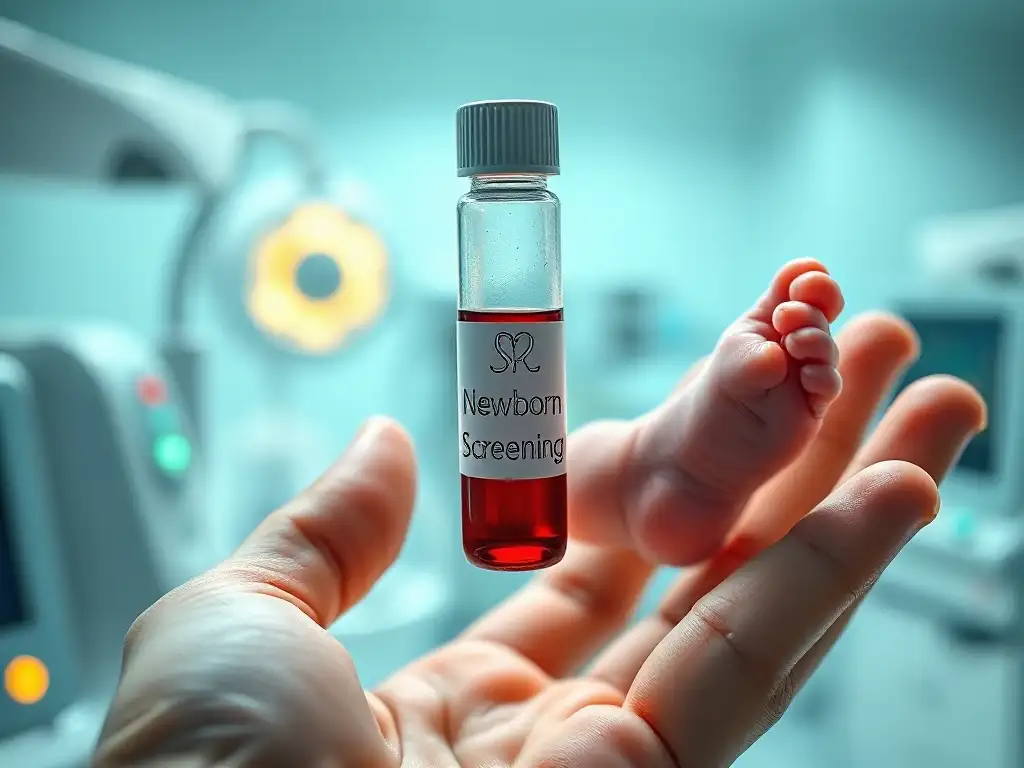
This section delves into the specifics of several common newborn screening tests, highlighting their importance in ensuring your baby's health and well-being. Understanding these tests and their benefits is crucial for every new parent. Remember, early detection is key to effective intervention and improved long-term outcomes for your child. These tests are designed to identify potential conditions that might not be immediately apparent. The benefits of newborn screening are immeasurable, offering peace of mind and proactive healthcare for your little one.
Hearing Screening Test: Detecting Early Hearing Loss
Hearing loss, if undetected early, can significantly impact a child's speech, language development, and overall cognitive abilities. Newborn hearing screening tests are incredibly valuable because they can identify hearing loss even before noticeable symptoms appear. These tests, typically conducted within the first few days of life, are quick, painless, and non-invasive. The most common method involves using Automated Auditory Brainstem Response (AABR) testing, which measures the brain's response to sounds. Another method is the Otoacoustic Emissions (OAE) test, which checks for the sounds produced by the inner ear.
The benefits of early detection are substantial. Early intervention, including hearing aids or cochlear implants if necessary, can dramatically improve a child's development. Early intervention programs, often starting as young as 6 months, provide crucial support to help children reach their full potential. Without early intervention, the delays in language and social skills can be significant and may require more extensive intervention later in life. Delaying intervention can have long-term consequences on a child's education, social interactions, and overall quality of life.
Metabolic Screening: Identifying Inborn Errors of Metabolism
Metabolic screening tests screen for a range of inherited metabolic disorders. These conditions affect the body's ability to process nutrients, potentially causing serious health problems if left untreated. These disorders can impact various bodily functions, including energy production, brain development, and organ function. The newborn screening test typically involves a simple heel prick to collect a small blood sample. This blood sample is then analyzed for various markers indicative of these metabolic disorders.
Many of these conditions are extremely rare, but early detection is crucial because treatment can often prevent or significantly reduce the severity of long-term complications. Early diagnosis allows for dietary modifications, medication, or other therapies to be implemented promptly, minimizing the risk of irreversible damage. For example, early detection of phenylketonuria (PKU), a condition preventing the body from breaking down phenylalanine, allows for a special diet to be implemented, preventing severe intellectual disability.
The newborn screening test benefits extend to preventing long-term health challenges and ensuring the baby's optimal development. These tests provide parents with crucial information and allow for proactive management of their child's health.
Cystic Fibrosis Screening: Early Diagnosis and Management
Cystic fibrosis (CF) is a genetic disorder affecting the lungs and digestive system. Newborn screening for CF is highly beneficial because early detection allows for prompt intervention and management of the condition. The test involves analyzing a small blood sample for elevated levels of immunoreactive trypsinogen (IRT), a marker often associated with CF. A positive screening result typically requires further testing to confirm the diagnosis.
Early diagnosis of CF is vital because it allows for early intervention, which improves long-term outcomes and quality of life. Early treatment with therapies like chest physiotherapy, medication to thin mucus, and nutritional support can significantly reduce the risk of lung infections and other complications. Without early intervention, the accumulation of thick mucus in the lungs and digestive system can lead to severe respiratory problems, malnutrition, and other life-threatening complications.
The newborn screening test benefits in this case are directly related to the ability to start treatment as early as possible, improving the chances of a healthier and longer life for the child. It allows parents and healthcare professionals to proactively manage the condition and improve the child's prognosis.
Other Essential Newborn Screening Tests: A Comprehensive List
Newborn screening goes beyond the most commonly discussed tests. Many states include a broader panel of tests to detect a wider range of conditions, ensuring the best possible start for your little one. The specific tests included can vary by state and sometimes even by hospital, so it's crucial to discuss the complete screening panel with your pediatrician or the healthcare provider administering the test. This ensures you're fully informed about what's being screened for and what the results might indicate. Remember, early detection is key in managing these conditions effectively.
Beyond the standard tests for PKU, hypothyroidism, and cystic fibrosis, many newborns undergo screenings for conditions such as galactosemia, a rare genetic disorder affecting the body's ability to process galactose, a type of sugar found in milk. Early detection allows for dietary changes that prevent serious complications. Another important test screens for biotinidase deficiency, a metabolic disorder that can lead to developmental delays and neurological issues if left untreated. Treatment is relatively straightforward involving biotin supplementation.
Furthermore, several states incorporate tests for hearing loss. Early detection of hearing impairment is vital for timely intervention through therapies like hearing aids or cochlear implants, significantly impacting a child's language development and overall well-being. Similarly, critical congenital heart defects (CCHD) screening is becoming increasingly common. This non-invasive pulse oximetry test helps detect heart defects that might otherwise go unnoticed until later, potentially leading to serious health problems. Early diagnosis allows for prompt medical attention, improving the chances of a positive outcome.
The inclusion of these additional tests highlights the comprehensive nature of newborn screening and its significant role in preventing long-term health complications. The benefits of early detection far outweigh any minor discomfort associated with the testing process. Parents should actively engage in discussions with their healthcare providers to fully understand the scope of the screening process and the implications of both positive and negative results.
This proactive approach empowers parents to make informed decisions regarding their baby's health and well-being, maximizing the chances for a healthy and thriving future. The expanded newborn screening tests are a testament to advancements in medical technology and the commitment to providing the best possible care for newborns. Remember to ask questions; understanding the "newborn screening test benefits" is key to ensuring your child's health.
Preparing for Your Baby's Newborn Screening
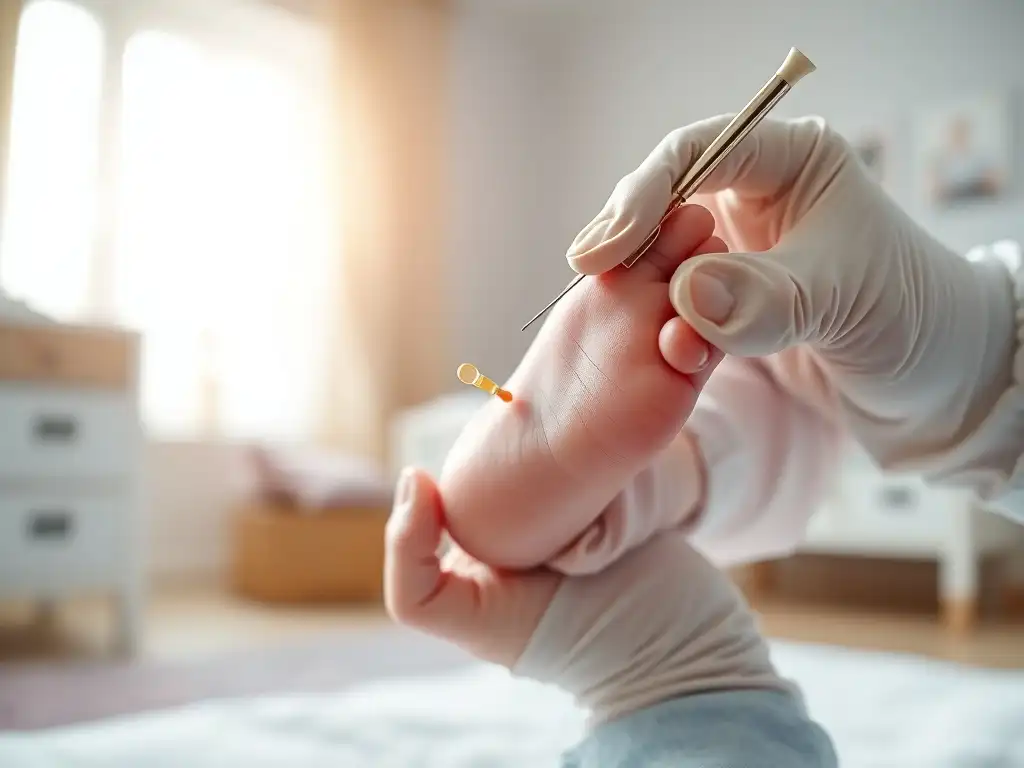
This section focuses on the crucial steps you can take to ensure a smooth and effective newborn screening experience for your little one. Understanding the process beforehand can alleviate anxiety and empower you to actively participate in your baby's early health assessment. The benefits of newborn screening are numerous, contributing significantly to your baby's long-term health and well-being. Let's explore how best to prepare.
When and Where Newborn Screening Takes Place
Newborn screening typically occurs within 24 to 48 hours after birth, though the exact timing may vary slightly depending on your hospital or birthing center's protocols. It's a vital part of the postnatal care process. The screening itself usually takes place right in the hospital nursery or a designated area within the hospital. This allows medical professionals to perform the tests while your baby is still under their care, optimizing the efficiency and accuracy of the process.
Some states may have different guidelines regarding the timing and location of newborn screening. It's always advisable to discuss the specific procedures with your healthcare provider beforehand to clarify any uncertainties and ensure you're fully informed. Many hospitals provide detailed information packets or online resources explaining their specific newborn screening protocols. Knowing the specifics beforehand can help manage expectations and reduce any potential stress.
The key benefit of this early testing is early detection. Early identification of potential health issues allows for prompt intervention and treatment, significantly improving your baby's chances of a healthy future. This underscores the importance of participating fully in the newborn screening process.
What to Expect During the Newborn Screening Process
The newborn screening process is generally straightforward and minimally invasive. It typically involves a small blood sample collected via a heel prick. This is a quick procedure, and the medical staff will take steps to minimize your baby's discomfort. Many hospitals offer methods to soothe the baby before, during, and after the procedure; these might include swaddling, skin-to-skin contact, or offering a pacifier. The amount of blood required is very small, usually just a few drops.
After the blood sample is collected, it's sent to a specialized laboratory for analysis. The specific tests included in the screening panel can vary slightly from state to state, but they typically cover a range of conditions, including phenylketonuria (PKU), hypothyroidism, cystic fibrosis, and sickle cell anemia. The results usually take several days to a few weeks to return. You'll be notified by your healthcare provider once the results are available. Remember, the newborn screening test benefits far outweigh any minor discomfort associated with the procedure. This is a crucial step in ensuring your baby's health and well-being.
Understanding the Results of Newborn Screening Tests
Once the results of your baby's newborn screening are available, your healthcare provider will review them with you. Most screenings come back with normal results, indicating that no further action is needed. However, if any test result is flagged as positive or abnormal, it doesn't automatically mean your baby has a particular condition. A positive screening result simply indicates a need for further investigation and follow-up testing. This is to rule out a diagnosis or to confirm it, preventing any undue worry or delay in treatment. Further testing might involve additional blood tests, genetic analysis, or other diagnostic procedures.
It's crucial to remember that a positive screening test is not a diagnosis. It's a trigger for additional evaluation to determine whether further medical attention is needed. Many conditions detected through newborn screening are treatable, and early intervention can make a significant difference in a child’s development and overall health. This proactive approach is one of the most significant newborn screening test benefits, offering parents the opportunity to address potential health issues before they become severe.
Open communication with your healthcare provider is paramount throughout this process. Don't hesitate to ask questions and express any concerns you may have. Understanding the results and the implications is key to making informed decisions regarding your baby's care.
Following Up on Newborn Screening Results: What Parents Should Do
Receiving your baby's newborn screening results can be a mix of excitement and anxiety. Understanding what the results mean and knowing how to proceed is crucial for ensuring your little one's health. Most newborn screening tests come back with normal results, which is excellent news! However, it's vital to understand the process even if everything appears fine. A "normal" result simply means that the initial screening didn't detect any abnormalities, but it doesn't guarantee the absence of all potential conditions. Regular check-ups with your pediatrician remain essential.
If the screening reveals a positive or inconclusive result, don't panic. This doesn't automatically mean your baby has a serious condition. Many factors can influence the results, including the timing of the test and the accuracy of the sample. A positive result often requires further testing to confirm a diagnosis. Your healthcare provider will explain the next steps clearly and patiently, answering all your questions and concerns. It's perfectly normal to feel overwhelmed at this point; don't hesitate to ask for clarification as many times as needed. Remember, your healthcare team is there to support you.
The follow-up process will vary depending on the specific condition screened for and the nature of the initial result. Some conditions may require additional blood tests, while others might necessitate a consultation with a specialist. Your pediatrician will coordinate these next steps, providing you with a clear timeline and explaining the purpose of each test or consultation. The goal is to get a definitive diagnosis, which will guide appropriate treatment and management.
This collaborative approach ensures your baby receives the best possible care. Keep meticulous records of all appointments, test results, and any communication with your healthcare providers. This detailed record will be invaluable in the future.
Remember, open communication with your healthcare provider is key throughout this process. Don't hesitate to express your concerns, ask questions, and seek clarification on anything you don't understand. Your pediatrician and other healthcare professionals are your partners in ensuring your baby's wellbeing. They are equipped to provide the guidance and support you need to navigate this phase effectively. Ultimately, proactive follow-up on newborn screening results is a crucial aspect of preventative healthcare, significantly contributing to your baby's long-term health and development. The benefits of understanding and acting upon these results far outweigh any initial anxieties.
Addressing Concerns and Misconceptions about Newborn Screening Tests
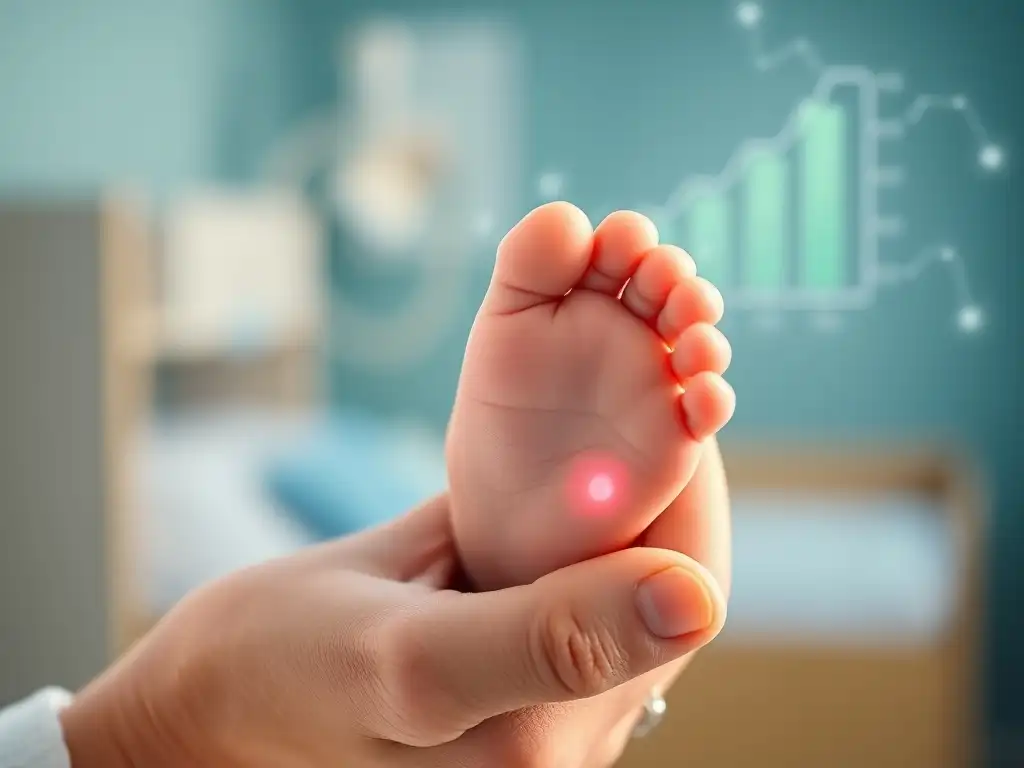
Newborn screening tests are a crucial part of ensuring your baby's health, but many parents have questions and concerns. Understanding these anxieties and dispelling common myths is key to promoting widespread participation in these life-saving programs. This section aims to address those concerns directly, providing accurate information and reassurance. The benefits of newborn screening far outweigh any perceived risks, and informed decision-making is paramount. Let's address some of the most prevalent worries.
Addressing Parental Fears and Concerns Regarding Newborn Screening
Many parents worry about the potential discomfort or pain associated with the newborn screening test. The heel prick, while slightly invasive, is a quick procedure and the discomfort is minimal, lasting only seconds. The benefits of early diagnosis significantly outweigh this fleeting discomfort. Think of it as a small price to pay for potentially preventing serious health problems later in life. Furthermore, many hospitals and clinics use techniques to minimize discomfort, such as warming the heel before the prick, and applying a numbing cream. These practices help to ensure the procedure is as painless as possible.
Another common fear centers around the potential for false positives or false negatives. It's true that there is a small chance of either, but these possibilities are carefully managed through rigorous quality control and repeat testing where necessary. Healthcare professionals are trained to interpret the results carefully and provide appropriate follow-up care. It's important to remember that even a false positive warrants further investigation, which is ultimately beneficial for the baby's health. The goal is early detection, and even if a follow-up test confirms a negative result, you'll have peace of mind.
Some parents are also concerned about the volume of blood required for the test. The amount of blood collected is incredibly small, typically only a few drops. This minimal amount poses no health risk to the baby. The benefits of early diagnosis of conditions like phenylketonuria (PKU) and hypothyroidism far outweigh any negligible risk associated with the blood draw.
Dispelling Myths and Misconceptions Surrounding Newborn Screening Tests
One persistent myth is that newborn screening tests are optional. While parents have the right to refuse testing, it's crucial to understand that these tests are designed to detect serious conditions that can cause significant long-term health problems if left untreated. Early detection through newborn screening significantly improves the chances of successful treatment and a healthier future for your child. The benefits are undeniable.
Another misconception is that the tests are overly extensive and unnecessary. While it may seem like a lot of tests, the screening panel is carefully curated to target conditions with significant health consequences and effective treatments available. Each test is vital, aiming to identify treatable conditions early, when intervention is most effective. This proactive approach is a cornerstone of preventative healthcare for newborns.
Some parents believe that the tests are too expensive. The costs of newborn screening are usually covered by insurance or government programs, making it accessible to most families. The long-term costs of treating undetected conditions are far higher than the cost of the initial screening, making newborn screening a fiscally responsible and ethically sound practice. It's an investment in your child's future wellbeing.
The Role of Healthcare Professionals in Newborn Screening
Healthcare professionals play a vital role in ensuring the successful implementation and interpretation of newborn screening tests. They are responsible for explaining the procedure, obtaining informed consent, performing the test correctly, and accurately interpreting the results. They also provide crucial counseling and guidance to parents, addressing their concerns and answering their questions. This comprehensive approach is essential for fostering trust and ensuring widespread participation in newborn screening programs.
Nurses and other healthcare providers are trained to perform the heel prick efficiently and with minimal discomfort to the infant. Laboratories use standardized procedures and quality control measures to ensure accurate and reliable test results. Furthermore, healthcare professionals are trained to communicate the results clearly and concisely, explaining their significance and providing appropriate follow-up recommendations.
This coordinated effort ensures that parents receive the information they need to make informed decisions about their child's health. The collaborative effort between healthcare providers and parents is crucial to maximizing the benefits of newborn screening for all. This collaborative approach is fundamental to the success of newborn screening programs.
The Importance of Informed Consent in Newborn Screening
Informed consent is paramount in newborn screening. It's not simply about signing a form; it's about understanding the procedure, its benefits, risks, and alternatives. Parents should be given ample time to ask questions and receive clear, unbiased answers from healthcare professionals. This ensures that the decision to participate in newborn screening is truly voluntary and based on a thorough understanding of the implications. Failure to obtain proper informed consent could lead to legal and ethical challenges.
Hospitals and healthcare providers have a responsibility to provide comprehensive information in a language easily understood by parents, regardless of their educational background or cultural context. This often involves using plain language, avoiding medical jargon, and offering materials in multiple languages if necessary. A truly informed parent can weigh the potential benefits of early diagnosis against the very small risks associated with the screening tests themselves, empowering them to make the best choice for their child. The process shouldn't feel rushed or pressured; parents should feel comfortable taking time to consider their options before giving consent.
This emphasis on informed consent underscores the ethical foundation of newborn screening, ensuring that the process respects parental autonomy and protects the rights of the newborn. The benefits of early diagnosis and intervention are significant, but they must be weighed against the need for fully informed and voluntary participation. Providing a supportive and informative environment for parents is crucial for ensuring that informed consent is truly meaningful and effective. Furthermore, ongoing education and readily available resources for parents after the initial consent process can further solidify the ethical and practical underpinnings of newborn screening programs.
Resources and Further Information on Newborn Screening Tests Benefits
This section provides you with valuable resources to delve deeper into the numerous benefits associated with newborn screening tests. Understanding these benefits empowers parents to make informed decisions about their child's health and well-being. Early detection through newborn screening is crucial for timely intervention and improved outcomes. The advantages extend far beyond simply identifying conditions; they encompass improved quality of life, reduced long-term health complications, and enhanced parental peace of mind. Let's explore where you can find more information.
Reliable Sources for Further Information on Newborn Screening
Several reputable organizations offer comprehensive information on newborn screening tests and their benefits. These sources provide evidence-based data, detailed explanations of testing procedures, and up-to-date information on specific conditions screened for. Consulting these sources ensures you receive accurate and reliable information to guide your understanding of newborn screening's profound impact.
Accessing reliable information is paramount for informed decision-making regarding your baby's health. You can find detailed explanations of the testing process, the conditions screened, and the implications of both positive and negative results. The information provided will also clarify the benefits of early detection and intervention, helping you understand the positive impact of newborn screening on your baby's future. This empowers you to actively participate in your child's healthcare journey.
Support Organizations for Parents of Babies with Screened Conditions
Discovering that your newborn has a condition identified through screening can be overwhelming. Fortunately, numerous support organizations offer invaluable resources and emotional support to parents navigating these challenges. These groups connect families facing similar situations, providing a sense of community and shared experience. They offer practical advice, emotional support, and connections to specialists and resources. Knowing you're not alone is incredibly important during this time.
Many organizations provide peer support groups, online forums, and educational materials tailored to specific conditions identified through newborn screening. These invaluable resources offer a safe space for parents to share their experiences, ask questions, and receive guidance from others who understand their unique journey. Remember, seeking support is a sign of strength, and these organizations are dedicated to providing the resources you need to navigate this experience with confidence and resilience. The emotional well-being of parents is just as crucial as the physical well-being of the child.
Advocacy Groups Promoting Newborn Screening Awareness
Advocacy groups play a vital role in raising awareness about the benefits of newborn screening and ensuring access to these crucial tests for all families. These organizations work tirelessly to improve screening programs, advocate for policy changes, and educate the public about the importance of early detection. Their dedication helps ensure that every baby has the opportunity to benefit from this life-saving technology. Supporting these groups helps advance the cause of newborn screening and ensures its continued improvement and accessibility.
These groups often provide educational materials, organize awareness campaigns, and lobby for policy changes that improve the quality and reach of newborn screening programs. Their work directly impacts the lives of countless newborns and their families, making a significant contribution to improving overall child health outcomes. By supporting these organizations, you are contributing to a future where every baby has access to the benefits of newborn screening, regardless of their background or location. Their dedication to improving the lives of newborns and their families is commendable.
Relevant Government Agencies and Links
Several government agencies play a crucial role in newborn screening programs, providing guidelines, support, and resources for healthcare providers and parents. Understanding their roles and accessing their information is vital for maximizing the benefits of newborn screening tests. These agencies often provide detailed information on specific conditions screened for, the testing procedures, and the implications of positive and negative results. They may also offer support services for families dealing with a positive screening result. Navigating these resources can be invaluable in ensuring your baby receives the best possible care.
For instance, [Specific agency name and website pending] often publishes comprehensive guides and fact sheets on newborn screening, including frequently asked questions and answers to common parental concerns. This information is updated regularly to reflect the latest advancements in screening technology and medical knowledge. Additionally, [Another agency name and website pending] provides a platform for parents to connect with support groups and access resources tailored to specific genetic conditions identified through newborn screening. The availability and scope of these resources vary by region, so it’s essential to research the relevant agencies in your area.
Remember, accessing and utilizing these resources is a crucial aspect of understanding and benefiting from newborn screening. This proactive approach empowers parents to actively participate in their child's healthcare journey, leading to better outcomes and improved wellbeing. The information provided by these agencies can help alleviate anxiety and uncertainty, providing parents with the knowledge and tools to make informed decisions regarding their child's health. Therefore, actively seeking out and engaging with these resources is a vital step in leveraging the many benefits of newborn screening tests for your baby.
Frequently Asked Questions
What is newborn screening?
Newborn screening is a simple, painless test performed on babies shortly after birth. It checks for serious but treatable conditions that may not show symptoms immediately. Early detection through newborn screening allows for prompt intervention and better outcomes.
What are the benefits of newborn screening?
The main benefit is early diagnosis of potentially serious conditions. Early diagnosis allows for timely treatment, preventing long-term health problems or even death. This significantly improves the baby's quality of life and future prospects.
How is newborn screening performed?
Newborn screening usually involves a small blood sample taken from the baby's heel. This sample is then sent to a lab for analysis. The procedure is quick and minimally invasive.
What conditions does newborn screening test for?
Newborn screening tests vary by state but typically include conditions affecting the metabolism, hormones, blood, and hearing. The specific conditions screened for are based on prevalence and the availability of effective treatments.
What if my baby's screening results are abnormal?
If results are abnormal, your doctor will likely order further tests and consultations with specialists. Don't panic; many abnormal results are false positives. However, it's crucial to follow up promptly with your healthcare provider.
Final Reflection: A Legacy of Health, Woven from Tiny Drops
Newborn screening: a seemingly small act, yet its impact on the trajectory of a child's life is monumental. The early detection of treatable conditions, made possible through this simple procedure, translates directly into healthier futures for countless infants. This isn't just about statistics; it's about the individual stories of children thriving because of the foresight and intervention enabled by these tests.
The profound influence of newborn screening extends beyond the immediate health benefits, shaping our understanding of preventative healthcare and the crucial role of early intervention. It underscores the power of collective action in safeguarding the well-being of our most vulnerable members of society. As we continue to refine these tests and expand their scope, we are not only improving the lives of individual children but also building a stronger, healthier future for generations to come. The best time to plant a tree was 20 years ago. The second best time is today.
This holds true for newborn screening; every advancement, every expanded test, is a step towards a healthier tomorrow.
Consider the implications of this knowledge. You, as a parent or caregiver, now possess the power to advocate for your child's health in a profound way. Take the time to understand the benefits of newborn screening, ask questions, and ensure your child receives this vital preventative care. Your active participation in this process is not just a responsibility; it's an act of love, a commitment to ensuring your child's journey is filled with health, happiness, and opportunity.
Unlock Your Baby's Health Potential
Thank you for learning about newborn screening—a crucial first step in ensuring your baby's healthy start. You've gained valuable knowledge about protecting your child's future. Now, let's put that knowledge to work!
- Schedule your baby's newborn screening appointment today. Early detection and intervention are vital for your baby's health.
- Share this information with expectant parents; helping them understand the importance of newborn screening is a wonderful way to support them.
- Explore BabyCareHub.org's comprehensive resources on infant health for additional tips and guidance.
Do you have any questions about newborn screening or your baby's overall well-being? Let's discuss them in the comments!