
Newborn Screening: Early Detection of Rare Conditions


Welcome to BabyCareHub, your ultimate guide to navigating the incredible journey of parenthood! We understand that becoming a first-time parent can be overwhelming, which is why we've created this comprehensive resource to support you every step of the way. Are you prepared for the crucial first steps in your baby's health journey? Discover the vital importance of newborn screening tests and how early detection can make all the difference in ensuring a healthy future for your little one. Learn more about the Newborn Screening Test Explained in our insightful guide – your first step towards confident and informed parenting.
- Understanding Newborn Screening Tests Explained
- The Newborn Screening Process Explained Step-by-Step
- Common Conditions Detected Through Newborn Screening
- Interpreting Newborn Screening Results and Next Steps
- Addressing Parental Concerns About Newborn Screening
- Resources and Further Information on Newborn Screening Tests
- Frequently Asked Questions
- Final Reflection: The Enduring Legacy of Newborn Screening
- Unlock Your Baby's Health Potential: Take Action Today
Understanding Newborn Screening Tests Explained
Newborn screening is a crucial process that involves testing your baby's blood for a range of rare but serious conditions shortly after birth. This process, often performed within the first few days of life, aims to detect potential health problems early, even before symptoms appear. Early detection is vital because it allows for prompt intervention and treatment, significantly improving your baby's long-term health and well-being. This article will thoroughly explain the newborn screening test, covering what it is, why it's important, and the various types of tests performed.
Understanding this process empowers parents to make informed decisions and advocate for their child's health. We'll also address common parental concerns and questions regarding newborn screening, ensuring a comprehensive understanding of this vital aspect of neonatal care. This detailed explanation of the "newborn screening test" will help you navigate this important milestone in your baby's life with confidence.
What is Newborn Screening?
Newborn screening is a public health program designed to identify potentially life-threatening conditions in newborns before symptoms develop. It typically involves a simple heel prick blood test, performed usually between 24 and 72 hours after birth, although the exact timing may vary slightly depending on your location and your baby's health. A small amount of blood is collected onto a special filter paper card, which is then sent to a laboratory for analysis.
The test screens for a panel of conditions that can cause serious health problems if left untreated. These conditions vary by state and country, but often include metabolic disorders, hearing impairments, and congenital hypothyroidism. The number of conditions screened for is constantly evolving as medical technology advances and new tests become available.
The results are then sent to your pediatrician or healthcare provider, who will discuss the findings with you and advise on any necessary follow-up steps. The process is generally painless for the baby and provides parents with invaluable peace of mind.
Why Newborn Screening is Crucial for Your Baby's Health
Early detection is the cornerstone of effective treatment for many rare conditions affecting newborns. Many of the conditions screened for are treatable, but early intervention is key to preventing long-term complications or even death. For instance, early detection of phenylketonuria (PKU), a metabolic disorder, allows for dietary changes that prevent intellectual disability. Similarly, early identification of congenital hypothyroidism allows for hormone replacement therapy, preventing developmental delays and other serious health problems.
The benefits of newborn screening far outweigh the minor discomfort of the heel prick. The screening provides parents with vital information about their baby's health, allowing them to proactively address potential issues and ensure their child thrives. It contributes to better health outcomes, improved quality of life, and reduces the long-term burden of disease. The peace of mind provided to parents through this early detection is also an invaluable benefit.
Types of Newborn Screening Tests Performed
The specific tests included in newborn screening vary geographically, but generally encompass several categories:
- Metabolic disorders: These tests screen for inherited errors in metabolism that can affect how the body processes nutrients. Examples include PKU, galactosemia, and maple syrup urine disease.
- Endocrine disorders: These tests identify problems with hormone production, such as congenital hypothyroidism and congenital adrenal hyperplasia.
- Hemoglobin disorders: These tests look for conditions affecting red blood cells, like sickle cell anemia and thalassemia.
- Hearing impairments: Hearing screening is often included, typically using auditory brainstem response (ABR) testing.
- Critical congenital heart defects (CCHD): Pulse oximetry is frequently used to screen for low blood oxygen levels, which can indicate a heart defect.
The specific tests offered will be detailed in information provided by your healthcare provider or local public health authority. It's important to review this information carefully to understand what conditions are being screened for in your area and what the implications of the results might be. Don't hesitate to ask your doctor or nurse any questions you may have – understanding the process is crucial to ensuring the best possible care for your newborn. Remember, early detection through newborn screening is a powerful tool in ensuring a healthy future for your baby.
The Importance of Early Detection in Newborn Diseases
Early detection of rare diseases in newborns is paramount for several crucial reasons. Prompt diagnosis significantly impacts a baby's long-term health and development. Many conditions, if left untreated, can lead to irreversible damage, impacting physical abilities, cognitive function, and overall quality of life. For example, phenylketonuria (PKU), a metabolic disorder detected through newborn screening, can cause severe intellectual disability if not treated with a special diet from infancy. Early intervention, facilitated by timely screening, allows for the implementation of appropriate treatment strategies, significantly mitigating the severity of the condition and improving the child's prognosis.
The benefits extend beyond the individual child. Early diagnosis allows parents and families to prepare for the challenges ahead. Understanding the nature of the condition and the available treatment options empowers families to make informed decisions about their child's care, fostering a sense of control and reducing anxiety. This early knowledge also allows for proactive planning, such as accessing specialized medical care, support groups, and resources that can significantly ease the burden on the family.
Furthermore, early intervention can prevent costly and extensive treatments later in life, potentially saving significant healthcare resources in the long run. The emotional impact on parents is also lessened when early detection allows for timely intervention and planning. This reduces the uncertainty and stress associated with an undiagnosed condition, leading to better overall family well-being.
Moreover, early detection contributes to a better understanding of the prevalence and characteristics of rare diseases. Data collected from newborn screening programs provide valuable epidemiological information that helps researchers and healthcare professionals better understand these conditions, leading to improvements in diagnosis, treatment, and prevention strategies. This data-driven approach to healthcare is crucial in the ongoing development of new therapies and treatments, ultimately benefiting future generations of babies.
The collective data gathered from large-scale newborn screening programs facilitates the identification of trends and patterns in the incidence of rare diseases, allowing for the development of targeted public health interventions and resources. These interventions can include enhanced educational campaigns for parents and healthcare providers, as well as the development of more effective screening techniques.
The Newborn Screening Process Explained Step-by-Step
This section delves into the specifics of newborn screening, providing a clear, step-by-step guide to understanding this crucial process. We'll explain the timing, administration, and interpretation of results, empowering you to navigate this important aspect of your newborn's healthcare journey. Remember, this information is for educational purposes and should not replace advice from your pediatrician or healthcare provider. Always consult with a medical professional regarding your baby's health.
Step 1: Timing of the Newborn Screening Test
The optimal time for newborn screening is typically after your baby has been fed and is at least 24 hours old, but ideally before they are 48 hours old. This timeframe ensures sufficient blood volume for accurate testing and minimizes the risk of false-negative results. Premature babies, or those with other health complications, may require slightly adjusted timing.
Your healthcare provider will determine the best time for your baby's test based on their individual circumstances. Early intervention is key, and getting the test done within this window maximizes the effectiveness of newborn screening. Delays can compromise the accuracy of results and potentially delay crucial treatment.
The importance of this timely testing cannot be overstated. Early detection through newborn screening significantly improves the outcomes for babies diagnosed with treatable conditions. Many of these conditions are rare and would otherwise go undetected until symptoms appear, often at a much later, more critical stage.
Step 2: How the Newborn Screening Test is Administered
The newborn screening test is a simple, minimally invasive procedure. A small blood sample, typically just a few drops, is collected from your baby's heel using a lancet. This process is usually performed by a trained healthcare professional – a nurse or technician – in the hospital or birthing center shortly after birth. The collected blood is then placed onto a special filter paper card and sent to a designated laboratory for analysis.
The procedure itself is quick and generally painless for the baby. You might observe a brief moment of discomfort, but it's usually over quickly. Some babies may experience minor bruising or swelling at the puncture site, which typically resolves within a few days. Your healthcare provider will be able to address any concerns you might have regarding the procedure and its potential side effects. The process is designed to be as safe and comfortable as possible for your newborn.
The utilization of filter paper cards for sample collection is a crucial aspect of the process. This method ensures stability and prevents sample degradation during transportation and testing. The standardized collection method also contributes to the consistency and accuracy of the newborn screening test results across different laboratories.
Step 3: Understanding the Results of Newborn Screening Tests
After the blood sample is analyzed in the lab, you'll receive the results from your pediatrician or healthcare provider. The turnaround time for results varies, but it typically takes a few days to a couple of weeks. Most newborn screening tests screen for a panel of conditions, with the specific conditions included varying by location and laboratory protocols.
The results will indicate whether your baby's screening test was normal or if any further investigation is needed. A normal result means that the tests did not detect any of the screened conditions. However, a positive or abnormal result doesn't automatically mean your baby has a specific condition. It simply indicates that further testing – often more specialized and in-depth tests – is required to confirm or rule out a diagnosis. This follow-up testing is crucial for accurate diagnosis and timely intervention.
Understanding the intricacies of interpreting newborn screening test results is vital. A comprehensive explanation from your healthcare provider is crucial to alleviate any anxiety and ensure you are well-informed about your baby's health. Don't hesitate to ask questions and seek clarification on any aspect of the results. Early detection, thanks to the newborn screening test explained above, is fundamental to a healthy start for your child. 👶
Step 4: Follow-up Testing and Diagnosis After Newborn Screening
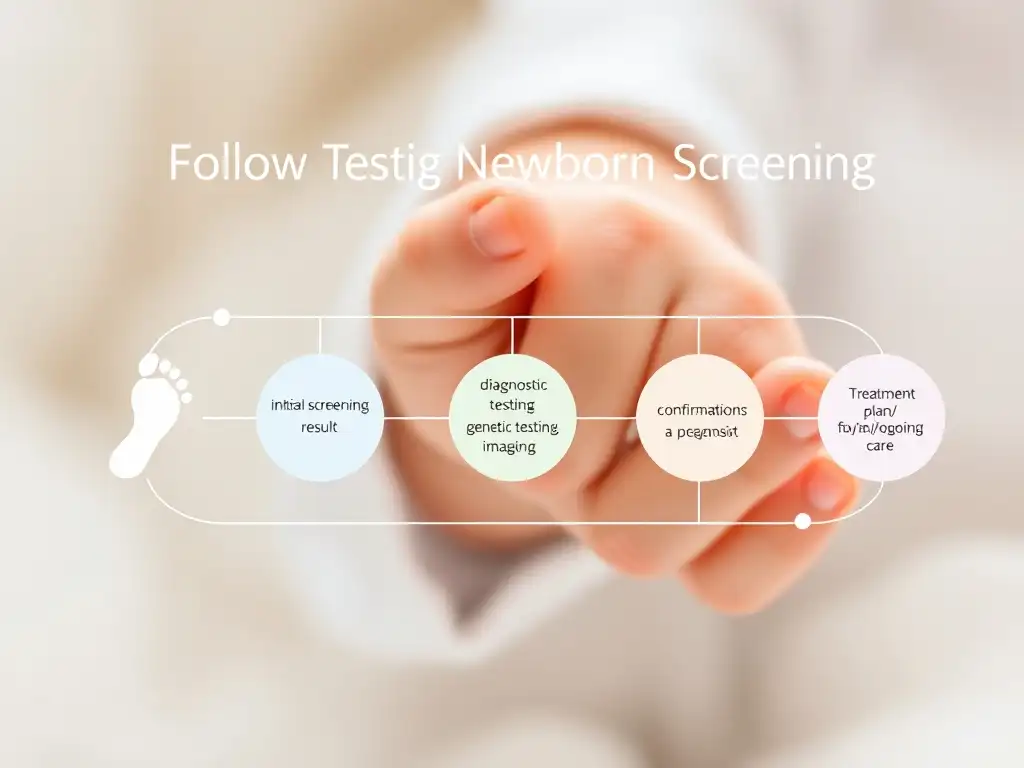
Following the initial newborn screening test, some babies may require further investigation. This is perfectly normal and doesn't automatically indicate a serious problem. Many babies have initial screening results that fall within a "gray area," prompting additional testing to clarify the results. These follow-up tests are crucial for obtaining a definitive diagnosis. They might involve repeat screenings using a different method, or more specialized tests like blood tests, genetic tests, or imaging scans such as ultrasounds or MRIs. The specifics depend entirely on the initial screening results and the suspected condition.
For instance, if the initial screening suggests a potential metabolic disorder, a more detailed metabolic panel might be ordered. This panel analyzes various substances in the baby's blood to pinpoint the exact nature of the metabolic imbalance. Similarly, if a hearing screening shows an abnormality, an audiologist will conduct a more comprehensive hearing evaluation to assess the extent of the hearing loss and determine the best course of action.
The process can sometimes feel overwhelming for new parents, but healthcare professionals are there to guide families through each step, providing clear explanations and answering any questions. Open communication between the parents and the healthcare team is key to navigating this phase effectively. Remember, the goal of follow-up testing is to provide accurate information as quickly as possible to allow for timely intervention if needed.
Step 5: Managing Conditions Detected Through Newborn Screening
The management of conditions identified through newborn screening varies greatly depending on the specific condition. Some conditions require immediate intervention, while others may need monitoring over time. Early detection is critical in all cases, allowing for timely intervention and improving the chances of a positive outcome. For conditions requiring immediate treatment, specialized medical care and potentially hospitalization may be necessary.
This could involve specialized diets, medication, or therapies. For example, a baby diagnosed with phenylketonuria (PKU) will require a strict dietary regimen to manage the condition effectively. Early intervention is crucial to prevent developmental delays and other complications associated with PKU.
For other conditions detected through newborn screening, the management might involve regular monitoring and follow-up appointments. This allows healthcare professionals to track the baby's progress and adjust treatment plans as needed. Genetic counseling may also be recommended to help parents understand the condition's inheritance pattern and implications for future pregnancies.
Parents should actively participate in the management of their baby's condition, learning as much as possible about the specific condition and working closely with the healthcare team to develop a comprehensive care plan. Support groups and online communities can also be invaluable resources for connecting with other families facing similar challenges and sharing experiences. Remember, you are not alone in this journey.
A strong support system and proactive engagement with the healthcare team are vital for managing any condition detected through newborn screening. The long-term prognosis varies greatly depending on the condition and the effectiveness of the intervention, but early detection significantly improves the overall outcome for many babies.
Common Conditions Detected Through Newborn Screening
Newborn screening tests are crucial for early detection of rare but serious conditions that, if left untreated, can cause significant developmental delays or even death. These tests are typically performed within 24 to 48 hours after birth and involve a simple heel prick to collect a small blood sample. The results provide parents and healthcare professionals with valuable information to initiate timely intervention. This section will delve into some of the most common conditions detected through newborn screening. Understanding these conditions is a key part of the "newborn screening test explained" process.
Phenylketonuria (PKU) Explained
Phenylketonuria (PKU) is a rare inherited metabolic disorder that prevents the body from breaking down phenylalanine, an amino acid found in protein-rich foods. The buildup of phenylalanine in the blood can cause serious damage to the brain and nervous system, leading to intellectual disability, seizures, and behavioral problems. Early detection through newborn screening is vital because a special diet low in phenylalanine can prevent or significantly reduce the severity of these complications.
The newborn screening test for PKU measures the level of phenylalanine in the baby's blood. If the level is elevated, further testing is needed to confirm the diagnosis. Early diagnosis allows for immediate implementation of a phenylalanine-restricted diet, typically starting within the first few weeks of life. This diet involves careful monitoring of protein intake and avoiding high-phenylalanine foods like meat, dairy, eggs, and nuts.
Regular blood tests are also necessary to monitor phenylalanine levels and adjust the diet as needed. The diet is usually lifelong but can be modified as the child grows. Successful management of PKU allows affected individuals to lead healthy and productive lives. Proper adherence to the dietary restrictions drastically changes the "newborn screening test explained" outcome for PKU.
Congenital Hypothyroidism Explained
Congenital hypothyroidism (CH), also known as congenital hypothyroidism, is a condition where the thyroid gland doesn't produce enough thyroid hormone. Thyroid hormone is essential for normal brain development and growth. Untreated CH can lead to severe intellectual disability, developmental delays, and other health problems. Newborn screening for CH is extremely important because early diagnosis and treatment with thyroid hormone replacement therapy can prevent these serious consequences.
The newborn screening test for CH measures the level of thyroid-stimulating hormone (TSH) in the baby's blood. Elevated TSH levels indicate that the thyroid gland isn't functioning properly. If the screening test is positive, further tests are conducted to confirm the diagnosis and determine the severity of the hypothyroidism. Treatment typically involves daily administration of thyroid hormone medication, usually levothyroxine.
Regular monitoring of TSH and other thyroid hormone levels is crucial to ensure that the dosage is appropriate and the condition is well-managed. Early intervention with levothyroxine can prevent developmental delays, ensuring the child develops normally. Understanding this process is critical when a parent hears "newborn screening test explained".
Galactosemia Explained
Galactosemia is a group of inherited metabolic disorders that affect the body's ability to process galactose, a type of sugar found in milk and other dairy products. Without proper treatment, the buildup of galactose in the blood can cause liver damage, cataracts, intellectual disability, and even death. Newborn screening for galactosemia is crucial because early diagnosis allows for prompt dietary intervention to prevent these serious health problems.
The newborn screening test for galactosemia measures the levels of certain enzymes involved in galactose metabolism. If the test results are abnormal, further testing is needed to confirm the diagnosis and determine the specific type of galactosemia. Treatment involves a galactose-free diet, which means completely eliminating milk and dairy products from the baby's diet. This diet must be strictly followed throughout life to prevent complications.
Regular monitoring of blood glucose and liver function is also essential. Understanding the intricacies of galactosemia is another important part of having the "newborn screening test explained" clearly. The dietary changes needed are significant, and early diagnosis is key for a positive outcome.
Sickle Cell Disease Explained
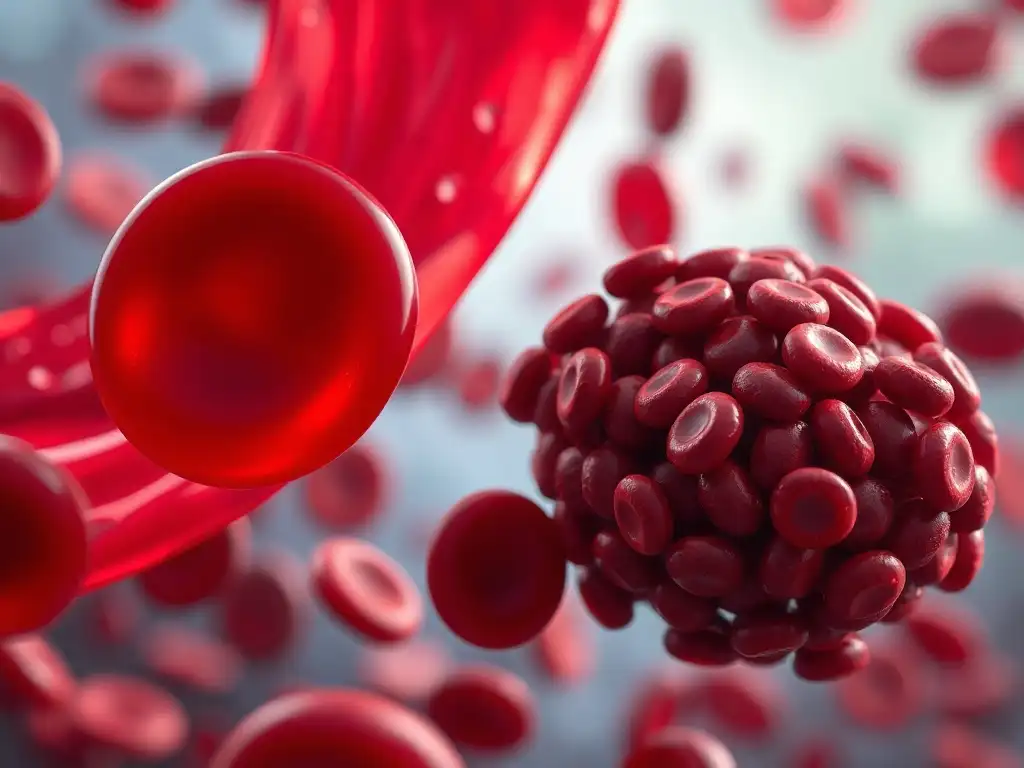
Sickle cell disease (SCD) is a group of inherited red blood cell disorders. Normal red blood cells are round and flexible, moving easily through blood vessels. In individuals with SCD, the red blood cells are shaped like sickles or crescent moons. These abnormally shaped cells are rigid and sticky, and they tend to clump together, blocking blood flow in the blood vessels. This blockage can cause pain, organ damage, and other serious complications. The severity of SCD varies greatly depending on the specific type of mutation inherited. Some individuals experience mild symptoms, while others face life-threatening crises.
Early detection through newborn screening is crucial because early intervention can significantly improve a child's quality of life. Treatment options include regular blood transfusions, medications to prevent infections and pain, and in some cases, bone marrow transplantation. Newborn screening for SCD typically involves a simple blood test that analyzes hemoglobin, the protein in red blood cells that carries oxygen. A positive screening result requires further testing to confirm the diagnosis and determine the severity of the disease.
Parents of children diagnosed with SCD need access to specialized medical care and ongoing support to manage the condition effectively. The earlier the diagnosis, the sooner treatment can begin, minimizing long-term complications and improving the child's chances of a healthy life. Regular check-ups and adherence to the prescribed treatment plan are essential for managing SCD effectively.
Cystic Fibrosis Explained
Cystic fibrosis (CF) is an inherited disorder that affects the mucus-producing glands of the lungs, pancreas, liver, and other organs. In individuals with CF, a defective gene causes the body to produce abnormally thick and sticky mucus. This mucus can clog the airways in the lungs, leading to recurrent lung infections, and it can also block the ducts in the pancreas, preventing the proper digestion and absorption of nutrients.
The symptoms of CF can vary widely, but common signs include persistent coughing, wheezing, shortness of breath, and frequent lung infections. Malnutrition and poor growth are also common due to pancreatic insufficiency.
Newborn screening for CF is essential because early diagnosis and treatment can significantly improve a child's life expectancy and overall health. Treatment involves various therapies aimed at clearing the airways, preventing infections, and managing nutritional deficiencies. These may include chest physiotherapy, medications to thin the mucus, enzyme supplements to aid digestion, and antibiotics to treat infections. Early intervention is critical to prevent or delay the development of severe lung damage and other complications.
The newborn screening test for CF typically measures the level of immunoreactive trypsinogen (IRT) in the blood. Elevated IRT levels indicate a possible need for further testing to confirm the diagnosis. A positive screening result should lead to prompt referral to a specialist for comprehensive evaluation and management. Regular monitoring and adherence to the treatment regimen are crucial for long-term health management in children with CF.
Other Rare Genetic Conditions Detected Through Newborn Screening
Newborn screening programs vary by region, but many screen for a wide range of rare genetic conditions beyond sickle cell disease and cystic fibrosis. These conditions often involve metabolic disorders, where the body cannot properly process certain substances.
Examples include phenylketonuria (PKU), a condition where the body cannot break down phenylalanine, an amino acid found in protein; galactosemia, an inability to process galactose, a type of sugar; and congenital hypothyroidism, a condition where the thyroid gland doesn't produce enough thyroid hormone. Early detection of these metabolic disorders is critical, as they can lead to severe developmental delays or even death if left untreated.
Other genetic conditions included in many newborn screening panels involve inherited disorders affecting different bodily systems. Some examples include biotinidase deficiency, affecting the metabolism of biotin; homocystinuria, affecting the metabolism of methionine; and maple syrup urine disease (MSUD), affecting the breakdown of branched-chain amino acids. The specific conditions screened for vary depending on the resources and prevalence of particular disorders in a given region.
It is important for parents to understand the conditions included in their state or region's newborn screening program and to discuss any concerns with their healthcare provider. The goal of expanded newborn screening is to identify and treat these rare conditions as early as possible, improving outcomes and quality of life for affected infants. Further research and advancements in genetic screening technology continue to expand the scope of newborn screening, allowing for the detection of an increasing number of rare conditions.
Interpreting Newborn Screening Results and Next Steps
Newborn screening tests are designed to detect rare but serious conditions early, allowing for timely intervention and improved outcomes. Understanding the results is crucial for parents. The results are usually categorized as positive, negative, or indeterminate. A negative result indicates that the test did not detect any of the screened conditions within the detectable range. This is, of course, excellent news! However, it's important to remember that even a negative result doesn't guarantee your baby is completely free from all possible conditions; some rare diseases may not be detectable through newborn screening.
A positive result means the test detected a level of a specific substance that falls outside the normal range and may indicate the presence of a particular condition. It's crucial to understand that a positive result does not automatically confirm a diagnosis. It simply flags the need for further investigation and testing to confirm or rule out a specific condition. The level of the detected substance is also crucial. A slightly elevated level might require further observation, while a significantly elevated level may necessitate more urgent action.
Finally, an indeterminate result means the test results are unclear or inconclusive, possibly due to factors like insufficient sample volume or interference from other substances. In such cases, a repeat test is usually recommended. The process can be anxiety-inducing, but remember that healthcare providers are there to guide you through each step.
Understanding Positive and Negative Results
Let's delve deeper into understanding the nuances of positive and negative results. A negative result, while reassuring, should be discussed with your pediatrician. They can offer personalized advice based on your baby's overall health and development. Remember, consistent monitoring is key, even with a negative screening result. Regular checkups will help catch any potential issues early.
A positive result requires a more careful approach. The healthcare provider will explain the specific condition potentially indicated by the positive result and the next steps involved in confirming or ruling out the diagnosis. This might involve additional tests, possibly specialized consultations with geneticists or other specialists. The urgency of follow-up depends on the specific condition and the level of the detected substance.
Some conditions require immediate attention, while others allow for a more measured approach. The process can feel overwhelming, but remember that your healthcare team is your ally in navigating this journey. They will provide support and guidance throughout the diagnostic process.
What to Do if Your Baby's Newborn Screening Results are Abnormal
Receiving an abnormal newborn screening result can be distressing. It's natural to feel anxious and overwhelmed. However, it's important to remain calm and focus on gathering information and seeking appropriate medical advice. Here's a step-by-step guide:
- Contact your pediatrician immediately: Don't hesitate to reach out; they are your primary point of contact and will guide you through the next steps.
- Gather your questions: Write down your questions and concerns beforehand to ensure you don't forget anything during your conversation with the doctor.
- Understand the specific condition: Ask your doctor for clear explanations about the potential condition, its severity, and the implications for your baby.
- Follow the recommended testing and treatment plan: Your doctor will outline a plan of action, which may include additional tests, specialist consultations, or treatment options. Adhere to this plan meticulously.
- Seek support: Connect with support groups or other parents who have navigated similar situations. Sharing experiences and finding emotional support can be invaluable during this challenging time. Remember you are not alone.
Seeking Medical Advice and Specialist Consultations
Following an abnormal newborn screening result, you might need to consult specialists depending on the suspected condition. This could involve geneticists, metabolic specialists, cardiologists, or other specialists depending on the specific needs of your baby. These specialists possess the expertise to conduct thorough evaluations, order specialized tests, and offer personalized treatment plans. The process may involve multiple appointments and tests, requiring patience and perseverance. Keep detailed records of all appointments, test results, and treatment plans.
This will facilitate clear communication with your healthcare providers and ensure continuity of care. The goal is to obtain a definitive diagnosis and implement appropriate management strategies to ensure your baby's optimal well-being. Remember, proactive and informed decision-making is crucial throughout this process. Don't hesitate to ask questions and advocate for your child's best interests. The journey may be challenging, but with the right support and guidance, you can navigate it effectively.
Long-Term Management and Support for Conditions Detected Through Newborn Screening
Receiving a positive newborn screening result can be understandably alarming for parents. However, it's crucial to remember that early detection significantly improves the chances of effective management and a better quality of life for the child. The next steps involve a detailed follow-up with a specialist, often a geneticist or a specialist in the specific condition identified. This follow-up will involve further testing to confirm the diagnosis and determine the severity of the condition. The specialist will work with the family to develop a comprehensive management plan tailored to the child's individual needs.
This plan may include regular check-ups, specialized therapies (such as physical therapy, occupational therapy, or speech therapy), medication, dietary modifications, and ongoing monitoring of the child's health. The frequency and intensity of these interventions will vary depending on the specific condition and its severity. For instance, a child diagnosed with phenylketonuria (PKU) will require a lifelong adherence to a special diet low in phenylalanine, while a child with congenital hypothyroidism will need regular thyroid hormone replacement therapy. The long-term management often involves a multidisciplinary team approach, with specialists from various fields collaborating to provide the best possible care.
Support systems are incredibly important for families navigating the challenges of a child with a condition detected through newborn screening. Many organizations offer resources, including educational materials, support groups, and connections to other families facing similar situations. These support networks provide emotional support, practical advice, and a sense of community, helping families cope with the emotional toll and navigate the complexities of long-term care.
Early intervention programs are also crucial, ensuring that children receive the necessary therapies and support as early as possible to maximize their developmental potential. These programs often involve close collaboration between healthcare professionals, educators, and families. Remember, you are not alone in this journey, and accessing available resources is a vital part of successful long-term management.
Accessing these support systems can significantly improve the family's ability to cope and provide the best possible care for their child. The ongoing support and proactive management are key to ensuring the child thrives and reaches their full potential.
Addressing Parental Concerns About Newborn Screening
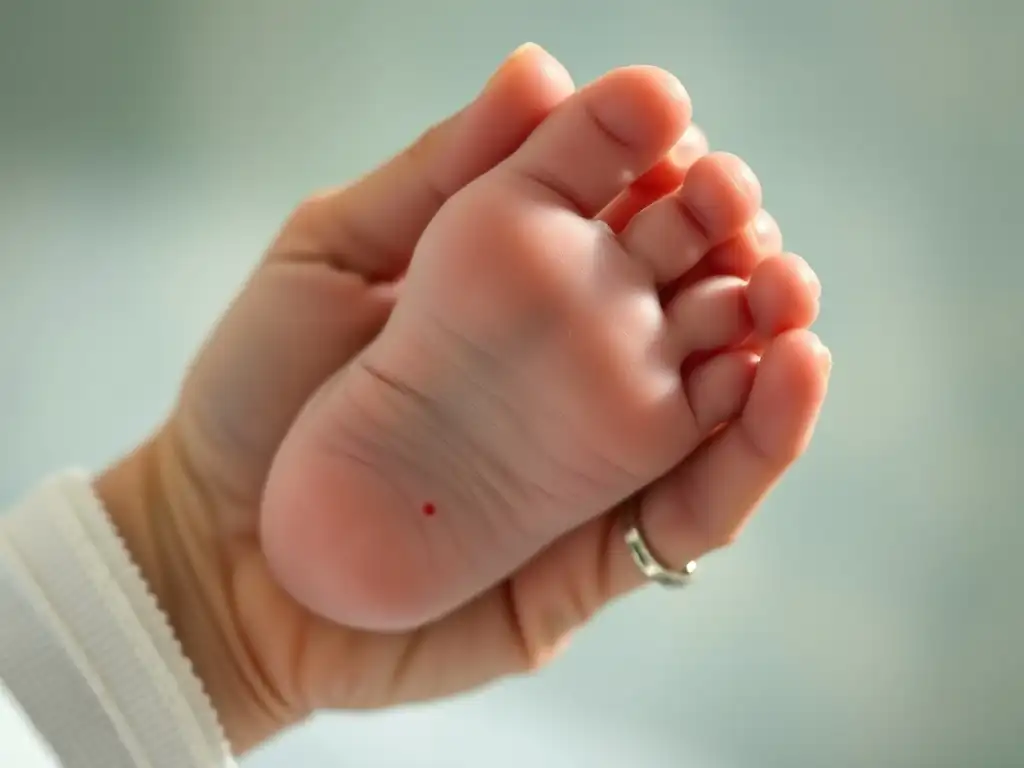
Becoming a parent is a joyous occasion, but it also brings a wave of anxieties and uncertainties. Newborn screening, while crucial for a baby's health, often sparks apprehension among first-time parents. This section aims to address those concerns directly, providing reassurance and clarifying common misconceptions surrounding this vital process. Understanding the "newborn screening test explained" in simple terms is paramount to alleviate parental stress. The goal is to empower parents with knowledge, enabling them to actively participate in their child's healthcare journey. We'll explore the most prevalent worries and provide evidence-based answers to foster trust and confidence.
Addressing Common Fears and Misconceptions About Newborn Screening
Many parents harbor anxieties about the newborn screening process. One common fear revolves around the potential for pain or discomfort during the procedure. The reality is that the test involves a simple heel prick, similar to a routine vaccination, and the discomfort is minimal and temporary. Furthermore, the benefits of early detection far outweigh the brief discomfort.
Another prevalent misconception is that the screening tests are invasive or risky. The tests themselves are non-invasive, involving only a small blood sample. The risk of complications is extremely low, and the potential benefits of early diagnosis significantly outweigh any minimal risks. Many parents worry about receiving false positive results, leading to unnecessary stress and further testing. While false positives can occur, they are relatively infrequent, and follow-up tests are designed to confirm or rule out any potential issues. It's important to remember that the screening process is designed to identify potential problems, not definitively diagnose conditions.
Finally, some parents express concern about the emotional impact of receiving a positive screening result. This is understandably a stressful situation, but support systems are in place to help families navigate these challenges. Genetic counselors and medical professionals are available to provide guidance, support, and explain the implications of the results. Remember, a positive screening result does not necessarily mean a life-threatening condition; it simply means further investigation is needed.
The Benefits of Early Intervention and Treatment
Early detection through newborn screening is pivotal in improving health outcomes for babies with rare conditions. Many conditions identified through screening, if left untreated, can lead to severe disabilities or even death. Early intervention allows for prompt treatment, often preventing or mitigating the long-term effects of these conditions.
Consider phenylketonuria (PKU), a metabolic disorder that, if undetected, can cause irreversible brain damage. Early detection allows for immediate dietary changes, preventing the development of intellectual disability and other serious health problems. Similarly, congenital hypothyroidism, if left untreated, can lead to severe developmental delays and intellectual disability. Early intervention with hormone replacement therapy can prevent these debilitating consequences.
The benefits extend beyond individual health outcomes. Early diagnosis also allows for better family planning and reduces long-term healthcare costs. Prompt intervention can significantly improve a child's quality of life, allowing them to thrive and reach their full potential. The positive impact extends to the entire family, providing peace of mind and enabling them to focus on nurturing their child's development. The "newborn screening test explained" becomes far more meaningful when viewed through the lens of these significant benefits.
The Role of Parents in the Newborn Screening Process
Parents play a crucial role in the newborn screening process. Their active participation ensures the test is performed correctly and that any necessary follow-up care is promptly addressed. It is essential for parents to understand the purpose of the screening, the procedure involved, and the implications of the results.
Parents should ask questions and seek clarification from healthcare professionals if they have any concerns or uncertainties. Open communication with doctors and nurses is vital to ensure a smooth and informative process. Parents should also be actively involved in making informed decisions regarding any follow-up testing or treatment recommended based on the screening results.
Furthermore, parents should keep accurate records of their child's screening results and any subsequent tests or treatments. This detailed record will be invaluable in the child's ongoing healthcare journey and will facilitate effective communication with healthcare providers. Active parental engagement in the newborn screening process empowers families and contributes to better health outcomes for their babies. This participatory approach underscores the importance of transparency and collaboration in ensuring optimal care for newborns.
Resources and Further Information on Newborn Screening Tests
This section provides valuable resources to help you understand newborn screening tests and navigate the process effectively. Finding reliable information and support is crucial for parents, especially when dealing with the potential diagnosis of a rare condition. We aim to equip you with the tools to confidently approach this important aspect of your baby's healthcare. Remember, this information is for educational purposes and should not replace professional medical advice. Always consult your pediatrician or healthcare provider with any concerns.
Reliable Websites and Organizations Providing Information on Newborn Screening
Navigating the world of newborn screening can feel overwhelming. Finding trustworthy information is paramount. Here are some reputable sources offering detailed explanations and reliable data regarding newborn screening tests:
- Your State's Department of Health: Each state maintains its own newborn screening program with specific details on the tests performed, conditions screened for, and follow-up procedures. These websites often include FAQs, pamphlets, and contact information for specialists. This is the primary source for accurate, localized information.
- The American Academy of Pediatrics (AAP): The AAP provides evidence-based guidelines and resources on various aspects of child health, including newborn screening. They offer information for both parents and healthcare professionals, ensuring clarity and accuracy.
- The March of Dimes: This organization focuses on preventing birth defects, premature birth, and infant mortality. Their website includes information on newborn screening, aiming to empower parents with knowledge and support.
- National Institutes of Health (NIH): The NIH offers comprehensive information on rare diseases and genetic conditions, often providing details on the genetic basis of conditions detected via newborn screening. They are a valuable resource for in-depth understanding.
The information provided by these organizations is regularly updated to reflect the latest advancements in newborn screening technology and procedures. It's important to consult multiple sources to gain a comprehensive understanding. Remember to always cross-reference information and seek professional medical advice when necessary.
Support Groups and Communities for Parents of Children with Rare Conditions
Receiving a diagnosis following a newborn screening test can be emotionally challenging. Connecting with other parents who have navigated similar experiences provides invaluable support and understanding. Here are some avenues to explore:
- Parent-to-Parent Support Organizations: Numerous organizations cater specifically to parents of children with rare genetic conditions. These groups offer peer support, shared experiences, and practical advice. Many are condition-specific, offering a focused community for parents facing similar challenges. Finding a relevant group depends on the specific condition diagnosed.
- Online Forums and Communities: Online platforms offer a space for parents to connect, share information, and support one another. These forums can provide a sense of community and a place to ask questions and share experiences anonymously, if preferred. However, it is crucial to remember that information found online should always be validated with healthcare professionals. Always prioritize verified medical advice over anecdotal experiences.
- Local Support Groups: Connecting with a local support group provides the benefit of in-person interaction and the opportunity to build relationships with families in your community. These groups often organize events and activities, offering valuable social support beyond online interactions. Check with your local hospital or healthcare provider for information on local support groups.
Remember, you are not alone. Seeking support from other parents and professionals is a crucial part of navigating the challenges associated with a newborn screening diagnosis. These resources can help you access the emotional, informational, and practical support you need during this time. The journey may be challenging, but finding the right support system can make a significant difference.
Frequently Asked Questions
What is newborn screening?
Newborn screening is a simple blood test performed on babies shortly after birth. It screens for a range of rare genetic and metabolic disorders that may not show symptoms immediately. Early detection allows for timely intervention and treatment.
Why is newborn screening important?
Early detection through newborn screening is crucial because many of these conditions can cause serious health problems or even death if left untreated. Early intervention significantly improves the baby's long-term health and development.
What conditions are screened for?
The specific conditions screened vary by state and country, but common examples include phenylketonuria (PKU), hypothyroidism, and sickle cell anemia. The test aims to identify conditions treatable with early intervention.
How is the newborn screening test performed?
The test involves a simple heel prick to collect a small blood sample. The sample is then sent to a laboratory for analysis. The procedure is generally painless and quick.
What happens if my baby's screening test results are abnormal?
An abnormal result doesn't necessarily mean your baby has a condition. Further testing will be required to confirm the diagnosis. Your doctor will discuss the results and next steps with you.
Final Reflection: The Enduring Legacy of Newborn Screening
The early detection of rare conditions through newborn screening is not merely a medical procedure; it's a lifeline, a testament to our capacity for proactive care and a powerful symbol of hope for countless families. The advancements in this field, detailed throughout this article, continue to transform the landscape of pediatric healthcare, offering a brighter future for infants born with previously undetectable conditions. This proactive approach is saving lives and improving the quality of life for children and their families worldwide.
The impact of newborn screening extends far beyond the immediate medical benefits. It underscores the societal commitment to protecting the most vulnerable members of our community. It's a powerful demonstration of how medical science can be harnessed for the greater good, fostering a sense of collective responsibility and shared hope. As we move forward, the ethical considerations and ongoing research surrounding this technology remain paramount. The best way to predict the future is to create it,
and newborn screening is a shining example of humanity actively shaping a healthier tomorrow.
Consider the profound implications of this technology. You, as a parent or future parent, now have access to information that can significantly impact the health and well-being of your child. Take the time to understand the process, ask questions, and advocate for your child's right to the best possible start in life. Embrace the power of early detection, and let it inspire you to continue learning and engaging with the advancements in pediatric care. The future of newborn screening holds immense potential, and your active participation is crucial in shaping its positive trajectory.
Unlock Your Baby's Health Potential: Take Action Today
Thank you for learning about the importance of newborn screening. You've gained valuable knowledge to protect your child's future. Now, let's put this knowledge into action!
- Schedule your baby's newborn screening appointment right away. Early detection of potential health conditions allows for timely intervention and optimal development.
- Share this vital information with expectant parents you know; it will give them invaluable peace of mind.
- Consider exploring comprehensive resources on infant health for more information. Many organizations offer detailed guides and support.
What will you do next to safeguard your baby's health and well-being?