
Newborn Screening: The Crucial First Days of Your Baby's Life


Welcome to BabyCareHub, your ultimate guide to navigating the incredible journey of parenthood. Stepping into the world of newborns can feel overwhelming, but we're here to provide the step-by-step support you need. We understand the importance of making informed decisions, especially when it comes to your little one's health. That's why we're starting with something crucial: understanding the importance of newborn screening tests. Discover why these early checks are vital in ensuring your baby's bright future – read on to learn more about this critical aspect of newborn care.
- Understanding the Importance of Newborn Screening Tests
- The Newborn Screening Process: What to Expect
- Common Newborn Screening Tests Explained
- What Happens if a Newborn Screening Test Shows Abnormal Results?
- Ensuring Accurate Newborn Screening Results
- Newborn Screening: Protecting Your Baby's Future
- Frequently Asked Questions
- Final Reflection: The Enduring Legacy of Newborn Screening
- Unlock Your Baby's Health Journey: Take the Next Step
Understanding the Importance of Newborn Screening Tests
The arrival of your newborn baby is a joyous occasion, filled with love, excitement, and… a touch of overwhelming uncertainty. Navigating the world of newborn care can feel like learning a new language, and understanding the intricacies of newborn health is paramount. This article focuses on the crucial role of newborn screening tests, emphasizing their importance in ensuring your baby's healthy start.
We'll explore what these tests entail, why early intervention is so vital, and the profound benefits of early detection. Understanding the significance of newborn screening is a critical step in becoming a confident and informed parent, empowering you to advocate for your baby's well-being from day one.
This guide will equip you with the knowledge to confidently discuss newborn screening with your healthcare provider and understand the results, ensuring you're well-prepared for this essential aspect of your baby's journey. The information presented here will help you understand the importance of newborn screening tests – a vital component of ensuring your little one thrives.
What are Newborn Screening Tests?
Newborn screening tests are a series of simple procedures performed shortly after birth to detect potential health problems in babies before symptoms appear. These tests are typically conducted within 24 to 48 hours after delivery, using a small blood sample collected from a heel prick. The blood sample is then analyzed for various metabolic disorders, genetic conditions, and other health issues that, if left untreated, could lead to serious complications or even death.
The specific tests included in newborn screening panels vary by state and country, but they commonly screen for conditions like phenylketonuria (PKU), hypothyroidism, cystic fibrosis, and sickle cell disease. It's crucial to understand that these tests are not diagnostic; a positive screening result simply indicates the need for further investigation and confirmation through additional testing. Think of newborn screening as a vital first step in a proactive approach to your baby's health.
The goal is to identify potential problems early, when treatment is most effective. 👶
Why Newborn Screening is Crucial for Early Intervention
Early detection is key when it comes to many newborn health conditions. Many conditions identified through newborn screening are treatable, but early intervention is critical to minimize long-term health consequences. Delaying treatment can lead to irreversible damage, impacting your baby's development and quality of life. For example, untreated PKU can cause severe intellectual disability, while untreated hypothyroidism can lead to developmental delays and growth problems.
Newborn screening allows for prompt diagnosis and treatment, preventing these potentially devastating outcomes. The sooner a condition is identified and addressed, the better the chances of a positive outcome. This proactive approach is the cornerstone of responsible newborn care and highlights the undeniable importance of newborn screening tests for protecting your child's future.
The Benefits of Early Detection Through Newborn Screening Tests
The benefits of early detection through newborn screening are far-reaching and profound. Early diagnosis allows for immediate intervention, preventing or minimizing long-term health problems. This includes preventing developmental delays, intellectual disabilities, and other serious health complications.
Furthermore, early treatment can improve your baby's overall quality of life, enabling them to reach their full potential. Beyond the immediate health benefits, early detection provides parents with peace of mind, allowing them to focus on nurturing their child's growth and development without the added stress and anxiety of unknown health issues. Early intervention also allows for better long-term management of chronic conditions, ensuring your baby receives the ongoing care they need to thrive.
The emotional benefits for parents are significant, reducing stress and uncertainty during a vulnerable time. The overall impact of newborn screening on a baby's health and well-being is immeasurable. It's a simple yet powerful tool that plays a crucial role in ensuring a healthy start for every newborn.
Types of Newborn Screening Tests Performed
Newborn screening tests vary slightly depending on the region and specific health concerns prevalent in that area. However, most programs include a core panel of tests designed to detect serious, but often treatable, conditions early in a baby's life. These conditions, if left undiagnosed, can lead to significant developmental delays or even death. The specific tests included will be explained by your healthcare provider, and it is crucial to understand what each test entails.
One common category of tests focuses on metabolic disorders. These are conditions affecting how the body processes nutrients. For example, phenylketonuria (PKU) is a test frequently included, screening for a genetic condition where the body can't break down phenylalanine, an amino acid found in proteins. Untreated PKU can cause severe intellectual disability. Other metabolic disorders screened for often include galactosemia (inability to digest galactose, a sugar found in milk) and hypothyroidism (an underactive thyroid gland). These tests are typically performed using a small blood sample obtained via a heel prick.
Another crucial area of newborn screening involves hearing. Hearing loss, if identified early, allows for timely intervention with therapies and assistive technologies, improving a child's development significantly. These tests usually involve observing a baby's response to sounds or using specialized equipment to assess auditory function. Early detection of hearing loss dramatically improves a child's chances of achieving normal speech and language development.
Furthermore, many newborn screening panels include tests for blood disorders like sickle cell anemia and cystic fibrosis. Sickle cell anemia affects the shape of red blood cells, leading to various health problems. Cystic fibrosis is a genetic disorder impacting the lungs and digestive system. Early detection of these conditions allows for proactive management of symptoms and interventions to improve a child's quality of life. The specific tests used to detect these conditions often involve analyzing the baby's blood sample for specific markers.
Finally, some programs are expanding their newborn screening panels to include tests for other genetic conditions and disorders. The specific conditions included are constantly evolving as medical knowledge advances and new screening technologies become available. It’s always best to discuss the specific tests included in your region's newborn screening program with your healthcare provider to ensure you fully understand the procedures and implications. Remember, the goal of newborn screening is early detection and intervention—giving your child the best possible start in life. The importance of this early detection cannot be overstated in terms of long-term health and development outcomes.
The Newborn Screening Process: What to Expect

The newborn screening process is a crucial step in ensuring your baby's healthy start. Understanding what to expect can alleviate anxiety and empower you to actively participate in your little one's care. The importance of newborn screening tests cannot be overstated; they are designed to detect potentially serious conditions early, even before symptoms appear, allowing for timely intervention and improving long-term outcomes.
This section delves into the details of the process, from scheduling to results. The goal is to equip you with the knowledge to confidently navigate this vital stage of your baby's life. Remember, early detection is key to successful treatment for many conditions identified through newborn screening.
Timing of Newborn Screening: When and Where
Newborn screening typically occurs between 24 and 72 hours after birth, although the precise timing may vary slightly depending on your hospital or birthing center's protocols. This timeframe is crucial because many conditions identified by newborn screening tests are best addressed early in life. The test is usually conducted before your baby is discharged from the hospital, ensuring the sample is collected and tested swiftly.
In some situations, such as premature births or babies requiring extended hospital stays due to health complications, the screening might be delayed slightly. However, healthcare professionals will closely monitor the situation and perform the test as soon as your baby is stable enough. The actual location of the screening varies – it's often performed right in your baby's hospital room by a qualified healthcare professional.
In rare instances, if your baby is transferred to another facility, the screening will be performed at the new location. The key takeaway is to discuss the timing and location of your baby's newborn screening with your healthcare provider to ensure a smooth and efficient process. The promptness of this vital test underscores its importance in safeguarding your baby's well-being.
Preparing Your Baby for Newborn Screening: A Parent's Guide
Preparing your baby for newborn screening is straightforward. There's no special diet or preparation required, which is reassuring for new parents already navigating many changes. The procedure itself is quick and relatively painless. Your baby will likely be asleep or in a calm state during the sample collection. The healthcare professional will explain the process clearly, answering any questions you may have.
Your involvement might be as simple as holding your baby gently to keep them comfortable. The key is to remain calm and relaxed, as this will help keep your baby calm. This positive and supportive environment ensures a smooth screening experience. Remember to communicate any concerns you might have to the healthcare professional, ensuring you are fully informed and comfortable with the process. This collaborative approach highlights the importance of parental involvement in your baby's care from the very beginning.
The Procedure: Collecting the Sample and the Test Itself
The sample for newborn screening is typically collected via a heel prick. A small lancet is used to prick your baby's heel, and a few drops of blood are collected onto a special filter paper card. This is a quick procedure, generally causing minimal discomfort. Your baby might cry briefly, but the discomfort is usually short-lived.
Afterward, the area is cleaned and bandaged. The blood sample is then sent to a specialized laboratory for analysis. The testing process itself involves sophisticated laboratory techniques to detect specific markers associated with various genetic and metabolic disorders. These tests are designed to identify conditions that might not present symptoms immediately after birth, underscoring the importance of the newborn screening test.
The results are usually available within a few days to a couple of weeks, and your healthcare provider will contact you to discuss the findings. The entire process, from sample collection to result notification, exemplifies the efficient and effective nature of newborn screening programs, contributing significantly to the early detection and treatment of critical conditions. The speed and accuracy of the testing are key factors in the importance of newborn screening for your baby's future health.
Understanding the Results: Interpreting Your Baby's Screening Report
Receiving your baby's newborn screening results can be a nerve-wracking experience. The report itself might seem filled with medical jargon, making it difficult to understand what it all means. It's crucial to remember that a positive screening result doesn't automatically mean your baby has a condition. Many screenings are designed to detect the possibility of a condition, triggering further, more definitive testing. Think of it as a preliminary check-up, a first step in ensuring your baby's health.
The report will typically list several conditions screened for, along with a result for each: "Negative," "Positive," or "Equivocal." A negative result means the test didn't detect the condition. A positive result suggests the presence of the condition, but requires further investigation. An equivocal or "borderline" result is inconclusive and warrants follow-up testing. It's important to not panic if you see a positive or equivocal result; these results often necessitate further testing to obtain a clear diagnosis. The healthcare provider will carefully explain the meaning of the results in the context of your baby's overall health.
Understanding the specific conditions screened for is also vital. Different states and countries screen for varying numbers of conditions, ranging from easily treatable issues to more complex ones. Your healthcare provider will be able to explain which conditions were tested for in your baby’s screening and the implications of the results. Don't hesitate to ask questions if anything is unclear. The goal is to ensure you completely understand the report and the next steps, if any, in your baby's care.
Many parents find it helpful to have a trusted friend or family member present when receiving and discussing the results. Having someone else there can help alleviate stress and ensure you remember all the information discussed. Remember, your healthcare provider is there to support you and answer any questions you may have. They will guide you through the process and provide the necessary support to ensure your baby receives the best possible care.
The initial screening is just one piece of the puzzle in your baby's overall health journey. The importance of newborn screening lies not just in the test itself, but in the follow-up care and the peace of mind it provides. The process is designed to help identify potential problems early, allowing for timely intervention and potentially life-saving treatment.
Common Newborn Screening Tests Explained
This section delves into the specifics of common newborn screening tests, highlighting their importance in ensuring your baby's healthy start. Understanding these tests empowers you to advocate for your child's well-being and to address any potential health concerns early. Remember, early detection is key in managing many conditions effectively. The importance of newborn screening tests cannot be overstated; they are a crucial component of preventative healthcare for your little one.
Hearing Screening Test for Newborns
Hearing screening is a vital part of newborn care. It's a quick and painless test that typically occurs within the first few days after birth, sometimes even before you leave the hospital. The test itself usually involves placing small sensors near your baby's ears to measure the response to different sounds. This helps detect any hearing loss or impairment.
Why is early detection so crucial? Hearing loss, if left undiagnosed, can significantly impact a baby's speech and language development. Early intervention, such as hearing aids or speech therapy, can make a tremendous difference in a child's life, allowing them to develop communication skills on par with their hearing peers. The earlier intervention begins, the better the outcome. Many hospitals now offer follow-up appointments for babies who fail the initial hearing screen, ensuring prompt attention to any potential issues. This proactive approach underscores the importance of newborn hearing screening.
Metabolic Disorders Screening in Newborns
Newborn metabolic screening tests check for a range of inherited metabolic disorders. These disorders affect how the body processes nutrients, and if undetected, can lead to serious health problems, even death. The test itself involves a simple heel prick to collect a small blood sample, usually performed after your baby is 24 hours old. The sample is then sent to a laboratory for analysis.
These tests can detect a wide variety of disorders, including phenylketonuria (PKU), hypothyroidism, and galactosemia. Each condition requires specific dietary management or medication. The importance of early detection in these cases cannot be overstated. Early diagnosis allows parents and healthcare providers to implement appropriate interventions, preventing serious complications and improving the child's quality of life. For example, early diagnosis of PKU allows for a special diet to be implemented, preventing irreversible brain damage. This highlights the critical role newborn metabolic screening plays in preventing long-term health issues.
Cystic Fibrosis Newborn Screening
Cystic fibrosis (CF) is a genetic disorder that affects the lungs and digestive system. Newborn screening for CF involves a similar process to metabolic screening – a heel prick blood test. This test looks for elevated levels of immunoreactive trypsinogen (IRT), an indicator of CF. A positive result necessitates further testing to confirm the diagnosis.
The importance of early diagnosis of CF lies in the potential for early intervention. While there's no cure for CF, early treatment can significantly improve a child's lung function and quality of life. Early interventions include specialized therapies, medications, and nutritional support.
Early diagnosis and management can help prevent or minimize lung damage and other complications associated with CF, allowing children with CF to live longer, healthier lives. The newborn screening test for CF is a powerful tool in ensuring that children diagnosed with this condition receive the timely care they need. This emphasizes the vital role of newborn screening in managing this chronic condition.
This section provides a deeper understanding of some of the most common newborn screening tests. Remember to always discuss any concerns you have with your pediatrician. The information provided here should not replace professional medical advice. Early detection through these screenings is paramount for your baby's health and well-being. 👶
Other Important Newborn Screening Tests
Beyond the core panel of newborn screening tests, several other crucial screenings might be recommended depending on your baby's individual risk factors, family history, or the prevalence of certain conditions in your geographic area. These tests are equally important in ensuring your baby's long-term health and well-being. The specific tests offered can vary significantly by location and healthcare provider, so it's vital to discuss any concerns with your pediatrician.
One example is hearing screening. This is often performed shortly after birth and is crucial for early detection of hearing loss. Early identification allows for timely intervention, such as fitting hearing aids or beginning speech therapy, significantly improving a child's development and communication skills. Untreated hearing loss can lead to significant delays in speech, language, and social-emotional development. The importance of early intervention in hearing loss cannot be overstated; it can dramatically improve a child's quality of life. The test itself is usually quick and painless, often involving auditory brainstem response (ABR) testing or otoacoustic emissions (OAE) testing.
Another important area is critical congenital heart disease (CCHD) screening. This screening aims to detect heart defects that may not be immediately apparent at birth. Pulse oximetry, a non-invasive method using a sensor placed on the baby's hand and foot, measures oxygen saturation levels. Discrepancies in oxygen levels can indicate a potential heart defect requiring further investigation. Early diagnosis is paramount for CCHD as it allows for prompt medical intervention, which can be life-saving. Many babies with CCHD appear healthy at birth, highlighting the importance of this routine screening.
Furthermore, some regions include tests for specific genetic disorders based on prevalence in the population or family history. These can vary considerably, so it's crucial to discuss specific concerns and family history with your healthcare provider. Genetic screening can identify conditions that might not show symptoms immediately after birth but could have significant long-term implications. Understanding these potential risks allows parents to prepare for any necessary medical care and support. The specific genetic tests offered will depend on the resources available and the prevalence of certain genetic conditions in the region.
Remember, the newborn screening process is a collaborative effort between medical professionals and parents. Open communication and a thorough understanding of the available tests are key to ensuring the best possible health outcomes for your baby. Don't hesitate to ask questions and seek clarification on any aspect of your baby's screening results. The information provided here is for educational purposes and should not substitute for the advice of your pediatrician or healthcare provider. Always consult with your healthcare team for personalized guidance regarding your baby's health.
What Happens if a Newborn Screening Test Shows Abnormal Results?
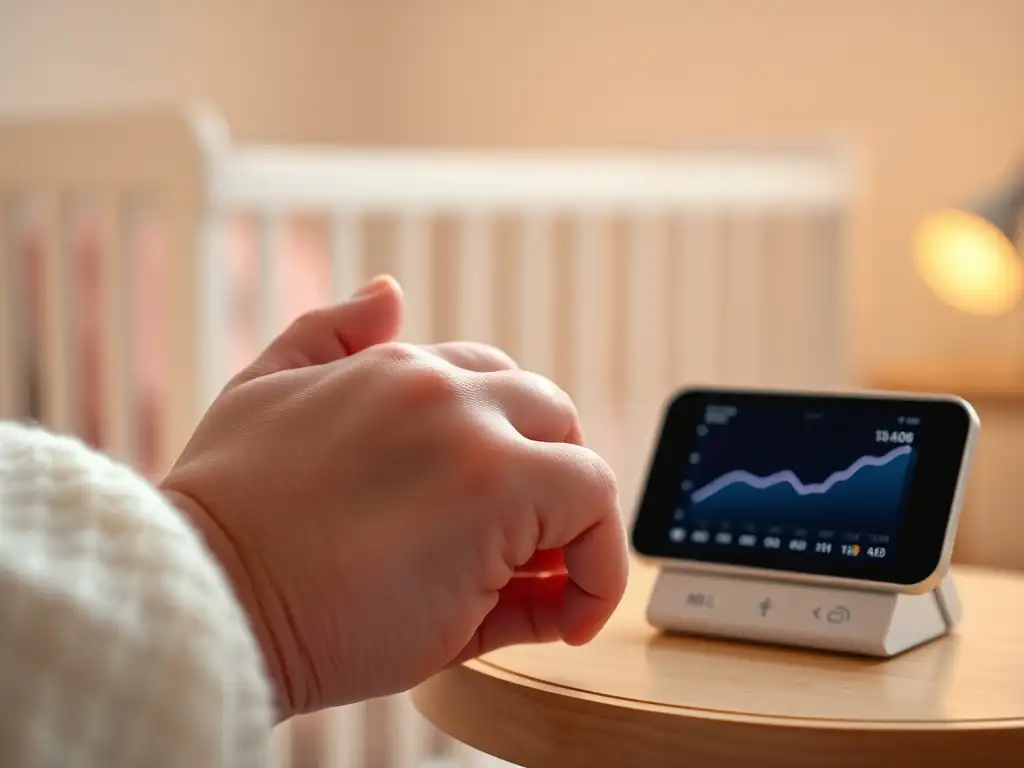
Receiving an abnormal result on a newborn screening test can be incredibly stressful for new parents. It's crucial to understand that an abnormal result doesn't automatically mean your baby has a serious condition. Many factors can lead to an atypical result, including prematurity, the timing of the test, and even the baby's current health state.
The importance of newborn screening lies in its ability to identify potential problems, prompting further investigation. The goal isn't to create alarm, but to initiate timely intervention if needed. The newborn screening test importance is precisely its role as a first step in a potentially longer diagnostic process.
Follow-up Testing and Diagnostic Procedures
An abnormal newborn screening test result triggers a cascade of follow-up actions. The healthcare provider will likely contact the parents to explain the result and schedule additional tests. These follow-up tests may include:
- Repeat Newborn Screening: A simple repeat of the initial test can sometimes resolve discrepancies caused by technical issues or timing.
- More Specific Tests: Depending on the initial screening results, further tests might be ordered. This could involve blood tests, urine tests, genetic analyses, or imaging studies like ultrasounds or X-rays. The specific tests will be tailored to the suspected condition. For example, an abnormal result for phenylketonuria (PKU) would lead to more precise blood tests measuring phenylalanine levels.
- Consultations with Specialists: Depending on the results of the follow-up tests, parents might be referred to specialists such as geneticists, metabolic specialists, or other relevant medical professionals. These specialists possess the expertise to accurately diagnose and manage complex conditions.
The process can feel overwhelming, but having a clear understanding of the next steps can help alleviate some anxiety. Remember, healthcare providers are there to guide parents through this process. Open communication is key, and parents should not hesitate to ask questions and clarify any uncertainties.
Dealing with Uncertain Results: Support for Parents
The period between an abnormal newborn screening test and a definitive diagnosis can be emotionally challenging. Parents may experience a range of feelings, including anxiety, fear, and uncertainty. It's vital for parents to seek support during this time. This support may come from various sources:
- Healthcare Providers: Doctors and nurses are trained to provide emotional support and address parental concerns. They can offer explanations in clear, understandable language and answer questions patiently.
- Support Groups: Connecting with other parents who have gone through similar experiences can be incredibly beneficial. Sharing stories and experiences can foster a sense of community and reduce feelings of isolation. Many online and in-person support groups cater specifically to parents facing challenges with newborn screening results.
- Genetic Counselors: Genetic counselors are healthcare professionals trained to interpret genetic information and provide guidance on complex genetic conditions. They can help families understand the implications of test results and make informed decisions about future care.
- Mental Health Professionals: If the emotional toll becomes too great, seeking support from a therapist or counselor can be crucial. They can provide coping mechanisms and strategies to manage stress and anxiety.
The importance of newborn screening extends beyond just the test itself; it encompasses the comprehensive support system that surrounds it.
Long-Term Management and Care for Positive Screening Results
If a newborn screening test ultimately reveals a positive result for a specific condition, the next step is developing a long-term management plan. This plan will vary significantly depending on the condition diagnosed. Some conditions require lifelong management, while others may only necessitate treatment for a specific period. Crucially, early intervention is often key to improving outcomes. For instance, early diagnosis and dietary management of PKU can prevent serious developmental delays.
Elements of a long-term management plan may include:
- Specialized Diets: Certain conditions necessitate strict dietary restrictions, such as the phenylalanine-restricted diet for PKU.
- Medication: Some conditions are managed with medication, aiming to mitigate symptoms or prevent complications.
- Regular Monitoring: Consistent monitoring of the baby's health and development is essential to track progress and adjust treatment as needed. This often includes regular appointments with specialists.
- Therapy: Physical, occupational, or speech therapy might be necessary to address developmental delays or other challenges.
The long-term management of a condition identified through newborn screening requires ongoing collaboration between parents, healthcare providers, and specialists. Open communication and proactive monitoring are essential to ensure the child's well-being and optimal development. The long-term implications highlight the profound newborn screening test importance in ensuring a healthy start for babies.
The Role of Specialists in Newborn Screening Follow-up
Following an abnormal newborn screening test result, a team of specialists typically becomes involved to provide comprehensive care and determine the next steps. The specific specialists involved will vary depending on the condition indicated by the screening, but often include a geneticist, a metabolic specialist, an endocrinologist, or a neonatologist. These experts possess the specialized knowledge and experience necessary to interpret the results accurately, differentiate between false positives and true positives, and guide parents through the diagnostic and management process. Their involvement is critical for ensuring the baby receives timely and appropriate interventions.
The geneticist plays a crucial role in identifying genetic disorders indicated by the screening. They analyze the test results in conjunction with the baby's medical history and family history, looking for patterns and potential genetic mutations. Their expertise in genetics helps to pinpoint the specific gene or chromosome abnormalities that might be contributing to the abnormal result. This information is vital for accurate diagnosis and counseling about the condition’s potential impact on the child's health and development.
Metabolic specialists focus on disorders affecting the body's metabolism, such as phenylketonuria (PKU) or galactosemia. These conditions involve deficiencies in enzymes that break down essential nutrients, leading to a buildup of harmful substances in the body. A metabolic specialist will order further tests to confirm a diagnosis and develop a tailored dietary or medical management plan to mitigate the effects of the metabolic disorder. This may involve strict dietary restrictions or specialized medication to manage the condition effectively.
Endocrinologists become involved when the newborn screening suggests a hormonal imbalance or endocrine disorder. They specialize in the diagnosis and treatment of conditions affecting the endocrine system, which produces hormones that regulate various bodily functions. The endocrinologist may order additional hormone level tests and recommend appropriate treatment plans, which could include hormone replacement therapy or other medical interventions.
Finally, neonatologists, specialists in newborn care, often play a coordinating role in the follow-up process. They oversee the baby's overall health and well-being, working closely with other specialists to ensure the baby receives comprehensive and coordinated care. Their broad knowledge of neonatal conditions enables them to address any immediate health concerns and ensure a smooth transition to ongoing management by the appropriate specialists.
The coordinated approach significantly enhances the effectiveness of the follow-up care, minimizing potential complications and improving the baby's overall outcome. The collaborative effort between these specialists underscores the importance of a multidisciplinary approach to managing conditions identified through newborn screening, emphasizing the crucial role of early intervention in improving the long-term health and development of affected infants.
Ensuring Accurate Newborn Screening Results
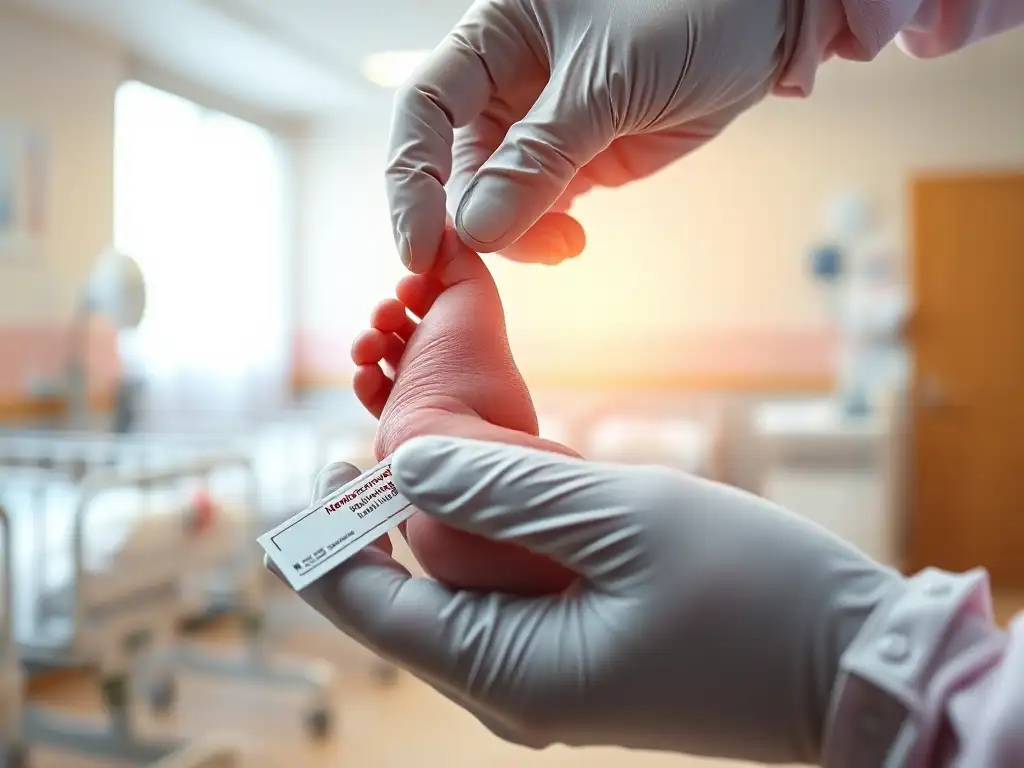
Accurate newborn screening test results are paramount for early diagnosis and intervention of potentially life-threatening conditions. The reliability of these tests hinges on several factors, and understanding these is crucial for parents and healthcare providers alike. The goal is to ensure that every baby receives the appropriate care based on accurate and timely results. The importance of newborn screening cannot be overstated; early detection significantly improves the long-term health outcomes for affected infants. This section delves into the key elements that contribute to the accuracy and effectiveness of newborn screening.
Factors that Can Affect Newborn Screening Results
Several factors can influence the accuracy of newborn screening tests. These factors can broadly be categorized as pre-analytical, analytical, and post-analytical.
- Pre-analytical factors: These relate to the sample collection and handling before testing. Insufficient blood volume in the heel prick sample is a common issue, potentially leading to false negatives. The timing of the test relative to the baby's feeding can also impact results, as can the presence of certain medications the mother may have been taking. For example, some antibiotics can interfere with certain tests. Delay in transporting the sample to the lab can also affect the accuracy of the results. Ideally, samples should be processed within a specific timeframe to maintain the integrity of the analytes.
- Analytical factors: These concern the laboratory procedures themselves. The accuracy of the testing equipment, the reagents used, and the expertise of the laboratory personnel all play a vital role. Regular calibration and quality control measures are essential to minimize analytical errors. False positives or negatives can occur due to instrument malfunction or human error.
- Post-analytical factors: These relate to the interpretation and reporting of the results. Clear communication between the laboratory and the healthcare provider is crucial to ensure that the results are interpreted correctly and that appropriate follow-up actions are taken. A misinterpretation of the report can lead to delays in diagnosis and treatment.
The following table summarizes some key factors affecting accuracy:
| Factor Category | Specific Factor | Potential Impact |
|---|---|---|
| Pre-analytical | Insufficient blood volume | False negative results |
| Medication interference | Altered test results | |
| Delayed sample transport | Degradation of analytes, inaccurate results | |
| Analytical | Equipment malfunction | Inaccurate or unreliable results |
| Reagent quality | Inaccurate or unreliable results | |
| Post-analytical | Misinterpretation of results | Delayed diagnosis and treatment |
| Poor communication | Lack of appropriate follow-up actions |
Understanding these factors allows for proactive measures to be implemented, thereby maximizing the reliability of newborn screening and improving the chances of early diagnosis. The ultimate aim is to minimize the risk of delayed intervention, which can have serious consequences for the baby's health.
Importance of Accurate Information and Family History
Providing accurate information to healthcare professionals is crucial for the success of newborn screening. This includes a complete and honest family history of genetic disorders. Knowing if there's a family history of conditions screened for can significantly influence the interpretation of results. For instance, a slightly elevated level of a certain marker might be insignificant in one case but highly significant in another, depending on family history.
Furthermore, the mother's health during pregnancy, any complications experienced during labor and delivery, and the baby’s birth weight are all relevant pieces of information. Omitting or misrepresenting this information can lead to missed diagnoses or unnecessary anxiety. Open communication and complete transparency are vital in this process. Accurate information empowers healthcare professionals to make informed decisions, leading to better outcomes for the baby.
The Role of Healthcare Professionals in Newborn Screening
Healthcare professionals play a pivotal role in ensuring the accuracy and effectiveness of newborn screening. This responsibility spans from sample collection to result interpretation and follow-up care. Nurses, doctors, and laboratory technicians all have specific roles to play. Proper training and adherence to standardized procedures are essential to minimize errors. Nurses must be proficient in correctly collecting the blood sample, ensuring sufficient volume and proper labeling. Doctors must interpret the results in the context of the baby's clinical presentation and family history. Laboratory technicians must ensure the accuracy of the analytical process, performing quality control checks and maintaining equipment.
Furthermore, effective communication is paramount. Clear and timely communication between healthcare professionals and parents is crucial for managing any positive screening results. The process should be transparent, with parents receiving clear explanations of the results and the next steps.
This collaborative approach fosters trust and ensures that parents are actively involved in their baby’s care. The success of newborn screening hinges on the expertise and diligence of the healthcare team, underscoring the importance of ongoing education and training for all involved professionals. This collaborative effort ensures that every baby receives the best possible care, maximizing the benefits of this crucial preventative measure.
Questions to Ask Your Doctor About Newborn Screening
Before your baby's newborn screening, and even afterward, having a clear understanding of the process is crucial. Don't hesitate to ask your healthcare provider any questions that arise; a well-informed parent is a better advocate for their child. Here are some key questions to consider:
What specific conditions are screened for in our state/region? Screening panels vary geographically, so knowing exactly which conditions your baby is being tested for is paramount. This allows you to understand the scope of the test and what potential follow-up steps might be necessary. For instance, some regions screen for a broader range of metabolic disorders than others. Understanding this variation is key to interpreting the results accurately.
What are the potential risks and benefits of the newborn screening test? Like any medical procedure, newborn screening carries both benefits and potential risks, albeit minimal. A thorough understanding of these aspects allows you to make an informed decision and address any concerns you may have about the procedure’s safety. The benefits, of course, outweigh the risks, as early diagnosis can significantly impact a child's health outcomes.
What if the results of the screening are inconclusive or abnormal? Knowing the process for handling inconclusive or abnormal results is essential. What steps will be taken to confirm the initial findings? Will there be further testing? Understanding this process beforehand can alleviate anxiety and allow for better preparation should the need arise. This might involve contacting specialists or undergoing additional tests like genetic analysis.
What is the follow-up process if a condition is detected? This is perhaps the most crucial question. Understanding the process for confirming a diagnosis and initiating treatment is vital. This includes understanding what specialists will be involved, the types of treatment options available, and the long-term management of the condition. Having this information readily available can ease the stress of a potential diagnosis.
How can I ensure the accuracy of the screening test results? This question addresses the practical aspects of ensuring the reliability of the screening. Are there any specific preparations needed before the test? How is the sample handled and processed to ensure accuracy? The accuracy of the test is directly related to early intervention and treatment, so understanding the process is key. For example, understanding the sample collection method and the time sensitivity of the test is vital.
How often should my child undergo follow-up testing after a normal screening? Even after a normal result, understanding the frequency of recommended follow-up tests can provide peace of mind and ensure continued monitoring of your child’s health. Knowing what to expect can prevent unnecessary anxiety and ensure prompt attention to any potential future health concerns. While most babies won't require additional testing, understanding the guidelines is important. This may involve routine check-ups with your pediatrician.
What resources are available if we have questions or concerns after the test? Knowing where to turn for support and information after the screening is invaluable. This includes having contact information for specialists, support groups, or online resources that can provide additional information and guidance. Having access to these resources can significantly improve the overall experience and support for parents. This might include online forums or local support networks for parents facing similar situations. The importance of newborn screening test cannot be overstated; proactive engagement and informed questions contribute significantly to its effectiveness.
Newborn Screening: Protecting Your Baby's Future
Newborn screening tests are vital for ensuring your baby's long-term health and well-being. These simple procedures, typically performed within 24 to 48 hours after birth, can detect a range of serious but treatable conditions that might otherwise go unnoticed. The importance of newborn screening cannot be overstated; early detection significantly improves the chances of successful intervention and prevents potentially devastating consequences.
The tests themselves involve a small blood sample, usually taken from the baby's heel prick. This seemingly insignificant procedure can have a profound impact on your child's life. The speed and efficiency of modern newborn screening programs are remarkable, offering a powerful tool in preventative healthcare.
Parents should understand that while a negative result is reassuring, it's not a guarantee of perfect health, and ongoing monitoring remains crucial. The goal isn't merely to diagnose conditions; it's to empower parents and healthcare providers to take proactive steps to ensure the best possible outcome for the child. This proactive approach underscores the critical role of newborn screening in improving child health outcomes globally.
The Long-Term Impact of Early Detection and Intervention
Early detection through newborn screening can dramatically alter a child's life trajectory. Consider phenylketonuria (PKU), a condition where the body can't break down phenylalanine, an amino acid. If left untreated, PKU can lead to severe intellectual disability.
However, with early detection via newborn screening and a carefully managed diet, children with PKU can lead healthy, fulfilling lives. This is just one example; many conditions detected through newborn screening, such as congenital hypothyroidism and cystic fibrosis, respond well to early intervention, minimizing long-term complications and improving quality of life. The benefits extend beyond the individual child; early intervention can also reduce the long-term healthcare costs associated with managing these conditions.
Studies consistently show a strong correlation between early diagnosis via newborn screening and improved developmental outcomes, reduced hospitalizations, and increased life expectancy for affected infants. The long-term impact of these tests is undeniable, highlighting their crucial role in preventing disease and promoting healthy development. The emotional impact on families is also significant; knowing your child has a manageable condition allows for proactive planning and reduces anxiety.
Resources and Support for Parents After Newborn Screening
Following newborn screening, parents may have questions or concerns. Fortunately, numerous resources are available to provide support and guidance. Hospitals and healthcare providers typically offer counseling and educational materials to explain the results and answer any questions parents may have.
Many organizations dedicated to specific conditions detected through newborn screening offer comprehensive information, support groups, and connections with other families facing similar challenges. These resources can be invaluable in helping parents navigate the emotional and practical aspects of caring for a child with a diagnosed condition. Furthermore, online forums and support networks provide a platform for parents to connect, share experiences, and offer mutual support.
Access to reliable information and a supportive community can significantly alleviate the stress and uncertainty that can accompany a newborn screening diagnosis. Remember, seeking help is a sign of strength, and utilizing available resources is crucial for ensuring the well-being of both the child and the family. This comprehensive support system is a vital component of the overall effectiveness of newborn screening programs.
Newborn Screening and Public Health Initiatives
Newborn screening is a cornerstone of public health initiatives aimed at improving infant health outcomes. Governments worldwide recognize the importance of these programs and invest heavily in their development and implementation. The standardization of screening protocols and the ongoing research into new conditions that can be detected contribute to the continuous improvement of these programs.
Public health campaigns play a vital role in educating parents about the importance of newborn screening and ensuring high participation rates. These campaigns often highlight the benefits of early detection and intervention, emphasizing the positive impact on the child's future. Data collected through newborn screening programs provides valuable insights into the prevalence of various genetic conditions, informing public health strategies and resource allocation.
This ongoing data collection and analysis are essential for evaluating the effectiveness of programs and identifying areas for improvement. The integration of newborn screening into broader public health initiatives underscores its significance in protecting the health of future generations. The collective effort of healthcare providers, policymakers, and public health organizations is essential in ensuring the success of these life-saving programs.
Advocacy and Awareness: The Importance of Newborn Screening Education
Newborn screening is a critical preventative healthcare measure, yet awareness about its importance remains surprisingly low among some expectant and new parents. Effective advocacy and education are crucial to bridge this knowledge gap and ensure that every baby benefits from this life-saving program. The lack of awareness can lead to delays in diagnosis and treatment of conditions that are treatable if detected early. This delay can have profound and lasting consequences on a child's development and overall well-being.
One of the most effective ways to improve awareness is through targeted educational campaigns. These campaigns should utilize various media channels, including social media, print materials, and partnerships with healthcare providers. Clear, concise, and easily understandable information about the screening process, the conditions screened for, and the importance of early detection is vital. Using plain language, avoiding medical jargon, and focusing on the positive outcomes of early intervention will greatly enhance understanding and encourage participation. For example, highlighting success stories of babies whose lives were positively impacted by early diagnosis through newborn screening can be incredibly powerful.
Furthermore, engaging community leaders, healthcare professionals, and parent support groups is essential to spread the message. These individuals can act as trusted sources of information and encourage participation in newborn screening programs. Workshops, seminars, and online resources can provide valuable opportunities for parents-to-be and new parents to learn more about the process and ask questions.
This interactive approach can significantly alleviate anxieties and misconceptions surrounding newborn screening. Interactive online tools, such as quizzes and FAQs, can also be very effective in promoting understanding and retention of key information. The goal should be to empower parents to make informed decisions about their baby's health.
Finally, continuous monitoring and evaluation of educational initiatives are necessary to ensure their effectiveness. Gathering feedback from parents and healthcare providers can help identify areas for improvement and optimize future campaigns. Data on screening participation rates and the impact of early diagnosis on child health outcomes can inform future strategies and resource allocation.
By investing in robust advocacy and education programs, we can ensure that every newborn has the opportunity to receive the benefits of timely diagnosis and treatment, leading to healthier and happier lives. The long-term benefits far outweigh the initial investment, ultimately improving the health and well-being of future generations.
Frequently Asked Questions
What is newborn screening, and why is it important?
Newborn screening is a crucial test performed shortly after birth to detect potential genetic and metabolic disorders. Early detection allows for prompt treatment and can significantly improve a baby's long-term health and development. It's a preventive measure that can save lives.
How is newborn screening performed?
The test typically involves a simple heel prick to collect a small blood sample. The sample is then sent to a laboratory for analysis to check for various conditions. The procedure is quick, safe, and minimally invasive.
What conditions are typically screened for in newborn screening?
Newborn screening panels vary by state and country, but commonly screened conditions include phenylketonuria (PKU), hypothyroidism, sickle cell anemia, and cystic fibrosis. These are treatable if caught early.
What if my baby's screening test results are abnormal?
If results are abnormal, your healthcare provider will contact you to discuss the findings and recommend further testing and treatment. It's important to follow up promptly for accurate diagnosis and management.
Is newborn screening mandatory?
While not strictly mandatory everywhere, newborn screening is strongly recommended by healthcare professionals worldwide. It's considered a vital part of preventative healthcare for newborns and offers significant benefits for your baby's health.
Final Reflection: The Enduring Legacy of Newborn Screening
Newborn screening is not merely a medical procedure; it's a lifeline, a critical intervention that safeguards the health and future of countless infants. The early detection of treatable conditions, often undetectable through visual observation, underscores the profound impact this seemingly simple test has on families and communities worldwide. Its importance cannot be overstated, especially in a world where medical advancements continue to expand our understanding of early childhood development and disease.
The pervasive influence of newborn screening extends far beyond the immediate health benefits for individual children. It represents a societal commitment to preventative healthcare, a proactive approach to safeguarding the well-being of our most vulnerable citizens. The future belongs to those who believe in the beauty of their dreams.
- Eleanor Roosevelt. This quote resonates deeply because newborn screening embodies a belief in a brighter future for every child, a future made possible by early intervention and the dedication of healthcare professionals. The ongoing evolution of screening protocols, driven by scientific advancements, reflects our unwavering commitment to improving the lives of newborns and their families.
Consider the profound implications of this simple test. It offers parents peace of mind, allowing them to navigate the early days of parenthood with a greater sense of security. It empowers healthcare providers to intervene early, often preventing lifelong disabilities or even death. You, the reader, have a role to play in this ongoing story. Share this information with expectant parents, advocate for expanded screening programs in your community, and continue to learn about the advancements in newborn screening technology. Let's work together to ensure that every newborn has the opportunity to thrive.
Unlock Your Baby's Health Journey: Take the Next Step
Thank you for learning about the vital importance of newborn screening. We hope this article has empowered you to confidently navigate this crucial stage of your baby's life. Now, let's put that knowledge into action!
- Schedule your baby's newborn screening appointment today. Early detection of potential health concerns is crucial.
- Share this article with other expectant parents – helping them prepare for this critical period is invaluable.
- Visit BabyCareHub.org for more resources on baby health, including our comprehensive FAQ section on newborn screenings.
Ready to prioritize your little one's well-being? What's the first step you'll take today to ensure your baby receives the best possible start?