
Motor Skills in Twins: Helping Them Reach Milestones


Welcome to BabyCareHub, your ultimate guide to navigating the incredible journey of parenthood! Are you a first-time parent, especially one juggling the double delight (and double the challenge!) of twins? Then you've come to the right place. Discover how to support your little ones' development with our insightful article on twin baby motor skill milestones, a crucial aspect of their early growth. Uncover the secrets to helping your twins reach their full potential – let's explore the exciting world of baby development together!
- Understanding Twin Baby Motor Skill Milestones
- Supporting Your Twins' Motor Skill Development
- Addressing Challenges in Twin Motor Skill Development
- Nutrition and Motor Skill Development in Twins
- Twin Baby Motor Skill Milestones: A Month-by-Month Guide
- Promoting Positive Development in Twins: A Holistic Approach
- Frequently Asked Questions
- Final Reflection: Unlocking the Unique Potential of Twin Development
- Unlock Your Twins' Potential: Boosting Motor Skill Development
Understanding Twin Baby Motor Skill Milestones
Navigating the world of twin parenthood presents unique joys and challenges. While the double the cuddles are undeniably delightful, understanding the developmental milestones of your twins, particularly their motor skills, requires a nuanced approach. This article serves as your comprehensive guide to twin baby motor skill milestones, offering insights into typical development, age-appropriate expectations, and how to identify potential delays. We'll explore how twin babies' development might compare to singletons and provide practical tips to support your little ones in reaching their full potential.
Remember, every baby develops at their own pace, and understanding the typical range of development is key to providing appropriate support and identifying when professional guidance might be needed. This guide will equip you with the knowledge to confidently monitor your twins’ progress and celebrate their unique journeys. 🎉
Typical Motor Skill Development in Twins: A Comparison to Singletons
Many parents wonder if twins develop motor skills differently than singleton babies. While the genetic predisposition plays a significant role, research suggests that overall, twins generally achieve motor milestones within the same timeframe as singleton babies. However, there can be subtle differences. For instance, due to potential resource competition in utero or slightly lower birth weights, some twins might show slightly delayed milestones initially. This is often temporary and doesn't necessarily indicate a developmental problem.
It's crucial to remember that the variability within a set of twins can be significant. One twin might reach a milestone earlier than the other. This is perfectly normal and shouldn't cause concern unless the disparity is substantial and persistent.
| Milestone | Typical Age Range (Singleton) | Possible Variation in Twins | Notes |
|---|---|---|---|
| Head Control | 4-6 months | 4-7 months | Some twins might show slightly delayed head control initially. |
| Rolling Over (both directions) | 4-7 months | 4-8 months | One twin might roll over significantly earlier or later than the other. |
| Sitting Unsupported | 6-8 months | 6-9 months | |
| Crawling | 7-10 months | 7-12 months | |
| Pulling to Stand | 8-12 months | 8-13 months | |
| Walking | 9-15 months | 9-16 months |
This table provides a general timeframe. Remember to consult your pediatrician for personalized guidance.
Age-Appropriate Motor Skill Expectations for Twin Babies
Understanding age-appropriate expectations is vital for supporting your twins' development. Below is a breakdown of key motor skill milestones and what you might expect at different ages:
- 2-4 Months: Expect your twins to begin developing head control, showing increased alertness, and attempting to reach for objects.
- 4-6 Months: Rolling over, grasping objects, and bringing them to their mouths are common milestones.
- 6-8 Months: Sitting unsupported, transferring objects from one hand to another, and possibly crawling are all within the expected range.
- 8-12 Months: Pulling themselves up to stand, cruising along furniture, and possibly taking their first steps are exciting developments at this age.
- 12-18 Months: Walking independently, climbing stairs with assistance, and showing improved fine motor skills like using utensils are common at this stage.
Remember, these are average expectations. Some twins might reach these milestones earlier or later. The key is to observe your twins' progress and celebrate their individual achievements. Don't compare them to other babies or even to each other!
Recognizing Delays in Motor Skill Development in Twins
While variations are expected, it's essential to be aware of potential developmental delays. If you notice that one or both of your twins are consistently behind in reaching major milestones compared to the broad age ranges outlined above, or if you observe significant discrepancies in development between the twins, it's crucial to consult your pediatrician.
Signs of potential delay might include:
- Persistent inability to hold their head up at 4-6 months.
- Significant asymmetry in motor skills (e.g., one twin consistently lagging behind the other).
- Lack of progress in major milestones like rolling, sitting, or crawling.
- Extreme difficulty reaching for or grasping objects.
Early intervention is key. Your pediatrician can perform a thorough assessment and recommend appropriate support if necessary. Don't hesitate to seek professional help if you have any concerns. Your pediatrician is your best resource for personalized guidance and support in ensuring your twins thrive.
Supporting Your Twins' Motor Skill Development
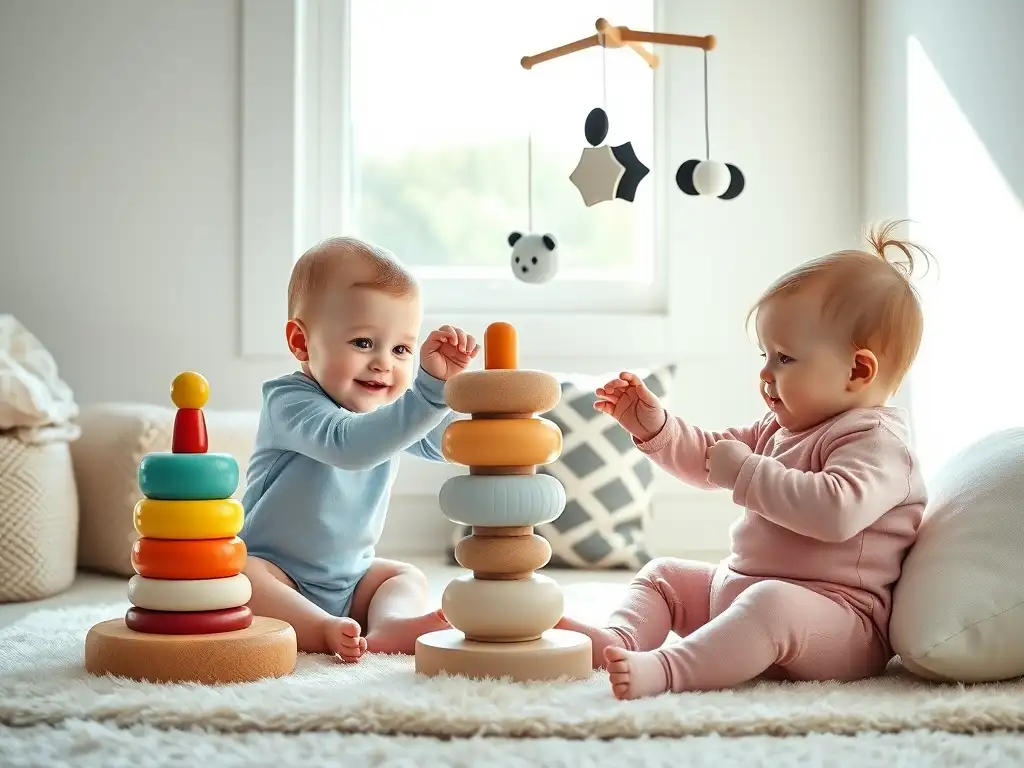
Developing strong motor skills is crucial for your twins' overall development, impacting everything from their ability to grasp objects and crawl to eventually walking and running. While twins may develop at slightly different paces, understanding typical milestones and providing a supportive environment is key to helping them reach their full potential. Remember, consistency and patience are crucial – every twin is unique! This section focuses on strategies to nurture the motor skill development of your twins, addressing common challenges and celebrating their individual progress.
We'll explore practical tips and activities tailored to support their growth in this exciting journey. Remember to always consult your pediatrician with any concerns about your twins' development. Early intervention can make a significant difference.
Creating a Stimulating Environment for Twin Development
Creating a stimulating environment for twins requires careful consideration of space and resources. It's important to avoid overcrowding the play area, ensuring each twin has sufficient space to move freely and explore without feeling constrained by their sibling. Consider these key elements:
- Safe and spacious play area: A large, carpeted area free from hazards is vital. Remove small objects that could be choking hazards and secure any furniture that could tip over.
- Variety of textures and surfaces: Include different textures such as soft blankets, hard floors, and textured mats to stimulate tactile exploration. This helps develop their sense of touch and proprioception (awareness of body position).
- Age-appropriate toys: Provide a range of toys that stimulate different motor skills. For example, soft blocks for grasping, rattles for shaking, and balls for rolling and pushing. Remember to rotate toys regularly to maintain interest.
- Visual stimulation: Hang colorful mobiles or wall hangings above their play area to capture their attention and encourage head and neck control. Bright colors and contrasting patterns are particularly engaging for infants.
- Auditory stimulation: Play soft music, sing songs, and talk to your twins frequently. This stimulates their auditory development and helps them associate sounds with actions.
Engaging Activities to Promote Motor Skill Development in Twins
Engaging your twins in playful activities is a wonderful way to promote their motor skill development while strengthening your bond. Remember to adapt activities to your twins’ individual needs and developmental stages. Here are some ideas:
- Tummy time: Supervised tummy time is essential for strengthening neck and upper body muscles. Make it fun by placing toys just out of reach to encourage them to reach and lift their heads. Consider using a baby gym or placing them on a soft playmat with colorful toys.
- Reaching and grasping: Offer your twins brightly colored toys, rattles, and soft blocks to encourage reaching and grasping. Vary the size and texture of the toys to promote fine motor skill development.
- Rolling: Encourage rolling by gently guiding your twins from their back to their side and then to their tummy. You can also encourage them to roll by placing a toy slightly out of reach.
- Sitting: Support your twins as they begin to sit independently. Provide support with pillows or cushions to prevent them from falling. Once they can sit unaided, encourage them to reach for toys and play with them while sitting.
- Crawling: Encourage crawling by placing toys just out of reach to motivate them to move towards them. You can also use a tunnel or blanket to create a fun crawling environment. Remember, some twins skip crawling and go straight to walking!
Adapting Activities for Different Developmental Stages in Twins
Twin baby motor skill milestones can vary slightly, so adaptation is key. Observe your twins closely to understand their individual developmental stages. Here's how to adapt activities:
| Developmental Stage | Typical Age Range | Adapted Activities | Considerations |
|---|---|---|---|
| Head Control | 2-4 months | Tummy time with engaging toys, supported sitting | Ensure proper head support, avoid overstimulation |
| Reaching & Grasping | 3-6 months | Offering toys of varying textures and sizes, finger painting | Supervise closely to prevent choking, introduce age-appropriate materials |
| Rolling | 4-7 months | Encouraging rolling from back to tummy and vice versa | Provide a safe, padded surface |
| Sitting | 6-8 months | Supported sitting, playing with toys while sitting | Provide support to prevent falls, ensure a stable base |
| Crawling | 7-10 months | Placing toys out of reach, creating a crawling pathway | Some twins skip crawling; don't worry if this happens |
| Pulling to Stand | 8-12 months | Providing stable furniture to pull themselves up on | Ensure stability of furniture, supervise closely |
| Walking | 10-15 months | Encouraging walking with support, pushing a walker | Provide a safe environment with ample space |
Remember, these are just guidelines. Some twins may reach milestones earlier or later than others. The most important thing is to provide a loving and supportive environment that encourages their individual growth and development. Celebrate their unique achievements and enjoy this special time with your twins! 👶👶
Addressing Challenges in Twin Motor Skill Development
Developing twins presents unique challenges for parents, often requiring a more nuanced approach to childcare compared to single births. While twins generally follow similar developmental trajectories as singletons, the inherent complexities of raising two infants simultaneously can sometimes lead to disparities in motor skill acquisition. This section focuses on common hurdles, early intervention strategies, and managing potential developmental differences between twin siblings.
Understanding these challenges is crucial for ensuring both twins thrive and reach their full developmental potential. The key is early identification and proactive intervention, utilizing resources and support systems effectively. Remember, each twin is an individual, and their developmental paths may not always be perfectly synchronized.
Common Motor Skill Delays in Twins and Their Causes
Twin baby motor skill milestones can sometimes be delayed compared to singleton babies. Several factors contribute to this. Resource depletion is a major consideration. Parents of twins often experience sleep deprivation, time constraints, and increased stress, potentially impacting the frequency and quality of interaction crucial for motor skill development. Furthermore, premature birth, a common occurrence in twin pregnancies, often leads to significant developmental delays across various domains, including motor skills.
Another contributing factor is limited individual attention. With two infants demanding care, it can be challenging for parents to dedicate sufficient one-on-one time to each twin for focused stimulation and practice of motor skills. This can lead to slower progress in areas like crawling, sitting, and walking.
The following table illustrates some common motor skill delays observed in twins and their possible causes:
| Motor Skill Delay | Possible Causes | Impact on Development |
|---|---|---|
| Delayed Rolling | Prematurity, reduced individual attention, limited tummy time | Impacts gross motor skills, hand-eye coordination, spatial awareness |
| Delayed Crawling | Prematurity, less floor time, limited opportunities for exploration | Impacts gross motor skills, exploration, independence |
| Delayed Sitting | Weak trunk muscles, lack of support, reduced opportunities for practice | Impacts posture, balance, fine motor skills |
| Delayed Walking | Prematurity, muscle weakness, less encouragement to move independently | Impacts gross motor skills, independence, overall mobility |
| Delayed Fine Motor Skills | Reduced one-on-one interaction, less opportunity for manipulation | Impacts self-care skills, writing, drawing, dexterity |
Finally, the presence of complications during pregnancy or birth can significantly impact motor skill development. These complications can range from low birth weight to neurological impairments, each affecting the trajectory of motor skill acquisition.
Seeking Professional Help for Twin Motor Skill Concerns
If you notice significant delays or discrepancies in your twins' motor skill development, seeking professional help is crucial. Early intervention is key to mitigating potential long-term effects. Consult your pediatrician or a developmental specialist to conduct a thorough assessment. They can identify underlying causes, recommend appropriate interventions, and provide personalized guidance and support.
Early intervention programs offer various therapies, such as physical therapy, occupational therapy, and developmental therapy. These therapies are designed to address specific motor skill challenges, improving strength, coordination, and overall motor performance. Don't hesitate to seek further advice from specialists – a proactive approach is vital for optimal twin development. Remember, early intervention is more effective than waiting for the issue to worsen. Regular checkups and open communication with your healthcare provider are essential.
Strategies for Managing Developmental Differences Between Twins
It's common to observe developmental differences, even minor ones, between twins. While twins often reach milestones at similar times, individual variations are normal. However, significant discrepancies warrant attention. The key is to create an environment that supports each twin's individual needs and pace of development.
Here are some helpful strategies:
- Individualized attention: Schedule dedicated time for each twin, engaging in activities that target their specific motor skill needs. This might involve more tummy time for one twin to strengthen their neck and trunk muscles, while focusing on fine motor skill activities like stacking blocks for the other.
- Adaptive play: Choose toys and activities appropriate for each twin's developmental level. Avoid comparing their progress; celebrate their individual achievements.
- Targeted stimulation: Engage in activities that stimulate motor development, such as crawling races (even if one is crawling faster), and simple exercises to strengthen muscles.
- Consistency and patience: Consistent engagement in developmentally appropriate activities is crucial. Remember that progress takes time and patience. Celebrate every milestone, regardless of how small.
- Support network: Lean on your support network for assistance, allowing you to dedicate more focused time to each twin. Seeking help is a sign of strength, not weakness.
Remember, managing developmental differences is about fostering each twin's individual potential and celebrating their unique journeys. By implementing these strategies and seeking professional guidance when needed, you can create a nurturing environment for your twins to flourish. Early identification and intervention are paramount in addressing any developmental concerns.
Nutrition and Motor Skill Development in Twins
Developing strong motor skills is crucial for twins, just as it is for singletons. However, the unique demands of raising two infants simultaneously often lead parents to overlook the critical role of nutrition in supporting this development. This section delves into the intricate relationship between nutrition and motor skill milestones in twins, offering practical advice and insights for optimal growth.
The Role of Nutrition in Supporting Motor Skill Development
A balanced diet provides the building blocks – proteins, fats, and carbohydrates – necessary for muscle growth and development. Protein is essential for building and repairing tissues, crucial for strengthening muscles involved in gross motor skills like crawling, sitting, and walking. Fats, particularly essential fatty acids like DHA and ARA, are vital for brain development, directly influencing fine motor skills like grasping, reaching, and manipulating objects. Carbohydrates provide the energy needed for the active play and exploration that drives motor skill acquisition.
Deficiencies in any of these macronutrients can lead to developmental delays. For example, a protein deficiency can result in muscle weakness, hindering the ability to learn to crawl or walk. Similarly, a lack of essential fatty acids can impact brain development, affecting fine motor coordination.
Consider this: a study [specific information pending] showed a correlation between adequate protein intake and the earlier attainment of milestones such as independent sitting and crawling in infants. This highlights the importance of prioritizing nutritional adequacy for twins, ensuring they receive sufficient quantities of all essential nutrients to fuel their rapid growth and development. Monitoring weight gain and growth charts closely, in consultation with a pediatrician, is crucial to identify and address any potential nutritional deficiencies promptly.
Dietary Considerations for Optimizing Twin Development
Feeding twins presents unique challenges. Parents often face pressure to ensure both babies are adequately nourished while managing their own time constraints and exhaustion. However, some key dietary considerations can optimize twin development.
- Breastfeeding vs. Formula: Both breastfeeding and formula feeding can support healthy motor skill development, provided the infant receives adequate nutrition. Breast milk offers numerous benefits, including antibodies and easily digestible nutrients. Formula, when properly prepared and chosen to meet the nutritional needs of the twins, is a suitable alternative. Remember to consult your pediatrician about the best feeding plan for your twins.
- Iron-Rich Foods: Iron deficiency anemia is a common concern in infants, particularly twins, and can significantly impact motor skill development. Introducing iron-rich foods (following your pediatrician's guidance) such as iron-fortified cereals, pureed meats, and lentils is crucial, especially after 6 months of age.
- Introducing Solids: The timing of introducing solids can vary, but generally, around 6 months of age, you can begin introducing age-appropriate purees and soft foods. This transition helps develop oral-motor skills, which are foundational for later fine motor skills. Introducing a variety of textures and flavors encourages exploration and hand-eye coordination.
- Portion Sizes: Remember that twins have individual needs. Don't assume both will eat the same amount. Offer age-appropriate portions and allow them to self-regulate their intake. Forcing food can create negative associations with mealtimes.
Hydration and its Impact on Motor Skill Development in Twins
Adequate hydration is often overlooked, but it plays a vital role in overall health and development, directly impacting motor skills. Dehydration can lead to fatigue, irritability, and decreased muscle function, hindering the ability to practice and master new motor skills. Infants, especially twins, are particularly vulnerable to dehydration due to their high metabolic rate and rapid growth.
Ensuring sufficient fluid intake is crucial for maintaining optimal muscle function and energy levels. For breastfed babies, frequent breastfeeding sessions usually provide sufficient hydration. Formula-fed infants may need additional water, especially in hot climates or during periods of illness. Always consult your pediatrician for guidance on appropriate fluid intake for your twins. Signs of dehydration include dry mouth, decreased urination, and sunken eyes.
Addressing dehydration promptly is essential to prevent negative impacts on motor skill development and overall well-being. Monitoring diaper output can be a helpful indicator of hydration status. Remember, even subtle dehydration can affect a baby's energy levels and ability to engage in motor skill practice. Staying vigilant about hydration is an often-overlooked aspect of supporting your twins' motor skill development.
Twin Baby Motor Skill Milestones: A Month-by-Month Guide
This section provides a detailed month-by-month guide to the typical motor skill development in twins, highlighting key milestones and offering insights into how to support their progress. Remember, every baby develops at their own pace, and twins are no exception. While these milestones offer a general guideline, variations are perfectly normal. Consult your pediatrician if you have any concerns about your twins' development. This guide focuses on the critical area of twin baby motor skill milestones, offering valuable information for parents navigating the exciting journey of raising twins.
Motor Skill Milestones: 0-3 Months in Twins
The first three months are a period of rapid change, where your twins are primarily focused on mastering fundamental movements. Expect to see significant progress in head control, reaching, and kicking.
- Head Control: By around 2 months, most twins can lift their heads briefly while lying on their stomachs. By 3 months, they should be able to lift their heads and chests higher, often pushing themselves up onto their forearms. Encourage tummy time several times a day for short periods to strengthen their neck and shoulder muscles. This tummy time is crucial for developing the twin baby motor skill milestones related to upper body strength.
- Reaching and Grasping: Newborns might show reflexive grasping, but by 2-3 months, you'll see more purposeful reaching towards objects. They might not always be successful in grasping, but the attempt is a significant step. Offer them brightly colored toys and rattles to stimulate their reaching and grasping reflexes. This encourages the development of fine motor skills, a key aspect of twin baby motor skill milestones.
- Kicking and Leg Movements: Your twins will spend a lot of time kicking their legs, strengthening their leg muscles. This is an essential precursor to crawling and walking. Observe their kicking; you might even notice them starting to bring their feet to their mouths! Providing opportunities for movement, such as placing them on a soft blanket on the floor, helps facilitate this early leg movement development.
Motor Skill Milestones: 3-6 Months in Twins
Between 3 and 6 months, your twins' motor skills will develop rapidly, leading to increased independence and mobility.
- Rolling Over: Many twins master rolling from back to side, and then from back to tummy, between 4 and 6 months. Some might even roll from tummy to back earlier. Rolling over is a huge milestone, indicating significant strength and coordination. Provide a safe space for them to practice rolling, and ensure their sleeping environment is safe to prevent accidental rolling. This stage is a significant marker in twin baby motor skill milestones.
- Sitting: With support, your twins should be able to sit up by around 4-5 months. By 6 months, many can sit unsupported for short periods. This milestone often coincides with the development of improved head and trunk control. Providing support initially with pillows or cushions is helpful, but gradually reduce support to encourage independent sitting. This is a crucial element in twin baby motor skill milestones.
- Reaching and Grasping (Advanced): Their reaching and grasping skills become more refined. They might start transferring objects from one hand to the other, a sign of developing hand-eye coordination. Offer a variety of textured toys and objects to stimulate their exploration and enhance their grasping abilities. This advanced grasping is a significant step in twin baby motor skill milestones.
Motor Skill Milestones: 6-9 Months in Twins
This period sees a significant leap in mobility and independence. Your twins are likely to be much more active and exploring their environment with enthusiasm.
- Crawling: Many twins start crawling around 7-9 months, though some might skip crawling altogether and go straight to pulling themselves up to stand. Crawling is a great way for them to explore their surroundings and develop their gross motor skills. Create a safe and stimulating environment for them to crawl, ensuring that any hazards are out of reach. This is a major step within twin baby motor skill milestones.
- Pulling to Stand: Around 8-9 months, your twins might start pulling themselves up to stand using furniture or other supports. This is a significant step towards walking. Make sure that the furniture they use is stable and safe. This milestone is a key marker in twin baby motor skill milestones.
- Pincer Grasp: By 9 months, most twins will develop a pincer grasp, which allows them to pick up small objects using their thumb and forefinger. This improved dexterity is essential for self-feeding and other fine motor activities. This is a crucial skill in the development of twin baby motor skill milestones.
Remember, these are just guidelines. Each twin, and each baby in general, will develop at their own pace. Celebrate their individual achievements and provide a supportive and stimulating environment to help them reach their full potential. Always consult your pediatrician if you have any concerns about your twins' development.
Motor Skill Milestones: 9-12 Months in Twins
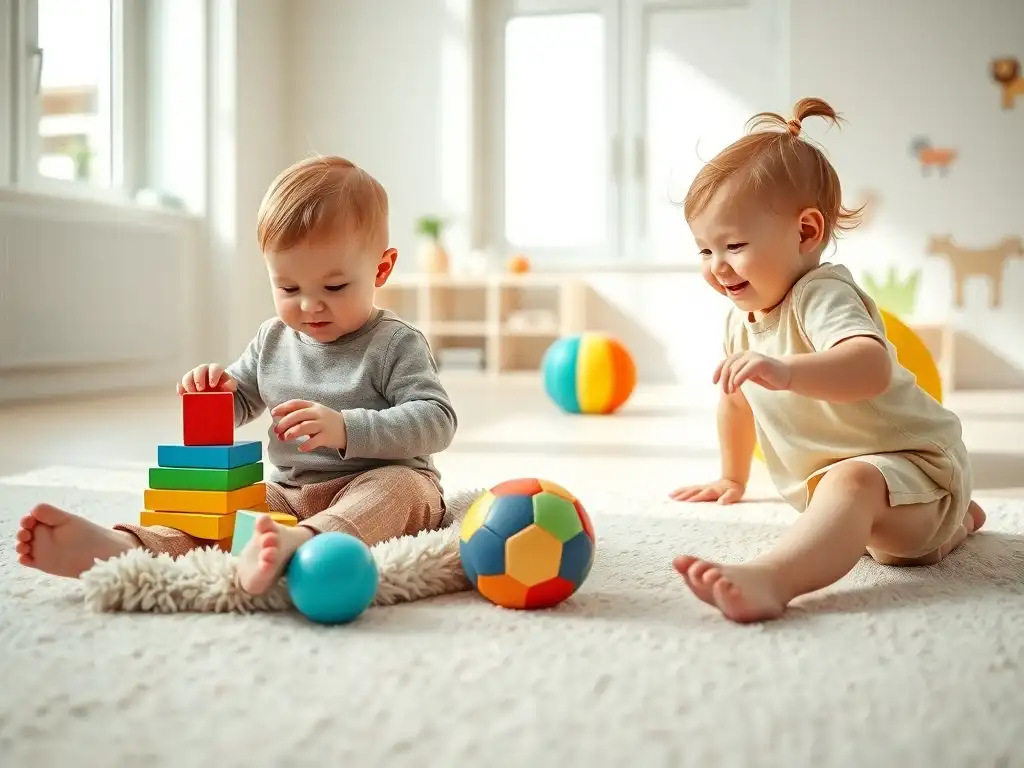
Between 9 and 12 months, your twins' motor skills will be blossoming! You'll likely see significant progress in their ability to move independently and explore their world. Many twins will be crawling confidently, pulling themselves up to stand, and even taking their first tentative steps, perhaps holding onto furniture for support. Remember that twin babies often develop at slightly different paces, so don't be concerned if one twin is ahead of the other in certain areas.
This is a period of incredible physical development. One twin might master crawling earlier than the other, for example, while the other might be quicker to pull themselves up. This is perfectly normal. Focus on celebrating each individual milestone, rather than comparing their progress. Encourage independent movement by providing a safe and stimulating environment. A large playmat with various textures and toys, or a baby-proofed area with plenty of room to explore, will help them practice their newfound skills.
You might notice a shift in their fine motor skills as well. They might be able to pick up smaller objects with a pincer grasp (using their thumb and forefinger), feed themselves finger foods (although messy! ), and even start to bang objects together with increasing intentionality. This is a great time to introduce age-appropriate toys that encourage fine motor development, such as stacking cups, shape sorters, and soft blocks.
Remember to provide plenty of tummy time, even if they’re already mobile. This continues to strengthen their core muscles, crucial for sitting, crawling, and eventually walking. Observe their individual preferences and tailor your activities accordingly. Some twins might prefer more active play, while others might enjoy quieter, more sensory-focused activities.
Motor Skill Milestones: 12-18 Months in Twins
By 12-18 months, your twins are likely walking, running, and exploring with newfound confidence! While some might have been walking earlier, many twins will hit this milestone within this period. Their gait might be unsteady at first, but they will quickly gain balance and coordination. This is a time of immense excitement and also requires increased vigilance in baby-proofing your home.
Their fine motor skills will also show significant improvement. They'll likely be able to scribble with crayons, stack blocks more skillfully, and even begin to turn pages in a book. They might also be able to feed themselves more independently, although spills are still to be expected! This is a great time to encourage imaginative play with toys like building blocks, dolls, and toy cars.
You might also see them develop more advanced motor skills, such as climbing onto low furniture, pushing toys, and pulling themselves up to a standing position without assistance. These activities are essential for their physical development and help them build strength and coordination. Keep an eye on their safety and supervise them closely during these activities.
Remember to continue providing opportunities for both gross and fine motor skill development. Regular playtime, outdoor activities, and age-appropriate toys will help them reach their full potential. The development of "twin baby motor skill milestones" can be a rewarding experience, and celebrating each individual achievement is essential. Each twin will develop at their own pace, so focus on their progress and provide the support and encouragement they need.
Promoting Positive Development in Twins: A Holistic Approach
This section focuses on fostering healthy motor skill development in twins by addressing the unique challenges and opportunities presented by their shared environment. Successfully navigating this journey requires a multifaceted approach that prioritizes individual needs while leveraging the inherent benefits of sibling interaction. Understanding and implementing these strategies is crucial for ensuring both twins reach their developmental milestones. Remember, consistent effort and patience are key components in supporting your twins' growth.
The Importance of Individualized Attention for Each Twin
While twins share a womb and often a similar environment, they are distinct individuals with unique temperaments, preferences, and developmental paces. Ignoring these individual differences can hinder their progress. It's crucial to avoid comparing twins directly, focusing instead on each child's unique strengths and challenges. For example, one twin might show an earlier interest in crawling, while the other might excel in grasping objects. Providing tailored stimulation for each twin is essential for maximizing their potential.
This individualized approach extends to playtime. While twins may engage in parallel play, offering each child age-appropriate toys and activities that cater to their specific interests promotes their individual development. This might involve one twin engaging in stacking blocks while the other explores a sensory bin. Observing their preferences and adjusting your approach accordingly is vital.
Remember, even small differences in developmental timelines are normal and should not be a source of concern unless a significant delay is observed. Regular checkups with your pediatrician are essential to monitor progress and address any potential developmental concerns. Early intervention is key to addressing any issues promptly and effectively.
Managing Competition and Comparison Between Twins
The inherent sibling rivalry that can arise between twins, often intensified by the constant comparison they may face from parents, caregivers, and even well-meaning strangers, can negatively impact their development. While sibling interaction can be beneficial in many ways, fostering an environment of cooperation and support is crucial. Instead of pitting twins against each other ("Who can pick up the most blocks? "), focus on collaborative activities that encourage teamwork and shared success. For instance, building a tower together or completing a simple puzzle as a team can help them learn to work collaboratively and appreciate each other’s strengths.
Avoid using phrases that directly compare twins. Instead of saying, "Johnny is crawling faster than you, Susie," try focusing on each child's achievements: "Johnny is doing a great job crawling! Susie, you're getting so strong; I can see you're working hard on your tummy time."
Positive reinforcement and encouragement for individual accomplishments help foster a healthy sense of self-worth and reduce the competitive pressure. Remember, celebrating individual milestones equally is crucial for building self-esteem and reducing feelings of inadequacy in either twin. Addressing any competitive behaviors promptly and fairly is essential to cultivate a supportive and harmonious relationship between the twins.
Building a Supportive Network for Twin Parents
Raising twins presents unique challenges, and building a strong support network is vital for parents' well-being and their ability to provide optimal care for their children. This network can include family, friends, other parents of twins, support groups, and even professional help. The emotional and physical demands of caring for two infants simultaneously are significant, and seeking support can prevent burnout and ensure that parents are able to provide consistent, high-quality care.
Connecting with other parents of twins provides invaluable emotional support and practical advice. Sharing experiences, challenges, and solutions creates a sense of community and reduces feelings of isolation. Support groups, both in-person and online, offer a safe space to discuss concerns, share tips, and celebrate milestones. Don’t hesitate to reach out to your pediatrician or a family therapist if you are feeling overwhelmed.
Professional guidance can help you develop effective strategies for managing the demands of raising twins and addressing any potential parenting challenges. Remember, asking for help is a sign of strength, not weakness. Prioritizing self-care and maintaining a supportive network are crucial for successful twin parenting and ensuring the healthy development of your children. Remember, you are not alone in this journey.
Frequently Asked Questions
What are some typical motor skill milestones for twin babies?
Twin babies generally reach milestones at similar times as singletons. Expect to see head control around 4 months, sitting unsupported around 6 months, and crawling between 7-10 months. Individual variations are normal.
Do twins develop motor skills at the same rate?
While twins often develop at similar rates, there can be slight variations. One twin might reach a milestone a week or two before the other; this is perfectly normal. Don't compare them directly; focus on each child's individual progress.
How can I encourage motor skill development in my twins?
Provide a safe and stimulating environment with plenty of tummy time, age-appropriate toys, and opportunities for exploration. Supervise closely during playtime and ensure they have space to move freely.
My twins are behind on some motor skills. Should I be worried?
Some delay is possible, but if you have significant concerns about your twins' motor skill development, consult your pediatrician. Early intervention can be beneficial. Trust your instincts.
Can competition between twins affect motor skill development?
While some friendly competition is natural, excessive rivalry can sometimes be a factor. Focus on individual achievements and celebrate each milestone reached by both twins separately to avoid negative comparisons.
Final Reflection: Unlocking the Unique Potential of Twin Development
The journey of twin development, while often filled with double the joy, also presents unique challenges in achieving motor skill milestones. Understanding these nuances is crucial for parents and caregivers, ensuring each twin receives the individualized support they need to thrive. This isn't just about reaching milestones on a chart; it's about fostering their individual potential and celebrating their unique paths to independence.
Witnessing the incredible progress of twins, from their first wobbly steps to their confident explorations, is a deeply moving experience. The subtle differences in their development, often overlooked in the rush of caring for two, highlight the importance of attentive observation and personalized nurturing. Every child is an artist. The problem is how to remain an artist once we grow up.
– Pablo Picasso. This quote resonates deeply, as we must remember to nurture the unique artistic expression of each twin's motor skill development, allowing their individual talents to flourish.
Now, consider your own twins, or the twins you know. How can you apply the insights gained from this article to better support their growth? Take the time to observe each twin individually, celebrating their unique strengths and addressing their specific needs. Remember, there's no one-size-fits-all approach to twin development; embrace the individuality of each child, and watch them reach their full potential. The journey is as important as the destination, so savor every milestone, every wobble, every triumphant step along the way.
Unlock Your Twins' Potential: Boosting Motor Skill Development
Thank you for exploring the world of twin motor skill development with us! We hope you gained valuable insights into supporting your children's unique journeys. Ready to put that knowledge into action?
- Focus on one motor skill this week: Choose a skill, such as crawling, sitting, or pulling themselves up, and create a fun, engaging activity tailored to your twins' individual needs and developmental stages. Think creative playtime!
- Share your favorite activity that works well for twins in the comments below – let's build a supportive community of parents!
- Consider documenting your twins' progress with photos or a short video. It's a wonderful way to track their amazing development and celebrate their achievements.
What exciting milestone are you most looking forward to your twins achieving next?