
Mei Tai Carriers for Newborns: Comfort and Versatility Combined


Welcome to BabyCareHub, your ultimate guide to navigating the incredible journey of parenthood! Are you ready to discover the secrets to happy, healthy babyhood? We'll equip you with the knowledge and confidence you need, from feeding schedules to soothing techniques. Intrigued by the comfort and versatility of a Mei Tai carrier? Learn about the newborn Mei Tai carrier benefits that make this choice a game-changer for both you and your little one – discover more in our "Newborn Basics" section!
- Understanding the Benefits of Newborn Mei Tai Carriers
- Selecting the Perfect Mei Tai Carrier for Your Little One
- Using Your Mei Tai Carrier Safely and Effectively
- Mei Tai Carriers vs. Other Baby Carriers: A Comparison
- Maintaining and Caring for Your Mei Tai Carrier
- Frequently Asked Questions about Newborn Mei Tai Carriers
- Frequently Asked Questions
- Final Reflection: Embracing the Bond: Mei Tai Carriers and the Modern Parent
- Unlock Your Baby's Comfort: Embrace the Mei Tai!
Understanding the Benefits of Newborn Mei Tai Carriers
Choosing the right baby carrier is a crucial decision for new parents. Navigating the world of slings, wraps, and structured carriers can feel overwhelming, but understanding the unique advantages of each can simplify the process. This article focuses on Mei Tai carriers, specifically highlighting their benefits for newborns.
We'll explore what makes them a popular choice for parents seeking a comfortable and versatile carrying solution that promotes healthy bonding and development. Mei Tai carriers offer a unique blend of adjustability, ergonomic support, and close proximity to your baby, making them an excellent option for both short trips and extended periods of carrying. This guide will provide a comprehensive overview of Mei Tai carriers, detailing their advantages for newborns and explaining how they contribute to a secure and loving parent-child bond.
By the end, you'll have a clear understanding of why a Mei Tai carrier might be the perfect choice for you and your little one, and how it directly addresses the critical needs of both parent and child in the early days. We'll delve into the specifics of newborn Mei Tai carrier benefits, focusing on what makes them so effective and safe for your precious little one.
What are Mei Tai Baby Carriers? A Comprehensive Overview
Mei Tai carriers are a type of soft-structured carrier that combines the simplicity of a wrap with the support of a structured carrier. They typically consist of a large piece of fabric with straps that wrap around the wearer's body and secure the baby. Unlike structured carriers, Mei Tai carriers are often made from soft, breathable fabrics like cotton or linen, offering a comfortable and customizable fit for both parent and child.
Their design allows for a snug and secure fit, distributing the baby's weight evenly across the wearer's shoulders and hips. This even weight distribution is crucial for preventing back pain and discomfort, a common concern for parents using baby carriers. The adjustability of Mei Tai carriers is a key advantage; they can be easily adjusted to fit different body types and accommodate the growing size of your baby.
This adaptability makes them a long-lasting investment, suitable from newborn stage well into toddlerhood. Many Mei Tai carriers also offer additional features such as hoods for sun protection and pockets for carrying essentials. The overall design prioritizes both comfort and functionality, creating a harmonious carrying experience.
Advantages of Mei Tai Carriers for Newborns: Comfort and Support
One of the primary newborn Mei Tai carrier benefits is the superior comfort and support it provides both the baby and the wearer. The soft, breathable fabric molds to the baby's body, providing a secure and snug fit that mimics the feeling of being held. This is particularly important for newborns, who require a lot of close physical contact for comfort and security.
The wide, padded straps distribute the baby's weight evenly, reducing strain on the shoulders and back. Unlike some carriers that can lead to discomfort or pain, the Mei Tai's ergonomic design minimizes these issues, allowing parents to carry their newborns for extended periods without excessive fatigue. The adjustability of the straps allows for a personalized fit, ensuring optimal support for babies of varying sizes and weights.
This adaptability contributes to the carrier's longevity and makes it a worthwhile investment. The close proximity afforded by the Mei Tai also allows for easy nursing or feeding while keeping your hands free.
Newborn Mei Tai Carrier Benefits: Promoting Bonding and Secure Attachment
Beyond the physical comfort, Mei Tai carriers offer significant benefits for emotional bonding and secure attachment. The close physical contact provided by the carrier promotes the release of oxytocin, the "love hormone," in both parent and child. This hormone plays a crucial role in strengthening the parent-child bond and fostering feelings of security and trust.
The gentle swaying motion experienced while wearing a Mei Tai can also soothe and calm a fussy baby, mimicking the feeling of being rocked or held. This calming effect can be especially helpful during periods of crying or discomfort. The ability to maintain close proximity to the baby throughout the day contributes to a sense of security and stability, fostering a healthy attachment relationship.
This constant closeness helps regulate a baby's heart rate and breathing, contributing to overall well-being. Many parents report that using a Mei Tai carrier helped them feel more connected to their newborns, creating a stronger bond and promoting a more harmonious family dynamic. The benefits extend beyond the immediate postpartum period; the consistent closeness facilitated by the Mei Tai can have a lasting impact on a child’s sense of security and confidence.
Choosing the Right Size and Fit for Your Newborn
Finding the perfect fit is crucial for both your comfort and your baby's safety when using a Mei Tai carrier. Newborns, in particular, require a snug and supportive fit to prevent slumping and ensure proper hip and spine alignment. Unlike structured carriers, Mei Tai carriers often come in one size, relying on adjustable straps to accommodate different body types and baby sizes. However, even with adjustability, understanding how to achieve a secure fit is paramount.
The first step is to carefully examine the carrier's instructions. Each brand may have slightly different methods for adjusting the straps, so familiarizing yourself with the specific features of your chosen Mei Tai is essential. Pay close attention to the tightness of the waistband, shoulder straps, and the panel width that supports your baby. The waistband should sit comfortably around your waist, snug enough to prevent the carrier from slipping but not so tight as to restrict your breathing.
Next, consider your baby's size and weight. Newborns are incredibly small, and an ill-fitting Mei Tai can be dangerous. The panel should be wide enough to properly support your baby's back and provide ample space for their head and legs. Their legs should be spread into an “M” shape, ensuring their hips are properly positioned. You should be able to comfortably fit two to three fingers between the fabric and your baby's back. This ensures the carrier provides support without being too tight.
Finally, test the fit with your baby inside. Once your baby is securely placed in the carrier, take a few steps and gently move around. Observe your baby’s posture; they should appear relaxed and comfortable with their head supported and their back straight. If they seem uncomfortable or if you feel any strain, readjust the straps accordingly.
Remember, a properly fitted Mei Tai will distribute your baby's weight evenly across your shoulders and hips, minimizing strain and discomfort for both of you. Regularly check the fit as your baby grows, adjusting straps as needed to maintain optimal support and comfort. This ensures that your Mei Tai carrier will remain a safe and enjoyable tool for babywearing throughout your newborn’s early months. A well-fitting Mei Tai carrier significantly contributes to the overall positive experience of babywearing, promoting a strong bond between parent and child.
Selecting the Perfect Mei Tai Carrier for Your Little One
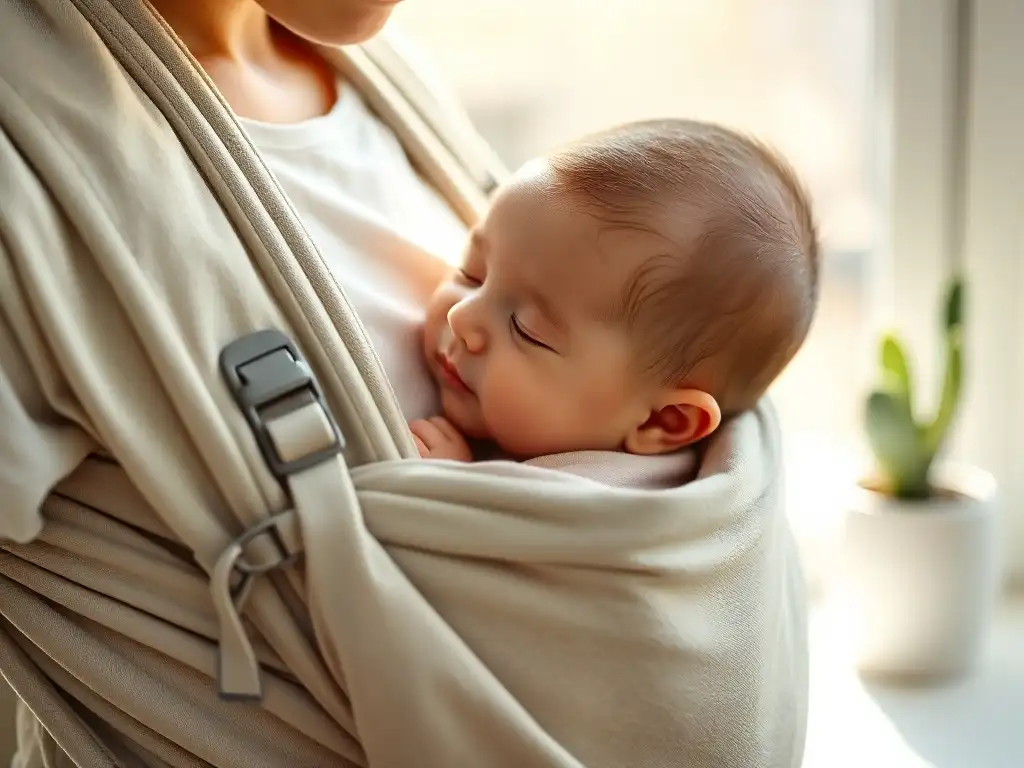
This section dives deep into choosing the right Mei Tai carrier for your newborn, focusing on the crucial aspects that ensure both comfort and safety for your little one. The benefits of using a Mei Tai carrier for newborns are numerous, from promoting bonding to aiding in soothing a fussy baby. But selecting the perfect Mei Tai requires careful consideration. We'll break down the key elements to help you make an informed decision. Understanding these nuances will empower you to confidently select a carrier that best suits your needs and your baby's well-being.
Key Features to Look for in a Newborn Mei Tai Carrier: Safety and Comfort
The safety and comfort of your newborn are paramount when choosing a Mei Tai carrier. Several key features directly impact this. Look for a carrier with:
- Adjustable straps: These are crucial for a secure and customized fit for both you and your baby. The ability to adjust the shoulder straps, waist belt, and seat width is essential to accommodate your baby's growth and your body type. Proper adjustment ensures your baby is positioned correctly, with their airway clear and their spine supported in a natural 'C' curve.
- Strong, durable stitching: A Mei Tai carrier undergoes significant stress, especially with a newborn. Robust stitching prevents tears and ensures the carrier’s longevity and safety. Examine the seams carefully; they should be neat, reinforced, and free from any loose threads.
- Wide, padded straps: Thick, padded straps distribute the baby's weight evenly across your shoulders and hips, minimizing strain and discomfort during extended periods of carrying. Look for breathable padding materials to prevent overheating.
- A supportive seat: The seat of the Mei Tai should be wide enough to support your baby's legs in a natural 'M' position, promoting healthy hip development. The fabric should be soft yet firm enough to provide adequate support without being restrictive. A newborn insert or a properly sized carrier is essential to achieve this.
- Good head support: Newborns lack head control, so a Mei Tai should offer excellent head and neck support. Some carriers have a built-in hood or headrest; others might require the addition of a separate newborn support. A properly adjusted carrier will keep your baby's head securely cradled.
Materials and Fabrics: Choosing Safe and Breathable Options for Your Baby
The materials used in a Mei Tai carrier directly impact your baby's comfort and safety. Opt for fabrics that are:
- Breathable: This is especially important in warmer climates. Natural fibers like organic cotton, linen, or hemp are excellent choices as they allow for air circulation, preventing overheating and discomfort. Avoid synthetic materials that trap heat and moisture.
- Soft and gentle against baby's skin: The fabric should be soft, smooth, and free from harsh chemicals or dyes. Look for certifications like GOTS (Global Organic Textile Standard) to ensure the fabric is safe for sensitive skin.
- Durable and easy to clean: Babies can be messy! Choose a fabric that can withstand regular washing and remains durable after multiple washes. Easy-to-clean materials are a practical choice for busy parents.
Essential Accessories for a Comfortable Mei Tai Experience
While not strictly necessary, certain accessories can significantly enhance your Mei Tai experience and your baby's comfort:
- Newborn insert: For smaller newborns, a newborn insert helps to provide proper support and positioning within the carrier, ensuring their spine is correctly supported. This is crucial for the first few months.
- Hood or headrest (if not included): Provides extra head and neck support for newborns, especially during sleep.
- Weather protection: Depending on the climate, a rain cover or sunshade can protect your baby from harsh weather conditions.
Remember, selecting the right Mei Tai carrier is an investment in your baby's comfort and your own well-being. Taking the time to research and choose carefully will ensure a positive and enjoyable babywearing experience. The benefits of a well-chosen Mei Tai carrier for newborns extend beyond convenience; it fosters a strong bond and contributes to a happy, healthy baby. 👶
Different Styles and Designs of Mei Tai Carriers: Finding the Perfect Fit
Mei Tai carriers, while sharing a core design, offer a surprising variety in styles and designs catering to diverse preferences and needs. Understanding these differences is crucial for selecting the perfect fit for both you and your newborn. The variations primarily lie in the materials used, the added features, and the overall construction.
One key aspect is the material. Organic cotton is a popular choice, prized for its softness against delicate newborn skin and its breathability, especially in warmer climates. However, other materials like linen, hemp, or even blends incorporating synthetic fibers for enhanced durability are also available. Consider your climate and personal preferences when choosing a material. Linen, for example, offers excellent breathability but might not be as warm in colder months. A blend might offer the best of both worlds – the softness of cotton with the strength of a synthetic fiber.
Beyond the material, the design itself varies considerably. Some Mei Tai carriers feature simpler designs with minimal embellishments, focusing on functionality and ease of use. Others incorporate more intricate details, like embroidery or unique patterns, adding a touch of personal style. Consider the level of detail you prefer; a minimalist design might be easier to clean and maintain, while a more elaborate design can become a cherished keepsake.
Furthermore, many Mei Tai carriers include additional features that enhance comfort and functionality. These can include padded shoulder straps for increased comfort during longer carries, adjustable waist belts for a secure and customizable fit, and hoods for added sun protection or privacy for a sleeping baby. Some models even offer extra pockets for storing essentials like diapers or wipes. Think about your carrying style and needs when evaluating these features. If you anticipate long periods of carrying, padded straps will be a significant advantage.
Finally, the sizing of the Mei Tai carrier is crucial, especially for newborns. Some brands offer newborn-specific sizes or adjustable settings that allow for a snug and supportive fit as your baby grows. Check the manufacturer's specifications carefully to ensure the carrier will comfortably accommodate your newborn's size and weight. Remember, a properly fitted carrier is essential for both your comfort and your baby's safety.
A carrier that's too loose can compromise your baby's safety, while one that's too tight can be uncomfortable for both of you. Prioritize comfort and proper fit above all else when making your selection. Choosing the right Mei Tai carrier means ensuring optimal support and a comfortable experience for both parent and child, maximizing the benefits of babywearing for your newborn.
Using Your Mei Tai Carrier Safely and Effectively
This section focuses on the practical application of Mei Tai carriers for newborns, emphasizing safety and comfort. Understanding proper usage is crucial for both the baby's well-being and the caregiver's physical comfort. Improper use can lead to discomfort for the baby and potential back strain for the wearer.
We'll delve into the specifics of positioning, strap adjustment, and safe babywearing practices to ensure a positive experience for both parent and child. The benefits of using a Mei Tai carrier for newborns are numerous, encompassing both physical and emotional advantages. This detailed guide will help maximize those benefits while minimizing any potential risks.
Step-by-Step Guide: How to Properly Position Your Newborn in a Mei Tai
Positioning your newborn correctly in a Mei Tai carrier is paramount for their safety and comfort. A poorly positioned baby can experience breathing difficulties or discomfort, impacting their overall well-being. Here's a step-by-step guide:
- Spread the Mei Tai: Lay the Mei Tai flat on a surface. Ensure the panel is completely unfolded and smooth.
- Place your baby: Carefully place your newborn in the center of the panel, ensuring their back is supported by the fabric. Their head should be above the top edge of the panel.
- Support the head and neck: Newborns have limited head and neck control. Gently support their head and neck with one hand while securing the straps.
- Secure the waist strap: Fasten the waist strap snugly around your waist, ensuring it sits comfortably and evenly. This provides essential support for your baby's weight. Avoid having the strap too loose, which can compromise support, or too tight, which can restrict breathing.
- Secure the shoulder straps: Cross the shoulder straps over your shoulders and adjust them to distribute the weight evenly across your back. The baby should sit high enough that their chin is clear of their chest and their airway is unobstructed.
- Adjust for optimal positioning: Check your baby's position frequently. Their head should be slightly above the top edge of the panel, and their back should be straight, with their legs slightly splayed (frog-legged position) and their knees bent at a 90-degree angle. This "M" position supports their natural hip development.
- Tighten as needed: Throughout the process, check for proper tightness. The fabric should be snug but not constricting the baby's breathing or movement. A properly fitted Mei Tai will allow for comfortable breathing and minimal movement.
Remember: Always supervise your baby while in the carrier and adjust the straps as needed to maintain optimal comfort and support. This is especially crucial during the first few weeks when newborns have less neck control. The newborn Mei Tai carrier benefits are maximized when used correctly.
Adjusting the Straps for Optimal Support and Comfort
The Mei Tai's versatility comes from its adjustable straps. Proper adjustment is essential for both the caregiver's and the baby's comfort. Incorrect adjustment can lead to back pain for the wearer and discomfort for the baby. Here's how to optimize strap adjustment:
- Waist strap: This should be snug but not constricting. It's the primary support structure for the baby's weight. Adjust this first to ensure a stable base.
- Shoulder straps: These should be evenly distributed across your shoulders, preventing strain on one side. Adjust these to ensure the baby's weight is evenly distributed. Experiment with different cross-strap configurations (front or back cross) for personalized comfort.
- Panel height: The height of the panel should be adjusted to support the baby's back fully. The baby should sit high enough, ensuring their chin is not touching their chest.
- Regular checks: Throughout the duration of use, regularly check the straps for any adjustments needed. The weight distribution may change as the baby grows or as you shift positions.
Safe Babywearing Practices: Ensuring Your Newborn's Security
Safe babywearing is paramount when using a Mei Tai carrier for newborns. Here are some essential safety practices to follow:
- Always supervise your baby: Never leave your baby unattended while in the Mei Tai.
- Choose a reputable brand: Opt for Mei Tai carriers made by reputable brands that meet safety standards.
- Proper fabric selection: The fabric should be breathable and soft, avoiding anything that could cause overheating or irritation.
- Avoid activities that may risk your baby's safety: Do not engage in activities that could compromise your balance or safety, such as climbing stairs or riding a bike.
- Avoid overheating: Dress your baby appropriately for the weather and avoid overheating.
- Regularly inspect the carrier: Check the straps and seams for any signs of wear and tear before each use. Replace the carrier if any damage is detected.
- Positioning for breathing: Always ensure the baby's chin is not tucked into their chest. They should have plenty of space to breathe freely. The "M" position is key to ensuring a safe and comfortable position.
Following these guidelines will help ensure a safe and enjoyable babywearing experience, maximizing the newborn Mei Tai carrier benefits. Remember, prioritizing safety ensures both parent and child can fully enjoy the benefits of this versatile baby carrier.
Signs Your Baby is Uncomfortable: Recognizing and Addressing Issues
Recognizing when your baby is uncomfortable in their Mei Tai carrier is crucial for their safety and well-being. A fussy or crying baby isn't always a sign of discomfort, but it's important to be attentive to their cues. Several telltale signs indicate your little one needs adjustment or a break from the carrier.
One common indicator is fussiness or crying. While some babies initially fuss when placed in a carrier, persistent crying, especially accompanied by other signs, suggests discomfort. Consider the duration and intensity of the crying; brief whimpers are often normal settling-in behavior, while prolonged, high-pitched crying warrants investigation.
Another important sign is facial expressions. Observe your baby's face. A strained, unhappy expression, clenched fists, or furrowed brows often indicate discomfort. Conversely, a relaxed, content expression with soft eyes suggests they are comfortable and secure. Pay close attention to subtle changes in their facial features as you adjust the carrier.
Body language also plays a significant role. Restlessness and arching of the back are clear signs of discomfort. If your baby is constantly squirming or trying to wriggle out of the carrier, it's a strong indication that something isn't right. This could be due to improper positioning, too tight or too loose wrapping, or simply needing a change of position.
Changes in breathing are a serious sign and should never be ignored. Difficulty breathing, shallow breaths, or gasping for air necessitates immediate removal from the carrier and assessment. This could indicate that the carrier is restricting their breathing or that there's an underlying medical issue. Always prioritize your baby's respiratory health.
Finally, skin irritation can be a subtle but important indicator. Red marks, chafing, or any signs of skin irritation around the straps or fabric indicate the need for adjustment or a change of carrier. Ensure the fabric is soft, breathable, and free from any abrasive seams. Using a soft, breathable undershirt can also help prevent skin irritation. Remember that even minor discomfort can quickly escalate, so regular checks and adjustments are key to ensuring your baby's comfort and safety in the Mei Tai carrier.
Mei Tai Carriers vs. Other Baby Carriers: A Comparison
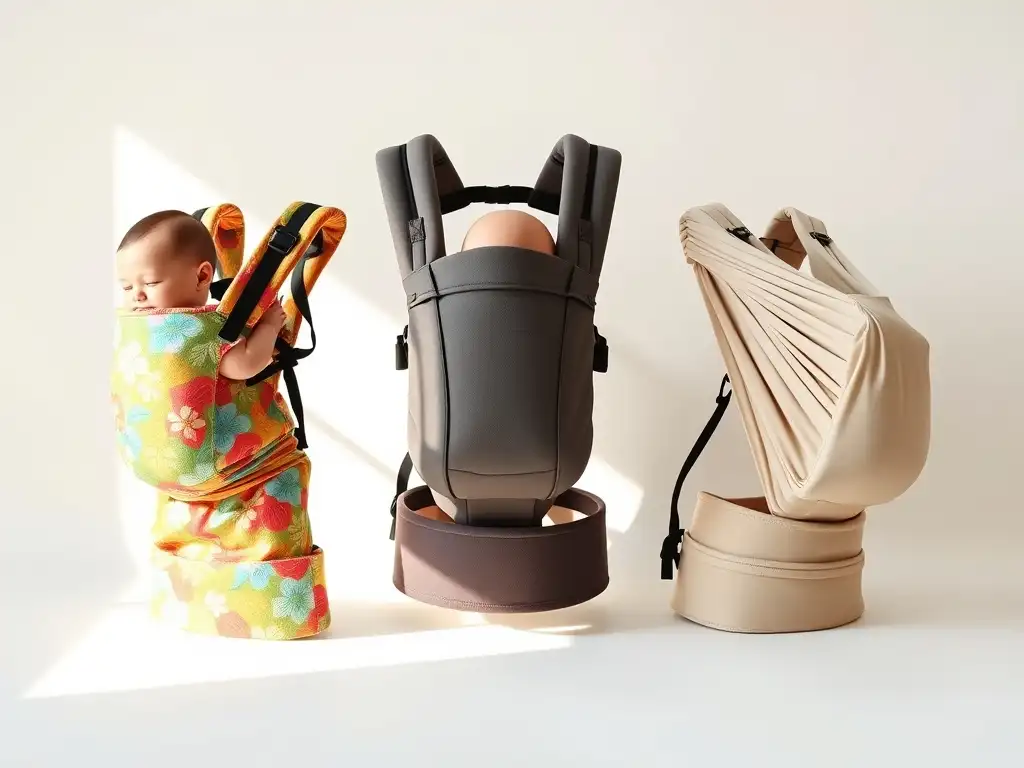
Choosing the right baby carrier can feel overwhelming for new parents. While many options exist, Mei Tai carriers offer a unique blend of comfort and adjustability. This section will compare Mei Tai carriers to other popular choices, highlighting their respective strengths and weaknesses to help you make an informed decision for your newborn.
Understanding the nuances of each type will help you determine which best suits your lifestyle and baby's needs. This is crucial for maximizing the benefits of babywearing, including improved bonding and easier management of your newborn. The key to selecting the perfect carrier lies in understanding your specific requirements and preferences.
Mei Tai Carriers vs. Wraps: Exploring the Differences
Mei Tai carriers and baby wraps both offer close proximity to your baby, promoting a strong parent-child bond. However, they differ significantly in their structure and ease of use. Wraps, typically made of long lengths of fabric, require a learning curve to master the wrapping techniques. This can be challenging, especially for first-time parents juggling a newborn. Conversely, Mei Tai carriers feature a structured design with straps and panels, making them quicker and simpler to put on and adjust.
| Feature | Mei Tai Carrier | Baby Wrap |
|---|---|---|
| Ease of Use | Relatively easy, quick to learn and adjust | Requires practice and skill to wrap correctly |
| Adjustability | Highly adjustable to fit various body types | Less adjustable, fit depends on wrapping skill |
| Portability | Easier to pack and carry when not in use | Can be bulky and difficult to store |
| Support | Provides good support for newborns and toddlers | Support depends on wrapping technique and fabric |
| Cost | Moderate | Varies greatly depending on fabric and brand |
While wraps offer exceptional adjustability and a snug fit once mastered, Mei Tai carriers provide a more user-friendly alternative, especially for those seeking a straightforward and convenient babywearing solution. The initial learning curve of wraps may be a deterrent for some parents, especially during the demanding early days with a newborn. This ease of use is a significant advantage for the "newborn Mei Tai carrier benefits" many parents seek.
Mei Tai Carriers vs. Structured Carriers: A Detailed Comparison
Structured carriers, such as ergonomic carriers, offer a pre-formed, rigid structure. This provides excellent support, especially for heavier babies. However, this structure often comes at the cost of adjustability. Mei Tai carriers, while offering less rigid support, boast superior adjustability. This allows for a customized fit for both parent and child, accommodating different body types and growth spurts. This adaptability is a key advantage, particularly during a baby's rapid growth phase in the early months.
Consider this scenario: A parent with a smaller frame might find a structured carrier too bulky and uncomfortable, while a larger parent might find it difficult to achieve a snug fit for a smaller newborn. A Mei Tai carrier's adjustable straps and panels solve this problem, offering a personalized fit regardless of size. Furthermore, Mei Tai carriers often allow for different carrying positions, accommodating the baby's preferences and developmental needs. The flexibility inherent in the design contributes significantly to the "newborn Mei Tai carrier benefits" parents often cite.
Mei Tai Carriers vs. Sling Carriers: Weighing the Pros and Cons
Sling carriers are simple, lightweight, and often inexpensive. However, they typically offer limited support and adjustability compared to Mei Tai carriers. The lack of structured support can be a concern for newborns, who require firm support for their head and spine. Mei Tai carriers provide a better combination of support, adjustability, and ease of use than slings, making them a more versatile option for various stages of infancy.
The simplicity of slings can be appealing, but the lack of features may prove limiting as your baby grows. A Mei Tai carrier's structured design offers better weight distribution and ergonomic support, reducing strain on the parent's back and shoulders. This is especially crucial during extended periods of babywearing.
This superior support and adjustability are major elements contributing to the positive "newborn Mei Tai carrier benefits" often discussed among parents. Ultimately, the choice depends on individual needs and preferences, but for the comprehensive support and adjustability needed for a newborn, a Mei Tai carrier often emerges as the superior choice.
Maintaining and Caring for Your Mei Tai Carrier
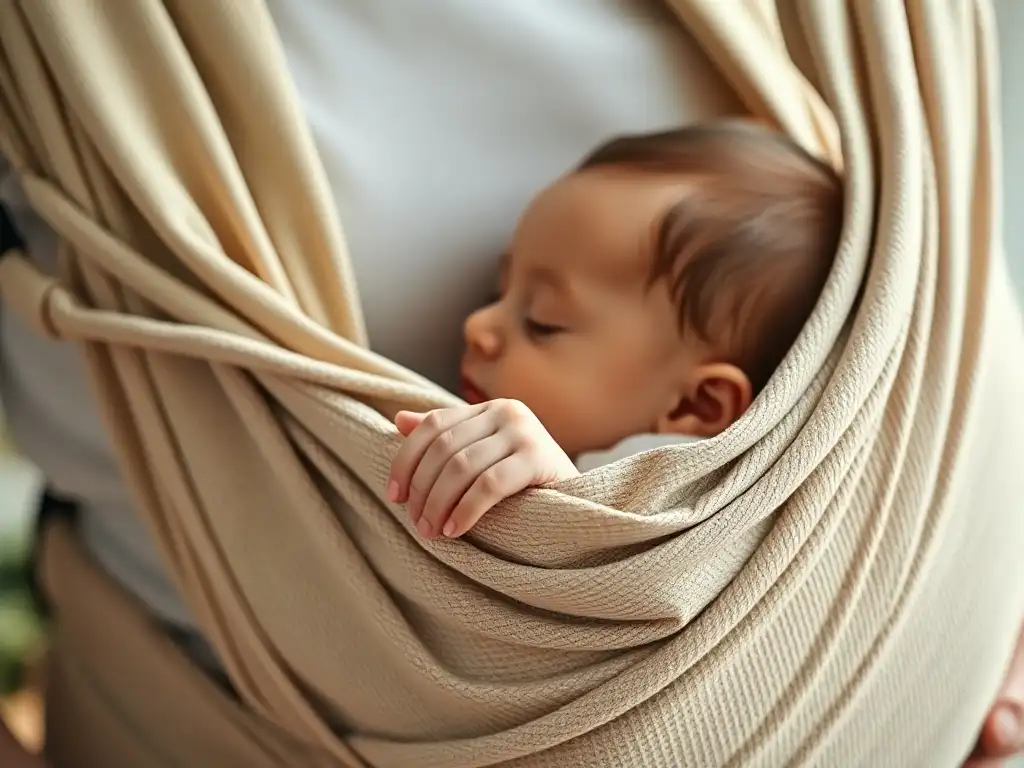
This section focuses on the long-term care of your Mei Tai carrier, ensuring its longevity and maintaining its hygiene for your newborn's safety and comfort. Proper maintenance is key to maximizing the benefits of your newborn Mei Tai carrier and ensuring many happy months of babywearing. Following these simple steps will help keep your carrier in top condition.
Cleaning and Hygiene Tips for Your Newborn Mei Tai Carrier
Maintaining hygiene is paramount when using a Mei Tai carrier for your newborn. Spit-up, drool, and even occasional accidents are all part of the babywearing experience. Regular cleaning is crucial to prevent the buildup of bacteria and keep your little one comfortable.
Here's a step-by-step guide to cleaning your Mei Tai carrier:
- Spot Cleaning: For minor spills or stains, spot clean immediately using a damp cloth and mild detergent. Gently blot the area, avoiding harsh scrubbing that could damage the fabric. Air dry completely before using the carrier again.
- Machine Washing: Always check the care instructions on your specific Mei Tai carrier label. Some are machine washable, while others require hand washing. If machine washing is permitted, use a gentle cycle with cold water and a mild detergent designed for baby clothes. Avoid using bleach or fabric softener. Air dry flat; do not put it in the dryer.
- Hand Washing: For delicate fabrics or if machine washing is not recommended, hand wash your carrier in a basin of cold water with mild detergent. Gently squeeze and swish the carrier, avoiding harsh rubbing. Rinse thoroughly with cool water and gently squeeze out excess water. Air dry flat, away from direct sunlight.
- Sun Drying: Sunlight is a natural disinfectant and can help eliminate odors. After washing, allow your carrier to air dry in a well-ventilated area, preferably in direct sunlight for a few hours. This helps to freshen the fabric and kill any lingering bacteria.
Remember to always check the care label before cleaning your Mei Tai carrier. Following the manufacturer's instructions will help preserve the quality and lifespan of your carrier. Regular cleaning is a crucial part of ensuring the newborn Mei Tai carrier benefits extend over time.
Storing Your Mei Tai Carrier Properly: Extending its Lifespan
Proper storage is essential for keeping your Mei Tai carrier in optimal condition between uses. Improper storage can lead to damage, fading, and even the growth of mildew. Here are some tips for extending the life of your carrier:
- Clean Before Storing: Before storing your Mei Tai carrier, ensure it is clean and completely dry. This prevents the growth of mold and mildew.
- Fold Carefully: Fold your carrier neatly to avoid creasing or wrinkles. You can loosely roll it or fold it according to the manufacturer's instructions.
- Store in a Cool, Dry Place: Store your carrier in a cool, dry place, away from direct sunlight and extreme temperatures. A breathable storage bag or shelf is ideal.
- Avoid Damp Environments: Moisture is the enemy of fabric. Keep your carrier away from damp or humid areas to prevent mildew and mold growth.
By following these simple storage tips, you can ensure that your newborn Mei Tai carrier remains in excellent condition for future use, maximizing its benefits and providing you with years of comfortable babywearing.
Troubleshooting Common Issues with Your Mei Tai Carrier
Even with proper care, you might encounter some minor issues with your Mei Tai carrier. Here are some common problems and their solutions:
| Problem | Solution |
|---|---|
| Loose Straps | Check for any loose stitching and tighten the straps as needed. Consider replacing if necessary. |
| Fading | Avoid prolonged exposure to direct sunlight and follow washing instructions carefully. |
| Pilling (small fabric balls) | This is normal for some fabrics; use a fabric shaver or gently remove the pills with your fingers. |
| Minor Stains | Spot clean immediately with a damp cloth and mild detergent. For persistent stains, try a stain remover. |
Remember that a well-maintained Mei Tai carrier will offer a comfortable and secure experience for both you and your newborn. Addressing minor issues promptly will help extend its lifespan and ensure you get the most out of this valuable babywearing tool. Addressing these common issues proactively contributes significantly to enjoying the numerous newborn Mei Tai carrier benefits.
Frequently Asked Questions about Newborn Mei Tai Carriers
This section addresses common concerns and queries surrounding the use of Mei Tai carriers for newborns, focusing specifically on safety and practical considerations. Understanding these frequently asked questions will help you make informed decisions about incorporating a Mei Tai carrier into your newborn's routine. The benefits of using a Mei Tai carrier for your newborn are numerous, but proper usage and understanding of its limitations are crucial.
Are Mei Tai Carriers Safe for Premature Babies?
The safety of using a Mei Tai carrier for a premature baby depends heavily on the individual baby's health and development. While Mei Tai carriers offer excellent support and closeness, premature babies often have underdeveloped muscles and require extra care. It's crucial to consult with your pediatrician or neonatologist before using a Mei Tai carrier with a premature infant. They can assess your baby's specific needs and determine if the physical support offered by a Mei Tai carrier is appropriate.
Factors to consider include the baby's gestational age, weight, and overall health. A premature baby might need additional support beyond what a Mei Tai carrier provides, potentially requiring a specialized infant carrier designed for preemies. Remember, your baby's health and well-being are paramount.
Premature babies often have difficulty regulating their body temperature, so monitoring their comfort and temperature while in the carrier is also vital. Always ensure the baby is appropriately dressed for the environment and check regularly for signs of overheating or discomfort. The "frog-leg" position, essential for hip health in all babies, is especially important for preemies and should be carefully maintained in the Mei Tai.
How Long Can I Use a Mei Tai Carrier with My Newborn?
The duration you can use a Mei Tai carrier with your newborn depends on several factors, including your baby's growth, development, and your comfort level. Generally, Mei Tai carriers are suitable for newborns until they reach the weight limit specified by the manufacturer, which is typically around 20-35 pounds. However, even before reaching this weight limit, you might find that your baby outgrows the carrier in terms of length. Some babies might become too long or too wiggly for the Mei Tai to provide adequate support and comfort before reaching the weight limit.
Beyond physical limitations, consider your own physical capabilities. Carrying a larger infant for extended periods can be physically demanding. Listen to your body and take frequent breaks. It’s important to prioritize both your comfort and your baby’s safety. As your baby grows, you may find it more comfortable to transition to another type of baby carrier tailored for older infants and toddlers.
Signs Your Baby Might Outgrow Their Mei Tai:
- Baby's head consistently bobs forward or to the side.
- Baby appears uncomfortable or cramped.
- The carrier's straps are constantly slipping or adjusting.
- You experience significant back or shoulder pain.
What are the Weight Limits for Newborn Mei Tai Carriers?
Weight limits for newborn Mei Tai carriers vary significantly depending on the brand and model. Always refer to the manufacturer's instructions for the specific weight limit of your chosen carrier. These limits are crucial for the safety and comfort of your baby. Exceeding the weight limit can put undue stress on your baby's spine and hips and compromise the structural integrity of the carrier itself. It can also make carrying your baby uncomfortable and potentially dangerous for you.
It's important to note that some manufacturers provide a range for newborn use, perhaps specifying a minimum and maximum weight within a broader weight limit. This is usually because newborns vary greatly in size and weight. Pay close attention to these specifications to ensure you're using the carrier safely and appropriately for your baby's size. Regularly check your baby's weight and compare it to the manufacturer's recommendations to ensure continued safe usage.
| Brand Example | Weight Limit (lbs) | Notes |
|---|---|---|
| Brand A | 20-35 | May specify a minimum newborn weight |
| Brand B | 25 | Generally suitable for larger newborns |
| Brand C | 30 | May have specific newborn adjustment options |
Remember, prioritizing safety is key. Always double-check the weight limit and follow the manufacturer's instructions carefully. If you're ever unsure, consulting a pediatrician is always advisable.
Can I Breastfeed My Baby While Using a Mei Tai Carrier?
Yes, many parents find that breastfeeding while using a Mei Tai carrier is quite feasible. The close proximity and supportive nature of the Mei Tai allows for discreet and comfortable nursing. However, the ease of breastfeeding in a Mei Tai depends largely on the carrier's design and your baby's age and size.
Newborn babies, particularly those who are still adjusting to latching, might require more support and adjustment during breastfeeding sessions. A Mei Tai with a wider seat and good neck support can be beneficial in these situations. You may need to loosen the straps slightly to allow for better access and positioning. Remember to maintain a comfortable position for yourself to avoid strain.
As your baby grows, breastfeeding in a Mei Tai generally becomes easier. Their greater head control and improved latch make the process less demanding. However, always prioritize a safe and comfortable position for both you and your baby. If you find it challenging, don't hesitate to take breaks and nurse your baby outside of the carrier.
Consider the following tips for successful breastfeeding in a Mei Tai:
- Choose a Mei Tai with good adjustability: A carrier that allows for fine-tuning of the straps is crucial for finding the perfect fit for both you and your nursing baby.
- Practice beforehand: Before attempting to nurse your baby in the Mei Tai while out and about, practice at home to get comfortable with the process.
- Find a comfortable position: Experiment with different positions to find what works best for you and your baby.
- Prioritize safety: Always ensure your baby's airway remains clear and that they are securely positioned within the carrier.
Remember that every baby and every parent is different. What works for one family might not work for another. If you encounter difficulties, don't be discouraged. The most important thing is to find a nursing method that is comfortable and safe for both you and your little one. Consider consulting with a lactation consultant for personalized advice and support if needed.
Frequently Asked Questions
Are Mei Tai carriers safe for newborns?
Yes, Mei Tai carriers can be safe for newborns, but only if they provide adequate newborn support and are used correctly. Look for carriers specifically designed for newborns and ensure your baby's airway is clear and they are positioned securely.
What are the benefits of using a Mei Tai carrier for a newborn?
Mei Tai carriers offer several benefits, including close proximity to the parent, promoting bonding. They also provide ergonomic support for your baby's hips and spine and allow for customizable fit.
How do I choose the right Mei Tai carrier for my newborn?
Look for a Mei Tai carrier with newborn inserts or a panel that can be adjusted to snugly fit a small baby. Ensure it has strong stitching and comfortable straps for the wearer. Consider the fabric's breathability, too.
How long can I use a Mei Tai carrier with my newborn?
You can usually use a Mei Tai carrier with your newborn until they reach around 20-25 pounds, depending on the carrier's specifications and your baby's size. Always check the manufacturer's recommendations.
What are the differences between a Mei Tai and other baby carriers?
Mei Tai carriers differ from other carriers like slings or structured carriers in their fabric panel and adjustable straps, offering a customized and flexible fit. This allows for greater adaptability as your baby grows.
Final Reflection: Embracing the Bond: Mei Tai Carriers and the Modern Parent
The enduring appeal of Mei Tai baby carriers lies not just in their comfort and versatility, but in their ability to foster a profound connection between parent and child in our increasingly fast-paced world. This simple yet ingenious design offers a tangible solution to the modern parent's need for closeness, practicality, and a sense of calm amidst the chaos of daily life. The benefits extend far beyond mere convenience; they touch upon the very essence of nurturing and bonding.
The impact of close physical contact on infant development is undeniable, shaping not only their physical well-being but also their emotional security and cognitive growth. This inherent understanding of the parent-child bond has been woven into the fabric of cultures across the globe for centuries, and the Mei Tai carrier represents a modern iteration of this ancient wisdom. The most important thing a father can do for his children is to love their mother.
– Theodore Hesburgh. While this quote focuses on the family unit, the sentiment extends to the crucial role of physical closeness in building a strong foundation for a child's life, a foundation readily supported by the Mei Tai.
Consider the legacy of this simple tool. Think about the countless moments of shared experience, the quiet lullabies whispered close to a sleeping infant, the gentle sway that soothes anxieties. You, the reader, hold the power to shape these moments. Choose to embrace the closeness, the comfort, and the connection that a Mei Tai carrier offers. Invest in this simple yet profound tool, and witness firsthand the transformative power of a parent's loving embrace, strengthened by the practical support of a well-designed Mei Tai.
Unlock Your Baby's Comfort: Embrace the Mei Tai!
Thank you for exploring the wonderful world of Mei Tai baby carriers! We hope this article helped you understand the benefits of this versatile and comfortable way to carry your little one. Now, let's put that knowledge into practice.
- Find the perfect fit: Explore our curated selection of top-rated Mei Tai carriers to find one that suits both you and your baby. Consider factors like fabric, adjustability, and weight limits.
- Share your experience: Tell us about your Mei Tai journey! Post a picture of you and your baby in your chosen carrier on social media using #BabyCareHubMeiTai and #MeiTaiLove. Let's build a supportive community of Mei Tai parents!
- Explore different carrying positions: Experiment with different ways to position your baby for optimal comfort and bonding.
What do you love most about using a Mei Tai, and what advice would you offer new parents?