
Jaundice in Newborns: Early Signs and Essential Management Tips


Welcome to BabyCareHub, your ultimate guide to navigating the incredible journey of parenthood! Are you a first-time parent feeling overwhelmed by the complexities of newborn care? We understand. That's why we've created this comprehensive resource, packed with practical advice and expert insights. Discover essential information on everything from feeding schedules to developmental milestones, and learn about crucial topics like newborn jaundice treatment options, ensuring your little one thrives. Let's explore the world of baby care together – your adventure starts now!
- Understanding Newborn Jaundice: A Parent's Guide
- Diagnosing Newborn Jaundice: Tests and Procedures
- Newborn Jaundice Treatment Options: A Comprehensive Overview
- Preventing and Managing Jaundice in Newborns: Practical Tips
- Long-Term Outlook and Potential Complications of Untreated Jaundice
- When to Seek Immediate Medical Attention for Newborn Jaundice
- Frequently Asked Questions
- Final Reflection: The Golden Hue of Hope: Navigating Newborn Jaundice
- Unveil Your Newborn's Radiant Health: Take Action Today
Understanding Newborn Jaundice: A Parent's Guide
New parenthood is a joyous journey filled with wonder and, inevitably, a few anxieties. One common concern that often arises among first-time parents is newborn jaundice. This yellowish discoloration of the skin and whites of the eyes can be alarming, but understanding its causes, recognizing its early signs, and knowing the available treatment options can significantly alleviate parental stress.
This comprehensive guide provides a step-by-step approach to understanding and managing newborn jaundice, empowering you to confidently navigate this phase of your baby's development. We'll explore different types of jaundice, discuss early detection methods, and outline various newborn jaundice treatment options, equipping you with the knowledge to ensure your little one receives the best possible care. Remember, seeking professional medical advice is crucial; this guide serves as an informative resource to complement, not replace, expert medical guidance.
What is Jaundice in Newborns?
Jaundice in newborns is a common condition characterized by a yellowing of the skin and the whites of the eyes (sclera). It occurs due to a buildup of bilirubin, a yellowish pigment produced during the breakdown of red blood cells. A newborn's liver, still developing, may not be efficient enough to process and eliminate bilirubin at the necessary rate, leading to its accumulation. The severity of jaundice varies; some cases are mild and resolve spontaneously, while others require medical intervention. The prevalence of jaundice in newborns is quite high, affecting approximately 60% of full-term infants and up to 80% of preterm infants. 1 This highlights the importance of understanding its nuances and management strategies. The accumulation of bilirubin can, in severe cases, lead to complications if not properly managed. Therefore, early detection and appropriate medical attention are paramount.
Recognizing the Early Signs of Jaundice
Early detection is key to effective management of newborn jaundice. While the yellowing of the skin and eyes is the most obvious sign, it's crucial to be aware of subtle indicators, especially in the early stages. Jaundice typically begins in the face and head, gradually spreading downwards to the chest, abdomen, and extremities. 2
- Subtle Yellowing: The yellow discoloration might be initially subtle, particularly in areas with less pigment like the whites of the eyes or the roof of the mouth. Pay close attention to these areas.
- Progression: Observe the progression of the yellowing. If it's spreading downwards and becoming more intense, seek medical advice.
- Skin Tone Changes: Compare your baby's skin tone to the skin tone of their hands and feet. If the skin tone on the trunk and face is noticeably more yellow, it may indicate jaundice.
- Urine and Stool Color: Dark urine and pale stools can also be indicative of jaundice, signifying that bilirubin isn't being processed and excreted efficiently.
Types of Jaundice in Newborns: Physiological vs. Pathological
It's essential to differentiate between physiological and pathological jaundice. Physiological jaundice is a common, benign form that typically appears after the first 24 hours of life and resolves within a week or two. It's usually caused by the normal breakdown of red blood cells and the immature liver's inability to process bilirubin quickly enough. Pathological jaundice, on the other hand, appears within the first 24 hours of life or persists beyond two weeks.
It can be indicative of underlying medical conditions requiring immediate attention. These conditions can range from blood group incompatibility to infections and metabolic disorders. A healthcare professional will perform tests to determine the type and severity of jaundice, guiding the appropriate course of treatment. Early diagnosis is crucial for managing pathological jaundice effectively and preventing potential complications.
1 [Data source pending]
2 [Data source pending]
Risk Factors for Severe Newborn Jaundice
Several factors can increase a newborn's risk of developing severe jaundice requiring medical intervention. Understanding these risk factors allows parents and healthcare providers to be more vigilant and take proactive measures. These factors aren't necessarily predictive, but their presence warrants closer monitoring.
One significant risk factor is premature birth. Babies born before 37 weeks of gestation often have immature liver function, making them more susceptible to hyperbilirubinemia. Their livers simply aren't yet fully equipped to process bilirubin efficiently. This immaturity can lead to a build-up of bilirubin, resulting in elevated levels and potentially severe jaundice. The earlier the birth, the greater the risk. For example, a baby born at 28 weeks is at considerably higher risk than a baby born at 35 weeks.
Another critical factor is blood type incompatibility between the mother and baby. If the mother's blood type is Rh-negative and the baby's is Rh-positive, the mother's antibodies can attack the baby's red blood cells, leading to increased bilirubin production. This condition, known as Rh incompatibility, can cause significant jaundice and requires careful monitoring and potential treatment. Similarly, ABO incompatibility, where the mother and baby have different blood types within the ABO system (A, B, AB, or O), can also contribute to elevated bilirubin levels.
Birth trauma or cephalohematoma, a collection of blood under the scalp, can also increase the risk of severe jaundice. The breakdown of red blood cells from the trauma releases bilirubin into the bloodstream, leading to higher than normal levels. The severity of the jaundice often correlates with the size and extent of the cephalohematoma. Careful monitoring of babies born with cephalohematomas is crucial.
Furthermore, certain genetic conditions and infections can predispose newborns to jaundice. Some genetic disorders affect the liver's ability to process bilirubin, while infections can cause increased red blood cell breakdown. Identifying these underlying conditions is important for appropriate management and treatment. Specific genetic conditions associated with increased risk often involve issues with bilirubin metabolism and can vary widely in severity.
Finally, certain medications taken by the mother during pregnancy or by the newborn after birth can also increase the risk of jaundice. These medications can interfere with the liver's ability to process bilirubin or can cause increased red blood cell destruction. Always discuss potential medications with your healthcare provider, both during pregnancy and after the baby is born.
It’s crucial to understand the potential impact of medications on the newborn's liver function. A detailed history of medications is essential for appropriate assessment and management of newborn jaundice. The use of certain antibiotics or other medications can significantly increase the risk of hyperbilirubinemia.
Diagnosing Newborn Jaundice: Tests and Procedures

Diagnosing newborn jaundice relies on a combination of visual assessment and laboratory tests. The severity of jaundice and the need for intervention are determined by the level of bilirubin in the baby's blood and the overall clinical picture. Understanding these diagnostic methods is crucial for parents seeking effective newborn jaundice treatment options.
Bilirubin Levels and Their Significance
The cornerstone of diagnosing jaundice is measuring the level of bilirubin in the baby's blood. Bilirubin is a yellowish pigment produced during the breakdown of red blood cells. In newborns, the immature liver may struggle to process bilirubin efficiently, leading to its accumulation in the blood and tissues, causing the yellow discoloration characteristic of jaundice.
Bilirubin levels are typically measured using a transcutaneous bilirubinometer (TcB), a non-invasive device that shines a light on the baby's skin to estimate bilirubin concentration. However, a blood test (serum bilirubin test) is necessary to obtain a precise measurement. The results are expressed in milligrams per deciliter (mg/dL) or micromoles per liter (µmol/L).
The significance of bilirubin levels depends on several factors, including the baby's age, gestational age, and overall health. While there's no single "dangerous" level, higher bilirubin levels generally indicate a more severe case of jaundice, potentially requiring more aggressive newborn jaundice treatment options. For example, levels above a certain threshold may indicate the need for phototherapy or, in rare cases, exchange transfusion.
Here's a simplified representation (note: these ranges are general guidelines and may vary based on individual factors. Always consult with a pediatrician for accurate interpretation):
| Bilirubin Level (mg/dL) | Potential Significance |
|---|---|
| < 5 | Often considered within the normal range |
| 5-12 | May require monitoring and further assessment |
| > 12 | Often indicates a need for further investigation and potential treatment |
| > 20 | Typically requires immediate intervention |
It's crucial to understand that these are just guidelines. A pediatrician will interpret the bilirubin level in conjunction with other clinical findings to determine the appropriate course of action. Early detection and appropriate management are key to preventing potential complications.
Physical Examination by a Pediatrician
A thorough physical examination by a pediatrician is an essential part of diagnosing newborn jaundice. This involves a visual assessment of the baby's skin and sclera (the whites of the eyes) to determine the extent and severity of jaundice. The pediatrician will also assess the baby's overall health, looking for any other signs or symptoms that might contribute to the jaundice or indicate underlying conditions.
The pediatrician will note the color of the skin and sclera, paying close attention to the progression of the yellow discoloration. Jaundice typically starts on the face and then progresses downward to the chest, abdomen, and extremities. The intensity of the yellow color also provides valuable information about the severity of jaundice. For example, a deep yellow or orange hue might suggest a higher bilirubin level compared to a pale yellow tint.
In addition to evaluating the visual signs of jaundice, the pediatrician will assess the baby’s overall health, including:
- Feeding patterns: Adequate feeding is crucial for bilirubin excretion.
- Weight gain: Monitoring weight gain helps assess the baby's overall well-being.
- Activity levels: Assessing the baby's alertness and activity can help identify potential complications.
- Urine and stool color: The color of the urine and stool can provide clues about bilirubin processing. Dark urine and pale stools can be indicative of bilirubin buildup.
The physical examination provides valuable contextual information that complements the bilirubin level measurements.
Blood Tests to Determine Jaundice Severity
While a transcutaneous bilirubinometer provides a quick estimate, a blood test is essential for an accurate measurement of bilirubin levels and to rule out underlying medical conditions. A blood sample is drawn from the baby's heel or vein, and the serum bilirubin level is then measured in a laboratory.
Different types of blood tests may be performed depending on the suspected cause of jaundice. These tests can help determine the type of bilirubin (direct or indirect), which can help pinpoint the underlying cause. Further investigations might include tests to assess liver function, red blood cell count, and other relevant blood parameters.
In some cases, additional tests may be needed to identify the underlying cause of the hyperbilirubinemia, such as:
- Coombs test: This test checks for antibodies that may be attacking the baby's red blood cells, a potential cause of jaundice.
- Blood typing and cross-matching: This helps determine blood compatibility between the mother and the baby in cases of potential blood group incompatibility.
- Complete blood count (CBC): This evaluates the number and types of blood cells, helping to identify potential infections or other blood disorders.
- Liver function tests (LFTs): These tests help assess the health of the liver.
The results of these blood tests, combined with the clinical findings from the physical examination and the TcB measurement, help the pediatrician determine the appropriate newborn jaundice treatment options and monitor the baby's progress. Early diagnosis and intervention are crucial for preventing potential complications associated with hyperbilirubinemia.
Transcutaneous Bilirubinometry (TcB)
Transcutaneous bilirubinometry (TcB) is a non-invasive method used to estimate the bilirubin level in a newborn's skin. A handheld device, similar to a small scanner, emits light onto the baby's skin, usually on the forehead or sternum. This light is then measured to determine the amount of bilirubin present. The device calculates the total serum bilirubin (TSB) level based on this measurement. It's important to understand that TcB provides an estimate of the bilirubin level, not a definitive diagnosis.
While convenient and quick, it's not as accurate as a blood test and may be less reliable in babies with dark skin tones or those with significant edema (swelling). The results obtained from TcB can guide healthcare professionals in deciding whether further testing is necessary, such as a blood test to confirm the bilirubin level. The accuracy of TcB can vary depending on the device used and the skill of the person operating it. Therefore, the results should always be interpreted in conjunction with the baby's clinical presentation and other relevant factors. Many hospitals and clinics utilize TcB as a screening tool for jaundice, allowing for efficient monitoring of bilirubin levels in newborns.
It helps to reduce the need for unnecessary blood draws, especially in babies who appear well and have low to moderate jaundice. However, it's crucial to remember that TcB is a screening tool and should not replace a blood test if there is any concern about the severity of the jaundice. The information provided by TcB helps healthcare providers make informed decisions about the appropriate treatment strategy for newborn jaundice. This non-invasive method offers a valuable first step in assessing and managing this common condition. For instance, a reading significantly higher than the normal range would prompt a blood test for confirmation and further assessment.
Newborn Jaundice Treatment Options: A Comprehensive Overview
Jaundice, characterized by a yellowish discoloration of the skin and whites of the eyes, is a common condition affecting many newborns. While often mild and resolving on its own, understanding the various newborn jaundice treatment options is crucial for parents and caregivers. The severity of jaundice and the chosen treatment approach depend on several factors, including the baby's age, bilirubin levels, and overall health. This section will explore the key treatment options available, emphasizing the importance of early detection and prompt medical intervention when necessary.
Effective management of newborn jaundice significantly reduces the risk of potential long-term complications. The goal is to lower bilirubin levels safely and efficiently to prevent neurological damage. Remember, always consult your pediatrician for personalized advice and treatment plans.
Monitoring Jaundice at Home: When to Seek Medical Attention
Monitoring your newborn for jaundice at home is a vital part of early detection. While a slight yellow tinge might be normal in the first few days, a deepening or spreading yellow color requires attention. Regularly assess your baby's skin and eyes in natural light, paying close attention to the whites of the eyes and the palms of their hands and feet. These areas tend to show jaundice more prominently.
Many parents find it helpful to use a jaundice meter 1 , a device that measures the bilirubin level in the skin. However, it's crucial to remember that these meters are not substitutes for professional medical assessment. They can provide a general indication, but a doctor's examination and blood test remain the gold standard for accurate bilirubin level determination.
Here's a simple checklist to help you determine when to seek medical attention:
- Increasing yellowness: If the yellow color deepens or spreads beyond the face to the body within a short period.
- Lethargy or poor feeding: Jaundice can cause newborns to be less active and feed poorly.
- High-pitched cry: A change in the baby's cry can indicate discomfort or distress associated with high bilirubin levels.
- Temperature instability: Unusual fluctuations in body temperature can be another warning sign.
- Pale stools or dark urine: These changes in bowel movements and urination suggest potential liver involvement.
Don't hesitate to contact your pediatrician or healthcare provider if you have any concerns. Early intervention is key to preventing potential complications associated with high bilirubin levels. Remember, it's always better to err on the side of caution.
Phototherapy: How it Works and What to Expect
Phototherapy is a common and effective treatment for moderate to severe jaundice. It involves exposing the baby to special blue-spectrum lights. These lights convert bilirubin in the baby's skin into a water-soluble form, allowing it to be easily excreted in the urine and stool.
The process typically involves placing the baby under the lights, often naked or wearing only a diaper. The baby's eyes are usually protected with eye shields to prevent potential retinal damage from the lights. The duration of phototherapy varies depending on the severity of the jaundice and the baby's response to treatment. Some babies might require several hours or days of treatment.
During phototherapy, you might notice some changes in your baby's bowel movements and urine. The stools may become greener, and the urine may become more frequent and darker. This is a normal sign that the bilirubin is being effectively processed and eliminated.
While generally safe and effective, phototherapy can have some side effects, such as loose stools and temporary skin rash. Your healthcare provider will monitor your baby closely during the treatment and address any concerns. The benefits of phototherapy in reducing bilirubin levels and preventing potential complications usually outweigh these minor side effects.
Exchange Blood Transfusion: Understanding the Procedure
Exchange blood transfusion is a more intensive procedure used in severe cases of jaundice when phototherapy is insufficient to lower bilirubin levels. This procedure involves removing a small amount of the baby's blood and replacing it with fresh, healthy blood. This exchange helps to significantly reduce the bilirubin levels in the baby's bloodstream.
The procedure is usually performed in a hospital setting by experienced neonatologists. It requires careful monitoring of the baby's vital signs throughout the process. While it's a more invasive procedure than phototherapy, it's a life-saving intervention in cases of severe hyperbilirubinemia. The decision to perform an exchange transfusion is made on a case-by-case basis, considering the baby's overall health and bilirubin levels.
Post-procedure, the baby will be closely monitored for any complications. The healthcare team will provide detailed instructions on caring for the baby after the exchange blood transfusion. This procedure is relatively rare, and the vast majority of newborns with jaundice can be successfully managed with less invasive methods like phototherapy and careful monitoring.
1 The accuracy and reliability of at-home jaundice meters can vary. Always consult with your pediatrician for accurate bilirubin level assessment.
Home Care Strategies to Support Treatment
Home care plays a crucial role in managing newborn jaundice, especially in cases of mild to moderate hyperbilirubinemia. These strategies often complement medical interventions, helping to reduce bilirubin levels and ensure the baby's comfort. Successful home management requires diligent monitoring and adherence to the pediatrician's instructions. Parents should never hesitate to contact their healthcare provider if they have any concerns or notice any changes in their baby's condition.
One of the most effective home care strategies is frequent feeding. This is because bilirubin is a byproduct of the breakdown of red blood cells, and frequent feeding helps to eliminate bilirubin more efficiently. For breastfed babies, this means nursing on demand, often every 2-3 hours, or even more frequently if the baby shows signs of hunger. For formula-fed babies, a similar feeding schedule should be followed, ensuring the baby is receiving enough formula to stay hydrated and eliminate waste effectively. The increased frequency of bowel movements resulting from frequent feeding helps expel bilirubin from the body.
Another important aspect of home care is monitoring the baby's hydration. Dehydration can worsen jaundice, so it's crucial to ensure the baby is adequately hydrated. For breastfed babies, monitoring wet diapers is a good indicator of hydration. Expect at least six to eight wet diapers per day. For formula-fed babies, observe the color and consistency of their urine. Dark yellow or concentrated urine suggests dehydration. If you have any concerns about your baby's hydration, consult your pediatrician immediately.
Beyond feeding and hydration, skin-to-skin contact can also be beneficial. This practice promotes bonding and helps regulate the baby's temperature, which can indirectly influence bilirubin levels. Skin-to-skin contact is particularly helpful for promoting breastfeeding and enhancing the mother-baby relationship. The warmth and closeness of skin-to-skin contact can also help soothe the baby and improve their overall well-being.
Finally, monitoring the baby's symptoms is vital. Parents should carefully observe their baby for signs of worsening jaundice, such as increasing yellowing of the skin and whites of the eyes, lethargy, poor feeding, and difficulty waking up. Any changes in the baby's behavior or appearance should be immediately reported to the pediatrician.
Regular follow-up appointments are essential to monitor bilirubin levels and ensure that the treatment is effective. Early detection and intervention are key to preventing potential complications associated with newborn jaundice. Remember, proactive monitoring and prompt communication with healthcare providers are crucial for successful home management of newborn jaundice.
Preventing and Managing Jaundice in Newborns: Practical Tips

Jaundice, characterized by a yellowish discoloration of the skin and whites of the eyes, is a common condition affecting many newborns. While often harmless and resolving on its own, understanding preventative measures and effective management strategies is crucial for parents. This section focuses on practical tips to minimize the risk and effectively manage newborn jaundice, thereby contributing to the overall well-being of your little one. Effective management of newborn jaundice often involves a multi-pronged approach, encompassing lifestyle adjustments and, in some cases, medical intervention. This section provides practical advice on how to navigate this common neonatal condition.
Breastfeeding and Jaundice: Benefits and Considerations
Breastfeeding plays a significant role in both preventing and treating newborn jaundice. Colostrum, the first milk produced after birth, is rich in antibodies and laxatives that help clear bilirubin from the baby's system more efficiently. Frequent breastfeeding, ideally every 2-3 hours, encourages regular bowel movements, further aiding in bilirubin excretion.
However, it's crucial to understand that in some cases, breastfeeding itself can be associated with a slightly higher risk of jaundice, particularly in the first few days of life. This is because breastfeeding babies may not be taking in as much fluid as formula-fed babies, potentially leading to dehydration and slower bilirubin clearance. This type of jaundice, often called breastfeeding-associated jaundice, is usually mild and resolves without intervention.
The key is consistent and effective breastfeeding. Signs of ineffective breastfeeding include infrequent urination (less than 6-8 wet diapers per day), insufficient weight gain, and lethargy. If you have concerns about your baby's breastfeeding or suspect ineffective feeding, consult a lactation consultant or pediatrician immediately. They can assess your latch, feeding technique, and your baby's weight gain to ensure optimal nutrition and bilirubin clearance.
| Benefit of Breastfeeding for Jaundice | Consideration |
|---|---|
| Provides antibodies and laxatives to aid bilirubin excretion | May be associated with a slightly increased risk of jaundice in some cases |
| Promotes frequent bowel movements, helping eliminate bilirubin | Requires careful monitoring of baby's hydration and weight gain |
| Offers optimal nutrition for baby's overall health | Consult a lactation consultant if you have any concerns about breastfeeding |
Hydration Strategies for Jaundice Management
Adequate hydration is paramount in managing newborn jaundice. For breastfed babies, frequent and effective breastfeeding is the primary source of hydration. However, in cases of severe jaundice or if breastfeeding isn't sufficient, your doctor might recommend supplementing with water or an electrolyte solution. Never give your baby water or any other fluid without consulting your pediatrician first. Giving inappropriate fluids can be harmful to your baby.
Monitoring your baby's hydration status is critical. Look for signs of dehydration, such as:
- Fewer than 6-8 wet diapers per day.
- Sunken fontanelles (the soft spots on the baby's head).
- Dry mouth and lips.
- Lethargy or decreased activity.
If you notice any of these signs, contact your pediatrician immediately. They may recommend additional hydration measures to help your baby's body process bilirubin more efficiently. Remember, the goal is to maintain a healthy fluid balance to support the liver's function in clearing bilirubin. This is a crucial element in effective newborn jaundice treatment options.
Maintaining a Safe Sleep Environment for Jaundice Care
While jaundice itself doesn't directly impact sleep, ensuring a safe sleep environment is crucial for all newborns, especially those undergoing jaundice management. A safe sleep environment minimizes the risk of Sudden Infant Death Syndrome (SIDS) and promotes restful sleep for both the baby and the parents.
Key aspects of a safe sleep environment include:
- Firm sleeping surface: Avoid soft surfaces like waterbeds, sofas, or adult beds.
- Back sleeping: Always place your baby on their back to sleep.
- Room sharing: Keep your baby in the same room as you, ideally in a crib or bassinet, for at least the first six months.
- No loose bedding: Remove blankets, pillows, bumpers, and stuffed animals from the crib.
- Proper temperature: Ensure the room temperature is comfortable, not too hot or too cold.
Maintaining a safe sleep environment is essential for your baby's overall health and well-being, contributing to their overall recovery and development, especially when dealing with conditions like jaundice. Adequate rest and a safe sleep environment facilitate the body’s natural processes for clearing bilirubin. This is a key aspect of comprehensive newborn jaundice treatment options.
Following Doctor's Orders: Importance of Compliance
Following your pediatrician's instructions is paramount in managing newborn jaundice. This isn't just about adhering to a schedule; it's about ensuring your baby receives the most effective and safe treatment. Jaundice, while often mild, can become serious if left unaddressed or improperly managed.
A doctor will assess your baby's individual needs and recommend a course of action tailored to their specific condition, including the severity of the jaundice and any underlying health concerns. This might involve regular check-ups to monitor bilirubin levels, specific feeding recommendations to encourage more frequent bowel movements (which help eliminate bilirubin), or, in more severe cases, phototherapy or even blood transfusions. Deviation from the recommended treatment plan could delay recovery or, in worst-case scenarios, lead to complications.
Consistent monitoring is crucial. Even if your baby appears to be improving, it's essential to keep all scheduled appointments and report any changes in their condition immediately. This proactive approach ensures that any potential setbacks are identified and addressed promptly. Don't hesitate to contact your doctor if you have any concerns or questions – no question is too small when it comes to your baby's health. Remember, your doctor is your partner in ensuring your baby's well-being, and their expertise is invaluable in navigating the complexities of newborn jaundice treatment.
Open communication and diligent adherence to their recommendations are key components of successful jaundice management. Early intervention is often the key to preventing serious complications associated with untreated or improperly managed jaundice. Trust your doctor's judgment and follow their instructions meticulously. Your active participation is a critical factor in your baby's healthy development and recovery.
Long-Term Outlook and Potential Complications of Untreated Jaundice
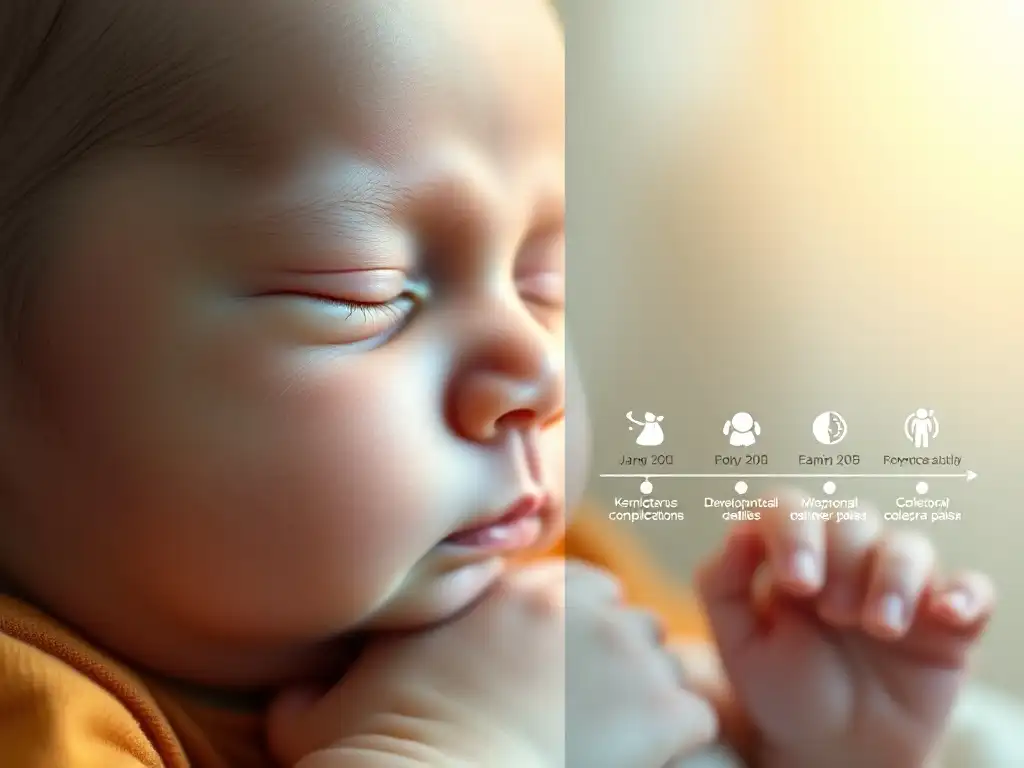
Jaundice, while often a relatively benign condition in newborns, can lead to significant long-term complications if left untreated. The severity of potential consequences directly correlates with the bilirubin level and the duration of hyperbilirubinemia (high bilirubin levels in the blood). Understanding the potential risks is crucial for parents and caregivers to ensure timely intervention. Early diagnosis and appropriate management are key to preventing these complications. The best approach to newborn jaundice treatment options focuses on early detection and prompt action.
Potential Long-Term Effects of Unmanaged Jaundice
High levels of unconjugated bilirubin can cross the blood-brain barrier, potentially leading to kernicterus, a serious neurological condition. Kernicterus can cause irreversible brain damage, resulting in a range of lifelong disabilities. These can include:
- Cerebral palsy: Affecting movement and muscle coordination.
- Hearing loss: A significant and potentially isolating disability.
- Developmental delays: Impacting cognitive abilities and milestones.
- Intellectual disability: Affecting learning and cognitive function.
- Dental problems: In some cases, enamel hypoplasia (incomplete tooth development) may occur.
- Vision impairment: Including strabismus (crossed eyes) or nystagmus (involuntary eye movements).
The severity of these effects varies greatly depending on the extent and duration of bilirubin exposure. Some infants may experience only mild effects, while others may face severe and lifelong challenges. This highlights the critical importance of early detection and appropriate management of jaundice. Early treatment is essential for minimizing the risk of these debilitating conditions.
Monitoring for Kernicterus: A Serious Complication
Kernicterus is a severe complication resulting from untreated hyperbilirubinemia. It's characterized by the deposition of bilirubin in the brain's basal ganglia and other areas. This deposition can lead to irreversible neurological damage. While rare with proper management, it underscores the necessity for vigilant monitoring, especially in high-risk infants.
Symptoms of kernicterus can be subtle and may not appear immediately. These can include:
- Lethargy and poor feeding
- High-pitched cry
- Hypotonia (floppy muscles)
- Muscle rigidity
- Seizures
Prompt medical attention is crucial if any of these symptoms are observed. Early diagnosis and intervention are vital in mitigating the long-term effects of kernicterus. Regular monitoring of bilirubin levels, especially in high-risk infants, is paramount in preventing this devastating complication. Remember, proactive newborn jaundice treatment options are key to safeguarding your baby's health.
Importance of Follow-up Appointments
Following diagnosis and treatment for jaundice, regular follow-up appointments are essential. These appointments allow healthcare professionals to monitor the infant's progress, assess bilirubin levels, and detect any potential complications early. Consistent monitoring is crucial, especially for infants who have received phototherapy or exchange transfusions. During these appointments, the healthcare provider will:
- Assess the infant's overall health and development.
- Monitor bilirubin levels through blood tests.
- Evaluate the effectiveness of the treatment.
- Address any parental concerns or questions.
- Schedule subsequent appointments as needed.
Regular check-ups provide reassurance and peace of mind for parents, while simultaneously ensuring early detection of any potential issues. This proactive approach is crucial in ensuring optimal long-term health and well-being for the infant. The dedicated follow-up care is an integral part of comprehensive newborn jaundice treatment options. Don't hesitate to voice any concerns during these appointments; your questions are vital for your baby's care.
When to Seek Immediate Medical Attention for Newborn Jaundice
Newborn jaundice, while common, can sometimes indicate serious underlying health issues. Understanding when to seek immediate medical attention is crucial for your baby's well-being. This section focuses on identifying emergency situations and navigating the process of contacting your healthcare provider. Early intervention is key in managing newborn jaundice effectively and minimizing potential complications. Remember, while many cases resolve naturally, prompt action in specific instances can be life-saving. This information should not replace the advice of your pediatrician; always consult with them for personalized guidance regarding your baby's health.
Emergency Signs Requiring Immediate Medical Intervention
Certain signs of jaundice necessitate immediate medical attention. These are not just indications of a worsening condition, but rather potential markers of serious underlying health problems. Delaying treatment in these cases can have severe consequences. Recognize these warning signs and act quickly:
- Lethargy or excessive sleepiness: A baby who is unusually lethargic and difficult to arouse needs immediate evaluation. This can be a sign of severe jaundice impacting the brain.
- High-pitched cry: A persistent, unusually high-pitched cry can be a sign of neurological distress associated with severe hyperbilirubinemia (high bilirubin levels).
- Poor feeding or refusal to feed: Significant reduction or cessation of feeding is a serious warning sign, as it indicates dehydration and possible liver dysfunction. This can significantly worsen jaundice.
- Fever or temperature instability: A fever (temperature above 100.4°F or 38°C) accompanied by jaundice is a serious cause for concern and requires immediate medical attention.
- Pale stools or dark urine: These changes in bowel and urinary output can point toward liver dysfunction and necessitate urgent assessment.
- Yellow skin extending beyond the face and chest: Jaundice that progresses beyond the face and chest, spreading to the abdomen, arms, and legs, indicates a more significant bilirubin buildup.
- Seizures or tremors: These neurological symptoms are extremely serious and require immediate emergency care. They can be a sign of severe bilirubin encephalopathy (kernicterus).
- Apnea (breathing pauses): Periods of stopped breathing are a life-threatening emergency and require immediate intervention.
Remember, this list is not exhaustive. If you have any concerns about your baby's jaundice, no matter how small, it's always best to err on the side of caution and contact your pediatrician.
Contacting Your Pediatrician or Healthcare Provider
If you notice any concerning symptoms of jaundice, your first step should be to contact your pediatrician or healthcare provider. They can assess your baby's condition over the phone and advise you on the next steps. Be prepared to provide them with the following information:
- Your baby's age: This helps determine the expected bilirubin levels.
- The onset and progression of jaundice: When did you first notice the yellowing, and how has it changed?
- Your baby's feeding habits: Are they feeding well, or is there a decrease in feeding?
- Your baby's activity level: Are they alert and active, or are they unusually lethargic?
- Any other symptoms: Note any fever, changes in bowel movements or urine, or other concerning signs.
Your pediatrician might recommend additional tests or a visit to the clinic based on your description of your baby's condition. They may suggest home monitoring, such as checking your baby's bilirubin levels with a phototherapy device if prescribed, or recommend a visit to their office for a thorough examination.
Knowing When to Go to the Emergency Room
While contacting your pediatrician is the first step, certain situations require immediate transport to the emergency room. Do not hesitate to seek emergency care if:
- Your baby exhibits any of the emergency signs listed above.
- You are unable to reach your pediatrician or receive timely advice.
- Your pediatrician advises you to go to the emergency room.
In these situations, time is of the essence. Prompt medical intervention can significantly improve your baby's outcome. Don't delay – the emergency room is equipped to handle critical situations and provide immediate care for severe newborn jaundice. Remember, your baby's health is paramount. Trust your instincts and seek help when needed. Early and appropriate intervention for newborn jaundice treatment options is key to a positive outcome. 👶
Frequently Asked Questions
What is newborn jaundice?
Newborn jaundice is a yellowing of the skin and whites of the eyes in babies, caused by a buildup of bilirubin in the blood. It's common in newborns, but requires monitoring to ensure it doesn't become severe. Most cases are harmless and resolve on their own.
What are the early signs of jaundice in newborns?
Early signs include a yellow tinge appearing first on the face, then spreading to the chest, abdomen, and limbs. Observe your baby's skin and eyes closely. Contact your pediatrician if you notice any yellowing.
What are the treatment options for newborn jaundice?
Treatment depends on the severity. Mild jaundice often requires only close monitoring and frequent feeding. More severe cases may need phototherapy (light therapy) or, rarely, blood transfusions.
How can I prevent or reduce the risk of newborn jaundice?
Frequent breastfeeding helps eliminate bilirubin efficiently. Ensure your baby is feeding well and often during the first few days of life. This is crucial for preventing severe jaundice.
When should I call my pediatrician about my baby's jaundice?
Call your pediatrician immediately if you notice increasing yellowing, if the yellowing spreads rapidly, or if your baby shows signs of lethargy, poor feeding, or excessive sleepiness. Early intervention is key.
The early detection and management of newborn jaundice are not merely medical procedures; they are acts of safeguarding a child's future. Millions of newborns worldwide experience this condition, and understanding its nuances is crucial for ensuring healthy development. The timely intervention discussed throughout this article directly impacts a child's neurological well-being and overall health trajectory.
The pervasive nature of newborn jaundice, coupled with the advancements in its treatment, underscores the importance of readily available information and accessible healthcare. This journey of researching and writing about this topic has profoundly impacted my understanding of the delicate balance between parental anxieties and medical expertise. The most important thing is to be present and to trust the process,
a wise pediatrician once told me, a sentiment that resonates deeply in the context of managing newborn jaundice. This trust, combined with proactive monitoring and informed decision-making, is key to navigating this common yet potentially serious condition.
Now, consider your own experiences, or those of loved ones. Have you encountered newborn jaundice? What were the challenges, and what were the triumphs? Take this knowledge and empower yourself to become an advocate for early detection and appropriate management. Don't hesitate to ask questions, seek second opinions, and trust your instincts. The golden hue of your newborn's skin can be a signal for intervention, but with knowledge and proactive care, it can also be a sign of hope for a bright and healthy future.
Unveil Your Newborn's Radiant Health: Take Action Today
Thank you for learning about newborn jaundice. We hope this article provided valuable information to help you confidently monitor your baby's health. Now, let's put that knowledge into practice!
- Schedule a follow-up appointment with your pediatrician immediately if you have any concerns about your baby's skin color, feeding habits, or overall well-being. Early detection is crucial for optimal care.
- Share this article with other expectant or new parents. Helping others is a rewarding way to contribute to healthier babies.
- Maintain a detailed record of your baby's feeding, sleeping, and bowel movements for your pediatrician. This proactive approach helps ensure the best possible care.
Ready to give your baby the best start? Do you have any questions about managing newborn jaundice?