
Diapering and Baby's Safety: Avoiding Potential Hazards


Welcome to BabyCareHub, your ultimate guide to navigating the incredible journey of parenthood! Are you a first-time parent feeling overwhelmed by the sheer volume of information out there? We understand. That's why we've created this comprehensive resource, packed with practical advice and step-by-step guidance.
But before you dive into the world of feeding schedules and sleep training, let's address a crucial aspect of newborn care: baby diaper safety hazards. Discover how seemingly simple choices can impact your little one's well-being and learn how to create a safer environment. Continue reading to uncover essential insights and ensure your baby's safety from day one.
- Understanding Baby Diaper Safety Hazards
- Preventing Suffocation Hazards Related to Diapering
- Maintaining Proper Diaper Changing Hygiene
- Recognizing and Responding to Diaper-Related Skin Issues
- Safe Storage and Handling of Diapers
-
Frequently Asked Questions
- What are some common diaper rash causes related to diaper safety?
- How can I prevent diaper changing accidents and injuries?
- Are there any safety concerns regarding diaper disposal?
- What are the potential dangers of using scented or colored diapers?
- My baby seems to be allergic to their diapers; what should I do?
- Final Reflection: A Legacy of Safe Sleep, Starting with Diapers
- Unlock Your Baby's Safe Diapering Journey
Understanding Baby Diaper Safety Hazards
Diapering is a fundamental aspect of newborn care, yet it presents potential safety hazards if not approached with awareness and diligence. This comprehensive guide delves into the crucial aspects of baby diaper safety, equipping first-time parents with the knowledge to protect their little ones from potential risks. We will explore common causes of diaper rash, guide you in selecting the appropriate diaper type, and highlight how to mitigate allergic reactions stemming from diaper components. Understanding these key areas is vital for ensuring your baby's comfort, health, and overall well-being.
Neglecting diaper safety can lead to discomfort, skin irritation, and in rare cases, more serious health complications. This article aims to provide you with the tools and information to navigate diapering safely and confidently, contributing to a happier and healthier baby. 👶
Common Diaper Rash Causes and Prevention
Diaper rash, a common irritation affecting many infants, is often preventable through diligent care. Several factors contribute to its development. These include prolonged exposure to wet or soiled diapers, friction from the diaper itself, and the sensitivity of a baby's delicate skin. Certain diaper materials, harsh soaps or wipes, and even certain foods consumed by breastfeeding mothers can also play a role. The characteristic symptoms include redness, swelling, and sometimes small bumps or blisters in the diaper area.
Preventing diaper rash involves a multi-pronged approach:
- Frequent Diaper Changes: Aim for changes every 2-3 hours, or more frequently if the diaper is soiled.
- Gentle Cleansing: Use lukewarm water or fragrance-free baby wipes to clean the diaper area. Avoid harsh scrubbing.
- Airtime: Allow the baby's bottom to air out for some time after each diaper change.
- Barrier Creams: Applying a protective barrier cream, such as zinc oxide, can create a protective layer against moisture and irritation. Always check the ingredients for any potential allergens.
- Proper Diaper Fit: Ensure the diaper fits correctly, neither too tight nor too loose, to minimize friction.
Addressing diaper rash promptly is crucial. If the rash persists or worsens, or if you notice signs of infection (pus, fever), consult your pediatrician immediately. Early intervention is key to preventing complications.
Choosing the Right Diaper: Size, Material, and Features
Selecting the appropriate diaper is paramount for both comfort and safety. Diapers come in various sizes, materials, and with different features. Choosing the wrong size can lead to leaks, discomfort, and potential skin irritation. The material of the diaper can also affect a baby's skin. Some babies react negatively to certain materials, while others might experience allergic reactions to fragrances or dyes.
Here's a breakdown of considerations:
| Feature | Considerations |
|---|---|
| Size | Choose the size appropriate for your baby's weight. Check the manufacturer's guidelines. |
| Material | Consider options like cotton, bamboo, or hypoallergenic materials for sensitive skin. |
| Absorbency | Opt for diapers with high absorbency to minimize the risk of leakage and skin irritation. |
| Features | Breathable materials, wetness indicators, and hypoallergenic features are beneficial. |
It's advisable to try different diaper brands and types to determine which best suits your baby's needs and skin type. Keep a record of any reactions to specific brands or materials.
Avoiding Allergic Reactions from Diaper Components
Allergic reactions to diaper components are relatively common. These reactions can manifest as diaper rash, but may also include more severe symptoms like hives, swelling, or breathing difficulties. Common allergens include fragrances, dyes, preservatives, and latex. Even the adhesives used in some diapers can trigger reactions.
Minimizing the risk of allergic reactions involves:
- Choosing Fragrance-Free and Hypoallergenic Diapers: Opt for diapers specifically labeled as fragrance-free and hypoallergenic.
- Careful Ingredient Check: Examine the ingredient list for potential allergens.
- Patch Testing: If you suspect an allergy, consider performing a patch test with a small amount of the suspected allergen on a small area of your baby’s skin.
- Monitoring for Reactions: Pay close attention to your baby's skin after each diaper change, noting any signs of redness, irritation, or other reactions.
If you suspect your baby is experiencing an allergic reaction to a diaper, discontinue use immediately and consult your pediatrician. Early identification and management of allergies are crucial for preventing complications. Remember, a safe and healthy diaper routine is essential for your baby's well-being. ✨
The Dangers of Improper Diaper Disposal and Hygiene
Improper disposal of soiled diapers poses significant risks to your baby's health and the environment. Leaving used diapers lying around, especially in warm temperatures, creates a breeding ground for harmful bacteria and viruses. These pathogens can easily contaminate surfaces and, if your baby comes into contact with them, can lead to infections like diaper rash, which can range from mild irritation to severe, painful inflammation. In severe cases, bacterial infections can spread beyond the diaper area, necessitating medical attention.
Furthermore, improperly disposed diapers contribute to environmental pollution. Diapers, particularly disposable ones, take years to decompose in landfills, adding to the growing waste problem. The chemicals within disposable diapers can leach into the soil and groundwater, potentially contaminating water sources.
Beyond disposal, maintaining proper hygiene during diaper changes is crucial. Failing to thoroughly clean your baby's bottom after each diaper change can lead to skin irritation and infections. Residual feces or urine can irritate delicate skin, causing redness, discomfort, and even painful sores. This is particularly true if you're using wipes that contain harsh chemicals or fragrances, which can further exacerbate the problem.
Remember, always use gentle, fragrance-free wipes or washcloths with warm water, ensuring you thoroughly clean the entire diaper area, including the creases and folds of your baby's skin. Failing to wash your hands before and after each diaper change is another critical hygiene oversight that can easily spread germs, potentially leading to illness in both your baby and yourself. Always wash your hands thoroughly with soap and water for at least 20 seconds.
This simple act can prevent the transmission of numerous bacteria and viruses. Proper diaper disposal and hygiene are not just about cleanliness; they're fundamental to your baby's health and well-being. A proactive approach to these aspects of diaper care is a crucial component of baby diaper safety hazards prevention.
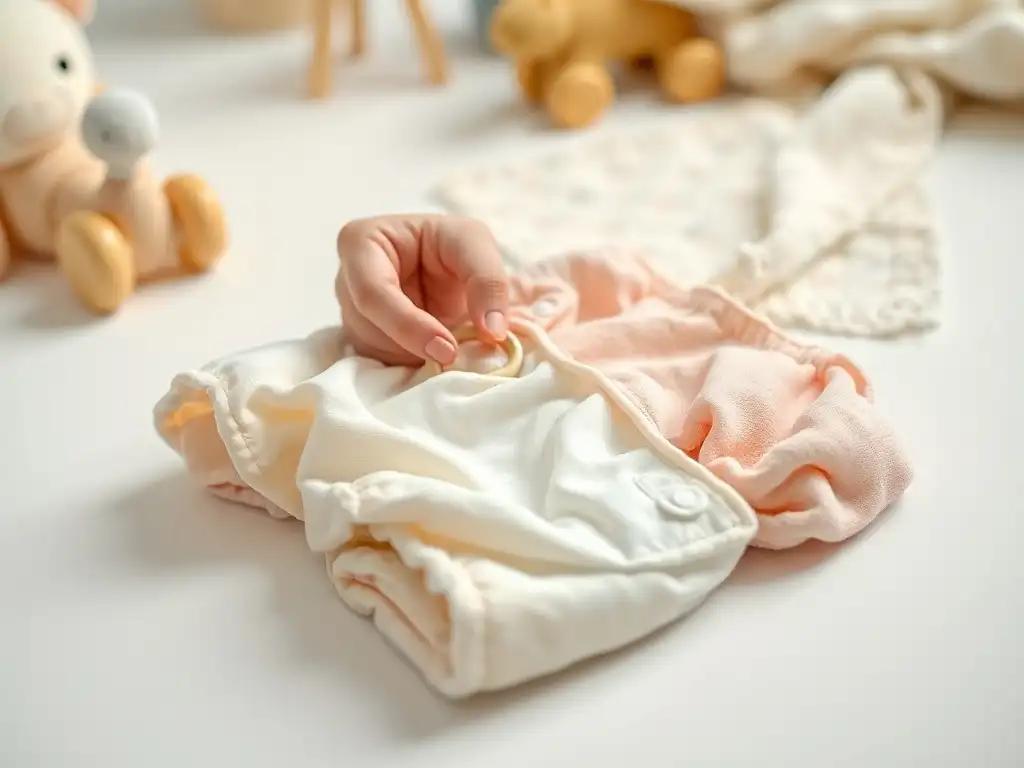
Suffocation is a serious risk for infants, and tragically, diapering practices can sometimes contribute to this danger. Understanding and mitigating these risks is crucial for ensuring your baby's safety. This section focuses specifically on how to prevent suffocation hazards related to diapering, providing practical advice and highlighting potential dangers. The key to preventing these accidents is awareness and careful attention to detail during each diaper change. Remember, even seemingly insignificant details can make a big difference in keeping your little one safe. Let's delve into the specifics.
Safe Diapering Practices to Avoid Suffocation Risks
Safe diapering involves more than just clean diapers; it's about creating a safe environment for your baby during this vulnerable time. Here are some essential practices to minimize suffocation risks:
- Always supervise your baby: Never leave a baby unattended on a changing table or other elevated surface, even for a moment. A quick distraction can lead to a devastating accident. Consider using a changing mat on the floor for added safety, especially with more mobile infants.
- Keep the changing area clear: Remove any loose items, such as toys, blankets, or pillows, from the changing area. These items can easily cover a baby's face and restrict breathing.
- Use appropriately sized diapers: Using diapers that are too loose can create folds of fabric that might cover the baby's nose and mouth, while diapers that are too tight can restrict breathing and cause discomfort. Always choose diapers that fit snugly but not constrictingly.
- Never use plastic bags or other non-breathable materials: These materials can trap heat and moisture, increasing the risk of suffocation. Always use absorbent and breathable materials for changing your baby.
- Check for any obstructions: Before leaving your baby, always double-check to make sure there are no blankets, clothes, or other items near their face that could potentially cause suffocation.
Remember, consistent vigilance is key. By following these simple yet effective steps, you significantly reduce the risk of suffocation during diapering.
Dangers of Loose or Ill-Fitting Diapers
Loose or ill-fitting diapers present a significant suffocation risk. The extra fabric can easily bunch up around a baby's face, creating a barrier that prevents them from breathing. This is particularly dangerous for newborns and infants who lack the strength or awareness to move away from such obstructions. Furthermore, loose diapers can also increase the risk of diaper rash and skin irritation, leading to further discomfort for your baby.
Consider this scenario: A parent quickly changes a diaper, not fully securing the tabs. The loose diaper folds over the baby's face while the parent attends to another task. The result can be catastrophic. This highlights the importance of always ensuring that the diaper is snug but not overly tight. Properly securing the diaper tabs is crucial and should be a final, deliberate check before leaving your baby unattended, even for a brief moment.
Preventing Baby from Pulling Diapers Over Their Face
As babies grow and become more mobile, they might start pulling at their diapers, potentially creating a suffocation hazard. This behavior is common, especially as they begin exploring their bodies and surroundings. Here's how to mitigate this risk:
- Choose diapers with secure fasteners: Opt for diapers with strong and reliable fasteners that are difficult for your baby to easily undo.
- Supervise closely during playtime: Keep a watchful eye on your baby, especially during tummy time or playtime on the floor, as this is when they are most likely to interact with their diaper.
- Distraction techniques: Engage your baby with toys or activities to distract them from pulling at their diaper. This can help redirect their attention and prevent them from creating a potentially dangerous situation.
- Consider changing the diaper more frequently: A diaper that is too full or uncomfortable might encourage your baby to pull at it. More frequent diaper changes can help alleviate discomfort and reduce this behavior.
By proactively addressing these potential hazards and consistently practicing safe diapering techniques, parents can significantly reduce the risks associated with "baby diaper safety hazards" and ensure a safe and comfortable environment for their little ones. Remember, prevention is the best medicine when it comes to baby safety.
Maintaining Proper Diaper Changing Hygiene
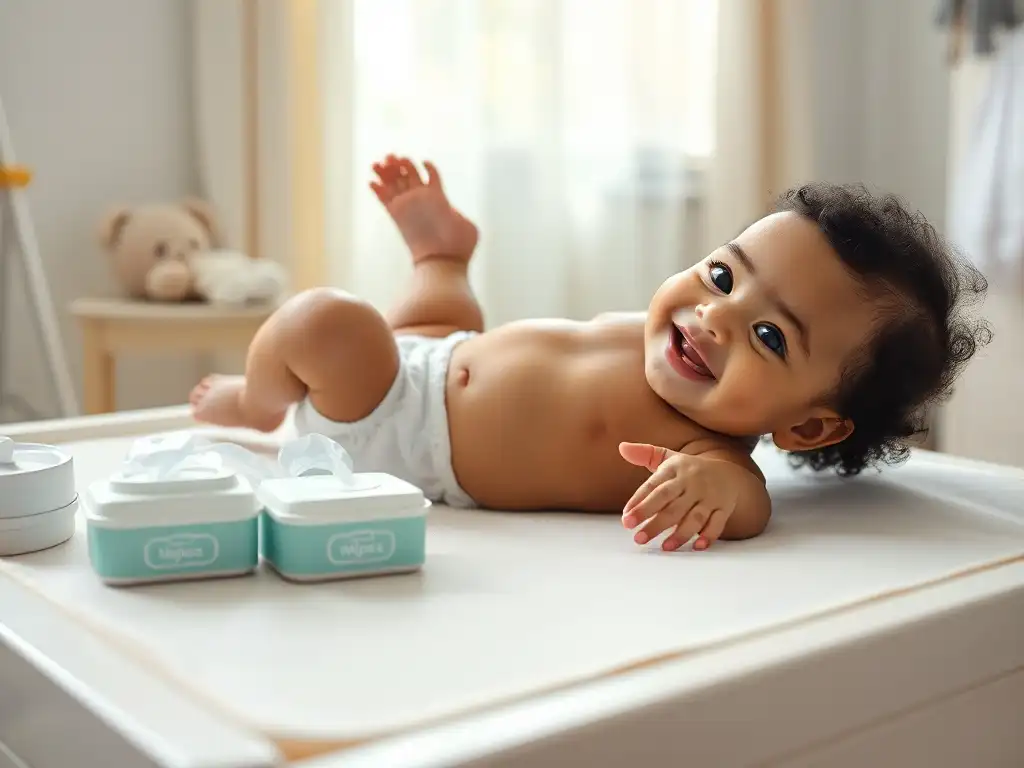
Maintaining proper hygiene during diaper changes is crucial for preventing infections and skin irritations in your baby. This involves a multi-pronged approach focusing on cleanliness, proper techniques, and prompt attention to any issues that arise. Neglecting these steps can lead to serious complications, highlighting the importance of diligent diaper changing practices. Remember, even seemingly minor oversights can contribute to significant health problems for your little one. Let's delve into the specifics.
Handwashing and Hygiene Protocols During Diaper Changes
Before even approaching your baby for a diaper change, thorough handwashing is paramount. This isn't just a suggestion; it's a non-negotiable step in preventing the spread of germs. Use warm water and soap, scrubbing for at least 20 seconds – the time it takes to sing "Happy Birthday" twice. Pay attention to the areas between your fingers and under your nails. If soap and water aren't readily available, use an alcohol-based hand sanitizer with at least 60% alcohol.
After completing the diaper change, repeat the handwashing process. This prevents the accidental transmission of bacteria from your hands to your baby, to other surfaces, or even to yourself. Think of it as a crucial barrier against potential infections. Consider keeping a small bottle of hand sanitizer near your baby's changing area for convenience. This proactive approach minimizes the risk of contamination.
Pro Tip: Keep a small, easily accessible container of baby wipes specifically for cleaning your hands after the diaper change if water and soap are unavailable. These wipes should be separate from those used on your baby.
Following these simple protocols significantly reduces the risk of spreading harmful bacteria and viruses, contributing to a healthier environment for your baby. Remember, consistent hand hygiene is a cornerstone of effective baby diaper safety.
Cleaning Baby's Skin After Diaper Changes
Gentle cleansing of your baby's skin after each diaper change is essential. Use warm water and a soft cloth, or baby wipes specifically designed for sensitive skin. Avoid harsh soaps or scented wipes which can irritate delicate skin. Always wipe from front to back, especially for girls, to prevent urinary tract infections. Pay close attention to the creases and folds in your baby's skin, ensuring all areas are thoroughly cleaned.
If your baby has a bowel movement, take extra care in cleaning the area completely. Leaving fecal matter on the skin can lead to diaper rash and skin irritation. Gently pat the skin dry rather than rubbing, as rubbing can further irritate the skin. Allow the area to air dry completely before applying a fresh diaper.
| Cleaning Product | Advantages | Disadvantages |
|---|---|---|
| Warm Water & Soft Cloth | Gentle, inexpensive, avoids potential irritants | Requires more time and effort |
| Baby Wipes | Convenient, pre-moistened | Can be expensive, potential for skin irritation |
Remember, a clean and dry bottom is crucial for preventing diaper rash and other skin issues. Observe your baby's skin for any signs of redness or irritation. Early detection and intervention are key to preventing more serious problems.
Dealing with Diaper Leaks and Skin Irritation
Diaper leaks are common, especially with active babies. However, frequent leaks can lead to increased skin exposure to urine and feces, resulting in irritation and rashes. Choose diapers that are the right size for your baby and change them frequently, especially after bowel movements. Consider using a diaper rash cream to protect the skin, particularly in areas prone to irritation.
Skin irritation, often manifesting as diaper rash, requires prompt attention. If you notice redness, swelling, or any signs of infection, consult your pediatrician. They can recommend appropriate treatment options. In some cases, a change in diaper brand or the introduction of barrier creams might be necessary. Prevention is always better than cure, so maintaining proper diaper changing hygiene is crucial in minimizing the risk of these issues.
Important Note: Persistent or worsening diaper rash, despite home care, warrants a visit to your pediatrician. This could indicate a more serious underlying condition requiring medical intervention. Don't hesitate to seek professional advice if you have any concerns about your baby's skin health. Early intervention is vital in managing and resolving diaper rash effectively.
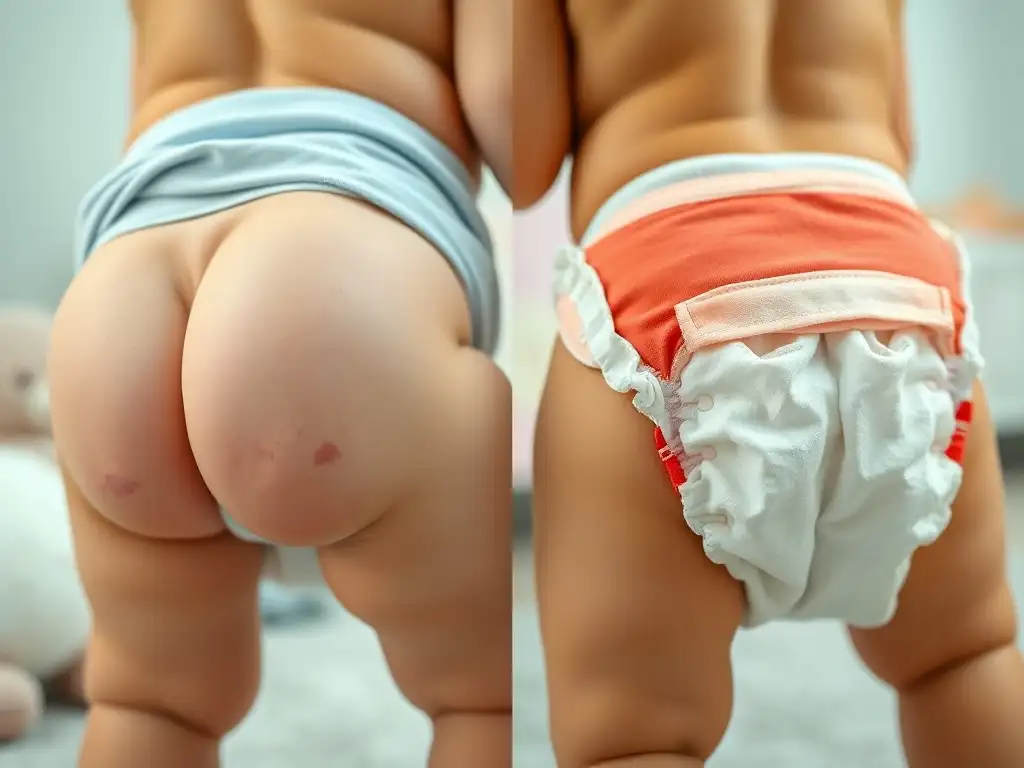
Diaper rash is a common concern for parents, but understanding its causes and effective management is crucial for baby's comfort and well-being. This section focuses on identifying diaper rash and other skin irritations, offering practical home treatment strategies, and outlining when professional medical attention is necessary. Proper diaper changing techniques and careful product selection are key components of preventing these issues, contributing significantly to overall baby diaper safety.
Identifying Signs of Diaper Rash and Other Skin Irritations
Diaper rash typically manifests as redness, bumps, or blisters in the diaper area. The severity can vary greatly. Mild rashes often present as simple redness, while more severe cases might involve raised, inflamed patches, possibly with pus-filled blisters. The skin may feel warm to the touch. It's important to differentiate between a simple diaper rash and other skin conditions.
For example, yeast infections can cause bright red, satellite lesions (small, separate spots) surrounding the main rash. Contact dermatitis, a reaction to irritants like soaps or detergents, can appear as a dry, scaly, or itchy rash. Infections, such as bacterial infections, can present with more intense inflammation, pus, and possibly fever. Careful observation and comparison with images online (always verify information with your pediatrician) can be helpful in identifying the specific issue. Remember, baby diaper safety extends beyond just preventing rashes; it's about recognizing and addressing any skin problems promptly.
Treating Mild Diaper Rash at Home
For mild diaper rash, a simple approach often suffices. Frequent diaper changes are paramount, aiming for every two to three hours, or more frequently if the baby has loose stools. Gentle cleansing with lukewarm water is preferred over harsh wipes. Air drying the area is highly beneficial; consider allowing your baby some diaper-free time in a safe, warm space. Applying a barrier cream, like zinc oxide, can help protect the skin from further irritation. This creates a protective layer, preventing moisture from exacerbating the rash. Over-the-counter hydrocortisone creams (1%) can also provide relief, but should be used sparingly and only as directed by a healthcare professional. Always check the cream's ingredients list to ensure it's suitable for your baby's sensitive skin. Avoid using scented products, powders, or harsh soaps, as these can often worsen the situation. Focusing on gentle care and a preventative approach is crucial for baby diaper safety.
When to Seek Professional Medical Advice for Skin Problems
While many diaper rashes resolve with home treatment, certain situations necessitate seeking medical advice. If the rash is severe, doesn't improve within three to five days despite home care, or worsens, it's vital to consult a pediatrician. Signs that warrant immediate medical attention include:
- Fever accompanying the rash
- Signs of infection (pus, increased swelling, bleeding)
- Severe pain or discomfort in your baby
- Spread of the rash beyond the diaper area
- Failure of home treatments to improve the rash
- Presence of blisters or sores
Don't hesitate to contact your pediatrician if you have any concerns. Early intervention is key to preventing complications and ensuring your baby's comfort and baby diaper safety. A timely diagnosis ensures appropriate treatment, preventing potential discomfort and potential long-term skin issues. Remember, your pediatrician is your best resource for any questions or concerns regarding your baby's skin health. Trust your instincts – if something doesn't seem right, seek professional medical advice immediately.
Safe Storage and Handling of Diapers
This section focuses on the crucial aspects of storing and handling baby diapers to ensure both product quality and baby safety. Improper storage can lead to diaper damage, reduced absorbency, and even potential exposure to harmful substances. Let's explore best practices to mitigate these risks.
Proper Storage of Diapers to Maintain Quality and Prevent Damage
Diapers, whether disposable or cloth, require specific storage conditions to maintain their effectiveness and prevent degradation. Disposable diapers, for instance, are sensitive to moisture and extreme temperatures. Storing them in a damp environment can lead to mold growth and compromise their absorbency. Similarly, exposure to direct sunlight or excessive heat can weaken the diaper material, potentially leading to leaks or even structural damage.
Ideally, disposable diapers should be stored in a cool, dry place, away from direct sunlight and sources of moisture. The original packaging should be kept intact until use to maintain the product's integrity. For cloth diapers, proper storage is equally important. After washing and drying, ensure they are completely dry before storing to prevent the growth of bacteria or mildew. Using a breathable storage container or a well-ventilated area is recommended. Proper storage significantly extends the lifespan of both disposable and reusable diapers, representing a cost-effective and environmentally conscious approach.
Avoiding Contact with Harmful Chemicals in Diapers
While modern diaper manufacturing prioritizes baby safety, it’s crucial to be aware of potential chemical exposures. Some disposable diapers contain chemicals like fragrances, dyes, and preservatives which, for some babies, can cause skin irritation, allergies, or other reactions. Always check the diaper's packaging for ingredient lists and opt for hypoallergenic or fragrance-free options if your baby has sensitive skin. Similarly, ensure that the storage area is free from other chemicals or cleaning supplies that could potentially contaminate the diapers. Accidental contact with harsh cleaners or pesticides could expose your baby to harmful substances.
It's also important to note that while rare, damaged diapers could expose the baby to internal components. Therefore, always inspect diapers before use, discarding any that are torn, punctured, or show signs of damage. This proactive approach minimizes the risk of accidental exposure to potentially harmful substances. Regularly checking the storage area for pests such as rodents or insects is also essential to prevent contamination. This meticulous approach to diaper handling contributes significantly to the overall baby diaper safety.
Recycling and Disposal of Used Diapers
The disposal of used diapers is another critical aspect of baby diaper safety. Improper disposal can lead to environmental pollution and pose health risks. Disposable diapers, which constitute a significant portion of household waste, should be disposed of correctly. Never flush diapers down the toilet as this can clog plumbing systems and create unsanitary conditions. Instead, securely wrap used diapers in a plastic bag before discarding them in a designated trash receptacle.
Cloth diapers require a different approach. They should be thoroughly rinsed and laundered before reuse. Ensure proper washing removes all traces of waste to prevent bacterial growth. For both disposable and reusable diapers, responsible disposal practices minimize environmental impact and protect public health. Consider exploring diaper recycling programs in your area, as some companies offer initiatives to reduce waste and promote sustainability. This responsible approach further enhances baby diaper safety by minimizing environmental hazards.
Remember, prioritizing safe storage, handling, and disposal of baby diapers is essential for maintaining a clean, healthy, and safe environment for your little one. Careful attention to detail in these seemingly minor tasks can significantly contribute to the overall well-being of your baby.
Frequently Asked Questions
Diaper rash is often caused by prolonged exposure to wet or soiled diapers, friction from the diaper itself, or a reaction to certain diaper materials or chemicals. Using a barrier cream can help prevent irritation.
How can I prevent diaper changing accidents and injuries?
Always change diapers on a clean, flat surface like a changing table with safety straps. Never leave your baby unattended, and keep all necessary supplies within easy reach to avoid reaching for items.
Are there any safety concerns regarding diaper disposal?
Dispose of used diapers properly in designated receptacles to prevent the spread of germs and attract pests. Never flush diapers unless specifically marked as flushable, and be mindful of safe disposal methods in your area.
What are the potential dangers of using scented or colored diapers?
Some babies have sensitive skin that may react negatively to fragrances or dyes in diapers. Opt for unscented and hypoallergenic options to minimize the risk of allergic reactions or irritation.
My baby seems to be allergic to their diapers; what should I do?
If you suspect a diaper allergy, try switching to a different brand or type of diaper, ideally one specifically designed for sensitive skin. If the rash persists, consult a pediatrician.
Final Reflection: A Legacy of Safe Sleep, Starting with Diapers
The seemingly simple act of diapering holds a profound impact on a baby's safety and well-being, a fact often overlooked amidst the flurry of newborn care. Failing to prioritize safe diapering practices can lead to preventable accidents and discomfort, highlighting the crucial need for informed and vigilant parenting. The potential for harm, while often subtle, underscores the importance of the information presented in this article.
The cultural shift towards increased awareness of safe sleep practices has undeniably improved infant safety, yet the connection between diapering and overall well-being remains under-discussed. We often focus on the crib and the sleep environment, but the diaper, a constant companion for the first few years of life, deserves equal consideration. The smallest things can make the biggest difference,
a wise pediatrician once told me, and this rings especially true when considering the potential hazards associated with improper diapering techniques. This understanding, coupled with the knowledge shared in this article, can empower parents to create a safer and more comfortable environment for their little ones.
Consider the information presented here – from choosing the right diaper size to preventing diaper rash and avoiding suffocation hazards. You now possess the knowledge to make informed decisions that directly impact your baby's safety and comfort. Take a moment to reflect on your current diapering practices. Are there any adjustments you can make to enhance your baby's well-being? Empower yourself with this knowledge and create a safer, more nurturing environment for your child, ensuring their healthy development from the very beginning.
Unlock Your Baby's Safe Diapering Journey
Thank you for learning about safe diapering practices! You're now equipped to keep your little one happy and healthy. Ready to put your new knowledge into action?
- Prioritize safe diapering: Review the key points from this article, focusing on proper diaper disposal and avoiding common hazards. Create a checklist to ensure you consistently follow best practices.
- Share this vital information: Help create a safer environment for babies by discussing these tips with other parents, family, and friends, or in online parenting groups.
- Learn more: Explore our BabyCareHub resource library for more in-depth articles on baby safety and wellness. You might discover additional tips to enhance your parenting journey.
What's the one diapering safety tip you'll focus on today? Let's discuss in the comments below!