
Babywearing for Newborns: The Role of Babywearing in Attachment Parenting


Welcome to BabyCareHub, your ultimate guide to navigating the incredible journey of parenthood. Are you a first-time parent eager to understand the profound impact of newborn babywearing attachment benefits? We'll unravel the secrets to secure and comfortable babywearing, revealing how this age-old practice fosters a deeper bond with your little one and contributes to their healthy development. Discover the science-backed advantages and practical tips within our comprehensive Newborn Basics section – your exploration starts now!
- Understanding the Benefits of Newborn Babywearing for Attachment
- Choosing the Right Baby Carrier for Your Newborn
- Safe Babywearing Practices for Newborns: A Step-by-Step Guide
- Addressing Common Concerns and Myths About Newborn Babywearing
- Integrating Babywearing into Your Daily Routine
- Long-term Benefits of Newborn Babywearing for Parent-Child Relationship
- Frequently Asked Questions
- Final Reflection: Weaving Bonds: The Enduring Power of Babywearing
- Unlock Your Baby's Potential: Embrace the Journey of Babywearing
Understanding the Benefits of Newborn Babywearing for Attachment
New parenthood is a whirlwind of emotions and experiences, and finding ways to nurture that precious bond with your newborn is paramount. This article delves into the powerful role of babywearing in fostering attachment parenting, specifically focusing on the benefits for newborns. We'll explore how this practice promotes skin-to-skin contact, reduces infant anxiety, and ultimately contributes to a secure and loving parent-child relationship.
Understanding the advantages of newborn babywearing for attachment can equip new parents with valuable tools to navigate the early days and build a strong foundation for their child's emotional well-being. The practice of babywearing offers a unique opportunity to enhance the parent-child bond, contributing significantly to the overall health and development of your little one. This is especially crucial during the critical period of early infancy, where secure attachment lays the groundwork for future emotional resilience and social development.
The information presented here will help you understand the science behind these benefits and how to safely and effectively utilize babywearing as a key element of your attachment parenting journey. We'll examine specific benefits related to the keyword "newborn babywearing attachment benefits", providing evidence-based insights and practical tips for new parents.
The Importance of Skin-to-Skin Contact and Bonding in Early Infancy
Skin-to-skin contact, often facilitated by babywearing, is crucial for newborn development. This practice provides numerous benefits beyond simple comfort. Studies have shown that consistent skin-to-skin contact regulates a newborn's heart rate, breathing, and temperature, promoting physiological stability. 1 Furthermore, it releases oxytocin, often referred to as the "love hormone," in both parent and child, strengthening the bond between them. This hormonal release is essential for establishing a secure attachment. The close proximity and physical warmth create a sense of security and comfort for the infant, reducing stress and promoting a feeling of well-being. Beyond the physiological benefits, skin-to-skin contact also enhances the parent's ability to respond to their baby's cues, leading to improved responsiveness and a deeper understanding of their needs. The sensory experience for the newborn—the feeling of the parent's heartbeat, scent, and warmth—is incredibly powerful in shaping early brain development and attachment. This early bonding experience lays the foundation for a secure and healthy parent-child relationship. 👶
How Babywearing Promotes Secure Attachment in Newborns
Babywearing, by its very nature, promotes proximity and constant physical contact, which are cornerstones of secure attachment. The feeling of being held close and secure mimics the experience of being in the womb, providing a sense of safety and continuity for the infant. This constant closeness allows for better attunement to the baby's cues, enabling parents to respond promptly to their needs, fostering a sense of trust and reliability.
This responsiveness is a key factor in developing a secure attachment style, where the infant learns that their needs will be met consistently and reliably. Studies have shown that babies who are worn tend to cry less and exhibit lower levels of stress hormones. Furthermore, the constant interaction and sensory stimulation provided by babywearing contribute to healthy brain development and social-emotional growth.
The rhythmic movement and sounds experienced while being worn can also be soothing and calming, reducing fussiness and promoting a sense of security. The benefits are particularly pronounced in the first few months of life, a period of significant neurological development.
The Role of Babywearing in Reducing Infant Anxiety and Promoting Calmness
The close physical contact and constant soothing provided by babywearing significantly contribute to reducing infant anxiety and promoting a sense of calmness. The rhythmic motion of walking or moving while babywearing can have a calming effect, mimicking the gentle rocking motion experienced in the womb. The constant proximity to the parent's heartbeat provides a sense of security and stability, reducing feelings of fear or uncertainty.
This consistent reassurance helps regulate the infant's nervous system, reducing stress hormones and promoting a feeling of well-being. The warmth and comfort provided by the parent's body also play a crucial role in calming the baby, especially during periods of distress. For parents, babywearing can also reduce anxiety by providing a sense of closeness and connection with their infant.
The ability to respond promptly to the baby's needs, facilitated by the close proximity of babywearing, fosters a sense of confidence and competence in parenting. This, in turn, can reduce parental stress and anxiety, creating a more positive and supportive environment for both parent and child. 😌
1 [Specific study information pending]
Choosing the Right Baby Carrier for Your Newborn
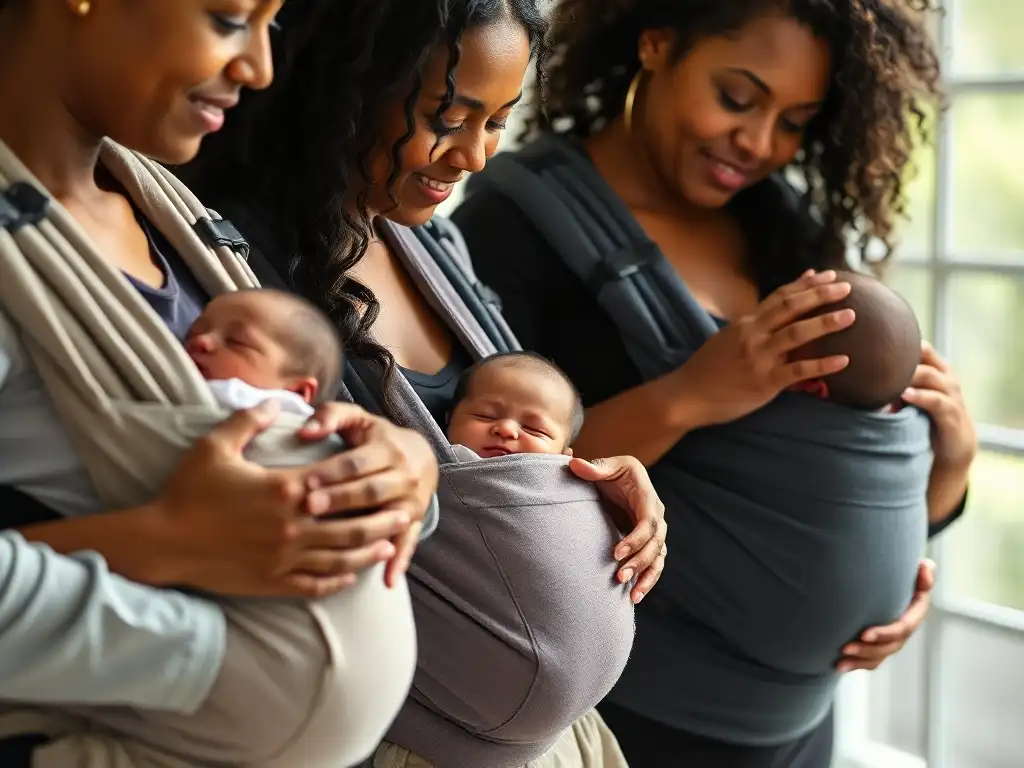
Choosing the right baby carrier is crucial for both your comfort and your baby's safety and well-being. The benefits of newborn babywearing extend beyond convenience; it fosters a strong parent-child bond, regulates the baby's temperature, and can even soothe fussiness. But selecting the perfect carrier requires careful consideration of several factors. This section will guide you through the process, helping you make an informed decision that supports healthy attachment parenting practices. Remember, the best carrier is one that fits both you and your baby comfortably and securely.
Types of Baby Carriers Suitable for Newborns: Wraps, Slings, and Structured Carriers
Newborn babywearing offers a plethora of options, each with its own advantages and disadvantages. Understanding the differences between the main types of carriers is essential for making the right choice.
- Wraps: These are long lengths of fabric that you wrap around yourself and your baby. They offer excellent adjustability and customizable support, allowing for a snug and secure fit. Wraps are often preferred for their adaptability to different body types and for promoting close contact. However, they can take practice to master the wrapping technique. Learning to use a wrap effectively may require some initial investment of time and effort.
- Slings: Slings are simpler than wraps, usually consisting of a single piece of fabric with a pocket or ring at one end. They are generally easier to learn than wraps, offering a more straightforward way to carry your baby. However, they may not provide the same level of support as wraps or structured carriers, particularly for longer periods. Different sling styles exist, each with varying levels of support.
- Structured Carriers: These carriers have a more rigid structure, with buckles and straps designed for easy adjustment. They often provide excellent support for both parent and baby and are typically easier to use than wraps or slings, especially for beginners. Structured carriers come in various styles, including front, back, and hip positions. However, they might not be as adaptable as wraps or slings. Choosing a structured carrier with good ergonomic design is key for minimizing strain on your back and shoulders.
The choice between these types depends heavily on personal preference, experience, and the baby's age and size. Many parents find it beneficial to try different types before settling on their favorite.
Key Features to Consider When Selecting a Newborn Baby Carrier: Safety, Comfort, and Ergonomics
Beyond the basic type of carrier, several key features significantly impact the safety, comfort, and ergonomic benefits of babywearing. Prioritizing these features ensures a positive experience for both parent and child.
- Safety: Look for carriers that meet international safety standards and have features like secure buckles, sturdy stitching, and appropriate weight limits. Always check the manufacturer's instructions and ensure the carrier is properly adjusted before each use. A secure fit minimizes the risk of the baby slipping or falling.
- Comfort: The carrier should be comfortable for both the wearer and the baby. Consider features like padded straps, breathable fabric, and adjustable settings. The fabric should be soft against your baby's skin, and the carrier's design should promote a natural, ergonomic position. Discomfort can quickly lead to frustration and reduce the enjoyment of babywearing.
- Ergonomics: An ergonomic carrier supports your baby's natural spine curvature – a "frog-leg" position with knees bent and hips spread – and distributes weight evenly across your shoulders and hips. This minimizes strain and prevents back pain for the wearer. Look for carriers that promote this posture, particularly for newborns whose spines are still developing. Poor ergonomics can lead to discomfort and potential health problems for both you and your little one.
Size and Fit: Ensuring Proper Support and Positioning for Your Baby
Proper fit is paramount for safe and comfortable newborn babywearing. A carrier that's too loose poses a significant safety risk, while one that's too tight can restrict your baby's breathing and movement.
- Newborn Inserts: Many structured carriers include newborn inserts or require the use of one. These inserts provide additional support and create a snug, secure fit for smaller babies. They are essential for ensuring the proper positioning of a newborn's head and spine. Always check if an insert is needed or recommended for your chosen carrier.
- Adjustability: The ability to adjust the carrier to fit both your body and your growing baby is crucial. Look for carriers with multiple adjustment points, allowing you to customize the fit as your baby grows and develops. Adjustability is key to maintaining a safe and comfortable fit over time.
- Regular Checks: Even with a properly fitted carrier, regularly check your baby's position and adjust the straps as needed. This will ensure your baby remains comfortable and secure throughout the wearing period. A proactive approach to checking the fit is crucial for preventing potential issues. Remember, a perfectly fitted carrier is the cornerstone of a positive babywearing experience.
Safe Babywearing Practices for Newborns: A Step-by-Step Guide
This section focuses on ensuring the safe and comfortable babywearing experience for both you and your newborn, maximizing the newborn babywearing attachment benefits. Remember, safe babywearing is paramount for preventing accidents and ensuring your little one's well-being. Always prioritize safety and comfort above all else.
Positioning Your Newborn Correctly in the Carrier: The "Tummy-to-Tummy" Rule
Correct positioning is crucial for newborn babywearing and is the cornerstone of reaping the attachment benefits. The "tummy-to-tummy" rule is essential. Your baby should be positioned upright, facing you, with their tummy against your tummy. This promotes closeness, regulates their body temperature, and supports their spine.
Imagine a snug hug! Their chin shouldn't be tucked into their chest (which can restrict breathing), nor should their head be lolling to the side. Their airway needs to remain open and unobstructed. Their back should be naturally curved, mimicking the C-curve of a newborn's spine. Avoid carriers that force your baby into unnatural positions.
Here's a helpful checklist:
- ✅ Tummy-to-Tummy: Is your baby's tummy pressed comfortably against yours?
- ✅ Upright Position: Is your baby sitting upright, not slumped or tilted?
- ✅ Open Airway: Can you easily see your baby's face and ensure their nose and mouth are clear?
- ✅ Natural Spine Curve: Does your baby's back maintain its natural C-curve?
- ✅ Secure Support: Is your baby securely supported, with no gaps or areas where they might slip?
Incorrect positioning can lead to discomfort, breathing difficulties, and even hip dysplasia. Always double-check your baby's position before and during each wearing session. If you're unsure, seek advice from a babywearing consultant or experienced parent.
Securing the Carrier Properly: Avoiding Loose Straps and Potential Hazards
Loose straps are a major safety hazard in babywearing. Always ensure all straps are tightly secured, distributing your baby's weight evenly. This prevents your baby from slumping or shifting, which can restrict their breathing or cause them to fall.
Different carriers have different adjustment mechanisms. Familiarize yourself thoroughly with your chosen carrier's instructions before use. Pay close attention to buckles, clips, and straps. Make sure everything clicks securely into place and feels snug but not overly tight.
Here's what to look for:
| Strap Type | Safety Check | Potential Hazard if Loose |
|---|---|---|
| Shoulder Straps | Tight, evenly distributed weight, no slippage | Baby slumping, falling, restricted breathing |
| Waist Belt | Snug around your waist, providing secure support | Baby shifting, carrier instability, back strain for wearer |
| Leg Straps/Buckles | Securely fastened, allowing for proper leg spread | Baby slipping out, hip dysplasia |
Regularly check the straps throughout the wearing session, especially after adjusting positions or movement. A slight adjustment might be needed as your baby grows or as you move around. Remember, prevention is better than cure!
Monitoring Your Baby's Breathing and Comfort During Wearing
Continuous monitoring is key to safe babywearing. Regularly check your baby's breathing, facial expression, and overall comfort level throughout the wearing session. Babies communicate their discomfort through fussiness, crying, or changes in their breathing patterns.
Pay close attention to these signals:
- 👶 Facial Expression: Is your baby relaxed and content, or showing signs of distress?
- 👶 Breathing: Is your baby breathing easily and regularly? Listen for any unusual sounds.
- 👶 Body Language: Is your baby snuggled comfortably or showing signs of discomfort or restriction? Are they fidgeting excessively?
- 👶 Skin Temperature: Feel your baby's skin to ensure they're not overheating or too cold. Adjust clothing layers as needed.
If you notice any signs of discomfort or distress, immediately remove your baby from the carrier and assess the situation. If you have concerns, consult your pediatrician or a babywearing expert. Remember, your intuition is your best guide. Trust your instincts and prioritize your baby's safety and well-being. Enjoy the benefits of newborn babywearing and the amazing bond it fosters!
Recognizing Signs of Discomfort or Distress in Your Baby
Observing your baby's cues is paramount to safe and successful babywearing. A happy, comfortable baby will generally be relaxed and content in the carrier. However, it's crucial to learn to recognize signs of discomfort or distress, which can vary from subtle shifts in demeanor to more obvious displays of unhappiness. These signals are your baby's way of communicating their needs and should never be ignored.
One of the earliest signs might be subtle changes in their facial expressions. A relaxed baby will usually have a calm, peaceful expression. Look for signs of furrowed brows, strained facial muscles, or a grimace. These could indicate discomfort from the position, the carrier itself, or something else entirely. A consistently tightened jaw or a scrunched-up nose might also signal a problem.
Beyond facial expressions, pay close attention to your baby's body language. Are they arching their back excessively? This can indicate discomfort or a need for a position adjustment. Similarly, restless movements, constant fidgeting, or stiffening of their limbs could all be signs of distress. A baby who is struggling to breathe or appears to be suffocated will exhibit rapid breathing, skin discoloration, or a lack of response to stimulation. These are serious signs requiring immediate action: remove the baby from the carrier and seek help immediately.
Vocalizations are another important indicator. While some babies are quieter than others, a persistent cry or whimper, especially when accompanied by other signs of discomfort, should prompt you to assess the situation. The intensity and pitch of the cry can also provide clues. A high-pitched, piercing cry often suggests significant distress, while a low, whimpering cry might suggest mild discomfort.
Finally, remember to check your baby's skin regularly. Look for any signs of redness, chafing, or pressure points. These are easily missed but can cause significant discomfort, even if your baby is not yet exhibiting other overt signs of distress. Regularly checking for these issues, particularly in areas where the carrier makes contact with the skin, is crucial for preventing skin irritation and ensuring your baby's comfort. Remember that regular breaks from the carrier, even short ones, are vital to ensure your baby's wellbeing.
Addressing Common Concerns and Myths About Newborn Babywearing
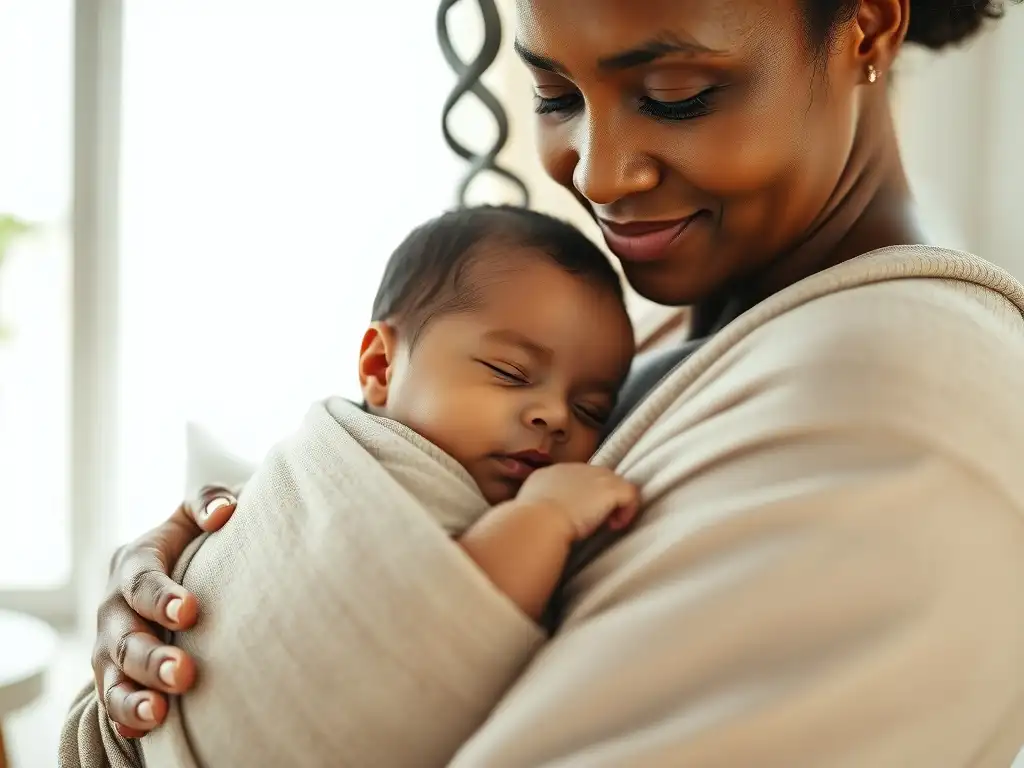
This section directly addresses frequently raised questions and misconceptions surrounding newborn babywearing, focusing specifically on its impact on a baby's development and well-being. Understanding these points is crucial for parents considering this practice as part of their attachment parenting journey. We'll explore the evidence-based facts to help you make informed decisions. The benefits of newborn babywearing attachment are substantial, but only when practiced safely and correctly.
Addressing Concerns about Hip Dysplasia and Babywearing
Hip dysplasia, a condition where the hip joint doesn't develop properly, is a concern often associated with babywearing. However, the risk is significantly minimized when using carriers designed to support the "M" position. This means the baby's legs are spread in a natural frog-like position, allowing for proper hip development.
Several studies have explored the relationship between babywearing and hip dysplasia. While some older studies suggested a correlation, more recent research indicates that proper babywearing techniques, using ergonomic carriers that support the natural "M" position, do not increase the risk. In fact, some research even suggests that babywearing might reduce the incidence of hip dysplasia by promoting healthy hip development.
It's crucial to choose a carrier that allows for proper hip positioning, with the baby's legs bent at the hips and knees, forming a comfortable and natural "M" shape. Avoid carriers that force the baby's legs to hang straight down, as this can put undue strain on the hips. Always consult your pediatrician or a qualified healthcare professional if you have any concerns about your baby's hip development. Remember, informed choices lead to confident babywearing!
Debunking Myths about Babywearing and Over-dependence
A common misconception is that babywearing leads to over-dependence and hinders the baby's independence. This couldn't be further from the truth. While babies find comfort and security in close proximity to their caregivers, babywearing actually fosters independence in the long run.
Think of it this way: a securely attached baby feels safe to explore their world, knowing they have a secure base to return to. Babywearing provides this secure base, allowing the baby to explore their environment while feeling safe and connected. This secure attachment contributes to the development of healthy independence, not dependence. The benefits of secure attachment extend far beyond infancy, shaping emotional regulation, social skills, and self-esteem throughout life. The newborn babywearing attachment benefits are far-reaching and long-lasting.
The Impact of Babywearing on Baby's Sleep Patterns and Development
Many parents report improved sleep patterns in their babies when using babywearing. The consistent motion, rhythmic sounds, and closeness to the caregiver can soothe and calm the baby, promoting better sleep. However, this isn't a guaranteed outcome, and individual results may vary.
Furthermore, babywearing has been linked to several positive developmental outcomes. The close physical contact promotes bonding and attachment, contributing to emotional security and reducing stress hormones in the baby. This increased sense of security can translate into improved cognitive development and social-emotional well-being. Studies have shown a correlation between babywearing and enhanced language development and improved attention spans in some infants. However, more research is needed to fully understand the complex interplay between babywearing and neurodevelopment. The benefits of newborn babywearing attachment are constantly being explored and refined through ongoing research.
Remember, always prioritize safety and choose an appropriate baby carrier for your baby's age and weight. Consulting with your pediatrician or a babywearing consultant can help you select the right carrier and learn the proper techniques to ensure a safe and positive babywearing experience. The benefits of newborn babywearing attachment are numerous, but only when practiced correctly and mindfully.
Integrating Babywearing into Your Daily Routine
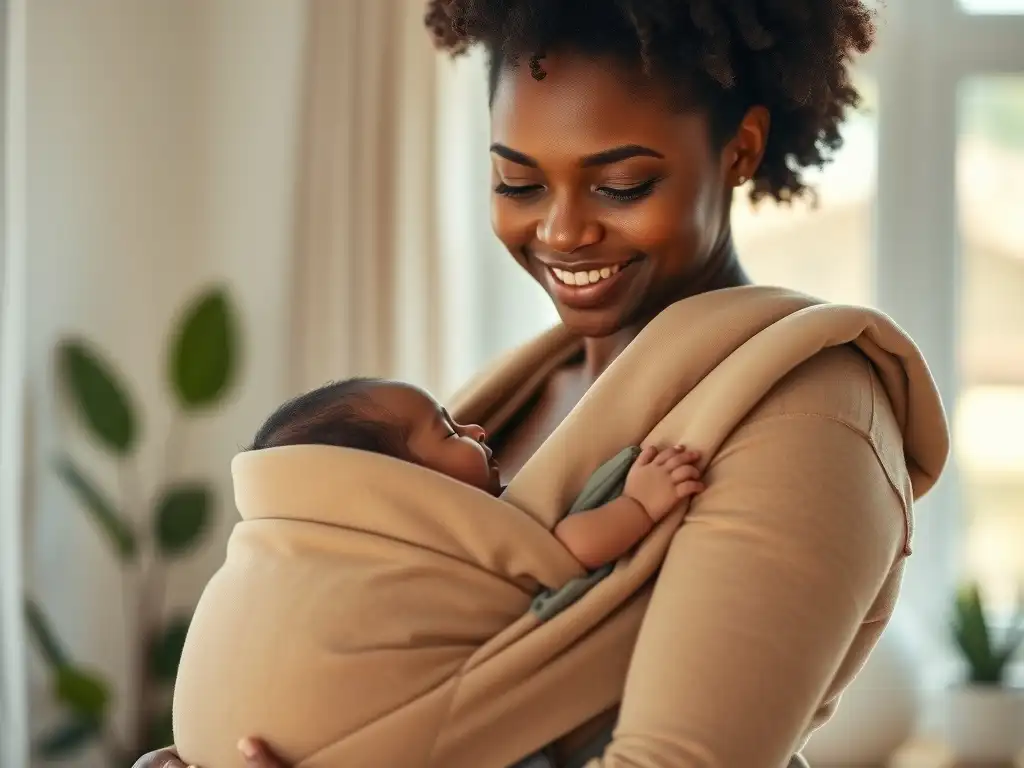
This section explores how seamlessly integrating babywearing into your daily life can enhance the benefits of attachment parenting and contribute to a more harmonious experience for both you and your newborn. We'll examine practical applications, offering specific examples and addressing potential challenges. Remember, consistency is key to maximizing the positive impacts of babywearing on your newborn's development and your family's well-being. The benefits of newborn babywearing extend far beyond simple convenience; it fosters a deeper connection and facilitates a smoother transition into parenthood.
Babywearing for Feeding and Soothing
Babywearing offers unparalleled convenience during feeding times. Breastfeeding, in particular, benefits significantly from the close proximity and comfortable positioning afforded by a baby carrier. The skin-to-skin contact promotes the release of oxytocin, a hormone crucial for bonding and milk production. This natural, calming effect often leads to more relaxed and successful feeding sessions, reducing stress for both parent and baby. For bottle-feeding, a baby carrier allows for hands-free feeding, enabling parents to multitask while ensuring their baby's comfort and attention.
Consider this example: Imagine preparing dinner while simultaneously feeding your newborn. Without a baby carrier, this would be a near-impossible task, requiring constant attention switching. However, with a properly fitted carrier, you can comfortably hold your baby while chopping vegetables, stirring the pot, and monitoring the oven. This simple act dramatically improves efficiency and reduces parental stress.
Furthermore, the rhythmic motion and close physical contact provided by babywearing can be incredibly soothing for fussy newborns. The gentle swaying mimics the sensation of being held and rocked, often calming a crying baby more effectively than other methods. This is particularly beneficial during periods of colic or discomfort. The constant presence and reassurance provided by the carrier contributes to a sense of security and reduces anxiety in the infant. The benefits of this close physical contact are undeniable, fostering a strong parent-child bond and creating a more peaceful home environment.
Babywearing for Errands and Activities
Integrating babywearing into your daily errands and activities allows you to maintain your routine while keeping your newborn close and content. This is crucial for maintaining a sense of normalcy and preventing feelings of isolation that can sometimes accompany new parenthood. The benefits are multifaceted, offering a practical solution to the challenges of venturing out with a newborn.
For example, grocery shopping becomes significantly easier. Instead of struggling with a bulky stroller and a potentially fussy baby, you can navigate the store aisles with ease, keeping your little one close and secure in the carrier. Similarly, attending appointments, visiting friends, or engaging in light exercise are all made more manageable with babywearing. This freedom allows parents to maintain their social lives, pursue hobbies, and continue with daily routines, preventing feelings of confinement and promoting mental well-being.
However, remember that safety is paramount. Always choose a carrier appropriate for your baby's age and weight, and ensure it's properly adjusted to provide optimal support and prevent discomfort. Avoid activities that could compromise your balance or put your baby at risk, such as strenuous exercise or cycling. The key is to choose activities suitable for both you and your baby, prioritizing safety and comfort above all else.
Babywearing and the Transition to Independent Sleep
While babywearing doesn't directly cause independent sleep, it can indirectly facilitate the transition. The close physical contact and rhythmic movement provided by babywearing can help regulate your baby's sleep cycles and reduce anxiety. This can lead to longer stretches of sleep, both during the day and at night, although it's important to manage expectations and understand that every baby is different.
Some parents find that consistent babywearing during the day helps their babies fall asleep more easily at night. The feeling of security and closeness they experience while being worn can create a sense of calm and contentment that translates to a more peaceful bedtime routine. However, it is crucial to avoid over-reliance on babywearing as a sleep aid. The goal is to gradually wean your baby off the need for constant physical contact while maintaining a secure and nurturing environment.
It's also crucial to remember that every baby develops at their own pace. There is no one-size-fits-all approach. While babywearing can be a valuable tool in promoting healthy sleep patterns, it should not be seen as a guaranteed solution for sleep problems. Consulting a pediatrician or sleep specialist is always advisable for addressing persistent sleep challenges. The benefits of newborn babywearing are numerous, but a holistic approach to sleep training, incorporating various techniques and strategies, is usually the most effective.
Long-term Benefits of Newborn Babywearing for Parent-Child Relationship
Newborn babywearing offers a multitude of long-term advantages that extend far beyond the immediate comfort and convenience it provides. The practice significantly impacts the parent-child relationship, fostering a deeper connection and laying a strong foundation for future interactions. Consistent babywearing contributes to a secure attachment style in the child, influencing their emotional development and social skills throughout their life. Moreover, the benefits ripple outwards, positively impacting parental confidence and well-being. This section will delve into the specific long-term impacts of this practice on the parent-child bond.
Strengthening the Parent-Child Bond Through Consistent Babywearing
Consistent babywearing cultivates a strong parent-child bond through constant physical proximity and skin-to-skin contact. This uninterrupted closeness releases oxytocin, often called the "love hormone," in both parent and child. Studies have shown a correlation between increased oxytocin levels and enhanced feelings of bonding and security.
The rhythmic movement experienced during babywearing can also soothe the baby, reducing stress and promoting a sense of calm and security. This, in turn, strengthens the parent-child connection, creating a foundation of trust and mutual understanding. For example, a parent who consistently babywears their infant may observe a noticeable decrease in the baby's crying and an increase in their overall contentment, fostering a more positive and responsive parenting experience.
The constant physical closeness allows parents to better understand their baby's cues, leading to more responsive care and a deeper connection. This nurturing environment is vital for the healthy development of a secure attachment style in the child.
Babywearing plays a crucial role in a baby's emotional and social development. The constant proximity to a caregiver provides a sense of security and stability, helping the baby regulate their emotions more effectively. Babies who are consistently worn tend to exhibit less anxiety and distress in unfamiliar situations. This is because they have a constant source of comfort and reassurance readily available.
Furthermore, babywearing exposes babies to a wider range of social interactions. They are able to observe and participate in the parent's daily activities, leading to enhanced social learning and development. Studies suggest that babywearing can contribute to improved language development, as babies are exposed to more verbal communication and environmental stimuli.
The experience of being held close to the caregiver allows for more nuanced communication, enabling the baby to understand and respond to subtle emotional cues. This enhanced interaction directly contributes to the development of empathy and social skills. This constant exposure to social cues and interaction helps the baby learn to navigate social situations more effectively in the future.
The Positive Impact of Babywearing on Parental Confidence and Well-being
The benefits of babywearing extend to the parent as well. Many parents report increased confidence and a greater sense of well-being as a result of babywearing. The close physical contact fosters a sense of competence and reassurance, especially for first-time parents navigating the challenges of newborn care. The ease of carrying the baby frees up parents' hands, allowing them to perform other tasks while maintaining close proximity to their child.
This increased efficiency can reduce stress and improve overall parental well-being. Additionally, the increased bonding experience can lead to a stronger sense of self-efficacy and confidence in parental abilities. The positive feedback loop created by a calm, content baby and a confident parent strengthens the parent-child relationship even further.
This sense of accomplishment and connection significantly contributes to a more positive and fulfilling parenting experience, mitigating feelings of overwhelm and isolation that are often associated with newborn care. Moreover, the physical closeness can help reduce postpartum depression symptoms in some mothers, contributing to their overall mental health. The enhanced emotional connection and reduced stress levels contribute to a more positive and harmonious family environment.
Frequently Asked Questions
What are the benefits of babywearing for newborns?
Babywearing offers numerous benefits, fostering skin-to-skin contact, promoting secure attachment, and regulating your baby's body temperature and heart rate. It also provides comfort and security for your little one.
How does babywearing impact the parent-child bond?
Babywearing significantly enhances the parent-child bond by promoting proximity and interaction. The constant closeness strengthens feelings of security and trust, creating a stronger and more loving relationship. Physical closeness is key to secure attachment.
Is babywearing safe for newborns?
Yes, babywearing is safe for newborns when done correctly. Ensure your baby is positioned securely and upright, with their airway clear and their face unobstructed. Choose a suitable carrier appropriate for their age and size.
What are the different types of baby carriers suitable for newborns?
Several options exist, including wraps, slings, and structured carriers. Each type offers varying levels of support and comfort. Research and choose the carrier that best suits your needs and baby's size and developmental stage. Consider ergonomic design for proper support.
At what age can I start babywearing my newborn?
You can typically start babywearing your newborn immediately after birth, provided they are healthy and have good muscle tone. Always ensure the baby is positioned correctly and is showing signs of comfort and not distress. Prioritize safe babywearing practices.
Final Reflection: Weaving Bonds: The Enduring Power of Babywearing
The profound connection forged through babywearing extends far beyond the physical; it's a cornerstone of secure attachment, shaping the emotional landscape of a child's life and impacting their development in profound ways. The benefits discussed – from regulating infant heart rate and reducing crying to fostering a deeper parent-child bond – are not fleeting trends, but fundamental aspects of healthy child development that deserve continued attention and research.
The impact of babywearing on the cultural landscape is undeniable. While once a niche practice, it's becoming increasingly mainstream, reflecting a growing awareness of the importance of responsive parenting and the power of physical closeness. The most important thing a father can do for his children is to love their mother.
This quote, often attributed to Theodore Hesburgh, speaks to the broader context of nurturing relationships, and babywearing plays a vital role in strengthening the bonds within the family unit, benefiting both parents and child.
Consider the legacy you are building with your child. Will you choose convenience over connection? Or will you embrace the opportunity to cultivate a deep, secure attachment through the simple, yet powerful, act of babywearing? Embrace the closeness, savor the moments, and witness the blossoming of a bond that will shape a lifetime. The journey of parenthood is a beautiful, challenging one; let babywearing be a tool to navigate it with love, understanding, and unwavering connection.
Unlock Your Baby's Potential: Embrace the Journey of Babywearing
Thank you for exploring the wonderful world of babywearing and its impact on your parenting journey! We hope you've gained valuable insights into the benefits for both you and your baby. Now, let's put this knowledge into practice.
- Start your babywearing journey today! Choose a carrier that's comfortable for both you and your baby, and begin with short wearing periods, gradually increasing the duration as you both become more comfortable. Remember, safety is paramount; consult your pediatrician and always follow the manufacturer's instructions carefully.
- Share your experiences: Tell us about your favorite babywearing moments—or even your initial concerns and how you overcame them! Your insights can help other new parents.
- Experiment with different babywearing techniques to find what works best for you and your baby. Try different positions, carriers, and fabrics to discover the perfect fit for your unique needs and preferences.
Ready to transform your bonding experience and discover the joys of close, connected parenting? What's your first step towards embracing the amazing world of babywearing?