
Babywearing for Newborns: The Best Fabrics for Baby Carriers


Welcome to BabyCareHub, your ultimate guide to navigating the incredible journey of parenthood! Are you ready to embrace the world of babywearing? We know choosing the right baby carrier can feel overwhelming, especially for first-time parents. That's why we've compiled expert advice on selecting the best baby carrier fabrics for newborns, ensuring both comfort and safety for your little one. Discover the secrets to finding the perfect carrier and unlock a world of bonding experiences. Dive in and explore our comprehensive resources on newborn care – your adventure starts now!
- Choosing the Right Baby Carrier Fabric for Your Newborn
-
Top Fabrics for Newborn Baby Carriers: A Detailed Comparison
- Organic Cotton: Softness, Breathability, and Eco-Friendliness
- Linen: Natural, Breathable, and Durable for Summer Months
- Bamboo: Soft, Absorbent, and Temperature-Regulating
- Hemp: Strong, Durable, and Naturally Antimicrobial
- Silk: Luxurious, Soft, and Hypoallergenic (with caveats)
- Fleece: Warmth and Comfort for Colder Weather
- Synthetic Fabrics: Performance and Durability Considerations
- Best Baby Carrier Fabrics for Different Seasons
- How to Care for Different Baby Carrier Fabrics
- Choosing the Right Fabric Based on Your Baby's Skin Sensitivity
- Safety Considerations When Choosing Baby Carrier Fabrics
- Frequently Asked Questions
- Final Reflection: Weaving Comfort and Confidence: The Enduring Power of Choosing the Right Baby Carrier Fabric
- Unlock Your Babywearing Journey: Discover the Perfect Fabric!
Choosing the Right Baby Carrier Fabric for Your Newborn
Navigating the world of babywearing can feel overwhelming for new parents. With so many carrier options and materials available, selecting the best baby carrier fabric for your newborn can seem particularly daunting. This guide focuses on the crucial role fabric plays in ensuring your baby's comfort, safety, and overall well-being during those precious first months.
We'll delve into the properties of various fabrics, highlighting which are best suited for newborns' delicate skin and unique needs, ultimately helping you choose a carrier that provides both comfort and security for you and your little one. Understanding the nuances of fabric composition is key to selecting a baby carrier that promotes healthy development and happy babywearing experiences.
Choosing the right fabric is about more than just aesthetics; it's about prioritizing your baby's health and comfort. This article will help you confidently navigate the world of baby carrier fabrics, empowering you to make informed decisions for your newborn's well-being.
Understanding Fabric Properties and Newborn Needs
Newborns have incredibly sensitive skin, making fabric choice paramount. Several key properties should guide your selection:
- Breathability: Newborns are prone to overheating. Fabrics that allow for good airflow, preventing excessive sweating and overheating, are crucial. Think about how your own skin feels on a hot day; you want something similar for your baby. Avoid fabrics that trap heat and moisture.
- Softness: The fabric should be incredibly soft against your baby's delicate skin, minimizing the risk of irritation or chafing. Rough or scratchy materials are a definite no-go. Imagine the softest cotton t-shirt – that's the kind of texture you should be aiming for.
- Durability: A baby carrier is an investment, and you'll want it to last. Choosing a durable fabric that can withstand frequent use and washing is essential. Consider the fabric's resistance to wear and tear, as well as its ability to maintain its shape and softness after multiple washes.
- Stretch and Give: Some stretch in the fabric allows for a snug but comfortable fit, adapting to your baby's movements. However, excessive stretch can compromise support. The ideal balance is crucial for both the baby's comfort and the carrier's structural integrity. This is especially important for newborns who require more support and a secure fit.
- Washability: Regular washing is essential for maintaining hygiene. The fabric should be easy to clean without losing its softness, shape, or color. Check the care instructions carefully before purchasing.
Key Fabric Considerations for Newborn Comfort and Safety
Several fabrics consistently rank highly for newborn baby carriers:
- 100% Organic Cotton: This natural fiber is incredibly soft, breathable, and hypoallergenic, making it ideal for sensitive skin. It's also highly durable and easy to wash, ensuring longevity and hygiene. Look for certifications like GOTS (Global Organic Textile Standard) to guarantee its organic nature.
- Bamboo: Known for its exceptional softness and breathability, bamboo is another excellent choice. It's naturally antimicrobial, which can help prevent the build-up of bacteria. However, be aware that some bamboo fabrics may be less durable than cotton.
- Linen: Linen is a strong and durable natural fiber with excellent breathability. It's slightly less soft than cotton or bamboo when new, but softens with each wash. It's a good option for warmer climates.
- Hemp: Hemp is a sustainable and durable fiber known for its breathability and strength. While not as soft as cotton or bamboo initially, it softens over time and becomes incredibly comfortable. It's also naturally resistant to bacteria and mildew.
Choosing the right fabric for your newborn's baby carrier is a crucial decision. By considering these factors and selecting a material that prioritizes softness, breathability, and durability, you can ensure a comfortable and safe babywearing experience for both you and your little one. Remember to always follow the manufacturer's care instructions to maintain the quality and longevity of your carrier. 👶
Top Fabrics for Newborn Baby Carriers: A Detailed Comparison
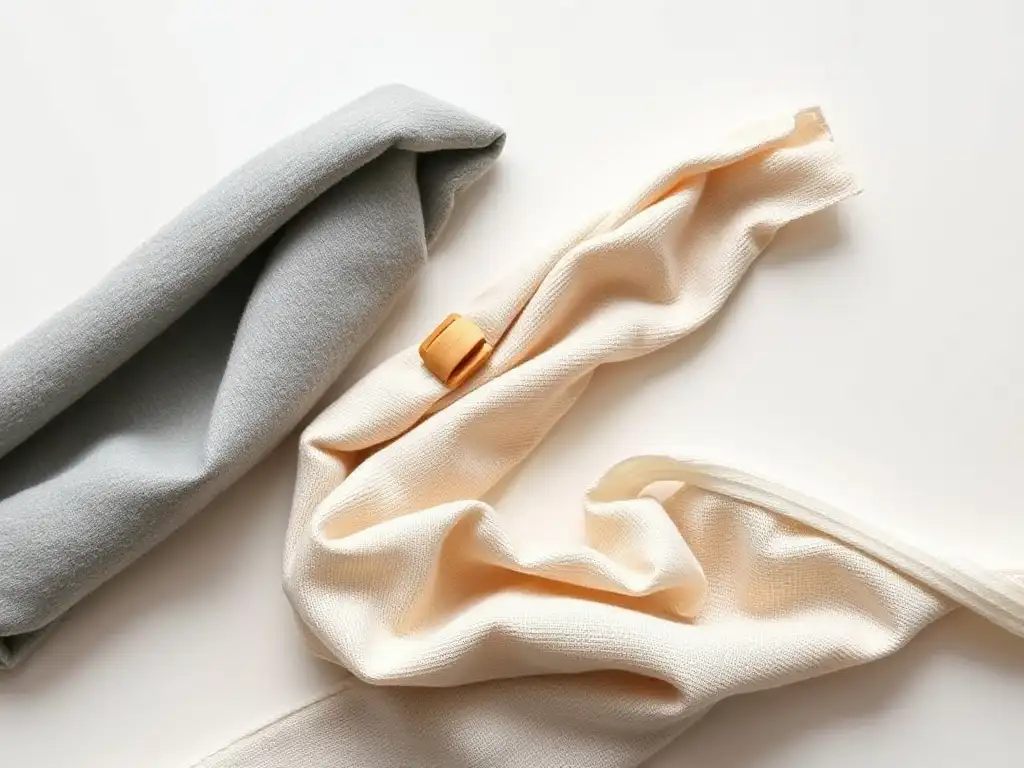
Choosing the right fabric for your newborn's baby carrier is crucial for their comfort and safety. The best fabric will be soft against delicate skin, breathable to prevent overheating, and durable enough to withstand daily use. This section delves into some of the top fabric choices for newborn baby carriers, comparing their properties and benefits. Finding the best baby carrier fabrics newborns can significantly impact your babywearing experience.
Organic Cotton: Softness, Breathability, and Eco-Friendliness
Organic cotton is a popular choice for baby products, and for good reason. It's incredibly soft, making it gentle on a newborn's sensitive skin. The natural breathability of organic cotton helps regulate your baby's temperature, preventing overheating, especially important in warmer climates. Furthermore, opting for organic cotton supports sustainable farming practices, minimizing exposure to harmful pesticides and chemicals. This is a key factor for many eco-conscious parents seeking the best baby carrier fabrics newborns.
Organic cotton is also relatively easy to care for. Most organic cotton baby carriers can be machine washed and dried (always check the care label! ), making maintenance simple for busy parents. However, keep in mind that organic cotton can be prone to shrinking slightly after washing, so pre-washing before extended use is recommended. The softness does tend to diminish with repeated washing, but the breathability remains a significant advantage. The durability is moderate; it's not as robust as some synthetic fabrics, but it's perfectly adequate for everyday use with careful handling.
Linen: Natural, Breathable, and Durable for Summer Months
Linen, a natural fiber derived from the flax plant, offers excellent breathability, making it an ideal choice for warmer weather. Its strength and durability mean that a linen baby carrier can withstand frequent use and washing. While not as soft as organic cotton when brand new, linen softens considerably with each wash, becoming more comfortable against your baby's skin over time. This makes it a strong contender for the title of best baby carrier fabrics newborns, especially for summer babies.
One important consideration with linen is its tendency to wrinkle. While this doesn't affect its functionality, it might be less aesthetically pleasing to some parents. Linen also tends to be more expensive than cotton. However, its longevity and natural properties often justify the higher cost. Proper care, including air drying, helps maintain the linen's quality and extend its lifespan. It's important to note that linen can be a bit stiffer than cotton when new, but this softens with use and washing.
Bamboo: Soft, Absorbent, and Temperature-Regulating
Bamboo fabric is known for its exceptional softness and remarkable absorbency. This makes it a highly comfortable and practical choice for a baby carrier, particularly for newborns who may experience frequent spills or spit-ups. Bamboo's natural temperature-regulating properties help keep your baby cool in the summer and warm in the winter, offering year-round comfort. The inherent antimicrobial properties of bamboo are also a plus, helping to maintain hygiene. This makes bamboo a top contender when searching for the best baby carrier fabrics newborns.
While bamboo is generally soft, the processing methods can affect the final texture. Some bamboo fabrics might feel slightly less soft than organic cotton initially, but this often improves with washing. The durability of bamboo fabric is comparable to organic cotton; it's sturdy enough for everyday use but requires careful handling to prevent damage. Bamboo fabrics are generally machine washable, but always check the care instructions on your specific carrier. The higher cost compared to cotton is often balanced by the superior comfort and temperature regulation.
This comparison highlights the unique properties of several popular fabrics for newborn baby carriers. The "best" fabric ultimately depends on individual preferences and climate. Consider your priorities – softness, breathability, durability, and budget – when making your decision. Remember to always prioritize safety and check the manufacturer’s recommendations for care and use.
Hemp: Strong, Durable, and Naturally Antimicrobial
Hemp is a fantastic choice for a newborn baby carrier fabric due to its exceptional strength and durability. Unlike some softer fabrics, hemp fibers are incredibly resilient, meaning your carrier will withstand the wear and tear of daily use for a long time. This is particularly important for newborns, as their weight may shift unexpectedly during carrying.
Furthermore, hemp is naturally antimicrobial, which means it resists the growth of bacteria and fungi. This inherent property can contribute to a cleaner and healthier carrying environment for your baby, reducing the risk of skin irritation from trapped moisture and microbes. The breathability of hemp is also a significant advantage, keeping your baby cool and comfortable even during warmer months.
However, it's worth noting that hemp can be a bit stiff when new; with washing and use, it softens considerably, becoming more pliable and comfortable against your baby's delicate skin. Expect a slight shrinkage after washing, so consider this when selecting the size of your carrier. While hemp is naturally strong, it's important to check the construction of the carrier itself to ensure that the seams are reinforced for optimal safety and longevity.
Silk: Luxurious, Soft, and Hypoallergenic (with caveats)
Silk is renowned for its luxurious softness and hypoallergenic properties, making it a seemingly ideal choice for a newborn baby carrier. Its smooth texture is gentle on a baby's sensitive skin, minimizing the risk of irritation. The natural hypoallergenic nature of silk is a significant benefit for babies with sensitive skin or allergies.
However, it’s crucial to acknowledge some caveats. Pure silk, while incredibly soft, can be delicate and may not offer the same level of durability as other fabrics like hemp or cotton. It's also less breathable than some options, which can be a concern in warmer climates.
Furthermore, the cost of silk carriers tends to be significantly higher than those made from other materials. Another important consideration is cleaning; silk requires specialized cleaning methods, which might involve professional dry cleaning, making it less convenient for everyday use. Therefore, while the luxurious softness and hypoallergenic properties are alluring, parents need to carefully weigh the pros and cons, considering their budget and lifestyle before opting for a silk baby carrier.
Fleece: Warmth and Comfort for Colder Weather
Fleece is an excellent option for a baby carrier fabric when you need extra warmth and comfort, particularly during colder months. Its soft, fluffy texture provides a cozy and snug feeling for your baby, helping to regulate their body temperature. Fleece is also incredibly lightweight, which is important to consider since you’ll be carrying your baby for extended periods.
However, it's crucial to choose a fleece carrier that is breathable to avoid overheating. Look for carriers made from high-quality fleece with good air circulation properties to prevent your baby from becoming too warm. Bear in mind that fleece can be less durable than other fabrics and may pill or shed with repeated use and washing.
Additionally, while fleece offers warmth, it is not as inherently breathable as natural fibers like hemp or cotton. Therefore, it's best suited for cooler temperatures or as a layering option within a more breathable carrier system. Always prioritize choosing a fleece carrier that is specifically designed for babywearing and meets all relevant safety standards.
Synthetic Fabrics: Performance and Durability Considerations
Synthetic fabrics, such as polyester, nylon, and microfiber, offer several advantages for babywearing, particularly regarding performance and durability. These materials are often chosen for their strength and resilience, meaning they can withstand the daily wear and tear of carrying a baby. Polyester, for example, is known for its wrinkle resistance and ability to maintain its shape even after repeated washes – a crucial feature considering the potential for spills and messes. This makes polyester carriers relatively low-maintenance, a significant benefit for busy parents.
Nylon, another popular synthetic, offers excellent elasticity and flexibility, allowing for a more comfortable and adaptable fit for both parent and baby. Its strength is also noteworthy, making it a reliable choice for carriers designed to support heavier babies. However, some nylon fabrics might feel less breathable than other options, potentially leading to overheating in warmer climates.
Microfiber blends often combine the best of both worlds. They frequently boast the softness and breathability of natural fibers while retaining the durability and easy-care nature of synthetics. Many microfiber carriers are designed with moisture-wicking properties, helping to keep both baby and wearer dry and comfortable. This is particularly useful during active outings or in humid conditions.
However, it's crucial to note that not all synthetic fabrics are created equal. The quality of the weave, the specific fiber blend, and the manufacturing process all contribute to the overall performance and comfort of the carrier. Low-quality synthetics might feel rough against baby's delicate skin, lack breathability, or be prone to pilling. Therefore, always check the fabric composition and read reviews before purchasing a baby carrier made from synthetic materials.
Look for certifications and labels indicating that the fabric is soft, breathable, and safe for baby's skin. Choosing a reputable brand known for its commitment to quality is also a wise decision. Careful consideration of these factors ensures a safe and comfortable babywearing experience.
Best Baby Carrier Fabrics for Different Seasons
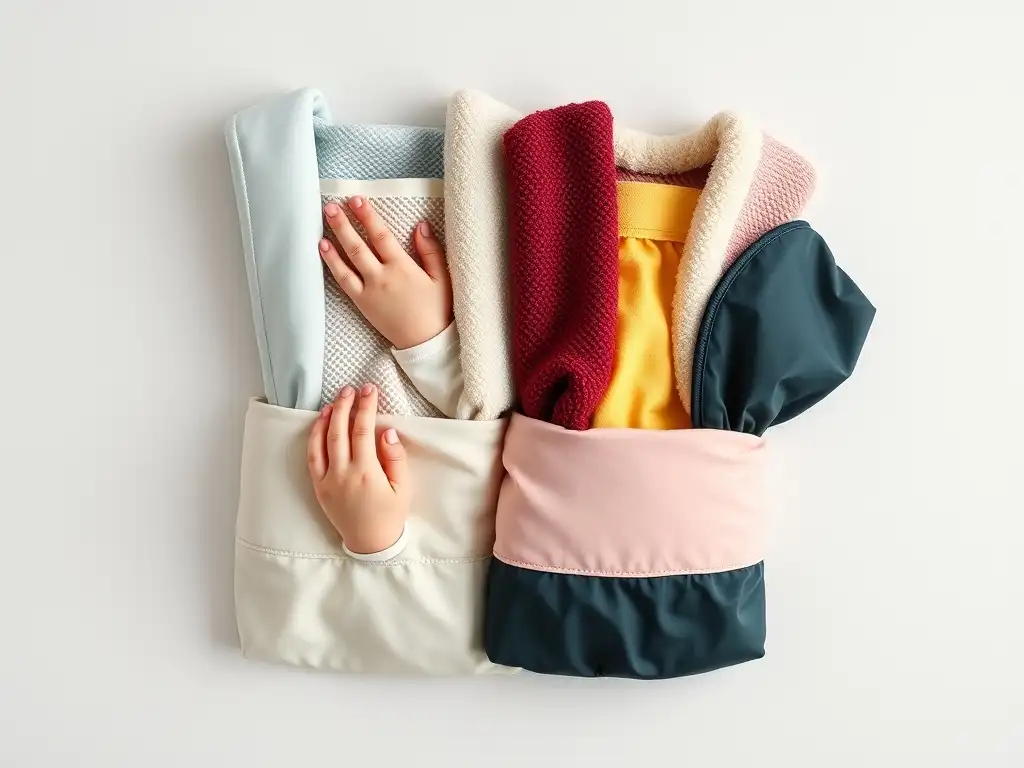
Choosing the right fabric for your baby carrier is crucial for your baby's comfort and safety, especially during those first few months. The best baby carrier fabrics for newborns will vary greatly depending on the season and climate. Let's explore the ideal materials for different weather conditions. Finding the best baby carrier fabrics for newborns involves careful consideration of breathability, warmth, and overall comfort.
Summer Fabrics: Breathable and Lightweight Options for Hot Weather
Summer heat can be uncomfortable for both you and your baby. Opting for breathable and lightweight fabrics is essential to prevent overheating. The best baby carrier fabrics for newborns during summer months prioritize airflow to keep your little one cool and comfortable.
Several excellent choices exist. Organic cotton is a popular choice, known for its softness and breathability. It's gentle on delicate newborn skin and allows for good air circulation. Linen is another excellent option; it's highly breathable and naturally regulates temperature. However, linen can be a bit more prone to wrinkling than cotton. Bamboo fabric is also gaining popularity due to its exceptional softness, breathability, and moisture-wicking properties. It's naturally antibacterial, making it a hygienic choice for babywearing.
Consider the weave of the fabric as well. A looser weave allows for better airflow, making it ideal for warmer weather. Avoid tightly woven fabrics that might trap heat and moisture. Remember to always monitor your baby's temperature and adjust your clothing and the carrier as needed.
Winter Fabrics: Warm and Cozy Fabrics for Cold Weather
During colder months, keeping your baby warm and snug is paramount. The best baby carrier fabrics for newborns in winter prioritize warmth and insulation without compromising breathability. You don't want your baby to overheat, but you also want to protect them from the cold.
For winter babywearing, consider fabrics like fleece. Fleece is incredibly soft, warm, and lightweight. It offers excellent insulation without being bulky. Merino wool is another fantastic option. It's naturally temperature-regulating, meaning it keeps your baby warm in the cold and cool in warmer temperatures. It's also naturally moisture-wicking and odor-resistant. However, some babies may have sensitivities to wool, so patch testing is always advisable. A blend of wool and synthetic fibers can provide a good balance of warmth and breathability while addressing potential allergy concerns. Soft, brushed cotton offers a good compromise, providing warmth without being too heavy.
Remember to layer your baby appropriately underneath the carrier as well. Overdressing can lead to overheating, even in cold weather.
Transition Season Fabrics: Versatile Options for Spring and Fall
Spring and fall weather can be unpredictable, with temperatures fluctuating throughout the day. The best baby carrier fabrics for newborns during these transition seasons need to be versatile enough to adapt to changing conditions.
Cotton blends offer a good balance of warmth and breathability. Blends incorporating materials like modal or bamboo can enhance softness and moisture-wicking capabilities. These blends provide a comfortable and adaptable option for fluctuating temperatures. A lightweight jersey knit is also a great choice; it’s soft, stretchy, and breathable, providing a comfortable fit without being too heavy or bulky.
It adapts well to both cooler and warmer days within the transition seasons. Always check the weather forecast and adjust your baby's layers accordingly. Choosing a carrier with adjustable layers or a hood can provide extra versatility in managing your baby's temperature during these unpredictable seasons. The key is finding a balance between warmth and breathability to keep your baby comfortable and happy.
Choosing the right fabric for your baby carrier is a significant step towards ensuring your baby's comfort and safety. By considering the season and the fabric's properties, you can create a safe and comfortable babywearing experience for both you and your little one. Remember to always prioritize your baby's comfort and safety. 👶
How to Care for Different Baby Carrier Fabrics
Choosing the right baby carrier fabric is crucial for your baby's comfort and safety. But selecting the best baby carrier fabrics newborns is only half the battle. Proper care and maintenance are essential to ensure your carrier lasts and remains hygienic. Different fabrics require different cleaning methods, and understanding these nuances will significantly extend the lifespan of your investment. This section details how to care for various popular baby carrier materials, helping you keep your carrier clean and ready for countless cuddles.
Washing Instructions for Organic Cotton, Linen, Bamboo, and Hemp
Natural fibers like organic cotton, linen, bamboo, and hemp are popular choices for baby carriers due to their breathability and softness. However, they require gentle handling to prevent damage. These fabrics are generally more delicate than synthetics.
Here's a step-by-step guide for washing these materials:
- Pre-treatment: Before washing, spot-treat any stains with a gentle baby detergent and a soft brush. Avoid harsh chemicals or bleach.
- Washing: Always hand-wash delicate fabrics like linen and hemp, or use a gentle machine wash cycle on cold water with a mild, fragrance-free detergent designed for baby clothes. Use a mesh laundry bag to protect the fabric during machine washing.
- Drying: Air drying is strongly recommended. Lay the carrier flat on a clean, dry surface, away from direct sunlight, to prevent fading and shrinking. Avoid tumble drying, as high heat can damage the fibers.
- Frequency: Wash your carrier after each use if it's visibly soiled or at least once a week for regular use.
Organic cotton, known for its softness and absorbency, requires similar treatment. Bamboo and hemp, while durable, benefit from the same gentle approach to washing and drying to maintain their softness and longevity. Remember to always check the care instructions on the specific carrier label for any manufacturer-specific recommendations.
Cleaning and Maintaining Synthetic and Fleece Fabrics
Synthetic fabrics like polyester and nylon, and fleece, offer durability and easy care. They are often more resistant to shrinking and fading than natural fibers, making them a practical choice for busy parents. However, proper cleaning is still crucial to maintain hygiene.
- Polyester and Nylon: These fabrics are generally machine washable. Use a cold or lukewarm water cycle with a mild detergent. Avoid using fabric softener, as it can reduce the carrier's water resistance. Air dry or tumble dry on a low setting.
- Fleece: Fleece is incredibly soft and warm but can be prone to pilling. Machine wash on a gentle cycle with cold water and a mild detergent. Air dry or tumble dry on a low setting. To minimize pilling, turn the carrier inside out before washing.
Table 1: Cleaning Summary
| Fabric Type | Washing Method | Drying Method | Special Notes |
|---|---|---|---|
| Organic Cotton | Gentle machine wash | Air dry | Avoid bleach and harsh detergents |
| Linen | Hand wash | Air dry | Very delicate; handle with care |
| Bamboo | Gentle machine wash | Air dry | May require a mesh laundry bag |
| Hemp | Hand wash | Air dry | Very durable but requires gentle cleaning |
| Polyester/Nylon | Machine wash (cold) | Air dry or low tumble | Avoid fabric softener |
| Fleece | Machine wash (cold) | Air dry or low tumble | Turn inside out before washing |
Remember, always prioritize safety. Never use harsh chemicals or bleach on any baby carrier fabric. Always check the manufacturer's care instructions before cleaning.
Extending the Life of Your Baby Carrier
Proper care translates directly into longevity. Following these tips can significantly extend the lifespan of your baby carrier:
- Regular Inspection: Before each use, visually inspect your carrier for any signs of wear and tear, loose stitching, or damage to the buckles. Address any issues promptly.
- Spot Cleaning: Regularly spot clean minor spills and messes to prevent them from setting.
- Storage: When not in use, store your carrier in a clean, dry place, away from direct sunlight and excessive heat or humidity. This prevents fading and mold growth.
- Avoid Overloading: Don't overload the carrier beyond the manufacturer's weight recommendations. This prevents stress on the fabric and stitching.
- Gentle Handling: Handle your baby carrier with care. Avoid rough treatment or dragging it on the ground.
By following these simple yet effective care instructions and maintenance practices, you can ensure your baby carrier remains a safe, comfortable, and reliable companion for you and your little one for many months to come. Remember, a well-maintained carrier is a happy baby and a happy parent! 👶
Choosing the Right Fabric Based on Your Baby's Skin Sensitivity
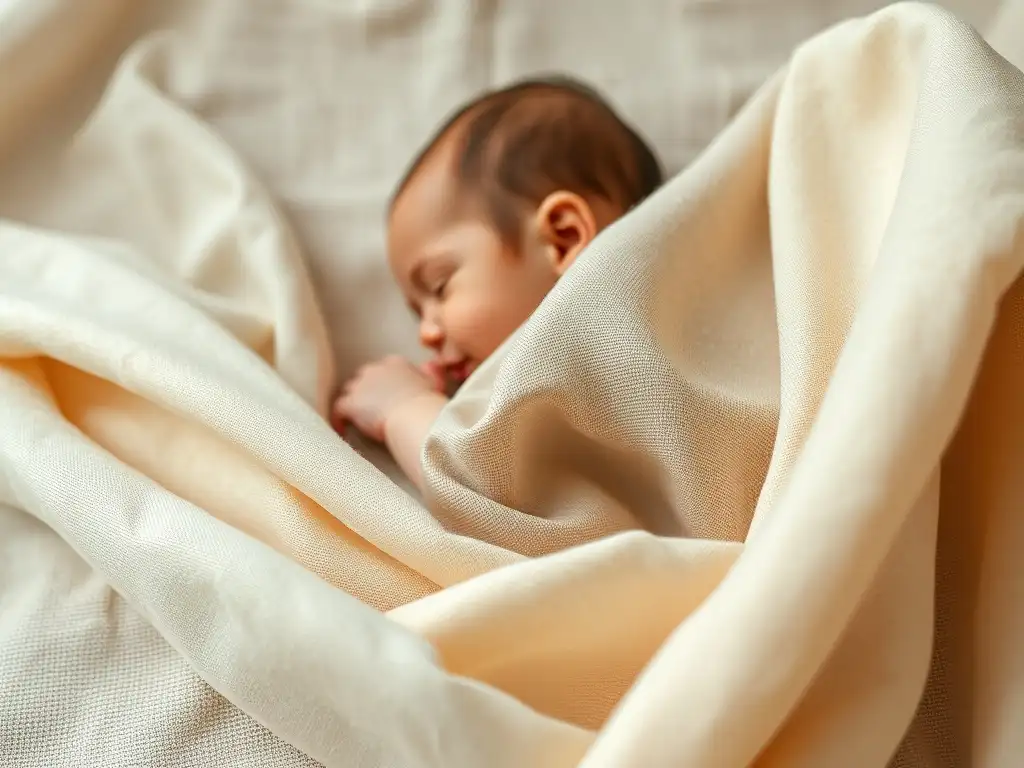
Selecting the right fabric for your baby's carrier is crucial, especially for newborns whose skin is incredibly delicate and prone to irritation. The "best baby carrier fabrics newborns" are those that prioritize softness, breathability, and hypoallergenic properties. Factors like climate and your baby's individual skin sensitivity must also be considered.
A carrier made from a rough or irritating fabric can lead to discomfort, chafing, and even allergic reactions. This section will delve into the specifics of choosing the right fabric based on your little one's skin type and environmental conditions. Remember, a comfortable baby equals a happy babywearing experience for both you and your child!
Best Fabrics for Babies with Sensitive Skin
Newborns often have sensitive skin, making fabric selection paramount. Opting for natural, breathable materials is key. Here's a breakdown of some excellent choices:
- 100% Organic Cotton: This is a classic choice and often cited as one of the best baby carrier fabrics newborns. Organic cotton is soft, gentle on the skin, and highly breathable, making it ideal for various climates. It's also less likely to contain harsh chemicals, minimizing the risk of allergic reactions. Look for certifications like GOTS (Global Organic Textile Standard) to ensure authenticity.
- Bamboo: Bamboo fabric is incredibly soft and naturally hypoallergenic. It's also highly absorbent, wicking away moisture to keep your baby cool and dry. This makes bamboo a particularly excellent option for warmer climates or for babies prone to overheating. It's a sustainable choice as well, making it an environmentally-friendly option.
- Linen: Linen is another breathable natural fiber, though it's generally less soft than cotton or bamboo when new. However, it softens with each wash. It's known for its durability and ability to regulate temperature, making it a good choice for moderate climates.
| Fabric | Softness | Breathability | Hypoallergenic | Temperature Regulation |
|---|---|---|---|---|
| Organic Cotton | High | High | High | Good |
| Bamboo | High | Very High | High | Excellent |
| Linen | Medium | High | High | Good |
Choosing the right fabric is a significant step in ensuring your baby's comfort and safety while babywearing. Remember to always check the care instructions before purchasing and washing any new carrier.
Avoiding Irritants and Allergens in Baby Carrier Fabrics
Beyond choosing inherently gentle fabrics, it's crucial to avoid materials and treatments that can irritate sensitive skin. Several factors contribute to potential skin reactions:
- Synthetic Fabrics: While some synthetic fabrics are soft, many can trap heat and moisture, leading to discomfort and potential rashes. Avoid polyester, nylon, and acrylic blends, especially in warmer weather. Check labels carefully; even a small percentage of synthetic material can impact breathability.
- Dyes and Chemicals: Many conventionally produced fabrics use dyes and finishes that contain chemicals. These chemicals can be irritants for sensitive skin. Look for carriers made with low-impact dyes or naturally dyed fabrics to minimize this risk. The GOTS certification mentioned earlier often indicates the absence of harmful chemicals.
- Rough Seams and Tags: Pay attention to the details. Rough seams or protruding tags can chafe your baby's skin. Choose carriers with well-finished seams and consider removing any tags that might cause irritation. Soft, flat seams are crucial for comfort.
Remember, a proactive approach to fabric selection can significantly reduce the risk of skin problems. Prioritizing natural, hypoallergenic materials and avoiding potential irritants will ensure a comfortable and safe babywearing experience. Always prioritize your baby's comfort and well-being. If you notice any signs of irritation, discontinue use immediately and consult your pediatrician.
Safety Considerations When Choosing Baby Carrier Fabrics
Choosing the right fabric for your baby carrier is crucial for your newborn's safety and comfort. While the style and features of the carrier are important, the material itself directly impacts your baby's well-being. Prioritizing safety should be paramount when selecting a baby carrier, and fabric selection plays a significant role in this. This section will delve into specific safety aspects to consider when choosing fabrics for your newborn's carrier. Remember, a safe and comfortable carrier contributes to a happy and secure babywearing experience.
Fabric Weight and its Impact on Baby's Comfort and Safety
The weight of the fabric directly influences your baby's comfort and safety. Too heavy a fabric can overheat your baby, especially during warmer months. This can lead to discomfort and even heatstroke. Conversely, a fabric that is too light might not offer sufficient support, particularly for newborns who lack the muscle tone to support their own heads.
Consider these factors when assessing fabric weight:
- GSM (Grams per Square Meter): This measurement indicates the fabric's weight. A lighter weight fabric, generally under 200 GSM, might be suitable for warmer climates but might lack the necessary structural integrity for optimal support. Heavier fabrics, above 250 GSM, offer better support but might be too warm for summer months. The ideal range often falls between 200-250 GSM, but this can vary depending on the carrier's design and your climate.
- Fabric Type: Different fabric types have varying weights. Linen, for example, tends to be lighter than cotton canvas. While linen is breathable, it may not provide the same level of structural support as a heavier cotton canvas. Understanding the properties of different fabrics is crucial for making an informed decision.
- Baby's Age and Development: Newborns require extra support due to their lack of head and neck control. A slightly heavier, more structured fabric might be preferable for newborns compared to older infants who have better head control.
The best approach is to find a balance between breathability and support. A well-constructed carrier using a fabric with appropriate weight will ensure your baby is both comfortable and safe. Always prioritize a carrier that allows for proper airflow to prevent overheating.
Fabric Flammability and Safety Standards
Fabric flammability is a critical safety concern when choosing a baby carrier. The fabric should meet or exceed relevant safety standards to minimize the risk of fire hazards. Look for carriers made from fabrics that are inherently flame-resistant or have been treated with flame-retardant chemicals. However, ensure that these treatments are safe for babies and meet stringent safety regulations.
Here's what to look for:
- Certification Marks: Check for certifications indicating that the fabric meets flammability standards. These certifications vary depending on your region but typically indicate compliance with relevant safety regulations. Look for labels or tags that explicitly state the fabric's flammability rating.
- Fabric Composition: Certain fabrics are naturally more flame-resistant than others. For example, 100% cotton is generally considered safer than synthetic blends, although many synthetic fabrics now also meet safety standards. Always check the fabric composition label to understand the material's properties.
- Avoid Untreated Fabrics: Avoid carriers made from untreated fabrics, especially those made from highly flammable materials like silk or certain types of polyester. These can pose a significant fire hazard. Opt for fabrics that have undergone rigorous testing and meet or exceed safety standards.
Regularly inspect your baby carrier for any signs of wear and tear. Damaged fabrics can compromise their flammability resistance, so it's best to replace a damaged carrier immediately. Prioritizing a carrier with a high safety rating regarding flammability ensures your baby's safety and provides you with peace of mind. 👶 Choosing safe fabrics is a crucial step towards a secure and enjoyable babywearing journey.
Frequently Asked Questions
What fabrics are best for newborn baby carriers?
For newborns, soft, breathable fabrics like 100% cotton, linen, or bamboo are ideal. Avoid anything too stiff or scratchy. Look for natural, hypoallergenic options.
Are synthetic fabrics suitable for baby carriers?
Some synthetic fabrics, like mesh or polyester blends, can be okay, particularly for warmer weather. However, prioritize natural fibers for breathability and to minimize the risk of irritation. Always check for breathability.
How important is the fabric's weight when choosing a baby carrier?
The fabric's weight influences comfort. Lightweight fabrics are generally preferable for both you and your baby, especially during warmer months. Heavier fabrics might be better suited for colder weather.
Should I avoid certain fabrics in baby carriers?
Yes, avoid fabrics that are rough, itchy, or contain potentially irritating dyes. Also, steer clear of anything that isn't easily washable. Prioritize easy cleaning.
Where can I find baby carriers made from the best fabrics for newborns?
Many online retailers and baby stores offer carriers made from suitable fabrics. Check reputable brands and read reviews focusing on fabric quality and comfort. Look for specific mentions of cotton, linen, or bamboo.
Final Reflection: Weaving Comfort and Confidence: The Enduring Power of Choosing the Right Baby Carrier Fabric
The choice of fabric in a baby carrier isn't merely a matter of aesthetics; it's a fundamental decision impacting the comfort, safety, and overall bonding experience for both parent and child. The right fabric can mean the difference between a soothing, secure embrace and a frustrating, uncomfortable experience, especially during those crucial newborn months. This is a choice that reverberates far beyond the immediate moment of carrying.
The impact of comfortable babywearing extends beyond the physical. It fosters a deeper connection between parent and child, promoting a sense of security and trust that lays the foundation for healthy emotional development. The most important thing a father can do for his children is to love their mother.
While this quote speaks to a broader familial context, the sentiment holds true for the nurturing bond created through the simple act of carrying a newborn close. The right fabric facilitates this connection, making the experience more enjoyable and less of a burden. This is a legacy of comfort and connection that extends far beyond the first few months of life.
Consider the implications of your choice. Will you opt for the breathability of organic cotton for those sweltering summer days, or the comforting warmth of merino wool for colder months? Will you prioritize the durability of linen or the softness of bamboo? The decision rests with you, but remember the profound impact this seemingly small detail can have. Choose wisely, choose consciously, and choose a fabric that will cradle your precious little one in comfort and security, fostering a bond that will last a lifetime.
Unlock Your Babywearing Journey: Discover the Perfect Fabric!
Thank you for exploring the world of babywearing with us! You've learned about choosing the best fabrics for your baby's carrier. Ready to take the next step?
- Find your perfect carrier: Take our quick fabric quiz to determine which material best suits your lifestyle and climate. This will help you choose a carrier that's comfortable for both you and your baby.
- Share your experience: Let other parents know about your fabric choice! Share your thoughts in the comments below and tell us what makes your chosen carrier fabric so great. We'd love to hear your story.
- Explore our babywearing guides: Learn more about different babywearing techniques and positions for optimal comfort and bonding. We have many resources to help make your babywearing journey even smoother!
So, which fabric are you most excited to try, and why?