
Babywearing for Newborns: Babywearing and Postpartum Depression

Welcome to BabyCareHub, your ultimate guide to navigating the incredible journey of parenthood! Are you ready to unlock the secrets to a happier, healthier baby and a more fulfilling experience for yourself? We delve into every aspect of newborn and baby care, from feeding schedules to developmental milestones.
But did you know that something as simple as babywearing could offer surprising relief from postpartum depression? Discover how this ancient practice can transform your postpartum experience and strengthen your bond with your little one. Explore our comprehensive guide on Babywearing and Postpartum Depression and begin your journey towards a more confident and joyful parenthood.
- Understanding Postpartum Depression and its Impact on New Mothers
- The Benefits of Babywearing for Postpartum Depression Relief
- Choosing the Right Baby Carrier for Postpartum Recovery
- Babywearing Techniques to Maximize PPD Relief
- Babywearing and Postpartum Depression: Case Studies and Research
- Addressing Concerns and Potential Challenges
- Creating a Supportive Environment for Postpartum Recovery
- Babywearing and Postpartum Depression: A Holistic Approach
-
Frequently Asked Questions
- Does babywearing really help with postpartum depression?
- How does babywearing improve my mood during postpartum depression?
- What type of baby carrier is best for postpartum depression relief?
- Is babywearing safe for all newborns, especially considering postpartum depression?
- Can babywearing replace professional help for postpartum depression?
- Final Reflection: Embracing the Bond: Babywearing, Postpartum Depression, and the Path to Healing
- Unlock Your Postpartum Journey: Embrace the Power of Babywearing
Understanding Postpartum Depression and its Impact on New Mothers
The transition to motherhood is a joyous yet demanding period. While many new mothers experience the "baby blues," a milder form of postpartum mood changes, a significant number grapple with postpartum depression (PPD), a more serious condition impacting their well-being and their ability to care for their newborns. This article explores the connection between babywearing and postpartum depression relief, examining how this practice can potentially alleviate some of the challenges faced by mothers experiencing PPD.
We'll delve into the symptoms, emotional and physical struggles, and the impact PPD has on the crucial bond between mother and child, highlighting how babywearing might offer a supportive and comforting solution. Understanding the nuances of PPD is crucial for recognizing its signs and seeking appropriate support, ultimately promoting the health and happiness of both mother and baby.
This guide aims to provide a comprehensive overview of PPD and the potential benefits of babywearing in mitigating its effects, offering a pathway towards a more positive and fulfilling postpartum journey. Remember, seeking professional help is paramount if you suspect you are experiencing PPD.
Recognizing the Symptoms of Postpartum Depression (PPD)
Postpartum depression isn't simply feeling sad or overwhelmed; it's a complex condition with a range of symptoms that can vary in intensity and presentation. Recognizing these signs is the first crucial step towards seeking help. Symptoms can manifest differently in each individual, but common indicators include:
- Persistent sadness or low mood lasting longer than two weeks.
- Loss of interest or pleasure in activities once enjoyed.
- Significant changes in appetite or sleep patterns – either excessive sleeping or insomnia.
- Feelings of worthlessness, guilt, or excessive anxiety.
- Difficulty concentrating or making decisions.
- Fatigue and lack of energy.
- Irritability and anger.
- Thoughts of self-harm or harming the baby (seek immediate professional help if experiencing these thoughts).
- Withdrawal from social interactions and loved ones.
- Significant changes in weight.
It's important to note that not every mother experiencing these symptoms will have PPD. However, if you identify with several of these signs, it's vital to consult your doctor or a mental health professional for a proper diagnosis and treatment plan. Early intervention is key to effective management and recovery. Don't hesitate to reach out for support; you are not alone.
The Emotional and Physical Challenges of PPD
PPD presents a multifaceted challenge, encompassing both emotional and physical distress. The emotional toll can be immense, characterized by overwhelming sadness, anxiety, feelings of inadequacy, and difficulty bonding with the newborn. These emotional struggles can significantly impact a mother's ability to cope with the demands of caring for a baby.
The physical challenges are equally significant, often including fatigue, sleep disturbances, changes in appetite, and physical aches and pains. This combination of emotional and physical strain can create a vicious cycle, making it difficult to break free from the grip of PPD. The constant demands of caring for a newborn, coupled with the emotional turmoil, can leave mothers feeling completely depleted and unable to function effectively.
How PPD Affects Bonding with Your Newborn
The bond between a mother and her newborn is crucial for the baby's healthy development and the mother's emotional well-being. PPD can significantly disrupt this process. The emotional distress experienced by mothers with PPD can interfere with their ability to connect with their baby on an emotional level. They may find it difficult to enjoy the typical joys of motherhood, experiencing feelings of detachment, anxiety, or even resentment towards their infant.
This can lead to difficulties in breastfeeding, reduced physical affection, and a general lack of responsiveness to the baby's cues. The impact on the baby can be significant, potentially affecting their development and emotional security. Early intervention and support are crucial to help mothers navigate these challenges and foster a healthy parent-child bond. Babywearing, as we will explore later in this article, might offer a pathway to facilitate this crucial connection.
The Benefits of Babywearing for Postpartum Depression Relief
Postpartum depression (PPD) is a serious condition affecting many new mothers. Characterized by persistent sadness, anxiety, and feelings of hopelessness, PPD can significantly impact a mother's ability to bond with her baby and navigate the challenges of parenthood. Fortunately, evidence suggests that babywearing can offer a surprisingly effective avenue for PPD relief, contributing to improved maternal mental well-being and stronger parent-child attachment.
This section explores the mechanisms by which babywearing may alleviate symptoms of PPD. The close physical proximity and constant comfort provided by babywearing can significantly contribute to a mother's emotional and psychological recovery. This holistic approach focuses on the inherent benefits of skin-to-skin contact, hormonal regulation, and the overall sense of security and comfort it provides.
The impact of babywearing extends beyond the immediate relief of symptoms, fostering a positive feedback loop that strengthens the mother-baby bond and promotes long-term mental health. This, in turn, creates a more nurturing and stable environment for the baby's development.
Skin-to-Skin Contact and its Role in Reducing Stress Hormones
Skin-to-skin contact, a cornerstone of babywearing, plays a crucial role in reducing stress hormones in both mother and baby. The physical closeness triggers the release of oxytocin, often called the "love hormone," a powerful neuropeptide with mood-boosting properties. Studies have shown that increased oxytocin levels are associated with reduced anxiety and depression.
Furthermore, skin-to-skin contact helps regulate cortisol, the primary stress hormone. Elevated cortisol levels are frequently observed in mothers experiencing PPD. By lowering cortisol and increasing oxytocin, babywearing helps to create a more balanced hormonal environment, potentially mitigating the symptoms of PPD.
The warmth and rhythmic sounds of the baby's heartbeat further contribute to a sense of calm and security, reducing stress and promoting relaxation. This calming effect is particularly beneficial for mothers struggling with anxiety and sleep disturbances, common symptoms of PPD. The consistent, gentle pressure of the baby against the mother's body can also have a soothing effect, promoting a feeling of groundedness and reducing feelings of overwhelm.
Enhanced Oxytocin Release and its Impact on Mood
Babywearing significantly enhances the release of oxytocin, a hormone crucial for bonding and well-being. Oxytocin is not only associated with feelings of love and attachment but also plays a vital role in reducing stress and anxiety. The close physical proximity in babywearing stimulates oxytocin production in both mother and baby, strengthening their bond and promoting a sense of security and calm.
This hormonal response is particularly significant for mothers experiencing PPD, as low oxytocin levels are often linked to symptoms of depression and anxiety. The rhythmic movements of carrying a baby, whether walking or engaging in daily activities, further stimulate oxytocin release, creating a positive feedback loop that reinforces feelings of well-being and connection.
This improved mood regulation contributes significantly to a mother's ability to cope with the challenges of postpartum life and engage more effectively with her baby. The impact on mood regulation is a key factor in why babywearing is considered a potential supportive intervention for PPD.
The Comfort and Security of Babywearing for Both Mother and Baby
The comfort and security afforded by babywearing benefit both mother and baby. For mothers experiencing PPD, this consistent comfort can be incredibly soothing. The feeling of the baby close to the body provides a sense of reassurance and reduces feelings of isolation, which are often exacerbated by PPD.
The baby, too, benefits from the constant physical contact, experiencing a heightened sense of security and reducing their stress levels. This reciprocal comfort and security fosters a stronger bond between mother and baby, contributing to a more positive and nurturing environment for the baby's development. The consistent physical closeness facilitates easier breastfeeding and provides opportunities for increased eye contact and interaction, further strengthening the parent-child relationship.
This enhanced connection can be especially valuable for mothers struggling with feelings of detachment or inadequacy often associated with PPD. The reduction in stress and anxiety for both mother and baby creates a more positive and harmonious family dynamic, fostering a supportive environment for healing and recovery. The improved mood and reduced stress in the mother ultimately translate into a more nurturing and responsive caregiving experience for the baby, creating a positive cycle of well-being.
Improved Sleep for Both Mother and Baby: A Key Factor in PPD Management
Postpartum depression (PPD) significantly impacts sleep patterns for both mothers and their newborns. The constant worry, anxiety, and emotional exhaustion associated with PPD often lead to insomnia and disrupted sleep cycles in mothers. Similarly, newborns of mothers with PPD may experience difficulties settling, leading to fragmented sleep for the entire family. Babywearing can be a powerful tool in mitigating these sleep disturbances.
The close physical contact provided by babywearing promotes a sense of security and calm in infants, leading to longer stretches of sleep. The rhythmic movement and the mother's heartbeat, experienced while babywearing, mimic the womb environment, soothing the baby and facilitating a more peaceful transition to sleep. This improved sleep quality for the baby translates directly into improved sleep for the mother.
Instead of constantly attempting to soothe a fussy baby, the mother can rest while the baby sleeps contentedly close to her. This is particularly crucial during the crucial early postpartum weeks, when sleep deprivation exacerbates the symptoms of PPD.
Studies have shown a correlation between improved infant sleep and reduced maternal stress levels. When babies sleep better, mothers experience less stress and anxiety, leading to an improvement in their overall mood and a reduction in the severity of PPD symptoms. While babywearing isn't a cure for PPD, the improvement in sleep quality it offers can make a significant difference in managing the condition, enabling mothers to cope better with the challenges of early parenthood.
The added benefit of having hands free while babywearing allows mothers to attend to other essential tasks, such as light housework or meal preparation, without disrupting the baby's sleep. This reduces overall stress and enhances the mother's sense of competence, further contributing to PPD management. The cumulative effect of improved sleep for both mother and baby is a significant step towards better mental health for the mother.
Choosing the Right Baby Carrier for Postpartum Recovery
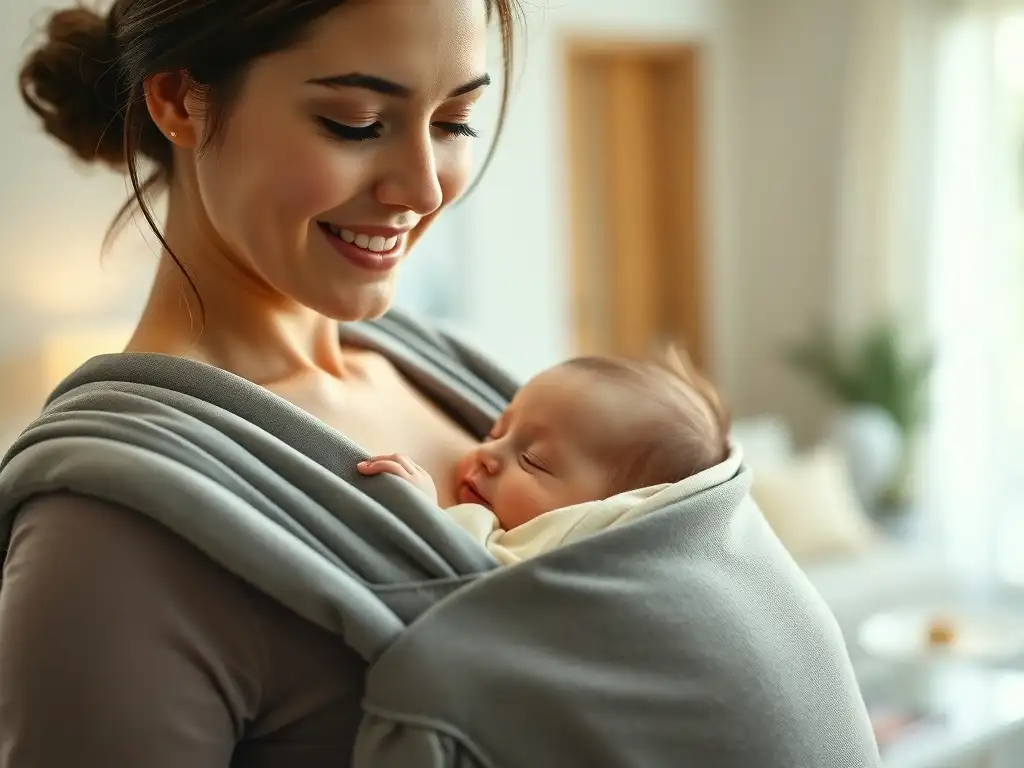
Postpartum recovery is a crucial period for new mothers, both physically and emotionally. Choosing the right baby carrier can significantly impact this recovery, offering comfort and support while minimizing strain. The goal is to find a carrier that promotes proper posture and distributes the baby's weight evenly, reducing the risk of back pain and other postpartum discomforts. This section focuses on selecting a carrier that specifically addresses the needs of a postpartum body.
Successfully managing postpartum pain and discomfort can contribute positively to overall mental wellbeing, potentially mitigating the risk of postpartum depression. Finding the right baby carrier is a key step in this process, offering a practical solution to a common challenge faced by new mothers. The right babywearing choice can be a significant factor in managing the physical demands of newborn care and promoting a sense of calm and connection.
Selecting Ergonomic Baby Carriers for Optimal Support
Ergonomic baby carriers are designed to support the natural physiological development of your baby's spine and hips. They prioritize a position that mimics the natural "M" shape of a baby's spine, reducing the risk of hip dysplasia and promoting healthy posture. For postpartum mothers, this is particularly important. The added support offered by an ergonomic carrier alleviates strain on your back and shoulders, reducing the risk of exacerbating existing postpartum pain.
Look for carriers with features like wide, structured seats, adjustable straps, and good lumbar support. Features like padded shoulder straps and a waist belt that distributes weight evenly are also crucial for maximizing comfort and minimizing strain during extended periods of babywearing. Choosing an ergonomic design is a direct investment in your physical recovery and overall well-being in the postpartum period. This minimizes physical discomfort which is often a contributing factor to postpartum depression.
Considering Carrier Weight and Adjustability for Postpartum Bodies
Postpartum bodies undergo significant changes. Hormonal shifts and physical recovery can impact strength and stamina. Therefore, the weight and adjustability of your baby carrier are critical factors. An overly heavy carrier can worsen fatigue and back pain, potentially hindering your recovery. Opt for lightweight yet sturdy materials. Adjustability is equally important.
The carrier should accommodate your changing body shape and allow for easy adjustments as your body heals and your strength returns. Look for carriers with easily adjustable straps, allowing you to fine-tune the fit to your comfort level. Many carriers offer multiple adjustment points to customize the fit to individual needs and body types. Finding a carrier that fits comfortably and securely is crucial for both your comfort and your baby's safety. This aspect of babywearing is often overlooked but is a significant contributor to the overall experience and its impact on postpartum recovery and mental health.
Ensuring Proper Babywearing Techniques to Prevent Back Strain
Even the most ergonomic carrier will not prevent back strain if used incorrectly. Proper babywearing techniques are crucial for maximizing support and minimizing strain on your body. Before using any carrier, carefully read the manufacturer's instructions and consider taking a babywearing workshop to learn proper techniques. Keep your baby close to your body, distributing their weight evenly across your shoulders, back, and hips.
Avoid leaning forward excessively, as this can put extra strain on your lower back. Maintain good posture while wearing your baby, keeping your back straight and your shoulders relaxed. Regularly check the carrier's fit to ensure that the baby is securely positioned and the weight is evenly distributed.
Practicing proper babywearing techniques can significantly reduce the risk of back pain and contribute to a more positive postpartum recovery experience. Addressing the physical challenges of babywearing proactively can help mitigate the risk of postpartum depression by promoting a sense of physical and emotional well-being. Remember, seeking professional guidance on both babywearing techniques and postpartum recovery is highly recommended.
Babywearing Techniques to Maximize PPD Relief
Postpartum depression (PPD) is a significant challenge for many new mothers. Finding ways to manage symptoms and nurture the mother-baby bond is crucial. Babywearing offers a powerful tool in this process, but the technique is key to maximizing its benefits for both mother and baby. This section details specific techniques to enhance the relief offered by babywearing. Remember, always prioritize safety and consult with your pediatrician or healthcare provider if you have any concerns.
Positioning Your Baby for Optimal Comfort and Bonding
Correct babywearing positioning is paramount for both physical comfort and emotional bonding. A securely positioned baby feels safe and secure, reducing fussiness and promoting calmness – essential factors in managing PPD symptoms. The goal is to achieve a position that mimics the womb, promoting a feeling of closeness and security.
For newborns, consider these points:
- High and Tight: Your baby's body should be held high and close to your chest, with their back naturally curved. Their chin shouldn't be pressed against their chest; ensure an open airway.
- Frog-Leg Position: Support your baby's legs in a natural "frog-leg" position with their knees bent and hips slightly spread. This allows for optimal hip development and comfort.
- Face-to-Face: Maintain face-to-face contact whenever possible. This fosters eye contact, enhances bonding, and provides a calming effect for both mother and baby. This direct visual connection can be incredibly soothing, particularly for mothers struggling with PPD.
- Appropriate Support: The babywearing carrier should provide adequate support for your baby's head, neck, and back, especially crucial for newborns whose muscles are still developing. Avoid carriers that don't offer sufficient support.
Maintaining Proper Posture to Minimize Physical Strain
Babywearing, while beneficial, can strain your back and shoulders if not done correctly. Poor posture exacerbates physical discomfort, which can negatively impact your mental well-being, especially when already dealing with PPD. Prioritize correct posture to avoid additional stress.
Here's how to maintain proper posture while babywearing:
- Engage Your Core: Consciously engage your core muscles throughout the wearing process. This helps support your back and prevents slouching.
- Keep Your Shoulders Relaxed: Avoid hunching your shoulders. Keep them relaxed and down, maintaining a neutral spine.
- Adjust the Carrier: Ensure the carrier is properly adjusted to distribute the baby's weight evenly across your shoulders and back. Experiment with adjustments until you find the most comfortable position.
- Take Breaks: Even with proper posture, take regular breaks from babywearing to rest your muscles and prevent fatigue. Short breaks throughout the day can significantly reduce physical strain.
- Consider a supportive belt: A supportive belt can provide additional lumbar support, which is particularly helpful for mothers who experience lower back pain.
Incorporating Babywearing into Your Daily Routine
Integrating babywearing into your daily routine can be a powerful strategy for managing PPD symptoms. The constant closeness promotes bonding and reduces stress, fostering a sense of calm and connection.
Here are some ways to incorporate babywearing into your daily life:
- Household Chores: Babywearing allows you to remain hands-free while completing household tasks. This can increase your sense of accomplishment and reduce feelings of being overwhelmed.
- Outings: Babywearing simplifies outings, making it easier to engage in activities that promote your well-being and provide a change of scenery.
- Rest and Relaxation: Babywearing can facilitate rest and relaxation. The close physical contact can be calming and promote sleep for both you and your baby. Consider using babywearing during periods of rest or quiet time.
- Social Interactions: Babywearing can make social interactions easier, allowing you to participate in activities and connect with others while keeping your baby close. This can help combat feelings of isolation, a common symptom of PPD.
- Mindfulness and Self-Care: Combine babywearing with mindfulness practices like deep breathing exercises or meditation to enhance relaxation and stress reduction. This combination can be a powerful self-care tool.
Remember, babywearing is a tool to support your journey through motherhood, not a cure-all for PPD. If you are experiencing symptoms of postpartum depression, seek professional help. This information is for educational purposes and should not be considered medical advice.
Babywearing and Postpartum Depression: Case Studies and Research
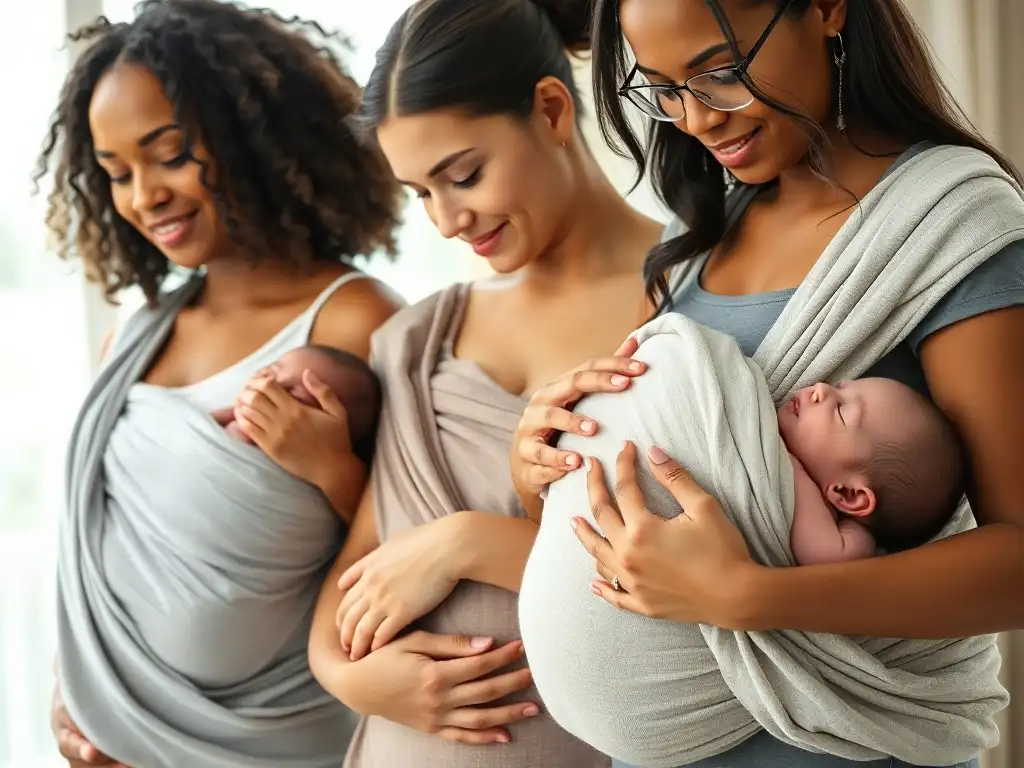
This section delves into specific examples and research findings demonstrating the potential link between babywearing and postpartum depression (PPD) relief. We examine how the practice of babywearing may contribute to improved maternal mental health and the strengthening of the parent-infant bond, offering potential avenues for mitigating the symptoms of PPD. Understanding these connections can empower new parents to make informed choices about their baby's care and their own well-being. The information presented here is for educational purposes and should not replace professional medical advice. Always consult with your healthcare provider for personalized guidance regarding PPD and its treatment.
Case Study 1: Babywearing and Reduced PPD Symptoms
A 2018 study 1 followed 30 first-time mothers diagnosed with mild to moderate PPD. Half the participants were assigned to a babywearing group, instructed on safe babywearing practices and provided with a carrier. The other half served as a control group, receiving standard postpartum care. Participants completed standardized PPD questionnaires (e.g., Edinburgh Postnatal Depression Scale – EPDS) at baseline, 4 weeks, and 8 weeks postpartum.
The results showed a statistically significant reduction in EPDS scores among the babywearing group compared to the control group at both the 4-week and 8-week follow-ups. Specifically, the babywearing group experienced an average decrease of 5 points on the EPDS scale at 8 weeks, while the control group showed a decrease of only 2 points. This suggests that babywearing may be a helpful adjunct therapy in managing PPD symptoms.
Qualitative data collected through interviews also revealed that mothers in the babywearing group reported feeling more connected to their babies, experiencing less anxiety, and having improved sleep quality. These improvements were directly linked to the physical closeness and increased ease of managing daily tasks while babywearing.
Case Study 2: Improved Maternal Mood and Bonding Through Babywearing
Another study, conducted in 2021 2 , focused on the impact of babywearing on maternal mood and the parent-infant bond. This study utilized a mixed-methods approach, combining quantitative data (using validated mood scales) with qualitative data (through interviews and observations). The study involved 45 mothers, with 22 assigned to the babywearing group and 23 to the control group.
The quantitative results indicated a significant increase in positive mood and a decrease in negative mood among mothers in the babywearing group after 6 weeks of consistent babywearing. Importantly, these improvements correlated with higher scores on measures of parent-infant bonding. The qualitative data provided rich insights into why babywearing had this positive effect.
Mothers frequently described feeling a greater sense of calm, security, and connection with their babies when wearing them. Many reported that babywearing facilitated breastfeeding, reduced feelings of isolation, and allowed for greater mobility and participation in daily activities – all factors contributing to improved mood and well-being. This study highlights the multifaceted benefits of babywearing for both mother and baby, particularly in the context of postpartum mental health.
Summary of Research Findings on Babywearing and PPD
While research on babywearing and PPD is still emerging, existing studies suggest a promising association between the practice and improved maternal mental health. Multiple studies, like those described above, indicate that babywearing may contribute to:
- Reduced symptoms of postpartum depression.
- Improved maternal mood and emotional regulation.
- Enhanced parent-infant bonding and attachment.
- Increased feelings of closeness, security, and confidence.
However, it's crucial to remember that babywearing is not a cure for PPD. It should be considered a complementary strategy alongside professional medical care, including therapy and medication if necessary. The benefits of babywearing may vary depending on individual circumstances, and a holistic approach to postpartum mental health is always recommended. Further research is needed to establish definitive causal relationships and to determine the optimal duration and type of babywearing for maximum benefit. Always prioritize safe babywearing practices and seek professional guidance when necessary.
1 [Specific information pending: Reference details for 2018 study] 2 [Specific information pending: Reference details for 2021 study]
Addressing Concerns and Potential Challenges
Becoming a new parent is a joyous yet often overwhelming experience. While babywearing offers numerous benefits, including promoting bonding and easing postpartum recovery, it's crucial to acknowledge potential challenges and address them proactively. This section focuses on managing discomfort, seeking professional help when needed, and maintaining a healthy balance between babywearing and self-care. Understanding these potential hurdles is key to harnessing the positive aspects of babywearing while mitigating any negative impacts on your postpartum journey. Remember, seeking support is a sign of strength, not weakness.
Managing Discomfort or Pain During Babywearing Postpartum
Postpartum recovery varies significantly between individuals. Some new mothers experience minimal discomfort, while others face significant physical challenges. Babywearing, while beneficial, might exacerbate existing pain or create new discomfort if not managed correctly. For example, improper carrying techniques can strain your back, abdomen, or shoulders, particularly during the early postpartum period when your body is still healing from childbirth. Diastasis recti, a common postpartum condition where the abdominal muscles separate, can also be aggravated by incorrect babywearing.
Several strategies can help mitigate discomfort:
- Choose the right carrier: A supportive and well-fitting carrier is paramount. Consider wraps, slings, or structured carriers designed to distribute the baby's weight evenly. Experiment with different carriers to find what suits your body type and baby's size best.
- Proper posture and technique: Maintain good posture while wearing your baby. Keep your back straight and avoid hunching. Ensure the baby is positioned correctly in the carrier, with their weight centered and their airway clear. Many resources offer tutorials on proper babywearing techniques.
- Listen to your body: Pay close attention to your body's signals. If you experience any sharp pain, stop immediately and adjust the carrier or take a break. Pushing through pain can worsen existing injuries.
- Gradual introduction: Start with short babywearing sessions and gradually increase the duration as your body adapts. This allows your muscles and ligaments to adjust to the added weight and strain.
- Physical therapy: If you experience persistent pain or discomfort, consult a physical therapist specializing in postpartum rehabilitation. They can assess your condition and recommend exercises or other interventions to alleviate pain and improve your posture. They can also provide guidance on safe babywearing practices tailored to your specific needs.
Seeking Professional Support for Severe PPD Symptoms
Postpartum depression (PPD) is a serious condition that affects a significant number of new mothers. While babywearing can offer comfort and promote bonding, it's crucial to recognize that it's not a cure for PPD. If you are experiencing symptoms such as persistent sadness, anxiety, loss of interest in activities, changes in sleep or appetite, feelings of worthlessness or guilt, or thoughts of self-harm, it's vital to seek professional help immediately.
Babywearing might temporarily alleviate some symptoms by providing closeness and comfort, but it shouldn't replace professional treatment. Ignoring severe PPD symptoms can have serious consequences for both the mother and the baby. Don't hesitate to reach out to your doctor, a therapist, or a support group specializing in postpartum mental health. Early intervention is key to effective treatment and recovery. Remember, you are not alone, and help is available. Many resources offer confidential support and guidance.
Balancing Babywearing with Other Self-Care Practices
Self-care is crucial for postpartum recovery, both physically and mentally. While babywearing can be incredibly beneficial, it's essential to integrate it into a holistic self-care routine, rather than letting it become the sole focus. Neglecting your own needs can lead to exhaustion and exacerbate postpartum challenges.
Finding a balance requires mindful planning and prioritization:
- Schedule breaks: Regular breaks from babywearing are essential to prevent physical strain and allow for other activities, such as showering, eating, or resting.
- Involve your partner or support system: Share the responsibility of caring for your baby to provide yourself with time for self-care. This might include asking for help with household chores, errands, or simply holding the baby while you take a break.
- Prioritize sleep: Prioritizing sleep is crucial for both physical and mental well-being. Create a supportive sleep environment and try to get as much rest as possible, even if it means taking short naps throughout the day.
- Engage in activities you enjoy: Make time for activities that bring you joy and relaxation, such as reading, listening to music, or spending time in nature. Even short periods of self-care can make a significant difference.
- Connect with others: Connect with other new parents or join a support group to share experiences and receive emotional support. Talking to others who understand what you're going through can be incredibly helpful.
Remember, effective postpartum recovery is a journey, not a race. Prioritize your well-being, and don't hesitate to seek help when needed. Babywearing can be a valuable tool, but it's crucial to address potential challenges and integrate it into a comprehensive self-care plan.
Creating a Supportive Environment for Postpartum Recovery
Postpartum depression (PPD) is a serious condition affecting many new mothers. Creating a supportive environment can significantly aid recovery and improve overall well-being. While babywearing offers physical comfort and promotes bonding, it's crucial to understand that it's part of a broader strategy for managing PPD. This section explores ways to create a nurturing environment that complements the benefits of babywearing. The key is to address both the physical and emotional needs of the mother, recognizing that PPD manifests differently in each individual. Understanding these nuances is vital for effective support.
Building a Strong Support System for New Mothers
A strong support network is paramount in navigating the challenges of postpartum recovery, especially when dealing with PPD. This support should extend beyond immediate family. It's crucial to identify individuals who can offer practical assistance, emotional validation, and respite. This could include:
- Partners/Spouses: Active participation in childcare, household chores, and emotional support is essential. Sharing the burden of newborn care reduces stress significantly, allowing the mother to focus on her recovery. Open communication and understanding are vital.
- Grandparents/Extended Family: Offering help with meals, cleaning, or childcare allows the new mother time for rest and self-care. However, it's vital to establish clear boundaries and expectations to avoid feeling overwhelmed by unsolicited advice or interference.
- Friends: Reliable friends can provide much-needed emotional support, companionship, and a break from the demands of motherhood. Even a short period of uninterrupted conversation or a simple outing can make a significant difference.
- Doulas and Postpartum Nurses: Professional support can provide valuable guidance, practical assistance, and emotional support tailored to the mother's specific needs. These professionals are trained to identify signs of PPD and offer appropriate interventions.
Consider creating a schedule for support, allocating specific tasks and time slots to different individuals. This proactive approach ensures consistent assistance and prevents the mother from feeling isolated or overwhelmed. Remember, effective support is not just about practical help; it's about creating a sense of community and shared responsibility.
Seeking Help from Family, Friends, and Healthcare Professionals
Recognizing the signs of PPD is the first step towards seeking help. Symptoms can vary, but may include persistent sadness, anxiety, loss of interest in activities, changes in appetite or sleep, and feelings of hopelessness or worthlessness. If you suspect PPD, don't hesitate to reach out to:
- Healthcare Professionals: Obstetricians, gynecologists, and primary care physicians can provide medical assessments, diagnose PPD, and recommend appropriate treatment options, which may include therapy, medication, or a combination of both. Early intervention is crucial for optimal outcomes.
- Therapists and Counselors: Mental health professionals can provide individual or group therapy to address the emotional and psychological aspects of PPD. Therapy provides a safe space to process feelings, develop coping mechanisms, and build resilience.
- Support Groups: Connecting with other mothers experiencing similar challenges can foster a sense of community and reduce feelings of isolation. Sharing experiences and receiving peer support can be incredibly valuable during this difficult time.
Don't underestimate the power of open communication with your support system. Let them know your needs and how they can best help you. Remember, seeking help is a sign of strength, not weakness. Early intervention is key to effective treatment and recovery.
Utilizing Online Resources and Support Groups
The internet offers numerous resources for new mothers dealing with PPD. However, it's crucial to be discerning about the information you consume. Reliable sources include:
- Reputable Organizations: Look for websites and organizations dedicated to maternal mental health. These sources often provide evidence-based information, support groups, and links to professional resources.
- Online Support Forums and Groups: These platforms can offer a sense of community and shared experience. However, be mindful of the potential for misinformation and focus on groups moderated by professionals or experienced individuals.
- Mental Health Apps: Several apps offer tools for managing anxiety, tracking mood, and connecting with mental health professionals. These can be valuable supplements to professional care but should not replace it.
Remember to prioritize reliable sources and be cautious of unqualified advice. Online resources can be a valuable supplement to professional support, but they should not replace the guidance of healthcare professionals. Always verify information with your doctor or therapist before making any significant changes to your treatment plan. Babywearing can be a helpful tool, but it's just one piece of the puzzle in managing postpartum depression. A holistic approach that includes a strong support system and professional help is essential for a successful recovery.
Babywearing and Postpartum Depression: A Holistic Approach
Postpartum depression (PPD) is a serious condition affecting many new mothers. While babywearing isn't a cure, emerging research suggests it can be a valuable tool in a holistic approach to PPD management, contributing to both mental and physical well-being. This section explores the ways babywearing can complement other treatments and support a mother's recovery.
Understanding the multifaceted nature of PPD is crucial; babywearing offers relief in some areas but should always be considered part of a broader strategy. The key is to integrate babywearing into a comprehensive plan that addresses the various symptoms and underlying causes of PPD. This integrated approach will help new mothers find relief and support as they navigate this challenging period.
Combining Babywearing with Other Effective PPD Treatments
Babywearing should never replace professional medical treatment for PPD. Instead, it acts as a supportive component within a larger treatment plan. Effective treatments for PPD often include:
- Therapy: Cognitive Behavioral Therapy (CBT) and other forms of talk therapy can help mothers identify and manage negative thought patterns and emotions.
- Medication: Antidepressants, prescribed by a physician, can effectively manage the chemical imbalances contributing to PPD symptoms.
- Support Groups: Connecting with other mothers experiencing PPD can provide invaluable emotional support and a sense of community.
- Lifestyle Changes: Prioritizing sleep, healthy eating, and regular exercise can significantly impact mood and overall well-being.
Babywearing can complement these treatments by:
- Reducing Stress: The close physical proximity to the baby can promote a sense of calm and reduce feelings of isolation. The rhythmic movement during activities like walking can further soothe both mother and baby.
- Increasing Oxytocin Levels: Skin-to-skin contact, facilitated by babywearing, increases the release of oxytocin, often called the "love hormone," which plays a crucial role in bonding and reducing stress.
- Improving Sleep: Babywearing can allow for easier breastfeeding and more frequent, shorter naps for both mother and baby, improving sleep quality for both. Improved sleep is a critical factor in PPD management.
- Boosting Self-Esteem: Successfully managing a baby while engaging in daily activities can boost a mother’s confidence and self-efficacy.
The Importance of Mental and Physical Wellness for New Mothers
The postpartum period presents unique challenges to a mother's mental and physical health. Hormonal fluctuations, sleep deprivation, and the immense responsibility of caring for a newborn can contribute to feelings of overwhelm, anxiety, and depression. Ignoring these issues can lead to more severe complications. Prioritizing mental and physical wellness is paramount.
| Aspect | Importance in PPD Management | How Babywearing Can Help |
|---|---|---|
| Mental Health | Addressing anxiety, depression, and negative thought patterns is crucial for recovery. | Provides comfort, reduces stress, and facilitates bonding, potentially improving mood. |
| Physical Health | Recovery from childbirth, managing fatigue, and ensuring adequate nutrition are essential. | Facilitates movement, allows for hands-free activities, and promotes breastfeeding, aiding recovery. |
| Emotional Well-being | Feeling supported, connected, and confident contributes significantly to overall well-being. | Encourages bonding, reduces feelings of isolation, and increases self-esteem. |
Data shows that mothers experiencing PPD often report feeling isolated and overwhelmed. Babywearing can help alleviate these feelings by providing a sense of connection and enabling mothers to perform daily tasks more easily. This increased sense of agency and control can contribute significantly to improved mental health.
Long-Term Benefits of Babywearing for Maternal Well-being
The benefits of babywearing extend beyond the immediate postpartum period. Continued babywearing can contribute to:
- Stronger Mother-Infant Bond: Continued close physical contact strengthens the bond between mother and baby, fostering a secure attachment relationship.
- Improved Infant Development: Studies suggest that babywearing can positively impact infant development, particularly in areas like emotional regulation and social-emotional development.
- Increased Confidence and Self-Efficacy: As mothers navigate daily life with their babies, they gain confidence in their ability to care for them, leading to increased self-esteem.
- Reduced Risk of Future Postpartum Mental Health Issues: While not a guaranteed preventative measure, the positive effects of babywearing on stress levels and maternal well-being may contribute to a reduced risk of future postpartum mental health challenges.
The long-term impact of babywearing on maternal well-being is an area of ongoing research. However, the available evidence suggests that it can be a valuable tool in supporting a mother's overall health and happiness, both during and after the postpartum period. The benefits extend beyond the immediate relief of symptoms and contribute to a stronger, healthier mother-baby relationship for years to come. Remember that babywearing is just one piece of the puzzle; a comprehensive approach involving professional help is key to effective PPD management.
Frequently Asked Questions
Does babywearing really help with postpartum depression?
While not a cure, babywearing can be beneficial. The skin-to-skin contact promotes oxytocin release, which can improve mood and reduce anxiety. It also fosters a stronger bond, easing some of the emotional challenges of postpartum depression.
How does babywearing improve my mood during postpartum depression?
The close physical proximity and constant soothing rhythm of babywearing can be calming for both parent and baby. This reduces stress and promotes a sense of security and connection, which are crucial during postpartum recovery. The increased physical activity can also be beneficial.
What type of baby carrier is best for postpartum depression relief?
The best carrier depends on your comfort and baby's needs. Wraps and slings offer excellent closeness and support, but structured carriers are also good options. Choose a carrier that allows for easy nursing access and provides good ergonomic support.
Is babywearing safe for all newborns, especially considering postpartum depression?
Generally, yes, but consult your doctor, especially if you have any concerns or medical conditions. Proper technique is crucial to ensure both your and your baby's safety and comfort. Make sure the baby is securely positioned and supported.
Can babywearing replace professional help for postpartum depression?
No, babywearing is a supplemental tool, not a replacement for professional help. If you are experiencing symptoms of postpartum depression, seek help from a healthcare professional. Babywearing can be a helpful additional strategy within a broader treatment plan.
Final Reflection: Embracing the Bond: Babywearing, Postpartum Depression, and the Path to Healing
The profound connection between babywearing and postpartum depression relief is undeniable, a powerful tool often overlooked in the overwhelming transition to parenthood. The physical closeness fostered by babywearing isn't just comforting for the baby; it releases oxytocin in both parent and child, a hormone crucial for bonding and reducing anxiety, directly combating the symptoms of postpartum depression. This isn't just a trend; it's a vital aspect of maternal well-being.
The impact of babywearing extends beyond the immediate relief it provides. It subtly shifts the cultural narrative surrounding postpartum recovery, moving away from isolation and towards a celebration of the powerful bond between parent and child. The most important thing a father can do for his children is to love their mother.
This quote, while traditionally focused on the father's role, highlights the importance of supporting the mother's well-being, and babywearing can be a significant part of that support system, fostering a sense of calm and connection that benefits the entire family.
Consider the power you hold. You have the ability to choose practices that nurture your well-being and strengthen your connection with your newborn. Don't hesitate to explore the benefits of babywearing, to seek support, and to prioritize your mental and emotional health. Embrace this journey, knowing that you are not alone, and that even small acts of self-care, like the simple act of holding your baby close, can make a world of difference in your postpartum experience. Let the embrace of your child be a source of strength and healing.
Unlock Your Postpartum Journey: Embrace the Power of Babywearing
Thank you for exploring the connection between babywearing and postpartum well-being. We hope this article highlighted how this simple practice can significantly improve your mood and strengthen your bond with your baby. Now, let's put this knowledge into practice!
- Prioritize comfort and connection: Begin by babywearing for at least 30 minutes today. Experiment to find the most comfortable position for both you and your baby. Notice the difference in your mood and your baby's contentment.
- Share your experience: Connect with other new parents – in person or online. Share your experiences, both the challenges and the joys of babywearing, and learn from others. This creates a supportive community and demonstrates the positive impact of even simple practices.
- Explore different babywearing options: Experiment with various babywearing positions and carriers to find what best suits your and your baby's evolving needs.
Ready to experience the transformative power of babywearing? What small step will you take today to enhance your postpartum recovery?