
Babywearing for Bonding: Closeness and Convenience Combined


Welcome to BabyCareHub, your ultimate guide to navigating the incredible journey of parenthood! Are you ready to unlock the secrets to a happier, healthier baby? Discover the surprising benefits of babywearing, and how this simple practice can strengthen the vital bond between you and your newborn. Learn how closeness translates to calmer babies and more confident parents – explore the world of babywearing and its impact on newborn bonding, right here.
- Understanding the Benefits of Babywearing for Newborn Bonding
- Choosing the Right Baby Carrier for Newborn Bonding
- Babywearing Techniques for Optimal Bonding and Comfort
- Incorporating Babywearing into Your Daily Routine
- Addressing Common Concerns and Misconceptions about Babywearing
- Long-Term Benefits of Babywearing on Child Development and Parent-Child Attachment
- Frequently Asked Questions
- Final Reflection: The Enduring Power of Skin-to-Skin
- Unlock Your Babywearing Journey: Closer Connection, Easier Days
Understanding the Benefits of Babywearing for Newborn Bonding
Becoming a parent for the first time is a whirlwind of emotions and a steep learning curve. Navigating the complexities of newborn care can feel overwhelming, but establishing a strong bond with your little one is paramount. This article explores the significant benefits of babywearing for newborn bonding, highlighting how this simple practice can foster a deeper connection between parent and child while simultaneously offering practical advantages.
We'll delve into the scientific reasons behind babywearing's effectiveness, examining the hormonal responses, physiological benefits, and emotional impact on both parent and baby. Understanding these benefits will empower you to make informed decisions about your parenting journey and strengthen the precious bond with your newborn. This guide focuses on the positive effects of babywearing specifically on newborn bonding, providing practical tips and insights to help you navigate this crucial stage of development.
The Power of Skin-to-Skin Contact and its Impact on Babywearing
Skin-to-skin contact, often referred to as kangaroo care, is a cornerstone of newborn bonding. Babywearing facilitates extended periods of this crucial contact, offering numerous advantages. The warmth and closeness of being held against a parent's body regulate the baby's temperature, heart rate, and breathing, promoting a sense of security and calm.
This physical proximity also helps stabilize the baby's blood sugar levels and improves their sleep patterns. Studies have shown that newborns who experience regular skin-to-skin contact exhibit better weight gain, reduced stress hormones, and improved overall health. The rhythmic movement experienced while being carried mimics the feeling of being in the womb, providing a sense of familiarity and comfort that further strengthens the bond.
Moreover, the constant physical closeness allows parents to respond more readily to their baby's cues, fostering a deeper understanding of their needs. This heightened responsiveness is crucial for developing a secure attachment and a healthy parent-child relationship.
Enhanced Oxytocin Release: The Hormone of Bonding During Babywearing
Babywearing significantly boosts the release of oxytocin, often called the "love hormone," in both parents and babies. This hormone plays a critical role in bonding, promoting feelings of love, trust, and connection. The close physical contact during babywearing stimulates oxytocin production, creating a positive feedback loop that strengthens the parent-child bond. For parents, this surge of oxytocin can reduce stress and anxiety, providing a sense of calm and well-being.
For babies, the increased oxytocin levels contribute to their overall emotional regulation and sense of security. The benefits extend beyond the immediate moment of wearing; the repeated release of oxytocin during babywearing establishes a consistent pattern of positive hormonal interactions, further solidifying the attachment between parent and child. The cumulative effect of these hormonal interactions contributes significantly to the development of a secure and loving relationship.
Improved Infant Security and Reduced Crying with Babywearing
Babywearing provides a sense of security and comfort for newborns, often leading to reduced crying and fussiness. The constant proximity to a parent's heartbeat and body warmth provides a soothing and reassuring presence. This feeling of security helps regulate the baby's nervous system, reducing stress and promoting calmness.
Studies have demonstrated a significant correlation between babywearing and decreased crying in infants. The gentle movement and swaying experienced while being carried also have a calming effect, mimicking the familiar rocking motion often used to soothe a crying baby. Furthermore, babywearing allows parents to easily respond to their baby's needs, preventing minor discomforts from escalating into prolonged crying episodes.
This responsiveness contributes to the development of a secure attachment, where the baby learns to trust that their needs will be met consistently. The resulting decrease in crying enhances the overall well-being of both the baby and the parent, creating a more harmonious and enjoyable experience.
Choosing the Right Baby Carrier for Newborn Bonding
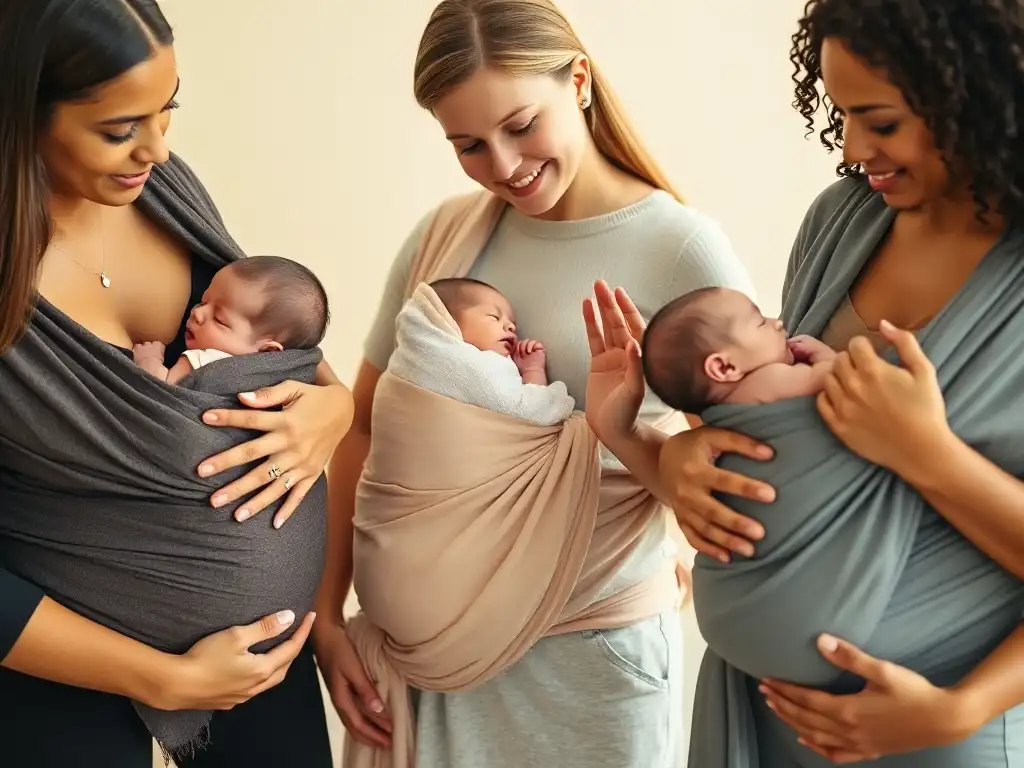
Selecting the appropriate baby carrier is paramount for maximizing the benefits of babywearing, especially for newborn bonding. The right carrier ensures both comfort and safety for your little one, fostering that crucial skin-to-skin contact so vital in the early weeks and months. Choosing poorly can lead to discomfort for both parent and baby, potentially hindering the bonding experience.
This section will guide you through the process of selecting a carrier that prioritizes your newborn's well-being and promotes a strong parent-child connection. Remember, the goal is to find a carrier that supports healthy hip and spine development while allowing for easy, secure, and comfortable carrying. Prioritizing these factors will contribute significantly to the positive impact of babywearing on newborn bonding.
Different Types of Baby Carriers: Wraps, Slings, Structured Carriers
The market offers a diverse range of baby carriers, each with its own advantages and disadvantages. Understanding these differences is crucial for making an informed decision. Let's explore some popular options:
- Wraps: These are long pieces of fabric that you wrap around yourself and your baby. Wraps offer excellent adjustability and a close, snug fit, ideal for smaller newborns. They provide a significant amount of skin-to-skin contact, which is highly beneficial for bonding. However, they can be more challenging to learn to use initially and may require some practice to achieve a secure and comfortable position. The learning curve might be a deterrent for some parents, especially during the already demanding newborn phase.
- Slings: Slings are simpler than wraps, often consisting of a single piece of fabric with a pocket or ring to secure the baby. They are generally easier to use than wraps, making them a popular choice for many parents. Slings provide a comfortable and close fit, promoting bonding. However, certain sling styles can be less supportive than structured carriers and may not be suitable for longer periods of carrying, especially as the baby grows. Always check for safe sling usage guidelines to ensure proper support for your baby’s spine and hips.
- Structured Carriers: These carriers feature a structured frame with buckles and straps, offering more support and stability. They are often easier to use than wraps and slings, particularly for longer carrying periods. Many structured carriers are designed with ergonomic features to support the baby's hips and spine in the optimal "M" position. Structured carriers can be a great option as your baby grows, providing support for longer periods. However, they might not provide the same level of close skin-to-skin contact as wraps or slings.
Key Features to Consider When Selecting a Baby Carrier for Newborns
Several key features should guide your selection process to ensure both comfort and safety for your newborn. The ideal carrier will seamlessly integrate into your daily life, promoting bonding opportunities throughout your routine.
- Newborn Insert: Many structured carriers require a newborn insert to provide adequate support for very young infants. This insert ensures the baby is properly positioned and supported, preventing slumping. Ensure the insert is appropriately sized and fits snugly.
- Ergonomic Design: Look for carriers that promote the natural "M" position for your baby's hips and spine. This position supports healthy hip development and reduces the risk of hip dysplasia. The carrier should distribute the baby's weight evenly across your shoulders and hips.
- Breathability: Especially during warmer months, a breathable fabric is essential to prevent overheating. Look for carriers made from materials that allow for good air circulation. Consider the climate and your lifestyle when choosing fabric.
- Ease of Use: A user-friendly design will make babywearing more enjoyable and less stressful, especially during the early days with a newborn. Consider the ease of adjusting straps and securing the baby.
Safety Guidelines and Best Practices for Babywearing
Safety is paramount when babywearing. Following these guidelines will help ensure your baby's comfort and well-being. Always prioritize safety to fully enjoy the benefits of babywearing.
- Always follow the manufacturer's instructions: Each carrier has specific instructions for use. Carefully read and follow these instructions to ensure proper fit and positioning. Improper use can compromise your baby's safety and comfort.
- Keep your baby's face uncovered: Ensure your baby's nose and mouth are not obstructed, allowing for easy breathing. Avoid covering your baby's face with fabric.
- Monitor your baby closely: Regularly check on your baby's position and comfort. Pay attention to their breathing and body temperature.
- Position your baby high enough to kiss: This ensures your baby is close enough for easy interaction and monitoring.
- Use the carrier according to your baby's developmental stage: Never use a carrier that is not appropriate for your baby's age and weight. Always refer to the manufacturer’s recommendations.
- Avoid babywearing while engaging in strenuous activities: Limit babywearing during activities that might put your baby at risk, such as cycling or other high-impact activities. Prioritize safety above all else.
Prioritizing safety and comfort will maximize the positive effects of babywearing on newborn bonding, creating a secure and nurturing environment for your little one. Remember, the benefits extend beyond physical closeness, fostering a deep emotional connection and strengthening the parent-child bond. 👶💕
Babywearing Techniques for Optimal Bonding and Comfort
This section delves into the practical aspects of babywearing, focusing on techniques that maximize bonding and ensure your baby's comfort. Successful babywearing hinges on proper technique; it's not just about strapping your baby in, but about creating a secure and nurturing environment that fosters closeness and allows for responsive caregiving. Remember, the goal is to promote that crucial newborn bonding while making life easier for you. The benefits of babywearing for newborn bonding are numerous, and mastering these techniques will unlock them fully.
Positioning Your Newborn for Secure and Comfortable Babywearing
Correct positioning is paramount for both your baby's safety and comfort. Newborns, lacking the head and neck control of older infants, require specific support. The "frog leg" position is key: your baby's legs should be spread in a natural "M" shape, with knees bent and higher than their hips. This position promotes healthy hip development and prevents pressure on the spine. Their spine should be naturally curved, and their back should be supported.
Their chin shouldn't be tucked into their chest, obstructing their breathing; ensure their airway remains open. Always maintain a close enough proximity to monitor their breathing and facial expressions. Think of it like a gentle cradle, offering support and security. Regularly check your baby's position throughout the wearing period to make sure they maintain this optimal posture. A slightly reclined position is often preferred for newborns, reducing strain on their neck and head.
Adjusting the Carrier for Different Stages of Newborn Development
Newborns grow rapidly, and the fit of your baby carrier needs to adapt accordingly. What works perfectly at one week may be too snug or too loose a few weeks later. Pay close attention to the adjustments offered by your chosen carrier. Many carriers have adjustable straps and buckles to accommodate your baby's changing size and weight.
For example, the shoulder straps should be adjusted to ensure the weight is distributed evenly across your shoulders and back, preventing strain and discomfort. The waist belt should be snug but not too tight. Regularly check the tightness of the carrier throughout the day, especially after feeding or diaper changes, as these can alter your baby's size and position.
Don’t hesitate to consult the manufacturer’s instructions for specific adjustments related to your carrier model. Consider investing in carrier inserts designed for newborns. These inserts provide extra support and padding for smaller babies, ensuring a snug and secure fit.
Recognizing and Responding to Baby's Cues During Babywearing
Babywearing allows for constant monitoring of your baby's cues. Pay close attention to their body language: are they wriggling excessively, indicating discomfort? Are they calm and content, or are they fussy and showing signs of overstimulation? Learn to recognize your baby's subtle signals.
A subtle grimace, a clenched fist, or a turning away could indicate discomfort or a need for a change in position or a break from the carrier. Overtired babies might become fussy, even in the carrier; in such cases, a quiet, dark place for a short rest might be beneficial. If your baby appears overly distressed, remove them from the carrier and assess the situation. Remember, babywearing should be a positive experience for both you and your baby.
It's a two-way street; responsiveness is key to ensuring a comfortable and beneficial experience for everyone. Regularly check your baby’s temperature; adjust layers of clothing as needed to prevent overheating or chilling. Always prioritize their comfort and well-being.
Incorporating Babywearing into Your Daily Routine
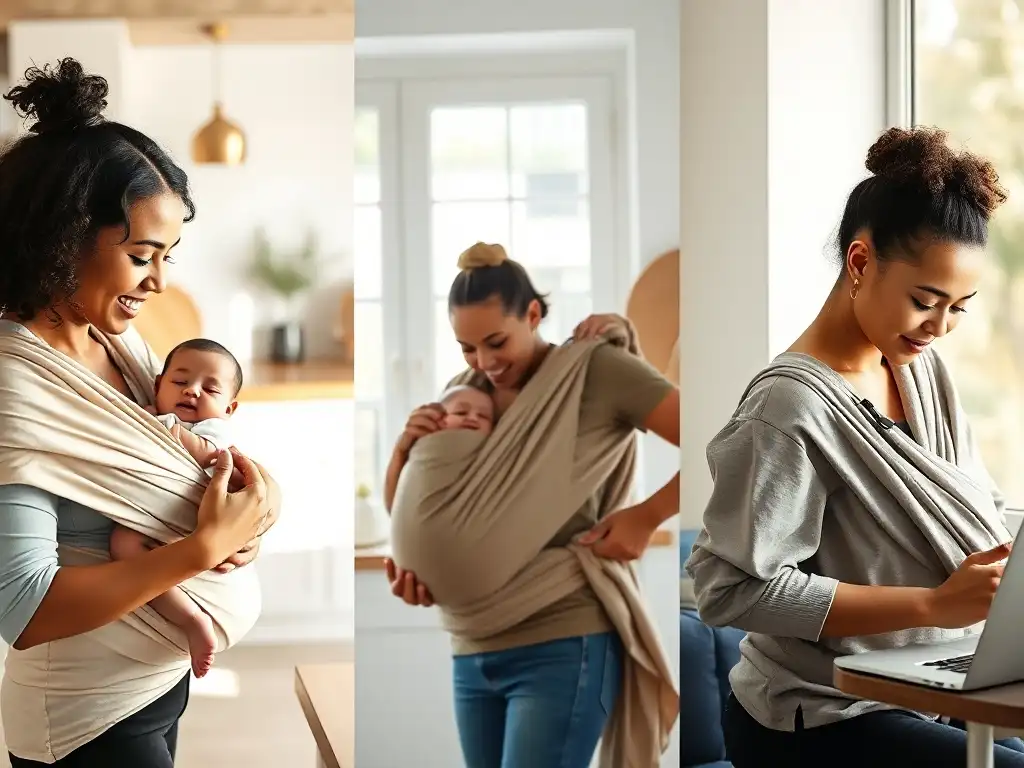
This section explores practical ways to integrate babywearing into your daily life, maximizing its benefits for both you and your newborn. Remember, consistent babywearing fosters a stronger parent-child bond, promoting feelings of security and trust in your little one. The advantages extend beyond emotional connection, offering significant practical benefits as well. Let's delve into how you can seamlessly incorporate this practice into your daily schedule.
Babywearing for Feeding and Nursing
Babywearing can significantly simplify feeding, especially for breastfeeding mothers. The close proximity allows for discreet and comfortable nursing sessions in various locations. This is particularly useful for mothers who prefer not to nurse in public spaces or find traditional feeding positions uncomfortable. The skin-to-skin contact during babywearing also stimulates milk production and helps regulate your baby's temperature.
Many babywearing carriers allow for easy access to your breast, making nursing a seamless transition. For example, a sling or wrap carrier provides excellent support and allows you to easily adjust the baby's position for optimal latch. This method offers greater flexibility compared to traditional nursing positions, making it ideal for various situations.
Furthermore, the constant closeness promotes a deeper sense of connection during feeding, enhancing the overall bonding experience. The rhythmic motion of your body while wearing your baby can also soothe them and encourage better feeding habits. This is especially beneficial for newborns who are still learning to coordinate sucking, swallowing, and breathing.
Babywearing for Soothing and Settling a Fussy Newborn
A fussy newborn can be challenging to soothe, often requiring considerable time and effort. Babywearing offers a powerful tool for calming a crying baby. The close physical contact provides a sense of security and familiarity, reducing stress and promoting relaxation. The rhythmic movements of your body as you go about your daily activities mimic the sensation of being in the womb, creating a calming effect. This is often referred to as the "fourth trimester," a period where newborns require considerable reassurance and closeness.
The benefits extend beyond immediate soothing. Studies have shown that consistent babywearing reduces instances of infant crying and fussiness, leading to improved sleep patterns and overall well-being. The gentle swaying and warmth provided by the carrier create a nurturing environment that encourages self-soothing. This is particularly helpful for colicky babies or those with sensory sensitivities. The constant presence and proximity allows you to quickly respond to your baby's cues, preventing minor discomforts from escalating into major meltdowns. Remember to choose a carrier that offers optimal support for your baby's head and neck, especially crucial for newborns.
Babywearing During Household Chores and Errands
Babywearing isn't just for relaxing moments; it's a practical solution for multitasking. It allows you to perform everyday tasks while keeping your baby close and content. This frees your hands for chores like laundry, dishwashing, meal preparation, and even light gardening. The constant proximity reduces the need for constant monitoring, allowing you to focus on the task at hand while still being attentive to your baby's needs.
The ability to combine babywearing with household chores provides a significant advantage for parents, especially during the early weeks when mobility might be restricted. Running errands becomes simpler as well. Instead of wrestling with a car seat or stroller, you can easily carry your baby in a carrier, making quick trips to the store or doctor’s office more manageable.
This increased mobility significantly reduces the stress associated with daily routines, allowing you to maintain a sense of normalcy while nurturing your newborn. Remember to prioritize your baby's safety and comfort by selecting an appropriate carrier and adjusting it correctly for both your body type and your baby's weight and developmental stage. This ensures a comfortable and safe experience for both of you, maximizing the benefits of babywearing.
Addressing Common Concerns and Misconceptions about Babywearing
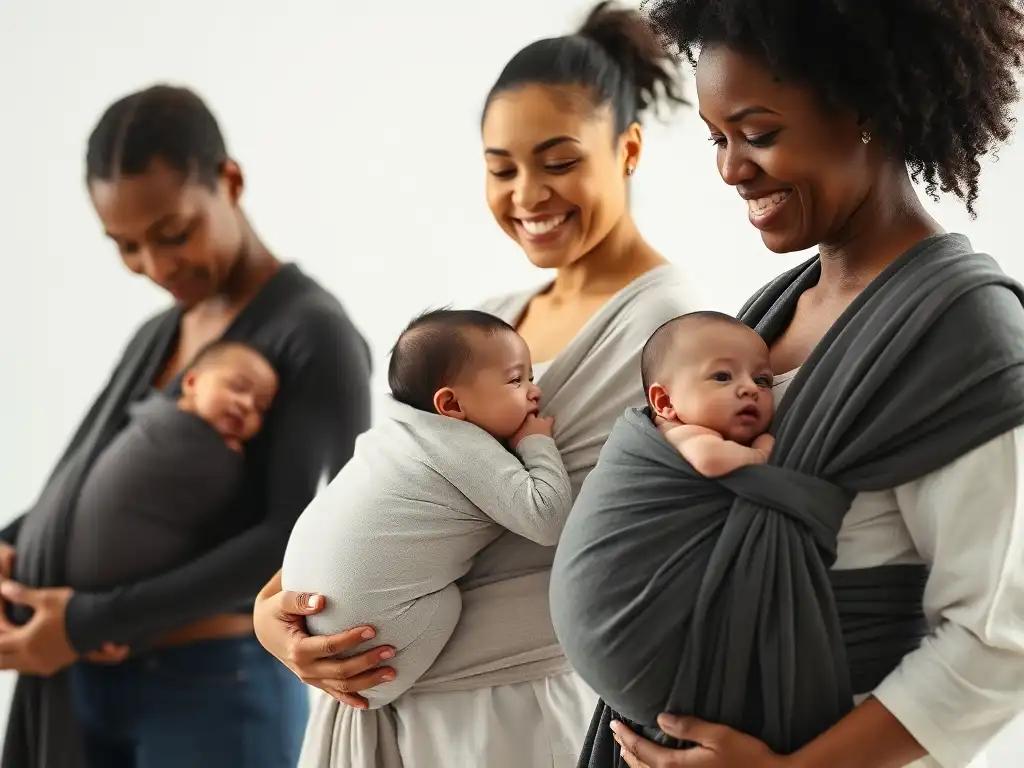
Many first-time parents, while drawn to the idea of babywearing for its apparent benefits in newborn bonding, harbor concerns and uncertainties. This section aims to address some common misconceptions and anxieties surrounding this practice, providing evidence-based information to empower informed decision-making. Understanding these concerns is crucial for promoting safe and effective babywearing practices. The perceived drawbacks often outweigh the significant advantages, leading to missed opportunities for enhanced parent-child connection and practical convenience. Let's dispel some common myths and worries.
Debunking Myths About Babywearing and Hip Dysplasia
One persistent myth surrounding babywearing is the potential for it to contribute to hip dysplasia. This fear is often fueled by misinformation and a lack of understanding of proper babywearing techniques. The International Hip Dysplasia Institute (IHDI) actually supports babywearing when done correctly. The key is ensuring the baby's hips are positioned in a "M" shape, with their legs spread slightly apart and their knees bent at a comfortable angle.
This "frog-leg" position promotes healthy hip development. Incorrect positioning, such as strapping the baby in too tightly or with their legs extended, can indeed put pressure on the hips. However, when practiced with proper technique and appropriate carriers, babywearing poses minimal risk and can even aid in healthy hip development.
Numerous studies have shown no correlation between proper babywearing and increased risk of hip dysplasia. In fact, the natural movement and close proximity in a carrier can contribute to healthy hip development. Remember to always consult your pediatrician or a certified babywearing consultant for personalized advice based on your baby's individual needs and development.
Babywearing and Safe Sleep Practices: Understanding the Differences
It's crucial to differentiate between babywearing and safe sleep practices. Babywearing is not a substitute for safe sleep in a crib or bassinet. While babywearing promotes closeness and bonding, it should never be used for unsupervised sleep, particularly for newborns.
The risk of suffocation or positional asphyxia is significantly higher in a babywearing carrier than in a properly prepared sleep space. Always place your baby down for sleep on their back, on a firm, flat surface, in a crib or bassinet free from loose bedding, toys, or pillows. Babywearing is ideal for daytime activities, providing comfort and security for both parent and baby, but it's essential to adhere to safe sleep guidelines when it's time for your little one to rest.
Understanding this distinction is paramount for ensuring the safety and well-being of your newborn. The American Academy of Pediatrics (AAP) strongly emphasizes the importance of safe sleep practices, and babywearing should be viewed as a complementary tool, not a replacement for a safe sleep environment.
Managing Discomfort and Addressing Potential Issues with Babywearing
While babywearing offers numerous benefits, it's important to acknowledge the potential for discomfort and address potential issues proactively. For parents, back pain or shoulder strain can arise from prolonged wearing or improper carrier use. For babies, chafing or overheating might occur. Proper carrier selection is crucial; choosing a carrier that distributes weight evenly and fits comfortably is key to preventing discomfort.
Taking regular breaks, alternating carrying positions, and using supportive accessories like nursing pillows can help mitigate these issues. Overheating can be minimized by selecting breathable carrier materials and adjusting clothing accordingly. Observing your baby's cues is essential; if they show signs of discomfort, such as fussiness or excessive sweating, adjust their position or take a break.
Regularly inspect the carrier for any signs of wear and tear to ensure its safety and continued effectiveness. Proactive management of potential discomfort and addressing any issues promptly will contribute to a positive and enjoyable babywearing experience for both parent and child. Remember, seeking advice from a babywearing consultant can be immensely helpful in finding the right carrier and techniques for a comfortable and safe experience.
Long-Term Benefits of Babywearing on Child Development and Parent-Child Attachment
Babywearing offers a multitude of advantages that extend far beyond the immediate comfort and convenience for both parent and child. The practice of keeping your baby close, particularly during the crucial newborn phase, fosters a deep and lasting bond that positively impacts their development and your relationship for years to come. This section explores the long-term benefits of babywearing, focusing on its influence on child development and the parent-child attachment. The benefits are substantial and contribute to a healthier, happier, and more secure child.
Positive Impacts of Babywearing on Infant Development and Emotional Well-being
Numerous studies suggest a correlation between babywearing and improved infant development. The constant proximity to a caregiver provides a sense of security and reduces stress hormones in the baby. This, in turn, contributes to better emotional regulation and a more secure attachment style. Babies who are worn tend to cry less, sleep better, and exhibit fewer signs of anxiety. This improved emotional well-being lays the foundation for healthy social and emotional development throughout childhood.
The rhythmic movement experienced while being carried can also stimulate sensory development. The sights, sounds, and smells of the environment engage the baby's senses, promoting cognitive development and stimulating brain growth. This enhanced sensory input contributes to a richer and more stimulating environment for the baby, leading to improved cognitive skills and problem-solving abilities later in life.
Furthermore, the physical closeness facilitates better regulation of the baby's body temperature, heart rate, and breathing. This physiological stability allows the baby to expend less energy on self-regulation, leaving more energy for growth and development. This is particularly beneficial for premature or low-birth-weight infants, who may benefit greatly from the consistent warmth and support of babywearing. The benefits extend beyond infancy; studies suggest that securely attached children are more resilient, have better social skills, and perform better academically.
The Lasting Effects of Babywearing on the Parent-Child Bond
Babywearing is not just beneficial for the child; it significantly strengthens the parent-child bond. The physical closeness promotes the release of oxytocin, often referred to as the "love hormone," in both parent and child. This hormone fosters feelings of love, connection, and trust, creating a strong foundation for a healthy relationship. This enhanced connection translates into improved communication, increased responsiveness to the child's needs, and a deeper sense of empathy and understanding between parent and child.
The experience of babywearing also offers parents a unique opportunity to observe their baby's cues and respond accordingly. This increased responsiveness fosters a secure attachment style in the child, characterized by trust and confidence in the caregiver's ability to provide comfort and security. This secure attachment is a crucial predictor of healthy social and emotional development throughout life.
The increased opportunities for skin-to-skin contact contribute to a sense of security and comfort, especially important during the often overwhelming transition to parenthood. The constant physical presence allows for more intuitive parenting, enhancing a parent’s understanding of their child’s needs and preferences.
The long-term impact of this enhanced bond extends into adolescence and beyond. Children raised with a strong parent-child bond tend to have better relationships, improved self-esteem, and a greater capacity for empathy and compassion. The benefits of babywearing are a significant investment in the future well-being of both parent and child, cultivating a lifelong connection built on trust, love, and understanding. This positive impact on the parent-child relationship is a key element in promoting healthy child development and ensuring a positive family dynamic.
Frequently Asked Questions
What are the benefits of babywearing for newborn bonding?
Babywearing promotes skin-to-skin contact, which releases oxytocin, fostering a strong emotional connection between parent and baby. The constant closeness also helps regulate the baby's heart rate and temperature, contributing to a sense of security and calm.
Is babywearing safe for newborns?
Yes, babywearing is safe for newborns when done correctly. Ensure your baby is positioned upright, with their airway clear, and use a properly fitted carrier that supports their head, neck, and back. Always follow the manufacturer's instructions.
How long should I wear my newborn baby?
There's no set timeframe; wear your baby as often as you both enjoy it. Many newborns appreciate extended periods of wearing, especially during fussy times. Observe your baby's cues; if they seem uncomfortable, take a break.
What type of baby carrier is best for newborns?
Wraps and slings are often preferred for newborns due to their adaptability and ability to provide snug support. Look for carriers specifically designed for newborns and ensure they provide proper head and neck support. Consider your personal preferences and comfort level.
Can babywearing help with a fussy baby?
Yes, babywearing can be very soothing for a fussy baby. The constant motion and closeness can help calm them down and regulate their emotions. The rhythmic movement often mimics the sensation of being in the womb, providing a sense of security.
Final Reflection: The Enduring Power of Skin-to-Skin
The innate human need for connection, especially between parent and child, finds powerful expression in the practice of babywearing. This seemingly simple act of carrying your infant close has profound and lasting implications for both parent and baby, impacting everything from breastfeeding success to emotional regulation. The benefits extend far beyond mere convenience; they are deeply rooted in our biological and emotional makeup.
The impact of babywearing on the cultural landscape is undeniable, slowly shifting from a niche practice to a widely accepted and even celebrated parenting choice. We're seeing a resurgence of traditional practices, a recognition of the wisdom passed down through generations. This shift reflects a growing understanding of the importance of responsive parenting and the profound impact of early childhood experiences. The most important thing a father can do for his children is to love their mother.
– Theodore Hesburgh. This sentiment extends beyond the father-mother dynamic, highlighting the crucial role of secure attachment in a child's development, a foundation often strengthened through the close physical contact provided by babywearing.
Consider the implications of this for your own parenting journey. Will you embrace the opportunity to foster a deeper connection with your little one through the simple, yet powerful, act of babywearing? Imagine the strength of the bond you can create, the security you can provide, and the confidence you can instill in your child through this intimate practice. Embrace the closeness, embrace the convenience, and most importantly, embrace the enduring power of skin-to-skin contact. The benefits are immeasurable, and the journey, unforgettable.
Unlock Your Babywearing Journey: Closer Connection, Easier Days
Thank you for exploring the wonderful world of babywearing! We hope you've discovered how this simple practice can foster deeper bonding and simplify your daily life. Now it's time to put that knowledge into action.
- Embrace the snuggle: Choose a baby carrier that's comfortable for both you and your baby. Experiment with different styles to find your perfect fit.
- Share your experience: Connect with other parents in our online community (details below) and share your babywearing tips, challenges, and successes!
- Capture those precious moments: Take photos or videos of your babywearing adventures – these are memories you'll cherish forever.
Ready to experience the joys of babywearing firsthand? What's the first step you'll take to integrate this practice into your daily life?