
Baby's First Bath Products: Choosing Gentle Options

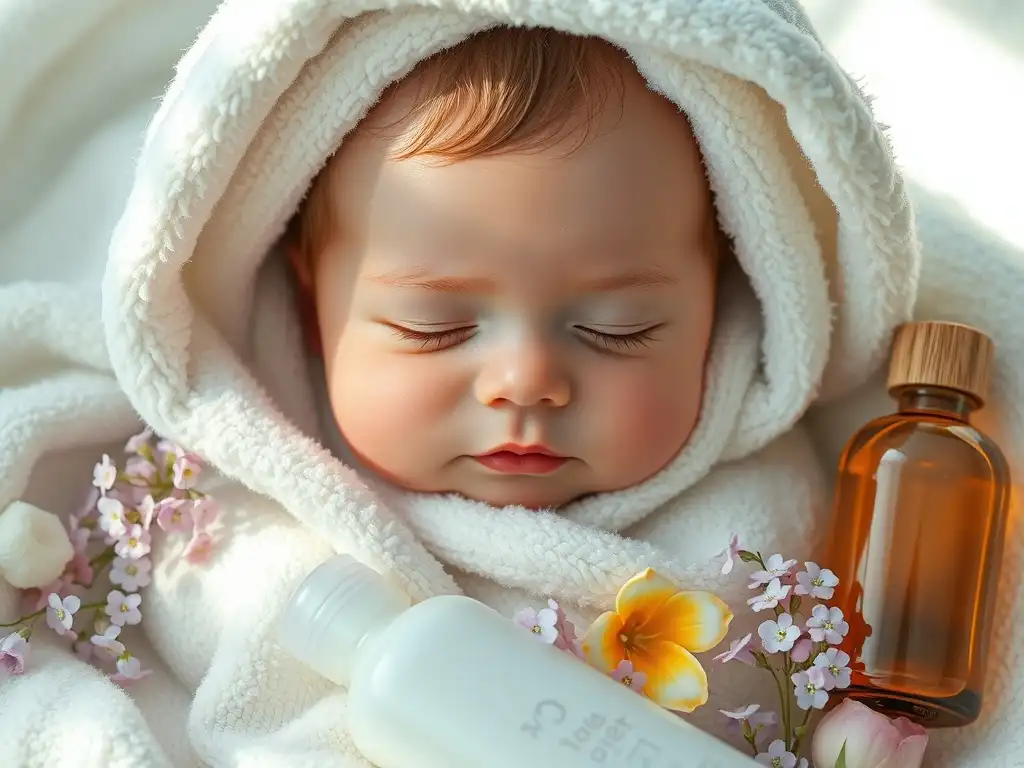
Welcome to BabyCareHub, your ultimate guide to navigating the exciting yet sometimes overwhelming world of parenthood! Are you ready to embark on this incredible journey with confidence? We understand the anxieties surrounding your baby's first bath, which is why we've created a comprehensive Gentle Baby Bath Products Guide to help you make informed choices. Discover the secrets to a safe and soothing bath time experience – your little one will thank you for it! Let's dive into the Newborn Basics and ensure a healthy and happy start for your precious bundle of joy.
- Gentle Baby Bath Products Guide: Navigating the Options
- Choosing the Right Baby Wash and Shampoo: A Step-by-Step Guide
- Creating a Soothing Bathtime Routine for Your Baby
- Best Gentle Baby Bath Product Recommendations: Top Picks
- Maintaining Baby's Skin Health: Beyond Bath Products
- Building a Safe and Healthy Bathtime Environment
- Frequently Asked Questions (FAQs) about Baby Bath Products
- Frequently Asked Questions
- Final Reflection: Nurturing Gentle Beginnings: A Legacy of Care
- Unveil Your Baby's Softest Skin Yet!
Bringing your newborn home is an incredibly joyous occasion, filled with wonder and, let's be honest, a healthy dose of anxiety! One of the many new challenges you'll face is bathing your little one. This seemingly simple task requires careful consideration, especially when choosing the right bath products.
A newborn's skin is incredibly delicate and sensitive, requiring extra gentle care. This guide will walk you through selecting the best gentle baby bath products, ensuring your baby's first baths are a soothing and safe experience. We’ll explore the importance of choosing hypoallergenic and fragrance-free options, highlight key ingredients to look for (and avoid!
), and help you navigate the overwhelming array of products available on the market. By the end, you'll feel confident in your ability to create a bath time routine that nurtures your baby's sensitive skin and promotes a calm and happy environment. This guide aims to provide a comprehensive understanding of gentle baby bath products, ensuring you're equipped to make informed choices that prioritize your baby's well-being.
Understanding Newborn Skin Sensitivity: Why Gentle Products Matter
Newborn skin is significantly different from adult skin. It's thinner, more permeable, and lacks the fully developed protective barrier that adults possess. This makes it much more susceptible to irritation, dryness, and allergic reactions. Exposure to harsh chemicals, fragrances, and dyes found in many adult bath products can easily lead to:
- Dryness and irritation: This can manifest as redness, flaking, and itching, causing discomfort for your baby.
- Eczema and other skin conditions: Harsh chemicals can exacerbate existing skin conditions or even trigger new ones.
- Allergic reactions: Fragrances and certain preservatives are common allergens that can cause rashes, hives, and other allergic reactions in sensitive babies.
Choosing gentle baby bath products is not just about preference; it's crucial for protecting your baby's delicate skin and promoting healthy development. Think of it as investing in their comfort and long-term skin health. 👶🧴
Key Ingredients to Look For in Baby Wash and Shampoo
When selecting baby bath products, prioritize those with ingredients known for their gentle and moisturizing properties. Look for products that are:
- Hypoallergenic: This means the product is formulated to minimize the risk of allergic reactions.
- Fragrance-free: Artificial fragrances are common irritants. Opt for unscented or naturally scented products with essential oils (if any).
- pH-balanced: A baby's skin has a slightly acidic pH, and using pH-balanced products helps maintain this natural balance.
- Moisturizing: Ingredients like glycerin, shea butter, and colloidal oatmeal can help hydrate and soothe dry skin.
- Free of sulfates (SLS/SLES): These harsh detergents can strip the skin of its natural oils, leading to dryness and irritation.
Here's a table summarizing some beneficial ingredients:
| Ingredient | Benefit |
|---|---|
| Glycerin | Moisturizing, hydrating |
| Shea Butter | Moisturizing, soothing, protects skin barrier |
| Colloidal Oatmeal | Soothing, anti-inflammatory |
| Aloe Vera | Soothing, hydrating |
| Chamomile Extract | Soothing, calming |
Remember to always check the ingredient list carefully before purchasing any baby bath product.
Key Ingredients to Avoid in Baby Bath Products: Common Irritants
Just as important as knowing what to look for is knowing what to avoid. Several ingredients commonly found in adult bath products can be harsh and irritating to a baby's delicate skin. These include:
- Sulfates (SLS/SLES): These harsh detergents can strip away the skin's natural oils, leading to dryness and irritation.
- Fragrances: Artificial fragrances are a common source of allergic reactions.
- Parabens: These preservatives are suspected endocrine disruptors and can cause skin irritation.
- Phthalates: These chemicals are used to make products more flexible, but they are also linked to hormone disruption and other health concerns.
- Formaldehyde: This preservative is a known irritant and carcinogen.
Avoid products containing these ingredients to ensure your baby's bath time is a safe and enjoyable experience. Prioritizing gentle, natural ingredients is key to protecting your baby's delicate skin. ✨
Choosing the Right Baby Wash and Shampoo: A Step-by-Step Guide
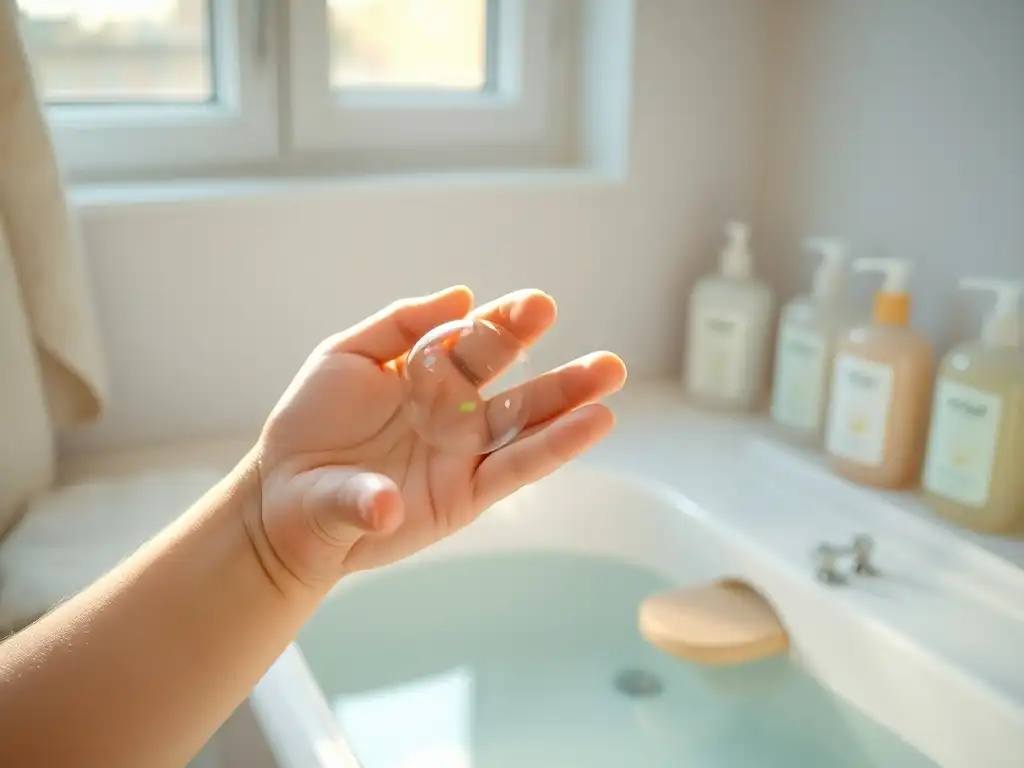
Finding the perfect baby wash and shampoo can feel overwhelming for first-time parents. This guide will help you navigate the options and choose products that are gentle and effective for your little one's delicate skin. The key is to prioritize products designed specifically for babies, avoiding harsh chemicals and strong fragrances. Remember, a gentle cleansing routine is crucial for maintaining your baby's skin health.
Selecting Hypoallergenic and Fragrance-Free Options
Newborn skin is incredibly sensitive, and harsh chemicals or strong fragrances can easily irritate it, leading to dryness, rashes, or even eczema. Therefore, selecting hypoallergenic and fragrance-free options is paramount. Hypoallergenic products are formulated to minimize the risk of allergic reactions. Look for phrases like "hypoallergenic," "dermatologist-tested," and "fragrance-free" on the packaging.
These labels indicate that the product has undergone testing to reduce the likelihood of irritation. While "fragrance-free" doesn't guarantee complete absence of scent (some ingredients have inherent odors), it generally means the product avoids artificial fragrances that are common allergens. Opting for these products significantly reduces the chances of adverse reactions, ensuring a soothing bath time experience for your baby.
Considering Organic and Natural Baby Bath Products
Many parents prioritize organic and natural baby bath products, believing they offer a gentler alternative. Organic products are grown without synthetic pesticides and fertilizers, while "natural" usually implies the product is derived from naturally occurring substances. However, it’s crucial to understand that "natural" isn't strictly regulated, so always check the ingredient list. Some "natural" products might still contain ingredients that could irritate sensitive skin.
Look for certifications like USDA Organic to ensure the product meets specific standards. While organic and natural products often command a higher price, many parents find the peace of mind and potential benefits to their baby's skin justify the cost. The reduced risk of exposure to potentially harmful chemicals is a key driver for this choice.
Reading Product Labels: Deciphering Ingredients and Claims
Carefully reading product labels is crucial for making informed decisions. Don't just rely on marketing claims; scrutinize the ingredient list. Familiarize yourself with common irritants like sulfates (SLS and SLES), parabens, and phthalates. These are often found in many adult personal care products but should be avoided in baby products. Look for products with short, easily understandable ingredient lists, favoring those with recognizable natural ingredients like aloe vera, chamomile, or oat extracts.
Pay close attention to any warnings or cautions on the label. Understanding the ingredients and their potential effects on your baby's skin is key to choosing the best gentle baby bath products for a safe and comfortable bath time experience. Remember, a well-informed choice contributes significantly to your baby's overall well-being. A simple checklist can be helpful:
| Ingredient Category | Preferred | To Avoid |
|---|---|---|
| Surfactants | Gentle cleansers like coco-glucoside | SLS, SLES |
| Preservatives | Phenoxyethanol (in low concentrations) | Parabens |
| Fragrances | Fragrance-free | Artificial fragrances |
| Moisturizers | Aloe vera, oat extracts, shea butter | Mineral oil |
Remember, choosing the right products is a journey, not a destination. What works for one baby might not work for another. Always observe your baby's skin for any reactions and don't hesitate to switch products if necessary. This detailed guide provides a foundation for selecting gentle baby bath products; however, always consult with your pediatrician if you have any concerns. 👶
Creating a Soothing Bathtime Routine for Your Baby
Establishing a calming bathtime routine is crucial for your baby's well-being and can significantly contribute to a peaceful bedtime. A consistent routine helps signal to your little one that it's time to wind down, promoting better sleep. Remember, consistency is key! Aim for the same time each day, creating a predictable and comforting experience.
This predictability can reduce anxiety and promote a sense of security, especially in the early days. The bath itself shouldn't be overly long; 5-10 minutes is usually sufficient for newborns. Observe your baby's cues; if they become fussy or agitated, it's time to finish. The goal is relaxation, not stress!
Consider incorporating calming elements into your routine, such as playing soft music or singing lullabies. These gentle sounds can have a soothing effect on your baby, preparing them for sleep. The use of gentle baby bath products, as discussed in this guide, is also a key component of creating a positive and relaxing bathtime experience.
Preparing the Bath: Temperature and Setup for a Safe and Relaxing Experience
Before you even think about submerging your precious bundle of joy, safety and comfort are paramount. The water temperature is crucial. Aim for a lukewarm temperature, ideally between 98.6°F (37°C) and 100°F (38°C). You can use a bath thermometer to ensure accuracy.
Never leave your baby unattended, even for a second. Have everything you need within arm's reach before you begin: gentle baby wash, soft towels, clean diapers, and any lotions or creams you plan to use. This minimizes the chances of you needing to leave your baby alone during the bath. A soft, non-slip mat in the bottom of the tub is also recommended to prevent your baby from slipping and sliding.
Consider using a baby bath support or sling for added safety and stability, especially with newborns. This provides extra support and helps you feel more confident during the bath. Remember, a safe and comfortable environment is the foundation for a positive bathtime experience. The setup should encourage relaxation for both you and your baby.
Bathing Your Newborn: A Step-by-Step Guide with Gentle Techniques
Bathing a newborn can feel daunting at first, but with a calm approach and gentle techniques, it can become a cherished moment. Start by undressing your baby and placing them gently in the tub. Support their head and neck at all times, ensuring they feel secure. Use a soft, gentle washcloth to cleanse their delicate skin, avoiding harsh scrubbing.
Start with their face, gently wiping from the inside out, using clean water for the eyes and ears. Then, proceed to their body, washing their hair with a gentle baby shampoo and carefully rinsing all the soap. Pay particular attention to the creases and folds of their skin, ensuring you remove any residue from gentle baby bath products. Remember to use lukewarm water and avoid hot or cold water, which can shock or irritate their skin.
The entire process should be slow and deliberate, allowing your baby to adjust to the water temperature and the feel of being washed. Always prioritize gentle handling and reassuring words to soothe any anxieties. Observe your baby's reactions closely; if they become distressed, take a break or shorten the bath.
Post-Bath Care: Moisturizing and Protecting Delicate Skin
Once the bath is complete, gently lift your baby from the tub and wrap them securely in a soft, warm towel. Pat them dry, avoiding rubbing, as this can irritate their skin. Immediately after drying, apply a gentle, fragrance-free moisturizer to their skin while it’s still damp. This helps to lock in moisture and prevent dryness.
Choose a moisturizer specifically formulated for babies, as these products are typically hypoallergenic and less likely to cause allergic reactions. Pay particular attention to areas prone to dryness, such as the face, hands, and feet. Diaper rash cream can be applied if needed. Dress your baby in clean, soft clothing, ensuring they are warm and comfortable.
Remember to always check the labels of any baby products to ensure they are suitable for newborns and that you are not introducing any unnecessary chemicals or fragrances to your baby’s delicate skin. This post-bath routine contributes significantly to maintaining the health and comfort of your baby’s skin. The use of the right gentle baby bath products and post-bath moisturizers is critical for healthy skin development.
Best Gentle Baby Bath Product Recommendations: Top Picks
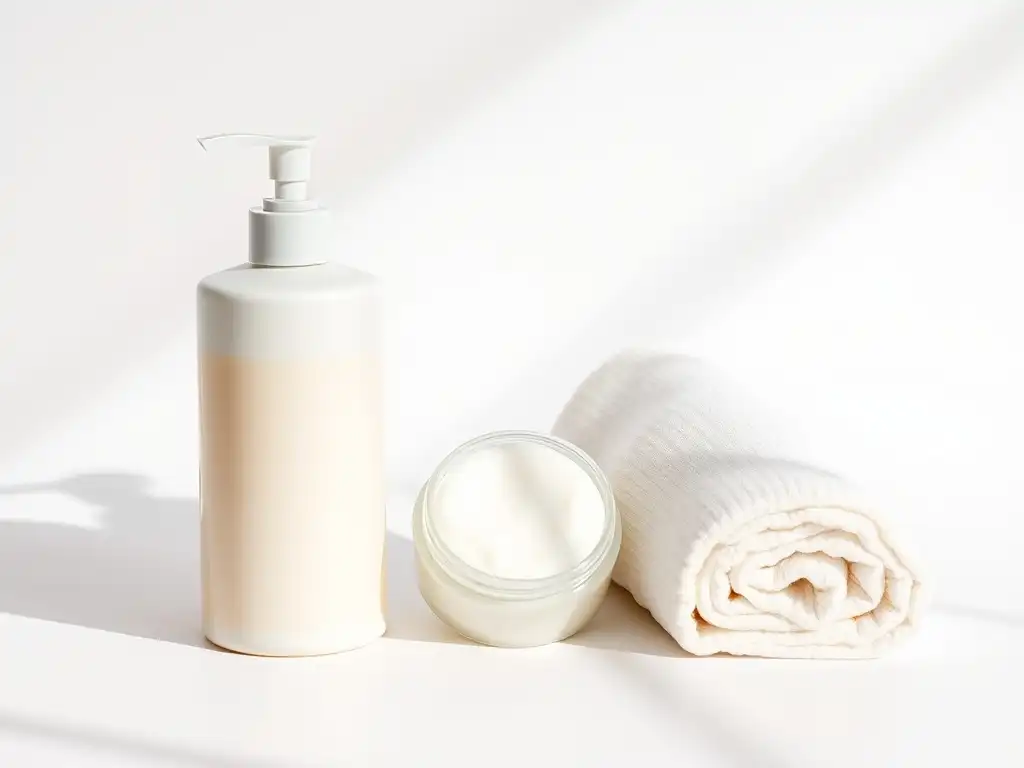
Choosing the right bath products for your newborn is crucial for their delicate skin. This section offers a curated selection of top-rated gentle baby bath products, categorized for easier navigation. Remember, always patch test any new product on a small area of your baby's skin before applying it to their entire body. This "gentle baby bath products guide" will help you make informed choices.
Top-Rated Hypoallergenic Baby Washes
Newborn skin is incredibly sensitive, making hypoallergenic baby washes a necessity. These washes are formulated to minimize the risk of allergic reactions and irritation. Look for products specifically labeled "hypoallergenic," "fragrance-free," and "tear-free." Key ingredients to look for include gentle cleansers like coco-betaine and oat extracts, known for their soothing properties. Avoid products with harsh chemicals like sulfates and parabens.
Here's a breakdown of what to consider when selecting a hypoallergenic baby wash:
- Ingredients: Carefully examine the ingredient list. Prioritize products with natural and easily recognizable ingredients.
- Scent: Opt for fragrance-free options to reduce the risk of irritation. Even "mild" fragrances can trigger reactions in sensitive skin.
- Tear-free formula: This is crucial to prevent stinging and discomfort during bath time.
- pH balance: Look for washes with a pH level that's close to the natural pH of baby's skin (around 5.5). This helps maintain the skin's protective barrier.
Consider these features when comparing hypoallergenic baby washes:
| Feature | Importance | Example |
|---|---|---|
| Ingredient List | Short, with recognizable natural ingredients | Water, Coco-Betaine, Oat Extract |
| Fragrance | Fragrance-free is best for sensitive skin | Fragrance-free |
| Tear-Free | Essential for comfortable bath time | Clearly labeled "Tear-Free" |
| pH Balance | Maintains skin's protective barrier | pH 5.5-6.5 |
Remember, even hypoallergenic products can cause reactions in some babies. Always conduct a patch test before full application. A small amount applied to the inner arm can help identify potential sensitivities. 👶
Top-Rated Organic Baby Shampoos
Organic baby shampoos prioritize natural ingredients and sustainable practices. These products often avoid harsh chemicals and synthetic fragrances, making them a gentler option for your baby's scalp and hair. Look for certifications like USDA Organic to ensure the product meets specific standards for organic ingredients.
When choosing an organic baby shampoo, consider these factors:
- Certification: Look for reputable organic certifications to verify the product's claim.
- Ingredient Transparency: The ingredient list should be clear and easily understandable.
- Gentle Cleansing: The shampoo should effectively clean without stripping the scalp of its natural oils.
- Conditioning Properties: Some organic shampoos contain natural conditioners to leave the hair soft and manageable.
Finding the right organic baby shampoo can make bath time a positive experience. Opting for a product that prioritizes both gentle cleansing and scalp health can contribute to a happy and healthy baby.
Top-Rated Baby Moisturizers and Lotions
Baby's skin loses moisture easily, making moisturizers and lotions vital for maintaining hydration and preventing dryness. Choose products specifically formulated for babies, with gentle ingredients and a non-greasy feel. Look for key ingredients like shea butter, jojoba oil, and aloe vera, known for their moisturizing and soothing properties. Avoid products with strong fragrances or harsh chemicals.
Here are some important considerations when selecting baby moisturizers and lotions:
- Hydration: The lotion should provide long-lasting hydration without feeling heavy or greasy.
- Absorption: The product should absorb quickly into the skin without leaving a sticky residue.
- Ingredients: Prioritize natural and hypoallergenic ingredients.
- Packaging: Choose packaging that is easy to use and dispense the product effectively.
Maintaining your baby's skin's moisture barrier is key to preventing dryness and irritation. A good quality baby moisturizer can make a significant difference in your baby’s overall comfort and well-being. Regular moisturizing, especially after bath time, helps keep their skin soft, supple, and healthy.
Maintaining Baby's Skin Health: Beyond Bath Products
A gentle baby bath product is crucial, but maintaining your baby's delicate skin involves more than just the right cleanser. A holistic approach encompassing hydration, proper cleansing techniques, and recognizing potential skin issues is key to ensuring your little one's skin thrives. Remember, a baby's skin barrier is significantly thinner and more permeable than an adult's, making it more susceptible to irritation and dryness. Therefore, choosing the right products is only one piece of the puzzle.
Proper hydration plays a vital role in maintaining healthy skin. Dehydration can exacerbate dryness and lead to irritation. Ensure your baby is adequately hydrated by offering frequent breastfeeding or formula feedings, especially during warmer months or if they have diarrhea or a fever. Monitor their wet diapers as a good indicator of hydration levels.
Furthermore, the humidity in your home can significantly impact your baby's skin. Using a humidifier, especially during dry winter months, can help prevent dryness and flakiness. Regularly moisturizing your baby's skin with a fragrance-free, hypoallergenic lotion after bath time also helps seal in moisture and protect against dryness. Remember to avoid using lotions containing alcohol or harsh chemicals, as these can further irritate sensitive skin.
Identifying and Treating Common Baby Skin Problems: Eczema, Cradle Cap, etc.
Many newborns experience common skin conditions. Knowing how to identify and address these issues gently is essential for both your baby's comfort and their overall well-being.
- Eczema (Atopic Dermatitis): This inflammatory skin condition manifests as dry, itchy patches, often appearing on the face, scalp, and creases of the elbows and knees. It's characterized by redness, scaling, and sometimes weeping blisters. Gentle, fragrance-free cleansers and moisturizers are crucial. Avoid harsh soaps and hot water. Your pediatrician might recommend topical corticosteroids or other treatments in severe cases. Keeping your baby's nails trimmed short helps prevent scratching and further irritation. 👶
- Cradle Cap (Infantile Seborrheic Dermatitis): This common condition involves yellowish, scaly patches on the scalp. It's often harmless and usually clears up on its own within a few months. Gently brushing the scalp with a soft-bristled brush and washing with a mild baby shampoo can help remove the scales. Avoid harsh scrubbing, as this can irritate the skin. In persistent cases, your pediatrician might suggest a medicated shampoo.
- Diaper Rash: This is a very common irritation caused by prolonged contact with urine and feces. Frequent diaper changes are essential to prevent it. Use gentle, fragrance-free diaper creams to soothe and protect the skin. Allowing the diaper area to air out for some time each day can also help. If the rash is severe or doesn't improve, consult your pediatrician. They can help rule out any secondary infections.
The table below summarizes key differences between these common baby skin conditions:
| Condition | Appearance | Location | Treatment |
|---|---|---|---|
| Eczema | Dry, itchy patches, redness | Face, scalp, elbows, knees | Gentle cleansers, moisturizers, corticosteroids (if severe) |
| Cradle Cap | Yellowish, scaly patches | Scalp | Mild shampoo, soft brush |
| Diaper Rash | Red, inflamed, possibly blistered | Diaper area | Frequent diaper changes, diaper cream |
Remember, early intervention is key. If you are unsure about a skin condition or if it worsens, always seek professional medical advice.
When to Consult a Pediatrician Regarding Baby's Skin
While many minor skin issues resolve on their own with gentle care, certain situations warrant a visit to your pediatrician. Don't hesitate to seek professional medical advice if you observe:
- Persistent rash that doesn't improve after a few days of home treatment. This could indicate an infection or a more serious underlying condition.
- Widespread rash or rash accompanied by fever or irritability. These symptoms could suggest a more serious illness.
- Signs of infection, such as pus, increased swelling, or significant pain.
- Bleeding or oozing from the rash.
- Any skin condition that causes your baby significant distress or interferes with their sleep or feeding.
Regular check-ups with your pediatrician are vital for monitoring your baby's overall health, including their skin. They can provide personalized advice and guidance based on your baby's specific needs and any pre-existing conditions. Early detection and appropriate treatment are key to preventing complications and ensuring your baby's skin remains healthy and happy. Don't hesitate to reach out – proactive care is always the best approach.
Building a Safe and Healthy Bathtime Environment
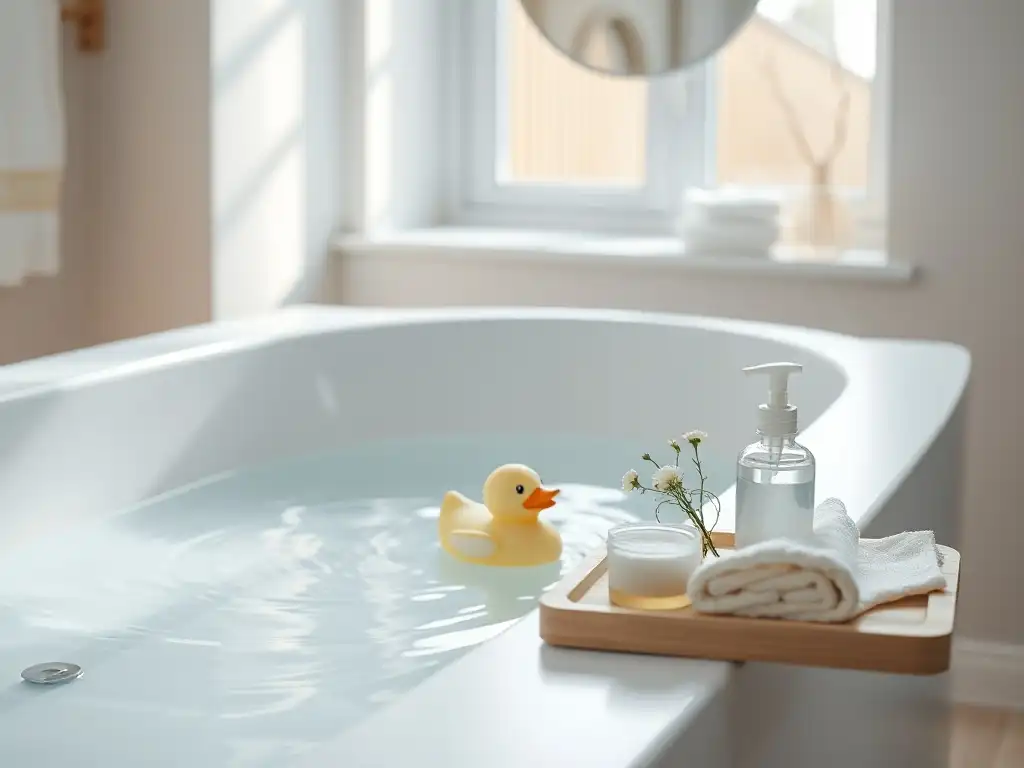
This section focuses on creating the optimal environment for your baby's first bath, prioritizing safety and a calming experience. A well-prepared bath area minimizes stress for both you and your little one, contributing to a positive and enjoyable bath time routine. Remember, consistency is key in establishing a relaxing bedtime ritual, and a soothing bath can be a crucial component.
Preventing Accidents During Bath Time: Safety Precautions
Accidents can happen quickly, so meticulous preparation is paramount. Before even filling the tub, ensure the bathroom is baby-proofed. This includes securing any potentially hazardous items like cleaning supplies, medications, and electrical appliances out of reach. The floor should be non-slippery, perhaps with a bath mat. Never leave your baby unattended, even for a second. A consistent water temperature is also vital. Always test the water with your elbow or wrist before placing your baby in the tub; it should feel lukewarm, not hot. The ideal temperature is between 98.6°F (37°C) and 100°F (38°C).
Using a thermometer specifically designed for bath water can provide an extra layer of safety and precision. These are readily available at most baby stores and online retailers, offering a precise measurement to eliminate any guesswork. Always supervise your child closely. Even if your baby is older and seems more independent in the bath, constant vigilance remains crucial. Consider using a non-slip bath mat to provide extra grip and prevent accidental slips.
Selecting the Right Baby Bath Products: A Gentle Approach
Choosing the right baby bath products is crucial for protecting your baby's delicate skin. Harsh chemicals and strong fragrances can easily irritate sensitive skin, leading to dryness, rashes, and discomfort. Look for products specifically labeled as "hypoallergenic," "fragrance-free," or "tear-free." These are designed to minimize the risk of skin irritation and allergic reactions. Pay close attention to the ingredient list. Avoid products containing sulfates (like sodium lauryl sulfate), parabens, and phthalates, which are known irritants.
Consider the concentration of the product. A smaller amount of a gentle cleanser is often more effective than a large amount of a harsh one. Follow the product instructions carefully, ensuring you use the correct dilution ratio. Always rinse your baby thoroughly after washing to remove any residual product. This prevents potential buildup on the skin, which could lead to irritation.
Establishing a Calming Bathtime Routine: Soothing Sounds and Gentle Touches
Beyond the safety precautions and product selection, consider the overall ambiance of bath time. A calming atmosphere can significantly contribute to a positive experience for your baby. Soft lighting, soothing music, or even white noise can help create a tranquil environment. Gentle, rhythmic movements while washing can also help soothe your baby. Speak to your baby in a calm, reassuring voice, maintaining eye contact to build a connection and create a sense of security.
Remember, consistency is key. Establishing a regular bath time routine can signal to your baby that it’s time to wind down for the night, helping promote better sleep patterns. This consistent routine becomes a comforting ritual, associating bath time with relaxation and sleep preparation. The calming effects of a warm bath, combined with a gentle approach, can significantly contribute to a healthier sleep cycle for your baby.
Maintaining Hygiene and Cleanliness: Post-Bath Care
After the bath, gently pat your baby's skin dry with a soft, absorbent towel. Avoid rubbing vigorously, as this can irritate the skin. Apply a gentle, fragrance-free moisturizer to hydrate and protect the skin, particularly if it feels dry. Keep the bathroom well-ventilated to prevent mold and mildew growth, which can trigger allergies or skin irritations.
Regular cleaning of the bathtub and any bath toys is also crucial. Use a mild, baby-safe cleaner and rinse thoroughly. This prevents the buildup of bacteria and ensures a hygienic bathing environment for your little one, contributing to their overall health and well-being. Always remember to thoroughly clean and dry bath toys to prevent mold and mildew. This simple step contributes significantly to maintaining a clean and safe bath time environment.
Frequently Asked Questions (FAQs) about Baby Bath Products
This section addresses common queries regarding selecting and using gentle baby bath products, offering practical advice for new parents navigating this aspect of newborn care. Remember, choosing the right products is crucial for maintaining your baby's delicate skin. This guide focuses on providing a gentle baby bath products guide for the first days home.
How often should I bathe my newborn?
Newborns don't require daily baths. In fact, over-bathing can dry out their sensitive skin. Aim for 2-3 baths per week during the first few months. More frequent bathing might be necessary if your baby has a messy diaper blowout or spits up extensively. Focus on cleaning the areas that need it most—face, neck, diaper area—with a warm, damp washcloth on days you skip the full bath. This approach ensures hygiene without compromising your baby's skin barrier. Remember, a gentle baby bath products guide emphasizes less is more when it comes to bathing frequency.
The frequency can increase as your baby gets older and becomes more mobile. However, even then, daily baths aren't always necessary. Observe your baby's skin; if it appears dry or irritated, reduce the bathing frequency. Always use lukewarm water and gentle, fragrance-free products to minimize the risk of skin irritation. A good gentle baby bath products guide will always prioritize your baby's skin health.
Can I use adult bath products on my baby?
Absolutely not. Adult bath products, including soaps, shampoos, and lotions, are far too harsh for a baby's delicate skin. They often contain strong fragrances, chemicals, and sulfates that can strip away essential oils, leading to dryness, irritation, and even allergic reactions. A baby's skin barrier is thinner and more permeable than an adult's, making them much more susceptible to damage.
Always opt for products specifically formulated for babies, clearly labeled as "hypoallergenic" or "fragrance-free." These products are designed with gentle ingredients that are less likely to cause irritation. Choosing the right products is a crucial part of a gentle baby bath products guide.
Consider the following when choosing baby bath products:
| Feature | Recommendation |
|---|---|
| Ingredients | Look for simple, recognizable ingredients. Avoid sulfates, parabens, and harsh chemicals. |
| Fragrance | Choose fragrance-free or products with very mild, natural scents. |
| pH Level | Opt for products with a pH level close to that of a baby's skin (around 5.5). |
| Moisturizing Properties | Look for products that contain moisturizing ingredients like glycerin or aloe vera. |
Failing to heed this advice can lead to various skin problems, including eczema, rashes, and other irritations. A comprehensive gentle baby bath products guide always stresses the importance of using baby-specific products.
What to do if my baby has a reaction to a bath product?
If you notice any signs of a reaction—redness, rash, itching, or unusual dryness—after using a bath product, stop using it immediately. Rinse your baby's skin thoroughly with lukewarm water. If the reaction is mild, the skin may recover on its own within a few days. However, if the reaction is severe or doesn't improve, consult your pediatrician or a dermatologist. They can help determine the cause of the reaction and recommend appropriate treatment.
Keeping a detailed record of the products used and the timing of the reaction can be helpful for diagnosis. A thorough gentle baby bath products guide will equip you to handle such situations effectively. Remember, your baby's health and well-being are paramount. 👶
How to store baby bath products safely?
Storing baby bath products safely is crucial to prevent accidents and maintain product quality. A baby's delicate skin is highly susceptible to irritation and allergic reactions, making proper storage even more critical. Improper storage can lead to contamination, degradation of the product's effectiveness, and even potential harm to your little one.
Firstly, always follow the manufacturer's instructions on the product label. These instructions often provide specific storage recommendations, such as temperature ranges and avoidance of direct sunlight. Ignoring these guidelines could compromise the product's integrity and safety.
Secondly, choose a cool, dry place away from direct sunlight and extreme temperatures. Heat and light can degrade the ingredients in many bath products, reducing their effectiveness and potentially creating harmful byproducts. A bathroom cabinet, especially one away from the shower's direct spray, is usually a good option. Avoid storing products near sinks where they might accidentally be knocked into the water.
Thirdly, keep all baby bath products out of reach of children. This is paramount to prevent accidental ingestion or misuse. Consider using childproof locks on cabinets or storing products on high shelves. Never leave products unattended within a baby's reach, even for a short period.
Finally, pay attention to the expiry dates printed on the product packaging. Expired products may lose their effectiveness and could even contain harmful bacteria. Dispose of expired products properly, following local waste disposal guidelines. Remember, prioritizing your baby's safety is always the top priority when it comes to choosing and storing bath products. A proactive approach to safe storage minimizes risks and ensures your baby enjoys the benefits of gentle, effective cleansing without compromising their health. Regularly check your storage area to ensure everything remains organized and secure.
Frequently Asked Questions
What makes a baby bath product "gentle"?
Gentle baby bath products are free from harsh chemicals, such as sulfates, parabens, and artificial fragrances, that can irritate a baby's delicate skin. They typically use mild, natural cleansers and are often hypoallergenic.
Are homemade baby bath products safe?
Homemade products can be safe, but thorough research and precise measurements are crucial. Always prioritize ingredients known to be safe for babies' skin, and consult a pediatrician if unsure.
How often should I bathe my baby?
For newborns, 2-3 baths per week is usually sufficient. Over-bathing can dry out their skin. As they get older, you can increase the frequency, but still focus on gentle cleansing.
What are some key ingredients to look for in gentle baby bath products?
Look for products containing moisturizing ingredients like oatmeal, aloe vera, or shea butter. Avoid products with strong scents or dyes. Natural oils are often a good choice.
Where can I find gentle baby bath products?
Many pharmacies and retailers carry specially formulated baby bath products. You can also find gentle options online, but always check reviews and ensure the product meets safety standards.
Final Reflection: Nurturing Gentle Beginnings: A Legacy of Care
The choices we make in the earliest stages of a child's life profoundly impact their development and well-being. Selecting gentle baby bath products isn't just about cleanliness; it's about establishing a foundation of healthy skin and a positive sensory experience that will shape their future relationship with self-care.
The impact of gentle touch and nurturing products extends far beyond the immediate bath time. It's about creating a sense of calm and security, fostering a positive body image, and setting the stage for a lifetime of healthy habits. The hands that rock the cradle rule the world.
This adage, while perhaps slightly exaggerated, underscores the profound influence we have on the youngest members of our society, starting with the simplest of daily rituals. The products we choose, therefore, become a part of this legacy of care.
Consider the implications of your choices. Will you opt for harsh chemicals that strip away essential oils, leaving delicate skin dry and irritated? Or will you prioritize gentle, natural ingredients that nourish and protect, creating a soothing and enjoyable experience for your little one?
The answer, my friend, lies in your hands. Take the time to research, compare, and select products that align with your values and prioritize the well-being of your precious child. This small act of mindful selection can have a ripple effect, shaping not only their physical health but also their emotional development and overall sense of self.
Unveil Your Baby's Softest Skin Yet!
Thank you for learning about choosing the gentlest bath products for your little one. We hope you found this information helpful! Now, let's put this knowledge into practice.
- Prioritize gentle cleansing: Begin by selecting bath products with natural, hypoallergenic formulas, considering the ingredients we discussed. This is the first step towards a blissful bath time routine.
- Share your discoveries: Tell other parents about your favorite gentle bath products! Share them on social media and connect with other parents using #BabyBathBliss.
- Explore further: Become familiar with the ingredients in your baby's bath products by carefully reading labels.
What ingredient will you prioritize most when choosing your baby's bath products from now on?