
Baby Car Seats: Infant, Convertible, and Booster Options

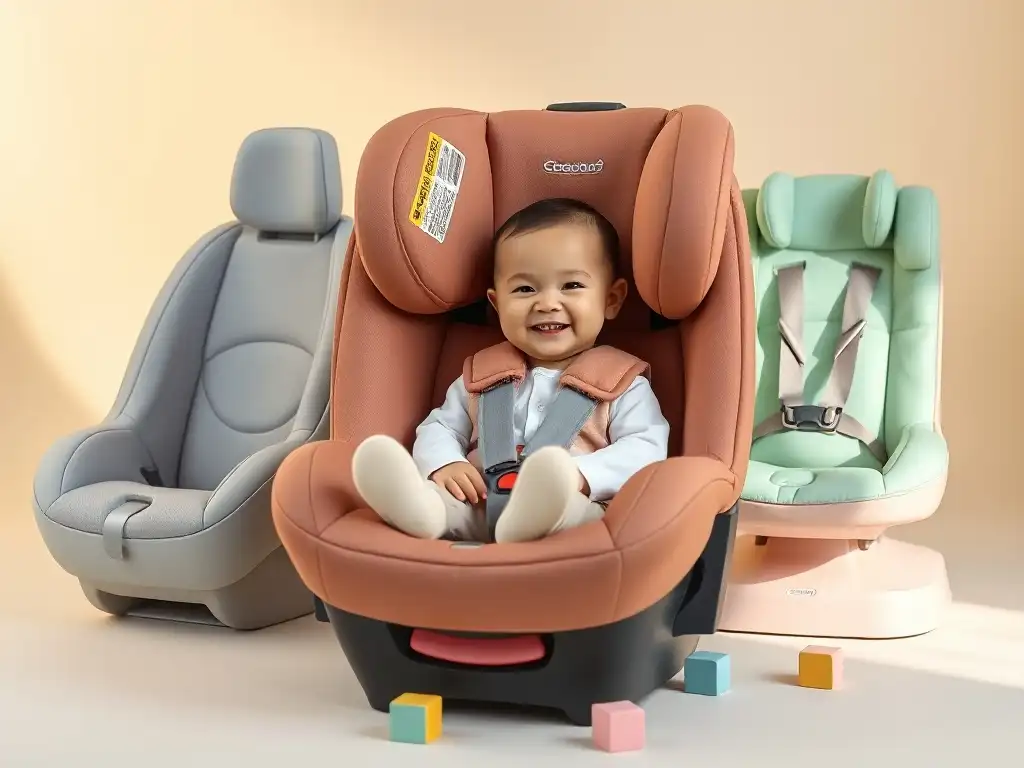
Welcome to BabyCareHub, your ultimate guide to navigating the exciting yet challenging world of parenthood! Are you ready to embark on this incredible journey? We understand the overwhelming feeling of choosing the right gear for your little one, and that's why we've compiled expert advice and detailed information to help you make informed decisions.
Discover the essential information you need to ensure your baby's safety and comfort, starting with our comprehensive guide on the Best baby car seat options – a crucial first step in your newborn's journey. Explore our Newborn Basics section and learn more about securing your baby's safe travels.
- Choosing the Best Car Seat for Your Child's Age and Stage
- Infant Car Seats: Safety and Comfort for Newborns
- Convertible Car Seats: Adapting to Your Child's Growth
- Booster Seats: Protecting Older Children
- Comparing Car Seat Types: Infant, Convertible, and Booster
- Maintaining and Replacing Your Car Seat
- Frequently Asked Questions
- Final Reflection: The Journey to Safe Travels Begins Here
- Unlock Your Child's Safe Journey: Next Steps to a Secure Ride
Choosing the Best Car Seat for Your Child's Age and Stage
Finding the right car seat for your little one can feel overwhelming. The sheer number of options available, coupled with the critical importance of ensuring your baby's safety, makes this decision one of the most important you'll make as a new parent. This comprehensive guide will walk you through the various types of car seats – infant car seats, convertible car seats, and booster seats – helping you understand which option is best suited to your child's age, size, and developmental stage.
We'll explore the key features to look for, ensuring you choose a car seat that offers optimal safety and comfort for your precious cargo. Choosing the right car seat is not just about meeting safety standards; it's about providing your child with the safest and most comfortable ride possible, contributing to peace of mind for you on every journey.
This guide aims to empower you with the knowledge to make an informed decision, selecting the best baby car seat options for your family's needs. Navigating the world of car seat safety doesn't have to be daunting; let's break it down together.
Understanding Car Seat Safety Regulations
Navigating the world of car seat safety regulations can be complex. Different countries and even states within countries may have varying standards. 👶 However, some universal principles apply. Understanding these regulations is crucial to ensuring your child is properly protected. Always refer to the specific regulations in your area for the most up-to-date information. These regulations often cover aspects such as:
- Weight and Height Limits: Car seats are categorized by weight and height limits. Exceeding these limits can compromise safety. Always check the manufacturer's instructions for the specific limits of your chosen car seat.
- Rear-Facing vs. Forward-Facing: Most safety experts recommend keeping children rear-facing for as long as possible, until they reach the maximum height and weight limits specified by the car seat manufacturer. Forward-facing is generally permitted once these limits are met.
- Harness System: Proper harnessing is paramount. Ensure the harness straps are snug and at the correct height, following the manufacturer's instructions precisely. Loose straps significantly reduce the effectiveness of the car seat.
- Anchor Systems: Different car seats utilize various anchor systems (e.g., LATCH, seat belt). Understanding your car's anchor system and the car seat's compatibility is crucial for secure installation. Improper installation is a leading cause of car seat accidents.
- Regular Inspections: Regularly inspect your car seat for any damage, wear, or tear. Replace the car seat immediately if any damage is found. Manufacturers often provide guidelines on the lifespan of their car seats.
Key Features to Consider When Buying a Car Seat
Choosing a car seat involves more than just meeting minimum safety standards. Several key features contribute to a safer and more comfortable ride for your child. Consider these factors when making your decision:
- Ease of Installation: A car seat that is difficult to install correctly is a safety hazard. Look for car seats with clear instructions and user-friendly features that simplify the installation process. Consider features like LATCH connectors for easier installation.
- Comfort and Adjustability: Your child will spend considerable time in their car seat. Choose a car seat with comfortable padding, adjustable headrests, and harness straps that can be adjusted as your child grows. Consider features like extra padding for newborns and adjustable recline options.
- Safety Ratings: Many independent organizations conduct crash tests and provide safety ratings for car seats. Research these ratings to help you choose a car seat that has proven safety performance. Look for car seats that have received high marks in independent safety tests.
- Budget: Car seats range in price from budget-friendly options to high-end models. Set a budget before you start shopping to help narrow down your choices. While price isn't always an indicator of safety, it can be a factor in determining the features and build quality of the car seat.
- Additional Features: Some car seats offer additional features such as cup holders, built-in sunshades, and easy-to-clean fabrics. Consider which features are important to you and your family. These extras can enhance convenience and comfort during your journeys.
Choosing the best baby car seat is a significant decision. By carefully considering the factors outlined above, you can select a car seat that provides the highest level of safety and comfort for your child, ensuring peace of mind during every trip. Remember, your child's safety is paramount!
Infant Car Seats: Safety and Comfort for Newborns
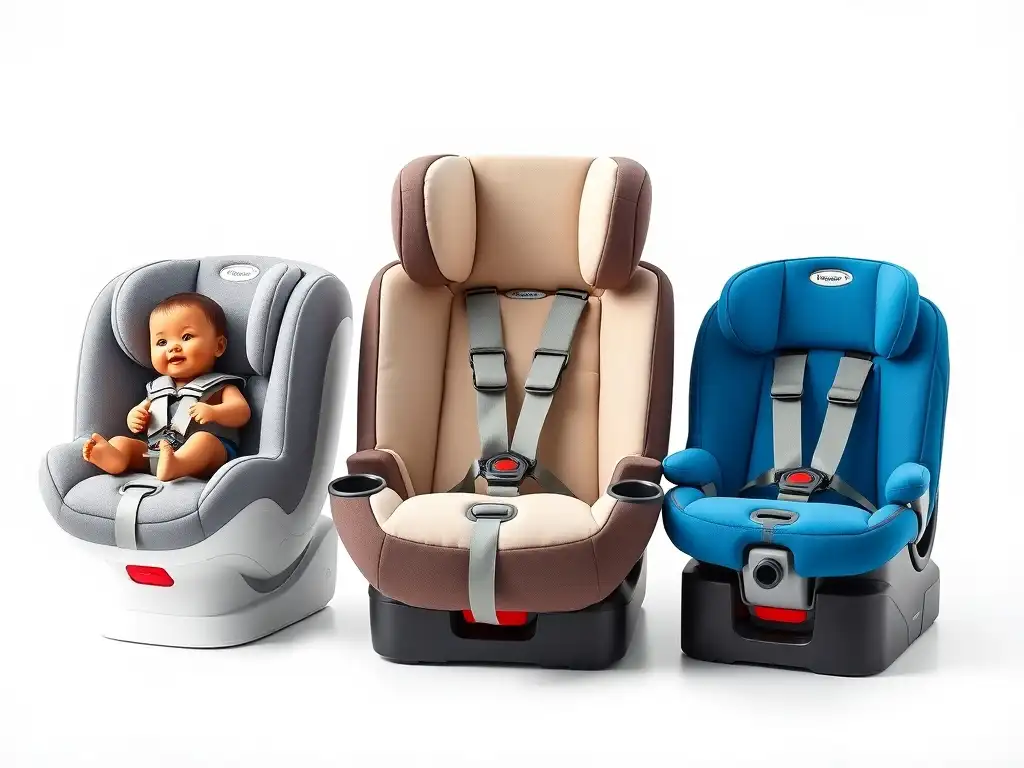
Infant car seats are designed specifically for newborns and infants, typically up to 22 pounds and approximately 30 inches tall. These seats offer rear-facing protection, crucial for the delicate necks and spines of young babies. Their snug design minimizes movement during travel, enhancing safety and comfort. Choosing the right infant car seat is paramount for ensuring your little one's well-being during car journeys.
Consider factors such as ease of installation, weight limits, and features such as adjustable harnesses and infant inserts for optimal fit and support. Remember, a properly installed and secured car seat is the best defense against injury in the event of a collision. This section will delve into the specifics of choosing, installing, and selecting top-rated infant car seats.
Choosing the Right Infant Car Seat Base
The base is a critical component of an infant car seat system. A well-chosen base simplifies installation and ensures a secure fit in your vehicle. Several factors determine the best base for your needs:
- Compatibility: Ensure the base is compatible with your chosen infant car seat model. Not all bases work with all car seats.
- ISOFIX or LATCH System: Look for a base that utilizes the ISOFIX or LATCH system for a more secure and straightforward installation. These systems offer a more stable connection compared to using only the vehicle's seatbelt.
- Stability: A stable base minimizes movement and provides a more secure environment for your baby. Check reviews to see user feedback on base stability.
- Ease of Use: Consider how easy it is to attach and detach the car seat from the base. A user-friendly system will save you time and frustration.
- Adjustability: Some bases offer adjustable features, such as leveling legs for a better fit in vehicles with sloped seats.
Choosing the right base is an investment in safety and convenience. A secure and easy-to-use base makes the daily routine of securing your infant in the car seat significantly smoother. Remember to always consult your car seat's instruction manual for detailed installation guidelines.
Securing Your Infant in the Car Seat
Properly securing your infant in the car seat is non-negotiable. A loose or improperly installed car seat significantly increases the risk of injury during an accident. Follow these steps carefully:
- Install the Base: Securely install the base in your vehicle using either the vehicle's seatbelt or the LATCH system, following the manufacturer's instructions precisely. Ensure the base is level and stable.
- Attach the Car Seat: Click the car seat onto the base, ensuring a secure connection. You should hear a clear audible "click" indicating a proper lock.
- Harnessing Your Baby: Adjust the harness straps so they are snug against your baby's shoulders and chest. There should be only one to two fingers’ worth of space between the harness and your baby's chest. Ensure the straps are not twisted.
- Infant Insert (if applicable): If your car seat includes an infant insert, use it until your baby reaches the minimum weight and height requirements specified by the manufacturer. The insert provides extra support and cushioning for newborns.
- Recline Angle: Adjust the car seat to the proper recline angle. This is crucial for preventing your baby from slumping forward.
- Regular Checks: Before each car journey, always check the harness, the base, and the overall security of the car seat. Regularly inspect the car seat for any damage or wear and tear. Replace the car seat if it has been involved in an accident.
Neglecting any of these steps can compromise your baby's safety. Prioritize meticulous attention to detail when securing your infant in the car seat.
Top-Rated Infant Car Seats
Choosing the "best" infant car seat depends on individual needs and preferences. However, several models consistently receive high praise for their safety features, ease of use, and overall performance. Consider these factors when selecting a car seat:
| Feature | Importance | Example Car Seat Feature (Illustrative) |
|---|---|---|
| Safety Ratings | Crucial for crash protection | 5-star rating from a reputable testing organization |
| Ease of Installation | Simplifies the process and ensures secure fit | Simple LATCH system with clear indicators |
| Comfort Features | Ensures baby's comfort during travel | Adjustable headrest and padded inserts |
| Weight and Height Limits | Important for longevity of use | Up to 35 lbs and 32 inches |
| Price | Balance safety and budget | Range from budget-friendly to premium options |
While specific model recommendations are beyond the scope of this section, researching and reading reviews from reputable sources will help you find a car seat that meets your specific requirements and budget. Remember to always check for the latest safety standards and certifications before making your purchase. Prioritize safety above all else when choosing an infant car seat. The peace of mind knowing your little one is safely secured is invaluable. 👶
Convertible Car Seats: Adapting to Your Child's Growth
Convertible car seats represent a significant investment in your child's safety and offer excellent value for money. Unlike infant car seats, which are typically used only for the first year or so, convertible car seats can last for several years, adapting to your child's growth and changing needs. This makes them a popular choice among parents seeking long-term solutions for secure transportation.
Choosing the best convertible car seat involves considering several key factors, which we will explore in detail below. The right convertible car seat can provide peace of mind knowing your little one is safely secured for years to come. This section will delve into the specifics of transitioning to a convertible seat, key features to look for, and the crucial aspects of proper installation.
Transitioning from Infant Car Seat to Convertible Car Seat
The transition from an infant car seat to a convertible car seat is a milestone for both parents and baby. The timing is crucial – it's generally recommended to switch when your baby outgrows the height or weight limits of their infant car seat, or when they start showing signs of needing more space. This typically happens around 1 year of age or when they reach the maximum weight limit specified by the manufacturer.
Remember to always refer to your infant car seat's manual for precise guidelines. Before making the switch, carefully read the instructions for your new convertible car seat. This will help you understand the proper installation process and ensure your child is securely fastened.
The transition itself should be smooth. Make sure you have the new car seat properly installed before removing your baby from the infant seat. This minimizes any disruption and keeps your little one comfortable. Take your time and double-check everything. A rushed transition can lead to mistakes, compromising your child’s safety. Consider practicing the installation process beforehand, even if your child isn't present, to familiarize yourself with the procedure.
Essential Features of a Convertible Car Seat
Selecting the right convertible car seat requires careful consideration of several key features. These features directly impact your child's safety and comfort during long car journeys. Here's a breakdown of some essential features to prioritize:
- Safety Ratings: Look for car seats that have received high safety ratings from independent testing organizations. These ratings consider factors such as crash protection, ease of installation, and overall design.
- Harness System: A five-point harness system is crucial for securely restraining your child. Ensure the harness is adjustable to accommodate your child's growth and fits snugly against their body.
- LATCH System: The Lower Anchors and Tethers for Children (LATCH) system simplifies installation, providing secure attachment points in most vehicles. Confirm that your chosen car seat is compatible with your vehicle's LATCH system.
- Recline Positions: Multiple recline positions, especially for rear-facing use, are essential for maintaining proper posture and supporting your baby's head and neck. Adequate recline is particularly important for infants.
- Comfort Features: Consider features like padded straps, breathable fabrics, and cup holders to enhance your child’s comfort during longer trips. These seemingly small details can make a big difference in a child's overall experience.
- Ease of Installation: A car seat that's easy to install and adjust will save you time and frustration. Pay attention to the clarity and comprehensiveness of the installation instructions provided by the manufacturer.
Installing a Convertible Car Seat: Rear-Facing and Forward-Facing
Proper installation is paramount to ensuring your child's safety. Convertible car seats can be used in both rear-facing and forward-facing modes, and the installation process differs slightly for each.
Rear-Facing Installation:
This is generally recommended for as long as possible, as it offers superior head and neck protection in the event of a collision. Follow these steps:
- Ensure the car seat is securely installed using either the vehicle's seat belt or the LATCH system, according to the manufacturer's instructions. Double-check that the seat is tightly secured and doesn't move more than one inch from side to side or front to back at the belt path.
- Adjust the recline angle to the recommended position for rear-facing use. This is often indicated in the car seat's manual.
- Secure your child in the five-point harness, making sure it’s snug and at the correct height. The harness straps should be at or below your child's shoulders.
Forward-Facing Installation:
Once your child reaches the minimum height and weight requirements for forward-facing, you can switch the car seat to this mode. Again, always refer to the manufacturer's instructions for specific details:
- Follow the manufacturer's instructions for switching the car seat to forward-facing mode. This typically involves adjusting the headrest and harness.
- Install the car seat using the vehicle's seat belt or the LATCH system, ensuring it is securely fastened.
- Secure your child in the five-point harness, ensuring it’s snug and at the correct height. The harness straps should be at or slightly above your child's shoulders.
Remember, regular checks are crucial. Periodically inspect the car seat for any signs of wear and tear, and always ensure the harness is properly adjusted to fit your growing child.
Prioritizing safety is key when choosing and installing a car seat; selecting the best baby car seat options means investing in your child's well-being. Always consult your car seat's manual for specific instructions and recommendations. 🚘👶
Best Convertible Car Seats for Various Budgets
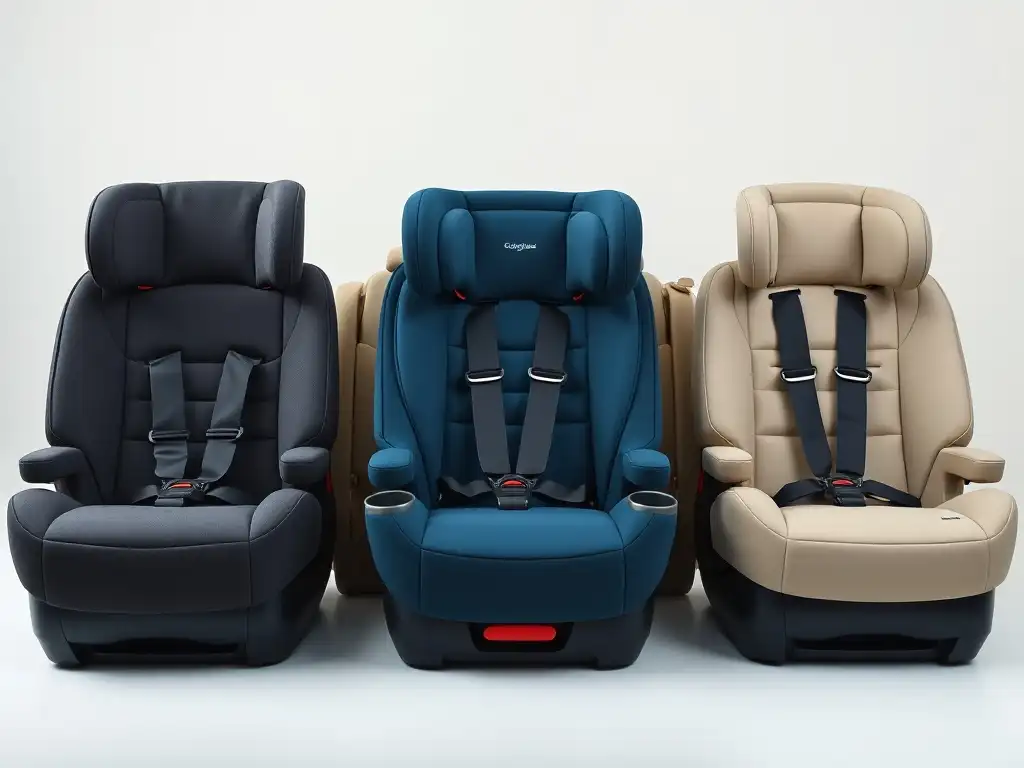
Finding the perfect convertible car seat often involves balancing safety features, comfort, and budget. The good news is that there are excellent options available at various price points. High-end convertible car seats often boast extra features like superior side-impact protection, easier installation systems, and more luxurious fabrics. However, many budget-friendly options provide excellent safety and functionality without breaking the bank.
Consider these factors when comparing prices: The initial purchase price is only one aspect. Think about the lifespan of the seat. A longer-lasting convertible seat, even if slightly more expensive upfront, can be more cost-effective in the long run because you won't need to buy a new one as soon as your child outgrows the current weight or height limits. Look for seats with adjustable headrests and harnesses that allow for extended use. Also, factor in any additional accessories you might need, such as cup holders or infant inserts, which can add to the overall cost.
For budget-conscious parents, several brands offer excellent value. These often prioritize essential safety features while minimizing unnecessary extras. Thorough research and reading independent safety reviews are crucial when choosing a budget-friendly option to ensure it meets the highest safety standards. Don't hesitate to check used car seats from reputable sources, but always prioritize a seat that's in excellent condition and hasn't been involved in any accidents. Remember, safety should never be compromised to save money.
Conversely, premium convertible car seats usually incorporate advanced safety technologies and more comfortable features. These might include enhanced side-impact protection, self-adjusting harnesses, and easier-to-use installation systems. While the initial cost is higher, these features can provide added peace of mind and convenience, potentially justifying the higher price tag for some families. However, always remember to check independent safety ratings to ensure that the extra features don't compromise fundamental safety aspects. A premium price doesn't automatically guarantee superior safety; independent testing and ratings remain vital.
Key Features to Consider When Choosing a Convertible Car Seat
Choosing a convertible car seat requires careful consideration of several crucial features that directly impact your child's safety and comfort. These features go beyond simply meeting minimum safety standards and contribute significantly to the overall performance and ease of use of the car seat.
One of the most important aspects is the ease of installation. A car seat that's difficult to install correctly can compromise your child's safety. Look for seats with clear instructions, intuitive latch systems, and features that help you ensure a secure fit. Features like LATCH (Lower Anchors and Tethers for Children) connectors and clear indicator systems that confirm proper installation are invaluable. Some convertible car seats even incorporate leveling indicators to make sure the seat is installed at the correct angle.
Another critical factor is the harness system. The harness should be easy to adjust and provide a snug, comfortable fit for your child. Look for seats with multiple harness height adjustments to accommodate your child's growth. Features like padded straps and no-rethread harnesses can significantly improve comfort and ease of use. A well-designed harness system minimizes the risk of improper adjustment, which could compromise safety in an accident.
The comfort and adjustability of the seat itself are also important. Consider features like padded seats, adjustable headrests, and cup holders. A comfortable car seat can make a long car journey more pleasant for both your child and you. Furthermore, the ability to easily adjust the seat's recline angle can be beneficial for younger infants who may need extra support.
Finally, consider the overall durability and longevity of the seat. A high-quality convertible car seat should last for several years, offering a good return on investment. Look for robust construction, high-quality materials, and a warranty that assures you of the manufacturer's confidence in their product. Choosing a durable seat will save you the cost and hassle of replacing it prematurely. The longevity of a car seat is directly related to its overall value.
Booster Seats: Protecting Older Children
Booster seats are a crucial step in your child's car safety journey, bridging the gap between harness-based car seats and adult seat belts. They elevate the child so that the adult seat belt fits correctly across their chest and hips, preventing serious injury in a collision. Choosing the right booster seat and using it correctly is paramount for maximizing your child's protection. Finding the best baby car seat options often involves careful consideration of booster seat suitability for the child's age and size.
When to Switch to a Booster Seat
The transition to a booster seat isn't determined by a single age but rather by a combination of factors: height and weight. Generally, children should remain in a harnessed car seat until they reach the maximum height and weight limits specified by the manufacturer. This is often around 4'9" and 40-50 lbs, but always check your specific car seat's instructions. Once they outgrow their harnessed car seat, a booster seat becomes necessary.
Many states have laws mandating booster seat usage until a certain age or height. Check your state's regulations to ensure compliance. Remember, even if your child appears ready for a seatbelt alone, a booster seat provides significantly better protection during a crash. Prematurely transitioning can lead to improper seatbelt fit, increasing the risk of serious injury.
Types of Booster Seats: High-Back vs. Backless
There are two main types of booster seats: high-back and backless. Choosing between them depends on your child's size and the features of your vehicle.
- High-Back Booster Seats: These offer superior head and side impact protection, as they have a built-in back and headrest. They’re generally recommended for younger children who still need extra support and protection. The high back provides better stability and helps keep the seatbelt positioned correctly. They are especially beneficial in vehicles with less supportive seats.
- Backless Booster Seats: These are simpler and more compact, suitable for older children who have outgrown the need for extra back support. They primarily raise the child to ensure the seat belt fits correctly. However, they offer less side impact protection than high-back boosters. Consider a backless booster only if your child is tall enough (typically over 4'9") and the vehicle seats provide adequate head and shoulder support.
Choosing the right type is crucial for optimal safety. Consider a high-back booster for younger children and switch to a backless booster only when your child's size and your vehicle's seating make it appropriate.
Properly Securing Your Child in a Booster Seat
Correct installation and usage are critical to the effectiveness of a booster seat. Here's a step-by-step guide:
- Ensure Proper Fit: The booster seat should fit snugly in the vehicle's seat and the child should sit upright without slumping.
- Seat Belt Positioning: The lap belt should lie low across the upper thighs, not the stomach, and the shoulder belt should cross the middle of the chest and shoulder, not the neck or face.
- High-Back Booster Installation: Follow the manufacturer's instructions for installing the high-back booster, which usually involves using the vehicle's seat belt or LATCH system (Lower Anchors and Tethers for Children).
- Backless Booster Installation: The backless booster is simply placed on the vehicle seat, ensuring it's stable and the child is sitting correctly.
- Regular Checks: Regularly check the booster seat's condition for any damage or wear. Replace it if needed.
Remember, a properly installed and used booster seat significantly enhances your child's safety. Prioritize safety and always refer to the manufacturer's instructions for detailed guidance. Choosing the best baby car seat options involves careful evaluation of every stage of your child's development and the accompanying safety needs. 🚗👶
Top Booster Seats for Different Ages and Sizes
Choosing the right booster seat can feel overwhelming, given the variety available. The key is to select a seat that properly fits your child's age, height, and weight. Regulations often specify minimum height and weight requirements, but remember that a comfortable and secure fit is paramount. A booster seat that's too small or too large can compromise safety.
Many booster seats are designed with adjustable features to accommodate a growing child. Look for models with adjustable headrests and seat belts, allowing for a customized fit as your child develops. Some booster seats offer multiple stages of adjustment, extending their lifespan and providing value for your investment. Consider the lifespan of the booster seat when making your purchase; a seat that adjusts to fit a wider range of sizes will often be more economical in the long run.
Remember to always check the manufacturer's instructions and guidelines for proper installation and use. This includes ensuring the seat belt fits snugly across your child's body and that the booster seat is correctly secured in the vehicle. Regularly inspect the booster seat for any signs of wear or damage, and replace it if necessary.
Safety should always be the top priority when choosing and using a booster seat. Investing in a high-quality booster seat from a reputable brand is a crucial step in ensuring your child's safety on the road. Research specific models and read reviews from other parents to gain insights into real-world experiences and performance.
Pay close attention to safety ratings and features, like side impact protection, to find the best fit for your family's needs. Don't hesitate to consult with a certified child passenger safety technician for personalized recommendations and guidance on selecting and installing the appropriate booster seat for your child.
Comparing Car Seat Types: Infant, Convertible, and Booster
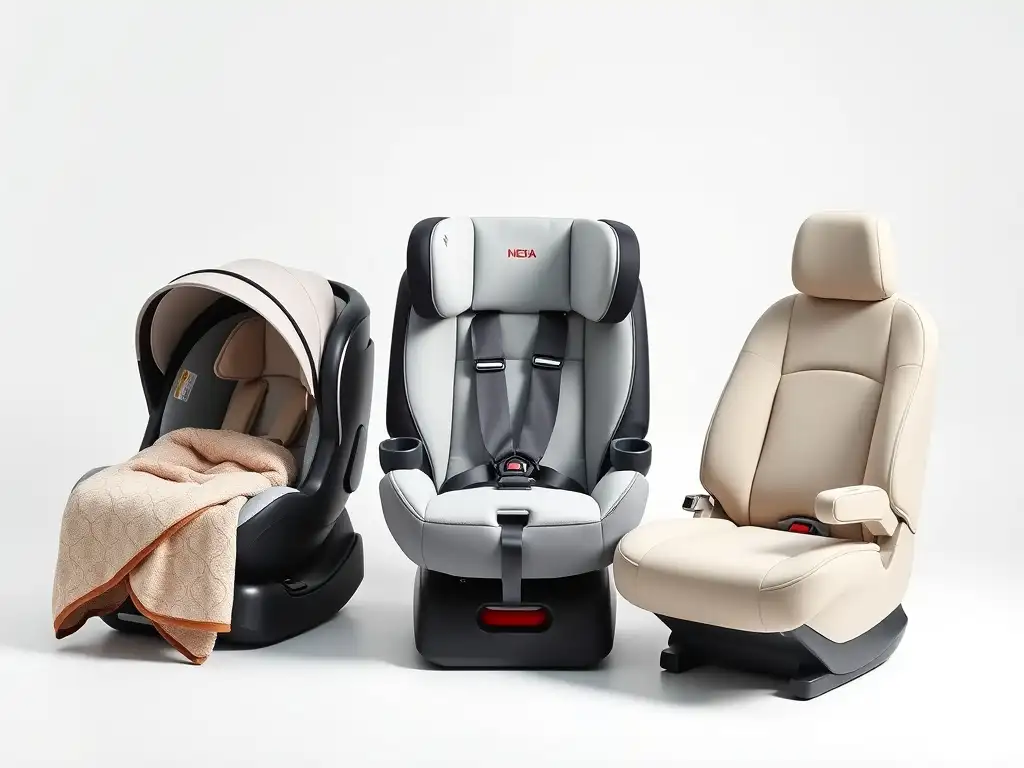
Choosing the right car seat is a crucial decision for new parents. Understanding the differences between infant, convertible, and booster seats is key to ensuring your child's safety and comfort. This section will delve into a detailed comparison of these three main types, helping you navigate the options available and find the best baby car seat options for your family's needs. Each type offers unique advantages and disadvantages, impacting factors like price, safety features, and overall convenience.
Price Comparison of Car Seat Types
The cost of car seats varies significantly depending on brand, features, and type. Generally, you can expect the following price ranges:
| Car Seat Type | Price Range (USD) | Notes |
|---|---|---|
| Infant Car Seat | $100 - $400 | Often the most affordable initially, but requires a separate base. |
| Convertible Car Seat | $150 - $500 | More expensive upfront, but lasts longer as it adapts to growing children. |
| Booster Car Seat | $30 - $150 | The least expensive option, but only suitable for older children. |
It's important to note that these are broad ranges. High-end brands with advanced safety features can significantly exceed the upper limits. Conversely, budget-friendly options can be found within the lower price ranges. Remember to factor in the lifespan of each seat; a convertible seat, despite a higher initial cost, can save money in the long run by eliminating the need for an infant seat and a separate booster seat later. Consider the best baby car seat options within your budget that meet your child's needs and safety requirements.
Safety Feature Comparison Across Car Seat Types
Safety should be the paramount consideration when choosing a car seat. While all car seats must meet minimum safety standards, features can vary significantly.
- Infant Car Seats: Typically feature a built-in handle for easy carrying and a snug, protective shell. Many include infant inserts for newborns, enhancing safety and comfort. They usually utilize a base that remains installed in the car, simplifying the process of securing and removing the car seat.
- Convertible Car Seats: Offer more adjustability, transitioning from rear-facing to forward-facing modes as the child grows. These seats often include advanced features like side-impact protection and higher harness slots for extended rear-facing use. This adaptability makes them a popular and often considered among the best baby car seat options.
- Booster Car Seats: Primarily provide height and positioning, allowing the vehicle's seat belt to fit correctly. Some booster seats offer additional safety features like built-in cup holders or side impact protection. However, their primary function is to elevate the child, improving the fit of the adult seat belt.
Choosing a car seat with features like LATCH (Lower Anchors and Tethers for Children) connectors, anti-rebound bars, and impact-absorbing materials will further enhance your child's safety. Always check for up-to-date safety ratings and recommendations from reputable organizations.
Space and Convenience Comparison of Car Seat Sizes
The size and convenience of a car seat significantly impact its usability. Consider the following factors:
- Infant Car Seats: Compact and lightweight, making them easy to carry and maneuver. However, their limited size restricts their usability to a shorter period.
- Convertible Car Seats: Larger than infant seats, requiring more space in the vehicle. However, their adjustability allows them to accommodate a child for several years. They might be less convenient to carry, but their longevity offsets this drawback.
- Booster Car Seats: Relatively small and lightweight, making them easy to store and transport. However, they only provide seating elevation and are not suitable for younger children.
Consider the space available in your vehicle and your lifestyle when selecting the appropriate size. For example, if you frequently travel with your infant, a lightweight infant car seat might be preferable, despite its shorter lifespan. However, families prioritizing long-term use and cost-effectiveness would likely benefit from a convertible car seat, even if it requires more space in the vehicle. Remember that the best baby car seat options balance safety, convenience, and budget considerations. Careful consideration of these factors will ensure the selection of a car seat that best fits your family's needs.
Maintaining and Replacing Your Car Seat
Choosing the best baby car seat is only half the battle. Proper maintenance and knowing when to replace your car seat are crucial for ensuring your little one's safety. Neglecting these aspects can compromise the car seat's protective capabilities, putting your child at risk. This section will guide you through the essential steps of maintaining and ultimately replacing your car seat. Finding the best baby car seat options is important, but responsible upkeep is equally vital.
Cleaning and Maintaining Your Car Seat
Regular cleaning is key to extending the lifespan and maintaining the safety of your baby car seat. Spills, crumbs, and general wear and tear can accumulate, affecting the car seat's structural integrity and hygiene. Here's a step-by-step guide:
- Read the Manufacturer's Instructions: Always begin by consulting your car seat's manual. Different materials require different cleaning methods. Some fabrics may be machine washable, while others require hand washing or spot cleaning.
- Spot Cleaning: For minor spills and stains, use a mild detergent and water solution. Gently blot (don't rub!) the affected area. Allow it to air dry completely. Avoid harsh chemicals or bleach, as these can damage the fabric and potentially compromise the car seat's safety features.
- Fabric Cleaning: If machine washing is permitted, use a delicate cycle with cold water and a mild detergent. Air dry completely, avoiding direct sunlight or high heat. Never put the car seat itself in the washing machine – only removable covers.
- Harness and Straps: Clean the harness straps regularly with a damp cloth and mild soap. Make sure they are completely dry before reinstalling. Tangled or damaged straps can significantly reduce the effectiveness of the car seat's restraint system.
- Plastic Surfaces: Wipe down plastic surfaces with a damp cloth and mild soap. Avoid abrasive cleaners that could scratch the plastic.
Knowing When to Replace Your Car Seat
Even with diligent cleaning, car seats have a limited lifespan. Several factors necessitate replacement:
- Expiration Date: Many car seats have expiration dates printed on a label. This date indicates when the manufacturer no longer guarantees the seat's structural integrity and safety performance. Ignoring this date significantly increases the risk of injury in an accident. Check for this date; it is crucial for finding the best baby car seat options and for keeping your child safe.
- Significant Damage: Any major damage, such as cracks in the plastic shell, broken buckles, or severely torn fabric, requires immediate replacement. Even minor damage can compromise the car seat's ability to protect your child in a collision.
- Involvement in a Car Accident: If your car seat has been involved in a moderate to severe car accident (even if it appears undamaged), it should be replaced. The impact can cause microscopic damage that's not visible to the naked eye, significantly reducing its protective capabilities.
- Recall Notices: Regularly check for recall notices from the car seat manufacturer. Recalled car seats may have safety defects that necessitate replacement, regardless of their age or condition.
Recycling or Disposing of Old Car Seats
Once you've replaced your car seat, proper disposal is crucial. Simply throwing it in the trash isn't recommended.
- Recycling Programs: Many communities have recycling programs for car seats. Check with your local waste management department or search online for car seat recycling centers near you. Recycling helps reduce landfill waste and conserves resources.
- Donation (with Caution): Some organizations accept used car seats, but it's essential to ensure the seat isn't expired, damaged, or recalled before donating. Clearly communicate the car seat's history and condition to the recipient.
- Proper Disposal: If recycling or donation isn't an option, dispose of the car seat according to your local waste management guidelines. It may require special handling due to its size and materials.
Choosing the best baby car seat options involves not only the initial purchase but also ongoing maintenance and responsible replacement. Prioritizing these steps ensures your child's safety and peace of mind. 👶🚗
Frequently Asked Questions
What are the different types of baby car seats?
There are three main types: infant car seats, designed for newborns and infants; convertible car seats, which can be used for rear-facing infants and forward-facing toddlers; and booster seats, used for older children who have outgrown convertible seats. Choosing the right one depends on your child's age and weight.
How do I choose the best baby car seat for my child?
Consider your child's age and weight, as well as the car seat's safety ratings and features, such as ease of installation and comfort. Read reviews and compare different models before making a decision. Always prioritize safety.
What safety features should I look for in a car seat?
Look for features like side-impact protection, a five-point harness, and easy-to-understand installation instructions. Check for any recalls on the car seat's model before purchasing. Ensure it meets current safety standards.
How often should I check my baby's car seat for damage?
You should inspect the car seat regularly for any damage, such as cracks, broken straps, or loose parts. Replace the car seat immediately if any damage is found. Regular checks are crucial for safety.
How long can I keep my child in a rear-facing car seat?
Keep your child rear-facing for as long as possible, ideally until they reach the maximum height and weight limits of their car seat. Many convertible car seats allow for extended rear-facing. This provides the best protection for their delicate necks and spines.
Final Reflection: The Journey to Safe Travels Begins Here
The right car seat is not just a purchase; it's an investment in your child's future, a commitment to their safety and well-being on every journey. Choosing the best car seat can feel overwhelming, but understanding the nuances between infant, convertible, and booster options empowers parents to make informed decisions that protect their most precious cargo. This knowledge translates directly into peace of mind, a priceless commodity for any parent.
The evolution of car seat technology reflects our growing understanding of child development and safety. From the earliest models to the sophisticated systems available today, we've witnessed a remarkable shift in prioritizing child safety. The best car seat is the one that is properly installed and used correctly.
This simple statement underscores the importance of not only choosing the right seat but also ensuring its proper use throughout your child's development. This responsibility weighs heavily, but the knowledge that we are actively contributing to our children's safety is profoundly rewarding.
Consider the implications of your car seat choice. Think about the countless miles you'll travel with your child, the adventures you'll share, and the security you provide with every click of the buckle. You are not just choosing a car seat; you are choosing a guardian, a silent protector, a testament to your unwavering commitment to your child's safety. Take the time to research, to learn, and to choose wisely. The journey to safe travels begins here, and the destination is a future filled with happy, healthy, and protected children.
Unlock Your Child's Safe Journey: Next Steps to a Secure Ride
Thank you for learning about child car seats! We hope you now feel confident in choosing the best protection for your child. Let's put that knowledge into action.
- Prioritize your child's safety: Thoroughly research and purchase a car seat that's appropriate for your child's age and weight, and that fits securely in your vehicle. Consider having a certified Child Passenger Safety Technician inspect your installation.
- Share the safety: Discuss your car seat choice and installation with family and friends to help spread awareness of safe car seat practices.
- Join the conversation: What safety features were most important to you when selecting a car seat? Share your experiences and any questions you have in the comments below!