
The Amazing Journey of Newborn Development

Welcome to BabyCareHub, your ultimate guide to navigating the incredible world of parenthood! Are you ready to embark on this amazing journey? We understand the overwhelming feeling of bringing a new life into the world, which is why we've created this comprehensive resource. Discover essential information, expert advice, and practical tips to help you confidently care for your little one. Start by exploring our detailed Newborn Development Milestones Chart – a vital tool for tracking your baby's progress and ensuring their healthy development. Let's begin this exciting adventure together!
- Understanding Newborn Development Milestones Chart: The First Three Months
- Newborn Development Milestones Chart: 4-6 Months
- Newborn Development Milestones Chart: 7-12 Months
- Tracking Your Baby's Progress: Utilizing a Newborn Development Milestones Chart
- Creating a Supportive Environment for Optimal Newborn Development
-
Frequently Asked Questions
- What is a newborn development milestones chart?
- When should I start using a newborn development milestones chart?
- What are some key developmental milestones to look for in the first few months?
- My baby isn't meeting all the milestones on the chart. Should I be worried?
- Where can I find a reliable newborn development milestones chart?
- Final Reflection: Charting the Course of a Lifetime's Journey
- Unlock Your Baby's Potential: A Journey of Growth
Understanding Newborn Development Milestones Chart: The First Three Months
Navigating the world of newborn care can feel overwhelming for first-time parents. One of the most crucial aspects is understanding your baby's development and recognizing key milestones. This article serves as your guide to newborn development, focusing on the first three months, a period of rapid growth and change. We'll explore the physical, sensory, and cognitive milestones you can expect, providing a framework for understanding your little one's amazing journey.
This information will help you interpret your baby's progress, identify potential concerns, and confidently engage in their development, effectively utilizing a newborn development milestones chart as a helpful tool, but not a rigid rule. Remember, every baby develops at their own pace, and this guide aims to offer a general understanding, not a strict benchmark. This resource will help you confidently track your baby's progress and celebrate their unique achievements, building a strong foundation for their future growth. 🎉
Physical Development: Growth Spurts and Reflexes
The first three months are characterized by remarkable physical growth. Newborns experience significant weight and length gains, often in spurts rather than a steady progression. You might notice periods of increased feeding and sleepiness during these growth spurts. Along with growth, several reflexes are prominent in newborns, providing insights into their neurological development. These reflexes, while fascinating, are temporary and usually disappear within the first few months.
Some key physical milestones to watch for include:
- Weight Gain: A healthy newborn typically gains around 1-1.5 pounds per month during the first three months. Individual variations are expected.
- Length Gain: Expect an average increase of approximately 1 inch per month. Again, individual variation is normal and shouldn't cause alarm.
- Head Control: Most newborns begin to lift their heads while lying on their stomachs around 1-2 months.
- Reflexes: Observe reflexes like the rooting reflex (turning towards a touch on the cheek), sucking reflex, grasping reflex, and Moro reflex (startle reflex). The presence and eventual fading of these reflexes indicate healthy neurological function.
| Milestone | Expected Timeframe | Notes |
|---|---|---|
| Head Control | 1-2 months | May vary; support is crucial. |
| Rolling Over (Tummy to Back) | 2-4 months | Some babies accomplish this earlier or later; it's a developmental stage. |
| Reaching for Objects | 2-3 months | Initially clumsy, but improves rapidly. |
It's important to consult your pediatrician if you have any concerns about your baby's physical growth or the presence or absence of reflexes.
Sensory Development: Sight, Sound, Touch, Taste, and Smell
A newborn's sensory world is rapidly expanding during the first three months. While their senses aren't fully developed at birth, they are actively learning and responding to stimuli.
- Sight: Newborns can see best at a distance of 8-12 inches – perfect for focusing on their caregiver's face during feeding. Their vision gradually improves over the first few months, developing color perception and sharper focus.
- Sound: Newborns are remarkably sensitive to sound, particularly high-pitched voices. They are drawn to human voices and often respond to soothing sounds. They can differentiate between different sounds and tones.
- Touch: Touch is a crucial sense for newborns. Skin-to-skin contact provides comfort, security, and regulates their body temperature. They respond to gentle touch and massage.
- Taste: Newborns can distinguish between sweet, sour, bitter, and salty tastes. They show a preference for sweet tastes.
- Smell: Newborns can differentiate between various smells, including their mother's scent. They are drawn to familiar and pleasant scents.
Remember to provide a stimulating environment for your baby, including soft music, gentle touch, and visual stimulation, all while ensuring their safety and comfort.
Cognitive Development: Early Learning and Interaction
Cognitive development in newborns focuses on learning through interaction with the environment and caregivers. While they may not be solving complex problems, they are actively learning about the world through their senses and developing basic cognitive skills. Early learning experiences, especially through parent-child interaction, are crucial for their cognitive development.
Key aspects of early cognitive development in newborns include:
- Attention Span: Newborns have short attention spans, typically focusing on a single stimulus for only a brief period. This gradually increases over time.
- Memory: Newborns are capable of rudimentary memory formation, particularly associated with sensory experiences, such as recognizing their caregiver's smell or voice.
- Learning: Newborns learn through repetitive experiences and positive reinforcement. Responding to their cues and providing consistent care helps them develop a sense of security and trust.
- Social Interaction: Interaction with caregivers is crucial for social-emotional development. Responding to their cries, smiles, and other cues helps to build a strong bond and promotes their cognitive development. This interaction helps them learn about social cues and interactions.
A newborn development milestones chart is a helpful tool for tracking progress, but it's essential to remember that every baby is unique. Enjoy this special time and celebrate your baby's individual achievements!
The first three months of your baby's life are crucial for establishing a strong bond and secure attachment. This period is characterized by significant social and emotional growth, laying the foundation for their future relationships and emotional well-being. Newborns communicate their needs primarily through cries, facial expressions, and body language. Learning to interpret these cues is a vital skill for parents, fostering a responsive and nurturing environment. This responsiveness is key to building trust and security.
One of the most significant milestones during this period is the development of the parent-child bond. Skin-to-skin contact, also known as kangaroo care, plays a vital role in promoting this bond. Studies have shown that skin-to-skin contact helps regulate the baby's temperature, heart rate, and breathing, while also releasing oxytocin, the "love hormone," in both the parent and the baby. This hormone fosters feelings of calmness, connection, and well-being. Furthermore, consistent and loving interactions, such as cuddling, singing, and talking to your baby, strengthens the attachment bond.
Beyond the parent-child bond, newborns also begin to show early signs of social interaction. They may respond to your voice and face with smiles, gurgles, and cooing sounds. These are early indicators of their developing social skills and their ability to form connections with others. While these interactions might seem subtle, they are essential steps in the development of social cognition and emotional intelligence.
Remember that every baby develops at their own pace, and there's a wide range of what's considered "normal." Don't compare your baby's progress to others; instead, focus on building a strong and loving relationship with your little one. This secure attachment provides a solid foundation for their future social and emotional development. Trust your instincts as a parent; you are your baby's best advocate and understand their needs better than anyone.
Observing your baby's responses to different stimuli and interactions is a fascinating aspect of this developmental stage. You'll notice changes in their facial expressions, their level of alertness, and their overall mood in response to different situations. These subtle cues provide valuable insights into your baby's preferences and emotional state. This responsiveness to your baby's cues is a cornerstone of positive social and emotional development, helping them learn to trust and feel secure in their environment.
The early months are a period of continuous learning and growth, both for the baby and the parents. Embrace this journey of discovery and cherish these precious moments of bonding and attachment. The investment you make in this early stage will have a lasting impact on your child's emotional well-being.
Newborn Development Milestones Chart: 4-6 Months
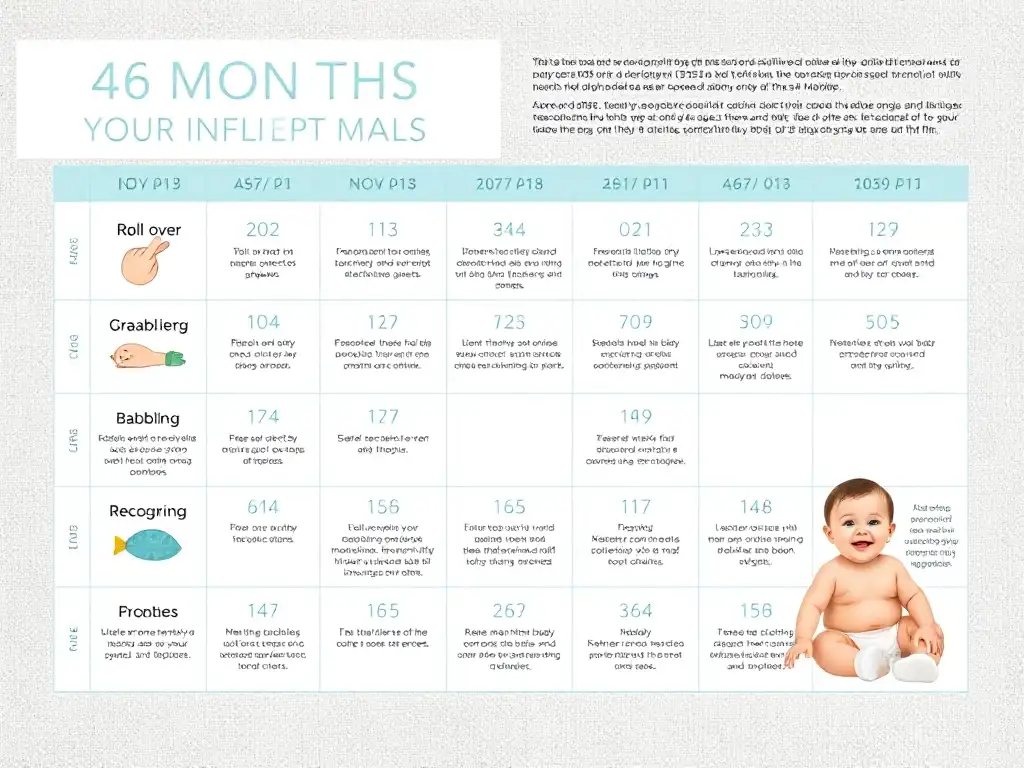
This section focuses on key developmental milestones typically observed in infants between 4 and 6 months of age. Remember, every baby develops at their own pace, and this chart serves as a general guideline. Consult your pediatrician if you have any concerns about your baby's progress. This information is crucial for understanding typical newborn development milestones.
Physical Development: Rolling Over, Sitting Up, and Reaching
Between 4 and 6 months, significant physical changes occur. Many babies begin mastering gross motor skills like rolling over, both from back to tummy and vice versa. This newfound mobility opens up a whole new world for exploration!
This period is often marked by increased strength and coordination. You might observe your little one attempting to sit up with support, and eventually, sitting independently for short periods. Reaching for objects becomes more precise and deliberate; they'll grasp toys with more control, transitioning from a clumsy grasp to a more refined pincer grasp (using thumb and forefinger) by the end of this period.
The development of these skills is directly linked to muscle strength and neurological maturation. For example, the ability to roll over requires coordination between the neck, trunk, and limbs. Similarly, sitting up involves strong core muscles and improved balance. Regular tummy time is crucial during this phase to strengthen these muscles and support motor skill development. This is a key stage in the newborn development milestones.
Sensory Development: Depth Perception and Object Permanence
Sensory development significantly impacts a baby's understanding of the world. Around 4-6 months, depth perception improves dramatically. Babies begin to understand that objects are three-dimensional and that distance matters. This newfound awareness is critical for navigation and interaction with their environment. You might notice your baby showing more interest in reaching for objects further away, demonstrating a growing understanding of spatial relationships. This is a crucial step for their newborn development.
Furthermore, object permanence, the understanding that objects continue to exist even when out of sight, begins to emerge during this period. Before this milestone, if an object is hidden, the baby may act as if it has disappeared. However, around 6 months, many babies will actively search for a hidden object, demonstrating a significant leap in cognitive development. This is often tested by the "peek-a-boo" game, which becomes increasingly engaging as object permanence develops. This is a significant milestone in newborn development milestones.
Cognitive Development: Exploring and Manipulating Objects
Cognitive development at this stage is characterized by increased curiosity and exploration. Babies become fascinated by their surroundings and actively seek to understand how things work. They will spend considerable time examining toys, putting them in their mouths, shaking them, and exploring their textures. This active manipulation helps refine their sensory processing and promotes cognitive growth.
This exploratory phase is crucial for learning cause and effect. For example, a baby might repeatedly drop a toy to observe its fall, demonstrating an interest in understanding gravity and object movement. This repeated action also strengthens their hand-eye coordination and fine motor skills. The development of newborn development is heavily influenced by this period of intense exploration and learning.
Observing these developmental milestones provides valuable insights into your baby's progress. Remember, this is a general guideline, and variations are normal. Regular check-ups with your pediatrician are essential for monitoring your baby's development and addressing any concerns. Consistent monitoring ensures optimal development and early intervention if needed.
Between four and six months, your baby's social and emotional development takes a giant leap forward. You'll likely witness the emergence of delightful, gurgly laughter – a truly rewarding milestone for parents! This isn't just random noise; it's a genuine expression of joy and connection, often triggered by playful interactions, silly faces, or the sound of your voice. Encourage this development through interactive games like peek-a-boo and making funny sounds.
These interactions build crucial bonds and contribute to their overall emotional well-being. The intensity and frequency of laughter can vary from baby to baby; some babies are naturally more expressive than others. Don't worry if your little one isn't a constant giggle-fest; each baby develops at their own pace.
However, along with the joy of laughter comes the potential for stranger anxiety. Around this age, many babies start to differentiate between familiar and unfamiliar faces. While previously they might have been content with anyone holding them, they may now become wary or even distressed when held by someone they don't know well.
This is a completely normal developmental stage, demonstrating their growing understanding of social cues and the development of object permanence – the understanding that people and objects continue to exist even when out of sight. This anxiety manifests differently in each child; some babies might simply become quiet and clingy, while others might cry inconsolably.
It's crucial to understand that stranger anxiety is a sign of healthy attachment and a developing sense of security. While it can be challenging for parents, especially when needing assistance from others, it's important to reassure your baby and gently introduce new people gradually. Allow your baby to observe the stranger from a distance before direct interaction. Let the stranger speak softly and avoid overwhelming gestures.
Remember that consistent routines and the presence of a familiar caregiver can provide comfort and reduce anxiety during these encounters. This phase is temporary, and as your baby continues to develop, their confidence with strangers will naturally increase. Be patient and understanding; this is a crucial step in their social and emotional growth.
Newborn Development Milestones Chart: 7-12 Months
This section focuses on key developmental milestones for babies aged 7-12 months, providing a detailed look at physical, sensory, and cognitive achievements. This information complements a broader understanding of newborn development and can be used to track your baby's progress, keeping in mind that every child develops at their own pace. Remember to consult your pediatrician with any concerns. This is not a replacement for professional medical advice.
Physical Development: Crawling, Pulling to Stand, and Walking
Between 7 and 12 months, significant physical changes occur as babies transition from crawling to walking. This period is marked by remarkable strength and coordination development.
Many babies begin crawling around 7 months, though some may start earlier or later. Crawling strengthens muscles in the arms, legs, and core, preparing them for the next big step: pulling themselves up. Around 8-10 months, most babies will start pulling themselves up to a standing position using furniture or other supports. This is a crucial stage, building leg strength and balance.
By 12 months, many babies are taking their first independent steps, though walking proficiency develops gradually over several months. Some may even start walking earlier, while others may take a little longer. The key is consistent progress and the development of sufficient strength and balance.
Here's a table summarizing the typical progression:
| Age (Months) | Physical Milestone | Notes |
|---|---|---|
| 7-8 | Crawling begins | Some babies may skip crawling and go straight to cruising or walking. |
| 8-10 | Pulling to stand, cruising (walking while holding on) | This strengthens leg muscles and improves balance. |
| 9-12 | Standing independently, taking first steps | Walking proficiency develops gradually, with some babies walking earlier or later. |
| 12+ | Improved walking, increased coordination | Babies become more confident and steady on their feet. |
Remember, the timing of these milestones can vary. The most important thing is observing consistent progress and addressing any concerns with your pediatrician. Early intervention can be beneficial if delays are identified. 🎉
Sensory Development: Fine Motor Skills and Hand-Eye Coordination
Sensory development in this age range is equally impressive, with significant advancements in fine motor skills and hand-eye coordination. Babies refine their ability to interact with their environment, demonstrating increasing dexterity and precision.
At 7 months, babies may begin to transfer objects from one hand to the other, a significant leap in coordination. They also become more adept at reaching for and grasping objects, demonstrating improved hand-eye coordination. By 9 months, the pincer grasp (using thumb and forefinger) emerges, allowing for more precise manipulation of small objects. This is crucial for self-feeding and exploring their surroundings with greater detail.
By 12 months, babies can often stack blocks, scribble with crayons, and even use utensils (though clumsily) to feed themselves. These achievements reflect the remarkable development of their fine motor skills and hand-eye coordination. The improvement in their sensory abilities is evident in their ability to recognize familiar faces and objects, and their increased responsiveness to sounds and textures.
Cognitive Development: Problem-Solving and Symbolic Thought
Cognitive development in this period is characterized by burgeoning problem-solving skills and the beginnings of symbolic thought. Babies demonstrate increasingly sophisticated understanding of cause and effect and begin to understand that objects exist even when they are out of sight (object permanence).
Around 9 months, babies start showing signs of problem-solving. For example, they might figure out how to reach a toy that is just out of reach by pulling a blanket or moving a pillow. This indicates developing strategic thinking and planning abilities. Their understanding of cause and effect also improves; they understand that actions have consequences.
By 12 months, the development of symbolic thought is evident. Babies may engage in pretend play, using objects to represent other things (e.g., using a block as a phone). This indicates the ability to form mental representations and engage in abstract thinking – a significant leap in cognitive development. This stage sets the foundation for language development and future learning. The development of these skills varies considerably between individuals; however, consistent progress is what matters most.
Between 7 and 12 months, your baby's social and emotional development takes a giant leap forward. They are rapidly developing a sense of self and beginning to understand their place in the world, leading to both exciting milestones and some challenging moments for parents. One of the most significant developments during this period is the emergence of independence. You'll likely notice your little one becoming more assertive, wanting to explore their environment without constant physical contact.
They may crawl away from you to investigate a toy, pull themselves up to stand, or even take their first tentative steps. This burgeoning independence is a wonderful sign of healthy development, showcasing their growing confidence and motor skills. However, this newfound autonomy often comes hand-in-hand with separation anxiety.
This anxiety manifests differently in each baby, but common signs include clinging behavior, increased crying when you leave the room, even distress at the mere sight of you preparing to leave. It's crucial to understand that this isn't a sign of a spoiled or demanding child; rather, it reflects their growing awareness of your presence as a source of comfort and security. They are learning that you are a separate entity and are beginning to grapple with the concept of your absence. While this can be challenging for parents, it's a normal and important stage in their emotional development.
Managing separation anxiety requires patience and understanding. Consistent routines can help ease your baby's anxieties. Establishing predictable bedtimes, feeding schedules, and playtime routines provides a sense of security and predictability. Saying goodbye with a clear and reassuring tone, avoiding prolonged goodbyes that can heighten anxiety, is also important.
A familiar object, like a favorite blanket or stuffed animal, can also offer comfort during your absence. Gradually increasing the duration of your absences, starting with short periods and slowly extending them, can help your baby adjust. Remember, consistency and reassurance are key. Your loving presence and consistent care will help your baby navigate this developmental stage with confidence.
This period of separation anxiety is temporary and represents a significant step in their journey towards emotional independence. Celebrate their growing independence while providing the reassurance and comfort they need during moments of anxiety. This phase ultimately paves the way for healthy social and emotional development in the years to come. The development of a secure attachment during this time is crucial for their future relationships and overall well-being.
Tracking Your Baby's Progress: Utilizing a Newborn Development Milestones Chart
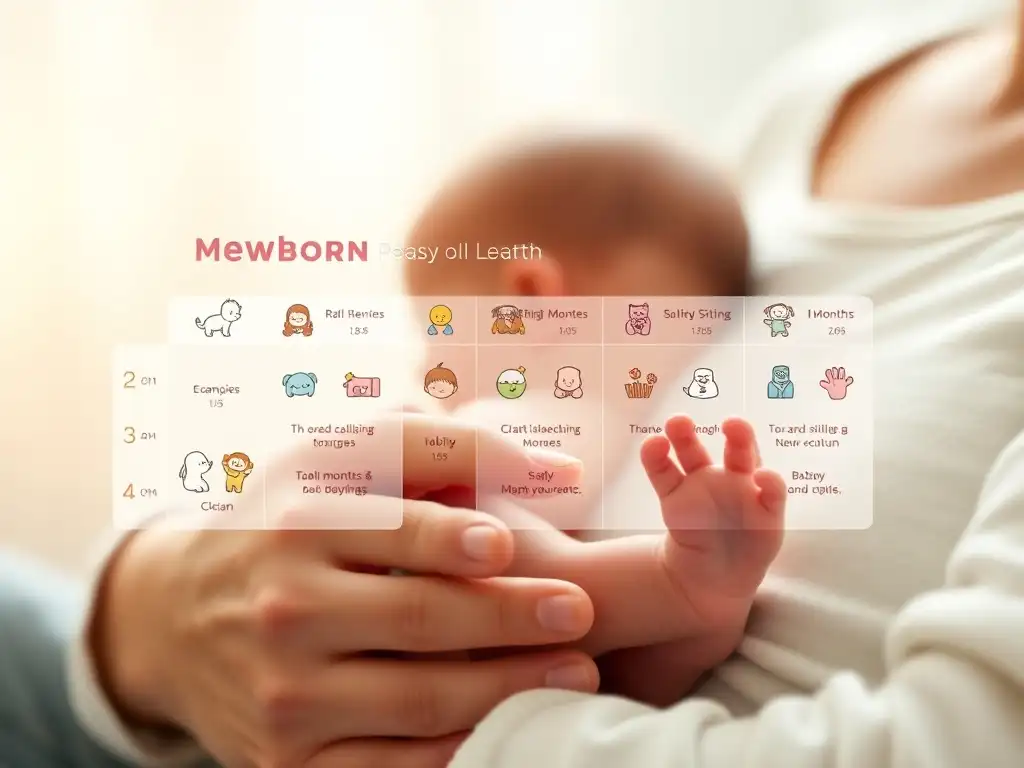
Tracking your baby's development is a rewarding experience, offering insights into their unique journey. A newborn development milestones chart serves as a valuable tool, providing a general guideline for expected progress across various developmental areas. It's crucial to remember that these charts represent averages; individual babies develop at their own pace. While the chart offers a framework, it shouldn't cause undue stress or anxiety.
Interpreting Your Baby's Development: Normal Variations and Concerns
Understanding that babies develop at different rates is key to interpreting a newborn development milestones chart effectively. For example, while some babies might start babbling at 4 months, others might not reach this milestone until 6 months. This doesn't necessarily indicate a problem. However, significant deviations from the expected range, particularly consistent delays across multiple developmental areas, warrant attention.
Consider these examples:
- Gross Motor Skills: Rolling over, sitting unsupported, crawling. A significant delay in achieving these milestones could be a cause for concern. For instance, a baby consistently unable to sit unsupported by 9 months might require further assessment.
- Fine Motor Skills: Reaching for objects, grasping, using pincer grasp. Difficulties with hand-eye coordination or manipulating small objects beyond the expected age range should be noted.
- Language Development: Babbling, responding to sounds, understanding simple words. A lack of vocalizations or lack of response to sounds by 6-8 months could be a red flag.
- Social and Emotional Development: Smiling, engaging in social interaction, showing attachment to caregivers. Consistent withdrawal or lack of engagement might require professional evaluation.
Remember, the chart is a guide, not a rigid standard. Minor variations are perfectly normal. However, consistent delays or regressions in multiple areas should prompt a discussion with your pediatrician. Don't hesitate to voice your concerns, even if they seem minor. Early intervention is key to addressing any potential developmental delays.
When to Seek Professional Advice: Red Flags and Early Intervention
While minor variations in development are common, certain red flags warrant immediate professional attention. These red flags often involve significant delays or regressions in multiple developmental areas. Early intervention is crucial, as it can significantly impact a child's long-term development.
Here's a table summarizing some key red flags:
| Developmental Area | Red Flag |
|---|---|
| Gross Motor Skills | Inability to sit unsupported by 9 months |
| Inability to crawl by 12 months | |
| Significant delays in walking | |
| Fine Motor Skills | Difficulty grasping objects by 6 months |
| Inability to use pincer grasp by 12 months | |
| Persistent clumsiness | |
| Language Development | Lack of babbling by 8 months |
| Limited vocabulary by 2 years | |
| Difficulty understanding simple instructions | |
| Social and Emotional Dev. | Lack of social interaction or engagement |
| Excessive irritability or withdrawal | |
| Failure to bond with caregivers |
Early intervention services offer support and therapies to address developmental delays. These services can include physical therapy, occupational therapy, speech therapy, and developmental specialists. The earlier intervention begins, the more effective it tends to be.
Resources and Support: Finding Help and Guidance for Parents
Parenting a newborn can be challenging, and seeking support is a sign of strength, not weakness. Numerous resources are available to help parents navigate the complexities of newborn development.
- Pediatrician: Your pediatrician is your primary resource for monitoring your baby's development and addressing any concerns. Regular check-ups are essential.
- Early Intervention Programs: These programs provide specialized services for infants and toddlers with developmental delays.
- Parent Support Groups: Connecting with other parents can provide valuable emotional support and practical advice.
- Online Resources: Reliable websites and organizations offer information on child development and parenting. However, always verify the credibility of your sources.
Remember, you are not alone in this journey. Don't hesitate to seek help and support when needed. Early identification and intervention can make a significant difference in your baby's development and overall well-being. A proactive approach will foster a positive and fulfilling experience for both you and your child. 🎉
Creating a Supportive Environment for Optimal Newborn Development
This section focuses on creating a nurturing environment to foster healthy newborn development, aligning with the expected milestones detailed in a Newborn development milestones chart. A supportive environment goes beyond just providing food and shelter; it's about cultivating a space that encourages growth in all aspects – physical, cognitive, and emotional. This involves careful consideration of several key areas, detailed below.
Nutrition and Feeding: Supporting Healthy Growth
Adequate nutrition is paramount for a newborn's physical development. Breastfeeding, when possible, provides optimal nutrition, containing antibodies and nutrients perfectly tailored to the baby's needs. The World Health Organization (WHO) recommends exclusive breastfeeding for the first six months of life. 1 However, formula feeding is a perfectly acceptable alternative for those unable to breastfeed. The key is consistency and ensuring the baby receives sufficient calories and essential nutrients.
Monitoring weight gain is crucial. Regular weigh-ins, often part of the standard newborn health checks, help track growth and identify potential nutritional deficiencies early on. A Newborn development milestones chart often includes weight ranges as a key indicator of healthy development. Signs of inadequate nutrition can include poor weight gain, lethargy, and irritability. Parents should consult their pediatrician if they have any concerns about their baby's feeding or weight.
A crucial element often overlooked is the feeding environment. A calm and relaxed atmosphere promotes better digestion and bonding. Avoiding distractions and creating a comfortable space for feeding sessions are key components of successful nutrition. Consider the temperature of the room, the lighting, and the overall ambiance. Remember, feeding time is also bonding time!
Sleep and Rest: Establishing Healthy Sleep Patterns
Sleep is vital for a newborn's physical and cognitive development. Newborns sleep for approximately 16-17 hours per day, though this is often broken into numerous short naps. Establishing healthy sleep patterns early on is a significant contributor to overall well-being. A consistent sleep schedule – including regular bedtime and wake-up times – can help regulate the baby's circadian rhythm and improve sleep quality.
Creating a conducive sleep environment is essential. This includes a dark, quiet, and cool room. Swaddling can also be beneficial for some newborns, mimicking the feeling of security they experienced in the womb. However, it's crucial to follow safe swaddling practices to reduce the risk of Sudden Infant Death Syndrome (SIDS). A Newborn development milestones chart might not directly address sleep patterns, but consistent, restful sleep is undeniably linked to healthy development.
Understanding sleep cycles is also helpful. Newborns go through several sleep cycles throughout the day, often waking briefly between cycles. Learning to recognize these cycles can help parents respond appropriately and minimize unnecessary interventions that might disturb their baby's sleep. Responding promptly to a crying baby, especially in the early months, is important for building trust and security.
Play and Stimulation: Enriching Your Baby's Environment
Stimulating a newborn's brain development through play is crucial for cognitive growth. This doesn't require elaborate toys; simple activities like talking, singing, and reading aloud can significantly impact development. Visual stimulation, such as hanging mobiles or brightly colored toys, can also engage their attention.
Remember: Always supervise your baby during playtime and choose age-appropriate toys. Avoid small objects that could be choking hazards. A Newborn development milestones chart might highlight developmental stages related to sensory perception and responsiveness to stimuli. These milestones serve as a guide, not a rigid checklist.
Interactive activities, such as tummy time (supervised, of course! ), help strengthen neck and back muscles. Tummy time also encourages head lifting, a key developmental milestone. Simple, tactile activities, like stroking their skin or offering different textures to touch, stimulate sensory development. These early interactions lay the foundation for future learning and cognitive growth. Remember to observe your baby's cues; if they seem overstimulated or tired, take a break. The goal is to create positive and enjoyable experiences.
1 World Health Organization. (2023). Breastfeeding.
Building a Strong Parent-Child Bond: The Importance of Connection
Building a strong parent-child bond is crucial for a newborn's healthy development. This connection provides the foundation for emotional security, social skills, and overall well-being. From the moment your baby is born, skin-to-skin contact, often referred to as kangaroo care, plays a vital role in establishing this bond. This intimate physical closeness regulates your baby's heart rate, temperature, and breathing, promoting a sense of calm and security. The release of oxytocin, the "love hormone," during this contact strengthens the emotional connection between parent and child.
Beyond skin-to-skin contact, consistent and responsive caregiving is paramount. This means attentively responding to your baby's cues, whether it's hunger, discomfort, or simply a need for cuddling. Learning to interpret your baby's cries – distinguishing between hunger cries, pain cries, and fussiness – is a valuable skill. Responding promptly and appropriately teaches your baby that their needs are met, fostering trust and security. This consistent responsiveness helps your baby develop a sense of predictability and reduces feelings of anxiety.
Furthermore, engaging in activities that promote interaction and stimulation is essential. Talking, singing, reading, and making eye contact are simple yet powerful ways to connect with your newborn. Even seemingly mundane activities, like changing diapers or bathing, can be opportunities for interaction and bonding.
Smiling, making funny faces, and engaging in playful babbling all contribute to the development of your baby's social and emotional skills. Remember, every interaction, no matter how small, helps build that crucial parent-child bond. This early connection significantly impacts your baby's emotional regulation, self-esteem, and overall development throughout their life.
It's an investment that pays dividends far beyond the newborn stage. The time and effort you invest in nurturing this bond will lay the groundwork for a strong and healthy relationship for years to come. Consider keeping a journal to document these early interactions and milestones – it's a wonderful way to preserve these precious memories and track your baby's development.
Frequently Asked Questions
What is a newborn development milestones chart?
A newborn development milestones chart is a helpful tool tracking your baby's progress in key areas like physical skills, language, and social interaction. It provides average ranges, not exact predictions, so don't worry about minor variations. Use it as a guide, not a rigid standard.
When should I start using a newborn development milestones chart?
You can begin using a chart from birth. While the first few weeks focus on basic reflexes, tracking early development helps you identify potential concerns early on. Monitoring growth provides valuable insights into your baby's progress.
What are some key developmental milestones to look for in the first few months?
In the first few months, watch for things like lifting their head, reaching for objects, following moving objects with their eyes, and beginning to smile socially. These are significant indicators of healthy development.
My baby isn't meeting all the milestones on the chart. Should I be worried?
Not necessarily. Every baby develops at their own pace. While the chart is a guide, variations are common. However, if you have significant concerns, consult your pediatrician for a professional evaluation.
Where can I find a reliable newborn development milestones chart?
BabyCareHub offers a comprehensive and reliable newborn development milestones chart, along with detailed explanations and additional information to help you understand your baby's progress. You can find it on our website.
Final Reflection: Charting the Course of a Lifetime's Journey
Understanding newborn development isn't just about ticking boxes on a milestone chart; it's about appreciating the breathtaking complexity and incredible potential unfolding before our eyes. Every coo, every grasp, every tentative step represents a monumental achievement in the intricate dance of neurological growth and environmental interaction. This journey, though initially defined by seemingly small changes, lays the foundation for a lifetime of learning, growth, and connection.
Witnessing this unfolding miracle, whether as a parent, caregiver, or simply an observer, is a profoundly humbling experience. The sheer speed and efficiency of a newborn's development is awe-inspiring. The human brain is the most complex structure in the known universe.
This quote, while not specifically about newborns, perfectly encapsulates the wonder and mystery surrounding their rapid development. The impact of early experiences, both positive and negative, on a child's trajectory underscores the importance of nurturing and supportive environments. This understanding shapes not only our interactions with newborns but also informs broader societal approaches to childcare and early childhood education.
Now, consider your own journey. Reflect on the moments of growth and discovery in your own life. How did your early experiences shape who you are today? Take this knowledge, this understanding of the incredible potential within each newborn, and use it to champion the development of the next generation. Advocate for policies that support families, educate yourself on best practices for nurturing young minds, and celebrate the small victories along the way. The journey of newborn development is a testament to the power of life, and by understanding it, we can all contribute to a brighter future.
Unlock Your Baby's Potential: A Journey of Growth
Thank you for joining us on this incredible journey into the world of newborn development! We hope you've gained valuable insights into those precious first months. Now it's time to put that knowledge into action!
- Create a personalized developmental milestone tracker: This will help you celebrate each achievement and easily track your baby's progress, creating a lasting record of their amazing journey.
- Share your experiences and advice: Connect with other parents in our community forum and share your parenting journey – your wisdom and support could be invaluable to another family.
- Explore our resources: Our resources page offers many articles and guides tailored to support your baby's growth. You might discover new approaches that work wonders for you and your little one!
Ready to embark on this exciting adventure? What specific developmental milestone are you most looking forward to witnessing?