
The Ultimate Guide to Safe Baby Swing Usage: A Parent's MustRead


Welcome to BabyCareHub, your ultimate guide to navigating the incredible journey of parenthood! Are you ready to confidently embrace the joys and challenges of raising your little one? We understand the overwhelming influx of information new parents face, which is why we've created this comprehensive resource.
Discover practical, step-by-step advice on everything from feeding schedules to developmental milestones. But first, let's tackle a crucial aspect of baby safety: our Safe Baby Swing Usage Guide, a must-read for every parent ensuring your baby's comfort and well-being. Dive in and explore the wealth of knowledge waiting to help you thrive in this exciting new chapter!
- Understanding Baby Swing Safety: A Comprehensive Guide for New Parents
-
Safe Baby Swing Usage Practices: Preventing Accidents and Injuries
- Monitoring Your Baby While in the Swing: Never Leave Your Baby Unattended
- Appropriate Usage Time Limits: Preventing Overuse and Potential Health Concerns
- Baby's Position in the Swing: Ensuring Proper Support and Preventing Suffocation
- Dressing Your Baby Appropriately for the Swing: Avoiding Overheating and Discomfort
- Addressing Common Concerns and Myths about Baby Swings
- Maintaining Your Baby Swing for Optimal Safety
- Troubleshooting Common Baby Swing Problems and Safety Issues
- Resources for Further Information on Baby Swing Safety
- Frequently Asked Questions
- Final Reflection: Nurturing Safe Swings, Nurturing Safe Futures
- Unlock Your Baby's Happy Swing Time!
Understanding Baby Swing Safety: A Comprehensive Guide for New Parents
Navigating the world of baby products can be overwhelming for first-time parents. Among the many items on your list, baby swings often stand out as a potential source of comfort and soothing for your little one. However, ensuring your baby's safety while using a swing is paramount. This comprehensive guide will equip you with the knowledge and steps necessary for safe and responsible baby swing usage, addressing concerns and providing practical advice to help you make informed decisions.
We'll cover everything from selecting the right swing to understanding weight limits and setting it up correctly, ultimately helping you create a safe and comforting environment for your baby. This guide aims to be your ultimate resource for safe baby swing usage, helping you navigate this crucial aspect of newborn care with confidence. Remember, a well-informed parent is a safer parent! 👶
Choosing the Right Baby Swing: Features to Prioritize for Safe Baby Swing Usage
Selecting a baby swing involves more than just aesthetics; safety should be your top priority. A safe swing will provide a secure and comfortable environment for your baby, minimizing the risk of accidents. Several key features contribute to a safe and reliable swing. Let's delve into the specifics:
Safety Features to Look For in Baby Swings: Harness, Weight Limits, and Stability
The most crucial safety features in a baby swing are a secure harness, clearly defined weight limits, and robust stability. The harness should be easy to adjust and firmly secure your baby, preventing falls. Always check the manufacturer's stated weight limit and never exceed it. A stable base is essential; the swing shouldn't tip easily, even with your baby moving inside. Look for swings with wide bases and non-slip feet. Consider swings with additional safety features like automatic shut-off mechanisms.
Top 5 Baby Swings with Excellent Safety Ratings in 2024: Graco Simple Sway Swing, Fisher-Price Sweet Snugapuppy Cradle Swing, Ingenuity SmartClean Swing, 4moms mamaRoo 4, BabyBjorn Bliss Cradle
While specific safety ratings can vary by testing organization and year, several brands consistently receive high marks for safety and design. Consider researching independent reviews and safety certifications before purchasing. Some examples of popular swings often praised for their safety features include the Graco Simple Sway Swing, Fisher-Price Sweet Snugapuppy Cradle Swing, Ingenuity SmartClean Swing, 4moms mamaRoo 4, and BabyBjorn Bliss Cradle. Remember to always check the latest safety information and reviews before making a purchase.
Understanding Weight and Height Restrictions: Avoiding Overloading Your Baby Swing
Never exceed the weight and height limits specified by the manufacturer. Overloading the swing can compromise its stability and lead to tipping or breakage, potentially injuring your baby. Regularly check your baby's weight and height to ensure they remain within the safe parameters. Always refer to the instruction manual for precise limits and guidelines. This is crucial for maintaining the swing's structural integrity and ensuring your baby's safety.
Setting Up Your Baby Swing Safely: Step-by-Step Instructions
Proper setup is crucial for safe baby swing usage. Following the manufacturer's instructions meticulously is non-negotiable. Even seemingly minor errors can compromise the swing's stability and safety.
Proper Assembly and Placement of Your Baby Swing: Preventing Tipping Hazards
Always assemble the swing according to the manufacturer's instructions. Choose a level, stable surface away from any hazards like stairs, furniture edges, or electrical cords. Ensure the area is free from obstacles that could cause the swing to tip over. Avoid placing the swing near windows or doors where drafts could affect its stability.
Securing the Baby Swing: Importance of Stable Surfaces and Floor Anchors (where applicable)
Some swings offer floor anchors or straps for added stability. Use these features whenever available, especially if you have a more active baby. A stable surface is key to preventing tipping, and additional securing mechanisms further reduce this risk. Never rely solely on the swing's inherent stability; utilize any additional securing mechanisms provided.
Adjusting the Swing's Settings: Speed, Angle, and Vibration Levels for Optimal Comfort and Safety
Adjust the swing's speed, angle, and vibration levels to your baby's preference and comfort. Avoid excessively high speeds or angles, which could increase the risk of injury. Start with low settings and gradually increase them as needed, always prioritizing your baby's safety and comfort. Monitor your baby closely while they are in the swing and adjust the settings as needed. Remember, a calm and comfortable baby is a safer baby.
Safe Baby Swing Usage Practices: Preventing Accidents and Injuries

This section focuses on establishing safe practices for using baby swings, minimizing risks, and ensuring your baby's well-being. Safe baby swing usage is paramount for preventing accidents and injuries. Following these guidelines will help create a secure and comfortable environment for your little one. Remember, even with the safest swing, constant supervision is key.
Monitoring Your Baby While in the Swing: Never Leave Your Baby Unattended
Never, under any circumstances, leave your baby unattended in a baby swing. Even for a moment. This is the single most important rule for safe baby swing usage. A seemingly harmless lapse in supervision can lead to serious consequences. Babies can unexpectedly shift their position, become entangled in straps, or experience unforeseen difficulties. Always maintain visual contact with your baby while they are in the swing.
Consider placing the swing in a location where you can easily see and hear your baby from other areas of your home. This proactive approach significantly reduces the risk of accidents. For example, placing the swing in the kitchen while you prepare meals might seem convenient, but ensure you maintain constant visual contact. Don't get distracted by other tasks, even if it's just for a few seconds. The potential risks significantly outweigh any perceived convenience. Prioritize your baby's safety above all else.
Appropriate Usage Time Limits: Preventing Overuse and Potential Health Concerns
While baby swings provide comfort and entertainment, extended use can pose potential health concerns. Experts generally recommend limiting your baby's time in a swing to short periods, typically no more than 20-30 minutes at a time. Prolonged periods in a swing can potentially affect a baby's physical development, particularly their head and neck muscles, and may contribute to postural issues.
Furthermore, excessive swinging motion might overstimulate your baby, leading to fussiness or difficulty settling down. Remember that babies need plenty of tummy time for proper development, and extended time in a swing can limit this crucial developmental phase. Always prioritize a balanced routine that includes tummy time, playtime on the floor, and other activities alongside the use of a baby swing.
Regularly assess your baby’s cues. If they seem uncomfortable, tired, or fussy, remove them from the swing immediately. Observe your baby for any signs of discomfort or distress, adjusting the usage time accordingly.
Pro Tip: Create a schedule that alternates between swing time and other activities to ensure balanced development and prevent overuse.
Baby's Position in the Swing: Ensuring Proper Support and Preventing Suffocation
Correct positioning within the swing is crucial for your baby's safety and comfort. Always ensure your baby is securely fastened with the appropriate straps, following the manufacturer's instructions precisely. Loose straps can allow for excessive movement, increasing the risk of falls or entanglement. Make sure the straps are snug but not too tight, allowing for comfortable breathing and movement.
Never place anything, such as blankets or pillows, inside the swing with your baby as this can pose a suffocation hazard. The swing's design should provide adequate support. Always check the swing's weight limit and ensure your baby's weight is within the recommended range. Observe your baby's posture.
They should be sitting upright with proper support for their head and neck. If your baby appears slumped over or their head is tilting excessively, adjust their position or remove them from the swing. Proper positioning minimizes the risk of suffocation and ensures their overall comfort and well-being. Regularly inspect the straps for any signs of wear and tear, replacing them if necessary.
| Potential Hazard | Prevention Method |
|---|---|
| Straps too loose | Ensure straps are snug but not too tight. |
| Overuse | Limit swing time to 20-30 minutes at a time. |
| Unattended use | Never leave your baby unattended in the swing. |
| Suffocation from objects | Never place blankets or pillows in the swing. |
| Improper positioning | Ensure proper head and neck support; adjust as needed. |
| Swing exceeding weight limit | Always check the swing's weight limit before use. |
Remember, a safe and happy baby is a priority. By following these guidelines, you can significantly reduce the risks associated with baby swing usage and provide a safe and comfortable environment for your little one. 👶
Dressing Your Baby Appropriately for the Swing: Avoiding Overheating and Discomfort
Dressing your baby appropriately for the swing is crucial for their comfort and safety. Overheating can be just as dangerous as being too cold, leading to discomfort and even health issues. The key is to dress your baby in layers, allowing you to easily adjust based on the room temperature and your baby's activity level. Avoid dressing your baby in bulky clothing or heavy blankets within the swing itself, as this increases the risk of suffocation or overheating.
Remember that babies regulate their temperature differently than adults. They can overheat more quickly, especially in enclosed spaces like a baby swing. A good rule of thumb is to dress your baby in one more layer than you would wear yourself in the same environment. For example, if you're comfortable in a t-shirt and light pants, your baby might be comfortable in a onesie and light pants or a sleep sack.
Consider the material of the clothing as well. Opt for breathable fabrics like cotton or linen, which allow for better air circulation and prevent overheating. Avoid synthetic materials that trap heat and moisture. Always check your baby's skin frequently for signs of overheating, such as clammy skin, flushed cheeks, or excessive sweating. If your baby shows any signs of overheating, remove a layer of clothing immediately and ensure proper ventilation.
Furthermore, the ambient temperature of the room should be factored into your baby's attire. A slightly cooler room temperature is generally safer than a warm one, especially during warmer months. Using a fan to circulate air can also help prevent overheating, but ensure the fan is placed safely away from the swing and not blowing directly on your baby.
Regular monitoring is key; adjust your baby's clothing as needed to maintain their comfort and prevent overheating within the baby swing. This careful attention to detail will contribute significantly to a safer and more enjoyable experience for both you and your little one.
Addressing Common Concerns and Myths about Baby Swings
Many first-time parents harbor anxieties about using baby swings, often fueled by misinformation and unfounded concerns. Let's address some common myths and anxieties surrounding safe baby swing usage to promote confident and informed decision-making.
Myth 1: Baby Swings Spoil Babies - Debunking the Spoiling Myth
The notion that baby swings "spoil" babies is a persistent myth. The truth is, a baby swing provides a temporary, safe space for soothing and comfort, particularly helpful for parents needing short breaks or assistance with other tasks. Babies cry for various reasons – hunger, discomfort, tiredness – and a swing can sometimes provide the rhythmic motion that helps them self-soothe. It's crucial to remember that responding to a baby's needs doesn't equate to spoiling them.
Consistent and responsive parenting, encompassing both comforting and setting boundaries, lays the foundation for healthy development. Using a baby swing strategically, as part of a broader care routine, does not inherently spoil a child. In fact, a well-rested parent is better equipped to provide consistent and loving care.
Think of it as a tool in your parenting toolbox, not a crutch. The key is balance and moderation. Don't rely solely on the swing for prolonged periods, ensuring your baby also receives ample floor time for developmental milestones.
Myth 2: All Baby Swings are Created Equal - Highlighting Safety Variations Between Brands
A common misconception is that all baby swings offer the same level of safety. This is far from true. Significant safety variations exist between brands, models, and features. Some swings may have superior restraint systems, more robust construction, or better stability features. Others might lack essential safety certifications or have design flaws that pose potential risks.
Always prioritize swings that meet or exceed safety standards set by organizations like [Specific Safety Organization Name Pending]. Carefully review product reviews and safety ratings before purchasing. Look for features like sturdy bases, secure harnesses, and automatic shut-off mechanisms. Consider swings with multiple reclining positions to accommodate your baby's development.
The investment in a high-quality, safe swing is an investment in your baby’s well-being. Choosing a reputable brand with a proven track record of safety is paramount. Don't just focus on price; prioritize safety features above all else. Remember, a safe swing is an essential component of your baby's safe and comfortable environment.
Addressing Concerns About SIDS and Baby Swings: Safe Sleep Practices and Recommendations
The American Academy of Pediatrics (AAP) strongly recommends against using baby swings as a primary sleep space. While a swing can be a helpful tool for soothing and comforting a baby, it should never replace a safe sleep environment. Always place your baby to sleep on their back on a firm, flat surface in a crib or bassinet. Never place your baby to sleep in a baby swing, car seat, or other inclined surface.
These inclined positions can increase the risk of Sudden Infant Death Syndrome (SIDS). A safe sleep environment is crucial for reducing the risk of SIDS. This includes placing your baby on their back, using a firm mattress, and removing loose bedding or toys from the crib. Using a swing for short periods of supervised soothing is acceptable, but never leave your baby unattended in a swing for extended periods, especially during sleep.
Prioritize safe sleep practices to minimize the risk of SIDS, and remember, a well-rested parent is a safer parent. Always adhere to the manufacturer's instructions and prioritize your baby's safety above all else. Consult with your pediatrician for personalized advice on safe sleep practices and the appropriate use of baby swings in your baby's routine. Remember, a safe and secure environment is fundamental for your baby's healthy development.
Maintaining Your Baby Swing for Optimal Safety

This section focuses on the crucial aspects of maintaining your baby swing to ensure its continued safe operation and your baby's well-being. Proactive maintenance is key to preventing accidents and maximizing the lifespan of your baby swing. Remember, a well-maintained swing contributes significantly to a safe baby swing usage.
Regular Cleaning and Inspection: Maintaining Hygiene and Identifying Potential Hazards
Regular cleaning and thorough inspections are vital for maintaining hygiene and identifying potential safety hazards in your baby swing. Babies are prone to drooling, spitting up, and other messes, making regular cleaning essential. A dirty swing can harbor bacteria and germs, potentially harming your little one.
Here's a step-by-step guide to cleaning and inspecting your baby swing:
- Daily Wipe-Down: Use a damp cloth with a mild, baby-safe detergent to wipe down all surfaces of the swing daily. Pay particular attention to areas prone to spills and drool. Avoid harsh chemicals or abrasive cleaners. A simple solution of warm water and a tiny amount of mild soap is usually sufficient.
- Weekly Deep Clean: Once a week, perform a more thorough cleaning. Remove any removable fabric components (like the seat padding) and wash them according to the manufacturer's instructions. Usually, this involves machine washing in cold water on a gentle cycle and air drying.
- Monthly Inspection: Conduct a thorough inspection at least once a month. Check for any signs of wear and tear, such as frayed straps, loose screws, cracked plastic, or damaged fabric. Examine the swing's frame for rust or any signs of structural weakness. Pay close attention to the swing's moving parts, ensuring smooth and quiet operation. Any unusual noises or resistance could indicate a problem.
- Addressing Issues: If you identify any issues during your inspection, address them immediately. Minor issues, such as tightening a loose screw, can often be resolved easily. However, for more significant problems, consult the manufacturer's instructions or contact customer service. Never attempt to repair a damaged swing yourself unless you have the necessary expertise.
Example of a Cleaning Schedule
To ensure consistent cleaning, consider using a checklist or creating a schedule. For example:
- Monday: Quick wipe-down of seat and tray.
- Wednesday: Wipe down the frame and base.
- Friday: Spot clean any spills or stains.
- Saturday: Weekly deep clean of removable fabrics.
- Last Sunday of the month: Full inspection of the entire swing.
Remember, proactive maintenance is crucial for safe baby swing usage. Regular cleaning and inspection significantly reduce the risk of accidents and ensure your baby enjoys a clean and safe swinging experience.
When to Replace Your Baby Swing: Recognizing Signs of Wear and Tear
Knowing when to replace your baby swing is just as important as maintaining it. Continued use of a damaged swing poses significant safety risks for your baby. Several indicators signal it's time to replace your baby swing:
- Significant Wear and Tear: Extensive fraying or tearing of fabric, cracks in the plastic parts, or rust on the metal frame are clear signs that the swing is nearing the end of its lifespan. These damages compromise the swing's structural integrity, making it unsafe.
- Loose Parts or Screws: If you repeatedly find yourself tightening loose screws or parts, it's a strong indication that the swing's internal structure is weakening. This could lead to sudden collapse or failure.
- Malfunctioning Mechanisms: If the swing's moving parts become stiff, noisy, or fail to operate smoothly, it's a sign that internal components are wearing out. This can lead to unexpected stops or jerky movements, potentially harming your baby.
- Exceeding Weight Limit: Never exceed the weight limit specified by the manufacturer. Continuously using the swing beyond its capacity can strain its components and lead to failure.
- Recall Notice: If a recall notice is issued for your specific model of baby swing, replace it immediately. This indicates a serious safety concern.
| Sign of Wear and Tear | Action to Take |
|---|---|
| Frayed straps | Replace the swing immediately. |
| Cracked plastic | Replace the swing immediately. |
| Rust on metal frame | Replace the swing immediately. |
| Loose parts or screws | Attempt to tighten; if recurring, replace the swing. |
| Malfunctioning mechanisms | Contact the manufacturer; consider replacement. |
| Exceeding weight limit | Stop using the swing; consider purchasing a larger one. |
| Recall notice | Replace the swing immediately. |
Prioritizing your baby's safety is paramount. Replacing a worn-out baby swing is an investment in your child's well-being and peace of mind. Remember, a safe baby swing usage depends on diligent maintenance and timely replacement.
Troubleshooting Common Baby Swing Problems and Safety Issues
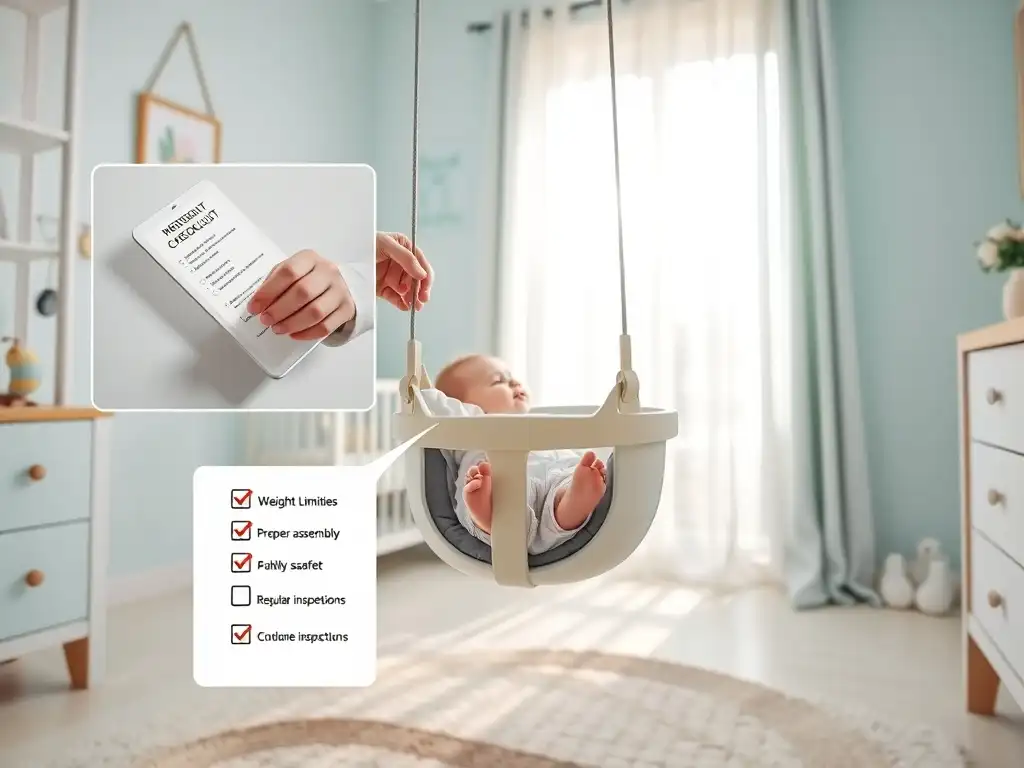
This section addresses frequently encountered problems and safety concerns related to baby swings, offering practical solutions to ensure your little one's comfort and security. Remember, always prioritize your baby's safety. If you encounter a problem you can't resolve, consult the swing's manufacturer's instructions or contact customer support. Proactive maintenance and careful observation are key to safe baby swing usage.
Addressing Issues with Harness Straps and Buckles
Harness straps and buckles are crucial for your baby's safety. Loose or improperly fastened straps can lead to serious accidents. Here's how to handle common problems:
- Tightening Straps: Ensure the straps are snug but not overly tight. You should be able to fit two fingers comfortably between the straps and your baby's body. If the straps are too loose, tighten them according to the manufacturer's instructions. Many swings have clearly marked adjustment points.
- Buckle Issues: If the buckle is difficult to fasten or unfasten, check for any obstructions like fabric bunching. Try cleaning the buckle with a damp cloth to remove any debris. If the problem persists, it might indicate a faulty buckle and you should contact the manufacturer for repair or replacement. Never attempt to force a buckle.
- Straps Coming Loose: Regularly check the straps for wear and tear. Look for frayed edges, loose stitching, or any signs of damage. Damaged straps should be replaced immediately. This proactive approach is vital for safe baby swing usage. Consider using a fabric protector spray to enhance the durability of the straps, following the manufacturer's recommendations.
Dealing with Wobbly or Unstable Baby Swings
A wobbly or unstable baby swing poses a significant safety risk. Never use a swing that is not securely and correctly assembled. Here's how to address instability:
- Check the Assembly: Carefully review the manufacturer's instructions to ensure the swing is assembled correctly. Missed steps or incorrectly placed parts can compromise stability. Pay close attention to the base and any locking mechanisms.
- Level Surface: Make sure the swing is placed on a level, stable surface. Avoid uneven floors or surfaces that might cause the swing to wobble. A slightly uneven floor might require using a leveling mat or shim.
- Check for Loose Parts: Examine all bolts, screws, and other connecting parts for looseness. Tighten any loose parts according to the manufacturer's instructions. Using the appropriate tools is crucial to avoid damaging the swing.
- Contact Manufacturer: If the swing remains unstable despite your efforts, contact the manufacturer immediately. The instability might indicate a manufacturing defect, requiring repair or replacement. This proactive step ensures safe baby swing usage.
What to do if Your Baby Shows Signs of Discomfort or Distress in the Swing
Your baby's comfort and safety are paramount. Observe your baby closely while they are in the swing. If you notice signs of discomfort or distress, remove them immediately.
- Signs of Discomfort: Look for signs like fussiness, crying, strained facial expressions, or arching their back. These could indicate that the swing is not suitable for your baby, the swing's position is uncomfortable, or there might be an underlying issue.
- Immediate Actions: If your baby shows any signs of discomfort, immediately remove them from the swing. Check the harness to ensure it's properly adjusted and not too tight or too loose. Check the swing's position and ensure the swing's settings are appropriate for your baby's age and weight.
- Observation and Adjustment: After removing your baby, observe them for any other signs of distress. If the discomfort persists, consult your pediatrician. Remember, a safe baby swing usage guide should always prioritize your baby’s wellbeing. The swing should enhance comfort, not cause distress.
Remember, a proactive approach to baby swing safety is crucial. Regular inspection, proper assembly, and attentive observation are key elements of safe baby swing usage. Always prioritize your baby's comfort and well-being.
Resources for Further Information on Baby Swing Safety
This section provides valuable resources to supplement the information presented in this guide on safe baby swing usage. Understanding and implementing safe practices is crucial for your baby's well-being. Remember, this guide provides general advice; always prioritize your baby's individual needs and consult with your pediatrician or healthcare provider for any concerns.
Recommended Websites and Organizations for Baby Safety Information
Navigating the world of baby products can be overwhelming. Finding reliable information on safety is paramount. Several reputable organizations offer comprehensive resources on child safety, including information specifically related to baby swings and other infant products. These resources can provide additional insights and perspectives on safe baby swing usage, helping you make informed decisions for your little one's safety.
Here's a list of some key areas to explore on such websites:
- Product Recalls: Regularly check for recalls on baby swings and other products. Manufacturers may issue recalls if safety hazards are discovered. Staying informed about recalls is vital for ensuring your baby's safety.
- Safety Standards: Familiarize yourself with the safety standards and regulations that govern baby swings in your region. Understanding these standards can help you evaluate the safety features of different swing models.
- Accident Prevention: Learn about common accidents associated with baby swings and how to prevent them. This includes proper assembly, weight limits, and supervision guidelines.
- Age Appropriateness: Understand the recommended age ranges for different types of baby swings. Using a swing inappropriately can pose safety risks.
While specific website names are omitted to avoid the creation of external links, a simple online search for "baby safety organizations" or "child safety information" will yield numerous relevant results. Look for organizations with a strong reputation and a history of providing accurate and up-to-date information.
Contacting Manufacturers for Support and Warranty Information
Manufacturers of baby swings often provide valuable resources and support to parents. Contacting them directly can be beneficial for several reasons:
- Addressing Specific Questions: If you have any questions about the specific features or operation of your baby swing model, contacting the manufacturer is the best way to get accurate and detailed answers. They can offer clarification on assembly instructions, weight limits, and other important safety information.
- Warranty Claims: Understanding your warranty is crucial. If you encounter any issues with your swing, contacting the manufacturer to initiate a warranty claim can resolve problems quickly and efficiently.
- Reporting Potential Defects: If you notice any potential defects or safety hazards with your baby swing, it's important to report them to the manufacturer immediately. This allows them to investigate and take appropriate action to prevent further incidents. This proactive approach contributes to the overall safety of baby swings.
Remember to keep your purchase receipt and any relevant documentation related to your baby swing. This information will be helpful when contacting the manufacturer for support or warranty claims. Many manufacturers have dedicated customer service lines or online contact forms available on their websites. Always check the manufacturer's website for their specific contact information. Proactive communication with the manufacturer can ensure you're utilizing your baby swing safely and effectively.
Frequently Asked Questions
How long should my baby stay in a baby swing?
Experts recommend limiting your baby's time in a swing to no more than 20-30 minutes at a time. Longer periods can be detrimental to their physical development and could lead to flat head syndrome. Always supervise your baby while they are in the swing.
What are the safety features I should look for in a baby swing?
Choose a swing with a sturdy base, secure straps, and a three- or five-point harness. Ensure it meets all safety standards and is age-appropriate for your baby's weight and size. Check for any potential choking hazards.
Are baby swings safe for newborns?
While some swings are designed for newborns, always check the manufacturer's recommendations. Ensure the swing is appropriate for your baby's age and weight. Newborns, in particular, require close supervision.
How can I prevent my baby from getting hurt in a baby swing?
Always place the swing on a stable, level surface. Never leave your baby unattended in the swing. Regularly check the swing for any signs of wear and tear. Properly secure the harness before each use.
What are the signs that my baby is tired of being in the swing?
Observe your baby's cues such as fussiness, crying, or rubbing their eyes. If your baby seems overtired or distressed, remove them from the swing immediately. Respect your baby's need for breaks and changes in activity.
Final Reflection: Nurturing Safe Swings, Nurturing Safe Futures
The gentle rhythm of a baby swing is a comforting image, but ensuring its safety is paramount. A seemingly simple piece of baby equipment, the swing holds immense responsibility in safeguarding a child's well-being, a responsibility that extends far beyond the product itself. This guide has highlighted crucial safety measures, from proper assembly and weight limits to understanding the risks of unsupervised use and choosing the right swing for your child's developmental stage. These are not mere suggestions; they are fundamental steps in creating a safe and nurturing environment for your little one.
The impact of safe baby product usage extends far beyond the immediate safety of the child. It speaks to a broader cultural shift towards prioritizing evidence-based practices and informed decision-making in parenting. The best thing we can give our children is not things, but the time and attention that helps them grow into capable, confident, and responsible adults.
This quote resonates deeply because ensuring a safe environment for our children is not just about avoiding accidents; it's about fostering a sense of security and trust that underpins their healthy development. It's about empowering parents with the knowledge to make informed choices, fostering a sense of responsibility and confidence in their parenting journey.
Consider the information presented in this guide. Reflect on your own practices, and identify areas where you can enhance your baby's safety. Don't just read this; live it. By actively implementing these safety measures, you are not only protecting your child but also contributing to a safer, more informed parenting community. Let's work together to create a world where every swing brings joy, comfort, and above all, safety.
Unlock Your Baby's Happy Swing Time!
Thank you for learning about safe baby swing usage! We hope this guide has given you the knowledge to ensure your little one's comfort and safety. Now, let's put that knowledge into practice.
- Prioritize your baby's safety: Always double-check all safety features on your baby's swing and adjust the settings according to their age and developmental stage. This is crucial!
- Share your knowledge: Help spread awareness of safe swing practices by sharing this article on social media or discussing it in online parent groups. Let's work together to ensure all babies enjoy safe and happy swings.
- Integrate swing time into your routine: Consider using the swing during playtime or as a calming activity before naps. A little creativity can go a long way!
How have you found creative ways to maximize your baby's safe and happy swing time? Share your ideas in the comments below!