
Stroller Safety Standards: Ensuring Your Stroller Meets Regulations

Welcome to BabyCareHub, your ultimate guide to navigating the exciting yet sometimes overwhelming world of parenthood. We understand the countless questions that arise when welcoming a new baby, and we're here to provide clear, concise, and comprehensive answers. Are you prepared for the journey? Discover the crucial information you need to make informed decisions, starting with our essential article on Safe Stroller Safety Standards – ensuring your little one's safety from day one. Dive in and explore the wealth of resources available to help you confidently embrace this incredible adventure!
- Understanding Stroller Safety Regulations: A Parent's Guide
- Identifying Safe Stroller Features: What to Look For
- Testing Your Stroller for Safety: A Step-by-Step Guide
- Top-Rated Safe Strollers: Recommendations for 2024
- Common Stroller Safety Myths Debunked
- Resources for Further Information on Stroller Safety
-
Frequently Asked Questions
- What are the key safety standards I should look for when buying a stroller?
- How can I ensure my stroller is properly assembled and used safely?
- What are some common stroller hazards to avoid?
- My stroller has a recall; what steps should I take?
- Where can I find more information on stroller safety regulations?
- Final Reflection: A Legacy of Safe Journeys
- Unlock Worry-Free Walks: Take Action for Stroller Safety Now!
Understanding Stroller Safety Regulations: A Parent's Guide
Choosing the right stroller is a crucial decision for new parents. Beyond comfort and convenience, ensuring your baby's safety is paramount. This guide delves into the often-overlooked world of stroller safety standards, empowering you to make an informed choice and navigate the maze of regulations to select a stroller that meets the highest safety benchmarks. We'll explore key federal and international standards, highlighting the critical features and tests that ensure your little one's safety while they enjoy their rides.
Understanding these standards will help you confidently select a stroller that provides optimal protection and peace of mind, contributing to a safer and more enjoyable experience for both you and your baby. Knowing what to look for will significantly reduce the risk of accidents and injuries, allowing you to focus on the joys of parenthood. Let's explore the world of safe stroller safety standards together!
Key Federal and International Stroller Safety Standards
Choosing a safe stroller involves understanding the different safety standards governing their manufacture and sale. These standards, while varying slightly in their specifics, all aim to minimize risks associated with stroller use. Different countries and regions have their own regulatory bodies and standards, so understanding the relevant standards for your location is crucial. Let's examine some of the most prominent ones:
US CPSC Safety Standards for Strollers
The US Consumer Product Safety Commission (CPSC) sets safety standards for strollers sold in the United States. These standards cover a range of aspects, including:
- Stability: Strollers must meet specific stability tests to prevent tipping. This includes tests on various surfaces and with different weight distributions.
- Strength: The stroller's frame and components must withstand significant stress to prevent collapse or breakage during use.
- Harness System: The harness system must securely restrain the child, preventing falls or ejection from the stroller. Specific requirements exist regarding strap strength and adjustability.
- Warning Labels: Clear and concise warning labels are mandatory, informing parents about proper use and potential hazards.
- Sharp Edges and Points: The design must minimize sharp edges and points that could cause injury to the child.
While the CPSC doesn't publish a single, easily accessible document outlining every specific requirement, their website provides access to relevant reports and enforcement actions which detail specific safety issues and recalls. It's crucial to stay informed about any safety alerts or recalls relating to your stroller model.
European EN 1888 Stroller Safety Standard: A Comparison
The European Standard EN 1888 is a widely recognized standard for strollers and pushchairs in Europe and beyond. It's often considered a benchmark for high safety standards globally. Similar to the CPSC standards, EN 1888 covers:
- Structural Integrity: Rigorous testing ensures the stroller can withstand significant forces and prevent collapse.
- Brake System: The braking mechanism must be reliable and easy to operate, preventing unintended movement.
- Wheel Performance: Tests assess the wheel's performance on various terrains, ensuring stability and maneuverability.
- Harness and Restraint: The harness system must securely hold the child, meeting specific strength and release requirements.
- Toxicity: Materials used in the stroller's construction must meet specific toxicity requirements, ensuring they are safe for the child.
Understanding the differences between EN 1888 and US CPSC standards can help parents compare strollers from different manufacturers and regions, ensuring they meet the highest level of safety for their child.
ASTM International Standards for Juvenile Products
ASTM International develops voluntary consensus standards for numerous products, including juvenile products like strollers. These standards, while not legally mandated in all regions like CPSC or EN 1888, often represent best practices and are frequently referenced by manufacturers aiming for superior safety. These standards often cover aspects similar to those mentioned above, offering another layer of verification for parents seeking the safest possible stroller. Checking whether a stroller meets ASTM standards can provide additional assurance of its safety and quality. The specific tests and requirements within ASTM standards are quite detailed and can be accessed through their website.
Understanding these different standards empowers parents to make informed decisions, prioritizing the safety of their child while selecting a stroller that fits their needs. Remember to always check for any safety recalls or alerts from relevant authorities before and after purchasing your stroller. 👶
Identifying Safe Stroller Features: What to Look For
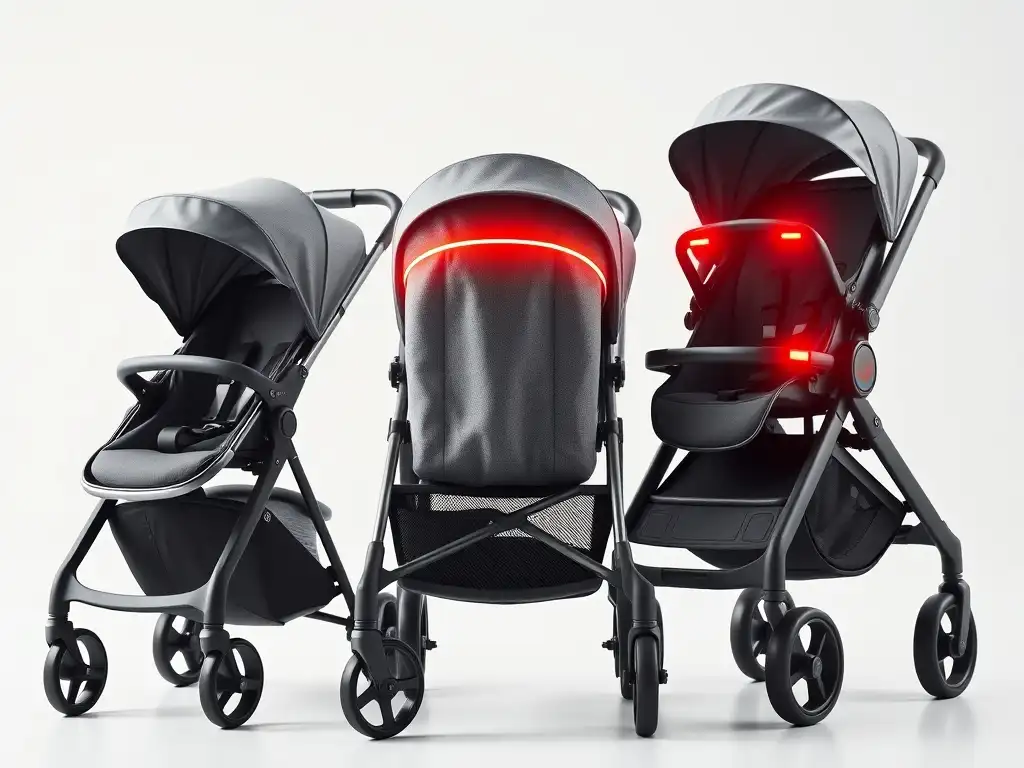
Choosing a stroller is a significant decision for new parents. Beyond aesthetics and convenience, prioritizing safety is paramount. Understanding and adhering to safe stroller safety standards is crucial for protecting your little one. This section delves into the key features indicating a safe and reliable stroller, ensuring your baby's well-being during every stroll. We'll explore essential safety features, focusing on preventing accidents and potential hazards. Remember, a safe stroller is an investment in your child's safety and peace of mind.
Essential Stroller Safety Features: Brakes, Harnesses, and Wheels
This section details the critical components of a safe stroller, focusing on brakes, harnesses, and wheel functionality. These features directly impact your child's security and the overall safety of your stroller's operation. Proper functioning of these elements is essential for preventing accidents and ensuring a smooth, safe ride.
Reliable Brake Systems: Preventing Roll-Away Accidents
A robust braking system is non-negotiable. Look for strollers with easily accessible and highly effective brakes. Ideally, these should be dual-action brakes, engaging independently on both rear wheels. Test the brakes thoroughly before purchase; they should lock firmly and release smoothly. A stroller that rolls unexpectedly, even on a slight incline, presents a significant safety hazard. Consider the brake type – some models offer parking brakes, while others incorporate foot-operated brakes. Choose a system that feels intuitive and reliable to you. Regular brake maintenance and inspection are also crucial for ongoing safe stroller safety standards compliance.
Secure Harness Systems: Preventing Falls and Ejections
The harness is your child's lifeline in the stroller. It must be securely fastened and properly adjusted. Look for a five-point harness (two at the shoulders, two at the hips, and one between the legs) offering a snug and secure fit. The harness straps should be padded to prevent chafing and should adjust easily to accommodate your child's growth.
Ensure the buckle is easy to use but difficult for a small child to undo. Test the harness thoroughly; it should remain firmly in place even when your baby is moving around. Avoid harnesses with frayed straps or damaged buckles. A properly functioning harness is paramount for preventing falls and accidental ejections from the stroller.
Durable Wheels and Suspension: Minimizing Rough-Ride Impacts
Wheel durability and suspension play a crucial role in a smooth and safe ride, particularly over uneven terrains. Sturdy, high-quality wheels minimize the impact of bumps and jolts, reducing the risk of injury to your baby. Look for wheels made of durable materials such as rubber or polyurethane, offering better shock absorption than plastic wheels.
Suspension systems, whether in the wheels or the stroller frame, further enhance the ride's smoothness. Consider the wheel size; larger wheels generally provide a smoother ride over rough surfaces. Regularly check the wheels for wear and tear, ensuring they rotate freely and do not present any safety hazards.
Avoiding Choking Hazards: Preventing Small Parts and Entrapment
Beyond the major components, smaller details can pose significant risks. This section focuses on preventing choking hazards and entrapment risks associated with stroller design and materials.
Checking for Small Parts and Gaps: A Thorough Inspection Guide
Before purchasing any stroller, conduct a thorough inspection for small parts that could detach and become choking hazards. Pay close attention to any small buttons, clips, or decorations. Also, check for gaps or openings where small fingers or toes could get trapped. A detailed examination should include testing all moving parts to ensure they are securely fastened and unlikely to come loose. Remember, even seemingly insignificant parts can pose a significant risk to your baby. Safe stroller safety standards demand meticulous attention to detail.
Understanding Entrapment Risks: Preventing Strangles and Pinch Points
Entrapment is a serious risk in strollers. Examine the stroller carefully for any pinch points where a child's fingers or limbs could become trapped. Pay particular attention to the areas around the folding mechanisms, wheels, and the harness system. Ensure there are no loose fabrics or dangling cords that could cause strangulation.
Properly adjusted and securely fastened harnesses are crucial in preventing entrapment. A safe stroller should be designed to minimize the risk of entrapment in all its moving parts. Prioritize strollers with smooth, rounded edges and well-protected mechanisms. Regularly inspect the stroller for any potential hazards and address them immediately.
Testing Your Stroller for Safety: A Step-by-Step Guide
This section details how to assess the safety of your stroller, both before and after purchase. Understanding and implementing these checks will significantly contribute to your baby's safety and peace of mind. Remember, a safe stroller is a crucial element of safe stroller safety standards.
Pre-Purchase Stroller Safety Checks: Before You Buy
Before you even bring your chosen stroller home, perform a thorough inspection. This proactive approach can prevent potential accidents and ensure your baby's safety from the start. Prioritizing these checks is a key component of adhering to safe stroller safety standards.
Inspecting for Manufacturing Defects: What to Look For
Before purchasing, carefully examine the stroller for any manufacturing defects. Look for:
- Loose screws or bolts: Tighten any loose fasteners before using the stroller. A wobbly stroller is a dangerous stroller.
- Sharp edges or points: These can cause injury to your baby. Feel along all edges and corners.
- Broken or damaged parts: Any cracks, chips, or significant wear on the frame, wheels, or fabric should be cause for concern. A damaged stroller compromises safe stroller safety standards.
- Faulty brakes: Test the brakes thoroughly to ensure they engage and disengage smoothly and securely. Ineffective brakes are a major safety risk.
- Proper functioning of the harness: Make sure the harness buckles and straps are intact and function correctly. A malfunctioning harness could allow your baby to slip out.
A detailed checklist, available from many reputable retailers, can assist you in this process. Remember, a thorough pre-purchase inspection is a vital step in upholding safe stroller safety standards.
Checking Stroller Stability: Preventing Tipping Hazards
Stroller stability is paramount. A tipping stroller can result in serious injury to your child. To check for stability:
- Weight distribution test: Place a weight (similar to your baby's weight) in the stroller seat. Gently push and pull the stroller to assess its resistance to tipping. Note any instability.
- Uneven surfaces test: Test the stroller's stability on uneven surfaces, such as grass or gravel, to simulate real-world conditions. Observe how it handles uneven terrain.
- Folding and unfolding test: Ensure the stroller folds and unfolds smoothly and securely without any unexpected movements or instability.
- Wheel locking mechanism test: Test the wheel locking mechanism to ensure it securely locks the wheels in place, preventing unwanted movement.
Remember, a stable stroller is a safe stroller. Thoroughly testing the stroller's stability is crucial for adhering to safe stroller safety standards.
Post-Purchase Stroller Safety Checks: Regular Maintenance
Even after purchasing a seemingly perfect stroller, regular maintenance and inspections are crucial for continued safety. These post-purchase checks are just as important as pre-purchase inspections. Consistent maintenance helps maintain safe stroller safety standards.
Regular Inspections for Wear and Tear: Identifying Potential Hazards
Regularly inspect your stroller for signs of wear and tear. This includes:
- Fabric condition: Check the stroller's fabric for tears, rips, or fading. Worn fabric could weaken the stroller's structure.
- Wheel condition: Inspect the wheels for any damage, cracks, or excessive wear. Worn wheels can compromise stability and maneuverability.
- Brake functionality: Regularly test the brakes to ensure they remain effective. Brake failure is a serious safety hazard.
- Harness condition: Check the harness straps and buckles for any damage or wear. Replace any damaged parts immediately. A damaged harness can compromise your baby's safety.
Regular inspection is a proactive approach to ensure your stroller consistently meets safe stroller safety standards. A worn-out stroller is a dangerous stroller.
Replacing Worn Parts: Ensuring Continued Safety
When you identify worn or damaged parts, replace them immediately. Do not compromise your baby's safety by continuing to use a damaged stroller. Using original manufacturer parts is recommended to maintain safe stroller safety standards. This ensures the stroller continues to meet the original safety specifications. Delaying repairs puts your baby at risk. Prioritize safety by replacing worn-out parts promptly. Remember, proactive maintenance is key to upholding safe stroller safety standards.
Top-Rated Safe Strollers: Recommendations for 2024
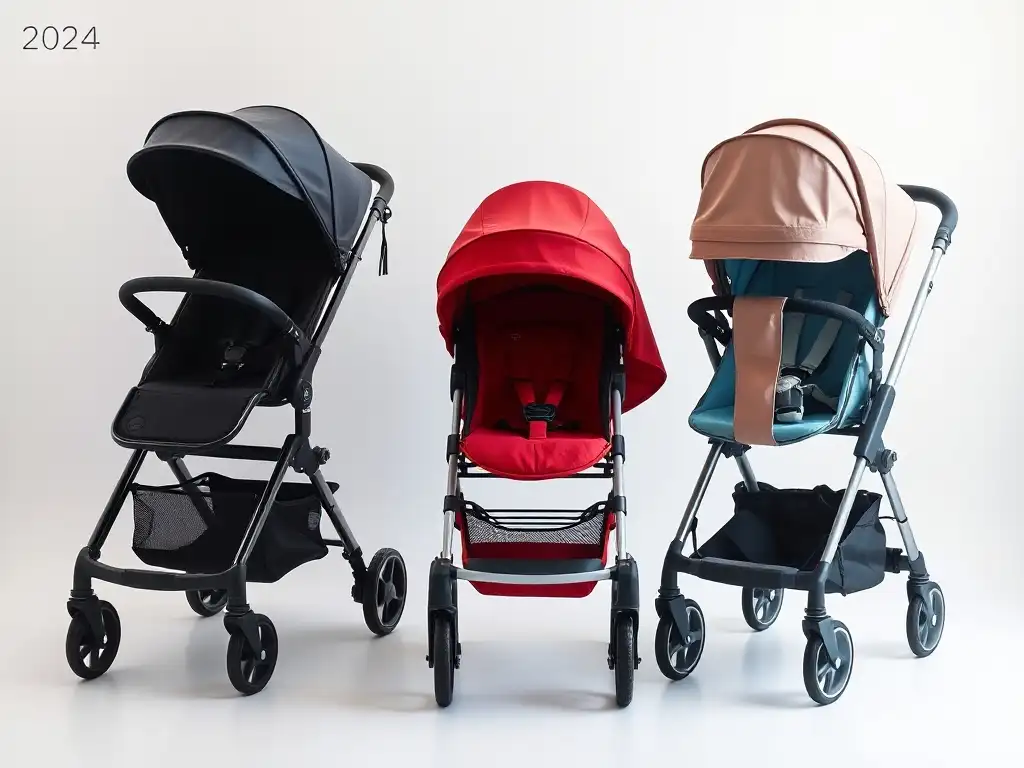
Choosing a stroller is a significant decision for new parents. Prioritizing safety is paramount, and understanding safe stroller safety standards is crucial. This section highlights top-rated strollers for 2024, categorized by price point, ensuring you find a safe and suitable option that aligns with your budget and needs. We'll delve into specific safety features and performance, helping you make an informed choice. Remember to always check the latest safety recalls and advisories before purchasing any stroller. The information provided here is for guidance only and should not replace thorough personal research.
Best Budget-Friendly Safe Strollers: Value Without Compromising Safety
Finding a safe stroller without breaking the bank is entirely possible. Many budget-friendly options incorporate essential safety features. However, it's vital to carefully scrutinize the specifications and reviews before making a purchase. Features like sturdy frames, secure harnesses, and reliable braking systems are non-negotiable, even in budget models. Look for strollers that meet or exceed relevant safety standards.
Budget Stroller Brand 1 Review: Safety Features and Performance
[Specific Budget Stroller Brand 1 Name] often receives positive feedback for its value. Its key safety features typically include a five-point harness, a durable frame constructed from [Material of frame], and a reliable braking system. User reviews often praise its ease of maneuverability and lightweight design. However, some users have noted that the [Specific feature, e.g., canopy] may not offer the same level of sun protection as higher-end models. Further research is needed to determine the exact [Specific data point, e.g., weight capacity] and [Specific data point, e.g., dimensions].
Budget Stroller Brand 2 Review: Safety Features and Performance
[Specific Budget Stroller Brand 2 Name] is another popular budget-friendly option. Its safety features usually include a [Number]-point harness, reflective strips for enhanced visibility, and [Specific safety feature, e.g., an easily accessible brake]. Customer reviews frequently highlight its affordability and practicality. However, some users have reported concerns regarding the stroller's [Specific aspect, e.g., durability] after prolonged use. Further analysis of user reviews and independent testing data is required to fully assess its long-term performance and safety.
High-end strollers often boast advanced safety features and superior build quality. While more expensive, these strollers often prioritize safety and offer enhanced features for a smoother and safer ride. Features like all-wheel suspension, improved shock absorption, and advanced braking systems are common. These features contribute to a more comfortable and secure experience for your baby.
High-End Stroller Brand 1 Review: Advanced Safety Technology
[Specific High-End Stroller Brand 1 Name] is known for its innovative safety technology. It frequently incorporates features such as [Specific safety technology, e.g., advanced suspension systems] to minimize vibrations and ensure a smoother ride. The stroller’s [Specific feature, e.g., reinforced frame] and [Specific feature, e.g., high-quality materials] contribute to its superior durability and longevity. User reviews consistently praise its robust construction and advanced safety features. However, the price point is significantly higher than budget options.
High-End Stroller Brand 2 Review: Top-of-the-Line Safety Features
[Specific High-End Stroller Brand 2 Name] is another premium stroller that prioritizes safety. It often includes features like [Specific safety feature, e.g., a self-standing design] for added stability and [Specific safety feature, e.g., an extra-large canopy] for superior sun protection. The stroller’s [Specific material, e.g., lightweight yet durable aluminum frame] and [Specific safety feature, e.g., easy-to-use locking mechanism] enhance safety and convenience.
User reviews generally confirm the high quality and premium features, but the cost remains a significant factor to consider. A detailed comparison of the safety features across different price points is crucial for making the best decision for your family.
Common Stroller Safety Myths Debunked
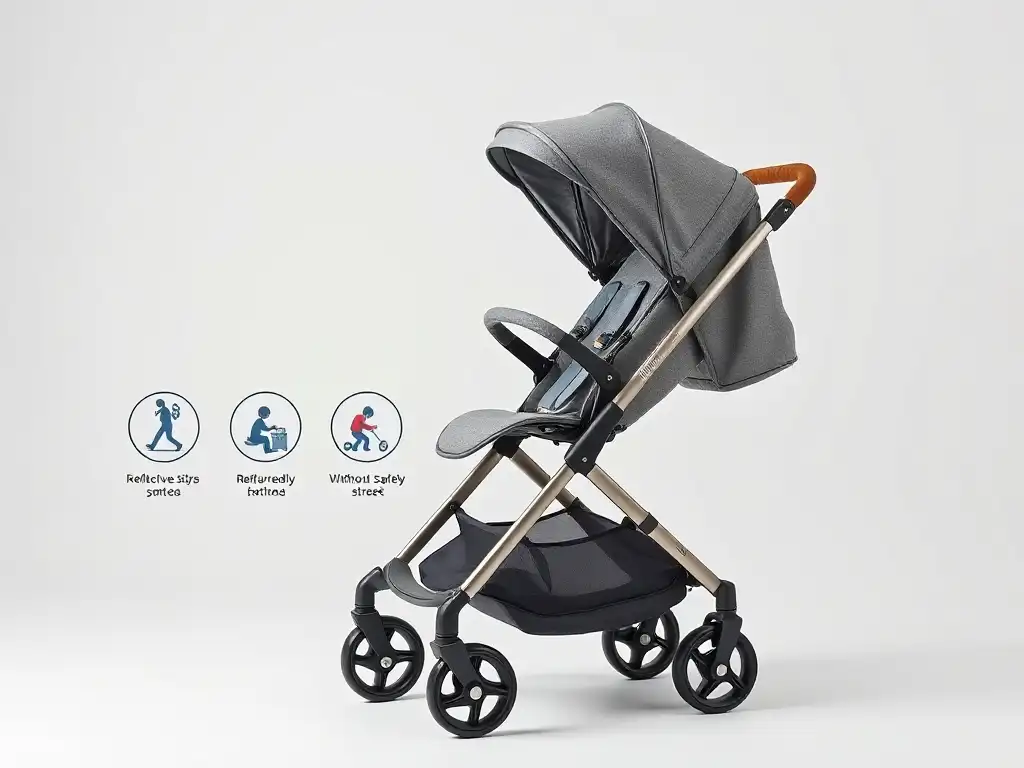
Navigating the world of strollers can be overwhelming for first-time parents. Many myths surround stroller safety, leading to potentially risky choices. Understanding the facts is crucial for ensuring your little one's well-being. This section will debunk some common misconceptions about safe stroller safety standards, empowering you to make informed decisions.
Myth 1: All Strollers Meet the Same Safety Standards
This is demonstrably false. While many countries have regulatory bodies that set minimum safety standards for strollers (like the CPSC in the US or the EU's relevant directives), these standards aren't universally identical, and compliance isn't guaranteed across all manufacturers or markets. Some manufacturers may exceed these minimum standards, incorporating additional safety features, while others may only meet the bare minimum requirements.
The presence of a safety certification sticker doesn't automatically guarantee comprehensive safety; it merely indicates compliance with a specific set of standards, often pertaining to a limited set of tests. Always look for strollers that go beyond basic compliance, featuring elements like robust braking systems, reinforced frames, and comprehensive impact testing data.
Furthermore, the interpretation and enforcement of these standards can vary significantly. A stroller deemed safe in one country might not fully meet the safety criteria of another. Therefore, research country-specific regulations and look for certification marks from reputable testing organizations. The absence of visible certification doesn't necessarily mean the stroller is unsafe, but it does highlight a lack of transparency, making independent research crucial. Consider the stroller's country of origin and research its compliance with relevant standards there. Remember, a sticker is just a starting point; thorough research is key to finding a truly safe stroller.
Myth 2: A More Expensive Stroller is Automatically Safer
Price is not a direct indicator of safety. While higher-priced strollers often include premium materials and advanced features, a hefty price tag doesn't automatically translate to superior safety. Some expensive strollers may prioritize aesthetics or luxury features over robust safety mechanisms. Conversely, many budget-friendly strollers meet or exceed safety standards, demonstrating that affordability doesn't automatically compromise safety.
The key is to focus on the specific safety features rather than the price point. Look for features like a five-point harness, a sturdy frame, reliable brakes, and compliant wheels. Read independent reviews and safety reports, focusing on tests for stability, braking efficiency, and resistance to rollover. Don't let marketing hype cloud your judgment; prioritize objective evidence of safety performance. A well-researched budget stroller can often be a safer option than an overpriced model that lacks critical safety components. Prioritize features over price when choosing a safe stroller for your baby.
Myth 3: Once Assembled, a Stroller is Always Safe
This is a dangerous misconception. Regular inspection and maintenance are crucial for maintaining stroller safety. Wear and tear, loose parts, and accidental damage can compromise a stroller's structural integrity and safety features over time. Even a minor defect, such as a slightly loose wheel or a frayed strap, can significantly increase the risk of accidents.
Regularly check all moving parts, including wheels, brakes, and the folding mechanism. Inspect the harness for any signs of wear or damage. Tighten any loose screws or bolts. Replace worn-out components immediately. Regular maintenance is not just about extending the stroller's lifespan; it’s about ensuring the continued safety of your child.
Think of it as regular car maintenance: essential for preventing accidents. A quick check before each use is a small action that can prevent a major incident. Remember, a seemingly minor issue can quickly escalate into a serious safety hazard. Prioritize regular checks as part of your safe stroller safety standards routine.
Resources for Further Information on Stroller Safety
This section provides you with valuable resources to delve deeper into stroller safety standards and regulations. Understanding these standards is crucial for ensuring your baby's safety and peace of mind. Navigating the world of stroller safety can sometimes feel overwhelming, but having access to reliable information empowers you to make informed decisions. Remember, a safe stroller is a cornerstone of responsible baby care.
Official Websites: CPSC, ASTM, and EN Standards Organizations
Staying informed about the latest stroller safety regulations is paramount. Several organizations worldwide set and maintain these standards. Familiarizing yourself with their websites provides direct access to the most up-to-date information.
- CPSC (Consumer Product Safety Commission): The CPSC, in the United States, is a key player in setting and enforcing safety standards for various consumer products, including strollers. Their website offers detailed information on recalls, safety alerts, and guidelines to help parents choose safe products. They regularly publish reports on stroller-related incidents and provide valuable insights into common hazards. Understanding their recommendations is a crucial step in ensuring your child's safety.
- ASTM International (American Society for Testing and Materials): ASTM International develops and publishes voluntary consensus standards, including those for strollers. Their standards cover various aspects of stroller design, construction, and performance, helping manufacturers create safer products. Accessing their standards documentation can help you understand the technical aspects of stroller safety. Look for standards related to stroller stability, braking systems, and harness strength.
- EN Standards (European Norms): In Europe, EN standards play a critical role in defining stroller safety. These standards are often harmonized with international standards, but understanding the specific EN standards applicable in your region is vital if you are purchasing a stroller manufactured or sold in Europe. These standards provide similar detailed specifications as the ASTM standards.
Parent and Consumer Advocacy Groups: Parent and Consumer Advocacy Group 1, Parent and Consumer Advocacy Group 2
Beyond official regulatory bodies, numerous parent and consumer advocacy groups provide valuable resources and insights. These organizations often conduct independent testing and research, offering unbiased perspectives on stroller safety. Their reports and recommendations can complement the information provided by official sources.
While specific names of parent and consumer advocacy groups are pending [specific information pending], it's crucial to actively search for such groups in your region. Look for organizations with a proven track record of consumer protection and advocacy for children's safety. These groups often provide reviews of different stroller models, highlighting their safety features and potential shortcomings. They might also offer guidance on interpreting safety labels and understanding the significance of different safety certifications. Their independent assessments can be incredibly helpful in navigating the vast array of stroller choices available.
Additional Stroller Safety Tips and Advice from BabyCareHub
BabyCareHub is dedicated to providing you with comprehensive and practical information to ensure your baby's safety. Beyond understanding the official safety standards, here are some additional tips to keep in mind:
- Always follow the manufacturer's instructions: These instructions are crucial and often contain specific safety warnings and usage guidelines tailored to your particular stroller model. Ignoring these instructions can void warranties and, more importantly, compromise your baby's safety.
- Regularly inspect your stroller: Before each use, check for any signs of wear and tear, loose parts, or damage. Addressing minor issues promptly can prevent more significant problems down the line.
- Use the stroller's safety features correctly: Properly using the harness, brakes, and other safety features is essential. Ensure you understand how each feature works and use it correctly every time.
- Keep your baby in view: Never leave your baby unattended in the stroller, even for a short period.
- Choose age-appropriate strollers: Different strollers are designed for various age ranges and sizes. Selecting the correct stroller for your child's age and development stage is crucial.
Remember, proactive safety measures are paramount. By combining knowledge of stroller safety standards with diligent practices, you can create a secure and enjoyable experience for your baby and yourself. Prioritizing "safe stroller safety standards" is an investment in your child's well-being. 👶
Frequently Asked Questions
What are the key safety standards I should look for when buying a stroller?
Look for strollers that meet ASTM F833-18 standards in the US or equivalent international standards. These standards cover aspects like stability, brakes, and harness systems. Always check for certifications and labels.
How can I ensure my stroller is properly assembled and used safely?
Carefully follow the manufacturer's instructions for assembly. Regularly inspect the stroller for wear and tear, tightening any loose parts. Always use the harness correctly and avoid overloading the stroller.
What are some common stroller hazards to avoid?
Avoid using strollers on uneven terrain or near stairs. Never leave your child unattended in a stroller. Be aware of potential choking hazards from small parts or items left within reach.
My stroller has a recall; what steps should I take?
Immediately contact the manufacturer or retailer. Follow their instructions regarding the recall process, which may involve repair or replacement. Do not use the stroller until the issue is resolved.
Where can I find more information on stroller safety regulations?
You can find detailed information on stroller safety standards from organizations like the American Academy of Pediatrics (AAP) and the Consumer Product Safety Commission (CPSC) websites. Check for specific country regulations as well.
Final Reflection: A Legacy of Safe Journeys
The pursuit of safe stroller standards is not merely a matter of regulatory compliance; it's a fundamental commitment to the well-being of our most vulnerable. Every parent's journey begins with a stroller, a seemingly simple device that carries immense responsibility. The information presented in this article underscores the critical need for vigilance and awareness when choosing and using this essential piece of baby equipment. Failing to prioritize safety can have devastating consequences.
The impact of stroller safety standards extends far beyond the individual family; it shapes the very landscape of childhood safety. We've seen how advancements in design and regulation have significantly reduced stroller-related accidents, yet the fight for improved safety continues. The ongoing evolution of stroller technology necessitates constant vigilance and a commitment to staying informed. The best safety device is an informed parent.
This simple truth highlights the importance of understanding the standards and regulations that govern stroller design and manufacturing. This knowledge empowers parents to make informed choices and advocate for safer products.
Consider the legacy you wish to leave behind. Will you be a part of a generation that prioritizes safety, ensuring that every child enjoys a secure and carefree journey? Take the time to research the safety standards of your stroller, and encourage others to do the same. By understanding the regulations and advocating for higher safety standards, we can collectively create a safer world for our children, paving the way for countless safe and happy journeys to come.
Unlock Worry-Free Walks: Take Action for Stroller Safety Now!
Thank you for learning about stroller safety standards! We hope this information helps you make informed choices for your child. Let's put this knowledge into action:
- Prioritize a safety check: Carefully examine your stroller's manual and thoroughly inspect it for wear and tear or potential hazards. This is the first step towards peace of mind.
- Share your knowledge: Help other parents by sharing this information—let's create a safer community for our children!
- Explore further resources: Visit the CPSC website for detailed information on recall notices and up-to-date safety guidelines. You can easily find this website through a web search.
Ready to ensure your child's safety on every walk? What small step will you take today to improve your stroller's safety?