
Stroller Safety Checklist: Essential Tips for Parents

Welcome to BabyCareHub, your ultimate guide to navigating the exciting yet sometimes overwhelming world of parenthood! Are you ready to embark on this incredible journey with confidence? We understand the anxieties that come with caring for a newborn, which is why we've created this comprehensive resource. Discover essential tips and tricks to ensure your little one's safety and well-being, starting with our crucial Safe Stroller Checklist for Parents. Learn how to choose and use a stroller safely, ensuring worry-free adventures from day one. Let's explore together!
Understanding Stroller Safety Standards and Regulations
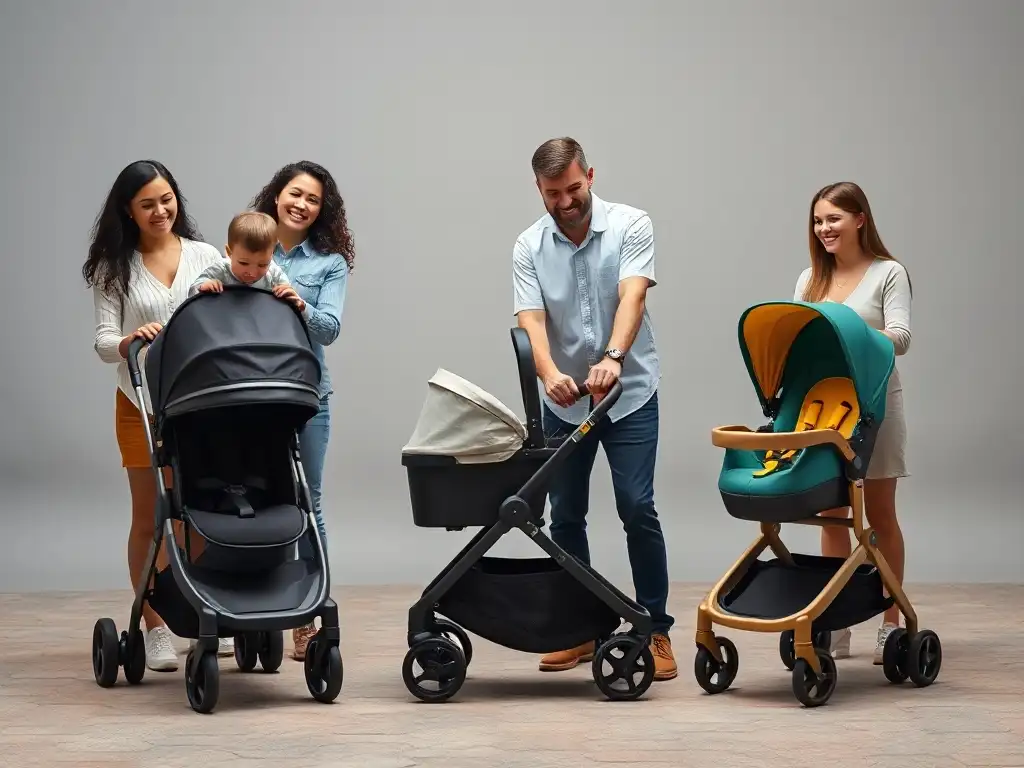
Choosing the right stroller is a crucial decision for new parents, impacting both your comfort and, more importantly, your baby's safety. This comprehensive guide provides a crucial stroller safety checklist designed to help you navigate the world of strollers and ensure your little one's secure and comfortable journey. We'll delve into safety standards, regulations, and practical tips to help you confidently select and utilize a stroller, minimizing risks and maximizing peace of mind.
Navigating the vast array of stroller options available can be overwhelming, but understanding the key safety aspects will empower you to make informed choices and prioritize your baby's well-being. This guide focuses specifically on creating a safe stroller environment for your child, addressing common hazards and providing actionable steps for safe stroller usage.
Key Safety Features to Look For
Selecting a safe stroller begins with understanding the crucial safety features to prioritize. A robust safety checklist should include several key elements. These features are not merely optional extras; they are fundamental to ensuring your baby's safety during walks and outings. Consider these points carefully before making your purchase. Remember, a small investment in safety features can offer immeasurable peace of mind.
- Sturdy Frame and Construction: Look for a stroller made from high-quality, durable materials that can withstand everyday wear and tear. A strong frame is essential for preventing accidental collapses or damage during use. The frame should be resistant to bending or breaking under normal use and weight.
- Secure Harness System: The harness should be easy to adjust and secure, with multiple points of contact to keep your baby snugly in place. A five-point harness is generally recommended, offering superior restraint compared to three-point harnesses. Ensure the straps are padded to prevent chafing and are appropriately sized for your child.
- Large, Swivel Wheels: Large wheels provide better stability and maneuverability, especially on uneven surfaces. Swivel wheels enhance easy navigation, but make sure they have a locking mechanism for added safety on inclines or uneven terrain.
- Adequate Brakes: Reliable brakes are vital for preventing accidental movement when stopped. Check that the brakes are easy to engage and disengage and hold securely. Test them thoroughly before each use.
- Safety Certification: Look for strollers that meet or exceed relevant safety standards, such as those set by organizations like [Specific safety certification organization pending]. This ensures the stroller has undergone rigorous testing and meets specific safety requirements.
Regular Inspection and Maintenance
Even the safest stroller requires regular inspection and maintenance to ensure continued functionality and safety. Neglecting routine checks can compromise the stroller's integrity and potentially put your baby at risk. This section outlines essential steps for ensuring your stroller remains safe and reliable.
- Daily Check: Before each use, perform a quick visual inspection of the stroller. Check the wheels, brakes, harness, and frame for any signs of damage, looseness, or wear and tear. Pay close attention to any moving parts. Replace or repair any damaged components immediately.
- Monthly Check: Once a month, conduct a more thorough inspection. Check all the fasteners and screws to make sure they are tight. Lubricate any moving parts as needed. Clean the stroller thoroughly to remove any dirt, debris, or grime that could compromise its structural integrity.
- Annual Check: Consider a more extensive annual inspection, potentially involving professional servicing if needed. This helps identify and address any potential issues before they become safety hazards. This is particularly important if the stroller has seen extensive use.
- Proper Storage: When not in use, store the stroller in a clean, dry place, away from direct sunlight and extreme temperatures. Proper storage helps to prevent damage and extend the life of the stroller.
Safe Stroller Usage Practices
Beyond the stroller itself, safe usage practices are critical to preventing accidents. Understanding and adhering to these guidelines significantly reduces the risk of injury to your baby. This section provides practical advice for safe and responsible stroller use.
- Never leave your baby unattended in the stroller. Even for short periods, this poses a significant safety risk. Always maintain visual contact with your child.
- Avoid using the stroller near stairs, escalators, or other hazardous areas. These locations pose a high risk of falls or accidents.
- Always use the stroller's safety restraints. Never leave your baby unrestrained, regardless of the terrain or duration of the journey.
- Be mindful of your surroundings. Be cautious of uneven surfaces, potholes, and other obstacles that could cause the stroller to tip or become unstable.
- Keep your baby's fingers and toes clear of moving parts. This is crucial to prevent injuries during use.
- Do not overload the stroller. Exceeding the weight limit can compromise its stability and safety.
- Regularly check the stroller's weight limits. This is especially important as your child grows.
This detailed checklist aims to equip parents with the knowledge and tools necessary to choose and use a stroller safely. Remember, prioritizing your baby's safety is paramount, and a well-maintained and responsibly used stroller is a significant step towards ensuring their well-being.
Frequently Asked Questions
What are the most important safety features to look for in a stroller?
A safe stroller should have a five-point harness to securely restrain your baby, locking front swivel wheels for stability, and adequate brakes to prevent accidental movement. Consider a stroller that meets current safety standards, checking for certifications.
How can I ensure my child is properly secured in the stroller?
Always use the five-point harness, making sure the straps are snug against your child's body and the buckle is securely fastened. Avoid loose clothing that could interfere with the harness. Never leave your child unattended in the stroller.
What are some common stroller hazards to avoid?
Avoid using strollers on uneven terrain or near stairs, and always be mindful of traffic and obstacles. Regularly inspect the stroller for wear and tear, replacing any damaged parts immediately. Never overload the stroller beyond its weight limit.
How do I maintain my stroller for optimal safety?
Regularly check all moving parts, including wheels, brakes, and the harness. Tighten any loose screws or bolts. Clean the stroller regularly to remove dirt and debris that could cause malfunctions. Replace worn-out parts promptly.
What should I do if I think my stroller is unsafe?
Immediately stop using the stroller and contact the manufacturer or retailer. If you suspect a safety defect, report it to the appropriate consumer protection agency. Never compromise your child's safety.
Final Reflection: A Legacy of Safe Journeys
The seemingly simple act of choosing and using a stroller carries a weight far beyond convenience; it's a commitment to the safety and well-being of our most precious cargo. Every click, every adjustment, every precaution taken contributes to a secure and enjoyable journey for both parent and child. The information presented in this checklist is not just a list of items, but a foundation for building a culture of mindful parenting.
The impact of stroller safety extends far beyond the individual family. It shapes our collective understanding of child safety, influencing product design, public policy, and even the way we navigate our urban landscapes. The best safety device is a careful parent,
a saying often heard in parenting circles, underscores the importance of proactive measures and constant vigilance. This article aims to empower parents with knowledge, enabling them to be those careful parents and fostering a safer environment for all children.
Consider this checklist not just a guide for today, but a legacy you build for future generations. Take a moment to reflect on your own stroller practices, and identify areas where you can enhance safety. Empower yourself with knowledge, and share this information with other parents. By working together, we can create a world where every stroll is a safe and joyful experience for every child.
Unlock Your Stroller's Full Safety Potential!
Thank you for prioritizing stroller safety! We hope this checklist empowers you to keep your little one secure and comfortable on every adventure. Let's put that knowledge into action:
- Prioritize a thorough stroller inspection before each use. Meticulously check the brakes, wheels, straps, and buckles. This is crucial for your child's safety.
- Share this vital safety checklist with other parents; let's work together to create a safer environment for our children. A quick email or social media post can make a significant difference.
- Consider attending a local stroller safety workshop or online webinar to enhance your understanding and learn advanced safety techniques.
Ready to make stroller safety a top priority for your family? What's one small step you'll take today to ensure your child's safety?