
Stroller Brakes Explained: Ensuring Your Baby's Safety

Welcome to BabyCareHub, your ultimate guide to navigating the exciting yet sometimes overwhelming world of parenthood! We understand that becoming a first-time parent is a journey filled with questions, and we're here to provide you with the clear, concise guidance you need. Are you ready to learn about crucial safety features that can make all the difference? Then delve into our expert advice on best stroller brakes for safety, a vital element in ensuring your little one's well-being, found within our "Navigating Baby Essentials" section. Let's explore together and equip you with the confidence to embrace this incredible adventure!
- Understanding Stroller Brake Systems: A Parent's Guide
- Choosing the Best Stroller Brakes for Your Needs
- Maintaining Your Stroller Brakes: Safety Checks and Regular Maintenance
-
Frequently Asked Questions about Stroller Brakes and Safety
- Are all stroller brakes created equal? A comparison of different brake technologies.
- How to properly engage and disengage stroller brakes for optimal safety.
- What to do if your stroller brakes fail: Emergency procedures and safety tips.
- The importance of regular stroller maintenance and brake inspections for accident prevention.
- Conclusion: Prioritizing Safety with the Right Stroller Brakes
- Frequently Asked Questions
- Final Reflection: The Unsung Heroes of Safe Strolling
- Unlock Your Stroller's Full Safety Potential
Understanding Stroller Brake Systems: A Parent's Guide
Navigating the world of baby products can feel overwhelming, especially for first-time parents. Choosing the right stroller is a significant decision, impacting your daily routines and, most importantly, your baby's safety. This comprehensive guide focuses on a crucial safety feature often overlooked: stroller brakes. Understanding how stroller brakes work and identifying the best stroller brakes for safety is paramount to ensuring your little one's secure transportation.
We'll delve into the different types of brake systems available, highlighting their features, benefits, and drawbacks to help you make an informed choice. Selecting a stroller with superior braking mechanisms is an investment in peace of mind, allowing you to confidently maneuver your child around various terrains and situations. This guide will equip you with the knowledge to prioritize safety when selecting a stroller, ensuring worry-free walks and outings with your baby.
Types of Stroller Brakes: Twist-and-Lock vs. Step-On Brakes
Choosing the right stroller brake system is crucial for your baby's safety. Two primary types dominate the market: twist-and-lock and step-on brakes. Both offer varying degrees of security and convenience, and understanding their differences is key to selecting the best option for your needs. Let's explore each type in detail.
Twist-and-Lock Brake Systems: Features, Benefits and Drawbacks
Twist-and-lock brakes are a common feature in many strollers. They typically involve a lever or button located on the stroller's handle that, when twisted or pressed, engages the brake.
- Features: Simple mechanism, often located conveniently on the handle.
- Benefits: Generally easy to engage and disengage, requiring minimal effort. Many parents find them intuitive and user-friendly.
- Drawbacks: Can sometimes be accidentally disengaged, especially if not firmly locked. The mechanism may wear down over time, potentially reducing braking effectiveness. They might not be as effective on uneven terrain.
Step-On Brake Systems: Features, Benefits and Drawbacks
Step-on brakes, also known as foot brakes, are activated by stepping on a pedal located near the rear wheels.
- Features: Hands-free operation, ideal when carrying your baby or other items.
- Benefits: Provides a secure locking mechanism, generally less prone to accidental disengagement than twist-and-lock systems. Often more effective on uneven surfaces due to stronger engagement.
- Drawbacks: Requires bending down to engage and disengage the brakes. May be inconvenient for some parents, particularly those with mobility issues. The pedal can sometimes get clogged with debris.
Comparing Twist-and-Lock vs. Step-On: Which is Right for You?
The "best" stroller brake system depends entirely on individual preferences and priorities. Consider the following:
| Feature | Twist-and-Lock | Step-On |
|---|---|---|
| Ease of Use | Generally easier to operate, requires less bending | Requires bending down to operate |
| Accidental Release | More prone to accidental release | Less prone to accidental release |
| Effectiveness on Uneven Terrain | Less effective | More effective |
| Convenience | More convenient for quick stops and starts | More convenient for hands-free operation |
Ultimately, the best choice depends on your lifestyle and personal preferences. Consider testing different brake systems in a store before making a final decision.
Essential Features of Safe and Reliable Stroller Brakes
Beyond the basic type of brake, several other features contribute to a safe and reliable braking system. These features ensure consistent performance and ease of use, adding to the overall safety of your stroller.
Brake Durability and Longevity: Investing in Quality for Long-Term Safety
Investing in a stroller with durable brakes is crucial. A poorly constructed brake system can fail when you need it most, potentially leading to accidents. Look for strollers with robust brake components made from high-quality materials designed to withstand wear and tear. Consider strollers with easily replaceable brake parts for longer-term use.
Brake Responsiveness and Reliability in Various Terrains
The effectiveness of your stroller's brakes should not be compromised by the terrain. A reliable braking system should function consistently on various surfaces, including paved roads, gravel paths, and grassy areas. Test the brakes on different surfaces before purchasing to ensure they perform reliably in all conditions.
Easy-to-Use Brakes: Convenience and Safety for Parents on the Go
A safe stroller brake system should also be user-friendly. The brake mechanism should be easy to engage and disengage, even when you're juggling your baby, diaper bag, and other essentials. Convenience and safety go hand-in-hand, making ease of use a critical factor in selecting the right stroller. Consider the placement of the brake and how intuitive the operation is before purchasing.
Choosing the Best Stroller Brakes for Your Needs
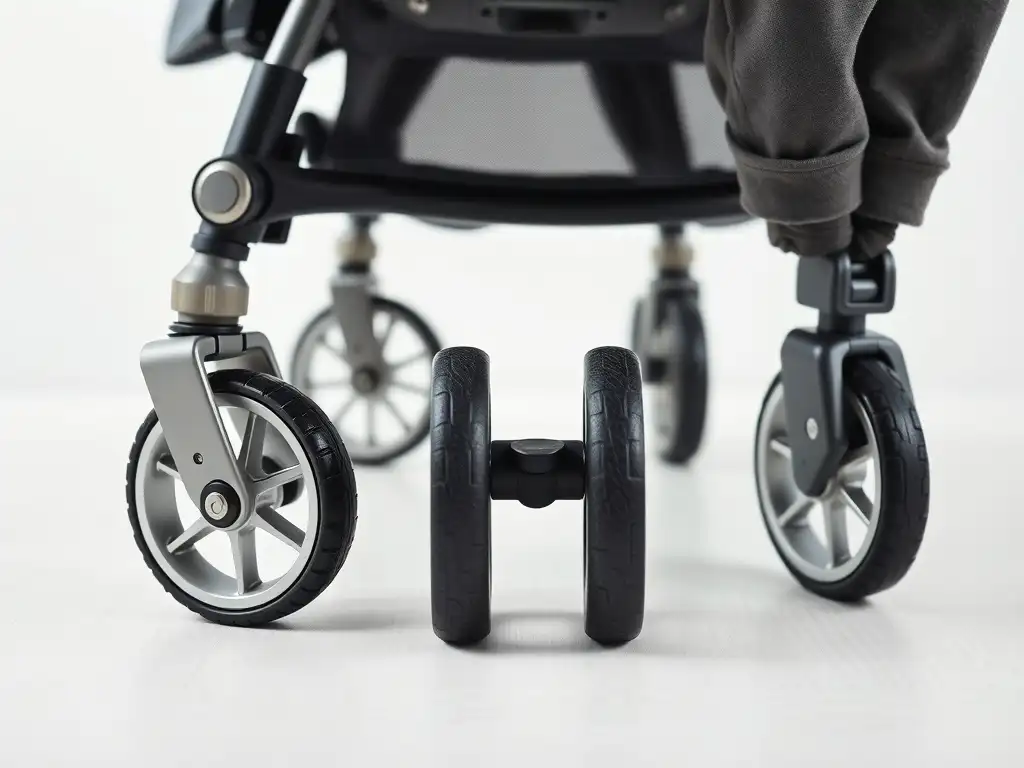
Choosing the right stroller is a crucial decision for new parents, and an often-overlooked aspect is the braking system. The best stroller brakes for safety aren't just about stopping power; they're about providing peace of mind and ensuring your little one's security in various environments. This section delves into the specifics of selecting stroller brakes tailored to your lifestyle and terrain preferences.
Understanding the nuances of brake mechanisms will empower you to make an informed choice that prioritizes both safety and convenience. We'll explore different brake types and their effectiveness, helping you find the perfect match for your needs and ultimately contributing to a safer and more enjoyable strolling experience.
Best Stroller Brakes for City Streets: Maneuverability and Safety in Urban Environments
Navigating busy city streets requires a stroller with responsive and reliable brakes. Unexpected obstacles – potholes, sudden stops, inclines – necessitate a braking system that's quick to engage and effective in preventing accidents. City strollers often prioritize maneuverability, so the brakes need to be easily accessible and operate smoothly without hindering agility. Look for features like:
- Dual-action brakes: These brakes engage simultaneously on both rear wheels, providing superior stopping power and stability, especially on uneven pavements.
- Easy-to-reach brake levers: Conveniently positioned levers allow for quick and effortless braking, crucial in crowded urban settings.
- Durable brake materials: City streets can be harsh on stroller components, so selecting a stroller with robust, wear-resistant brake materials is essential for long-term performance and safety. Consider strollers with reinforced brake mechanisms and high-quality materials.
Recommended Stroller Models with Superior City-Ready Brakes
While specific model recommendations are outside the scope of this section, consider prioritizing strollers with features highlighted above when making your purchase. Look for reviews and comparisons that specifically address the ease of use and effectiveness of the braking system in urban environments. Pay close attention to user feedback regarding braking performance on various surfaces, including cobblestones, inclines, and uneven pavements. Remember, a superior braking system contributes significantly to a safe and comfortable city strolling experience. Prioritize models with positive reviews emphasizing reliable braking performance in urban settings.
Off-road adventures with your little one require a stroller with exceptional braking capabilities. Uneven terrain, inclines, and declines demand a robust braking system that can handle the challenges of nature trails, parks, and other outdoor environments. Features to look for include:
- Powerful, linked brakes: These brakes, typically on the rear wheels, provide superior stopping power on uneven surfaces. A linked system ensures both wheels brake simultaneously, preventing instability and skidding.
- Large, durable wheels: Larger wheels provide better traction and stability, reducing the strain on the braking system and improving overall control.
- Suspension system: A suspension system can significantly reduce the impact of bumps and uneven terrain, minimizing the need for frequent braking and enhancing overall stroller control.
Top-Rated All-Terrain Strollers with Robust Brake Systems
When choosing an all-terrain stroller, research models specifically designed for uneven surfaces. Look for reviews and comparisons that highlight the braking system's performance on varied terrain, such as gravel paths, grassy areas, and gentle inclines. User feedback regarding brake responsiveness and stability on uneven surfaces is invaluable. Pay particular attention to reviews discussing the durability of the brake components under stress. A robust and reliable braking system is paramount for safe and enjoyable off-road adventures with your child. Remember that superior braking contributes to a safer and more confident experience when navigating challenging terrains.
Best Stroller Brakes for Daily Use: Reliability and Ease of Use for Everyday Life
Finding the best stroller brakes for daily use requires considering both reliability and ease of use. You'll be engaging with these brakes frequently, so a smooth, responsive, and durable mechanism is crucial. Think about the terrain you'll be navigating – are you primarily sticking to smooth pavements, or will you be tackling uneven sidewalks, gravel paths, or even light trails? The type of brake best suited for your needs will vary depending on these factors.
A poorly designed or cheaply made brake system can lead to frustration and, more importantly, compromise your baby's safety. Look for brakes that are easy to engage and disengage with one hand, even when you're juggling a diaper bag and a wriggling baby. Features like a simple foot-activated brake or a conveniently placed handbrake that requires minimal effort are essential for everyday use. Durability is also key; the brakes should withstand regular use and exposure to the elements without showing significant wear and tear.
A well-maintained brake system is a vital component in ensuring safe and smooth journeys with your little one. Consider reading reviews to gauge the long-term performance and reliability of different stroller brake systems before making a purchase. Remember, a small investment in a superior brake system can provide peace of mind and significantly improve your overall stroller experience.
Strollers with User-Friendly Brakes for Frequent Use
For parents on the go, user-friendly brakes are paramount. This means brakes that are intuitive, easy to operate with one hand, and require minimal effort to engage or disengage. Many modern strollers feature foot-activated brakes, which are incredibly convenient, especially when you're dealing with a baby in your arms and a plethora of bags. These brakes often consist of a simple lever or pedal located at the rear of the stroller, allowing for quick and easy stopping. However, not all foot brakes are created equal.
Some are notoriously stiff and require a significant amount of force to operate, while others are incredibly responsive and require minimal pressure. Look for strollers with reviews highlighting the ease of use of their foot brakes. Another common option is the handbrake, often located on the handlebar. While handbrakes can provide more precise control, they may be less convenient for one-handed operation. The ideal design will depend on your personal preference and the specific features of the stroller.
Regardless of the type of brake, ensure it's securely fastened and shows no signs of looseness or wear before each use. Regularly inspect the brake mechanism for any damage or potential issues to prevent unexpected malfunctions. Prioritizing ease of use will significantly enhance your daily stroller experience and contribute to a more relaxed and enjoyable journey with your baby. Consider strollers specifically designed for frequent use, as these often prioritize features like responsive and easy-to-use braking systems.
Maintaining Your Stroller Brakes: Safety Checks and Regular Maintenance
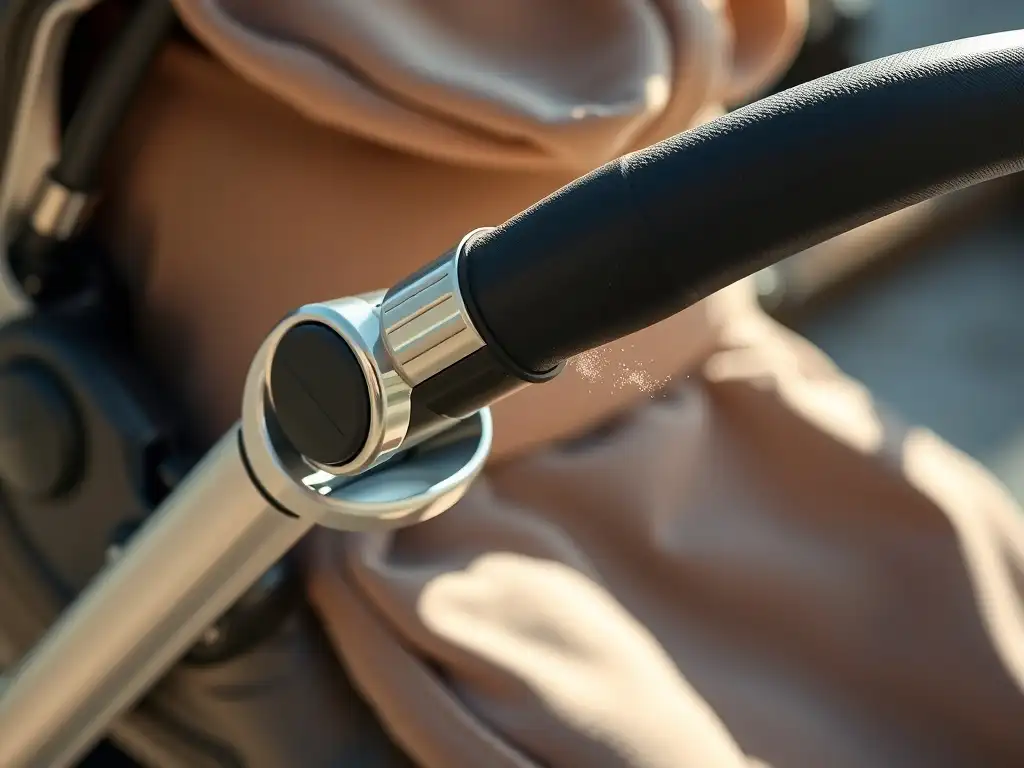
Maintaining your stroller's braking system is crucial for ensuring your baby's safety and the stroller's longevity. Neglecting regular maintenance can lead to brake failure, potentially resulting in accidents. This section details how to perform routine checks and maintenance to keep your stroller's brakes in optimal working condition. Remember, proactive maintenance is key to achieving the best stroller brakes for safety.
Regular Inspection of Brake Components: Identifying Potential Problems Early
Regularly inspecting your stroller's brakes is the first line of defense against potential problems. Aim to perform a visual inspection at least once a month, or more frequently if you use the stroller heavily. Focus on these key areas:
- Brake levers: Check for any signs of wear and tear, cracks, or damage. Loose levers are a major safety concern.
- Brake cables (if applicable): Inspect for fraying, corrosion, or excessive looseness. Tightness is vital for effective braking.
- Brake pads: Examine the pads for wear. Worn pads will reduce braking effectiveness. Look for any significant damage or debris buildup.
- Brake mechanism: Look for any signs of rust, dirt accumulation, or damage to the moving parts. A clean mechanism ensures smooth operation.
- Wheels: Ensure the wheels rotate freely and that there's no obstruction interfering with the brake's engagement.
A simple visual check can often pinpoint problems before they escalate into serious issues. A well-maintained brake system is a key component of ensuring you have the best stroller brakes for safety.
Cleaning and Lubrication of Brake Mechanisms: Ensuring Smooth and Reliable Functioning
Cleaning and lubricating your stroller's brake mechanism is essential for maintaining its smooth and reliable operation. Use a soft brush or cloth to remove dirt, dust, and debris from all brake components. Avoid using harsh chemicals or abrasive cleaners that could damage the brake parts.
For lubrication, a small amount of silicone-based lubricant (specifically designed for moving parts) applied sparingly to the moving parts of the brake mechanism can significantly improve its performance and longevity. Avoid over-lubricating, as excess lubricant can attract dirt and grime. After lubrication, wipe away any excess lubricant with a clean cloth. This simple maintenance task contributes greatly to having the best stroller brakes for safety.
Troubleshooting Common Stroller Brake Issues: Simple Fixes and When to Seek Professional Help
Even with regular maintenance, stroller brakes can sometimes malfunction. This section outlines common problems and their solutions. Remember, if you are unsure about any repair, consult a professional. Prioritizing safety always means choosing the best stroller brakes for safety.
Addressing Common Brake Problems: Step-by-Step Troubleshooting Guide
Here's a step-by-step guide to address some common stroller brake issues:
| Problem | Solution | When to Seek Professional Help |
|---|---|---|
| Brake lever is loose | Tighten the lever using the appropriate tools (usually a wrench or screwdriver). | If tightening doesn't resolve the issue, or if the lever is broken. |
| Brake is not engaging | Check the brake cable (if applicable) for fraying or damage. Clean and lubricate the brake mechanism. Inspect for obstructions. | If the problem persists after cleaning and lubrication. |
| Brake is sticking/dragging | Clean and lubricate the brake mechanism. Check for debris interfering with movement. | If the brake continues to stick after cleaning and lubrication. |
| Brake pads are worn | Replace the brake pads. (Check your stroller's manual for instructions). | If you're uncomfortable replacing the pads yourself. |
| Unusual noises from brakes | Inspect the brake mechanism for loose parts or damage. Clean and lubricate. | If the noise persists after cleaning and lubrication. |
Remember, a well-maintained stroller is a safe stroller. By following these simple maintenance tips and troubleshooting steps, you can ensure your stroller's brakes remain reliable and contribute to your baby's safety. Choosing the best stroller brakes for safety involves both selecting a quality stroller and maintaining it properly. Prioritize regular inspections and don't hesitate to seek professional assistance when needed.
Frequently Asked Questions about Stroller Brakes and Safety
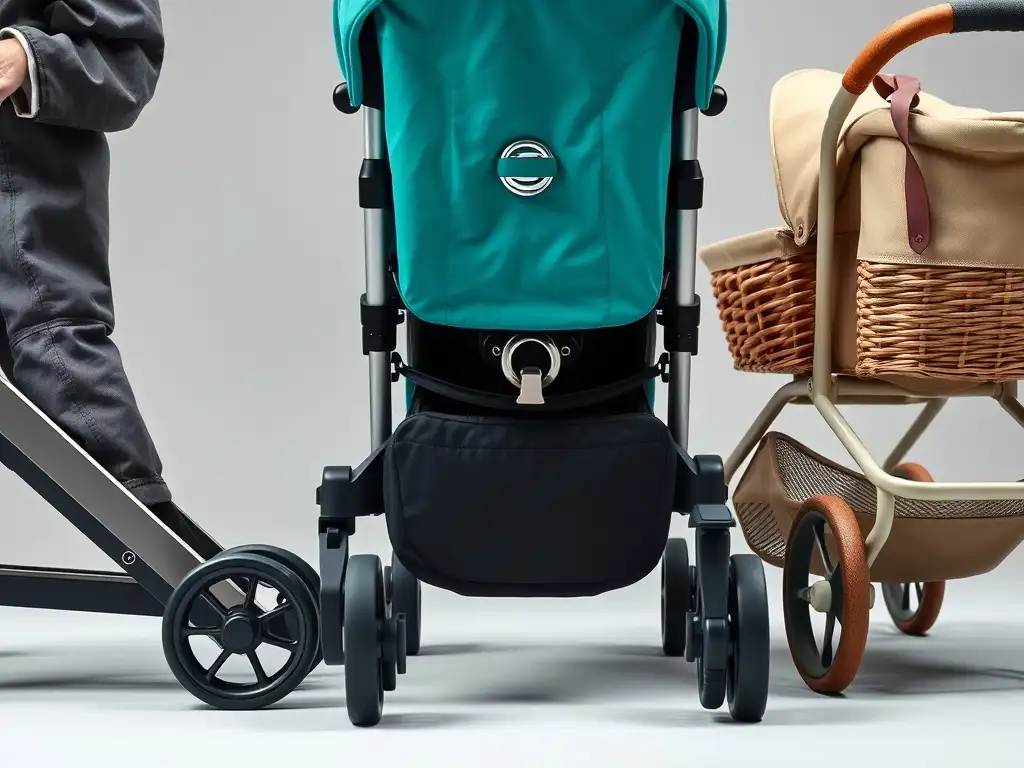
This section addresses common concerns regarding stroller brakes and their crucial role in ensuring your baby's safety. Choosing the best stroller brakes for safety is paramount, and understanding their functionality is key to confident parenting.
Are all stroller brakes created equal? A comparison of different brake technologies.
No, all stroller brakes are not created equal. Different stroller models utilize various brake technologies, each with its own strengths and weaknesses. Understanding these differences is crucial for selecting a stroller that meets your safety needs. Let's examine some common types:
- Twist-Lock Brakes: These are the most common type, often found on budget-friendly strollers. They involve a lever or button that you twist to engage or disengage the brake. While simple to use, they can sometimes be prone to accidental disengagement or wear and tear over time, requiring more frequent checks for secure engagement. Their effectiveness depends heavily on the quality of the mechanism.
- Foot-Activated Brakes: These brakes are activated by pressing a pedal with your foot. This hands-free operation is convenient, especially when managing a baby and other belongings. However, the effectiveness can vary depending on the terrain. Uneven surfaces may impact the brake's ability to fully engage.
- Parking Brake Systems: Some higher-end strollers incorporate sophisticated parking brake systems. These often engage automatically when the stroller is folded, adding an extra layer of security. They might also include features like dual-action brakes for enhanced stopping power on inclines. These systems usually require more detailed instructions and might be more complex to maintain.
The table below summarizes the key differences:
| Brake Type | Ease of Use | Reliability | Maintenance | Cost | Suitable Terrain |
|---|---|---|---|---|---|
| Twist-Lock | High | Moderate | Low | Low | Mostly Flat |
| Foot-Activated | Moderate | Moderate | Low | Moderate | Mostly Flat |
| Parking Brake System | Low | High | Moderate | High | Varied |
Choosing the "best" brake type depends on your priorities. If simplicity and affordability are key, twist-lock brakes might suffice. For enhanced convenience and safety features, consider a foot-activated or parking brake system. Always prioritize a reliable mechanism over convenience.
How to properly engage and disengage stroller brakes for optimal safety.
Proper use of your stroller's brakes is non-negotiable. Always ensure the brakes are fully engaged before leaving your stroller unattended, even for a short period. Here's a step-by-step guide:
- Locate the brake mechanism: Familiarize yourself with your stroller's specific brake type and location. Consult your stroller's manual if necessary.
- Engage the brakes firmly: Apply firm pressure to the brake lever, pedal, or button until you hear or feel a clear indication that the brakes are locked. A slight wobble or resistance indicates insufficient engagement.
- Regularly inspect: Visually inspect the brakes before each use, checking for any signs of wear, damage, or looseness.
- Disengage carefully: When ready to move, carefully disengage the brakes, ensuring they are completely released before pushing the stroller.
Remember, consistent and correct use of the brakes is the most important factor in preventing accidents. Never assume the brakes are engaged; always double-check. Teaching other caregivers, like grandparents or babysitters, the proper procedures is equally vital.
What to do if your stroller brakes fail: Emergency procedures and safety tips.
Stroller brake failure is a rare but serious event. If your stroller's brakes fail, prioritize your baby's safety by taking immediate action:
- Immediately stop pushing the stroller: Avoid sudden movements that could cause injury.
- Find a safe, stable location: If possible, gently guide the stroller towards a flat, stable surface, such as a wall or curb, to slow its momentum.
- Use your body weight: Use your body weight to help control the stroller's descent, but be cautious to avoid injury to yourself or your child.
- Engage alternative safety measures: If available, use any other features of the stroller (such as the wheel locks) to slow it down.
- Assess the situation: Once the stroller is stopped, carefully check your baby for any injuries.
- Contact the manufacturer: Report the brake failure to the stroller manufacturer immediately. This information is vital for product safety improvements.
- Never use a damaged stroller: If the brakes are damaged, do not use the stroller until it has been repaired or replaced by a qualified professional.
Regular maintenance and timely replacement of worn parts are crucial in preventing brake failure. Always choose a reputable brand known for its commitment to safety standards and quality control. Remember, a proactive approach to safety is the best way to protect your child. 👶
The importance of regular stroller maintenance and brake inspections for accident prevention.
Regular maintenance and brake inspections are paramount to ensuring your stroller's brakes function optimally and prevent accidents. Neglecting these checks can lead to brake failure, potentially resulting in serious injury to your child. Think of it like this: just as you'd regularly service your car, your stroller, a crucial piece of baby equipment, needs attention too.
A thorough inspection should be undertaken before each use. This involves visually checking the brake mechanism for any signs of wear and tear, loose parts, or damage. Look for fraying cables, cracked plastic components, or any indication of rust. Pay close attention to the brake lever itself – is it responsive and firm, or does it feel loose or spongy? A spongy feel could indicate a problem with the brake's internal components or a need for lubrication.
Beyond visual inspection, test the brakes rigorously. Engage the brake on a slightly inclined surface to ensure it holds firmly. The stroller shouldn't budge an inch. If it does, there's a problem that needs immediate attention. Consider purchasing a stroller repair kit or consulting a professional repair service. Minor issues, like lubrication or tightening a loose bolt, might be easily resolved at home, but more significant problems should be addressed by experts.
Regular maintenance extends beyond brake checks. Inspect the wheels for proper inflation (if applicable), and check the stroller's overall structural integrity. Loose screws or bolts can compromise stability, potentially affecting brake performance and overall safety. Remember, a well-maintained stroller is a safer stroller. Prioritizing regular inspections and maintenance significantly reduces the risk of accidents caused by faulty brakes. Investing a little time in this crucial step can safeguard your child's well-being and provide peace of mind. The best stroller brakes for safety are those that are regularly checked and maintained.
Conclusion: Prioritizing Safety with the Right Stroller Brakes
Choosing the right stroller is a crucial decision for new parents. While features like maneuverability and style are important considerations, the safety of your child should always be paramount. This is where reliable stroller brakes become essential. Investing in a stroller with robust and responsive braking mechanisms significantly reduces the risk of accidents, providing peace of mind for parents and a secure environment for their little ones.
A well-functioning braking system is not just a feature; it's a critical safety component that contributes to the overall protection of your baby. Remember, a momentary lapse in attention can have serious consequences, emphasizing the importance of a braking system you can depend on. The best stroller brakes for safety are those that are easy to engage and disengage, hold securely on various terrains, and show minimal signs of wear and tear after consistent use.
Investing in safety: The long-term benefits of choosing a stroller with reliable brakes.
The initial cost of a stroller with superior brakes might seem higher, but the long-term benefits far outweigh the price difference. Think of it as an investment in your child's safety and your own peace of mind. The potential costs associated with accidents, even minor ones, can be substantial, including medical expenses and emotional distress.
By choosing a stroller with reliable brakes, you're mitigating these risks significantly. Furthermore, a stroller with durable brakes will likely last longer, saving you money in the long run compared to purchasing a cheaper model that requires frequent repairs or replacement. Consider the potential for reduced stress and anxiety knowing your child is secure and protected.
This translates to a better parental experience, allowing you to enjoy precious moments with your baby without the constant worry of potential mishaps. A safe stroller is an invaluable investment in the overall well-being of your family. The best stroller brakes for safety offer a substantial return on investment, ensuring your child's safety and your family’s peace of mind.
Resources for further information on stroller safety and maintenance.
While this article provides valuable insights into stroller brakes, further research can enhance your understanding and ensure you make the best decision for your family. Several organizations and websites offer comprehensive resources on stroller safety and maintenance. These resources often include detailed safety checklists, maintenance guides, and information on recall notices.
Additionally, seeking advice from other parents and consulting with pediatric professionals can provide valuable perspectives and insights. Remember to always refer to the manufacturer's instructions for specific details regarding your stroller model's brake system and maintenance requirements. Regular inspection and proper maintenance are crucial to ensuring your stroller's braking system remains effective and reliable over time.
Proactive maintenance will not only enhance safety but also extend the lifespan of your stroller. Don't hesitate to seek expert advice if you have any concerns or questions about your stroller's safety features. Prioritizing a thorough understanding of stroller safety and maintenance is a crucial step in ensuring your baby's well-being.
Frequently Asked Questions
What are the most important features to look for in a stroller brake?
A good stroller brake should be easy to engage and disengage, even with one hand. It should also be reliable and durable, providing consistent stopping power in various terrains. Look for brakes that are weather-resistant to ensure they function properly in all conditions.
How do I know if my stroller's brake is working correctly?
Regularly test your stroller's brake by applying it firmly and attempting to push the stroller. It should remain completely stationary. If you notice any slippage or difficulty engaging the brake, have it serviced or replaced.
What types of stroller brakes are available?
Strollers typically feature either rear wheel brakes, hand brakes, or a combination of both. Rear wheel brakes are the most common, while hand brakes offer additional control, especially on slopes. Consider your needs and preferences when choosing.
Are there any safety tips to remember when using stroller brakes?
Always engage the brake whenever you stop, even for a short time, to prevent accidental movement. Regularly inspect your stroller's brake mechanism for wear and tear and replace it as needed. Avoid using the brake excessively or in a way that could damage it.
What should I do if my stroller brake fails?
If your stroller brake fails, immediately stop using the stroller. Contact the manufacturer or a qualified repair shop for assistance. Never attempt to repair the brake yourself unless you have the necessary expertise.
Final Reflection: The Unsung Heroes of Safe Strolling
The seemingly simple stroller brake is, in reality, a critical component of your child's safety, a silent guardian ensuring countless peaceful walks and worry-free adventures. A malfunctioning or inadequate brake system can have devastating consequences, highlighting the urgent need for informed choices and a deeper understanding of this often-overlooked safety feature.
The impact of stroller brake technology extends far beyond the individual family; it reflects a broader societal shift towards prioritizing child safety and demanding higher standards from manufacturers. The best safety device is an informed parent,
a phrase often heard in child safety circles, rings especially true when considering the often-unseen role of a reliable stroller brake. This article's exploration of brake types and functionality aims to empower parents with the knowledge necessary to make informed decisions, contributing to a safer environment for all children.
Consider the countless hours you'll spend strolling with your little one. Imagine the peace of mind knowing that a robust, reliable brake system stands between your precious cargo and potential harm. Take the time to research, compare, and choose wisely. Your diligent selection of a stroller with superior braking capabilities is not just a purchase; it's an investment in the safety and well-being of your child, a testament to your commitment to their protection, and a contribution to a safer world for all families.
Unlock Your Stroller's Full Safety Potential
Thank you for learning about stroller brakes—a crucial aspect of your child's safety! You've gained valuable knowledge to keep your family safe while out and about. Now, let's put that knowledge into practice.
- Prioritize a safety check: Before each use, inspect your stroller's brakes to ensure they are functioning correctly. This quick check could prevent an accident.
- Share this essential safety information: Recommend this article to friends and family to help spread awareness about the importance of properly maintained stroller brakes.
- Explore additional safety features: Review your stroller's instruction manual to familiarize yourself with all available safety features.
Ready to ensure your stroller is truly safe for your child? What other precautions do you take to keep your little one secure while strolling?