
Car Seat Safety and Reclining: How to Get the Right Angle


Welcome to BabyCareHub, your ultimate guide to navigating the exciting yet sometimes overwhelming world of parenthood! We understand that the journey from newborn to toddler is filled with countless questions, and we're here to provide clear, concise answers. Are you ready to ensure your little one's safety from day one? Discover the crucial role of proper car seat recline angle in your baby's well-being and learn how to find the best car seat recline angle for a secure and comfortable ride. Explore our Navigating Baby Essentials section and embark on this enriching journey with us.
Understanding the Importance of Car Seat Recline Angle for Infant Safety
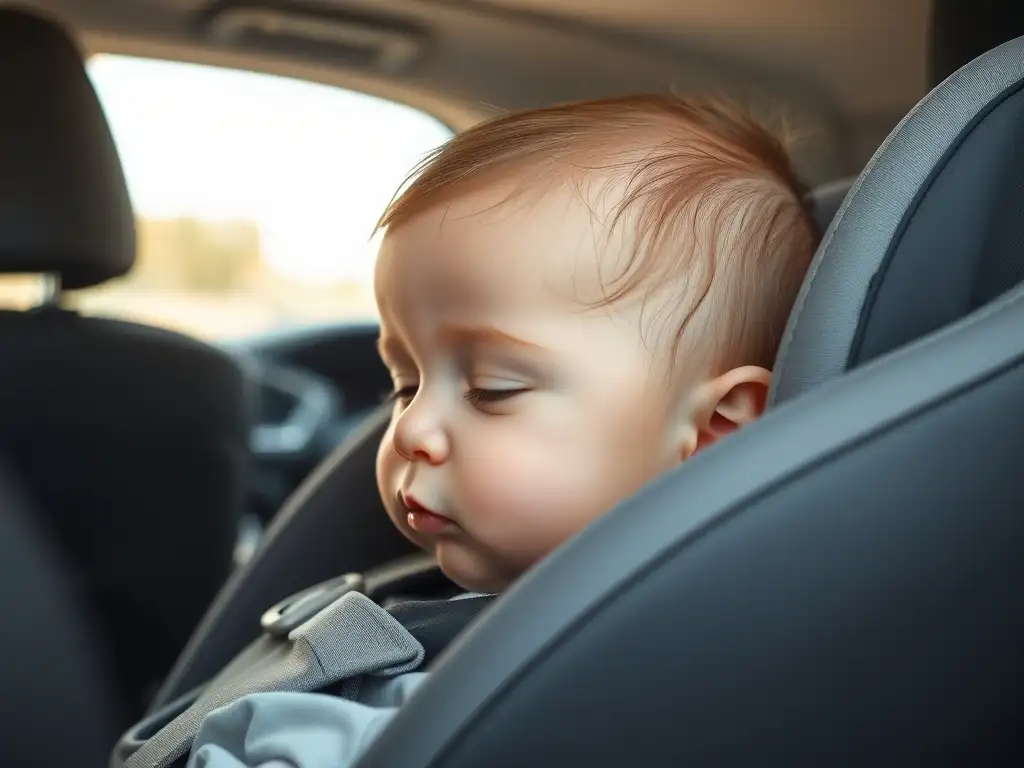
Choosing the right car seat is paramount for your baby's safety, and a crucial element often overlooked is the recline angle. Finding the best car seat recline angle is not just about comfort; it's about significantly reducing the risk of serious injury or even death in the event of a collision. This article provides a step-by-step guide to understanding and achieving the optimal recline angle for your infant car seat, ensuring your little one travels safely and securely.
We'll explore the critical role of proper recline in supporting your baby's delicate head, neck, and spine, particularly in rear-facing car seats, where they spend the most crucial developmental stages of their lives. This guide will help you navigate the often confusing world of car seat angles and ensure your child is traveling as safely as possible.
The Crucial Role of the Recline Angle in Rear-Facing Car Seats
Newborns and infants have proportionally large heads and underdeveloped neck muscles. A correctly reclined rear-facing car seat is crucial for preventing head slumping and ensuring proper support during a collision. When a car stops suddenly, a child's head can move forward with significant force.
If the car seat isn't reclined enough, this forward momentum can cause the head to snap forward, potentially leading to severe neck injuries. The optimal recline angle helps to cradle the baby's head and distribute the impact forces more evenly, minimizing the risk of injury. The angle should be such that the baby's head doesn't slump forward and the body maintains a natural, slightly curved spine.
Think of it like this: imagine trying to support a bowling ball with just your fingertips. That’s what an improperly reclined car seat does to a baby's head. A properly reclined car seat is like using your whole hand and forearm, providing much more support and stability.
Identifying the Correct Recline Angle: Manufacturer's Instructions and Visual Cues
Every car seat manufacturer provides specific instructions on the correct recline angle for their product. These instructions are usually found in the car seat manual and may include visual guides or diagrams. Carefully review these instructions before installing the car seat. Ignoring these guidelines can compromise the safety features of the car seat and put your baby at risk.
Moreover, visual cues can help in determining the right angle. When looking at your baby in the car seat, their head should not slump forward. Their body should maintain a natural, slightly C-curved spine. A good visual check is to ensure that there's a slight curve in their back, mimicking their natural posture when lying down. If their head is falling forward or their body is straight, the car seat needs to be more reclined.
| Indication | Description | Action |
|---|---|---|
| Head slumping forward | Baby's head is falling forward | Recline the car seat further |
| Straight body posture | Baby's body is straight, lacking a C-curve | Recline the car seat further |
| Slight C-curve in the back | Baby's body maintains a natural curve | Recline angle is likely correct |
Common Mistakes to Avoid When Adjusting the Recline Angle
Many parents make common mistakes when adjusting the car seat recline. One frequent error is not reading the manufacturer's instructions thoroughly. Another is relying solely on visual cues without referring to the specific recommendations for their car seat model. Over-reclining the car seat is also a potential problem; it can lead to instability and improper harness fit. Finally, neglecting to check the recline angle after installing the car seat in the vehicle is also a critical oversight. Remember, the car seat's angle might change depending on the car's seat angle.
Remember, a properly reclined car seat is a crucial component of your baby's safety. Always prioritize following the manufacturer's instructions and performing regular checks to ensure the optimal recline angle is maintained. Your baby's safety is worth the effort! 👶 🚗
Frequently Asked Questions
What is the ideal car seat recline angle?
There's no single "ideal" angle. The best recline depends on your child's age, size, and the specific car seat model. Always refer to your car seat's manual for recommended angles based on your child's developmental stage.
How do I know if my car seat is reclined enough?
Your child should be securely positioned with a slight c-curve in their spine. They should not be slumping forward or excessively reclined to the point where their head lolls forward. A proper recline prevents head slumping.
My baby seems uncomfortable; is the recline angle the problem?
It could be. Check your car seat manual for the correct angle for your child's age and size. Other factors like clothing bulkiness or improper harness adjustment could also contribute to discomfort.
What happens if my car seat's recline angle is incorrect?
An incorrect angle can increase the risk of injury in a car accident. It can also lead to discomfort and breathing difficulties for your child. Always prioritize proper installation and angle adjustment.
How can I adjust the recline angle on my car seat?
The adjustment mechanism varies by car seat model. Consult your car seat's manual for specific instructions. Most car seats use levers, straps, or buttons to adjust the recline.
Final Reflection: The Angle of Safety: Protecting Our Most Precious Cargo
The quest for the perfect car seat recline angle isn't just about comfort; it's about life and death. A seemingly small adjustment can significantly impact a child's safety in the event of a collision, underscoring the critical importance of understanding and implementing proper car seat installation techniques. This seemingly simple act of adjusting the recline is a powerful testament to our commitment to protecting our children.
The ongoing evolution of car seat safety standards and the constant influx of new models highlight the dynamic nature of this crucial area. We must remain vigilant, constantly educating ourselves and others on best practices. The best car seat is the one that's installed correctly.
This simple statement encapsulates the core message of this article, reminding us that technical specifications are only as good as their practical application. The responsibility lies with each of us to ensure our children are secured safely and appropriately.
Consider, for a moment, the weight of that responsibility. The next time you buckle your child into their car seat, take a moment to double-check the recline angle. Take the time to ensure you've achieved the optimal position for safety and comfort. This small act, repeated consistently, contributes to a larger movement towards safer roads and a brighter future for our children. Let's make the pursuit of the "best car seat recline angle" a collective commitment to safeguarding the most precious cargo we carry.
Unlock Your Child's Safest Ride: Recline & Thrive!
Thank you for learning about car seat safety and recline angles! We hope you feel confident in keeping your child secure. Ready to put your new knowledge into practice?
- Adjust your car seat's recline: Check the angle to ensure it's correct for your child's age and size, according to the car seat manual. This is crucial for optimal safety.
- Share this vital information: Spread the word among friends and family—their children deserve the safest ride possible!
- Consider joining our BabyCareHub community forum to discuss car seat safety with other parents. You might be surprised by the helpful tips you'll find!
What small adjustment will you make today to improve your child's car seat safety?