
Baby Swing or Bouncer for Reflux: What Experts Recommend


Welcome to BabyCareHub, your ultimate guide to navigating the exciting yet sometimes overwhelming world of parenthood. Are you a first-time parent searching for reliable advice? Then you've come to the right place! We're dedicated to providing clear, step-by-step guidance on everything from feeding schedules to developmental milestones. But first, let's tackle a common concern: discover which baby seat is best for your little one's comfort and well-being if they suffer from reflux. Read on to uncover expert recommendations on choosing the best baby seat for reflux and find the perfect solution to promote healthier, happier sleep.
- Understanding Infant Reflux and Its Impact on Baby Comfort
- Baby Swings for Reflux: Advantages and Disadvantages
- Baby Bouncers for Reflux: Pros and Cons
- Swing vs. Bouncer for Reflux: A Comparative Analysis
- Choosing the Best Baby Seat for Reflux: A Step-by-Step Guide
- Beyond Baby Seats: Additional Tips for Reflux Management
- Frequently Asked Questions (FAQs) about Baby Seats and Reflux
-
Frequently Asked Questions
- What is the best baby seat for a baby with reflux?
- How does an inclined baby seat help with reflux?
- Are all baby swings and bouncers suitable for babies with reflux?
- What other factors should I consider when choosing a baby seat for reflux?
- My baby still seems uncomfortable even with an inclined seat. What should I do?
- Final Reflection: Finding Comfort Amidst the Chaos of Reflux
- Unleash Your Baby's Comfort: Finding the Perfect Solution
Understanding Infant Reflux and Its Impact on Baby Comfort
Infant reflux, also known as gastroesophageal reflux (GER), is a common condition affecting many newborns and babies. It occurs when the stomach contents flow back up into the esophagus, causing discomfort and sometimes distress. While typically harmless, severe reflux can lead to complications, highlighting the importance of understanding its symptoms and effective management strategies.
This article explores the role of baby swings and bouncers in providing comfort and relief for babies suffering from reflux, helping parents navigate this common challenge and find the best baby seat for reflux. We will examine expert recommendations and provide insights into choosing the right seating option to promote a healthy and comfortable environment for your little one.
The goal is to empower parents with knowledge to make informed decisions regarding their baby's well-being and contribute to a more peaceful and enjoyable experience for both parent and child. Choosing the right baby seat can significantly improve your baby's comfort and potentially reduce the frequency and severity of reflux episodes.
Recognizing Reflux Symptoms in Infants
Identifying reflux in infants can be crucial for early intervention and management. While spitting up is common, reflux symptoms can vary in severity. Some babies may only exhibit mild spitting up after feedings, while others might experience more significant distress. Key symptoms to watch for include:
- Frequent spitting up or vomiting
- Arching of the back during or after feeding
- Irritability and fussiness, especially after eating
- Poor weight gain or failure to thrive
- Excessive crying
- Difficulty sleeping
- Apnea (temporary pauses in breathing) 1
It's essential to consult a pediatrician if you suspect your baby has reflux, particularly if they are experiencing significant discomfort or displaying any of the more severe symptoms listed above. A healthcare professional can properly diagnose the condition and recommend appropriate management strategies. Accurate diagnosis and early intervention are key to ensuring your baby's comfort and healthy development.
1 This symptom warrants immediate medical attention.
The Importance of Positioning for Reflux Relief
Proper positioning plays a vital role in managing infant reflux. Keeping your baby slightly upright after feedings can help prevent stomach contents from flowing back into the esophagus. This is where inclined baby seats can be particularly beneficial. An elevated position helps gravity work in your favor, reducing the likelihood of reflux episodes.
However, it's crucial to remember that the incline shouldn't be excessively steep, as this can be uncomfortable for the baby and may even exacerbate the problem. The ideal angle is a gentle incline that provides support without causing strain. The American Academy of Pediatrics provides extensive guidelines on safe sleep practices and positioning for infants, which should always be followed.
How Baby Seats Can Aid in Reflux Management
Baby swings and bouncers, when chosen and used correctly, can offer a supportive and comfortable environment for babies experiencing reflux. The slight incline provided by many models can help alleviate symptoms. However, not all baby seats are created equal. Look for features such as:
- Adjustable recline: This allows you to find the optimal angle for your baby's comfort and reflux management.
- Firm support: A seat with good support will help maintain the upright position and prevent slouching, which can worsen reflux.
- Breathable fabrics: Ensure good ventilation to prevent overheating, especially during warmer months.
- Easy cleaning: Spills and messes are inevitable, so a seat that is easy to clean is essential.
Choosing the best baby seat for reflux involves considering these factors carefully. Remember that while baby seats can aid in reflux management, they are not a cure-all. Consistent adherence to your pediatrician's recommendations, along with proper feeding techniques and positioning, is key to effectively managing infant reflux. Always prioritize your baby's safety and comfort above all else.
Baby Swings for Reflux: Advantages and Disadvantages
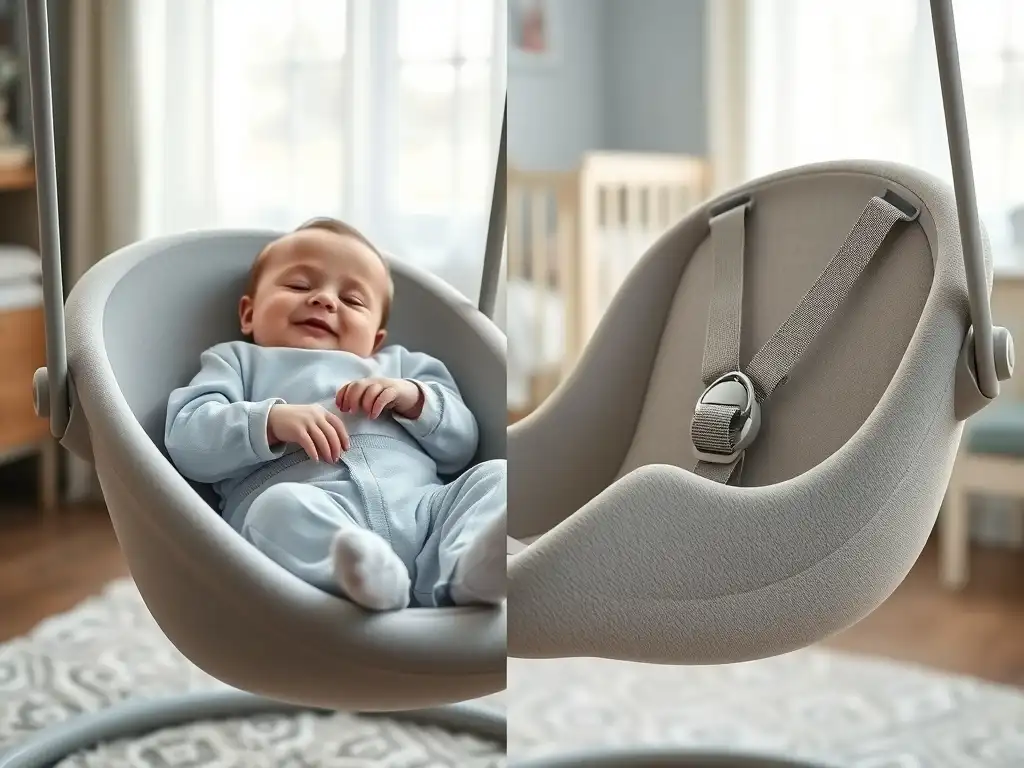
Baby swings, with their gentle rocking motions and often inclined seating positions, can offer significant benefits for babies experiencing gastroesophageal reflux disease (GERD) or reflux. The slight incline helps to keep the stomach contents lower than the esophagus, reducing the likelihood of acid reflux. The rhythmic motion can also soothe a fussy baby, potentially distracting them from discomfort. However, it's crucial to understand both the advantages and disadvantages before making a purchase. Choosing the best baby seat for reflux requires careful consideration of your baby's specific needs and preferences.
Top 3 Baby Swings for Reflux Relief in 2024
Finding the right baby swing can make a world of difference in managing your baby's reflux. Here are three top contenders known for their features beneficial for reflux-prone infants:
4moms mamaRoo 4.0: Features, Benefits, and Price Analysis
The 4moms mamaRoo 4.0 is frequently cited as a top choice among parents dealing with reflux. Its unique five distinct motions, mimicking parental movements, offer a variety of soothing options. The adjustable recline positions allow parents to find the optimal angle for their baby's comfort, crucial for reflux management. The built-in sounds and Bluetooth connectivity add extra layers of soothing capabilities.
- Key Features: Five unique motions, adjustable recline, Bluetooth connectivity, built-in sounds, plush seat.
- Benefits for Reflux: The adjustable recline allows for an inclined position, reducing reflux occurrences. The soothing motions can calm a fussy baby, distracting from discomfort.
- Price Analysis: The 4moms mamaRoo 4.0 is positioned in the higher price range for baby swings, reflecting its advanced technology and features. However, many parents consider the investment worthwhile for the benefits it provides.
Fisher-Price Soothing Motions Swing: Inclined Seat Design and Reflux Management
The Fisher-Price Soothing Motions Swing is another popular option known for its inclined seat design, which is particularly helpful in managing reflux. Its multiple swing speeds and soothing vibrations add to its appeal. The swing's compact design makes it suitable for smaller spaces.
- Key Features: Multiple swing speeds, soothing vibrations, inclined seat, various calming sounds.
- Benefits for Reflux: The inclined seat helps to keep stomach contents down, minimizing reflux episodes. The gentle vibrations and sounds can further soothe the baby.
- Price Analysis: The Fisher-Price Soothing Motions Swing falls into a mid-range price point, offering a good balance of features and affordability.
Ingenuity SmartClean Swing: Vibration and Sound Features for Soothing
The Ingenuity SmartClean Swing stands out due to its easy-to-clean design, a significant advantage for parents dealing with messy situations. It features multiple swing speeds, vibration settings, and calming sounds. While the incline may not be as pronounced as some other options, the soothing features can still help manage reflux symptoms.
- Key Features: Multiple swing speeds, vibration settings, calming sounds, easy-to-clean design.
- Benefits for Reflux: The soothing vibrations and sounds can help distract and calm the baby, reducing the frequency of reflux-related discomfort. The easy-to-clean feature is a significant practical advantage.
- Price Analysis: The Ingenuity SmartClean Swing usually sits within the mid-range price bracket, offering a good value proposition.
Potential Drawbacks of Using a Swing for Reflux
While baby swings can be beneficial for reflux management, it's important to be aware of potential downsides:
- Over-reliance: Excessive use of a swing can hinder the development of other important skills like tummy time and independent sleep. It's crucial to use the swing strategically and not as a primary solution for all discomfort.
- Positional Plagiocephaly: Prolonged use of a swing, particularly if the baby is always positioned in the same way, can increase the risk of positional plagiocephaly (flat head syndrome). Regular changes in position and tummy time are vital.
- Safety Concerns: Always follow the manufacturer's instructions carefully and ensure the swing is properly assembled and used. Never leave a baby unattended in a swing.
- Cost: Baby swings can be a significant investment, adding to the overall cost of baby essentials.
Remember, a baby swing should be considered a supplementary tool to help manage reflux, not a cure-all. Always consult with your pediatrician for personalized advice on managing your baby's reflux. They can provide guidance on the optimal positioning and duration of swing use, ensuring your baby's safety and well-being. A holistic approach, combining positional strategies with dietary adjustments and medical advice, is often the most effective way to address reflux.
Choosing the Right Swing: Key Features to Consider for Reflux Babies
Selecting a baby swing for a baby with reflux requires careful consideration of several key features. The wrong swing can exacerbate symptoms, while the right one can provide much-needed comfort and support. Parents should prioritize swings that offer optimal positioning and minimize the risk of increased reflux.
One crucial aspect is the swing's incline. Ideally, the swing should allow for an elevated position, keeping the baby's head slightly above their stomach. This helps to prevent stomach acid from flowing back up the esophagus. Look for swings with adjustable recline settings, allowing you to find the perfect angle for your little one. Many modern swings offer multiple incline positions, catering to different needs and preferences. Some even provide detailed instructions on achieving the optimal angle for reflux management. Remember to always consult your pediatrician for personalized recommendations regarding the ideal incline for your baby.
Another important factor is the swing's vibration and motion. While gentle vibrations can be soothing, excessive or jarring movements can trigger reflux episodes. Opt for a swing with adjustable vibration settings or the option to disable vibrations altogether. Similarly, consider the type of swing motion.
Some swings offer a gentle side-to-side rocking motion, while others provide a more vigorous up-and-down bounce. The side-to-side motion is generally preferred for babies with reflux, as it is less likely to disrupt their digestion. Always monitor your baby's reaction to the swing's motion and adjust accordingly. If you notice any discomfort or increased reflux symptoms, immediately stop using the swing and consult your pediatrician.
Finally, the material and design of the swing also play a role. Choose a swing with a comfortable and breathable fabric to prevent overheating, which can sometimes worsen reflux symptoms. The swing should also be easy to clean, as spills and spit-up are common occurrences with babies, particularly those with reflux. Look for easy-to-wipe surfaces and removable, washable fabrics. A supportive and well-padded seat is also essential for maintaining proper posture and minimizing pressure on the baby's abdomen. Consider the overall weight capacity of the swing to ensure it can comfortably accommodate your baby's growth.
The best baby seat for reflux prioritizes comfort and proper positioning. Careful consideration of these features will significantly contribute to your baby's well-being and comfort. Remember that every baby is different, and what works for one might not work for another. Observe your baby's reactions closely and adjust the swing's settings as needed to find the most comfortable and effective position.
Baby Bouncers for Reflux: Pros and Cons
Baby bouncers, often touted as a convenient way to soothe and entertain infants, can offer certain advantages for babies with reflux. However, it's crucial to understand both the potential benefits and drawbacks before choosing a bouncer for your little one. The key lies in selecting a bouncer with the right features to minimize the risk of worsening reflux symptoms. This section will explore the pros and cons, focusing specifically on what makes a bouncer suitable for a baby experiencing gastroesophageal reflux disease (GERD).
Best Baby Bouncers with Adjustable Recline for Reflux
The most significant factor when considering a bouncer for a baby with reflux is the ability to adjust the recline. A more upright position can exacerbate reflux, while a semi-reclined or inclined position can help keep stomach contents down. Here are a few examples of bouncers known for their adjustable recline features and suitability for babies with reflux:
Nuna Leaf Grow: Ergonomic Design and Reflux Support
The Nuna Leaf Grow is often praised for its ergonomic design and gentle rocking motion. Its adjustable recline is a key feature, allowing parents to find the optimal angle to alleviate reflux symptoms. The bouncer's lightweight and portable design also makes it easy to move around the house, providing flexibility for parents. Many users report that the Leaf Grow's ability to keep their baby slightly elevated helps significantly with reflux. However, individual experiences may vary, and parental observation remains crucial.
BabyBjorn Bouncer Bliss: Firm Support and Elevated Seating
The BabyBjorn Bouncer Bliss offers firm support and an elevated seating position, which can be beneficial for babies with reflux. The slightly inclined position helps prevent stomach acid from flowing back up the esophagus. The bouncer's simple design and easy-to-clean fabric are also practical advantages for parents. While it lacks the wide range of recline adjustment found in some models, its gentle elevation can still provide relief for some infants with mild reflux. Remember to always consult your pediatrician for personalized advice.
Graco DuetSoothe Swing and Bouncer: Compact Design and Easy Storage
The Graco DuetSoothe offers a unique two-in-one design, functioning as both a swing and a bouncer. While the swing mode might not be ideal for reflux due to the motion, the bouncer mode, with its adjustable recline, offers a potentially beneficial option. Its compact design and easy storage make it a space-saving choice for smaller homes. While not specifically designed for reflux, the adjustable recline feature offers some degree of customizability to help manage symptoms. However, the suitability of this model depends heavily on the severity of the reflux and the baby's individual needs.
Limitations of Bouncers in Reflux Management
While bouncers can be helpful in managing some reflux symptoms, it's crucial to understand their limitations. A bouncer is not a cure for reflux and shouldn't replace medical advice or treatment. Some limitations include:
- Limited effectiveness for severe reflux: Bouncers are unlikely to provide significant relief for babies with severe or complicated reflux. In these cases, medical intervention is essential.
- Potential for discomfort: If the bouncer isn't properly adjusted or the baby is positioned incorrectly, it could worsen reflux symptoms.
- Not a replacement for upright positioning after feeding: While a bouncer can be helpful during playtime, it shouldn't replace the recommended upright positioning after feeding to aid digestion.
- Individual variations: The effectiveness of a bouncer varies greatly depending on the baby's individual reflux severity and other factors. What works for one baby may not work for another.
Choosing the best baby seat for reflux requires careful consideration of your baby's specific needs and the features of the bouncer. Always prioritize medical advice from your pediatrician and closely monitor your baby's comfort and well-being while using any baby seat. Remember to consult your healthcare provider before making any decisions about managing your baby's reflux.
When a Bouncer Might Not Be Suitable for Reflux
While baby bouncers offer a degree of comfort and upright positioning that can sometimes help with reflux, they aren't a universal solution and might even exacerbate the issue in certain situations. A bouncer's inherent design, while aiming for comfort, may not always be ideal for babies with severe reflux. The slight incline, while often beneficial, can sometimes lead to increased pressure on the stomach, potentially worsening the reflux symptoms.
This is especially true if the bouncer doesn't offer adjustable recline positions. A baby who is already struggling with frequent spitting up might find that the bouncing motion, even on a gentle setting, further agitates their digestive system. The constant slight jarring could increase pressure within the stomach and esophagus, leading to more frequent and forceful reflux episodes.
Furthermore, the positioning in some bouncers may not be optimal for all babies with reflux. Some bouncers maintain a fairly upright position, which, while helpful in some cases, can also hinder the natural gravitational flow that aids in digestion. A more inclined position, closer to a semi-reclined state, might be more effective for some infants with reflux.
Observing your baby's reactions is key; if you notice increased discomfort or more frequent spitting up after using the bouncer, it might be best to reconsider its use or explore alternative supportive positioning methods. Remember, every baby is unique, and what works for one might not work for another. Always prioritize your baby's comfort and consult with your pediatrician if you have concerns about the efficacy or safety of using a bouncer for your reflux-prone baby.
They can offer personalized advice based on your baby's specific needs and condition. Don't hesitate to seek professional guidance; it's crucial for ensuring your little one's wellbeing.
Swing vs. Bouncer for Reflux: A Comparative Analysis

This section delves into the key distinctions between baby swings and bouncers, specifically focusing on their suitability for infants with gastroesophageal reflux disease (GERD), often simply called reflux. Understanding these differences is crucial for parents seeking the best baby seat for reflux. We will analyze design features and their impact on a baby's posture, a critical factor in managing reflux symptoms.
Key Differences in Design and Functionality
Baby swings and bouncers, while both designed to soothe and entertain infants, differ significantly in their design and functionality. These differences directly influence their effectiveness in managing reflux.
Swings typically feature a suspended seat that moves back and forth, often with adjustable speeds and vibration settings. This motion can sometimes help soothe a fussy baby, but the rocking motion might exacerbate reflux in some infants by increasing stomach pressure. The angle of the seat in a swing varies widely between models; some offer more upright positions, while others are more reclined. Choosing a swing with adjustable recline is therefore paramount for reflux management.
Bouncers, on the other hand, are generally stationary seats with a springy base or vibration feature. They usually provide a more stable and less dynamic environment. The incline of a bouncer is also a key consideration. A bouncer with adjustable recline allows parents to find the optimal angle to minimize reflux. Many bouncers also offer additional features like toy bars, providing distraction and entertainment.
| Feature | Baby Swing | Baby Bouncer |
|---|---|---|
| Motion | Rocking/Swinging | Stationary/Vibration |
| Stability | Less stable | More stable |
| Recline | Variable, often adjustable | Variable, often adjustable |
| Reflux Impact | Potentially exacerbates; depends on angle | Generally less likely to exacerbate |
Choosing between a swing and a bouncer requires careful consideration of your baby's individual needs and the specific features offered by each model.
Impact on Baby's Posture and Reflux Symptoms
The primary concern when choosing seating for a baby with reflux is the impact on their posture. An upright position is generally recommended for babies with reflux, as it helps gravity keep stomach contents down. However, excessively upright positions can also be uncomfortable.
A swing, depending on its recline setting, might not always maintain the optimal angle for reflux management. The constant motion can also lead to increased pressure on the stomach, potentially worsening symptoms. Some babies might tolerate the motion well, while others might experience increased discomfort. This highlights the importance of observing your baby's reaction to the swing.
Bouncers generally offer a wider range of recline options, allowing you to find a position that keeps your baby comfortably upright without causing undue pressure. The stationary nature of the bouncer also contributes to its suitability for reflux babies, providing a stable and predictable environment. However, ensure the bouncer is well-padded to support your baby's head and neck, preventing strain.
Expert Recommendations Based on Individual Needs
There is no one-size-fits-all answer to whether a swing or bouncer is better for a baby with reflux. Pediatricians and other child health experts often recommend a case-by-case approach. The best choice depends on several factors, including the severity of the reflux, your baby's individual preferences, and the specific features of the swing or bouncer.
Consider these points:
- Severity of Reflux: For babies with mild reflux, a bouncer with adjustable recline might suffice. For more severe cases, a consultation with a pediatrician is crucial before purchasing any baby seat. They can provide specific guidance based on your baby's condition.
- Baby's Preferences: Observe your baby's reactions to both types of seats. Does your baby seem more comfortable and content in one over the other? This is a valuable indicator.
- Seat Features: Look for adjustable recline angles, comfortable padding, and sturdy construction in both swings and bouncers. Additional features like vibration or music can also help soothe a fussy baby.
Ultimately, the best baby seat for reflux is the one that keeps your baby comfortable, upright (but not excessively so), and minimizes reflux symptoms. Prioritize careful observation of your baby and seek professional advice when needed. Remember, a parent's intuition is invaluable in this process. 👶
Choosing the Best Baby Seat for Reflux: A Step-by-Step Guide
This section provides a detailed guide to selecting the best baby seat for your little one, specifically addressing the needs of babies with reflux. Choosing the right seat can significantly improve your baby's comfort and potentially reduce reflux episodes. Remember, always consult your pediatrician before making any significant changes to your baby's routine or using any new equipment.
Assessing Your Baby's Specific Needs and Reflux Severity
Understanding your baby's individual needs and the severity of their reflux is crucial in choosing the right seating solution. Not all reflux is created equal; some babies experience mild discomfort, while others face more significant issues. The type of reflux (silent reflux, gastroesophageal reflux disease or GERD) also influences the choice of baby seat.
Several factors need careful consideration:
- Frequency and Intensity of Reflux Episodes: How often does your baby spit up? Is it just a small amount after feedings, or is it forceful and frequent? More severe reflux may require a seat with more upright positioning.
- Baby's Age and Development: Newborns have different needs than older infants. A newborn may need a more supportive and reclined seat, while an older infant might benefit from a seat that allows for more upright positioning.
- Other Medical Conditions: Does your baby have any other health issues that might influence the choice of baby seat? For example, babies with hip dysplasia may require specific types of seating.
- Your Baby's Preferences: Observe your baby's reactions to different positions. Does your baby seem more comfortable in an upright or reclined position? This can provide valuable insights.
For instance, a baby with severe reflux might benefit from an inclined baby seat that keeps them elevated, reducing the likelihood of stomach contents flowing back into the esophagus. Conversely, a baby with mild reflux might find comfort in a standard bouncer with adjustable recline options. Careful observation and communication with your pediatrician are key.
Considering Budget and Available Space
The best baby seat for reflux isn't necessarily the most expensive one. Budget constraints are a reality for many parents. However, safety and functionality shouldn't be compromised. Consider these factors:
- Price Range: Baby seats range widely in price. Set a realistic budget before you start shopping. Look for sales and discounts to maximize your purchasing power.
- Features: Prioritize features that directly address your baby's reflux. For example, an adjustable incline is far more valuable than extra toys or fancy designs if your baby suffers from reflux.
- Space Requirements: Measure the space available in your home before purchasing a baby seat. Some seats are bulkier than others. Ensure it fits comfortably into your living space without creating clutter.
- Durability and Longevity: A durable seat can last longer, potentially saving you money in the long run. Look for sturdy construction and high-quality materials.
Consider creating a simple table to compare different options:
| Feature | Option A (e.g., Rock-n-Play) | Option B (e.g., Bouncer) | Option C (e.g., Inclined Seat) |
|---|---|---|---|
| Price | $[Price A] | $[Price B] | $[Price C] |
| Space Required | [Dimensions A] | [Dimensions B] | [Dimensions C] |
| Incline Adjust | Yes/No | Yes/No | Yes/No |
| Weight Capacity | [Weight A] | [Weight B] | [Weight C] |
Remember, prioritizing features that directly address your baby's reflux needs often outweighs less crucial features.
Safety Precautions When Using Baby Seats for Reflux
Safety should always be the top priority when using any baby seat. Even with a seat designed to alleviate reflux symptoms, certain precautions are essential:
- Always supervise your baby: Never leave your baby unattended in a baby seat, even for a short period.
- Proper harness usage: Ensure that the harness is properly fastened and adjusted to provide a secure fit. A loose harness could lead to your baby slipping out.
- Surface stability: Place the baby seat on a stable, level surface to prevent tipping.
- Avoid placing near hazards: Keep the seat away from curtains, cords, and other potential hazards.
- Regular inspection: Regularly inspect the seat for any signs of wear and tear. Replace it if necessary.
- Follow manufacturer's instructions: Always read and follow the manufacturer's instructions carefully. This includes weight limits, age recommendations, and cleaning instructions.
Using a baby seat to help manage reflux is a helpful tool, but it's crucial to prioritize your baby's safety above all else. Regular monitoring and adherence to safety guidelines are essential. Remember, a safe and comfortable environment is crucial for a healthy baby. 👶
Integrating the Baby Seat into Your Daily Routine
Integrating a baby swing or bouncer into your daily routine can significantly ease the challenges posed by reflux. However, it's crucial to do so thoughtfully and safely. Remember, the goal is to provide comfort and support, not to solely rely on the seat as a solution for reflux. A multifaceted approach, encompassing dietary adjustments and positioning techniques, is often most effective.
One effective strategy is to incorporate the baby seat into post-feeding routines. After feeding your baby, gently place them in the swing or bouncer, maintaining an upright or slightly inclined position. This helps prevent the stomach contents from flowing back up the esophagus. The gentle rocking motion can also soothe your baby and aid digestion. Aim for at least 30 minutes of upright positioning after each feed, adjusting the time based on your baby's individual needs and tolerance.
Consider incorporating the baby seat into playtime activities. While supervised, your baby can enjoy playtime in the seat, allowing you to engage with them without constantly holding them. This offers a break for both you and your baby, especially during times when reflux symptoms might be more pronounced. However, always ensure the baby is appropriately secured and never leave them unattended.
Remember to observe your baby's cues. If they seem uncomfortable or distressed in the seat, remove them immediately. The baby seat should be a source of comfort, not additional stress. Regularly check the baby's position to ensure they are properly supported and not slumped over. Adjust the seat's recline as needed to find the most comfortable angle for your baby.
Finally, don't over-rely on the baby seat. While it can be a valuable tool in managing reflux, it is not a replacement for other essential care practices, such as burping your baby frequently and ensuring they are fed in a comfortable position. A balanced approach, combining the baby seat with other strategies, will yield the best results. Remember to consult with your pediatrician for personalized advice and guidance on managing your baby's reflux. They can assess your baby's individual needs and recommend the most suitable course of action.
Beyond Baby Seats: Additional Tips for Reflux Management

Choosing the right baby seat is a crucial step in managing reflux, but it's only one piece of the puzzle. A supportive seat can help alleviate some discomfort, but a holistic approach is key for effective reflux management. This section delves into complementary strategies that, when combined with the right seating, can significantly improve your baby's comfort and well-being. Remember, always consult your pediatrician before making any significant changes to your baby's routine or care. This information is for educational purposes and does not constitute medical advice.
Dietary Adjustments and Feeding Techniques for Reflux Babies
Dietary changes can play a significant role in reducing reflux symptoms. For breastfed babies, mothers might need to consider eliminating certain foods from their diet, such as dairy, soy, or highly acidic foods, to see if it alleviates the baby's symptoms. This process often involves a trial-and-error approach, meticulously tracking the baby's reactions to specific foods. For formula-fed babies, switching to a hypoallergenic or specialized formula designed for reflux may be beneficial. These formulas often contain ingredients that are easier to digest and less likely to trigger reflux.
Beyond diet, feeding techniques are equally important. Smaller, more frequent feedings can be less taxing on a baby's digestive system. Keeping your baby upright for at least 30 minutes after feeding can also help prevent reflux. Burping frequently during and after feedings is crucial to release trapped air that can contribute to discomfort. Experimenting with different feeding positions, such as holding your baby upright or in a semi-upright position, can also provide relief. Some parents find that using a feeding pillow helps to maintain the optimal feeding angle.
Consult a Pediatrician for Personalized Advice on Reflux Management
While the information provided here offers valuable insights, it's absolutely crucial to consult a pediatrician for personalized advice on managing your baby's reflux. Every baby is unique, and what works for one may not work for another. A pediatrician can accurately diagnose the severity of the reflux, rule out other underlying conditions, and recommend the most appropriate treatment plan. They can also help address any concerns you may have and provide reassurance.
Don't hesitate to reach out to your pediatrician if you have any questions or if your baby's symptoms worsen. Early intervention is key to ensuring your baby's comfort and healthy development. Remember, seeking professional medical advice is not a sign of weakness, but rather a demonstration of responsible parenting. They can guide you on the best approach, including dietary modifications, medication, and other management strategies tailored to your baby's specific needs.
Understanding Medication Options for Severe Reflux Cases
In some cases, dietary adjustments and positional therapies may not be sufficient to manage severe reflux. Your pediatrician might recommend medication to help reduce the acidity of stomach contents or improve the function of the lower esophageal sphincter (LES), the muscle that prevents stomach acid from flowing back into the esophagus. These medications are typically prescribed only when necessary and are carefully monitored for effectiveness and side effects. Commonly prescribed medications may include proton pump inhibitors (PPIs) or H2 blockers.
It's vital to understand that these medications are not a first-line treatment for reflux and should only be used under the strict guidance of a pediatrician. Always follow the prescribed dosage and duration meticulously and report any adverse reactions immediately. The use of medication should always be part of a broader management plan that includes dietary adjustments and positional therapies.
The goal is to find the most effective and least invasive approach to help your baby thrive. Remember, the safety and well-being of your baby should always be the top priority. 👶
Frequently Asked Questions (FAQs) about Baby Seats and Reflux
This section addresses common queries regarding the use of baby swings and bouncers for infants experiencing gastroesophageal reflux (GER) or gastroesophageal reflux disease (GERD). Remember, always consult your pediatrician before making any significant changes to your baby's care routine, especially concerning medical conditions like reflux.
Can a baby swing or bouncer cure reflux?
No, a baby swing or bouncer cannot cure reflux. Reflux is a condition where stomach acid flows back up into the esophagus. While these seats can offer temporary relief by keeping the baby in an upright position, which can help reduce the backflow of stomach acid, they do not address the underlying cause of the reflux. Think of it as managing a symptom, not treating the disease. The upright position helps gravity assist in keeping the stomach contents where they belong.
Several studies have shown that slightly inclined positions can reduce the frequency and severity of reflux episodes in some babies. However, the effectiveness varies significantly from baby to baby. Some babies might find significant comfort, while others may not experience any noticeable difference. The key is to find the right position and to use these seats in moderation.
The best approach to managing infant reflux involves a multifaceted strategy, often including dietary adjustments (for breastfed or formula-fed babies), medication prescribed by a pediatrician, and lifestyle changes. A baby swing or bouncer is just one small piece of the puzzle.
How long should my baby stay in a swing or bouncer for reflux relief?
There's no one-size-fits-all answer to this question. The American Academy of Pediatrics (AAP) recommends against prolonged periods in any baby seat, including swings and bouncers. While an upright position can help with reflux, extended periods in these seats can negatively impact a baby's physical development and increase the risk of positional plagiocephaly (flat head syndrome). Furthermore, prolonged use can lead to overstimulation and disrupt healthy sleep patterns.
Aim for short periods, perhaps 15-20 minutes at a time, with frequent breaks for tummy time (when medically appropriate) and other activities. Always supervise your baby closely while they are in a swing or bouncer. Observe your baby carefully; if they seem uncomfortable or fussy, remove them immediately. Remember, the goal is to provide temporary relief, not to keep your baby in the seat for extended durations. Prioritize varied positioning and activities to promote healthy development.
Are there any safety concerns associated with using baby seats for reflux?
Yes, there are several safety considerations to keep in mind:
- Suffocation risk: Ensure the seat is properly secured and that your baby's face is not obstructed. Never leave your baby unattended in a swing or bouncer.
- Falls: Always use the seat according to the manufacturer's instructions, ensuring it's stable and placed on a level surface.
- Overuse: Prolonged use, as mentioned earlier, can lead to developmental issues such as flat head syndrome. Prioritize tummy time and other developmental activities.
- Straps: Make sure the straps are properly adjusted and secured to prevent your baby from slipping out.
- Product recalls: Regularly check for any product recalls related to your specific model of baby swing or bouncer.
Using a baby swing or bouncer for reflux relief requires careful consideration and moderation. Prioritize your baby's overall health and well-being, and always consult with your pediatrician for personalized advice and guidance. Remember, finding the best baby seat for reflux involves considering more than just reflux relief; safety and healthy development are paramount.
Frequently Asked Questions
What is the best baby seat for a baby with reflux?
There's no single "best" seat, as each baby is different. However, baby swings and bouncers with incline features can help keep a baby's head elevated, reducing reflux symptoms. Always consult your pediatrician.
How does an inclined baby seat help with reflux?
An incline helps to keep the stomach contents below the esophagus, preventing acid from flowing back up. This position reduces the likelihood of spitting up or vomiting.
Are all baby swings and bouncers suitable for babies with reflux?
No, not all are created equal. Look for models with adjustable recline positions, allowing you to find the optimal angle for your baby. Check reviews to see what other parents of reflux babies recommend.
What other factors should I consider when choosing a baby seat for reflux?
Consider the comfort and safety features of the seat. A supportive and well-padded seat is crucial. Also, ensure it's easy to clean, as spills are common with reflux.
My baby still seems uncomfortable even with an inclined seat. What should I do?
If your baby's reflux persists despite using an inclined seat, consult your pediatrician. They can diagnose the severity and recommend further treatment or interventions, such as medication.
Final Reflection: Finding Comfort Amidst the Chaos of Reflux
The struggle with infant reflux is far more common than many realize, impacting countless families and demanding a delicate balance of comfort and support for both baby and parent. Finding the right solution, a safe haven amidst the discomfort, is paramount for healthy development and parental peace of mind. This journey, as we've explored, often begins with the seemingly simple choice of a baby swing or bouncer, yet the implications extend far beyond mere convenience.
The impact of choosing the right seating solution for a baby with reflux resonates deeply, shaping not only the immediate experience but also the long-term parent-child bond. The constant worry, the sleepless nights, the endless cycle of feeding and soothing – these are realities that many parents face. Finding a supportive seat that minimizes discomfort and promotes healthy digestion can significantly alleviate stress and foster a more positive parenting experience. The most important thing a parent can do is to create a safe and loving environment for their child, and that includes finding ways to manage their reflux symptoms.
This simple truth underscores the profound importance of the choices we make in supporting our little ones.
Consider the information presented in this article as a starting point, not an end. You are your child's advocate, and your intuition is invaluable. Take the time to carefully assess your baby's needs, research further, and consult with your pediatrician. Remember, the best baby seat for reflux is the one that provides your child with the most comfort and support, allowing you both to navigate this challenging period with greater ease and confidence. Embrace the journey, trust your instincts, and find the solution that best nurtures your precious little one.
Unleash Your Baby's Comfort: Finding the Perfect Solution
Thank you for learning about soothing your baby's reflux! We hope this article provided valuable insights into choosing between a baby swing and a bouncer. Now, let's put that knowledge to use.
- Prioritize your baby's needs: Carefully consider the article's recommendations and choose the option that best suits your baby's reflux symptoms and preferences. Observe their reactions and make adjustments as needed.
- Share your experience: Connect with other parents in our community forum (link to forum would be here). Share your experiences and insights on what worked best for your baby's reflux. Let's build a supportive network!
- Explore additional resources: Consider ergonomic seating and positioning techniques to further improve your baby's comfort and digestion.
Ready to create a calmer, more comfortable environment for your baby? What steps will you take today to improve their comfort and reduce reflux symptoms?