
Baby Carrier Weight Distribution: Making Babywearing Comfortable for You


Welcome to BabyCareHub, your ultimate guide to navigating the exciting yet challenging world of parenthood! Are you ready to embark on this incredible journey with confidence? We understand the overwhelming feeling of being a first-time parent, which is why we've created this comprehensive resource. Discover the secrets to a smoother experience, starting with our essential guide on Comfortable baby carrier weight, ensuring both you and your little one enjoy the benefits of babywearing. Learn how to choose the perfect carrier and master the art of weight distribution – your comfort journey begins here!
- Understanding Comfortable Baby Carrier Weight Distribution
- Choosing a Baby Carrier for Optimal Weight Distribution
- Techniques for Comfortable Babywearing: Optimizing Weight Distribution
- Addressing Common Weight Distribution Problems
- Long-Term Benefits of Proper Weight Distribution in Baby Carriers
- Frequently Asked Questions about Comfortable Baby Carrier Weight
-
Frequently Asked Questions
- What is the ideal weight for a baby carrier?
- How can I ensure my baby carrier distributes weight evenly?
- What are the signs of improper weight distribution in a baby carrier?
- How does the weight of the baby carrier itself affect comfort?
- What type of baby carrier is best for distributing weight effectively?
- Final Reflection: The Enduring Comfort of Connection
- Unlock Effortless Babywearing: Find Your Perfect Fit!
Understanding Comfortable Baby Carrier Weight Distribution
Carrying your precious little one should be a joyful experience, not a source of back pain or discomfort. This guide delves into the crucial aspect of baby carrier weight distribution, helping you ensure comfortable babywearing from those first precious moments onwards. Proper weight distribution is paramount for both your comfort and your baby's safety and well-being.
We'll explore the importance of finding the right carrier, adjusting straps correctly, and recognizing signs of improper weight distribution to prevent potential long-term health issues. Learning to properly distribute your baby's weight will transform your babywearing journey, allowing you to enjoy those close cuddles without the aches and pains. This guide is designed to equip first-time parents with the knowledge to choose and use a baby carrier that prioritizes both comfort and safety.
The Importance of Proper Weight Distribution for Parent Comfort
The weight of a baby, even a newborn, can quickly become noticeable, especially when carried improperly. Poor weight distribution can lead to a range of discomfort, from mild aches to significant back pain and even long-term musculoskeletal problems. Imagine carrying a heavy backpack improperly – the weight feels concentrated in one area, leading to strain and discomfort. Similarly, an incorrectly adjusted baby carrier can place undue pressure on your shoulders, neck, and back.
Proper weight distribution, however, distributes the baby's weight evenly across your body, minimizing strain and maximizing comfort. This allows you to enjoy longer periods of babywearing without experiencing pain or fatigue. This is particularly crucial for parents who anticipate frequent babywearing throughout the day.
Identifying Signs of Poor Weight Distribution: Pain Points and Discomfort
Knowing the signs of poor weight distribution is crucial for preventing discomfort and potential injury. Common indicators include:
- Neck and shoulder pain: Aching or stiffness in the neck and shoulders is a strong indication that the carrier's weight isn't distributed evenly. The weight may be pulling you forward, straining these areas.
- Back pain: Lower back pain, particularly in the lumbar region, is another significant warning sign. This often points to the baby's weight being concentrated on your lower back, leading to strain and potential injury.
- Shoulder strap digging in: If the shoulder straps are digging into your shoulders or causing numbness, this suggests the straps aren't adjusted correctly and the weight isn't distributed properly.
- Feeling unbalanced: A feeling of instability or imbalance while carrying your baby is a clear sign that the weight isn't distributed evenly, leading to compromised posture and potentially falls.
- Numbness or tingling: Numbness or tingling in your arms or hands might indicate pressure on nerves due to improper weight distribution.
Remember that even a small amount of discomfort can escalate over time. Addressing these issues early on is vital for preventing more serious problems. Pay close attention to your body's signals and adjust the carrier accordingly.
How Incorrect Weight Distribution Affects Your Posture and Back Health
Sustained improper weight distribution while babywearing can have significant long-term effects on your posture and back health. The constant strain on your muscles and joints can lead to:
- Muscle imbalances: Prolonged strain on certain muscle groups while others remain underutilized can cause muscle imbalances, affecting your overall posture and increasing the risk of injury.
- Postural changes: Over time, poor weight distribution can lead to changes in your posture, such as rounded shoulders or a forward head posture.
- Increased risk of injury: Continuously carrying your baby with improper weight distribution significantly increases your risk of back injuries, such as sprains or strains.
- Chronic pain: If left unaddressed, the cumulative effect of poor weight distribution can lead to chronic pain in your neck, shoulders, and back.
By prioritizing proper weight distribution and learning to use a baby carrier correctly, you can protect your body and ensure a comfortable and enjoyable babywearing experience. Remember, a little attention to detail can make a big difference in your overall well-being.
Choosing a Baby Carrier for Optimal Weight Distribution

Choosing the right baby carrier is crucial for ensuring both your baby's and your own comfort. A poorly fitting or improperly adjusted carrier can lead to back pain, neck strain, and even discomfort for your little one. Understanding how weight is distributed within different carrier types is key to finding the perfect "comfortable baby carrier weight" solution for you.
This section focuses on selecting and adjusting a carrier to minimize strain and maximize comfort during babywearing. We'll explore various carrier types, highlight essential features, and provide a step-by-step guide to achieving perfect weight balance. Remember, prioritizing comfort ensures enjoyable bonding experiences with your baby.
Types of Baby Carriers and Their Weight Distribution Capabilities: Wraps, Slings, Structured Carriers
Different baby carriers distribute weight differently. Understanding these nuances is vital for selecting a carrier that suits your body type and baby's needs.
- Wraps: Wraps, made from long lengths of fabric, offer excellent weight distribution when properly tied. The fabric conforms to your body, distributing your baby's weight across your shoulders, back, and hips. However, they require practice to master the tying techniques, and may not be suitable for all body types or levels of experience. The weight distribution is highly dependent on the knotting technique; improper tying can lead to uneven weight distribution and discomfort.
- Slings: Slings are simpler than wraps, usually a single piece of fabric with a pocket for the baby. While easier to use than wraps, they tend to offer less even weight distribution, often placing more strain on one shoulder or hip. This makes them less ideal for extended periods of carrying heavier babies. The weight is primarily borne by a single shoulder, which can lead to fatigue and discomfort.
- Structured Carriers: Structured carriers, with their rigid frames and padded straps, offer superior weight distribution compared to wraps and slings. The structured design provides better support and evenly distributes your baby's weight across your shoulders, back, and hips. Many models offer adjustable straps and buckles for a customized fit, further enhancing comfort. This makes them a popular choice for longer periods of babywearing and carrying heavier infants.
| Carrier Type | Weight Distribution | Ease of Use | Comfort Level (for wearer) |
|---|---|---|---|
| Wrap | Excellent (if properly tied) | Difficult | High (with proper technique) |
| Sling | Fair to Poor | Easy | Moderate to Low |
| Structured Carrier | Excellent | Moderate to Easy | High |
Key Features to Look for in a Weight-Distributing Baby Carrier: Wide Base, Padded Straps, Adjustable Features
To achieve a truly "comfortable baby carrier weight," certain features are essential. These features directly impact how effectively the carrier distributes your baby's weight, minimizing strain on your body.
- Wide Base: A wide base is crucial for proper hip support for your baby and for providing a stable platform for distributing the weight evenly across your back and shoulders. A narrow base can lead to your baby's weight being concentrated in one area.
- Padded Straps: Well-padded and adjustable straps are vital for comfort. Padding prevents chafing and pressure points, while adjustability allows you to customize the fit to your body, ensuring even weight distribution. Look for breathable padding to prevent overheating.
- Adjustable Features: Adjustable straps, buckles, and waist belts are fundamental for achieving a personalized fit. A carrier that doesn't adjust to your body shape will inevitably lead to uneven weight distribution and discomfort. Consider carriers with multiple adjustment points, allowing you to fine-tune the fit as your baby grows. Many carriers also offer adjustable seat widths for optimal positioning.
Adjusting Your Baby Carrier for Perfect Weight Balance: Step-by-Step Guide with Images
Step-by-Step Guide (Images pending)
Step 1: Secure the waist belt snugly around your waist. This provides a stable base for weight distribution. The belt should sit comfortably at your natural waistline. Avoid wearing it too high or too low.
Step 2: Adjust the shoulder straps so they are evenly balanced on your shoulders. The straps should not dig into your shoulders or neck. They should feel snug but not restrictive.
Step 3: Position your baby correctly within the carrier. Their weight should be centered, with their legs supported at the correct angle. Their back should be straight and supported.
Step 4: Tighten all straps to ensure a snug fit. The weight should be distributed across your shoulders, back, and hips. You should be able to comfortably breathe and move freely.
Step 5: Take a few steps and assess the weight distribution. If you feel any strain or discomfort in a particular area, readjust the straps accordingly.
Remember to regularly check the fit of the carrier as your baby grows. You may need to make adjustments as their weight increases.
Remember, proper weight distribution is key to a comfortable and enjoyable babywearing experience. By choosing the right carrier and adjusting it correctly, you can minimize strain and maximize the joy of carrying your baby. Prioritizing a "comfortable baby carrier weight" will benefit both you and your little one.
Techniques for Comfortable Babywearing: Optimizing Weight Distribution
This section focuses on practical techniques to ensure comfortable baby carrier weight distribution, maximizing both your and your baby's comfort during babywearing. Proper weight distribution is crucial for preventing back pain, shoulder strain, and other discomfort often associated with carrying a baby. Remember, a comfortable babywearing experience encourages bonding and allows you to enjoy this special time with your little one.
Positioning Your Baby Correctly for Balanced Weight: "M" Position and Frog Leg Position
Correct baby positioning is paramount for comfortable baby carrier weight. Two key positions to strive for are the "M" position and the frog-leg position. The "M" position refers to your baby's legs forming an "M" shape, with their knees bent and slightly higher than their hips. This natural posture supports their spine and helps distribute their weight evenly across your body. The frog-leg position, a variation of the "M" position, emphasizes the outward spread of the baby's legs, promoting healthy hip development and further optimizing weight distribution.
Failing to position your baby correctly can lead to uneven weight distribution, resulting in discomfort and potential strain. For instance, if your baby’s weight is concentrated primarily on one shoulder, you are more likely to experience neck and shoulder pain. Similarly, if their legs are dangling straight down, it puts unnecessary pressure on their hips and can be uncomfortable for them.
The benefits of these positions extend beyond comfort. The "M" and frog-leg positions promote healthy hip development in your baby, reducing the risk of hip dysplasia. Always check your baby's position frequently, adjusting as needed to maintain the optimal "M" or frog-leg position. Remember, a happy, well-supported baby equals a happy, comfortable parent.
Using Support Belts and Hip Seats to Enhance Weight Distribution
While proper baby positioning is fundamental, additional support can significantly enhance weight distribution and comfort. Support belts and hip seats are designed to alleviate pressure on your shoulders and back by redistributing your baby's weight to your hips and core. A support belt wraps around your waist, providing a stable base for your baby carrier. This effectively transfers a significant portion of the weight from your shoulders to your hips and lower back, significantly reducing strain.
Hip seats, on the other hand, offer a more direct weight transfer to your hips. They are particularly beneficial for older babies who are heavier. A hip seat attaches to your baby carrier or can be used independently, providing a secure and comfortable place for your baby to sit while you maintain a more upright posture. This is especially useful during extended periods of babywearing.
Consider the following when choosing a support belt or hip seat:
| Feature | Support Belt | Hip Seat |
|---|---|---|
| Weight Support | Primarily distributes weight to the hips | Direct weight transfer to hips |
| Baby's Position | Supports existing carrier positions | Provides a seated position for the baby |
| Use Cases | Best for all ages and carrier types | Ideal for older, heavier babies |
| Comfort Level | Improves overall comfort | Significantly reduces shoulder and back strain |
Choosing the right support tool depends on your individual needs and your baby's age and weight. Always ensure that the support belt or hip seat is properly adjusted and securely fastened before using it. Improper use can negate the benefits and potentially lead to discomfort or even injury. Remember to prioritize a snug but not constricting fit.
Breaking Down Babywearing Sessions for Comfort: Regular Breaks and Posture Checks
Even with optimal weight distribution, prolonged periods of babywearing can lead to fatigue and discomfort. It's crucial to incorporate regular breaks into your babywearing routine. Plan for frequent breaks, especially during longer outings. Even short breaks of 10-15 minutes can make a significant difference in preventing muscle strain and fatigue.
During these breaks, take the opportunity to gently stretch your shoulders, neck, and back. Simple stretches can help alleviate tension and improve posture. Also, use the breaks to check your baby's position, ensuring they maintain the optimal "M" or frog-leg position. This proactive approach prevents discomfort from building up over time.
Regular posture checks are equally important. Pay attention to your posture throughout your babywearing sessions. Maintaining good posture, with your shoulders relaxed and back straight, significantly reduces the strain on your body. Avoid slouching or hunching over, as this can exacerbate back pain and shoulder discomfort. Consider practicing mindful babywearing, paying attention to your body's signals and adjusting your position or taking a break as needed. Prioritizing your comfort will ensure a more enjoyable and sustainable babywearing experience.
Addressing Common Weight Distribution Problems
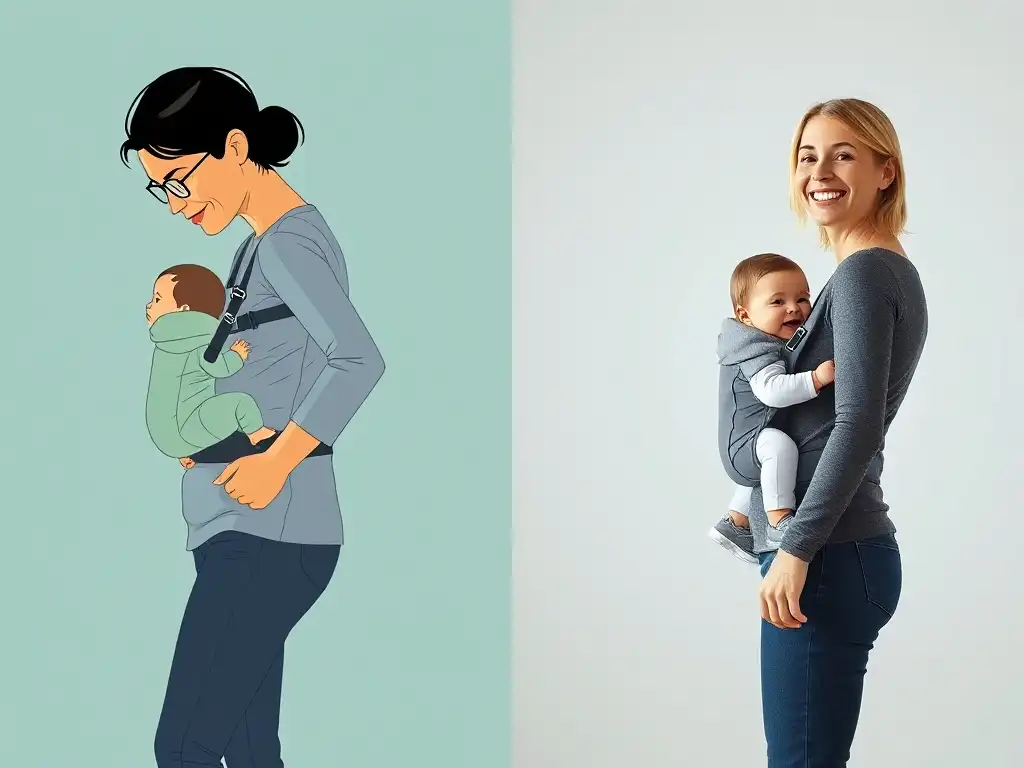
This section focuses on identifying and resolving common discomfort issues associated with babywearing, ensuring a comfortable experience for both parent and child. Proper weight distribution in a baby carrier is crucial for preventing pain and injury. We'll explore solutions for common problem areas, offering practical advice and techniques for optimal babywearing comfort. Achieving a comfortable baby carrier weight is achievable with the right knowledge and adjustments.
Dealing with Shoulder Pain While Babywearing: Solutions and Adjustments
Shoulder pain is a frequent complaint among babywearing parents, often stemming from uneven weight distribution or using an improperly fitted carrier. The weight of the baby should sit centrally on your back and hips, not predominantly on one shoulder.
Several factors contribute to shoulder pain:
- Incorrect Strap Adjustment: Straps that are too loose or too tight can lead to discomfort and strain. Ensure the straps are snug but not constricting, allowing for even weight distribution across your shoulders.
- Carrier Type: Some carriers are better designed for weight distribution than others. Wraps, for example, allow for excellent customization, while structured carriers may require more precise adjustments.
- Baby's Position: The baby's position within the carrier significantly impacts weight distribution. A slumped or uneven position can shift the weight, putting extra strain on one shoulder. Ensure your baby is seated upright with good support.
- Carrying Time: Prolonged periods of babywearing without breaks can exacerbate shoulder pain. Regular breaks and switching carrying positions can help alleviate this.
Here are some practical solutions:
- Adjust the straps frequently: As your baby grows, the weight distribution changes. Regularly check and adjust the straps to maintain even weight distribution.
- Use both shoulder straps equally: Avoid leaning heavily on one shoulder. Consciously distribute the weight evenly between both shoulders.
- Consider a different carrier: If shoulder pain persists despite adjustments, try a different type of carrier that better suits your body type and baby's size.
- Strengthen your shoulder muscles: Stronger shoulder muscles can better support the weight of your baby. Incorporate shoulder strengthening exercises into your routine.
Relieving Back Pain Associated with Poor Weight Distribution in Baby Carriers: Stretches and Exercises
Back pain is another common issue linked to improper baby carrier weight distribution. The baby's weight should be supported by your hips and back, minimizing strain on your spine. If the weight is concentrated on your shoulders or upper back, it can lead to significant discomfort and potential injury.
Several factors can contribute to back pain:
- Improper posture: Slouching or leaning forward while babywearing can strain your back muscles. Maintain good posture, keeping your back straight and your shoulders relaxed.
- Heavy baby: The weight of a heavier baby can put extra strain on your back. Take frequent breaks and use supportive measures.
- Carrier type and fit: An ill-fitting carrier can exacerbate back pain. Ensure your carrier fits properly and distributes the weight evenly.
- Pre-existing back conditions: Individuals with pre-existing back problems may experience more severe pain while babywearing.
To alleviate back pain:
- Maintain proper posture: Stand tall, keeping your back straight, and engage your core muscles.
- Use a supportive belt: Many carriers include a waist belt to help distribute the weight across your hips and lower back. Ensure this belt is properly adjusted and snug.
- Take frequent breaks: Regularly remove your baby from the carrier to rest your back.
- Perform gentle stretches and exercises: Regular stretching and strengthening exercises can improve your back flexibility and strength. Simple stretches like cat-cow poses can be beneficial.
- Consider a supportive back brace: If back pain is severe, a supportive back brace may provide additional support.
Preventing Hip and Neck Pain in Both Baby and Parent: Proper Carrier Usage and Baby Positioning
Preventing hip and neck pain in both baby and parent requires careful attention to proper carrier usage and baby positioning. Incorrect positioning can lead to discomfort and potential long-term problems for the baby, while improper weight distribution can strain the parent's neck and back.
For the baby:
- Maintain a natural "M" position: Ensure your baby's legs are spread in a natural "M" position, supporting their hips and preventing hip dysplasia.
- Keep baby's airway clear: Ensure your baby's chin is not tucked into their chest, maintaining a clear airway.
- Support the baby's head and neck: Especially for newborns, proper head and neck support is crucial, preventing strain and discomfort.
For the parent:
- Keep the baby close to your body: This will help distribute the weight evenly and reduce strain on your neck and shoulders.
- Use supportive carrier features: Utilize any supportive features the carrier offers, such as waist belts and shoulder straps.
- Take breaks and switch positions: Avoid prolonged periods of babywearing in the same position. Rotate your carrying positions and take regular breaks to rest your body.
Remember, a comfortable baby carrier weight is not solely about the baby's weight; it's about achieving optimal weight distribution across your body. By following these guidelines, you can make babywearing a comfortable and enjoyable experience for both you and your little one. Prioritizing a comfortable baby carrier weight translates to a happier and healthier experience for everyone involved.
Long-Term Benefits of Proper Weight Distribution in Baby Carriers
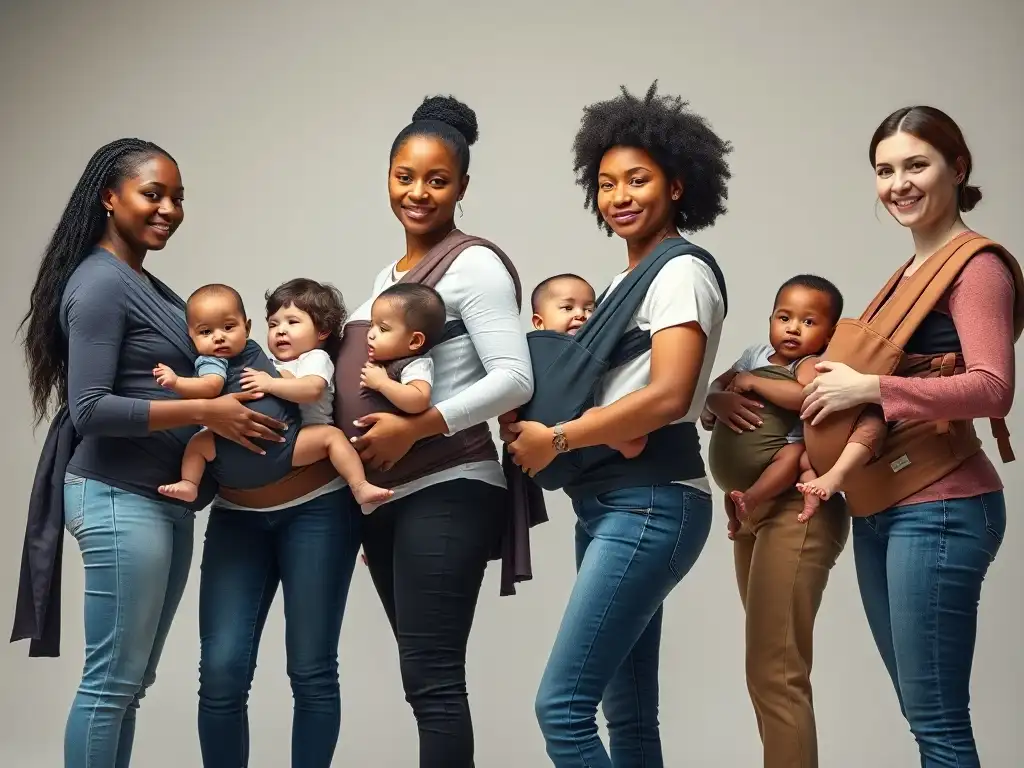
Proper weight distribution in a baby carrier offers significant long-term advantages for both parent and child. Focusing on achieving a comfortable baby carrier weight is paramount for this. Neglecting this crucial aspect can lead to discomfort and potential health issues down the line. Let's delve into the specific benefits.
Promoting Healthy Spinal Development in Your Baby through Correct Weight Distribution
A baby's spine is still developing, and improper weight distribution can negatively impact its natural curvature. A carrier that doesn't support the baby's back properly, forcing it into an unnatural position, can contribute to spinal problems later in life. Conversely, a well-fitted carrier distributes the baby's weight evenly across the hips and shoulders, promoting healthy spinal development.
This means the baby's spine maintains its natural "C" curve, minimizing strain and ensuring proper growth. Think of it like this: a poorly positioned baby might experience pressure points that can lead to discomfort and even potential asymmetry. A properly adjusted carrier, however, ensures the weight is supported by the carrier's structure, protecting the delicate spine.
Studies have shown a correlation between comfortable babywearing and reduced instances of spinal issues in children [Specific study data pending]. The key is to ensure the baby's legs are supported in a natural "M" position, with their knees higher than their hips, and their back is snugly supported against the carrier.
Maintaining Your Physical Well-being While Enjoying Babywearing: Preventing Long-Term Injury
The weight of a baby, even a seemingly small one, can put significant strain on the wearer's body if not distributed correctly. Carrying a baby incorrectly can lead to back pain, neck pain, shoulder pain, and even hip problems. This isn't just temporary discomfort; consistent misuse of a baby carrier can contribute to long-term musculoskeletal issues. Achieving a comfortable baby carrier weight involves selecting a carrier with good ergonomic design and adjusting the straps properly to distribute the weight evenly across your body.
This means utilizing all available straps and adjustments to ensure the weight rests comfortably on your hips and shoulders, not just on your back or shoulders. A poorly adjusted carrier places undue stress on specific muscle groups, potentially leading to injury. For example, failing to use the hip belt properly can lead to lower back pain and strain.
Similarly, neglecting the shoulder straps can cause neck and shoulder problems. Remember, the goal is to feel the weight of the baby across your body, not concentrated in one area. This proactive approach to weight distribution significantly reduces the risk of long-term physical problems associated with babywearing.
The Emotional Benefits of Comfortable Babywearing: Increased Bonding and Reduced Stress
Beyond the physical benefits, proper weight distribution in a baby carrier contributes significantly to the emotional well-being of both parent and child. When the carrier is comfortable, parents are more likely to enjoy the experience of babywearing, leading to increased bonding and reduced stress. A parent struggling with a poorly adjusted carrier, constantly shifting and readjusting, will experience increased frustration and discomfort, impacting their ability to fully connect with their baby. This negative experience can impact the parent-child bond.
On the other hand, a comfortable baby carrier allows for a more relaxed and enjoyable experience. This translates to increased skin-to-skin contact, which is crucial for emotional development and bonding. The improved comfort allows for greater interaction and engagement between parent and child, fostering a more secure and loving relationship.
A comfortable, properly adjusted carrier promotes a positive and stress-free babywearing experience, ultimately leading to stronger parent-child bonds and a more positive parenting journey. The feeling of security and closeness facilitates better emotional regulation in the baby, leading to reduced fussiness and increased contentment. This positive feedback loop benefits both parent and child, highlighting the importance of prioritizing comfortable baby carrier weight.
Frequently Asked Questions about Comfortable Baby Carrier Weight
This section addresses common concerns regarding weight distribution in baby carriers and how to ensure a comfortable babywearing experience. Finding the right carrier and using it properly are key to preventing discomfort and potential injuries. Remember, a comfortable baby carrier weight distribution is crucial for both you and your baby.
How much weight can a baby carrier safely hold?
The weight capacity of a baby carrier varies significantly depending on the brand, model, and type of carrier. Always check the manufacturer's instructions for the specific weight limit of your chosen carrier. This information is usually clearly stated on the carrier itself and in the accompanying documentation. Exceeding the weight limit can damage the carrier and, more importantly, compromise the safety of your child.
It's not just about the total weight limit; consider your baby's size and development. Even if your baby is within the weight limit, if they're unusually long or wide, the carrier might not provide optimal support and could lead to discomfort for both parent and child. A carrier designed for newborns might become uncomfortable long before the maximum weight is reached for a larger, more active infant.
Consider this example: One popular wrap-style carrier might advertise a weight limit of 35 lbs, while a structured carrier from a different brand might only have a 25 lb limit. This highlights the importance of always referring to the manufacturer's specifications. Don't rely on general guidelines; always check the specific carrier you own.
What are the best baby carriers for larger babies?
For larger babies, carriers designed for toddlers or those with adjustable features are often the best choice. These carriers offer better support and weight distribution for heavier children. Look for carriers with:
- Sturdy construction: Reinforced stitching and high-quality materials are crucial for lasting durability and safe weight distribution.
- Wide waist belts: A wide waist belt helps distribute the weight evenly across your hips and lower back, preventing strain.
- Adjustable straps: Adjustable shoulder straps and buckles allow you to customize the fit to accommodate your body type and your baby's size and weight.
- Structured design: Structured carriers provide better support than soft wraps for heavier babies.
- Multiple carrying positions: Some carriers allow you to carry your child in different positions (front, back, hip), which might be more comfortable for both of you as your child grows.
Choosing a carrier for a larger baby is about more than just weight capacity; it’s about finding a carrier that provides adequate support and comfort for both you and your child. Prioritize features that enhance ergonomic design and ensure even weight distribution. Consider features such as padded shoulder straps and a well-designed hip belt to minimize strain on your back and shoulders.
Can I use a baby carrier if I have back problems?
If you have back problems, choosing the right baby carrier is crucial to avoid exacerbating existing conditions. While babywearing can be beneficial, improper technique or an unsuitable carrier can cause significant discomfort or even injury. Before using any baby carrier, consult your doctor or physical therapist. They can provide personalized advice based on your specific condition and recommend suitable carrier types.
Some tips for those with back problems:
- Prioritize proper posture: Maintain good posture while wearing your baby. Stand tall, keeping your shoulders relaxed and your back straight.
- Use a carrier with excellent weight distribution: Choose a carrier with a wide, padded waist belt and adjustable shoulder straps to distribute your baby's weight evenly across your hips and shoulders. Avoid carriers that place excessive weight on your shoulders alone.
- Take frequent breaks: Don't wear your baby for extended periods without taking breaks. Regular breaks allow your muscles to rest and prevent fatigue.
- Experiment with different carriers: Different carriers distribute weight differently. Experiment to find one that provides the best support and comfort for your back.
- Consider a supportive back brace: Some individuals find that wearing a supportive back brace while using a baby carrier helps alleviate back pain. Consult your doctor before using a back brace.
Remember, listening to your body is key. If you experience any pain while babywearing, stop immediately and reassess your technique and carrier choice. The goal is to create a comfortable and safe babywearing experience for both you and your little one. A comfortable baby carrier weight is not just about the numbers; it's about finding the right fit and using it correctly.
How often should I take breaks when babywearing?
Taking regular breaks while babywearing is crucial for both your comfort and your baby's well-being. The frequency of these breaks depends on several factors, including your baby's weight, the type of carrier you're using, and your own physical condition. There's no one-size-fits-all answer, but a good rule of thumb is to take a break every 30 minutes to an hour, especially when carrying a heavier baby or using a carrier that doesn't offer optimal weight distribution.
Even if you feel comfortable, remember that prolonged periods of carrying weight can strain your muscles and joints. Taking breaks allows your body to rest and recover, preventing potential aches and pains. During these breaks, gently remove your baby from the carrier and allow them some tummy time or place them in a safe, comfortable spot. This also gives your baby a chance to stretch and move around, preventing stiffness and discomfort.
Consider your own physical limitations. If you have any pre-existing back problems, shoulder issues, or other physical conditions, you may need to take more frequent breaks, even if your baby is lightweight. Listen to your body; if you feel any discomfort or strain, stop immediately and rest. It's better to err on the side of caution and take more breaks than to push yourself too hard and risk injury. Remember, your health and well-being are paramount.
Factors like the weather also play a role. In hot weather, frequent breaks are even more important to prevent overheating for both you and your baby. The added layer of the carrier can increase body temperature, so ensure you take regular breaks in a cool, shaded area. Always prioritize your baby's comfort and safety. Regular breaks are a small price to pay for ensuring a comfortable and safe babywearing experience. Prioritizing breaks helps you enjoy the benefits of babywearing without compromising your health or your baby's well-being.
Frequently Asked Questions
What is the ideal weight for a baby carrier?
There's no single "ideal" weight. The best baby carrier weight depends on your body type and strength, as well as your baby's size and the carrier's design. Always prioritize comfort and proper support.
How can I ensure my baby carrier distributes weight evenly?
Ensure the baby's weight is centered close to your body. Tighten straps properly, ensuring even pressure across your shoulders and hips. Experiment with different positions to find what's most comfortable.
What are the signs of improper weight distribution in a baby carrier?
Signs include neck or back pain, shoulder strain, or a feeling that the carrier is pulling you to one side. If experiencing any discomfort, adjust the straps or the baby's position.
How does the weight of the baby carrier itself affect comfort?
A lighter carrier will generally be more comfortable, especially for longer periods of wear. However, a heavier carrier may offer superior support depending on the design and materials.
What type of baby carrier is best for distributing weight effectively?
Structured carriers often provide better weight distribution due to their rigid design and multiple adjustable straps. However, soft-structured carriers can also be comfortable if used correctly and adjusted properly.
Final Reflection: The Enduring Comfort of Connection
The weight of a baby, once a purely physical burden, transforms into a profound connection when properly distributed. This isn't just about avoiding back pain; it's about unlocking the joy and intimacy of babywearing. Understanding the nuances of weight distribution isn't a mere technicality; it's the key to a truly fulfilling and comfortable babywearing experience.
The impact of comfortable babywearing extends far beyond the physical. It shapes the parent-child bond, fostering a sense of closeness and security that resonates throughout a child's development. The most important thing a father can do for his children is to love their mother.
– Theodore Hesburgh. While not directly about babywearing, this quote highlights the importance of the parent-child bond, a bond significantly strengthened by the ease and intimacy of comfortable babywearing. This ease allows parents to be more present and engaged, enriching the relationship from the very beginning.
Consider the weight you carry, not just literally, but figuratively. The weight of responsibility, the weight of expectation, the weight of love. Learning to distribute the physical weight of your baby allows you to better manage these other, more intangible burdens. Take the time to find the perfect carrier, to adjust the straps, to learn the proper techniques. Invest in your comfort, and in turn, you invest in the strength and joy of your connection with your child. This journey of babywearing is a testament to the power of mindful parenting and the enduring beauty of human connection.
Unlock Effortless Babywearing: Find Your Perfect Fit!
Thank you for learning about proper baby carrier weight distribution! We hope you feel more confident and comfortable with babywearing. Ready to put your new knowledge into practice?
- Prioritize a Proper Fit: Take a few minutes to adjust your carrier, ensuring the straps are snug and the weight is evenly distributed across your shoulders and hips. You'll notice the difference immediately!
- Share Your Experience: Connect with other parents in our online community and share your tips and tricks for comfortable babywearing. Let's build a supportive network together!
- Experiment with Different Carries: Explore various babywearing positions to find what works best for you and your baby. Each position distributes weight differently, so experimentation is key.
What surprised you most about achieving optimal weight distribution while babywearing? Let's discuss!