
Baby Carrier Demo: See How Different Carriers Fit and Function


Welcome to BabyCareHub, your ultimate guide to navigating the exciting yet sometimes overwhelming world of parenthood. Are you ready to confidently embrace the journey? We understand the challenges of caring for a newborn, which is why we've created this comprehensive resource.
Discover the secrets to successful sleep routines, healthy feeding habits, and ensuring your little one's safety. And to help you get started, we've put together a detailed review and demonstration of the Best Baby Carrier for Newborns, covering everything from fit to function – making sure you find the perfect carrier for you and your baby. Dive in and explore the wealth of information awaiting you!
- Choosing the Best Baby Carrier for Newborns: A Comprehensive Guide
- Baby Carrier Types: A Detailed Comparison
- Baby Carrier Demo: Step-by-Step Instructions and Visuals
- Addressing Common Concerns: Frequently Asked Questions about Baby Carriers
- Finding the Best Baby Carrier for Your Lifestyle and Budget
- Conclusion: Making the Right Choice for Your Little One
- Frequently Asked Questions
- Final Reflection: Choosing the Right Embrace: A Journey into Babywearing
- Unleash the Perfect Babywearing Experience!
Choosing the Best Baby Carrier for Newborns: A Comprehensive Guide
Navigating the world of baby carriers can feel overwhelming for first-time parents. The sheer variety of options, from wraps to structured carriers, can leave you feeling lost and unsure of which will best suit your needs and your little one's comfort. This comprehensive guide aims to demystify the process of selecting the best baby carrier for newborns, focusing on ergonomic design, functionality, and ease of use.
We'll explore key factors to consider when making your choice, ultimately empowering you to find the perfect carrier for your family's adventures. Choosing the right carrier isn't just about convenience; it's about ensuring your baby's healthy development and fostering a strong bond between parent and child.
This guide will help you confidently navigate the options and make an informed decision, contributing to a smoother and more enjoyable journey into parenthood. Finding the perfect fit is crucial for both your comfort and your baby's well-being, and we're here to help you achieve that.
Understanding Your Needs: Newborn vs. Infant Carriers
The first crucial step in selecting a baby carrier is understanding the difference between carriers designed for newborns and those suitable for infants. Newborn carriers are specifically engineered to support the unique needs of a baby's delicate body during the first few months of life. They typically offer features like:
- Inward-facing positions: Essential for newborns who need the support and closeness of being held close.
- Excellent head and neck support: Newborns lack the muscle control to hold their heads up independently.
- Narrower seat width: Accommodates the smaller size of a newborn's body.
- Adjustable sizing: Allows for a snug and secure fit as the baby grows during those initial months.
Infant carriers, on the other hand, are designed for babies who have developed more head and neck control and can sit upright with some support. These carriers often offer more versatility, allowing for both inward-facing and outward-facing positions. Understanding this distinction is key to ensuring your baby is properly supported and comfortable from day one. Choosing the wrong type of carrier can lead to discomfort and even potential health risks.
Ergonomic Baby Carriers for Optimal Hip and Spine Development
Selecting an ergonomic baby carrier is paramount for your baby's healthy development. Ergonomic carriers are designed to support the natural curvature of your baby's spine and promote healthy hip development. Look for carriers that:
- Maintain the "M" position: This refers to the natural position of a baby's legs, with knees bent and spread apart. This position supports the healthy development of the hips.
- Offer good back support: The carrier should provide adequate support for your baby's back, preventing slouching or hunching.
- Allow for a snug fit: A loose fit can be uncomfortable and potentially unsafe for your baby.
- Are made of breathable fabric: This helps to prevent overheating, especially during warmer months.
Choosing a carrier that prioritizes ergonomics helps to mitigate the risk of conditions such as hip dysplasia and ensures your baby's comfort and well-being. Remember, proper support and positioning are crucial during these formative months.
Factors to Consider: Weight Capacity, Ease of Use, and Fabric
Beyond ergonomics, several other factors play a significant role in selecting the best baby carrier for your needs.
| Factor | Description | Importance |
|---|---|---|
| Weight Capacity | The maximum weight a carrier can safely support. Check this carefully to ensure it accommodates your baby's current and projected weight. | Crucial for safety and comfort; choosing a carrier with too low of a weight capacity can be dangerous. |
| Ease of Use | How easy is it to put on, adjust, and remove the carrier? Consider your own physical capabilities and comfort level. | Simplifies the process of carrying your baby, especially for first-time parents. |
| Fabric | The material of the carrier should be comfortable, breathable, and easy to clean. Consider factors like durability and temperature regulation. | Impacts both the baby's and caregiver's comfort, especially during extended periods of use. |
Consider your lifestyle and preferences when evaluating these factors. A carrier that's easy to use might be more valuable to you than one with extra features you won't utilize.
Popular Choices: Ergobaby Omni 360 vs. BabyBjorn One Air
Two popular choices among parents are the Ergobaby Omni 360 and the BabyBjorn One Air. Both offer ergonomic designs and various carrying positions, but they have key differences. The Ergobaby Omni 360 is known for its versatility and adjustability, accommodating newborns and older babies. The BabyBjorn One Air is praised for its lightweight design and breathability, making it ideal for warmer climates.
Researching specific reviews and comparing features based on your individual needs will be crucial in making the best choice for you and your baby. Remember to prioritize ergonomics and a comfortable fit for both you and your child. Ultimately, the "best" baby carrier is the one that best meets your family's specific needs and preferences. 👶
Baby Carrier Types: A Detailed Comparison
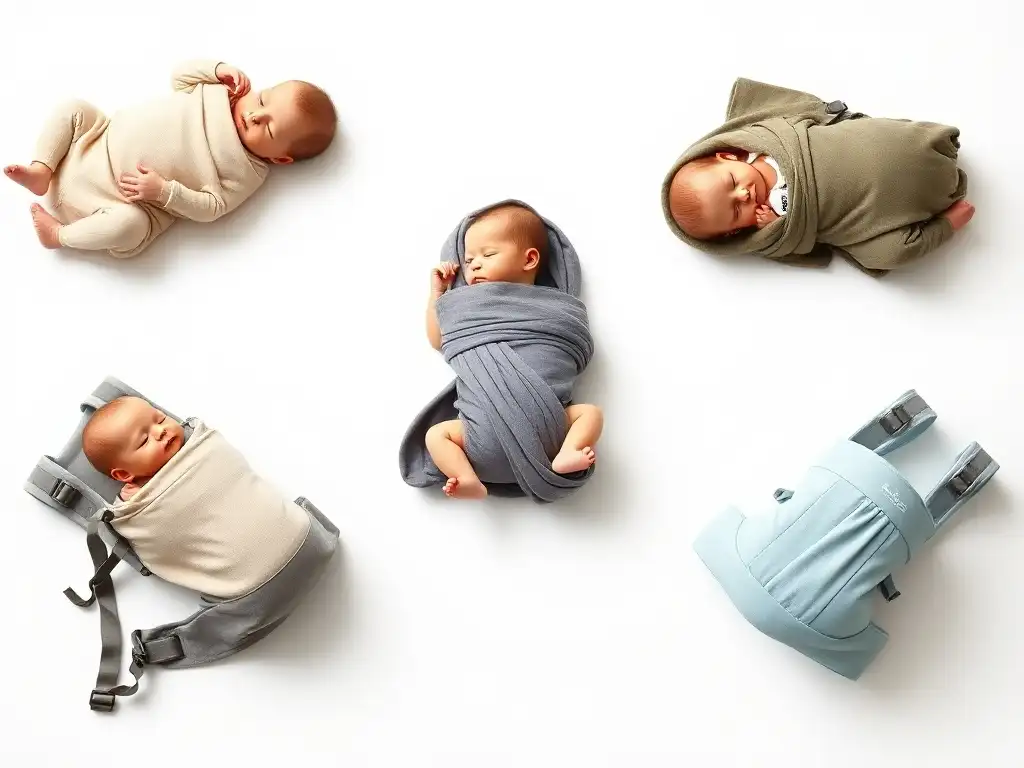
This section delves into the specifics of different baby carrier types, focusing on their functionalities and suitability for newborns. Choosing the best baby carrier for newborns depends heavily on individual needs and preferences. We'll explore the nuances of wrap-style and structured carriers, highlighting their unique advantages and disadvantages. Understanding these differences will empower you to make an informed decision that prioritizes both your comfort and your baby's safety. Remember, proper fit and secure positioning are paramount regardless of the carrier type.
Wrap-Style Carriers: The Art of the Baby Wrap and its Advantages
Wrap-style carriers, often made from long strips of fabric, offer a close and snug fit for newborns. This close contact promotes bonding and can be particularly soothing for fussy babies. The inherent flexibility allows for customized positioning, adapting to your baby's changing needs and your body's shape. The ability to adjust the tightness and spread the weight evenly across your shoulders and back is a key advantage. However, mastering the art of wrapping can take practice and patience.
Boba Wrap Baby Wrap: A Step-by-Step Demonstration
The Boba Wrap is a popular choice known for its ease of use (relatively speaking, for wraps!) and soft, stretchy fabric. Let's break down a simplified version of the wrapping process:
- Lay the wrap flat, identifying the center.
- Place the center across your back, letting the ends hang down equally.
- Cross the right end over your left shoulder, then under your right arm and across your back.
- Repeat with the left end, crossing it over your right shoulder, under your left arm and across your back.
- Tie the ends securely in a knot at your waist. Adjust the tightness to ensure snug support for your baby.
- Carefully place your baby in the wrap, supporting their head and neck. Ensure their airway is clear and they are positioned close to your body.
Pros and Cons of Wrap Carriers: Comfort, Support, and Learning Curve
| Feature | Pros | Cons |
|---|---|---|
| Comfort | Excellent close contact; distributes weight evenly; customizable fit | Can be uncomfortable if not wrapped correctly; requires practice |
| Support | Good support for newborns; adaptable to different body types | Can be tiring after extended use; may limit movement |
| Ease of Use | Relatively easy to learn, but requires practice | Can be complex for beginners; takes time to master |
| Adjustability | Highly adjustable; conforms to baby's growth | Requires precise wrapping to achieve proper support and fit |
| Portability | Relatively compact when not in use | Can feel bulky and difficult to manage when not in use |
The learning curve is a significant factor. While many find wrap carriers incredibly comfortable once mastered, the initial learning process can be frustrating. Practice makes perfect! Consider seeking in-person guidance or watching detailed video tutorials before your first attempt.
Structured Carriers: Support and Simplicity for Busy Parents
Structured carriers offer a more straightforward approach, with pre-structured panels and buckles. They are generally easier to use than wraps, making them a popular choice for parents juggling multiple tasks. They provide good support for both parent and baby, and many models offer various carrying positions.
Ergobaby 360 Cool Air Mesh: Features and Benefits
The Ergobaby 360 Cool Air Mesh is a highly-rated structured carrier known for its breathability and ergonomic design. Its key features include:
- Four carrying positions: front-inward, front-outward, hip, and back.
- Lumbar support for the wearer.
- Adjustable straps and waist belt for a customized fit.
- Breathable mesh fabric for added comfort in warmer weather.
- Suitable from newborn to toddler (with an infant insert).
This carrier prioritizes both the comfort of the caregiver and the ergonomic support of the baby. Its multiple carrying positions offer versatility as your baby grows.
Infantino Flip Advanced 4-in-1 Carrier: Adaptability and Versatility
The Infantino Flip Advanced 4-in-1 Carrier provides impressive adaptability, transitioning from a newborn-facing-in position to a toddler-facing-out position. Its features include:
- Multiple carrying positions.
- Adjustable straps and buckles for a customized fit.
- Built-in head and neck support for newborns.
- A relatively lightweight design.
This carrier's versatility makes it a cost-effective option, eliminating the need to purchase multiple carriers as your baby grows. However, some users find the many adjustments can be slightly more complex than simpler models.
Comparing Structured Carriers: Ease of Use and Adjustability
Structured carriers generally boast superior ease of use compared to wraps. However, the level of adjustability varies significantly between models. Some offer extensive customization, while others provide a more simplified, less adjustable fit. Consider your personal preferences and your baby's needs when making your selection. Reading user reviews can often provide valuable insights into the ease of use and adjustability of specific models. Remember, proper fit is crucial for both comfort and safety.
Mei Tai Carriers: A Blend of Tradition and Modern Convenience
Mei Tai carriers represent a fascinating intersection of ancient carrying traditions and modern ergonomic design. Originating in Asia, these carriers are characterized by their simple yet adaptable construction. Essentially, a Mei Tai is a piece of fabric with straps, offering a customizable fit for both parent and child. This adaptability is a key advantage, allowing for a snug and secure fit for newborns, and the ability to adjust as the baby grows.
Unlike structured carriers, Mei Tai carriers offer a more organic feel, allowing the baby to be held close to the parent's body in a natural, comfortable position. This close proximity can be particularly beneficial for newborns, promoting bonding and providing a sense of security. However, the lack of rigid structure also means that proper tying techniques are crucial to ensure both comfort and safety. Improper tying can lead to discomfort for the caregiver and potentially an unsafe position for the baby.
This necessitates careful learning and practice before using a Mei Tai carrier regularly. Many parents find the learning curve worthwhile, though, as the resulting closeness and adaptability are highly valued. The fabric used also plays a significant role; breathable materials are essential for both parent and child's comfort, especially in warmer climates. Consider the fabric's breathability and its ability to withstand washing, as frequent cleaning is likely.
Lillebaby Complete All Seasons Mei Tai: A Practical Demonstration
The Lillebaby Complete All Seasons Mei Tai serves as a prime example of a modern Mei Tai carrier. Its design incorporates several features that enhance both comfort and functionality. The padded straps, for instance, distribute the baby's weight effectively, minimizing strain on the caregiver's shoulders and back. The adjustable straps allow for a precise fit, accommodating different body types and allowing for easy adjustments as the baby grows.
The inclusion of a headrest offers extra support for newborns and provides a shaded space when needed. A practical demonstration would showcase the ease of adjusting the straps to achieve a snug and secure fit. This demonstration would emphasize the importance of proper positioning and the different ways the straps can be adjusted to accommodate the baby's weight and the caregiver's preferences. The all-seasons aspect refers to the breathable fabric that keeps the baby cool in warmer weather, while providing sufficient warmth in cooler conditions.
Features like these enhance the overall usability and appeal of the carrier, making it a potentially excellent choice for parents seeking a blend of traditional design and modern convenience. A key aspect to highlight is the ease of putting the baby in and out of the carrier. This is often a concern with some Mei Tai designs, but the Lillebaby model often receives positive feedback for its user-friendliness in this aspect.
Mei Tai vs. Structured Carriers: Comfort, Support, and Adjustability
Choosing between a Mei Tai carrier and a structured carrier often comes down to personal preference and individual needs. Structured carriers, like ErgoBaby or BabyBjorn, offer a more rigid structure and often come with pre-defined adjustments. They provide excellent support and are generally easier to use for beginners, requiring less practice with tying techniques. However, they may offer less adjustability for different body types and may not be as adaptable as the baby grows. Mei Tai carriers, on the other hand, offer greater adjustability and a more customizable fit, allowing for a closer and potentially more comfortable fit for both parent and child.
The organic feel and close proximity are significant advantages for many parents. However, the lack of structured support and the need for proper tying techniques can be a drawback for some. The level of support offered differs significantly. Structured carriers often provide more lumbar support for the caregiver, especially with heavier babies.
Mei Tai carriers rely on proper tying and the distribution of weight across the shoulders and back. Ultimately, the "best" choice depends on factors like the caregiver's physical build, the baby's size and developmental stage, and the parent's preferences for adjustability and ease of use. Consider carefully which features are most important to you before making a decision. The best way to make an informed choice is to try out different carriers whenever possible.
Baby Carrier Demo: Step-by-Step Instructions and Visuals
This section provides a detailed, step-by-step guide to using various baby carriers, focusing on safe and comfortable babywearing practices. Remember, always prioritize your baby's safety and comfort. If at any point you feel unsure, consult a pediatrician or babywearing expert. Finding the best baby carrier for newborns involves understanding proper techniques and adjusting the carrier to fit both you and your little one perfectly.
Safe Babywearing Techniques: Positioning Your Newborn Correctly
Safe babywearing is paramount. Your baby should always be positioned according to the manufacturer's instructions and maintain the following key principles:
- "M" Position: Your baby's body should form a natural "M" shape, with their back straight, hips flexed, and knees bent. This promotes healthy hip development. Avoid carriers that force their legs to extend straight down.
- Close Proximity: Your baby should be held close to your body, allowing for skin-to-skin contact whenever possible. This provides a sense of security and regulates their body temperature.
- Airway Access: Ensure your baby's face is unobstructed and they can breathe freely. Their chin should not be tucked into their chest. Always check for adequate airflow around their face.
- Support: The carrier should provide adequate support for your baby's head, neck, and back, especially crucial for newborns who lack the neck strength to support themselves.
- Supervision: Never leave your baby unattended while in a carrier. Always keep a watchful eye on their comfort and breathing.
Securing Your Baby in Different Carriers: Detailed Instructions with Images
(Note: Images would be included here to visually demonstrate the steps. Detailed descriptions are provided below to compensate for the lack of visuals.)
1. Wraps: Before placing your baby in a wrap, lay it flat on a surface and ensure it's correctly positioned. Then, gently place your baby in the center of the fabric, ensuring their head and neck are properly supported. Tighten the fabric securely around your body and your baby's body, ensuring a snug, but not restrictive, fit. Always double-check the tightness and adjust as needed.
2. Slings: Slings require a specific wrapping technique. Ensure the fabric is evenly distributed and that your baby is positioned high and close to your chest. Their head should be above the fabric fold. Securely fasten the sling according to manufacturer’s instructions, making sure it feels stable and secure.
3. Structured Carriers: Most structured carriers have buckles and straps. First, adjust the waist belt to fit snugly around your waist. Then, position your baby in the seat, ensuring their back is straight and their legs are supported in the "M" position. Fasten the shoulder straps, ensuring they are even and snug, but not too tight. Always check for proper support around the head and neck.
4. Mei Tais: Mei Tais are adjustable carriers. Ensure the panels are positioned correctly before placing your baby in the center. Tighten the straps securely around your waist and shoulders. Adjust the straps to provide optimal support and a comfortable fit for both you and your baby.
Adjusting Straps for Optimal Comfort: A Visual Guide for Each Carrier Type
Proper strap adjustment is crucial for both your comfort and your baby's safety and positioning. Improper adjustment can lead to discomfort, poor posture, and even potential hazards.
1. Wraps: Adjust the tightness of the wrap by pulling on different sections of the fabric. Ensure an even distribution of tension, avoiding any areas that feel too loose or too tight.
2. Slings: Adjust the sling by tightening or loosening the fabric around your body and your baby. Ensure the sling is positioned correctly to support your baby's weight.
3. Structured Carriers: Adjust the waist belt and shoulder straps to find the perfect fit. The waist belt should sit snugly around your waist, distributing the baby's weight evenly. Shoulder straps should be adjusted to provide comfortable support without restricting your movement.
4. Mei Tais: Mei Tais offer extensive adjustability. Adjust the shoulder straps and waist belt to distribute the baby's weight comfortably. You can also adjust the panel height to accommodate your baby's growth. Experiment with different adjustments to find the most comfortable position.
Remember, consistent practice and attention to detail are key to mastering babywearing. Consult the manufacturer's instructions for your specific carrier and, if needed, seek guidance from a babywearing consultant. Choosing the best baby carrier for newborns is about finding a comfortable and secure fit for both you and your child. 👶
Addressing Common Concerns: Frequently Asked Questions about Baby Carriers

This section addresses frequently asked questions about baby carriers, helping you make an informed decision when choosing the best baby carrier for newborns and beyond. Many parents grapple with selecting the right carrier, and understanding common concerns can ease the process.
Choosing the Right Carrier Based on Baby's Age and Size
Selecting the best baby carrier for newborns requires careful consideration of your baby's age and size. Newborns, typically under 3 months old and weighing less than 12 pounds, need carriers offering excellent head and neck support. Look for carriers with structured headrests and snug, adjustable fits. Many parents opt for newborn inserts for added support in standard carriers.
As your baby grows, their weight and size will dictate the need for adjustments or a transition to a different carrier. For example, a wrap might be perfect for a newborn, but become cumbersome as your baby reaches 20 pounds. Infant carriers, designed for babies up to around 25 pounds, offer a good balance of support and portability. Toddler carriers, supporting heavier weights (often up to 45 pounds), provide options for carrying older babies and toddlers. Always check the manufacturer's weight and height recommendations for safe and comfortable use.
Remember to always prioritize a snug fit, ensuring the carrier supports your baby's spine correctly and prevents them from slumping. A poorly fitting carrier can be uncomfortable for both you and your baby, potentially leading to back pain or other issues. Consider trying out different carriers before purchasing to ensure a good fit. Regularly check the fit as your baby grows to maintain optimal support and comfort. This is crucial for ensuring you've selected the best baby carrier for newborns and their continued development.
Maintaining Hygiene and Cleaning Your Baby Carrier
Maintaining the hygiene of your baby carrier is essential for your baby's health and well-being. Spills, spit-up, and general wear and tear are inevitable. Regular cleaning will prevent the buildup of bacteria and allergens. Always check the manufacturer's instructions for specific cleaning recommendations, as materials and cleaning methods vary.
Many baby carriers can be spot-cleaned with a damp cloth and mild detergent. For more significant messes, some carriers are machine washable (always check the label!). When machine washing, use a gentle cycle and air dry the carrier completely to prevent damage. Avoid using harsh chemicals or bleach, as these can damage the fabric and pose risks to your baby's skin.
Consider using a carrier cover or liner, particularly for messy eaters. These are easily removable and washable, protecting your main carrier from spills and stains. Regularly airing out your carrier after each use can also help prevent odor buildup and maintain freshness. Proper hygiene practices are vital in keeping your baby carrier clean and safe for your little one. This is a key aspect of selecting the best baby carrier for newborns, as hygiene is paramount during the early months.
Troubleshooting Common Issues: Adjusting Straps and Addressing Discomfort
Even the best baby carrier for newborns may present challenges if not adjusted properly. Common issues include discomfort for either the parent or the baby, or a feeling that the baby is not securely positioned. Proper strap adjustment is critical for both comfort and safety.
Many carriers have multiple adjustment points: shoulder straps, waist belt, and sometimes even headrest adjustments. Ensure the straps are snug but not too tight, allowing for comfortable breathing and movement. The waist belt should be positioned snugly around your waist, distributing the baby's weight evenly across your hips and shoulders. Uneven weight distribution can lead to back pain and discomfort.
If your baby seems uncomfortable, check their position. Their legs should be positioned in a “M” shape (frog-leg position), with their spine supported. If they seem to be slumping, readjust the straps or consider using a newborn insert for added support. If discomfort persists despite adjustments, try a different carrier. Remember, the goal is to find a carrier that is both comfortable and safe for both you and your baby. Experimentation and careful attention to detail are key to resolving any issues and ensuring a positive experience with your chosen carrier.
Finding the Best Baby Carrier for Your Lifestyle and Budget
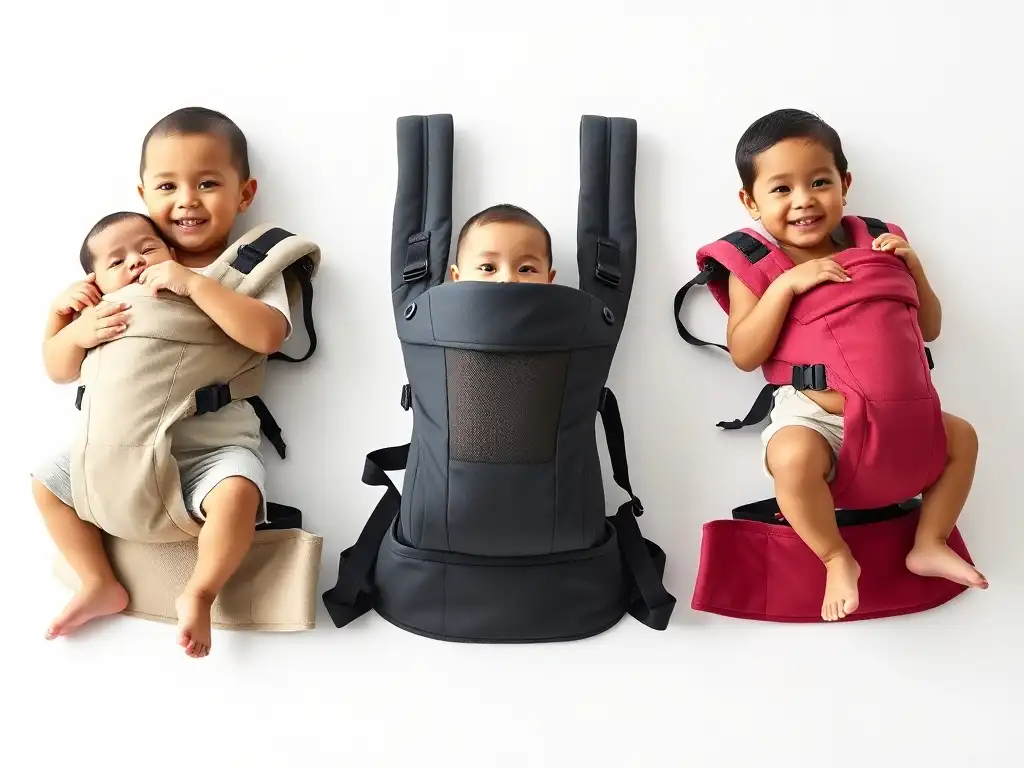
Choosing the best baby carrier for newborns can feel overwhelming. The market is saturated with options, each promising unparalleled comfort and convenience. However, the "best" carrier truly depends on your individual needs, lifestyle, and budget. This section will help you navigate the selection process, considering factors beyond just price.
Understanding your priorities—whether it's ease of use, ergonomic support, or a specific carrying position—will significantly narrow down your choices and guide you towards the perfect fit for you and your little one. Consider your daily activities: Are you frequently hiking, commuting on public transport, or primarily staying at home? This will influence the type of carrier you need – a structured carrier might be ideal for hiking, while a wrap might be more convenient for quick errands. Don't forget to factor in your baby's size and developmental stage.
Newborns require different support than older infants. Remember, investing in a high-quality carrier can offer long-term benefits, ensuring both your comfort and your baby's safety and proper development. Prioritizing features like adjustable straps, breathable fabric, and proper hip and spine support is crucial for a positive experience for both parent and child.
Top Picks for Budget-Friendly Baby Carriers
Finding a great baby carrier without breaking the bank is entirely possible. Several brands offer excellent value, providing essential features without the premium price tag. These budget-friendly options often prioritize functionality and durability, making them perfect for first-time parents looking to test the waters before investing in a more expensive model. Look for carriers made from durable, easy-to-clean materials. Features like adjustable straps and multiple carrying positions are also important, even in budget-friendly options. Don't compromise on safety; ensure the carrier meets all relevant safety standards. Here's what to look for in a budget-friendly carrier:
- Simple Design: Avoid overly complicated features that add to the cost without significant added benefit.
- Durable Materials: Choose a carrier made from sturdy fabric that can withstand daily wear and tear.
- Easy to Clean: Babies are messy! Opt for a carrier that's easy to wipe down or machine wash.
- Adjustable Straps: This ensures a comfortable and secure fit for both you and your baby.
- Essential Carrying Positions: While you might not need every possible position, having at least a few options can be beneficial.
Remember, even budget-friendly carriers can provide excellent support and comfort if you choose wisely. Prioritize safety and essential features, and you'll find a great option that fits your budget.
Premium baby carriers often justify their higher price tag through superior materials, advanced ergonomic design, and enhanced features. These carriers often boast features like:
- Ergonomic Design: Designed to promote optimal hip and spine alignment for your baby, minimizing the risk of developmental issues.
- Superior Materials: Premium fabrics are often more breathable, durable, and comfortable against your skin.
- Advanced Adjustability: Fine-tuned adjustments ensure a perfect fit for both you and your baby as they grow.
- Multiple Carrying Positions: Offering greater versatility and adapting to your baby's changing needs.
- Enhanced Comfort Features: Padding, lumbar support, and other comfort features can make long periods of carrying much easier.
Investing in a premium carrier can provide long-term benefits, ensuring your baby's comfort and healthy development while also maximizing your comfort during those many hours of carrying. While the initial investment is higher, the enhanced comfort and durability often justify the cost over time. Consider it an investment in your well-being and your baby's healthy development.
Where to Buy: Online Retailers vs. Brick-and-Mortar Stores
Choosing where to buy your baby carrier is another important decision. Both online and brick-and-mortar stores offer advantages and disadvantages.
| Feature | Online Retailers | Brick-and-Mortar Stores |
|---|---|---|
| Convenience | Shop from anywhere, anytime. | Requires travel and specific store hours. |
| Price | Often more competitive prices and deals available. | May offer comparable prices, but less sales. |
| Selection | Typically a wider range of brands and models. | Limited selection based on the store's inventory. |
| Trial/Fit | Cannot physically try before buying. | Allows you to try the carrier on and test the fit. |
| Customer Service | May vary widely; online chat or email support. | In-person assistance from staff. |
Ultimately, the best place to buy depends on your preferences and priorities. If you prioritize convenience and a wider selection, online retailers are a good option. However, if you want to try the carrier on before buying and receive in-person assistance, a brick-and-mortar store is preferable. Remember to read reviews and compare prices before making your final decision, regardless of where you choose to buy. Consider factors such as return policies and shipping costs when shopping online.
Conclusion: Making the Right Choice for Your Little One
Choosing the best baby carrier for newborns is a deeply personal decision. There's no single "perfect" carrier; the ideal choice depends heavily on your individual needs, lifestyle, and baby's preferences. Factors like your baby's size and age, your physical build, and the activities you anticipate engaging in with your little one will all play a significant role.
Remember, the most important aspect is finding a carrier that provides both comfort and safety for your baby, and ease of use for you. This process may involve some trial and error, but the reward—the ability to bond closely with your child while having your hands free—is well worth the effort. Don't be afraid to ask for help from experienced parents or babywearing consultants; their insights can be invaluable.
Recap of Key Considerations: Comfort, Safety, and Convenience
Before finalizing your decision, let's briefly recap the key considerations we've explored:
- Comfort: For your baby, this means proper ergonomic support for their spine and hips, with a snug but not restrictive fit. For you, it translates to well-padded straps, adjustable features, and a design that distributes weight evenly across your shoulders and back. Consider the fabric's breathability, especially during warmer months. A properly fitted carrier should feel comfortable even after extended periods of use.
- Safety: Prioritize carriers that meet established safety standards and have features like secure buckles and straps, strong stitching, and appropriate weight limits. Always ensure your baby's airway remains clear and that their face isn't obstructed. Regularly inspect the carrier for any signs of wear and tear. Remember, a safe carrier is a priority above all else.
- Convenience: Think about the ease of getting your baby in and out of the carrier, adjusting the straps, and storing it when not in use. A lightweight and compact design can make a huge difference in your daily routine. Consider features like pockets for essentials and adaptability to different stages of your baby's development. A convenient carrier will make your babywearing experience significantly more enjoyable.
Consider this table summarizing key features across different carrier types:
| Carrier Type | Pros | Cons | Best For |
|---|---|---|---|
| Sling | Simple, lightweight, close contact | Limited support, can strain parent's back | Short periods, experienced babywearers |
| Wrap | Highly adjustable, customizable support | Can be complex to learn, bulkier | Various ages and stages, adaptable support |
| Structured Carrier | Excellent support, ergonomic design | Can be bulky, less adaptable | Long periods, multiple carrying positions |
| Mei Tai | Versatile, good support, adjustable | Can be difficult to adjust initially | Parents seeking adjustability and support |
Next Steps: Choosing Your Ideal Baby Carrier
Now that you've reviewed the various types of baby carriers and their features, it's time to take the next steps toward finding your perfect fit. First, create a checklist based on your individual priorities. Prioritize safety and comfort above all else. Then, research specific models within the types that appeal to you most. Read reviews from other parents to gather insights into real-world experiences.
If possible, visit a baby store to try on different carriers and get a feel for what works best for you and your baby. Don't hesitate to seek advice from babywearing consultants or experienced parents. Choosing the right baby carrier is a journey, but with careful consideration and the right information, you'll find the perfect companion for your adventures with your little one. Remember, the best baby carrier is the one that works best for your family. 👶
Frequently Asked Questions
What makes a baby carrier suitable for newborns?
A newborn-friendly carrier should offer good head and neck support, a secure, snug fit, and ergonomic positioning to support the baby's spine and hips. Look for carriers specifically designed for newborns or those with adjustable settings for smaller babies.
What are the different types of baby carriers available?
Several types exist, including wraps, slings, structured carriers, and soft-structured carriers. Each offers varying levels of support, adjustability, and carrying positions. The best choice depends on your preferences and baby's needs.
How do I ensure my baby is safely positioned in the carrier?
Always follow the manufacturer's instructions. Ensure your baby's airway is clear, their spine is straight, and their hips are supported in a natural "M" position. Never leave your baby unattended in a carrier.
What is the "froggy" or "M" position and why is it important?
The "froggy" or "M" position refers to keeping your baby's legs bent at the hips and knees with their thighs spread out. This supports their hip development and reduces the risk of hip dysplasia. It's crucial for healthy hip development in newborns.
At what age can I start using a baby carrier?
You can generally start using a baby carrier when your baby has good head control and can sit upright without support, which is typically around 4 months old. However, some carriers are designed for newborns, offering proper support for their delicate bodies. Always consult your pediatrician.
Final Reflection: Choosing the Right Embrace: A Journey into Babywearing
The quest for the perfect baby carrier is more than just finding a comfortable fit; it's about forging a deeper connection with your newborn and navigating the beautiful chaos of parenthood. Finding the right carrier can significantly impact the ease and joy of those early months, influencing everything from your sleep schedule to your confidence as a new parent. This is a journey deeply personal to each family, and the right choice can make all the difference.
The impact of babywearing extends far beyond simple practicality. It fosters a sense of closeness and security for the baby, promoting healthy development and emotional bonding. The babywearing experience is a powerful one, creating a unique intimacy and a sense of security for both parent and child.
This sentiment, though simple, encapsulates the profound influence this seemingly small decision can have on the family dynamic. From the subtle sway that soothes a fussy infant to the ease of multitasking while keeping your little one close, the benefits ripple outwards, shaping the early days of parenthood in profound ways.
Consider the information presented in this demo as a starting point, not an end. Take the time to try different carriers, to feel the weight distribution, to experience the comfort for both yourself and your baby. Don't be afraid to ask questions, to seek advice from other parents, and to trust your instincts. The perfect baby carrier is the one that best suits your unique needs and allows you to embrace this incredible journey with confidence and joy. Your baby's comfort and your own well-being are paramount – let this guide your choice.
Unleash the Perfect Babywearing Experience!
Thank you for exploring the world of baby carriers with us! We hope you feel confident in choosing the right carrier for your child and lifestyle. Ready to take the next step?
- Find your perfect fit: Visit a local baby store and try on several carriers—you might be surprised which one feels best! Don't hesitate to ask questions; knowledgeable staff can guide you to the perfect choice.
- Share your experience: Tell us about your favorite carrier in the comments below! We love hearing your tips and tricks.
- Discover more: Explore our other resources on babywearing safety and techniques.
What's the most important feature you consider when choosing a baby carrier?