
Winter Baby Teething: Soothing Sore Gums in Cold Weather


Welcome to BabyCareHub, your ultimate guide to navigating the incredible journey of parenthood! Are you a first-time parent facing the unique challenges of winter baby teething? The cold weather adds an extra layer of complexity to soothing those sore gums, but don't worry. We're here to help you discover effective and safe remedies to ease your little one's discomfort. Dive in and explore our expert advice on Winter Baby Teething Remedies – because a happy, healthy baby is a priority, all year round.
- Understanding Winter Baby Teething Challenges
- Soothing Sore Gums: Winter-Specific Remedies
- Hydration and Nutrition During Winter Teething
- When to Seek Professional Help
- Preventing Winter Teething Complications
- Creating a Calming Winter Teething Routine
- Frequently Asked Questions
- Final Reflection: Navigating the Winter Wonderland of Teething
- Soothe Those Tiny Teeth & Conquer Winter Discomfort!
Understanding Winter Baby Teething Challenges
Winter can bring unique challenges to the already demanding process of baby teething. While teething itself is a difficult experience for infants, marked by fussiness, drooling, and swollen gums, the added elements of cold weather and the increased risk of illness can significantly impact a baby's comfort and well-being. This article delves into the specific difficulties faced by parents and babies during winter teething, providing practical remedies and advice to soothe sore gums and keep your little one healthy and happy.
We will explore the increased susceptibility to cold-related illnesses during this vulnerable time, and offer strategies to mitigate the discomfort associated with cold weather on already sensitive gums. Understanding these unique winter teething challenges is crucial for first-time parents navigating this period. Remember, seeking professional advice from your pediatrician is always recommended if you have any concerns about your baby's health or development.
The Unique Difficulties of Teething in Winter
Teething in winter presents a unique set of difficulties compared to warmer months. The colder temperatures can exacerbate the discomfort associated with teething, making babies even fussier and more irritable. The combination of cold air and inflamed gums can lead to increased discomfort, making it harder for your baby to find relief. Furthermore, the need for additional layers of clothing can restrict movement and potentially increase overheating, which can further irritate already sensitive gums.
It's crucial to find a balance between keeping your baby warm and avoiding overdressing, which can make them uncomfortable and sweaty, creating a breeding ground for potential skin irritations. This delicate balance requires careful observation and adjustment based on your baby's individual needs and reactions. For example, a baby who is already experiencing discomfort from teething might react more negatively to being bundled up excessively.
Teething babies are already more vulnerable to illness due to their weakened immune systems. During winter, the prevalence of respiratory infections like colds and the flu increases significantly. The act of teething itself can temporarily weaken the immune system, making your baby more susceptible to catching these viruses.
The constant drooling associated with teething can also leave your baby's skin around the mouth more vulnerable to dryness and chapping, further reducing their natural defenses against infection. Therefore, maintaining good hygiene practices, such as frequent handwashing and sanitizing surfaces, is extremely important during this time. It’s also crucial to monitor your baby closely for any signs of illness, such as fever, cough, or runny nose, and seek medical attention promptly if needed.
Remember, prevention is key, and taking preventative measures can help minimize the risk of your baby falling ill during this vulnerable period. This includes ensuring your baby receives all recommended vaccinations.
Impact of Cold Weather on Baby's Comfort During Teething
Cold air can directly irritate a baby's already sensitive gums, adding another layer of discomfort to the teething process. The dry winter air can also exacerbate the dryness around the mouth often associated with teething, leading to chapped lips and skin irritations. Furthermore, the need to constantly wipe away drool can further irritate the delicate skin.
Finding ways to keep your baby’s mouth and skin moisturized is crucial. This might involve using a gentle lip balm (always check with your pediatrician before using any product on your baby) and choosing soft, breathable fabrics for clothing to avoid additional irritation. Additionally, providing a warm and humid environment at home can help alleviate some of the discomfort caused by the cold, dry air.
Consider using a humidifier, especially in rooms where your baby spends a lot of time, to maintain optimal humidity levels. Remember that while maintaining a warm environment is beneficial, it's crucial to avoid overheating, which can be just as uncomfortable for your baby.
Soothing Sore Gums: Winter-Specific Remedies
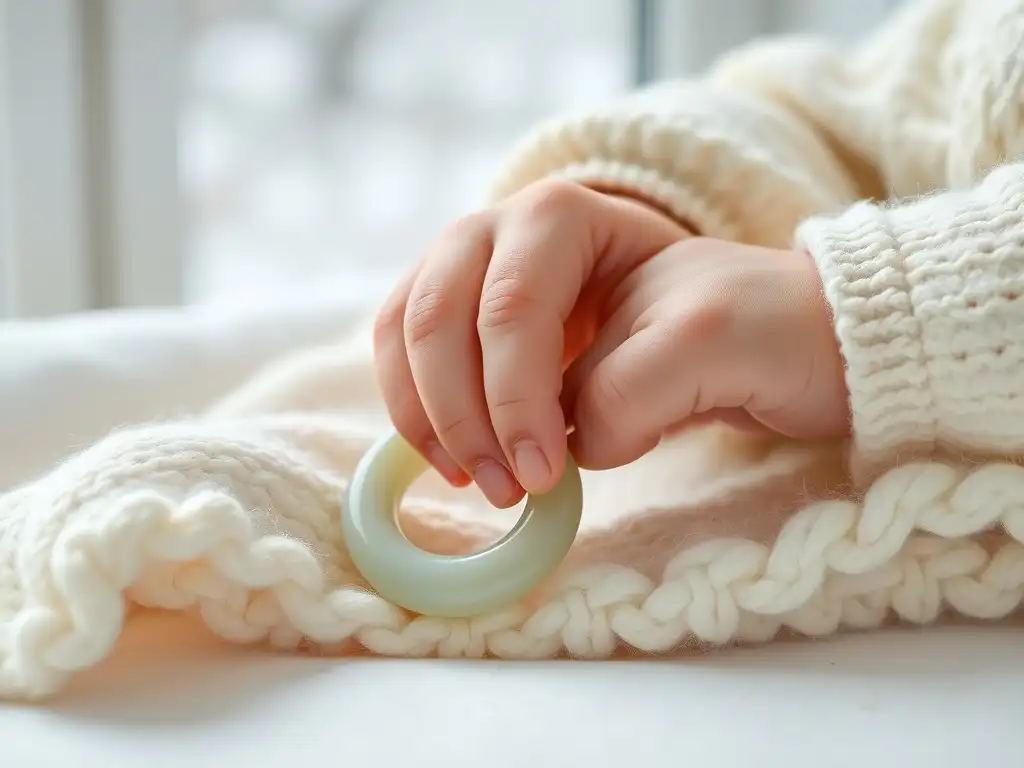
Winter baby teething remedies often need a slightly different approach than those used during warmer months. The cold weather adds an extra layer of complexity, as some common teething solutions might be less effective or even exacerbate discomfort. This section explores safe and effective strategies for soothing your little one's sore gums during the winter months, focusing on methods that consider the unique challenges of the season. We'll delve into specific techniques to alleviate teething pain while keeping your baby warm and comfortable.
Remember, always consult your pediatrician before starting any new teething remedies, especially if your baby shows signs of illness or unusual discomfort. This guide aims to provide helpful information, but professional medical advice is always paramount. Finding the right balance between soothing techniques and protecting your baby from the cold is key to successful winter teething management.
Safe and Effective Teething Relief for Winter Babies
Many parents rely on tried-and-true methods for teething relief, but winter presents unique considerations. For example, while chilled teething toys are generally beneficial, they might be less appealing or even uncomfortable in very cold weather. Instead of relying solely on cold items, consider a multi-pronged approach that combines various soothing techniques. This might involve alternating between warm baths (discussed in a later section) and gentle massage of the gums. Remember to always supervise your baby closely during any soothing activity.
Here's a breakdown of safe and effective teething relief options suitable for winter:
- Teething Toys: Opt for toys made of soft, pliable materials that can be easily warmed slightly before use. Avoid extremely cold toys.
- Gentle Gum Massage: Using a clean finger, gently massage your baby's gums. This can help relieve pressure and soothe irritation.
- Over-the-counter Medications: Always follow the dosage instructions carefully and consult your pediatrician before using any medication, especially for infants. Acetaminophen or ibuprofen (as directed by your doctor) can help manage pain and fever. Never give aspirin to a baby or young child.
- Distraction: Engage your baby in playful activities, songs, or stories to distract them from the discomfort.
Cold Compresses: A Winter Teething Essential
While chilled teething toys might be less desirable in winter, cold compresses offer a targeted approach to soothing inflamed gums. The key is to ensure the compress is not too cold. Instead of using ice directly, which can be too harsh, consider using a clean, damp washcloth that has been chilled in the refrigerator for about 15-20 minutes.
Wrap the cold compress in a thin, soft cloth before applying it gently to your baby's gums for short periods. Always supervise your baby during this process and remove the compress immediately if they seem uncomfortable. This method offers localized relief without the potential for chilling your baby excessively.
Warm Baths: Gentle Relief for Irritable Gums
Warm baths can be incredibly soothing for babies experiencing teething pain. The warm water helps relax the baby's muscles, reducing overall discomfort. The warmth also provides gentle relief to the inflamed gums. However, be mindful of the water temperature; it should be lukewarm, never hot.
Adding a few drops of chamomile essential oil (after checking with your pediatrician for any allergies) to the bathwater can further enhance the soothing effect. Remember to keep the bath short (10-15 minutes) to avoid drying out your baby's skin. After the bath, gently pat your baby dry and dress them warmly to prevent them from getting chilled. This method is particularly beneficial in cold weather, as it offers comfort without exposing your baby to additional cold.
This detailed approach provides a comprehensive understanding of winter baby teething remedies, offering practical solutions for parents to manage their baby's discomfort during the colder months. Remember, consistency and careful monitoring are key to providing effective relief. Always consult your pediatrician if you have any concerns or if your baby's symptoms worsen.
Managing Teething Pain with Cold Weather Considerations
Winter presents unique challenges when it comes to soothing a teething baby. The cold, dry air can exacerbate discomfort, and traditional teething remedies might need adjustments. For example, while a chilled teething ring is usually a welcome relief, prolonged exposure to cold can be harsh on delicate gums, potentially leading to increased sensitivity. Therefore, it's crucial to monitor your baby's reaction carefully. Instead of leaving a teething ring in the freezer for extended periods, try chilling it in the refrigerator for a shorter time. This provides a gentler cooling effect without the risk of causing discomfort from extreme cold.
Another crucial factor is the baby's overall warmth. While a cold teething ring can soothe inflamed gums, ensuring your baby is adequately dressed and protected from the cold is paramount. A baby who is cold and shivering will be less receptive to any soothing measure, including a teething ring. Prioritize keeping your baby warm and comfortable, and then introduce the teething ring or other soothing methods.
Consider using layers of clothing to regulate their temperature effectively, as this allows for easy adjustments based on their needs. Remember, a warm, comfortable baby will be better able to manage the discomfort of teething. Always prioritize their overall well-being and comfort above all else when tackling teething pain during the winter months. If you notice any signs of discomfort beyond the typical teething symptoms, consult your pediatrician to rule out any other underlying issues.
Teething Toys: Choosing the Right Ones for Winter
Selecting the right teething toys in winter requires careful consideration. Opt for toys that are easy to clean and disinfect, as germs spread more easily during the cold and flu season. Avoid toys made from materials that can become overly cold and potentially harm your baby's sensitive gums. Look for toys made from soft, safe materials like silicone or food-grade rubber that can be easily cleaned and sterilized. Hard plastic toys, while durable, can be too cold if chilled and may scratch delicate gums.
Consider the texture of the teething toy. Some babies prefer smooth surfaces, while others find textured surfaces more stimulating and helpful in relieving gum pressure. A variety of textures may be beneficial, offering your baby options to find what works best for them. Remember to regularly inspect the teething toy for any signs of damage or wear and tear and replace it if necessary.
Also, consider the size of the toy to ensure it's appropriate for your baby's age and developmental stage, preventing any choking hazards. During winter, it’s particularly important to ensure the toy is thoroughly dried after cleaning to prevent the growth of mold or bacteria. Prioritize safety and hygiene when choosing and using teething toys, especially during colder months when illnesses are more prevalent. A clean and appropriately chosen teething toy can provide significant relief for your little one while safeguarding their health.
Hydration and Nutrition During Winter Teething

Winter brings its own unique challenges to teething babies, adding to the already stressful experience of sore gums. Maintaining proper hydration and nutrition is crucial during this time, as a weakened immune system, common during teething, makes babies more susceptible to winter illnesses. This section focuses on optimizing your baby's diet to support their comfort and overall well-being during this period.
Importance of Adequate Fluid Intake During Teething
Dehydration can exacerbate discomfort from teething, making babies fussy and irritable. Increased saliva production, a common symptom of teething, can lead to fluid loss. Therefore, maintaining adequate hydration is paramount. For babies under six months, breast milk or formula remain the primary source of hydration. However, you can offer additional fluids, especially if your baby shows signs of dehydration like fewer wet diapers or dry mouth.
For babies over six months, you can introduce small amounts of water between feedings, but always consult your pediatrician before making significant changes to your baby's diet. Remember, the key is to offer fluids frequently in small amounts rather than large volumes at once. This helps prevent choking and encourages consistent hydration. Signs of adequate hydration include frequent urination and moist diapers. Conversely, fewer wet diapers, sunken eyes, and lethargy are warning signs of dehydration and require immediate medical attention.
Nutrient-Rich Foods to Support Baby's Immune System in Winter
A robust immune system is vital in winter, especially for teething babies who are already more vulnerable to infections. Focusing on nutrient-rich foods is key to boosting their defenses. For babies starting solids, incorporating foods rich in Vitamin C (like pureed oranges or sweet potatoes), Vitamin D (essential for calcium absorption, crucial for healthy teeth and bones), and zinc (supports immune function) is essential. These nutrients are crucial in combating infections and maintaining overall health.
A balanced diet rich in fruits, vegetables, and whole grains also contributes significantly to a strong immune system. Remember to consult your pediatrician about introducing new foods and monitoring for any allergic reactions. Introducing diverse foods gradually helps assess any potential sensitivities. Keep a food diary to track your baby's intake and any potential reactions.
Dietary Adjustments for Teething Babies in Cold Weather
Winter teething presents unique dietary considerations. Cold foods and drinks can soothe sore gums, while warm foods can be comforting. Offering chilled purees, frozen teething toys filled with safe liquids, or even a cool, wet washcloth can provide significant relief. However, avoid extremely cold foods that may shock the baby's system.
Similarly, warm foods like oatmeal or well-cooked vegetables can be soothing, especially if your baby is experiencing discomfort from teething. Always ensure that the temperature is safe for your baby to avoid burns. The texture of food is also important; soft, easily mashed foods are preferable to hard or crunchy foods during this period. This minimizes the risk of injury to already sensitive gums.
Remember to always supervise your baby while they are eating to prevent choking hazards. Adjusting the consistency and temperature of your baby's food can significantly improve their comfort and make the teething experience more manageable. A tailored approach to nutrition during winter teething ensures your little one stays healthy and happy.
When to Seek Professional Help
Winter baby teething remedies often focus on home care, but knowing when to seek professional help is crucial for your baby's well-being. While teething discomfort is common, some symptoms warrant immediate medical attention. Don't hesitate to contact your pediatrician if you notice anything unusual or concerning. Early intervention can prevent minor issues from escalating into more significant health problems. This section will help you differentiate between typical teething symptoms and those that need professional evaluation.
Recognizing Signs of Teething Complications
Teething is usually accompanied by fussiness, drooling, and mild gum inflammation. However, several signs indicate potential complications requiring professional medical attention. These include:
- High Fever: A fever above 100.4°F (38°C) is not a typical teething symptom. High fever could signify an infection, requiring prompt medical evaluation and possibly antibiotic treatment. Always monitor your baby's temperature carefully, especially during winter when illnesses are more prevalent.
- Diarrhea or Vomiting: Persistent diarrhea or vomiting alongside teething symptoms could be a sign of a gastrointestinal issue unrelated to teething, possibly a viral infection. Dehydration is a serious concern, so prompt medical attention is necessary.
- Rash: While drool rash is common during teething, a widespread or unusual rash warrants medical evaluation. It could indicate an allergic reaction or another underlying health problem.
- Difficulty Breathing or Wheezing: These symptoms are never associated with normal teething and necessitate immediate medical attention. Difficulty breathing can be a sign of a serious respiratory infection.
- Persistent Irritability or Lethargy: While fussiness is expected during teething, excessive irritability or unusual lethargy could signal something more serious. A significant change in your baby's behavior should always be investigated by a healthcare professional.
- Bleeding Gums: While some slight bleeding might occur when gums are sore, significant or persistent bleeding from the gums needs to be checked by a doctor.
Remember, your pediatrician is your best resource. Don't hesitate to call if you have any concerns, no matter how minor they may seem. Early intervention is key to ensuring your baby's health and comfort during the winter teething season.
Winter Teething and Potential Health Concerns
Winter presents unique challenges for babies teething. The cold weather can exacerbate existing symptoms and increase the risk of certain illnesses. For example, a baby with a runny nose from teething might be more susceptible to catching a cold or the flu. This is because the constant dribbling and inflammation in the nasal passages can compromise the body's natural defenses. Therefore, maintaining good hygiene and taking preventative measures against common winter illnesses are crucial during this period.
Furthermore, the dry air common in heated homes during winter can worsen the discomfort of already irritated gums. The lack of moisture can lead to cracked lips and dry skin, further adding to your baby's discomfort. Utilizing a humidifier to add moisture to the air can help alleviate some of these symptoms.
The combination of teething discomfort and potential winter illnesses can be challenging for both the baby and the parents. Understanding the potential risks and recognizing when to seek professional medical help are essential aspects of effective winter baby teething management. Remember, proactive care is vital for ensuring your baby's well-being throughout the teething process.
Contacting Your Pediatrician: When to Call
Your pediatrician is your primary resource for all teething-related concerns. Here's a handy guide on when to call:
| Situation | Urgency Level | Action |
|---|---|---|
| High fever (above 100.4°F/38°C) | Immediate | Call immediately or go to the nearest urgent care facility. |
| Diarrhea or vomiting (persistent) | Urgent | Call your pediatrician as soon as possible. |
| Difficulty breathing or wheezing | Emergency | Seek immediate medical attention. |
| Unusual rash or skin irritation | Urgent | Call your pediatrician to discuss the rash and potential causes. |
| Persistent irritability or lethargy | Urgent | Call your pediatrician to rule out any underlying medical conditions. |
| Bleeding gums (significant or persistent) | Urgent | Contact your pediatrician to assess the situation. |
| Any concerns about your baby's health | Consult | Don't hesitate to call and discuss your concerns with your pediatrician. |
Remember, it's always better to err on the side of caution. Your pediatrician can provide personalized advice and address any specific concerns you may have regarding your baby's teething experience during the winter months. This proactive approach will help ensure your little one stays healthy and comfortable.
Preventing Winter Teething Complications
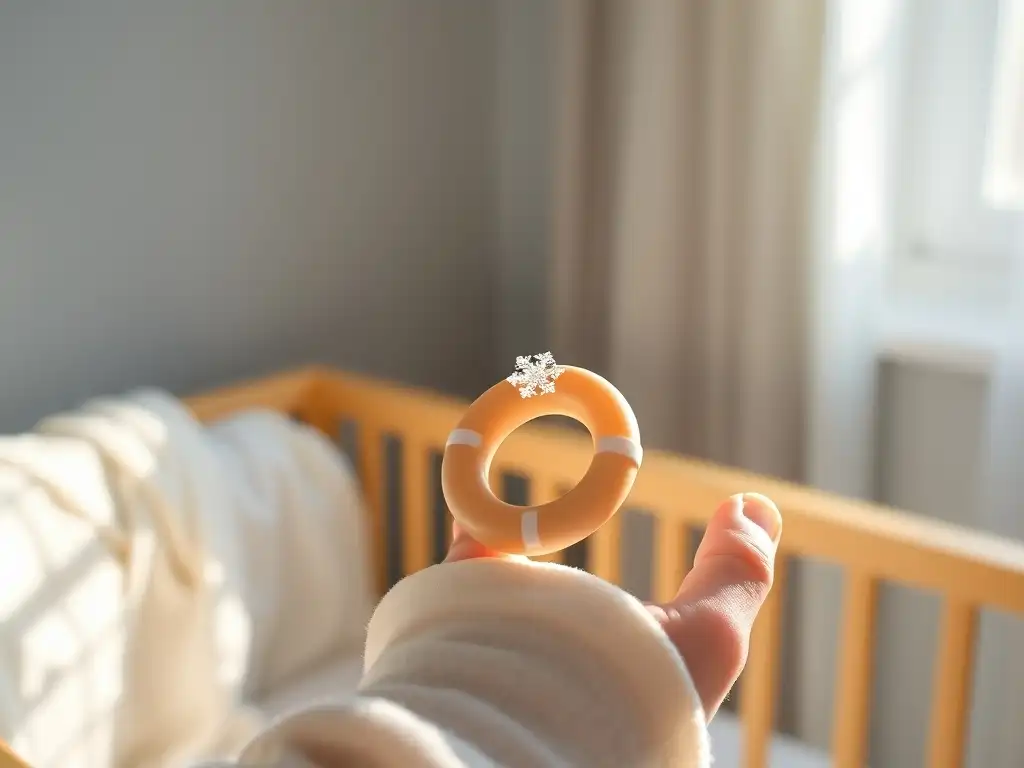
Winter brings unique challenges to teething babies. The cold weather, coupled with the discomfort of emerging teeth, can make managing your little one's symptoms more difficult. Successfully navigating this period requires a proactive approach focusing on preventative measures and soothing techniques tailored to the season. Understanding the specific risks and implementing appropriate strategies is crucial for ensuring your baby's comfort and well-being during this time. This section will explore key preventative strategies to minimize winter teething complications.
Maintaining Hygiene During Teething Season
Maintaining impeccable hygiene is paramount, especially during winter when viruses are more prevalent. Teething babies often drool excessively, increasing their susceptibility to infections. Here's how to maintain optimal oral hygiene:
- Regular Cleaning: Gently wipe your baby's gums with a clean, damp gauze pad or a soft, silicone finger brush after each feeding. This helps remove food particles and excess saliva, reducing the risk of bacterial buildup. Avoid harsh scrubbing which can irritate sensitive gums.
- Introducing a Teething Toy: Offer your baby clean teething toys made of safe, durable materials (such as silicone or food-grade rubber). These toys provide relief and also help massage the gums. Ensure you sterilize these toys regularly using boiling water or a steam sterilizer.
- Handwashing: Frequent and thorough handwashing for both you and anyone handling your baby is crucial. This prevents the transmission of germs from your hands to your baby's mouth and gums.
- Avoiding Shared Utensils and Cups: Never share utensils, cups, or spoons with your baby. This simple precaution helps prevent the spread of bacteria and viruses.
Dressing Your Baby Appropriately for Cold Weather
The cold weather can exacerbate the discomfort of teething. Babies already experiencing pain from emerging teeth may be more sensitive to temperature changes. Appropriate clothing is key to maintaining your baby's comfort and preventing illnesses that can worsen teething symptoms:
- Layering: Dress your baby in layers of lightweight clothing, allowing you to adjust as needed depending on the temperature. This allows for easy removal or addition of layers as your baby’s temperature fluctuates. Avoid overheating, which can cause sweating and increase the risk of chills.
- Warm Socks and Mittens: Keep your baby's hands and feet warm with cozy socks and mittens to prevent heat loss through these extremities. Cold extremities can increase discomfort associated with teething.
- Appropriate Headwear: A warm hat is essential to protect your baby's head from the cold, as a significant amount of body heat is lost through the head.
- Avoid Overdressing: While keeping your baby warm is crucial, overdressing can lead to overheating and sweating, which can actually make them more susceptible to colds. Always feel your baby's chest and back to ensure they are comfortably warm.
Boosting Your Baby's Immunity During Winter Months
A strong immune system is crucial for fighting off infections that can complicate teething. A weakened immune system can lead to increased susceptibility to illnesses, making teething even more uncomfortable. Here are some strategies to strengthen your baby's immune system:
- Breastfeeding (if applicable): Breast milk provides antibodies and nutrients that boost your baby's immunity. If you are breastfeeding, continue to do so as long as possible.
- Healthy Diet: Introduce age-appropriate, nutritious foods rich in vitamins and minerals. A balanced diet contributes significantly to a strong immune system. Consult your pediatrician for recommendations on introducing solids.
- Adequate Sleep: Ensure your baby gets enough sleep. Sleep is essential for immune system development and function. Aim for consistent sleep schedules to help regulate your baby's sleep patterns.
- Vitamin D Supplementation: Consult your pediatrician about Vitamin D supplementation, particularly during winter months when sunlight exposure is limited. Vitamin D plays a crucial role in immune function.
Remember, these are preventative measures. If your baby's teething discomfort becomes severe or is accompanied by other symptoms like fever or persistent fussiness, consult your pediatrician immediately. Early intervention is key to managing winter baby teething remedies effectively and ensuring your baby's overall health and well-being.
Creating a Calming Winter Teething Routine
Winter baby teething remedies often need to account for the added challenges of cold weather. A consistent and calming routine can significantly reduce your baby's discomfort and improve their overall well-being during this period. This isn't just about managing teething pain; it's about creating a predictable and secure environment, especially crucial during the often unpredictable winter months. Remember, a happy, well-rested baby is better equipped to handle teething pain.
Establishing a Consistent Sleep Schedule
A regular sleep schedule is paramount, even more so during teething. Irregular sleep patterns can exacerbate irritability and discomfort. Aim for consistent bedtimes and wake-up times, even on weekends, to regulate your baby's internal clock. A predictable routine, including a warm bath, a calming massage, and a quiet bedtime story, can help signal to your baby that it's time to sleep.
This predictability is particularly soothing during periods of discomfort like teething. Consider a white noise machine or a soft lullaby to block out distracting noises and promote relaxation. Data shows that babies who have a consistent sleep schedule tend to experience less nighttime fussiness, which is especially beneficial during teething when they might already be more irritable. Remember to consult your pediatrician if you are struggling to establish a consistent sleep schedule or have concerns about your baby's sleep patterns.
Soothing Techniques for Irritable Babies
Teething can cause significant discomfort, leading to irritability and fussiness. Gentle massage of the gums can provide relief. You can use a clean finger or a chilled (not frozen) teething toy. The cold temperature numbs the gums, offering temporary relief.
Other soothing techniques include offering your baby a clean, cold washcloth to chew on or using a specially designed teething ring. Remember to always supervise your baby during teething, as they may put small objects in their mouths. Some babies find comfort in being held close; skin-to-skin contact can be incredibly soothing. Additionally, offering your baby a pacifier might help them self-soothe during periods of discomfort.
Avoid using over-the-counter pain relievers unless recommended by your pediatrician. Always consult your healthcare provider before using any medication for your baby. Remember, each baby is unique, and what works for one may not work for another. Experiment with different techniques to find what best soothes your little one.
Creating a Comfortable and Safe Teething Environment
A comfortable and safe environment is crucial for a baby experiencing teething pain. Maintain a consistent room temperature, avoiding extremes of hot or cold. Winter months often mean drier air, which can further irritate already sore gums. Using a humidifier can help add moisture to the air, making your baby more comfortable.
Ensure the baby's bedding is clean and comfortable; a soft, breathable material is ideal. Keep the room dimly lit at night to promote better sleep. Remember to remove any potential hazards from the baby's reach, particularly small objects that could be choking hazards.
A safe and calming environment contributes greatly to alleviating the discomfort associated with teething, especially during the challenging winter months. Regularly check the temperature of teething toys and ensure they are not too cold, as this could cause discomfort instead of relief. A well-designed, safe, and comfortable environment significantly contributes to a more peaceful teething experience for your baby, making your winter parenting journey a little less challenging.
Frequently Asked Questions
What are the common signs of teething in winter babies?
Winter babies may show the same teething signs as babies in other seasons: irritability, increased drooling, gum swelling, chewing on objects, and difficulty sleeping. Cold weather doesn't change these symptoms.
How can I soothe my baby's sore gums during winter?
Offer cold teething toys (chilled, not frozen) to help numb the gums. Gentle gum massage with a clean finger can also provide relief. Ensure your baby is well-hydrated.
Are there any teething remedies specifically for winter?
While no remedies are exclusively for winter, avoid harsh chemicals or overly hot or cold items on sensitive gums. Stick to safe and gentle methods like those used year-round.
Can cold weather exacerbate teething pain?
Cold weather itself doesn't directly worsen teething pain. However, dry winter air can irritate already sensitive gums. Use a humidifier to alleviate dryness.
My baby seems more fussy during winter. Is it definitely teething?
Increased fussiness in winter could be due to teething, but also colds, flu, or other illnesses. Consult your pediatrician if you're unsure or if your baby shows other symptoms beyond typical teething signs.
The challenges of winter baby teething are far more than just a seasonal inconvenience; they represent a crucial intersection of a baby's developmental milestones and the harsh realities of a cold climate. The discomfort of emerging teeth is amplified by the dry air, cold temperatures, and potential for illness, making soothing a teething baby during winter a uniquely demanding task for parents.
The impact of this seemingly small issue ripples far beyond the immediate experience of the family. It highlights the ongoing need for accessible and reliable information for parents navigating the complexities of early childhood development. The most important thing a parent can do is to be present and responsive to their child's needs.
This simple truth underscores the importance of readily available resources, like this article, that offer practical advice and reassurance during challenging times. The emotional toll on parents, coupled with the physical discomfort of their little ones, underscores the significance of understanding and addressing winter teething effectively.
Now, consider your own experiences with teething, whether as a parent or as a child. Remember the frustration, the sleepless nights, the constant search for relief. Take what you've learned here – the practical tips, the soothing remedies, the empathetic understanding – and apply it to your own life, or share it with a fellow parent facing similar challenges. Let's build a community of support, sharing knowledge and experiences to help every winter baby navigate this milestone with comfort and ease. The cold may bite, but our collective warmth can make all the difference.
Soothe Those Tiny Teeth & Conquer Winter Discomfort!
Thanks for learning about soothing your baby's teething pain this winter! We hope you found helpful tips to ease their discomfort during this chilly season. Now, let's put that knowledge into action:
- Prioritize a soothing routine: Experiment with different techniques, such as chilled washcloths, gentle gum massage, or offering a chilled teething toy. Observe your baby's reactions to determine what works best for them. Keep a note of what soothes your baby most effectively!
- Share your successful strategies: Let other parents know what you discovered! Share this article on social media or leave a comment below with your tips and advice.
- Explore our other winter baby care articles: Discover more helpful guides to keep your little one happy and healthy throughout the colder months.
Ready to create a happier, more comfortable winter for your teething baby? What soothing method will you try first tonight?