
The Ultimate Baby Medication Safety Checklist for New Parents


Welcome to BabyCareHub, your ultimate guide to navigating the incredible journey of parenthood. Are you a first-time parent feeling overwhelmed by the sheer volume of information out there? We understand. That's why we've created this comprehensive resource to help you confidently care for your little one. This begins with the essentials: discover our Safe Baby Medicine Storage Guide, a critical step in ensuring your baby's health and safety. Explore our expert advice and gain peace of mind as you embark on this exciting adventure. Let's get started!
- Understanding Safe Baby Medicine Storage: A Comprehensive Guide
- Safe Baby Medicine Administration: Dos and Don'ts
- Dealing with Medication Side Effects in Babies
- Disposing of Unused or Expired Baby Medications: A Step-by-Step Guide
- Building a Safe Home Environment for Your Baby: Beyond Medications
- Emergency Preparedness: A First Aid Kit for Baby Medications
- Frequently Asked Questions
- Final Reflection: Securing a Brighter Future, One Safe Dose at a Time
- Unlock Your Baby's Safety: Start Protecting Them Today!
Understanding Safe Baby Medicine Storage: A Comprehensive Guide
Navigating the world of baby care can feel overwhelming, especially for first-time parents. Among the many concerns, ensuring your little one's safety is paramount. This comprehensive guide focuses on a crucial aspect of baby safety: safe medication storage. Accidents involving baby medicine can have devastating consequences, so understanding and implementing proper storage practices is non-negotiable. This article provides a step-by-step checklist and practical advice to help you create a safe environment for your baby, minimizing the risk of accidental ingestion of medications. We'll cover identifying potential hazards, choosing appropriate storage locations, and childproofing your medicine cabinet – all essential components of a robust "Safe baby medicine storage guide." This guide is designed to equip you with the knowledge and tools to confidently protect your baby from the dangers of improperly stored medications. Remember, proactive measures are key to preventing accidents. Let's delve into the specifics to ensure your baby's safety.
Identifying Potential Hazards in Your Home for Baby Medications
Before establishing a secure storage system, it's crucial to identify potential hazards within your home. Many everyday locations might seem innocuous but pose significant risks if medications are stored there. Let's explore some common areas and how to mitigate the risks:
- Countertops and Nightstands: These easily accessible surfaces are prime locations for accidental ingestion. Always keep medications out of sight and reach, preferably in locked cabinets.
- Purses and Bags: Carrying medications in your purse or diaper bag might seem convenient, but it exposes them to curious little hands. Store medications separately in a secure, locked container.
- Medicine Cabinets: While seemingly secure, standard medicine cabinets are often easily opened by toddlers. Childproof locks are absolutely essential.
- High Shelves: While seemingly out of reach, some children are surprisingly agile and can climb to access high shelves. Don't rely solely on height for protection.
Here's a table summarizing potential hazards and recommended preventative measures:
| Location | Potential Hazard | Preventative Measures |
|---|---|---|
| Countertops/Nightstands | Easy access for children | Store in locked cabinets, out of sight and reach. |
| Purses/Bags | Accidental exposure during outings | Separate locked container, never leave unattended. |
| Medicine Cabinets | Easily accessible to determined children | Install childproof locks, consider a higher, locked cabinet |
| High Shelves | Possible access for agile children | Not a reliable solution alone; combine with other measures. |
Remember, even seemingly minor oversights can have major consequences. A proactive approach to hazard identification is the first step towards ensuring your baby's safety. Always remain vigilant and regularly review your storage practices.
Safe Baby Medicine Storage Locations: Best Practices for New Parents
Once you've identified potential hazards, selecting appropriate storage locations is key. The ideal location is one that is both secure and easily accessible to you, but completely inaccessible to your baby. Here are some recommendations:
- Locked Cabinets: Invest in high-quality, childproof cabinets specifically designed for medicine storage. These cabinets should have secure locking mechanisms that are difficult for children to open.
- High, Locked Shelves: If using shelves, ensure they are well out of reach and equipped with childproof latches. Again, height alone isn't sufficient; always use additional safety measures.
- Designated Medicine Drawer: Consider a designated, locked drawer within a dresser or other piece of furniture, preferably one that is not easily accessible to your baby.
This is not an exhaustive list, but it highlights the importance of securing your medications in a location that is inaccessible to your child. Always prioritize security over convenience.
Childproofing Your Medicine Cabinet: Essential Steps for Safe Baby Medicine Storage
Childproofing your medicine cabinet isn't just about adding a lock; it's about creating a multi-layered system of protection. Here's a detailed checklist:
- [ ] Install childproof locks: This is the most crucial step. Ensure the locks are sturdy and difficult for your child to manipulate.
- [ ] Use safety latches: Consider adding safety latches to the cabinet doors as an additional layer of security.
- [ ] Store medications in original containers: Never transfer medications to unmarked containers. The original labeling is crucial for accurate identification.
- [ ] Keep medications out of sight: Even with locks, medications should be stored out of sight to discourage curiosity.
- [ ] Regularly check locks and latches: Over time, locks and latches can wear down. Regularly inspect them and replace them if necessary.
- [ ] Educate other caregivers: Ensure everyone who cares for your baby understands the importance of safe medicine storage and knows the location of the secured medications.
By following these steps, you create a safer environment for your baby, minimizing the risk of accidental ingestion. Remember, consistent vigilance and proactive measures are essential to safeguarding your child's well-being. A safe home is a happy home, and this begins with prioritizing safe medication storage.
Safe Baby Medicine Administration: Dos and Don'ts
This section focuses on the practical aspects of administering medication to your baby, emphasizing safety and minimizing stress for both parent and child. Correct administration is crucial for effective treatment and preventing potential harm. Remember, always consult your pediatrician before giving your baby any medication, even over-the-counter remedies. This guide provides supplemental information, not a replacement for professional medical advice.
Accurate Baby Medication Dosage: Avoiding Common Mistakes
Accurately measuring medication dosage is paramount. Incorrect dosage can lead to ineffective treatment or, worse, adverse reactions. Never guess; always follow the doctor's instructions precisely. Use the measuring device provided with the medication, or a calibrated oral syringe, for the most accurate measurement. Household spoons are unreliable and can significantly alter the dosage.
For example, a teaspoon can vary in volume by as much as 25%, leading to a potentially dangerous underdose or overdose. Always double-check the dosage before administering the medicine. If you are unsure, contact your pediatrician immediately. Remember, a small error in dosage can have significant consequences for a baby. This safe baby medicine storage guide emphasizes precision in every step of the process.
Administering Liquid Medications Safely to Infants
Administering liquid medication to infants requires a gentle and careful approach. Hold your baby securely, either in your lap or cradled against your body. Use a calibrated oral syringe or medicine dropper to slowly administer the medication to the inside of their cheek, allowing them to swallow at their own pace. Avoid squirting the medicine directly into the back of their throat, as this can cause choking or gagging.
If your baby spits out some of the medication, try again after a few minutes. If they continue to refuse the medicine, consult your pediatrician for alternative administration methods or advice. Always supervise your baby closely during and after medication administration. The emphasis on a calm and controlled approach is crucial for both successful medication delivery and minimizing the baby's stress.
Giving Baby Medicine: Techniques for Success and Reducing Stress
Giving your baby medicine can be stressful for both you and your little one. However, by employing a few simple techniques, you can make the process smoother and less upsetting. Try offering a pacifier or a favorite toy to distract your baby during medication administration. A calm and reassuring demeanor can significantly reduce your baby's anxiety.
If your baby is particularly fussy, consider administering the medication right before or after a feeding, when they are more relaxed. Positive reinforcement, such as offering praise or a cuddle after the medicine is given, can help create a positive association with the experience. Remember, patience is key. Some babies will require more coaxing than others.
This safe baby medicine storage guide highlights the importance of a calm and supportive approach to medication administration. If you consistently struggle with medication administration, don't hesitate to reach out to your pediatrician for support and additional tips. They can offer valuable advice tailored to your baby's individual needs and temperament. This can significantly improve your success rate and reduce stress for both you and your baby.
Dealing with Medication Side Effects in Babies
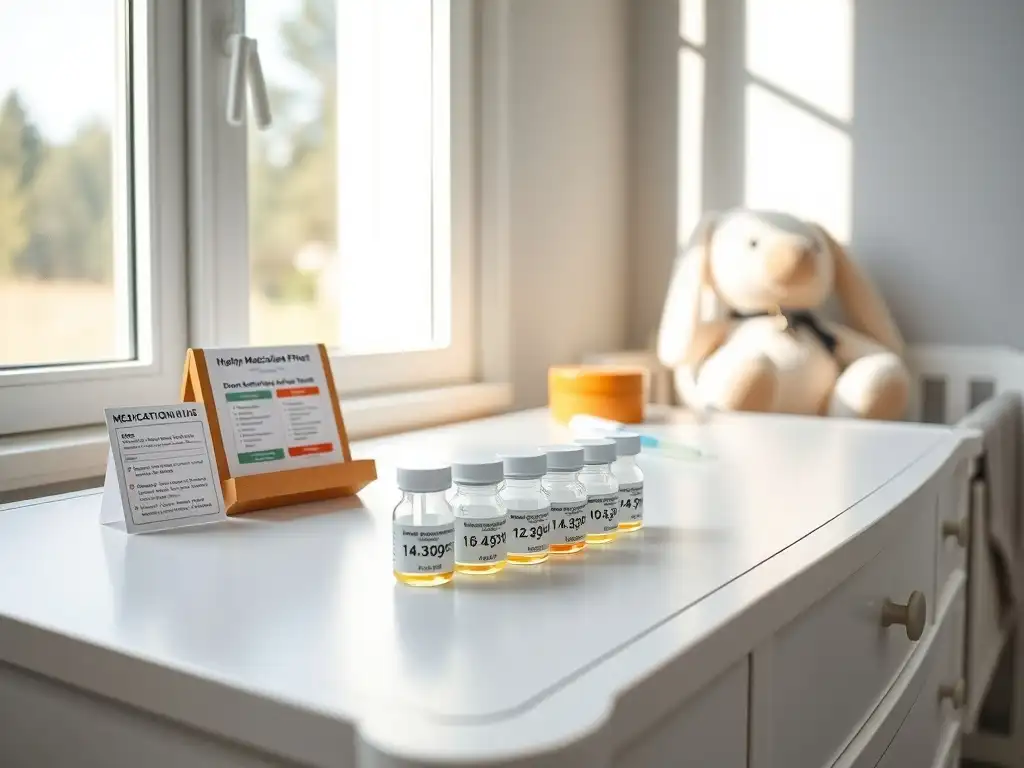
Administering medication to your baby can be stressful, even when it's prescribed by a pediatrician. Understanding potential side effects and how to manage them is crucial for ensuring your little one's safety and well-being. This section provides a guide to recognizing, managing, and when to seek professional help for medication side effects in infants. Remember, this information is for educational purposes and does not replace professional medical advice. Always consult your pediatrician before starting or stopping any medication for your baby. This guide focuses on creating a safe baby medicine storage guide for your home.
Recognizing Common Side Effects of Baby Medications
Many medications, even those considered safe for babies, can produce side effects. These can vary widely depending on the specific medication, dosage, and your baby's individual sensitivity. Some common side effects include:
- Gastrointestinal issues: Constipation, diarrhea, vomiting, loss of appetite. These are often mild and temporary, but persistent or severe issues warrant a call to your doctor. For instance, persistent vomiting could indicate a problem with medication absorption or an allergic reaction.
- Skin reactions: Rashes, hives, itching. These can range from mild irritation to severe allergic reactions. Pay close attention to any changes in your baby's skin after administering medication. A rash accompanied by difficulty breathing requires immediate medical attention.
- Sleep disturbances: Increased sleepiness or insomnia. Some medications can make babies unusually drowsy or, conversely, prevent them from sleeping soundly. Monitor your baby's sleep patterns and report any significant changes to your pediatrician.
- Behavioral changes: Fussiness, irritability, unusual lethargy. Changes in your baby's temperament, particularly if drastic, should be noted and discussed with your doctor. This could indicate an adverse reaction to the medication.
- Fever: While some medications may cause a slight temperature elevation, a significant fever warrants immediate attention. This could be a sign of an infection or an allergic reaction.
Remember to meticulously record any side effects you observe, including the time of administration, the dosage given, and the specific symptoms. This detailed information is invaluable when discussing your baby's condition with your pediatrician. A detailed safe baby medicine storage guide will assist you in keeping track of your baby's medication.
When to Seek Immediate Medical Attention After Giving Baby Medicine
While many side effects are mild and manageable at home, some require immediate medical attention. Seek immediate medical care if your baby experiences:
- Difficulty breathing or wheezing: This is a serious sign and could indicate a severe allergic reaction.
- Severe rash or hives accompanied by swelling: This could be a sign of anaphylaxis, a life-threatening allergic reaction.
- Significant changes in heart rate or rhythm: Monitor your baby's pulse and report any irregularities immediately.
- Seizures or convulsions: This is a medical emergency requiring immediate attention.
- Loss of consciousness: Any loss of consciousness in a baby requires immediate emergency medical intervention.
- Persistent vomiting or diarrhea leading to dehydration: Dehydration is dangerous for babies, and persistent fluid loss requires prompt medical evaluation. Signs of dehydration include sunken eyes, dry mouth, and decreased urination.
Don't hesitate to call your pediatrician or emergency services if you are concerned about your baby's reaction to medication, even if the symptoms don't fit neatly into these categories. It's always better to err on the side of caution when it comes to your baby's health. A well-organized safe baby medicine storage guide can help you in this situation.
Managing Baby Medication Reactions Safely at Home
For mild side effects, such as mild rashes or mild gastrointestinal upset, you can often manage the situation at home. However, always consult your pediatrician before attempting any home remedies. Some general tips include:
- Hydration: Ensure your baby is adequately hydrated by offering frequent breast milk or formula feedings. For older babies, offer small sips of water or electrolyte solutions as advised by your doctor.
- Comfort measures: For rashes, apply a cool compress to soothe the affected area. For discomfort, provide extra cuddles and soothing touches.
- Dietary adjustments: If your baby has digestive upset, your pediatrician might suggest temporary dietary changes.
- Monitoring: Closely monitor your baby's condition and document any changes.
Remember, this section provides general guidance only. The specific management of your baby's medication side effects should always be discussed with your pediatrician. They can provide tailored advice based on your baby's individual needs and the specific medication administered. A safe baby medicine storage guide should not replace professional medical advice. Always follow your pediatrician's instructions carefully. A proactive approach to medication safety is essential for your baby's well-being.
Disposing of Unused or Expired Baby Medications: A Step-by-Step Guide
Proper disposal of unused or expired baby medications is crucial for maintaining a safe home environment and protecting the planet. Improper disposal can lead to accidental ingestion by children or pets, water contamination, and environmental pollution. This section provides a clear, step-by-step guide to ensure safe and responsible disposal, aligning with the best practices for a safe baby medicine storage guide.
Safe Disposal Methods for Baby Medications: Protecting Your Child and the Environment
Several methods exist for disposing of baby medications, each with its own advantages and disadvantages. The best approach depends on the type of medication and your local regulations. Always check your local pharmacy or waste management authority for specific guidelines. They may offer medication take-back programs or provide detailed instructions. Here are some common methods:
- Medication Take-Back Programs: Many pharmacies and healthcare facilities participate in medication take-back programs. These programs provide a safe and convenient way to dispose of unwanted medications, including those for babies. Check your local listings for participating locations. This is often the safest and most environmentally friendly option. 🥇
- Mixing with Unwanted Substances: For liquid medications, you can mix them with an undesirable substance, like used coffee grounds or kitty litter, to make them less appealing and prevent accidental ingestion. Seal this mixture tightly in a plastic bag and dispose of it in the trash. For solid medications, crush them before mixing. This method reduces the risk of accidental ingestion but isn't ideal for all medications.
- Household Hazardous Waste Collection Sites: Some communities have designated collection sites for household hazardous waste, including medications. These sites typically offer secure disposal methods that minimize environmental impact. Contact your local waste management department to find the nearest location and their specific guidelines.
- Flushing Medications: In rare cases, the FDA may recommend flushing certain medications down the toilet. However, this is generally not recommended for most baby medications due to potential environmental concerns. Always check the medication label or consult your pharmacist before flushing any medication.
| Disposal Method | Advantages | Disadvantages | Suitable for |
|---|---|---|---|
| Take-Back Programs | Safe, convenient, environmentally friendly | Requires finding a participating location | All medications |
| Mixing with Unwanted Substance | Reduces risk of accidental ingestion | Less environmentally friendly than take-back programs | Most medications (crush pills first) |
| Household Hazardous Waste | Secure disposal, minimizes environmental impact | Requires transporting medications to a collection site | Most medications |
| Flushing (rarely recommended) | Convenient | Potential environmental concerns | Only specific medications as directed by FDA |
Remember to always remove any identifying information from medication containers before disposal to protect your child's privacy.
Understanding the Importance of Proper Baby Medicine Disposal
The consequences of improper baby medicine disposal can be severe:
- Accidental Ingestion: Children and pets are particularly vulnerable to accidental ingestion of discarded medications. This can lead to serious health consequences, even death. A safe baby medicine storage guide is essential to prevent this.
- Environmental Contamination: Improper disposal can contaminate water sources and harm wildlife. Medications can persist in the environment for extended periods, posing long-term risks.
- Medication Abuse: Discarded medications can be misused or diverted for illicit purposes. Proper disposal helps prevent this.
By following a safe and responsible disposal procedure, you contribute to a safer home environment and a healthier planet. This is an essential part of responsible parenting and a key component of any comprehensive safe baby medicine storage guide. Always prioritize the safety and well-being of your child and the environment. 👶🌍
Building a Safe Home Environment for Your Baby: Beyond Medications
This section focuses on creating a holistic safe environment for your baby, extending beyond the specific topic of medication storage. A secure home environment is paramount to your baby's well-being and development, encompassing various aspects beyond just keeping medications out of reach. This involves proactive measures to minimize risks and create a nurturing space for your little one to thrive. Remember, a safe "baby medicine storage guide" is only one piece of the larger puzzle of overall baby safety.
General Baby Safety Tips for a Secure Home
Creating a safe home for your baby requires vigilance and attention to detail. Many seemingly minor hazards can pose significant risks to a curious infant. Here are some essential safety tips to consider:
- Childproofing: This is crucial! Install safety gates at the top and bottom of staircases, cabinet locks on potentially hazardous cupboards (cleaning supplies, medications, etc. ), and outlet covers to prevent electrical shocks. Consider corner protectors to cushion sharp edges on furniture. Regularly check for and address any new hazards as your baby grows and becomes more mobile.
- Furniture Safety: Anchor tall furniture, such as bookcases and dressers, to the wall to prevent tipping accidents. This is especially important in areas where your baby plays. Avoid placing heavy objects on high shelves within your baby’s reach.
- Safe Sleep Practices: Always place your baby on their back to sleep on a firm, flat surface, free from loose bedding, pillows, or toys. This significantly reduces the risk of Sudden Infant Death Syndrome (SIDS). Follow the American Academy of Pediatrics (AAP) guidelines for safe sleep.
- Water Safety: Never leave your baby unattended near water, even for a moment. This includes bathtubs, sinks, toilets, and swimming pools. Install safety gates around pools and ensure proper supervision at all times near any water source.
- Choking Hazards: Keep small objects, such as buttons, coins, and small toys, out of your baby's reach. Always supervise your baby during mealtimes and ensure food is appropriately sized and soft to prevent choking. Be aware of potential choking hazards throughout the house, including loose threads or ribbons on clothing or toys.
- Temperature Control: Maintain a comfortable room temperature for your baby, avoiding extremes of heat or cold. Regularly check the temperature of bathwater before placing your baby in it.
Creating a Safe Space for Baby's Development and Growth
Beyond preventing accidents, consider how your home environment supports your baby's development. A stimulating and safe space fosters growth and learning.
- Baby-Proofing for Exploration: While childproofing involves preventing access to hazards, it should also consider allowing safe exploration. Create designated play areas with age-appropriate toys and materials. This allows for safe exploration and discovery without compromising safety.
- Non-Toxic Environment: Choose non-toxic cleaning products and furniture. Opt for natural materials whenever possible, minimizing exposure to harsh chemicals and potentially harmful substances. This is a vital aspect of creating a healthy and safe environment for your growing baby.
- Safe Play Areas: Designate specific play areas that are free from potential hazards. Ensure these areas are well-lit and appropriately padded to minimize the risk of injuries during playtime. Regularly inspect play areas for any potential dangers.
- Stimulating Environment: Provide age-appropriate toys and activities that encourage your baby's cognitive, physical, and emotional development. A stimulating environment helps promote healthy growth and learning. Consider rotating toys to maintain interest and engagement.
Remember, a comprehensive approach to baby safety encompasses more than just medication storage. By implementing these tips, you can create a secure and nurturing environment for your baby to thrive in. The ultimate goal is to minimize risks and foster a safe space for your little one's development and growth. This holistic approach complements a safe baby medicine storage guide and contributes to overall peace of mind.
Emergency Preparedness: A First Aid Kit for Baby Medications
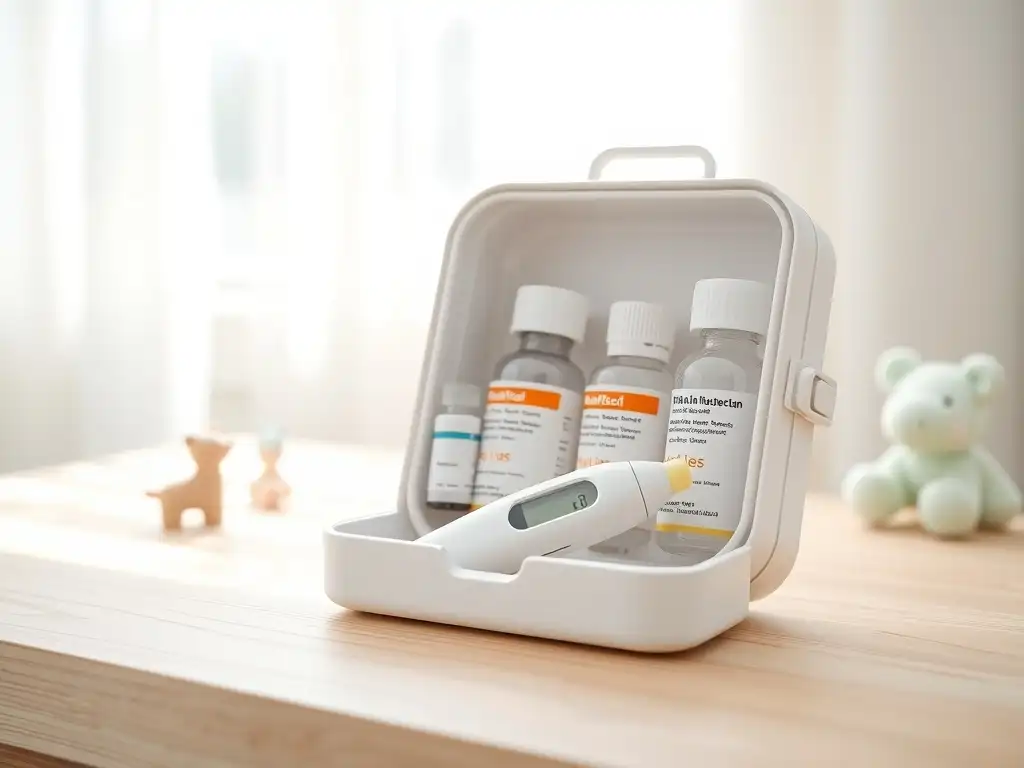
This section focuses on creating a readily accessible and safe first-aid kit specifically for your baby's medications. Proper preparation is crucial for handling unexpected situations and ensuring your little one's well-being. A well-stocked kit allows for swift action during emergencies, minimizing stress and maximizing the effectiveness of treatment. Remember, this is a supplement to your regular pediatrician-recommended medication regimen, not a replacement. Always consult your doctor before administering any medication to your baby.
Essential Medications to Keep on Hand for Baby Emergencies
Having a readily available supply of essential medications can be the difference between a manageable situation and a medical emergency. This doesn't mean stockpiling every possible medicine; instead, focus on items your pediatrician might recommend for common baby ailments. Remember to always check expiration dates and replace medications as needed.
A well-equipped baby medication first-aid kit might include:
- Infant Acetaminophen (Paracetamol): For fever reduction and pain relief. Always follow the dosage instructions carefully based on your baby's weight. Never exceed the recommended dose.
- Infant Ibuprofen (if recommended by your pediatrician): Another option for fever and pain relief, but consult your doctor before using it for infants. Ibuprofen is generally not recommended for babies under 6 months old.
- Oral Rehydration Solution (ORS): Crucial for preventing dehydration during episodes of diarrhea or vomiting. Follow the package instructions carefully for proper dilution.
- Antihistamine (for babies over 6 months, as directed by your pediatrician): For allergic reactions, but only if your doctor specifically recommends it. Always use the correct dosage and closely monitor your baby's response.
It's vital to note that this list is not exhaustive and should be personalized based on your baby's specific needs and your doctor's recommendations. Keep a record of your baby's medication history, including dosage and administration times. This information is invaluable in emergencies and during doctor visits. Consider a small notebook or digital document to keep this information readily accessible. 👶
Storing Your Baby's First Aid Kit Safely and Accessibly
Safe storage is paramount when it comes to baby medications. Improper storage can lead to accidental ingestion, medication spoilage, or incorrect dosage administration. Here are some key considerations for creating a safe and accessible storage system for your baby's medications:
- Designated Location: Choose a secure location, out of reach of children and pets, but easily accessible to you in case of an emergency. A high shelf, locked cabinet, or a designated drawer are all excellent options.
- Child-Resistant Packaging: Always use child-resistant containers and caps. These are specifically designed to prevent young children from opening them easily. Never assume your child can't open a container; always double-check.
- Proper Labeling: Clearly label all medications with the name, dosage, and expiration date. Use permanent markers to ensure the labels remain legible. Consider using a color-coded system to easily identify medications.
- Regular Check-ups: Routinely check the expiration dates of all medications and dispose of expired items properly. Never use expired medications. Familiarize yourself with proper medication disposal guidelines in your area.
- Temperature Control: Store medications according to the manufacturer's instructions. Some medications require refrigeration, while others should be kept at room temperature.
Following these guidelines will help you create a safe and efficient system for storing your baby's medications, ensuring their safety and well-being. Remember, prevention is key when it comes to baby medication safety. A well-organized and secure system can significantly reduce the risk of accidents. This is a crucial aspect of your "safe baby medicine storage guide". Prioritize safety and peace of mind.
Frequently Asked Questions
What is the safest place to store baby medication?
The safest place is in a locked cabinet, high up and out of reach of children. Never leave medication on a counter or in a bedside table.
How should I dispose of unused baby medication?
Never flush medications down the toilet. Check with your local pharmacy or waste disposal service for safe disposal options, often involving mixing them with an undesirable substance like kitty litter before discarding.
Are there any specific precautions for storing liquid medications?
Yes, ensure bottles are tightly closed and stored in a cool, dry place, away from direct sunlight and heat. Check expiration dates regularly.
My child accidentally ingested some medication. What should I do?
Immediately call your local poison control center or seek emergency medical attention. Have the medication container ready to provide information.
How can I childproof my home to prevent medication access?
Install childproof locks on all cabinets and drawers containing medication. Keep medications in their original containers with clear labeling. Consider using a medication organizer to manage multiple medications.
Final Reflection: Securing a Brighter Future, One Safe Dose at a Time
The careless storage of medications poses a significant, often overlooked, threat to the well-being of our youngest and most vulnerable members of society. A single misplaced bottle can have devastating consequences, highlighting the critical need for proactive and informed safety measures in every household with children. This isn't just about following rules; it's about safeguarding the future.
The pervasive nature of medication in modern life, coupled with the inherent curiosity of young children, creates a potent cocktail for potential accidents. The responsibility for preventing these tragedies rests squarely on the shoulders of caregivers. We must remain vigilant, constantly educating ourselves and others on best practices. The best safety measure is prevention,
a simple yet profound truth that underscores the importance of the checklist and the ongoing vigilance it represents. This isn't just about protecting our children; it's about creating a culture of safety that extends beyond our homes and into our communities.
You, as a parent or caregiver, now hold the power to create a safer environment for the little ones in your life. Take a moment to review the checklist, not just as a list of tasks, but as a commitment to their well-being. Implement the strategies discussed, and share this vital information with other parents and caregivers. Let's work together to ensure that every child has the opportunity to thrive in a safe and secure environment, free from the preventable dangers of improperly stored medications. Let's build a future where accidental poisonings are a distant memory.
Unlock Your Baby's Safety: Start Protecting Them Today!
Thank you for learning about baby medication safety—you've gained crucial knowledge to protect your child. Let's put this knowledge into action!
- Prioritize Safe Medication Storage: Securely store all medications in a locked area, well out of your baby's reach. A childproof cabinet or safety latches on cabinets are excellent options. This is the most important step in ensuring your baby's safety.
- Share This Vital Information: Help other new parents avoid medication accidents by sharing this advice on your social media.
- Join Our BabyCareHub Community: Connect with other parents and experts on our forums to share tips and ask questions about medication safety and other baby-related topics.
What's your first step towards creating a safer medication environment for your baby?