
Tummy Time on Different Surfaces: Which Are Best for Your Baby?


Welcome to BabyCareHub, your ultimate guide to navigating the incredible journey of parenthood! Are you ready to unlock the secrets to a happy, healthy baby? We're here to provide step-by-step support through every stage, from feeding schedules to developmental milestones. Discover the vital role of tummy time in your baby's development and learn which surfaces are truly the best for your little one in our in-depth article on "Best baby tummy time surfaces." Let's embark on this exciting adventure together!
- Understanding the Importance of Tummy Time for Baby Development
-
Best Baby Tummy Time Surfaces: A Comprehensive Guide
- Soft Play Mats for Tummy Time: Comfort and Safety
- Blankets for Tummy Time: Choosing the Right Material and Thickness
- Carpeted Floors for Tummy Time: Considerations and Precautions
- The Baby's Crib for Tummy Time: A Suitable Option?
- Using a Baby Gym for Tummy Time: Engaging and Supportive
- Outdoor Tummy Time Surfaces: Grass, Sand, and Other Options
- Assessing the Safety of Different Tummy Time Surfaces
- Choosing the Right Tummy Time Surface for Your Baby's Needs
- Frequently Asked Questions about Tummy Time Surfaces
- Frequently Asked Questions
- Final Reflection: The Foundation of a Strong Start: Tummy Time and Your Baby's Development
- Unlock Your Baby's Potential: Supercharge Tummy Time!
Understanding the Importance of Tummy Time for Baby Development
Tummy time is a crucial activity for infants, offering a multitude of benefits for their physical, cognitive, and sensory development. For first-time parents navigating the world of newborn care, understanding the "why" behind tummy time is just as important as knowing the "how." This article serves as a comprehensive guide to selecting the best surfaces for tummy time, ensuring your baby's comfort and safety while maximizing the developmental advantages.
We'll explore various surface options, weighing their pros and cons to help you create a safe and stimulating tummy time experience for your little one. Choosing the right surface is key to making tummy time a positive and beneficial experience, encouraging your baby's progress and building a strong foundation for their future development. This guide will help you navigate the options and find the perfect surface to support your baby's journey.
Remember, consistent and safe tummy time is a cornerstone of healthy development, contributing significantly to your baby's overall well-being. Let's delve into the specifics of what makes tummy time so important and how to make it a success.
Benefits of Tummy Time: Muscle Strength and Development
Tummy time is not just about playtime; it's a vital component of your baby's physical development. As they push themselves up, lift their heads, and eventually crawl, they are strengthening crucial muscles. This includes their neck, shoulder, back, and core muscles. These muscles are fundamental for a variety of milestones, such as sitting, crawling, and eventually walking. Stronger muscles also contribute to better posture and balance as your baby grows.
Think of it as their first weight training program! 💪 The resistance they encounter while lifting their body weight during tummy time helps build strength and endurance, laying a solid foundation for future motor skill development. This isn't just about physical strength; it also contributes to overall physical coordination and control. The more they practice, the better they'll become at controlling their movements.
Benefits of Tummy Time: Sensory Exploration and Cognitive Development
Beyond physical development, tummy time significantly contributes to your baby's sensory and cognitive development. While on their tummy, babies are exposed to a wider range of visual stimuli than when lying on their backs. They can explore their surroundings, observe faces, and track moving objects, stimulating their visual perception and improving their eye-hand coordination. The varied textures of different tummy time surfaces also contribute to sensory development, enriching their tactile experience and enhancing their understanding of the world around them.
Furthermore, the effort required to lift their head and look around enhances their problem-solving skills and cognitive development. The act of engaging with their environment actively stimulates their brains, fostering learning and development. This active engagement is crucial for building their cognitive abilities and preparing them for more complex challenges later on.
Safe Tummy Time Practices: Supervision and Timing
Safe tummy time is paramount. Always supervise your baby closely during tummy time sessions. Never leave them unattended, even for a moment. Start with short sessions, perhaps only a few minutes at a time, gradually increasing the duration as your baby gets stronger and more comfortable. Observe your baby's cues; if they seem tired, fussy, or frustrated, stop the session and try again later.
Remember, tummy time should be a positive experience, not a stressful one. A safe and supportive environment is crucial for encouraging your baby's development and building their confidence. The key is consistency and attentive supervision, adapting the duration and environment to your baby's individual needs and responses. Always prioritize safety and comfort to ensure a positive and beneficial tummy time experience.
Best Baby Tummy Time Surfaces: A Comprehensive Guide
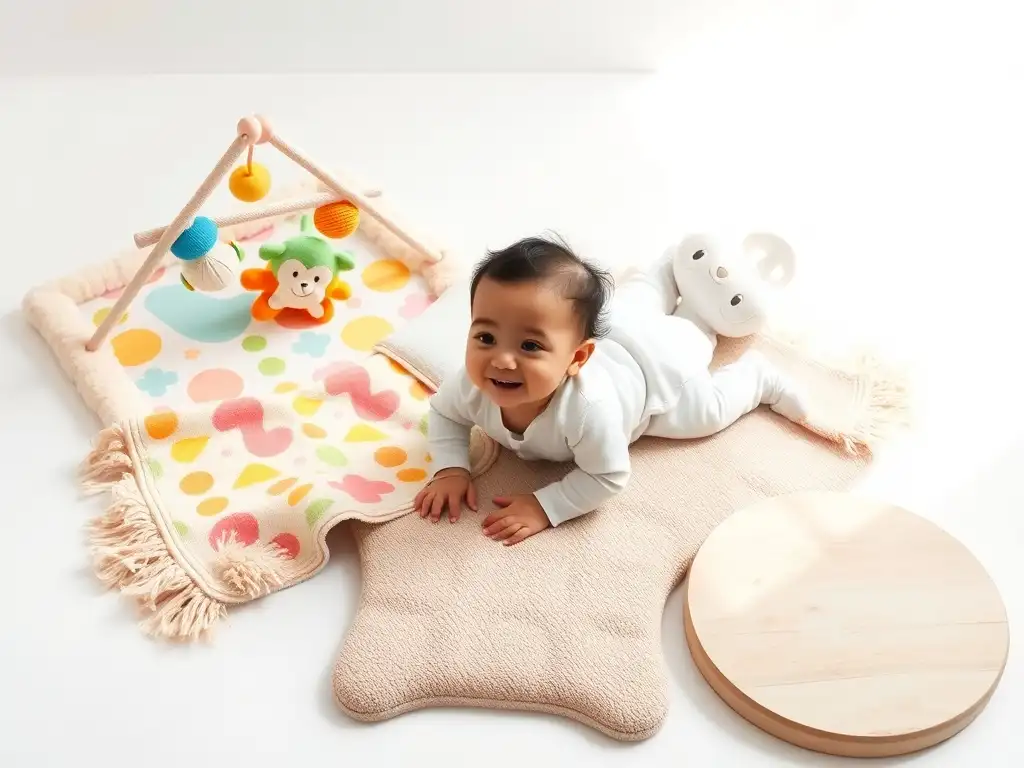
Finding the perfect surface for tummy time is crucial for your baby's comfort, safety, and development. The right surface provides a soft yet supportive base, encouraging your little one to lift their head and strengthen their neck and upper body muscles. Choosing the wrong surface, however, can lead to discomfort or even injury. This guide explores various options, highlighting their pros and cons to help you make an informed decision. Remember, always supervise your baby during tummy time, regardless of the surface you choose.
Soft Play Mats for Tummy Time: Comfort and Safety
Soft play mats are a popular choice for tummy time, offering a cushioned and comfortable surface for your baby. They're often designed with vibrant colors and textures to stimulate your baby's visual development. However, not all play mats are created equal. Look for mats made from non-toxic, hypoallergenic materials, such as thick foam or padded vinyl. Avoid mats with small, detachable parts that could pose a choking hazard.
The thickness of the mat is also a critical factor. A thicker mat provides better cushioning and protection against hard floors. Aim for a mat that's at least 1 inch thick, ideally thicker for extra protection. Consider the size of the mat as well.
A larger mat provides more space for your baby to move and explore during tummy time. Regular cleaning is essential; many mats are easily wiped clean or machine washable for hygiene. Remember to check the manufacturer's instructions for cleaning and maintenance. Choosing a high-quality, appropriately thick, and easily cleanable soft play mat can significantly enhance your baby's tummy time experience.
Blankets for Tummy Time: Choosing the Right Material and Thickness
Blankets can be a convenient option for tummy time, especially when you're on the go. However, it's crucial to choose the right type of blanket to ensure your baby's safety and comfort. Avoid using fluffy or excessively soft blankets, as these can pose a suffocation risk. Instead, opt for thin, flat blankets made from breathable materials like cotton or muslin. These fabrics are gentle on your baby's skin and allow for adequate airflow.
The thickness of the blanket is another important factor. Too thin a blanket might not provide enough cushioning, while a thick blanket could restrict your baby's movement and increase the risk of overheating. A lightweight cotton blanket offers a good balance of comfort and safety, providing a gentle surface without posing a suffocation risk. Always supervise your baby closely during tummy time with a blanket, ensuring they're not accidentally covered by it. This is crucial for safe and effective tummy time sessions.
Carpeted Floors for Tummy Time: Considerations and Precautions
Carpeted floors can be a suitable surface for tummy time, provided they meet certain criteria. Thick, plush carpeting offers good cushioning and insulation, making it relatively comfortable for your baby. However, the type of carpet is crucial. Avoid carpets with long, loose fibers that could pose a strangulation hazard. Opt for carpets with shorter, tightly woven fibers for safety. Regular vacuuming is essential to remove dust mites and other allergens that could irritate your baby's sensitive skin.
Furthermore, consider the overall cleanliness of the carpet. Ensure the carpet is regularly cleaned and free from spills or stains that could harm your baby. While carpeted floors can be a suitable option, always assess the carpet's condition and cleanliness before using it for tummy time. A clean, well-maintained carpet with short, tightly woven fibers offers a comfortable and safe environment for your baby's tummy time sessions. Remember, however, that even on a carpeted floor, constant supervision remains paramount. Always be present during tummy time to ensure your baby’s safety and well-being.
The Baby's Crib for Tummy Time: A Suitable Option?
While a crib might seem like a convenient spot for tummy time due to its familiarity and contained space, it's generally not the ideal surface. The mattress, even a firm one, offers insufficient support for a baby's developing neck and back muscles. The soft surface also increases the risk of suffocation if the baby turns their face into the mattress. Furthermore, the crib's bars present a potential hazard; a baby might push themselves up against the bars, potentially causing injury or discomfort.
It's crucial to remember that tummy time is about strengthening muscles and developing motor skills, and a soft, yielding surface like a crib mattress hinders this process. A flat, firm surface is paramount for effective and safe tummy time. Therefore, while convenient, the crib should be avoided as a tummy time surface. Instead, opt for firmer, safer alternatives.
Using a Baby Gym for Tummy Time: Engaging and Supportive
Baby gyms offer a fantastic opportunity to combine tummy time with engaging playtime. The colorful toys and dangling objects stimulate a baby's visual and cognitive development, making tummy time more enjoyable and less of a chore. However, the effectiveness of a baby gym for tummy time depends heavily on its design and the surface it's placed on. Choose a baby gym with a large, firm playmat that provides adequate support.
Avoid gyms with excessively plush or soft mats, as these don't offer the necessary support for a baby's spine and neck. Remember that the goal is to encourage muscle development, not to cushion the baby excessively. The firm surface of the playmat allows the baby to push up, strengthening their neck and upper body.
Some baby gyms even have adjustable arches and features, allowing you to customize the height and positioning of the toys to suit your baby's development. This ensures they are constantly challenged and engaged during their tummy time sessions. Always supervise your baby during tummy time, even with a baby gym, to ensure their safety and prevent accidents.
Outdoor Tummy Time Surfaces: Grass, Sand, and Other Options
Taking tummy time outdoors offers benefits beyond the usual strengthening exercises. Exposure to fresh air and sunshine (with appropriate sun protection) can be beneficial for your baby's overall well-being. However, careful consideration of the surface is crucial. Soft grass can be a surprisingly good option, provided it's short, even, and free of debris. Ensure the area is free of insects, animal droppings, and sharp objects.
Regularly check the grass for any hidden hazards. Sand, on the other hand, presents more challenges. While it can be stimulating for a baby's tactile senses, fine sand can easily get into their eyes and mouth, posing a potential health risk. Furthermore, the unevenness of sand can make it difficult for a baby to maintain a stable position.
Other outdoor surfaces, such as patios or decks, require careful preparation. Ensure the surface is clean, flat, and free of any cracks or splinters that could cause injury. Always supervise your baby closely during outdoor tummy time, and choose a shaded area to prevent overheating and sunburn. Remember that safety should always be the top priority when choosing an outdoor tummy time surface.
Assessing the Safety of Different Tummy Time Surfaces
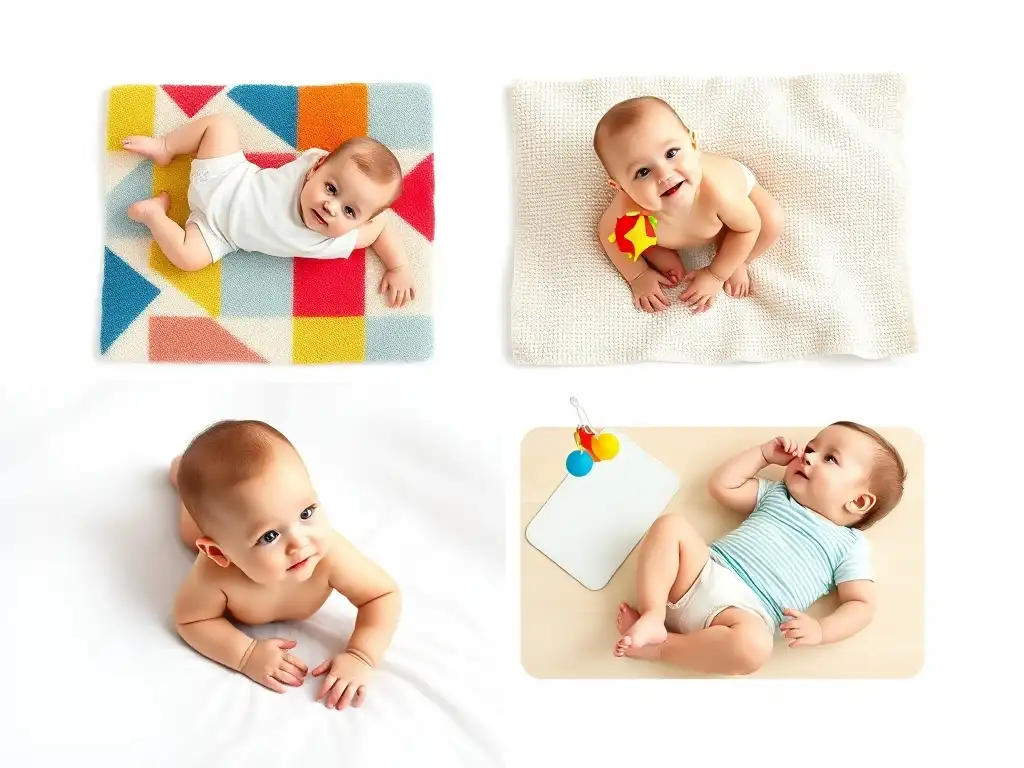
Choosing the right surface for tummy time is crucial for your baby's safety and development. While tummy time is essential for strengthening neck and back muscles, selecting an inappropriate surface can lead to accidents or discomfort. This section focuses on evaluating different surfaces based on safety criteria, ensuring your baby enjoys tummy time without risk. Finding the best baby tummy time surfaces requires careful consideration of several factors, which we will explore in detail.
Checking for Suffocation Hazards: Pillows, Blankets, and Toys
Never place your baby on a soft surface like a pillow, fluffy blanket, or a pile of toys during tummy time. These items pose a significant suffocation risk. A baby's face can easily become embedded in soft materials, obstructing their breathing. Even seemingly safe blankets can create a dangerous environment.
The American Academy of Pediatrics (AAP) strongly advises against using soft surfaces for infants. Their guidelines emphasize firm, flat surfaces to prevent suffocation. This is especially important during the first few months when babies lack the strength to lift their heads and turn away from potentially suffocating materials.
Here's a table summarizing the risks associated with different soft surfaces:
| Surface | Suffocation Risk | Other Risks | Recommended? |
|---|---|---|---|
| Pillows | High | Head deformation | No |
| Fluffy Blankets | High | Overheating, entanglement | No |
| Stuffed Toys | Medium | Choking hazard | No |
| Soft Play Mats | Low (if firm) | Potential for small parts | Consider carefully |
Remember, even if your baby seems strong enough to lift their head, the risk of accidental suffocation remains. Prioritize a firm, flat surface to minimize this danger. Always supervise your baby during tummy time, regardless of the surface used.
Ensuring Surface Stability: Preventing Falls and Injuries
Besides suffocation, falls pose another significant risk during tummy time. The surface must be stable and prevent your baby from rolling off or sliding down. A slippery surface, like a polished wooden floor, can lead to unexpected movements and falls.
Consider these points when assessing surface stability:
- Firmness: The surface should be firm enough to support your baby's weight without bending or collapsing.
- Levelness: Avoid uneven surfaces that could cause your baby to roll unexpectedly.
- Edge protection: If using a raised surface, ensure there are no sharp edges or gaps where your baby could get injured.
- Non-slip surface: Opt for a surface with sufficient friction to prevent sliding. A rug or playmat with a non-slip backing is ideal.
For example, a carpeted floor offers a relatively safe and stable surface, while a changing table or a bed, even with a firm mattress, are not suitable due to the risk of falls. Always remain within arm's reach of your baby during tummy time to prevent falls and injuries.
Maintaining Hygiene: Cleaning and Disinfecting Surfaces Regularly
Maintaining hygiene is crucial to prevent the spread of germs and infections. Babies are particularly vulnerable to infections, and the surfaces they come into contact with during tummy time should be clean and disinfected regularly.
Consider these best practices for hygiene:
- Regular cleaning: Wipe down the surface with a damp cloth and mild detergent after each tummy time session.
- Disinfection: Use a baby-safe disinfectant regularly, especially if your baby has vomited or had a diaper blowout on the surface.
- Material selection: Choose surfaces that are easy to clean and disinfect. Avoid materials that are difficult to sanitize or absorb liquids easily.
- Air drying: Allow the surface to air dry completely before placing your baby on it.
Regular cleaning and disinfection are essential for protecting your baby's health and well-being during tummy time. Choose surfaces that are easy to maintain and follow a consistent cleaning routine. This simple step contributes significantly to creating a safe and healthy environment for your baby's development.
Choosing the Right Tummy Time Surface for Your Baby's Needs
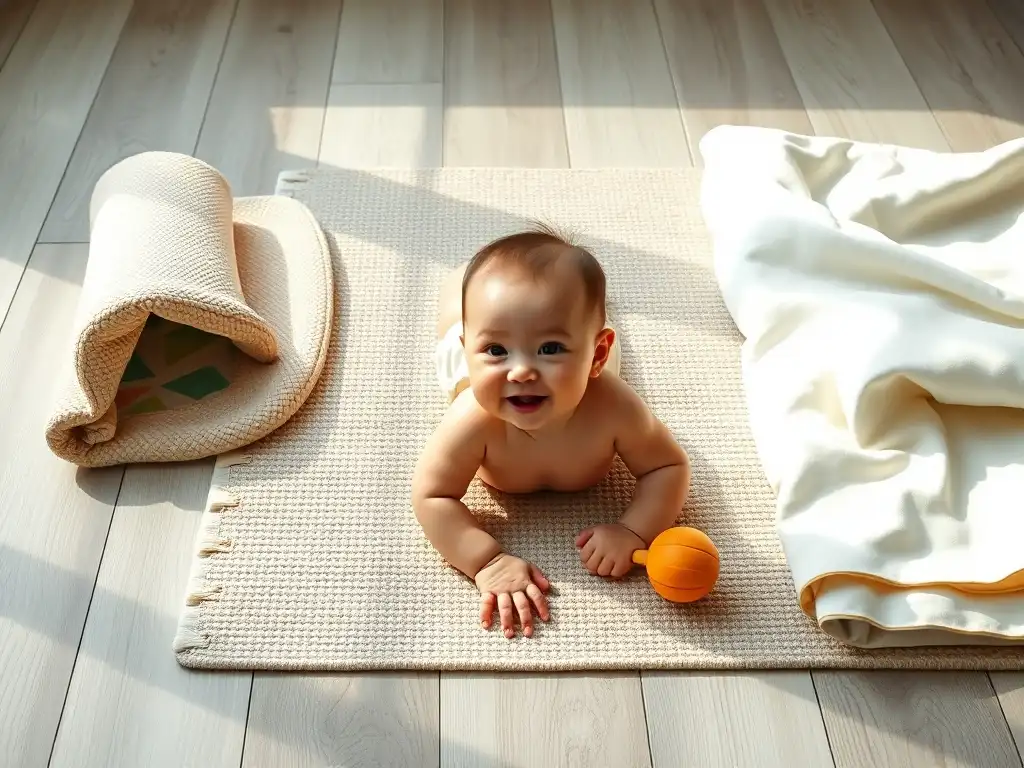
Selecting the ideal surface for tummy time is crucial for your baby's comfort, safety, and developmental progress. The "best baby tummy time surfaces" aren't one-size-fits-all; the optimal choice depends heavily on several factors, which we will explore in detail. Remember, always supervise your baby during tummy time, regardless of the surface used. Even seemingly safe surfaces can present unexpected hazards if a baby is left unattended.
Considering Your Baby's Age and Developmental Stage
A newborn's tummy time sessions are significantly different from those of a six-month-old. As your baby grows, their strength, coordination, and interest in exploring their surroundings change dramatically. This directly impacts the best surface for their tummy time.
- Newborns (0-3 months): For very young infants, a firm, flat surface like a changing mat or a clean, carpeted floor is ideal. The goal at this stage is short, supervised sessions focusing on head lifting and neck strength. Avoid overly soft surfaces that might restrict their movement or pose a suffocation risk. Remember to keep sessions brief, starting with just a minute or two and gradually increasing the duration as your baby tolerates it.
- Babies (3-6 months): As your baby gets stronger, you can introduce slightly more textured surfaces, such as a playmat with different textures and patterns. This can stimulate their senses and encourage them to explore their environment. However, ensure the surface remains firm enough to support their developing head and neck control. Always check for any loose parts or potential choking hazards.
- Older Babies (6+ months): By this age, your baby might enjoy tummy time on a larger, more spacious surface, such as a play rug or a firm blanket on the floor. This allows them greater freedom of movement as they start to push up, crawl, and roll over. Consider surfaces that offer some cushioning, but still provide enough support to prevent injuries. Always ensure the area is free of obstacles and potential hazards.
Matching the Surface to Your Baby's Preferences
While safety and developmental appropriateness are paramount, your baby's preferences should also be considered. Some babies might prefer a softer surface, while others might enjoy the firmer feel of a wooden floor. Observing your baby's reactions is key to finding the best fit.
Consider these points:
- Texture: Experiment with different textures. Some babies may enjoy the soft feel of a plush blanket, while others might prefer the slightly rough texture of a woven rug. Observe which textures seem to engage your baby the most.
- Visual Stimulation: A playmat with bright colors, patterns, and interesting objects can significantly enhance your baby's engagement during tummy time. This makes the experience more enjoyable and encourages them to spend more time on their tummy.
- Temperature: Always ensure the surface is at a comfortable temperature for your baby. Avoid surfaces that are too hot or too cold.
Adapting Tummy Time Surfaces as Your Baby Grows
As your baby progresses through different developmental stages, their needs and preferences regarding tummy time surfaces will change. It's essential to adapt the surfaces you use to match these evolving requirements.
| Developmental Stage | Suitable Surfaces | Considerations |
|---|---|---|
| Newborn (0-3 months) | Changing mat, firm, flat surface | Short sessions, firm support, supervision is crucial. |
| 3-6 Months | Playmat, firm blanket, carpeted floor | Textured surfaces, visual stimulation, safety checks. |
| 6+ Months | Play rug, larger, spacious surface | Cushioning, freedom of movement, hazard-free environment. |
Remember, flexibility is key. You might find that your baby enjoys different surfaces at different times of the day or in different moods. The most important thing is to provide a safe, comfortable, and engaging environment that promotes your baby's healthy development. Always prioritize safety and closely supervise your baby during every tummy time session. Enjoy this important bonding experience with your little one! 👶
Frequently Asked Questions about Tummy Time Surfaces
This section addresses common queries regarding suitable surfaces for baby tummy time, focusing on safety and developmental benefits. Choosing the right surface is crucial for ensuring a comfortable and stimulating experience for your little one while minimizing risks. Remember, always supervise your baby during tummy time.
Is a Boho Rug Safe for Tummy Time?
Boho rugs, with their soft textures and vibrant patterns, might seem appealing for tummy time. However, their suitability depends heavily on the rug's material and construction. Loose fibers or small, detachable components pose a significant choking hazard. A rug made of tightly woven, durable materials with no loose threads or embellishments might be acceptable, but careful inspection is paramount.
Consider the rug's thickness; excessively thick rugs can restrict your baby's movement and make it harder for them to lift their head. Ultimately, a smooth, flat surface is always the safest option for tummy time. Avoid rugs with long pile or those made from materials that could shed fibers. For the best baby tummy time surfaces, stick to options designed for baby's safety and development.
Before placing your baby on any rug for tummy time, thoroughly check it for potential hazards. Run your hand across the surface to feel for loose threads or small objects that could come detached. Look closely for any small beads, buttons or embellishments that could be pulled off and swallowed. Remember, even a seemingly safe rug could harbor hidden dangers. Prioritizing safety is key when selecting surfaces for baby tummy time.
What about using a towel for tummy time?
A clean, soft towel can be a perfectly acceptable surface for short tummy time sessions, especially when you're on the go or need a quick, easily portable option. However, it's important to consider a few points. A thin towel offers minimal cushioning and might not provide enough support for a baby's developing neck and spine. It's best suited for very brief tummy time sessions, perhaps as a transitional surface before moving to a more suitable location.
Furthermore, towels can easily bunch up, creating an uneven and potentially unsafe surface. Always make sure the towel is laid flat and smooth. A thick, fluffy towel offers slightly more cushioning, but the same considerations for bunching apply.
For longer or more frequent tummy time sessions, a dedicated baby playmat or a clean, carpeted area (with short, firmly attached pile) is generally preferred. The best baby tummy time surfaces provide adequate support, cushioning, and a safe, stimulating environment. Think of a towel as a temporary solution, not a long-term replacement for appropriate tummy time surfaces designed for this purpose.
How often should I change my baby's tummy time surface?
The frequency with which you should change your baby's tummy time surface depends on several factors. If you're using a dedicated baby playmat, regular cleaning is crucial. Wipe down spills immediately and launder the mat according to the manufacturer's instructions, ideally once a week or as needed. Spills, drool, and general baby messes can accumulate quickly, and it's important to maintain a hygienic environment for your baby. The same applies to towels; launder them frequently after each use to prevent the buildup of germs and bacteria.
For carpeted areas, regular vacuuming is recommended to remove dust, crumbs, and other debris. If you notice any significant soiling, spot clean the area thoroughly. Remember, maintaining a clean and safe tummy time surface is paramount for your baby's health and well-being. Regular cleaning prevents the spread of germs and ensures a comfortable and enjoyable tummy time experience for your little one. Prioritize hygiene to create the best baby tummy time surfaces possible. 👶
Can I use a changing mat for tummy time?
While a changing mat might seem like a convenient option for tummy time due to its soft and padded surface, it's generally not recommended for several reasons. Changing mats are typically designed for quick diaper changes, not extended periods of playtime. Their smooth, often vinyl or plastic-coated surfaces, can offer insufficient grip for a baby learning to lift their head and push up.
This lack of friction could lead to the baby sliding around uncontrollably, potentially causing frustration and even minor injuries. Furthermore, many changing mats are not designed to be used on the floor, and their positioning on a raised surface could increase the risk of falls.
The material itself also poses a concern. While some changing mats are softer than others, many lack the breathability needed to prevent overheating, especially during longer tummy time sessions. Prolonged contact with a non-breathable surface can lead to discomfort and potentially skin irritation. Finally, the relatively small size of most changing mats restricts your baby's movement and limits the exploration opportunities crucial for proper development during tummy time.
For these reasons, dedicated tummy time mats or blankets are far safer and more beneficial. Prioritizing a surface that provides adequate grip, breathability, and sufficient space for movement is key to ensuring a positive and safe tummy time experience for your little one. 👶
Frequently Asked Questions
What are the benefits of tummy time?
Tummy time helps strengthen your baby's neck and back muscles, improves motor skills development, and can reduce the risk of flat head syndrome. It also provides valuable sensory stimulation.
What are some of the best surfaces for tummy time?
Soft, padded playmats, clean carpets, and firm blankets on the floor are excellent choices. Avoid surfaces that are too soft or uneven.
How long should my baby do tummy time each day?
Start with short sessions of a few minutes at a time, gradually increasing the duration as your baby gets stronger. Aim for a total of 30-60 minutes spread throughout the day.
What should I do if my baby cries during tummy time?
Don't force it! Offer comfort and support, try different positions, and keep sessions short. You can also distract your baby with toys or your own presence.
Are there any surfaces I should avoid using for tummy time?
Avoid surfaces that are too soft or plush, like waterbeds or fluffy pillows, as these can pose a suffocation risk. Also avoid hard, unyielding surfaces like tile or wood floors without adequate padding.
Final Reflection: The Foundation of a Strong Start: Tummy Time and Your Baby's Development
The seemingly simple act of tummy time is, in reality, a cornerstone of healthy infant development, profoundly impacting everything from motor skills to cognitive growth. Understanding the best surfaces for this crucial activity isn't just about convenience; it's about maximizing your baby's potential and setting them on a path toward a bright future.
The impact of tummy time extends far beyond the immediate physical benefits. It's a foundational experience that shapes a child's sensory perception, strengthens their neck and back muscles, and even contributes to their emotional and social development. Play is often talked about as if it were a relief from serious learning. But for children play is serious learning. Play is really the work of childhood.
- Fred Rogers. This quote perfectly encapsulates the importance of tummy time – it's not just playtime, it's vital developmental work.
Consider the surfaces you choose for your little one. Will you opt for the soft comfort of a playmat, the engaging textures of a blanket, or the firm support of a changing mat? Each choice influences your baby's experience and contributes to their overall development. Take a moment to reflect on the information presented in this article and choose the surfaces that best support your baby's journey. Remember, every moment of tummy time is an investment in their future, a step towards building a strong foundation for a life filled with movement, exploration, and joy.
Unlock Your Baby's Potential: Supercharge Tummy Time!
Thank you for exploring the world of tummy time with us! We hope you've gained valuable insights into maximizing your baby's development through this essential activity. Now, let's put that knowledge into practice!
- Create an Engaging Tummy Time Environment: A textured playmat or a soft, padded blanket can significantly enhance your baby's tummy time experience. Variety is key to keeping them interested and engaged.
- Share Your Tummy Time Journey: Connect with other parents! Share your successes and challenges in the comments below. Let's build a supportive community where we can learn from each other.
- Make Tummy Time Fun: Introduce new toys with varying textures and sounds to keep your little one stimulated and happy during tummy time.
What exciting textures and toys will you introduce to your baby's tummy time today?