
Toy Storage: Keeping Play Areas Safe and Organized

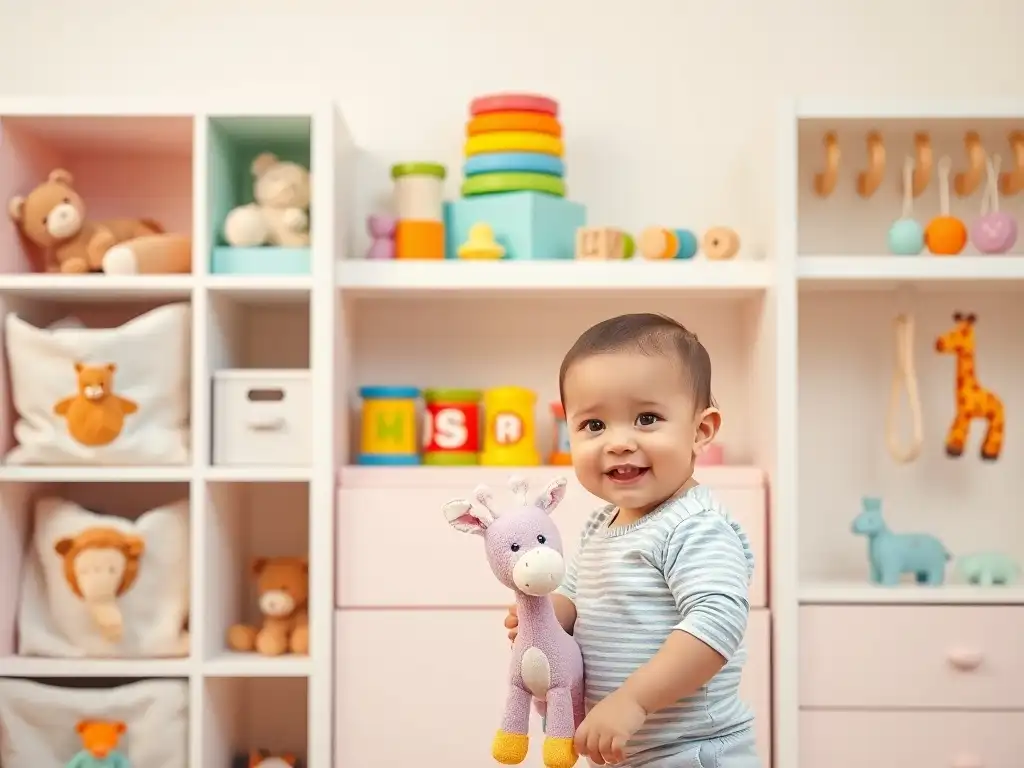
Welcome to BabyCareHub, your ultimate guide to navigating the exciting yet challenging world of parenthood! Are you ready to create a safe and stimulating environment for your little one? Then delve into our expert advice on Baby toy storage safety tips, ensuring your baby's play area is both organized and hazard-free. Discover practical strategies and essential insights to transform playtime into a safe and joyful experience. Let's explore how to keep your baby safe while fostering their development – read on to learn more!
- Baby Toy Storage Safety Tips: Creating a Safe Play Environment
- Preventing Suffocation Hazards with Proper Toy Storage
- Organizing Toys for Easy Retrieval and Clean Up
- Maintaining a Clean and Hygienic Toy Storage System
- Baby Toy Storage Solutions: A Comprehensive Guide
-
Frequently Asked Questions
- What are the biggest safety hazards related to baby toy storage?
- How can I make my baby's toy storage more organized?
- What types of storage containers are best for baby toys?
- Are there any toys I should keep out of reach of my baby, regardless of storage?
- How can I teach my toddler to help with toy cleanup and storage?
- Final Reflection: The Enduring Power of Play, Safely Stored
- Unleash the Power of Play: Organize Your Child's Toy World!
Baby Toy Storage Safety Tips: Creating a Safe Play Environment
Navigating the world of parenthood is a thrilling yet challenging journey, especially for first-time parents. Among the many joys and responsibilities, ensuring your baby's safety is paramount. This article focuses on a crucial aspect of baby safety often overlooked: safe and organized toy storage.
A seemingly simple task, proper toy storage significantly impacts your baby's safety, preventing accidents and fostering a secure play environment. We'll explore practical strategies and safety tips to help you create a play area that's both engaging and hazard-free, addressing concerns related to choking hazards, suffocation risks, and the overall organization of your baby's toys. By implementing these baby toy storage safety tips, you'll contribute to a safer and more enjoyable playtime for your little one, minimizing potential risks and maximizing the fun.
This guide will cover everything from assessing your child's developmental stage to selecting the right storage solutions and adapting them to your home's unique layout. Remember, a safe play environment is a happy play environment!
Assessing Your Child's Developmental Stage and Toy Storage Needs
Understanding your baby's developmental stage is the cornerstone of effective and safe toy storage. Newborns have vastly different needs than toddlers, who in turn differ from preschoolers. For example, a newborn's toy storage should prioritize accessibility for caregivers while minimizing the risk of the baby reaching small, potentially hazardous items. As your child grows and their motor skills develop, their access to toys and the type of storage required will change accordingly.
Consider these developmental milestones and their implications for toy storage:
- 0-6 months: Focus on large, soft toys and easily accessible storage for caregivers. Avoid small objects that could be choking hazards. Storage should be out of the baby's reach but readily available to parents.
- 6-12 months: Babies in this age group are becoming more mobile and curious. Storage should be secure, preventing access to potentially dangerous items while still allowing the baby to easily explore safe toys. Consider lower shelves or bins that are easy for the baby to access (with supervision).
- 12-24 months: Toddlers are increasingly independent and actively explore their environment. Storage needs to be both child-proof and accessible, encouraging self-sufficiency while preventing accidents. Look for containers with secure lids and consider using childproof latches.
- 24+ months: Older toddlers and preschoolers can participate in organizing their toys. This is a great opportunity to teach them about tidying up and responsibility. Storage solutions could include open shelves, labeled bins, and toy organizers that allow them to see and choose their toys.
Choosing the Right Toy Storage Solutions for Your Home
Selecting the right toy storage solutions depends on several factors, including your home's layout, your budget, and your personal aesthetic. However, safety must always be the primary consideration. Here are some key factors to keep in mind:
| Feature | Considerations |
|---|---|
| Material | Opt for durable, non-toxic materials. Avoid anything brittle or easily broken. |
| Accessibility | Consider the height and accessibility for both you and your child. |
| Security | Ensure containers have secure lids or latches, especially for younger children. |
| Stability | Choose sturdy storage units that won't easily tip over. |
| Cleanability | Select materials that are easy to clean and disinfect. |
Selecting Safe and Secure Storage Containers for Baby Toys
Numerous storage containers are available, each with its own safety features and drawbacks. Prioritize containers with secure lids and childproof locks, especially for items that could pose a choking hazard. Consider clear containers, allowing you to easily see the contents, and opt for sturdy materials that can withstand enthusiastic play. Avoid containers with small parts that could detach and become choking hazards. Remember to regularly inspect containers for damage or wear.
Utilizing Existing Furniture for Baby Toy Storage
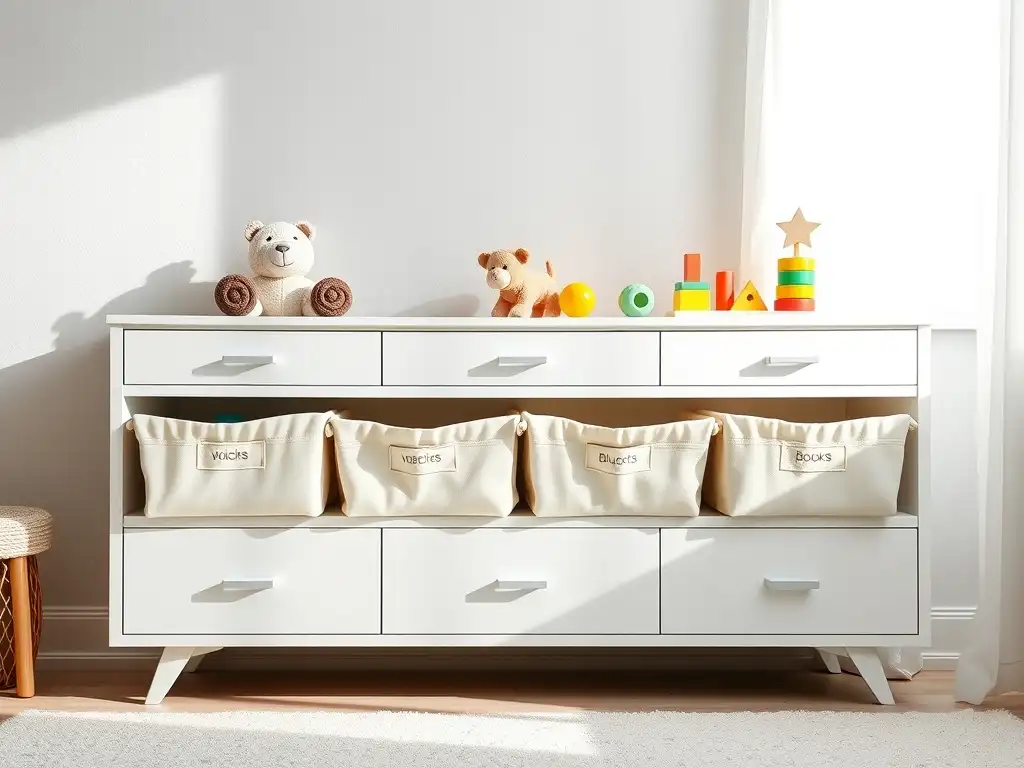
You don't always need to buy new storage solutions. Existing furniture can be repurposed for safe and effective toy storage. For example, a low bookshelf can be used to store larger toys, while baskets can be placed inside drawers to organize smaller items. Always ensure that furniture is stable and secure, preventing tipping or accidental injury.
Adapting Toy Storage to Different Room Sizes and Layouts
Toy storage should be tailored to your available space. In smaller rooms, consider using vertical space with shelves or wall-mounted organizers. In larger rooms, you might have more flexibility with freestanding storage units. Regardless of the space, prioritize keeping toys organized and easily accessible, while maintaining a safe and hazard-free environment. Regular decluttering and organization are key to maintaining a safe and efficient toy storage system. Remember to regularly review and adjust your storage as your child grows and their toy collection expands. 🧸
Preventing Suffocation Hazards with Proper Toy Storage
Suffocation is a serious risk for infants and toddlers, and improper toy storage can significantly contribute to this danger. Many seemingly harmless toys can become deadly if a child is able to access them unsupervised and places them over their nose and mouth. This section focuses on mitigating these risks through strategic and safe storage solutions. Effective baby toy storage safety tips begin with understanding the potential dangers and taking proactive measures.
Selecting Toys Appropriate for Your Child's Age and Development
Choosing age-appropriate toys is the first line of defense against suffocation hazards. Always check the manufacturer's recommended age range, typically printed on the toy's packaging or label. Toys designed for older children may contain small parts that pose a choking hazard for infants. For example, a toy with detachable buttons or small beads should be avoided for babies under three years old. Even seemingly large toys can present risks; a soft toy with loose stuffing could be a problem if the stuffing is easily pulled out.
Prioritize toys with larger, securely attached parts for younger children. Remember, a child's developmental stage significantly impacts their ability to safely interact with toys. A six-month-old's exploration techniques differ vastly from a two-year-old's, leading to different potential dangers. Regularly assess your child's development and adjust toy storage accordingly. This proactive approach significantly minimizes risks associated with baby toy storage safety tips.
Storing Small Toys and Choking Hazards Safely
Small toys, including building blocks, marbles, and small toy parts, present a significant choking hazard. These items should never be left within reach of young children. Consider these baby toy storage safety tips for small toys:
- Use high, locked storage: Place small toys in containers with secure lids, preferably high on shelves or in cabinets that are inaccessible to your child.
- Invest in mesh bags: Mesh laundry bags are ideal for storing small toys. The mesh allows for some visibility, and the bag's secure closure prevents small items from escaping.
- Utilize clear containers: Transparent storage containers allow you to easily see the contents, making it easier to manage and monitor your child's toys.
- Regularly check toys: Inspect toys regularly for broken or detachable parts. Discard any toys with loose or missing pieces. This ongoing vigilance is a crucial aspect of effective baby toy storage safety tips.
Remember that even seemingly large toys can break down, releasing smaller parts. Always supervise your child during playtime and promptly remove any potentially hazardous items. This constant monitoring complements your storage strategy.
Avoiding Overcrowding and Ensuring Easy Access to Toys
Overcrowding toy storage areas can create chaos and increase the risk of accidents. A cluttered space makes it difficult to monitor toys and increases the likelihood of toys falling and causing injuries. Implementing these baby toy storage safety tips ensures safe and organized access:
- Declutter regularly: Periodically go through your child's toys and discard or donate items they no longer use or are damaged. This prevents excessive clutter and reduces the risk of accidents.
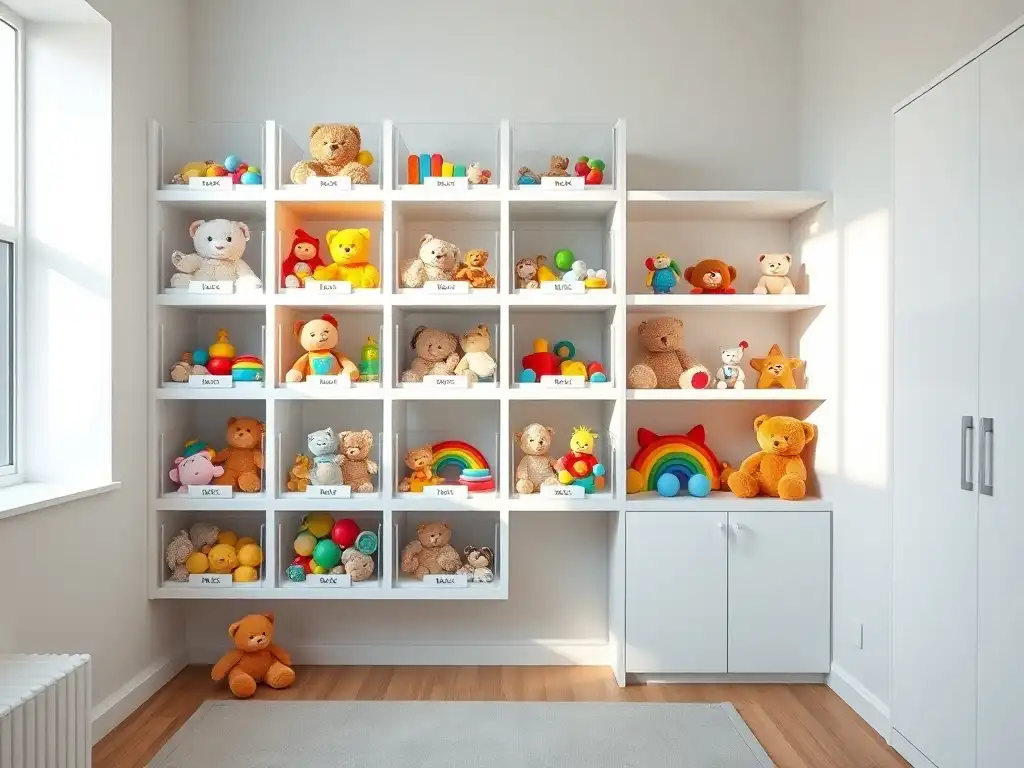
- Use labeled containers: Label containers clearly to indicate the type of toy or the age appropriateness. This makes it easier to find specific items and to ensure that children only access age-appropriate toys.
- Rotate toys: To maintain interest and prevent overwhelming your child with too many choices, rotate toys. Store some toys and bring out others regularly. This controlled access is a vital part of effective baby toy storage safety tips.
- Utilize vertical space: Shelves and wall-mounted organizers maximize storage space and keep toys off the floor, reducing tripping hazards.
By implementing these strategies, you can create a safe and organized play environment for your child, minimizing the risks associated with improper toy storage. Remember, consistent vigilance and proactive measures are key to ensuring your child's safety. These baby toy storage safety tips are designed to empower you to create a secure and stimulating play area for your little one.
Organizing Toys for Easy Retrieval and Clean Up
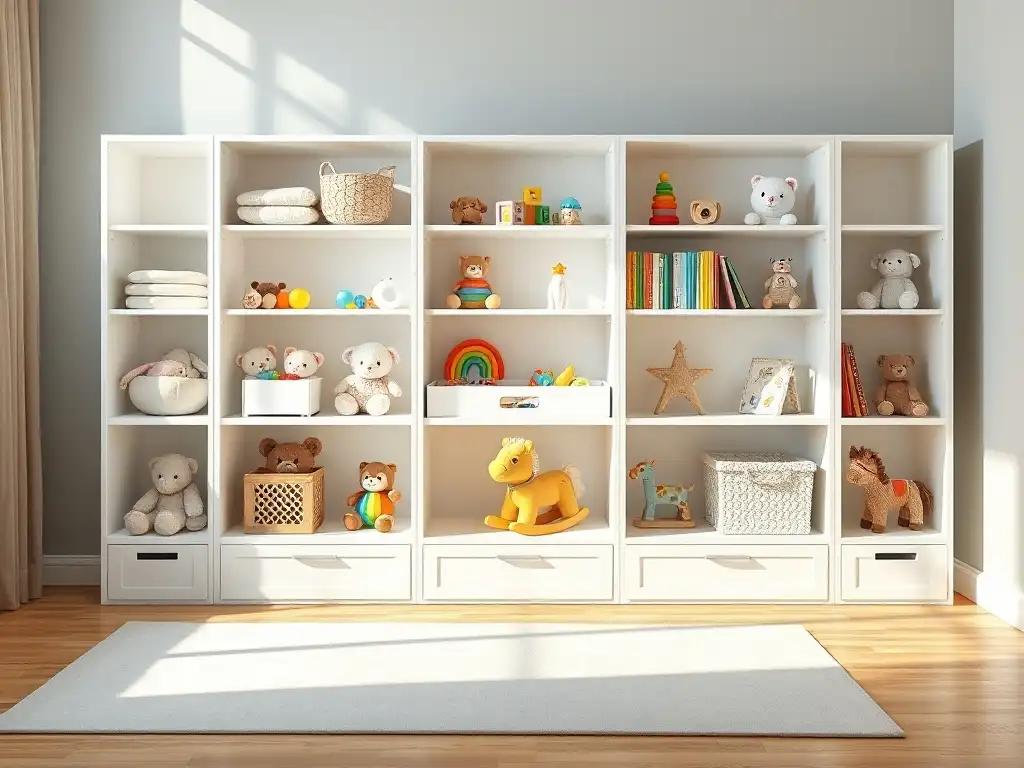
Efficient toy organization is key to maintaining a safe and enjoyable play environment for your baby. Clutter can create tripping hazards and make it difficult to quickly locate specific toys, especially during playtime. A well-organized system facilitates easy access for your little one while simultaneously simplifying cleanup for you. This section will explore practical strategies for organizing toys to maximize safety and efficiency.
Implementing a Toy Rotation System for Engagement
Rotating your baby's toys is a fantastic way to keep them engaged and prevent boredom. Instead of overwhelming your child with every toy simultaneously, store a portion of their collection and rotate them every few weeks. This technique achieves several benefits:
- Increased novelty: Toys that have been "away" for a while feel new and exciting again, sparking renewed interest and playtime.
- Reduced sensory overload: A smaller selection of toys reduces visual and tactile stimulation, making it easier for your baby to focus and play more meaningfully.
- Simplified cleanup: Managing a smaller number of toys makes tidying up significantly easier and faster.
Consider using labeled storage bins or containers to categorize toys and simplify the rotation process. For instance, you could have a bin for "building blocks," another for "soft toys," and a third for "sensory toys." This method makes selecting toys for rotation a breeze. Remember to thoroughly clean each toy before reintroducing it to your baby's play area.
Teaching Your Child to Participate in Toy Clean-up
Involving your child in the toy cleanup process, even from a young age, teaches valuable life skills and fosters a sense of responsibility. Start with simple tasks appropriate for your child's developmental stage. For example, a toddler might be able to put blocks back in a container, while an older child could help sort toys by type.
- Make it fun: Turn cleanup into a game! Use songs, timers, or even a reward system to motivate your child and make the experience enjoyable.
- Keep it simple: Don't expect perfection. Start with small, achievable goals and gradually increase the complexity of the tasks as your child's abilities grow.
- Positive reinforcement: Praise and encouragement are crucial. Focus on your child's efforts, not their mistakes. A simple "Great job putting the blocks away!" can go a long way.
Remember, consistency is key. Make cleanup a regular part of your daily routine to establish good habits from an early age. This will make maintaining a safe and organized play area much easier in the long run. This approach also helps build positive associations with tidying up, making it less of a chore and more of a shared activity.
Creating a Designated Play Area for Organized Toy Storage
Establishing a dedicated play area is crucial for both organization and safety. This space should be easily accessible to your child yet safe from hazards. The area should be large enough to accommodate your child's play activities without feeling cramped.
Consider these factors when choosing a play area:
- Safety: Ensure the area is free from potential hazards like electrical outlets, sharp corners, and small objects that could be choking hazards. Use safety gates if necessary to prevent access to unsafe areas.
- Accessibility: The play area should be easily accessible to both you and your child. Avoid placing it in a high-traffic area where it could be easily disrupted.
- Storage: Choose storage solutions that are both functional and aesthetically pleasing. Low, open shelves are ideal for toddlers, while taller cabinets can be used as your child grows. Use labeled bins or containers to keep toys organized and easily accessible.
Remember that a well-defined play area significantly reduces the risk of accidents by containing toys and minimizing clutter throughout the house. This proactive approach contributes to a secure and enjoyable playtime environment for your baby. Regularly assess the play area for potential hazards and make adjustments as needed to ensure optimal safety. The goal is to create a space that is both fun and safe for your child to explore and grow.
Maintaining a Clean and Hygienic Toy Storage System
Maintaining a clean and hygienic toy storage system is crucial for your baby's health and well-being. Babies explore the world through their mouths, and toys often become vectors for germs and allergens. Proactive cleaning and sanitization are key components of effective baby toy storage safety tips. Neglecting this aspect can lead to increased risk of infections and allergic reactions.
Regular Cleaning and Sanitization of Toys and Storage Containers
Regular cleaning and sanitization are paramount in preventing the spread of germs and bacteria. Aim to clean toys at least once a week, and more frequently if they've been exposed to spills, drool, or other potential contaminants. For soft toys, machine washing in a gentle cycle with hypoallergenic detergent is recommended. Always check the toy's care label before washing to avoid damage.
Hard plastic toys can be wiped down with a damp cloth and mild soap. For thorough sanitization, consider using a solution of warm water and a mild bleach solution (always following dilution instructions carefully). Remember to rinse toys thoroughly with clean water after sanitizing and allow them to air dry completely before returning them to storage. Storage containers themselves should also be cleaned regularly, ideally with soap and water, to remove dust and debris.
Tip: Consider using separate storage containers for different types of toys to make cleaning and sanitization more efficient and targeted.
Addressing Potential Allergens and Irritants in Toy Storage Areas
Toy storage areas can accumulate dust, pet dander, and other allergens that can trigger reactions in sensitive babies. Regular dusting and vacuuming are essential to minimize these irritants. Consider using a HEPA filter vacuum to trap microscopic particles effectively. It's also important to choose storage containers that are easy to clean and prevent dust accumulation.
Avoid storing toys in damp or poorly ventilated areas, as this can encourage mold growth. If your baby shows signs of allergies or skin irritation, it's vital to thoroughly investigate potential sources within their play area and storage. This could include checking toy materials for known allergens and ensuring the storage area is well-ventilated and free of dust mites.
| Potential Allergen/Irritant | Impact on Baby | Mitigation Strategy |
|---|---|---|
| Dust Mites | Respiratory issues, skin irritation | Regular vacuuming with HEPA filter, use dust-mite proof covers on storage containers |
| Pet Dander | Allergic reactions, respiratory problems | Keep pets out of baby's play areas and storage areas, regular cleaning |
| Mold | Respiratory problems, skin infections | Ensure good ventilation, address any dampness issues promptly |
Preventing Toy Damage and Maintaining Toy Quality
Proper storage helps extend the lifespan of your baby's toys and keeps them in good condition. Overcrowding storage containers can lead to damage and breakage. Organize toys systematically, using appropriate containers for different sizes and types of toys. Consider using labeled containers to help with organization and retrieval. Avoid storing toys in direct sunlight or extreme temperatures, as this can cause fading, warping, or other damage.
Regularly inspect toys for wear and tear and discard any damaged or broken items immediately to prevent choking hazards or other safety risks. By implementing these "baby toy storage safety tips," you create a safe and organized environment for your little one to play and grow. Proper storage isn't just about cleanliness; it's a crucial aspect of maintaining a safe play environment for your baby. 🧸
Baby Toy Storage Solutions: A Comprehensive Guide
This section delves into practical solutions for storing baby toys, focusing on maximizing space, ensuring safety, and maintaining organization. Effective baby toy storage is crucial not only for a tidy home but also for preventing accidents and promoting your baby's development. We'll explore various options, from budget-friendly DIY projects to commercially available systems. Remember, the goal is to create a playful yet safe environment where your little one can explore and learn. This directly relates to baby toy storage safety tips, a key concern for new parents.
DIY Toy Storage Ideas on a Budget
Creating functional and attractive toy storage doesn't require breaking the bank. Many affordable and creative DIY solutions can transform unused space into organized play areas. Here are a few ideas to get you started:
- Repurposed Baskets and Bins: Empty laundry baskets, decorative fabric bins, and even repurposed shoe boxes can become stylish storage solutions. Label each container clearly with the type of toy it holds (e.g., "Soft Toys," "Blocks," "Bath Toys"). This is a simple yet effective baby toy storage safety tip – knowing where everything is reduces clutter and prevents accidents.
- Painted Pegboard: A pegboard painted in a cheerful color can be a fantastic organizational tool. Attach hooks, shelves, and baskets to hold various toys, creating a visually appealing and functional storage system. The pegboard's versatility allows you to customize the storage to fit your specific needs and adapt as your child grows.
- Upcycled Furniture: Old bookshelves, dressers, or even crates can be transformed into unique toy storage solutions with a little creativity and paint. Consider adding colorful fabric liners to the drawers or baskets for an extra touch of whimsy. This sustainable approach aligns with environmentally conscious baby toy storage safety tips.
- Fabric Storage Ottomans: These provide both seating and storage, making them a practical addition to any play area. They are relatively easy to sew or can be found affordably at many retailers. Choose fabrics that are easy to clean and durable enough to withstand daily use.
Best Practices for Safe and Effective Baby Toy Storage
Beyond simply storing toys, ensuring safe storage is paramount. Here are some best practices to keep in mind:
- Accessibility and Age Appropriateness: Store toys according to your baby's age and developmental stage. Keep smaller items, such as choking hazards, out of reach until your child is old enough to safely play with them. This is a vital baby toy storage safety tip to prevent accidents. Always supervise young children during playtime.
- Secure Storage: Use containers with secure lids or closures to prevent toys from spilling out and creating hazards. Avoid using containers that are too heavy or difficult for you to manage.
- Regular Cleaning and Maintenance: Regularly clean and disinfect toy containers and toys to prevent the buildup of dust, dirt, and germs. This is an important aspect of baby toy storage safety tips often overlooked.
- Location, Location, Location: Choose a designated play area with ample space for storage and playtime. This helps to maintain organization and minimize the risk of tripping hazards. Consider using wall-mounted shelves or cabinets to maximize space and keep toys off the floor.
| Storage Solution | Pros | Cons | Cost | Safety Considerations |
|---|---|---|---|---|
| Repurposed Baskets | Affordable, readily available, customizable | May not be durable, limited storage capacity | Low | Ensure baskets are sturdy and free of sharp edges. |
| Pegboard | Versatile, customizable, visually appealing | Requires some DIY skills | Moderate | Securely attach hooks and shelves. |
| Upcycled Furniture | Unique, sustainable, large storage capacity | May require repair or refinishing | Variable | Ensure all parts are stable and free of hazards. |
| Fabric Storage Ottomans | Functional, stylish, provides seating | Can be expensive, may require cleaning | Moderate-High | Choose durable, easy-to-clean fabrics. |
Remember, implementing these baby toy storage safety tips creates a safer and more organized environment for your baby to play and grow. Prioritize safety and choose solutions that are both practical and age-appropriate. A well-organized play area contributes significantly to a happy and secure home environment for your child.
Frequently Asked Questions
The biggest hazards are suffocation from poorly stored items, falling objects from unstable storage units, and access to small parts that could be choking hazards. Secure storage is key.
How can I make my baby's toy storage more organized?
Use clearly labeled containers and shelving units that are appropriately sized for your child's toys. Categorize toys (e.g., stuffed animals, blocks) for easier access and cleanup.
What types of storage containers are best for baby toys?
Choose sturdy, breathable containers with secure lids to prevent access by little ones. Avoid containers that are easily tipped over. Clear bins are great for easy visibility.
Are there any toys I should keep out of reach of my baby, regardless of storage?
Yes, keep small toys with detachable parts, toys with long cords or strings, and any broken or damaged toys completely out of your baby's reach to prevent choking or injury.
How can I teach my toddler to help with toy cleanup and storage?
Make cleaning up fun! Use songs, games, and positive reinforcement. Start with small, manageable tasks and gradually increase their responsibilities as they get older. Modeling good behavior is also crucial.
Final Reflection: The Enduring Power of Play, Safely Stored
The safe and organized storage of baby toys isn't just about tidiness; it's about creating a nurturing environment where childhood exploration can flourish without unnecessary risks. A clutter-free play space is a safer play space, a fundamental truth that impacts the well-being and development of every child. This directly translates to peace of mind for parents, allowing them to focus on the joy of watching their little ones grow.
The impact of a thoughtfully organized play area extends far beyond immediate safety. It fosters a sense of calm and order, contributing to a child's overall development and emotional well-being. A structured environment can encourage independent play and problem-solving skills, as children learn to navigate their surroundings and manage their own belongings. As the saying goes, Play is the highest form of research.
This research, however, needs a safe and accessible laboratory – a play space that is both stimulating and secure.
Consider the lessons learned within this article. Think about your own child's play area, or the play spaces you encounter. Are they truly safe and organized, fostering a positive and enriching environment? Take a moment to assess your current setup, identify potential hazards, and implement simple changes that can make a significant difference. Let's work together to create safer, more joyful play spaces for every child.
Unleash the Power of Play: Organize Your Child's Toy World!
Thank you for learning how to create a safer, more organized play area for your child! You've learned valuable space-saving and clutter-reducing techniques – now let's put them to use. Here's how:
- Implement your personalized toy storage plan: Start today! Choose a storage solution that fits your space and your child's age and developmental stage.
- Share your before-and-after transformation: Show off your newly organized play space on social media using #BabyCareHubToyOrganization and inspire other parents!
- Discover more helpful tips: Explore other BabyCareHub articles on child safety and development to create the best environment for your child's growth.
Ready to transform your child's play area into a haven of fun and safety? What creative storage solution will you choose first?