
Toxic Substances in Your Home: BabyProofing Against Harmful Chemicals

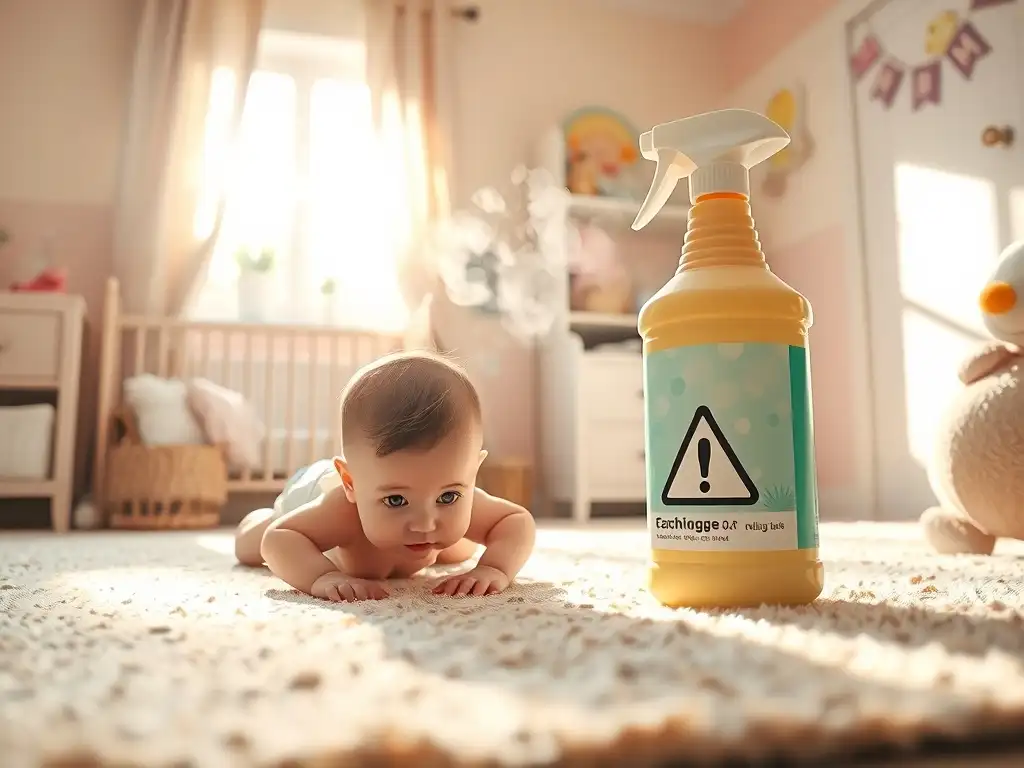
Welcome to BabyCareHub, your ultimate guide to navigating the incredible journey of parenthood! Are you ready to create a safe and nurturing environment for your little one? Then discover how to effectively babyproof against harmful household chemicals – a crucial step in ensuring your baby's well-being. Learn about hidden dangers and practical solutions in our comprehensive guide, and unlock the peace of mind you deserve. Dive in and start exploring!
- Identifying Common Household Chemicals Harmful to Babies
-
Babyproofing Your Home Against Harmful Chemicals: A Room-by-Room Guide
- Babyproofing the Kitchen: Safeguarding Against Cleaning Supplies and Food Hazards
- Babyproofing the Bathroom: Preventing Exposure to Cosmetics and Medications
- Babyproofing the Bedroom: Protecting Against Dust Mites and Other Irritants
- Babyproofing the Living Room: Preventing Exposure to Air Fresheners and Other Chemicals
- Safe Alternatives and Non-Toxic Cleaning Solutions for Baby's Safety
- Additional Tips for Minimizing Exposure to Harmful Chemicals
- Resources and Further Information on Babyproofing Against Household Chemicals
- Frequently Asked Questions
- Final Reflection: A Legacy of Safety: Protecting Our Children from Hidden Dangers
- Unleash a Safer Home: Your Next Steps to a Chemical-Free Haven
Identifying Common Household Chemicals Harmful to Babies
Navigating the world of parenthood, especially for first-time parents, can feel overwhelming. Among the many joys and challenges, ensuring your baby's safety is paramount. This article focuses on a crucial aspect of babyproofing: identifying and mitigating the risks posed by toxic substances commonly found in the home. We'll explore various household chemicals that can be harmful to your little one, providing practical tips and actionable steps to create a safer environment.
This guide, focusing on babyproofing harmful household chemicals, offers a room-by-room approach to help you systematically identify and eliminate potential hazards, empowering you to build a nurturing and secure space for your baby's development. Remember, proactive babyproofing is an investment in your child's long-term health and well-being. Let's delve into the specifics, starting with common culprits often overlooked.
Recognizing Toxic Cleaning Products and Their Dangers
Many cleaning products contain harsh chemicals that can be incredibly dangerous for babies, causing anything from skin irritation and respiratory problems to more serious health complications. These chemicals often come in attractive packaging, making them easily accessible to curious little hands. Here's a breakdown of some key offenders and what you can do:
- Bleach: Even diluted bleach can cause severe irritation to a baby's delicate skin and eyes. Ingestion can lead to serious internal damage. Always keep bleach out of reach and opt for safer, baby-friendly alternatives.
- Ammonia: Found in many glass and surface cleaners, ammonia is highly toxic if inhaled or ingested. Symptoms can include breathing difficulties, nausea, and vomiting. Choose ammonia-free cleaners or use natural cleaning solutions like vinegar and water.
- Phenols: Often found in disinfectants, phenols can cause skin burns and respiratory problems. Look for products explicitly labeled as "phenol-free" and prioritize natural disinfectants.
- Formaldehyde: This potent carcinogen can be found in some air fresheners and cleaning products. Long-term exposure can be particularly harmful. Opt for unscented or naturally scented cleaning products and avoid using air fresheners altogether.
It's crucial to always read product labels carefully, looking for warnings and safety precautions. Store cleaning products in high, locked cabinets, far from the reach of curious toddlers. Consider using childproof latches on all cabinets containing cleaning supplies. Remember, prevention is always better than cure. The peace of mind knowing your baby is safe from these potential hazards is invaluable.
Identifying Hazardous Cosmetics and Personal Care Products
Beyond cleaning supplies, many commonly used cosmetics and personal care products contain chemicals that can be harmful to babies. While you might not think of these as cleaning products, they can still pose significant risks, especially if ingested or if they come into contact with sensitive skin.
| Product Type | Potential Harmful Chemicals | Safety Precautions |
|---|---|---|
| Nail Polish | Formaldehyde, toluene, DBP | Use only in well-ventilated areas; keep out of reach. |
| Hairspray | Alcohol, propellants | Use sparingly and in well-ventilated areas; keep out of reach. |
| Perfume/Cologne | Phthalates, synthetic fragrances | Avoid strong fragrances near babies; opt for unscented products. |
| Makeup | Parabens, lead | Choose hypoallergenic and baby-safe makeup; keep out of reach. |
| Lotions & Creams | Parabens, artificial fragrances | Opt for fragrance-free, hypoallergenic lotions and creams. |
Remember, a baby's skin is significantly more sensitive than an adult's. Always check the ingredients list before using any product near your baby. Look for products labeled as "hypoallergenic" and "fragrance-free" to minimize the risk of allergic reactions or irritation. Storing these products out of reach, preferably in a locked cabinet, is also essential. Prioritize natural and organic alternatives whenever possible.
Spotting Dangerous Pesticides and Insecticides in Your Home
Pesticides and insecticides, while effective at controlling pests, contain potent chemicals that can be incredibly harmful to babies. Inhalation, ingestion, or even skin contact can lead to a range of health problems.
The safest approach is to minimize your use of chemical pesticides and insecticides. Consider eco-friendly pest control methods such as:
- Using natural repellents like essential oils (e.g., peppermint, lavender)
- Regular cleaning to prevent pest infestations
- Repairing cracks and gaps in walls and floors to prevent entry points for pests
- Employing traps instead of sprays
If you must use pesticides or insecticides, always follow the manufacturer's instructions meticulously. Ensure proper ventilation and keep the area well-ventilated after application. Store all pesticides and insecticides in locked cabinets, well out of the reach of children. Consider consulting a pest control professional for safe and effective pest management solutions. Protecting your baby from these potent chemicals is a vital part of creating a safe and healthy home environment. Remember, a healthy home is a happy home, especially for your precious little one.
Button batteries, often found in toys and remote controls, pose a significant threat to babies. If ingested, these small, round batteries can cause severe internal burns and damage to the esophagus and other organs within hours. The alkaline content of these batteries reacts with the body’s tissues, leading to potentially life-threatening consequences. Even if a battery doesn't appear to be swallowed, immediate medical attention is crucial if a baby is suspected to have come into contact with one.
Symptoms can be subtle initially, making prompt action all the more important. A vigilant approach to storage and baby-proofing is essential to prevent this dangerous scenario. Keep all button batteries out of reach, ideally in locked cabinets or containers. Regularly check toys and devices for loose or easily accessible batteries.
Medications, both prescription and over-the-counter, represent another serious hazard. Even seemingly harmless medications can have devastating consequences if ingested by a baby. The dosage designed for an adult is many times too strong for a baby's smaller body, leading to potential organ damage or even death. Always store medications securely in child-resistant containers, preferably in a locked cabinet far from the baby's reach.
Never leave medications unattended, even for a moment. Dispose of expired or unused medications properly, following guidelines provided by your pharmacist or local waste management services. Remember, the curiosity of a baby is boundless, and a moment of inattention can have dire consequences.
Beyond batteries and medications, many other common household items contain toxic substances. Cleaning products, including disinfectants, bleach, and laundry detergents, are particularly dangerous. Their strong chemical compositions can cause severe burns, respiratory problems, and internal damage if ingested or even if a baby comes into contact with their fumes. Always store cleaning products in their original, clearly labeled containers, and keep them well out of reach of a baby.
Consider using child-safe latches on cabinets where these items are stored. Opt for eco-friendly cleaning products whenever possible, as these often contain less harsh chemicals. Remember to thoroughly rinse any surfaces that have been cleaned with potentially harmful substances before allowing your baby to touch them.
Pesticides and insecticides, while designed to eliminate pests, can be incredibly toxic to babies. Even small amounts can cause serious health problems. Store these products in tightly sealed, original containers, far from the baby's reach. Use them only as directed on the label and ensure adequate ventilation during use. Consider hiring a pest control professional for infestations to minimize your exposure to potentially harmful substances. Safeguarding your baby from these often-overlooked dangers requires proactive and consistent vigilance.
Finally, consider the potential dangers of cosmetics and personal care products. Many contain chemicals that, though safe for adults, can be harmful to babies. Keep these items locked away, and always supervise a baby when they are near. Look for products that are specifically labeled as safe for babies or made with natural, non-toxic ingredients. A little extra care can go a long way in protecting your baby from the hidden dangers lurking in everyday household items.
Babyproofing Your Home Against Harmful Chemicals: A Room-by-Room Guide
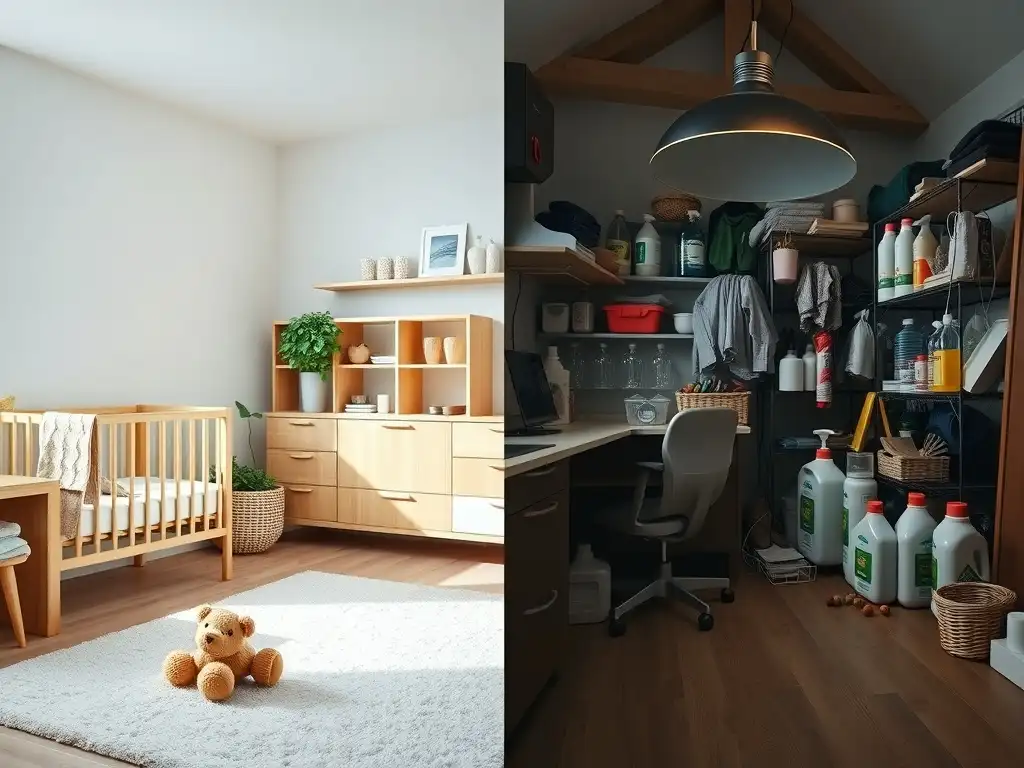
This section focuses on practical steps to babyproof your home against harmful chemicals, providing a room-by-room guide to minimize exposure risks for your little one. Remember, even seemingly harmless products can pose dangers to a curious baby. This guide emphasizes proactive measures to ensure a safe environment for your child's development.
Babyproofing the Kitchen: Safeguarding Against Cleaning Supplies and Food Hazards
The kitchen is a central hub of activity, and unfortunately, a prime location for potential hazards for babies. Proper babyproofing is crucial to prevent accidental ingestion or exposure to harmful substances.
Securing Cleaning Supplies and Detergents
Cleaning supplies, detergents, and disinfectants are often stored under the sink or in easily accessible cabinets. These products contain potent chemicals that can cause serious harm if ingested or even touched by a baby. Here's how to secure them:
- High and Out of Reach: Store all cleaning products on high shelves, ideally above the counter, in locked cabinets. Consider using childproof latches on cabinets to ensure secure storage. Remember, babies are surprisingly adept climbers!
- Original Packaging: Always keep cleaning products in their original containers with clear warning labels. Repurposing containers can lead to accidental ingestion.
- Regular Checkups: Regularly check the security of your cleaning supplies. Babies are constantly developing new skills, so what was secure last month might not be secure this month.
- Separate Storage: Designate a separate, locked area specifically for cleaning supplies, away from food preparation areas.
Consider using a cleaning caddy with a childproof lid to store commonly used cleaning supplies near your cleaning area, making it easy to access for you and impossible to access for your baby.
Storing Food Safely and Preventing Baby Access
Food safety is another important aspect of kitchen babyproofing. While food itself isn't inherently toxic, improper storage can lead to spoilage and bacterial contamination.
- Refrigerator Safety: Keep the refrigerator door securely closed. Babies are naturally curious about the contents of the fridge and might attempt to open it.
- Countertop Clearance: Keep countertops clear of potentially hazardous foods like raw meat or strong spices. These can easily be knocked over and cause spills or ingestion accidents.
- Cabinet Locks: Use childproof latches on cabinets containing food items that could pose a choking hazard, such as small candies or nuts.
- High Chairs and Booster Seats: Securely fasten high chairs and booster seats to prevent tipping. These are prime vantage points for little ones to reach countertops.
Babyproofing the Bathroom: Preventing Exposure to Cosmetics and Medications
The bathroom presents a unique set of hazards due to the presence of medications, cosmetics, and cleaning products.
Securing Medications and First-Aid Supplies
Medications and first-aid supplies should be stored securely and out of reach of children. Even seemingly harmless over-the-counter medications can be dangerous if ingested by a baby.
- Locked Cabinets: Store all medications and first-aid supplies in a high, locked cabinet. Consider using a medicine cabinet with a childproof lock.
- Out of Sight, Out of Mind: Keep medications in their original containers to avoid accidental ingestion. Avoid leaving any medications on counters or within easy reach.
- Detailed Inventory: Maintain a detailed inventory of your medications and first-aid supplies to ensure you know what is stored in the cabinet. This is especially useful if you have multiple caregivers.
- Emergency Contact: Post emergency contact information near the medicine cabinet, including poison control and your doctor's number.
Storing Cleaning Products and Personal Care Items Safely
Bathroom cleaning products and personal care items also need to be secured.
- Elevated Storage: Store all cleaning products and personal care items on high shelves, well out of a baby's reach.
- Childproof Latches: Use childproof latches on cabinets and drawers to prevent access.
- Separate Storage: Keep cleaning products separate from personal care items to avoid confusion and accidental misuse.
- Regular Inspections: Regularly inspect the storage areas for any signs of tampering or damage.
Remember, a proactive approach to babyproofing is the best way to ensure a safe and healthy environment for your baby. Regularly assess your home for potential hazards and adjust your babyproofing strategies as your baby grows and develops new abilities. 👶🏠 This careful attention to detail will contribute significantly to your peace of mind.
Babyproofing the Bedroom: Protecting Against Dust Mites and Other Irritants
Protecting your baby's bedroom from harmful substances is crucial for their health and development. Dust mites, a common allergen, are microscopic creatures that thrive in bedding and carpets. Exposure can trigger allergies and respiratory problems in infants. Therefore, creating a dust-mite-free environment is paramount.
This involves meticulous cleaning and the selection of appropriate bedding and textiles. Regular vacuuming, preferably with a HEPA filter vacuum cleaner, is essential to remove dust mites and their droppings. Furthermore, washing all bedding, including sheets, blankets, and pillowcases, weekly in hot water (at least 130°F) is crucial for killing dust mites. Consider using allergen-proof mattress and pillow covers to further minimize exposure.
These covers act as a barrier, preventing dust mites from penetrating the bedding. Remember, consistent cleaning and the right materials are key to a healthy sleep environment for your little one. Failing to address dust mites can lead to significant health issues for your baby, potentially requiring medical intervention. Proactive measures are always better than reactive treatments.
Choosing Safe Bedding and Textiles
When selecting bedding and textiles for your baby's room, prioritize natural, hypoallergenic materials. Organic cotton is an excellent choice, as it's free from pesticides and other harmful chemicals often found in conventionally grown cotton. Avoid synthetic fabrics like polyester or nylon, as they can trap dust mites and release volatile organic compounds (VOCs) that can irritate your baby's sensitive skin and respiratory system. Look for certifications like GOTS (Global Organic Textile Standard) to ensure the materials are truly organic and produced sustainably.
Remember to check labels carefully for any potential allergens or irritants. Consider the breathability of the fabrics; choosing breathable materials helps to regulate temperature and reduces the risk of overheating, crucial for a safe sleep environment. Investing in high-quality, safe bedding materials is an investment in your baby's health and well-being.
Minimizing Exposure to Dust and Allergens
Beyond bedding, several strategies can minimize dust and allergen exposure in your baby's bedroom. Regularly washing curtains and blinds, or opting for washable materials, is key. Hardwood floors or easily cleaned surfaces are preferable to carpets, which tend to accumulate dust and dust mites. If carpets are unavoidable, regular vacuuming with a HEPA filter vacuum is crucial, and consider professional cleaning at least once a year. Avoid using feather pillows or stuffed toys, as these are known dust mite havens.
Opt instead for synthetic hypoallergenic alternatives. Regularly airing out the room by opening windows (weather permitting) helps to reduce humidity and discourage dust mite growth. Finally, consider using an air purifier with a HEPA filter to remove airborne allergens and pollutants. These combined approaches significantly reduce the likelihood of your baby developing allergy-related problems.
Babyproofing the Living Room: Preventing Exposure to Air Fresheners and Other Chemicals
The living room, a central hub of family activity, requires careful consideration when babyproofing against harmful chemicals. Many common household items, from furniture to cleaning products, contain substances that can negatively impact your baby's health. Therefore, a thoughtful approach to selecting furniture, upholstery, and cleaning products is essential to creating a safe environment. Prioritize materials that are low in VOCs and free from harmful chemicals. Regular cleaning is also vital to remove dust and other potential irritants. A proactive approach minimizes risks and helps create a healthy space for your baby to play and develop.
Selecting Safe Furniture and Upholstery
When selecting furniture for your living room, prioritize pieces made from natural materials such as wood or sustainably sourced materials with low VOC emissions. Avoid furniture made with particleboard or MDF (medium-density fiberboard), as these materials can release formaldehyde, a known carcinogen. Similarly, choose upholstery fabrics made from natural fibers like organic cotton or wool. These materials are less likely to trap dust mites and release harmful chemicals.
Avoid heavily treated fabrics or those with strong chemical odors. If you are buying used furniture, be sure to thoroughly clean it before your baby comes into contact with it. Prioritizing natural, low-VOC materials is a key step in creating a healthy living environment for your baby.
Avoiding Harmful Air Fresheners and Cleaning Products
Air fresheners, scented candles, and many conventional cleaning products release VOCs into the air, which can irritate your baby's respiratory system and eyes. Opt for natural alternatives like opening windows for ventilation, using essential oil diffusers sparingly (with caution and appropriate oils for babies), or making your own cleaning solutions with natural ingredients like vinegar and baking soda. Always check product labels for potential allergens or irritants before using them in your baby's vicinity.
Remember, a clean home doesn't need to be filled with harsh chemicals. By choosing safer cleaning products and avoiding artificial fragrances, you create a healthier environment for your baby and your family. This proactive approach can significantly reduce exposure to potentially harmful substances.
Safe Alternatives and Non-Toxic Cleaning Solutions for Baby's Safety
Protecting your baby from harmful household chemicals is paramount. Babyproofing against these chemicals involves more than just locking cabinets; it requires a conscious effort to replace toxic cleaning products with safer alternatives. This section focuses on practical strategies to achieve a truly chemical-free home environment for your little one. The goal is to minimize exposure to potentially harmful substances while maintaining a clean and healthy home. Remember, even small exposures can accumulate over time, so proactive measures are crucial for your baby's well-being. This isn't just about babyproofing; it's about creating a healthy home for the entire family.
Natural Cleaning Products and DIY Recipes
Switching to natural cleaning products is a significant step towards babyproofing your home against harmful chemicals. Many commercially available "natural" products still contain questionable ingredients, so carefully examine labels. Look for products explicitly certified by reputable organizations focused on environmental and health standards. However, even these can be costly. A fantastic, cost-effective solution is creating your own cleaning solutions using readily available, natural ingredients.
Here are a few simple DIY recipes:
- All-Purpose Cleaner: Combine equal parts white vinegar and water in a spray bottle. Add a few drops of essential oil like tea tree oil (known for its antiseptic properties) or lemon oil (a natural deodorizer) for a pleasant scent. This solution effectively cleans most surfaces.
- Glass Cleaner: Mix one part white vinegar with two parts water. Spray onto glass surfaces and wipe clean with a microfiber cloth for streak-free shine.
- Disinfectant: Dilute hydrogen peroxide (3%) with water (1:1 ratio) for a natural disinfectant. This is effective against bacteria and viruses but should be used sparingly, as it can bleach some surfaces.
Remember to always test any DIY cleaner on a small, inconspicuous area first to ensure it doesn't damage the surface. Label your homemade cleaners clearly to avoid confusion. Using these simple recipes, you can significantly reduce your reliance on harsh chemicals while maintaining a clean and hygienic home environment for your baby.
Choosing Non-Toxic Personal Care Products for Baby
Baby's delicate skin is especially vulnerable to the harsh chemicals found in many personal care products. Choosing non-toxic alternatives is crucial for preventing irritation, allergies, and other potential health problems. Look for products labeled "hypoallergenic," "fragrance-free," and "organic." Pay close attention to the ingredient list. Avoid products containing parabens, phthalates, sulfates, and synthetic fragrances. These chemicals have been linked to various health concerns.
Consider these factors when selecting personal care products for your baby:
| Product Category | Key Ingredients to Avoid | Safe Alternatives |
|---|---|---|
| Baby Shampoo & Wash | Sulfates (SLS, SLES), Parabens, Synthetic Fragrances | Plant-based cleansers, coconut-based surfactants |
| Baby Lotion & Cream | Parabens, Phthalates, Mineral Oil | Organic shea butter, coconut oil, jojoba oil |
| Baby Powder | Talc | Cornstarch-based powders |
| Baby Diaper Rash Cream | Parabens, Synthetic Fragrances, Petrolatum | Zinc oxide-based creams, lanolin |
Prioritizing non-toxic personal care products is an essential part of holistic babyproofing. It ensures your baby's skin remains healthy and protected from potentially harmful chemicals. Remember, a proactive approach to choosing safe products will contribute greatly to your baby's overall well-being.
Selecting Safe and Eco-Friendly Cleaning Supplies
Choosing safe and eco-friendly cleaning supplies goes hand-in-hand with babyproofing your home from harmful chemicals. Opting for products with plant-based ingredients and biodegradable formulas minimizes the environmental impact and reduces your baby's exposure to toxins. Look for certifications from organizations that promote sustainable and environmentally responsible practices. These certifications provide assurance that the products meet specific standards for safety and environmental impact.
Consider these points when selecting cleaning supplies:
- Read labels carefully: Pay close attention to the ingredient list and look for certifications such as USDA Organic or EPA Safer Choice.
- Choose plant-based formulas: Products derived from natural sources are generally safer and less harmful to the environment.
- Opt for concentrated products: Concentrated formulas often require less packaging, reducing waste.
- Consider reusable cleaning tools: Microfiber cloths, reusable sponges, and mop heads are more sustainable than disposable options.
By making conscious choices regarding your cleaning supplies, you contribute to a healthier home environment for your baby and a healthier planet. Remember, babyproofing against harmful household chemicals is a holistic process that encompasses all aspects of your home. Small changes can create a big difference in protecting your baby's health and well-being. 👶
Importance of Proper Ventilation and Air Purification
Proper ventilation and air purification are crucial aspects of babyproofing against harmful household chemicals. A well-ventilated home minimizes the concentration of indoor air pollutants, including volatile organic compounds (VOCs) released from cleaning products, paints, and furniture. These VOCs can irritate a baby's delicate respiratory system, leading to coughing, wheezing, and other respiratory problems. Studies have shown a direct correlation between poor indoor air quality and increased instances of respiratory illnesses in infants. 1 Therefore, ensuring adequate airflow is paramount.
Opening windows regularly, even for short periods, significantly improves air circulation. However, this is not always feasible, especially in extreme weather conditions or areas with high levels of outdoor pollution. In such cases, investing in a high-quality air purifier becomes essential. Look for air purifiers with HEPA filters, which are highly effective at trapping microscopic particles, including dust mites, pollen, and pet dander – all common allergens that can exacerbate respiratory issues in babies.
Some advanced air purifiers even utilize activated carbon filters to absorb VOCs and other gaseous pollutants, further enhancing air quality. Remember to choose a model that's appropriately sized for the room and replace filters regularly according to the manufacturer's instructions. Regular filter replacement is crucial for maintaining the air purifier's effectiveness. Neglecting this can lead to a build-up of contaminants, defeating the purpose of the purifier itself.
Beyond air purifiers, consider the materials used in your home. Opt for low-VOC paints and finishes when decorating or renovating. Natural materials like wood and cotton, as opposed to synthetic materials that can off-gas chemicals, create a healthier environment for your baby. Regular vacuuming and dusting also help reduce the accumulation of dust and allergens, improving overall air quality.
Using a vacuum cleaner with a HEPA filter further enhances the effectiveness of this cleaning method, ensuring that microscopic particles are removed effectively. By combining proper ventilation with effective air purification techniques and careful material selection, you're creating a significantly safer and healthier breathing environment for your little one. This proactive approach to air quality management is a vital component of comprehensive babyproofing.
1 [Citation needed: Specific study showing correlation between poor indoor air quality and respiratory illnesses in infants]
Additional Tips for Minimizing Exposure to Harmful Chemicals
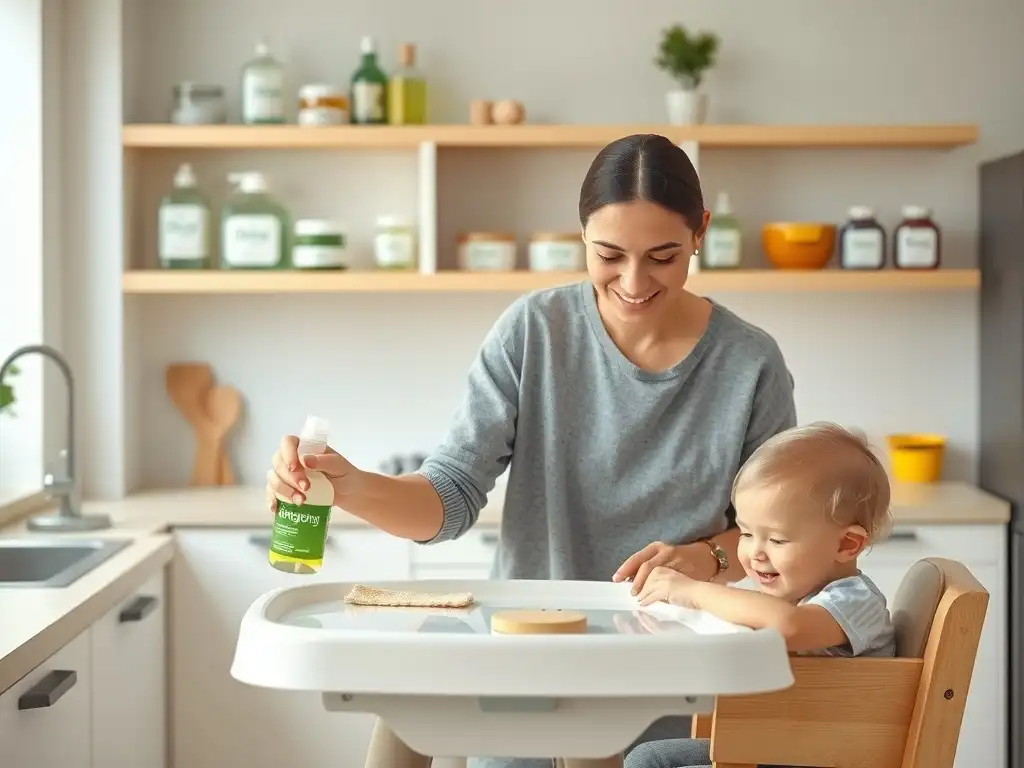
This section delves into practical strategies beyond basic babyproofing to significantly reduce your baby's exposure to harmful household chemicals. Minimizing exposure isn't just about preventing accidental ingestion; it's about creating a healthier environment for your little one's development. Remember, even low-level exposure can accumulate over time, potentially impacting their health. This proactive approach to babyproofing harmful household chemicals will give you peace of mind.
Regular Cleaning and Maintenance to Remove Toxins
Regular cleaning is paramount in reducing the presence of harmful chemicals in your home. However, it's crucial to choose cleaning products wisely. Many conventional cleaners contain volatile organic compounds (VOCs) and other harsh chemicals that can irritate your baby's delicate respiratory system and skin. Opt for eco-friendly, plant-based cleaning products specifically designed for baby's safety. These products often utilize natural ingredients like vinegar, baking soda, and essential oils, minimizing the risk of exposure to toxic substances.
Consider these cleaning strategies:
- Dust Regularly: Dust acts as a carrier for various chemicals, pesticides, and allergens. Regular dusting, especially in high-traffic areas and on surfaces your baby frequently interacts with, is essential. Use microfiber cloths for optimal dust removal.
- Deep Clean Regularly: Schedule a deep clean of your home at least once a month. This involves cleaning carpets, upholstery, and hard-to-reach areas where dust and chemicals can accumulate. Consider professional cleaning services if needed, but ensure they use baby-safe cleaning agents.
- Air Circulation: Proper ventilation is key. Open windows and doors whenever possible to allow fresh air to circulate and dilute any lingering chemical fumes. Using an air purifier with a HEPA filter can also help remove airborne particles and improve indoor air quality.
- Focus on High-Touch Surfaces: Pay close attention to areas your baby touches frequently: doorknobs, light switches, countertops, and toys. These areas accumulate more germs and chemical residue, requiring more frequent cleaning.
Proper Storage of Household Chemicals
Safe storage is critical in preventing accidental exposure. Simply keeping chemicals out of reach isn't enough; you need a secure storage system. Here's a breakdown of best practices for storing household chemicals:
- High and Locked Cabinets: Store all cleaning products, pesticides, and other potentially harmful chemicals in high, locked cabinets that your baby cannot access. Consider using childproof latches that are difficult for even the most determined toddler to open.
- Original Containers: Always store chemicals in their original containers with clearly labeled warnings. Never transfer them to unmarked containers, as this increases the risk of accidental ingestion or misuse.
- Separate Storage Area: If possible, designate a separate, locked storage area specifically for cleaning products and other hazardous materials, away from your baby's play areas and food preparation zones.
- Regular Inventory: Periodically check your chemical storage area to ensure everything is properly stored and that no containers are damaged or leaking. Dispose of expired or unwanted chemicals according to local regulations. This proactive approach to babyproofing harmful household chemicals is essential.
Educating Yourself on Hazardous Substances
Knowledge is power when it comes to babyproofing against harmful household chemicals. Familiarizing yourself with common household chemicals and their potential risks is crucial. Here's what you can do:
- Read Labels Carefully: Always read the labels of cleaning products, pesticides, and other chemicals before using them. Pay attention to warnings, safety precautions, and first-aid instructions.
- Safety Data Sheets (SDS): For more detailed information about the hazards of specific chemicals, access their Safety Data Sheets (SDS) online. These sheets provide comprehensive information on chemical composition, potential health effects, and safe handling procedures.
- Consult Professionals: If you have concerns about specific chemicals in your home or need guidance on safe disposal, consult with a pediatrician or a local environmental health agency. They can offer expert advice tailored to your specific situation.
- Stay Updated: The landscape of household chemicals is constantly evolving. Stay informed about new regulations, product recalls, and emerging research on the effects of chemicals on children's health. Following reputable sources like the EPA and similar organizations will help you stay ahead. This continuous learning is a vital part of effectively babyproofing harmful household chemicals.
This comprehensive approach to minimizing exposure to harmful chemicals provides a layered defense, significantly enhancing your baby's safety and well-being. Remember, proactive babyproofing is an ongoing process, requiring consistent vigilance and a commitment to creating a healthy home environment.
Creating a Safe and Chemical-Free Environment for Your Baby
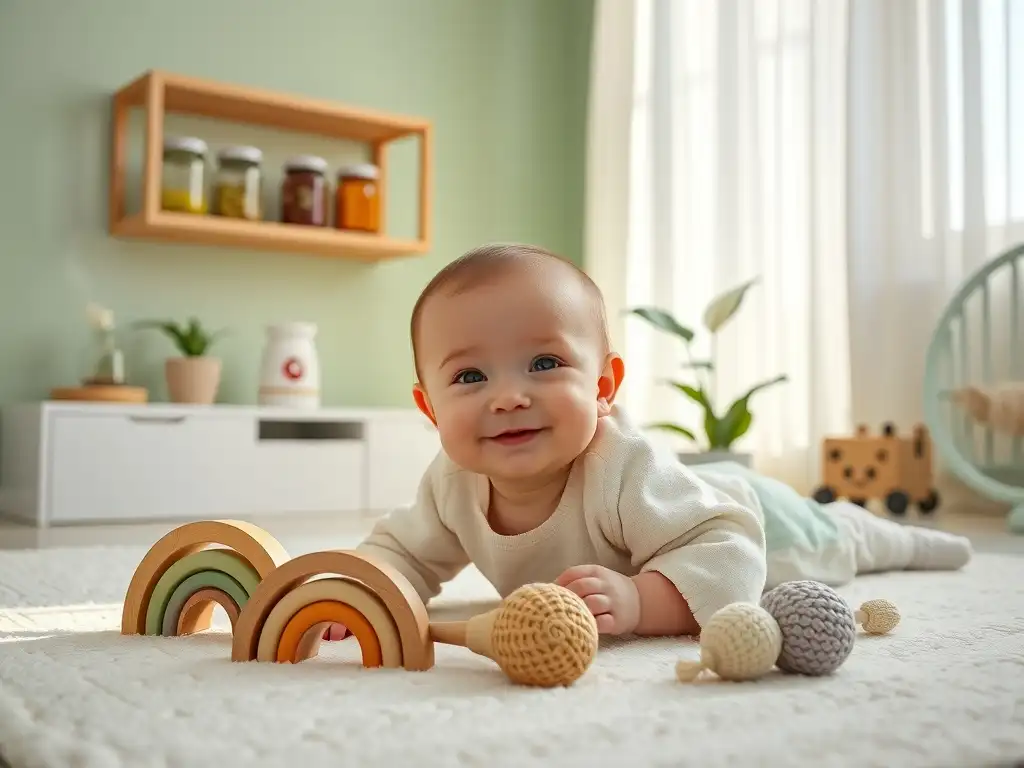
Creating a truly safe and chemical-free environment for your baby requires a multifaceted approach. It's not just about removing obvious hazards; it's about making conscious choices in every aspect of your home's upkeep and the products you use. This involves a transition to eco-friendly and non-toxic alternatives for cleaning, personal care, and even furniture. For instance, instead of using harsh commercial cleaners, opt for natural solutions like baking soda and vinegar, or consider purchasing plant-based cleaning products specifically designed for baby's safety. These products often boast certifications that verify their low toxicity and absence of harmful chemicals.
Remember to carefully read product labels, looking for terms like "phthalate-free," "paraben-free," and "VOC-free" (Volatile Organic Compounds). These chemicals are commonly found in many household products and are linked to potential health concerns in infants. Prioritize products with transparent ingredient lists, allowing you to understand exactly what you are bringing into your home. This diligent approach extends beyond cleaning products; look for non-toxic alternatives for laundry detergents, shampoos, lotions, and even baby wipes. Many brands cater specifically to parents seeking these chemical-free options.
Beyond cleaning supplies and personal care items, consider the materials used in your baby's furniture and toys. Opt for solid wood furniture whenever possible, avoiding particleboard or MDF (medium-density fiberboard), which may contain formaldehyde, a known carcinogen. Similarly, choose toys made from natural materials like wood or organic cotton, and steer clear of toys with strong artificial scents or those that seem cheaply made, as these might contain potentially harmful chemicals.
Regularly inspect toys for any damage or wear and tear, and discard any that show signs of deterioration to prevent your baby from ingesting small parts or harmful materials. This proactive approach significantly reduces potential exposure to harmful substances. Babyproofing against harmful household chemicals is an ongoing process, requiring continuous vigilance and informed decisions.
Regularly Cleaning and Airing Out Your Home
Regular cleaning and proper ventilation are crucial components of minimizing your baby's exposure to harmful chemicals. Dust and other airborne particles can accumulate toxins from various sources, including cleaning products, pesticides, and even outdoor pollutants that enter your home. Regular dusting and vacuuming, using a HEPA filter vacuum cleaner to trap microscopic particles, are essential steps. Pay special attention to areas where your baby spends the most time, such as the crib, play area, and floor. Regularly washing bedding and soft toys in hot water can also help eliminate accumulated dust mites and other allergens.
Airing out your home is equally important. Open windows and doors to allow for adequate ventilation, especially after cleaning or using products with strong fragrances. This helps to dissipate airborne chemicals and reduces the concentration of toxins in the air your baby breathes. However, be mindful of air quality outside; if you live in an area with high levels of air pollution, it might be more beneficial to use an air purifier with a HEPA filter, especially during times of high pollution.
Consider using natural air fresheners like essential oil diffusers (with caution and selecting baby-safe oils) or simply placing bowls of baking soda around the house to absorb odors. These simple steps contribute significantly to maintaining a clean and healthy environment for your baby. Remember that consistent effort in cleaning and ventilation is vital for protecting your little one from unseen dangers lurking in the air.
Choosing Eco-Friendly and Non-Toxic Products
Choosing eco-friendly and non-toxic products is a fundamental step in babyproofing against harmful household chemicals. This extends beyond just cleaning supplies; it encompasses all products that come into contact with your baby, from diapers and wipes to furniture and toys. Look for certifications like the Green Seal or EPA Safer Choice label, which indicate that a product meets specific environmental and health standards. These certifications provide assurance that the product has undergone rigorous testing and is free from many harmful chemicals commonly found in conventional products.
When selecting cleaning products, opt for plant-based, biodegradable formulas that are free of harsh chemicals like chlorine bleach, ammonia, and phosphates. Vinegar and baking soda are excellent, readily available, and inexpensive natural cleaning agents. For personal care items like baby shampoo, lotion, and soap, choose products that are hypoallergenic and fragrance-free to minimize the risk of allergic reactions.
Read labels carefully and avoid products containing parabens, phthalates, and other potentially harmful chemicals. Even seemingly innocuous products like air fresheners can contain volatile organic compounds (VOCs) that can irritate your baby's respiratory system. Consider natural alternatives like essential oil diffusers (used with caution and only baby-safe oils) or simply opening windows for ventilation.
Making informed choices about the products you bring into your home is a crucial step in protecting your baby's health and well-being. The initial cost might seem higher, but the long-term benefits to your baby's health far outweigh the price.
Resources and Further Information on Babyproofing Against Household Chemicals
This section provides valuable resources to help you delve deeper into the topic of babyproofing your home against harmful chemicals and ensuring a safe environment for your little one. We understand that navigating this can feel overwhelming, so we've compiled a selection of helpful materials to support your journey.
Recommended Books and Websites on Baby Safety
Finding reliable information on baby safety can be challenging. To help you sift through the noise, we've curated a list of reputable books and websites offering comprehensive guidance on babyproofing and identifying hazardous substances within your home. Remember, always consult with your pediatrician or a qualified professional for personalized advice.
- Books: Consider exploring books focused on babyproofing and non-toxic living. Look for titles that detail specific chemical hazards commonly found in homes and offer practical solutions for mitigation. Many books offer room-by-room guides, checklists, and detailed explanations of the dangers associated with various substances. Pay attention to publication dates, ensuring the information is current and aligned with the latest safety standards. Titles focusing on "green" cleaning practices and non-toxic alternatives for household products are also beneficial.
- Websites: Several reputable websites dedicated to parenting and child safety offer in-depth articles and resources on babyproofing against harmful chemicals. Look for websites affiliated with well-known organizations or those with a demonstrably strong focus on evidence-based information. Be wary of websites offering unsubstantiated claims or promoting products without scientific backing. Check for author credentials and cross-reference information with other reputable sources.
Organizations Providing Information on Toxic Substances
Several organizations dedicate their efforts to researching and educating the public about the dangers of toxic substances in the home environment. These organizations often provide valuable resources, including fact sheets, guides, and databases on hazardous chemicals. They can be invaluable resources for learning about specific chemicals and their potential health impacts on babies and young children.
- Examples of Organizations: Many governmental and non-governmental organizations offer information on toxic substances. These often include detailed databases of chemicals, their properties, and potential health effects. Some organizations may focus specifically on environmental toxins, while others may concentrate on consumer product safety. Look for organizations with a strong reputation for scientific accuracy and transparency. Their websites typically offer detailed reports, research findings, and educational materials.
Local Resources and Support Groups for New Parents
Beyond online resources, seeking local support can be incredibly beneficial. Connecting with other new parents and accessing local resources can provide invaluable practical assistance and emotional support.
- Local Health Departments: Your local health department often offers programs and resources focusing on child safety and environmental health. They might provide workshops on babyproofing, information on lead testing, or guidance on safe disposal of hazardous materials.
- Parenting Groups and Classes: Many communities offer parenting groups and classes, which can be excellent places to connect with other parents, share experiences, and learn practical tips on babyproofing and creating a safe home environment. These groups offer peer-to-peer support and a chance to ask questions in a comfortable setting.
- Hospitals and Pediatric Clinics: Your baby's pediatrician or the hospital where you delivered can also be excellent sources of information and referrals to local resources. They can often provide personalized recommendations and connect you with community programs tailored to your needs.
Remember, creating a safe and healthy home environment for your baby is a continuous process. By utilizing the resources mentioned above and staying informed, you can proactively mitigate potential risks and ensure your child's well-being. Always prioritize safety and consult with professionals when needed.
Frequently Asked Questions
What are some common household chemicals dangerous to babies?
Many everyday items contain harmful chemicals. These include cleaning products (bleach, ammonia), pesticides, and certain personal care products. Always check labels carefully.
How can I babyproof against chemical exposure?
Store all cleaning supplies and chemicals in locked cabinets, out of your baby's reach. Use natural, non-toxic alternatives whenever possible. Proper ventilation is also crucial when using chemicals.
What should I do if my baby ingests a harmful chemical?
Immediately call poison control or your doctor. Do not induce vomiting unless specifically instructed by a medical professional. Have the product container available for reference.
Are all essential oils safe for babies?
No, many essential oils are toxic to babies and should be kept out of their reach. Always research thoroughly before using any essential oil around your baby. Consult with your pediatrician before using any on or around your baby.
What are some natural alternatives to harsh cleaning products?
You can use baking soda, vinegar, and lemon juice for many cleaning tasks. There are also many baby-safe cleaning products available on the market. Consider using microfiber cloths for effective cleaning without harsh chemicals.
The pervasive presence of toxic substances in our homes is not merely a concern for the future; it's a crisis demanding immediate action. We've explored the insidious ways harmful chemicals infiltrate our daily lives, from cleaning products to furniture, and the disproportionate impact they have on vulnerable children. Ignoring this reality is not an option; the health and well-being of our children depend on our proactive engagement.
The journey to a truly safe home environment is a continuous process of learning and adaptation. It requires a shift in our collective consciousness, moving away from a culture of convenience that prioritizes profit over people. This journey is deeply personal; it's about protecting the innocence and potential of the next generation. The best way to predict the future is to create it.
This quote, often attributed to Abraham Lincoln, resonates deeply here. We must actively create a safer future for our children by making informed choices today.
You now possess the knowledge to begin your own journey towards a safer home. Take a moment to survey your environment, critically evaluating the products you use and the materials that surround you. Don't be intimidated by the task; small changes accumulate into significant improvements. Empower yourself with knowledge, advocate for safer products, and build a legacy of health and well-being for your family and generations to come. The future of our children depends on it.
Unleash a Safer Home: Your Next Steps to a Chemical-Free Haven
Thanks for learning about protecting your child from harmful household chemicals! We hope this guide provided valuable insights into creating a healthier home environment. Now, let's put that knowledge into action.
- Prioritize a Deep Clean: Begin by decluttering and thoroughly cleaning areas where chemicals are commonly used, such as kitchen and bathroom surfaces. Then, switch to eco-friendly cleaning products. This is the first step towards a safer home for your family.
- Share Your Knowledge: Spread awareness about safer home practices by sharing this article with friends and family. Help build a community committed to healthy homes!
- Explore Natural Alternatives: Discover safer substitutes for common household products. Research natural cleaning solutions and consider non-toxic alternatives for everything from laundry detergent to personal care items.
What's one small change you'll make today to create a healthier home for your baby?