
Teething Toys: Choosing Safe and Effective Options

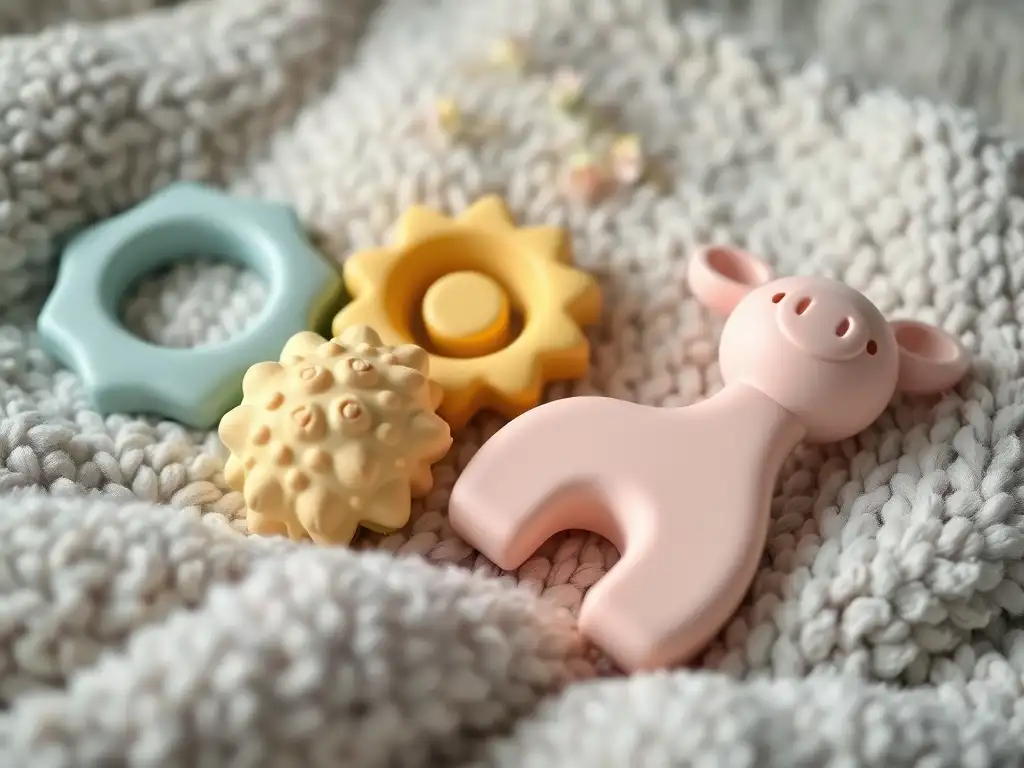
Welcome to BabyCareHub, your ultimate guide to navigating the incredible journey of parenthood! Are you ready to tackle the challenges – and joys – of raising your little one? We're here to help, offering expert advice and practical tips on everything from feeding schedules to soothing those first fussy nights. Discover our curated selection of the Best baby teething toys to ease your baby's discomfort and keep them happy and healthy. Dive in and explore the wealth of resources we've compiled to make your parenting experience smoother and more fulfilling. Let's embark on this adventure together!
- Understanding Baby Teething and the Need for Teething Toys
- Choosing Safe Teething Toys: A Parent's Guide
- Exploring Different Types of Teething Toys
- Best Baby Teething Toys: Selecting the Right Option for Your Baby's Age and Needs
- Maintaining Hygiene and Safety of Teething Toys
- Beyond Teething Toys: Additional Soothing Methods
- Frequently Asked Questions
- Final Reflection: Nurturing Tiny Teeth, Shaping Big Futures
- Unlock Your Little One's Happy Smile: Take Action Now!
Understanding Baby Teething and the Need for Teething Toys
The arrival of your little one marks the beginning of a beautiful journey filled with countless joys and, inevitably, some challenges. Teething is one such challenge, a period of discomfort and potential distress for both baby and parent.
This article serves as your guide to navigating this phase, focusing on the selection of safe and effective teething toys – crucial tools in easing your baby's teething pain and promoting healthy oral development. We'll explore the teething process itself, highlighting the key stages and symptoms to watch for, explain why appropriately chosen teething toys are essential for soothing your baby, and provide you with the knowledge to recognize the early signs of teething.
Selecting the best baby teething toys isn't just about finding something cute; it's about prioritizing your baby's safety and well-being. This guide will empower you to make informed choices, ensuring your baby's comfort and fostering positive associations with oral hygiene from the very start.
The Teething Process: Stages and Symptoms
Teething, the eruption of teeth through the gums, typically begins around six months of age, although it can vary significantly between babies. This process unfolds in stages, each potentially accompanied by a range of symptoms.
The first teeth to emerge are usually the lower central incisors, followed by the upper central incisors. Subsequent stages see the eruption of lateral incisors, canines, and molars, often extending well into toddlerhood. The timing and order of eruption can vary, and some babies may experience teething earlier or later than average.
Symptoms associated with teething can include:
- Increased drooling: Excessive drooling is a common sign, sometimes leading to a rash around the mouth.
- Fussiness and irritability: Babies may become more fussy, irritable, and difficult to soothe.
- Gnawing and chewing: The urge to chew on anything and everything is a natural response to the pressure and discomfort in their gums.
- Mild fever: A slightly elevated temperature (generally below 100.4°F or 38°C) can sometimes accompany teething, but a higher fever warrants medical attention.
- Diarrhea or loose stools: In some cases, teething may be associated with changes in bowel movements. However, significant changes should be evaluated by a healthcare professional.
- Red and swollen gums: The gums around the emerging teeth will often appear red and swollen.
- Difficulty sleeping: Discomfort can interfere with sleep patterns.
- Reduced appetite: Some babies may experience a temporary decrease in appetite.
It's crucial to remember that not all babies experience all of these symptoms, and the intensity of symptoms can vary greatly. If your baby exhibits unusually high fever, prolonged diarrhea, or other concerning symptoms, consult your pediatrician immediately.
Why Teething Toys Are Essential for Soothing Discomfort
Teething toys serve a vital role in providing relief and comfort during the teething process. Their primary function is to provide gentle pressure and massage on the gums, helping to relieve the pain and itching associated with tooth eruption. The act of chewing on a teething toy can also help to distract the baby from the discomfort.
Choosing the right teething toy is paramount. They should be made from safe, non-toxic materials, be appropriately sized for the baby's age and developmental stage, and be easy to clean. The texture of the toy is also important; some babies prefer firm textures, while others may find softer textures more soothing. A variety of textures and shapes can cater to individual preferences. Furthermore, the coolness of a chilled (not frozen) teething toy can provide additional soothing relief.
The benefits extend beyond immediate comfort. Teething toys can also contribute to the development of healthy oral habits. The act of chewing helps to strengthen jaw muscles and prepare the mouth for the future eruption of teeth.
Recognizing Signs of Teething in Your Baby
Recognizing the signs of teething early allows parents to provide timely comfort and support. Keep a close eye on your baby's behavior and physical symptoms. While the symptoms mentioned previously are common indicators, remember that every baby is different, and some may exhibit subtle or atypical signs.
Early identification allows parents to proactively implement soothing measures, including offering a clean, safe teething toy. If you're unsure whether your baby is teething or experiencing another issue, consulting your pediatrician is always recommended. They can help differentiate teething symptoms from other potential health concerns and provide personalized advice. Remember, proactive care and a watchful eye are key to navigating this developmental milestone smoothly.
Choosing Safe Teething Toys: A Parent's Guide
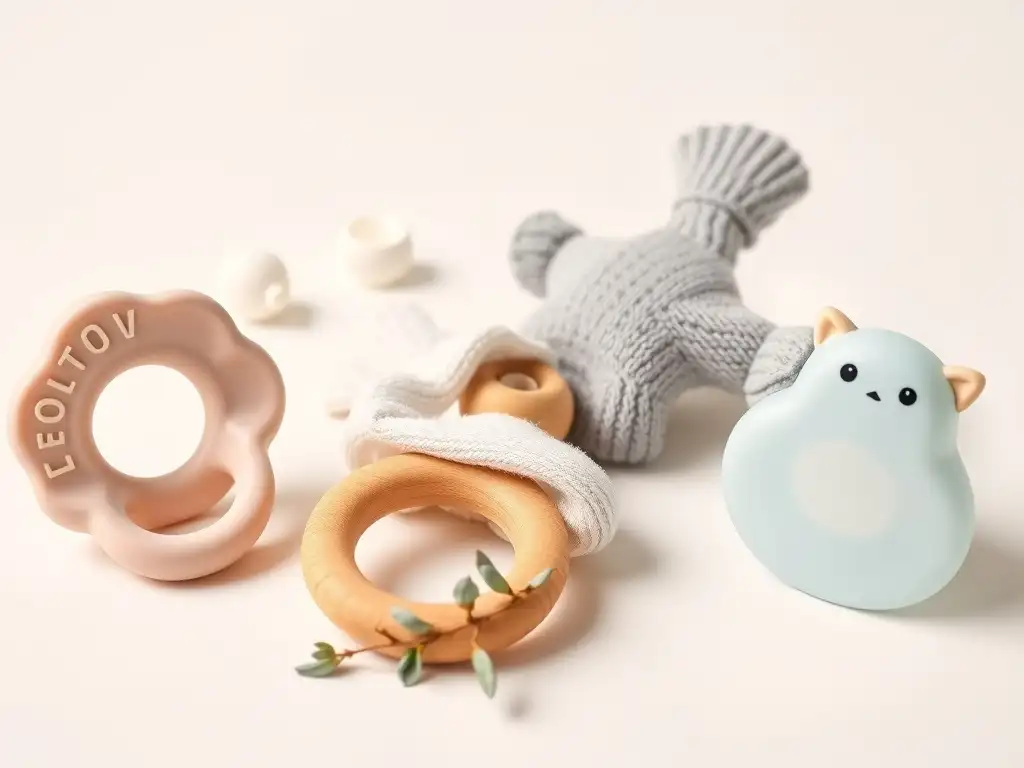
This section delves into the crucial aspects of selecting safe and effective teething toys for your little one. Choosing the right teether can significantly impact your baby's comfort and well-being during this developmental stage. Remember, safety should always be the top priority when selecting any toy for your baby. We'll explore key factors to consider, ensuring you make informed decisions that prioritize your baby's health and happiness.
Material Safety: Non-Toxic and BPA-Free Teethers
Selecting teething toys made from safe, non-toxic materials is paramount. Babies tend to mouth everything, making material composition a critical factor. Look for teethers explicitly labeled as BPA-free, phthalate-free, and made from food-grade silicone, natural rubber, or other non-toxic materials. Avoid toys containing PVC or other potentially harmful chemicals.
Many parents opt for natural rubber teethers, often made from sustainably harvested Hevea brasiliensis trees. These offer a soft, textured surface that soothes gums effectively. Silicone teethers are another popular choice, known for their durability and ease of cleaning. They often come in a variety of shapes, colors, and textures, catering to different preferences.
Remember to always check the manufacturer's labeling carefully. Reputable brands will clearly state the materials used and any relevant safety certifications. If you are unsure about the safety of a particular material, it's always best to err on the side of caution and choose a different option. Prioritizing non-toxic materials ensures that your baby is not exposed to potentially harmful substances during this sensitive developmental period. The peace of mind knowing your baby is chewing on a safe product is invaluable.
Size and Shape: Avoiding Choking Hazards
Preventing choking hazards is crucial when choosing teething toys. Small parts can easily detach from cheaper toys, posing a serious risk to your baby. Always opt for larger teethers with no small detachable pieces. The teether should be too large to fit entirely into your baby's mouth, minimizing the risk of choking.
The shape of the teether is also important. Avoid toys with sharp edges or points that could cause injury. Rounded shapes are generally safer. Consider the size of your baby's hands as well; the teether should be easy for them to grasp and manipulate.
Here's a helpful table summarizing ideal teether characteristics:
| Feature | Ideal Characteristics | Unacceptable Characteristics |
|---|---|---|
| Size | Large enough to prevent complete mouth coverage | Small parts, easily detachable pieces |
| Shape | Rounded, smooth edges, no sharp points | Sharp edges, points, small, irregular shapes |
| Material | Food-grade silicone, natural rubber, BPA-free | PVC, other potentially harmful chemicals |
| Construction | Durable, one-piece construction | Fragile, easily broken, with small detachable parts |
Choosing appropriately sized and shaped teethers is a simple yet vital step in ensuring your baby's safety. Remember, prevention is key when it comes to choking hazards.
Durability and Cleaning: Easy to Maintain and Sanitize
Durability and ease of cleaning are essential considerations. Teethers will inevitably be subjected to significant wear and tear, especially given their frequent contact with saliva and potentially dropped on the floor. Opt for teethers made from durable materials that can withstand regular cleaning and sanitization.
The ability to easily clean and sanitize the teether is crucial for maintaining hygiene. Choose teethers that are dishwasher-safe or can be easily wiped clean with a damp cloth and mild soap. Regular sanitization helps prevent the build-up of bacteria and germs.
Some parents choose to boil their teethers to sanitize them, but check manufacturer instructions first as this might damage some materials. Others opt for using a steam sterilizer for a more thorough cleaning process. Regardless of your chosen method, regular cleaning is key to maintaining a hygienic environment for your baby's teething experience. A clean teething toy contributes significantly to your baby's overall oral health and well-being. Remember, a clean teether is a happy and healthy teether!
Best Baby Teething Toys Materials: A Detailed Overview (Rubber, Silicone, Wood, etc.)
Choosing the right material for your baby's teething toy is crucial for their safety and comfort. Different materials offer varying benefits and drawbacks, so understanding these differences is key to selecting the best baby teething toys. Let's explore some of the most common materials:
Silicone: Silicone teething toys are incredibly popular due to their softness, durability, and ease of cleaning. They're typically BPA-free, phthalate-free, and non-toxic, making them a safe choice for babies. Many silicone teethers are dishwasher safe, simplifying the cleaning process, which is essential given how much saliva they'll likely encounter! However, some babies may find the texture slightly less stimulating than other materials. Look for silicone teethers that have been rigorously tested and certified safe for babies. The smooth surface also helps prevent the build-up of bacteria.
Rubber: Natural rubber teething toys offer a soft, pliable texture that many babies find soothing. However, it's crucial to ensure the rubber is 100% natural rubber latex and free from harmful chemicals. Natural rubber is known for its elasticity and can withstand considerable chewing. However, natural rubber latex can trigger allergies in some children. Always check for certifications and warnings before purchasing. Cleaning can be a bit more challenging than with silicone, as some natural rubber toys are not dishwasher safe.
Wood: Wooden teething toys are a popular choice for their natural, sustainable qualities. They often feature interesting shapes and textures that can stimulate a baby's sensory development. However, it's essential to select wooden teethers that are made from untreated, non-toxic wood and finished with safe, baby-friendly paints or oils. Avoid wood teethers with small parts that could pose a choking hazard. Regular cleaning with a damp cloth is necessary, and it's important to ensure the wood is properly dried to prevent mold or mildew growth.
Other Materials: Beyond silicone, rubber, and wood, you might find teething toys made from other materials like plastic (ensure it's BPA-free and phthalate-free), cloth (choose materials that are easily washable and don't contain small parts), or even frozen fruit mesh feeders (which offer a cooling sensation). Each material has its pros and cons, so always prioritize safety and choose products from reputable brands that comply with relevant safety standards.
Remember to always supervise your baby while they are using any teething toy, regardless of the material. The best material is ultimately the one your baby finds most comforting and safe.
Exploring Different Types of Teething Toys
Choosing the right teething toy can significantly ease your baby's discomfort and make the teething process more manageable. The market offers a wide variety of teething toys, each designed with specific features to address different needs. Understanding these types is crucial for selecting the best baby teething toys for your little one. This section explores several popular options, focusing on materials, textures, and functionalities to help you make an informed decision. Finding the perfect teething toy often involves trial and error, as every baby reacts differently to various textures and materials.
Best Baby Teething Toys: Textured Teethers for Gum Massage
Textured teethers are specifically designed to provide gum massage, which can help relieve the pressure and itching associated with erupting teeth. The varied textures stimulate the gums, providing comfort and distraction. Look for teethers with a range of textures, including bumpy surfaces, ridges, and soft nubs. Avoid excessively hard or sharp textures, as these could potentially injure your baby's gums.
Some of the best baby teething toys in this category are made from food-grade silicone, which is soft, durable, and easy to clean. Others incorporate natural materials like wood, but always ensure these are finished safely and free from harmful chemicals. The size and shape of the teether are also important considerations. Choose a teether that is appropriately sized for your baby's grip and mouth, preventing choking hazards. Consider teethers with different shapes and sizes to provide varied sensory stimulation. Remember to always supervise your baby while they are using any teething toy.
Cooling Teethers: Relief from Swollen Gums
Swollen and inflamed gums are a common symptom of teething. Cooling teethers offer a soothing relief from this discomfort. These teethers are often filled with water or gel, which can be chilled (never frozen solid!) before being given to your baby. The coolness provides a numbing sensation, reducing inflammation and easing pain.
The ideal cooling teether will be easy to grip, made from safe, non-toxic materials, and designed to stay cool for an extended period. Always check the manufacturer's instructions regarding chilling time and temperature to prevent freezing. Some parents find that rotating several cooling teethers helps maintain a consistent level of coolness throughout the day. Remember to always supervise your child while using a cooling teether and to regularly inspect it for any damage or leaks. Prioritize safety; a damaged teether could pose a choking hazard.
Teething Rings and Keychains: Engaging and Soothing Options
Teething rings and keychains offer a combination of sensory stimulation and soothing relief. The circular shape of the rings is easy for babies to grasp and manipulate, providing tactile exploration. Many teething rings incorporate textured surfaces or embedded features for added sensory input. Keychains, often featuring a variety of shapes and textures, can also provide engaging distractions.
The materials used in teething rings and keychains should be non-toxic, durable, and easy to clean. Look for options made from food-grade silicone, natural rubber, or BPA-free plastics. Always check the size and design to ensure it is safe for your baby and prevents choking. The added benefit of many teething keychains is their portability.
They can easily be attached to a diaper bag or stroller, providing a readily available source of comfort on the go. Always supervise your baby while they are playing with any teething toy, and regularly inspect the toy for signs of wear and tear. Remember, a damaged toy can become a choking hazard.
Choosing the right teething toy is a personal journey, tailored to your baby's individual needs and preferences. By understanding the different types available and prioritizing safety, you can help make the teething process a little more comfortable for your little one.
Best Baby Teething Toys: Vibratory Teethers for Added Comfort
Vibratory teethers offer a unique approach to soothing sore gums. These teethers incorporate a gentle vibrating mechanism, often battery-powered, that provides a dual sensory experience. The vibration adds another layer of comfort beyond the simple chewing action, potentially offering more effective relief for some babies. Many parents find that the vibration helps to distract their little ones from the discomfort of teething, making it easier for them to relax and self-soothe.
It's crucial to choose vibratory teethers from reputable brands that prioritize safety. Look for teethers with durable, non-toxic materials and easily accessible battery compartments to prevent accidental ingestion. Always supervise your baby while they use a vibratory teether, and ensure the vibrations are gentle and not overly intense. Some babies may find the vibration too stimulating, so it's important to observe your child's reaction and adjust accordingly. If your baby shows signs of discomfort or distress, discontinue use immediately. Remember, these are supplementary tools and should not replace other soothing techniques like cuddling or nursing.
The added benefit of vibration can be particularly helpful for babies who are experiencing intense teething pain. While the effectiveness varies from child to child, many parents report a significant reduction in fussiness and irritability during teething periods when using a vibratory teether. However, it's important to remember that vibratory teethers should be part of a holistic approach to teething management, and not relied upon exclusively.
Combining the teether with other soothing methods, such as cool compresses or gentle gum massage, can often provide the most comprehensive relief. Always prioritize safety and closely monitor your baby's reaction to the teether. If you have any concerns, consult your pediatrician.
Best Baby Teething Toys: Selecting the Right Option for Your Baby's Age and Needs
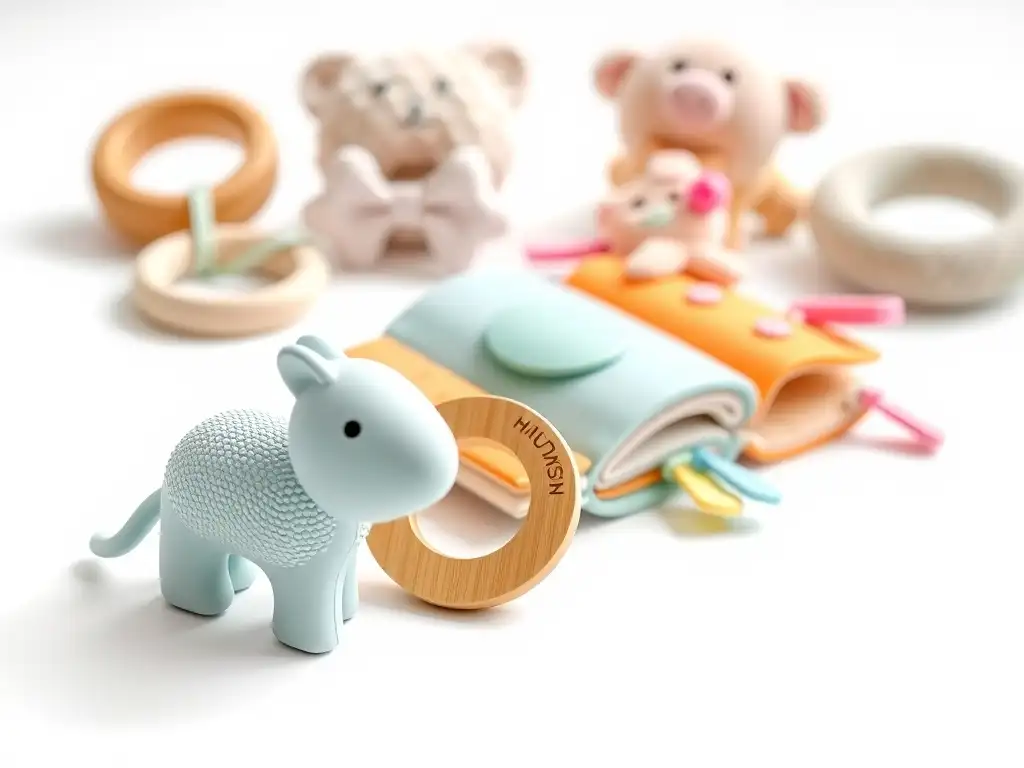
Finding the best baby teething toys can feel overwhelming for new parents. The market is flooded with options, each promising relief for your little one's sore gums. However, selecting the right toy depends heavily on your baby's developmental stage and their individual preferences. This section will guide you through choosing safe and effective teething toys based on your baby's age. Remember, safety is paramount – always supervise your baby while they are using any teething toy.
Teething Toys for 0-3 Months: Soft and Simple Options
Newborns and very young infants (0-3 months) primarily need soothing textures to comfort their gums. At this age, their primary focus is on sensory exploration rather than complex manipulation. Avoid hard toys or those with small parts that could pose a choking hazard.
- Ideal materials: Soft silicone, 100% natural rubber, and super-soft fabrics are excellent choices. Look for toys that are BPA-free, phthalate-free, and made from non-toxic materials. Always check the manufacturer's recommendations and warnings.
- Recommended types: Simple textured teethers, soft silicone rattles, and even clean, damp washcloths can provide comfort. Consider a textured teether specifically designed for this age group, offering gentle pressure on the gums.
- Things to avoid: Hard plastic teethers, toys with small parts, and toys that are difficult to clean. Thorough cleaning is crucial to prevent the growth of bacteria. Always sterilize new toys before use.
- Example: A soft, textured silicone teether shaped like a simple animal or ring is a perfect choice. Its smooth, rounded edges prevent injury, while its gentle texture provides comforting pressure.
The focus at this stage should be on simple, safe, and easily cleanable options. Prioritize comfort and sensory exploration over complex functionalities.
Teething Toys for 3-6 Months: Exploring Textures and Shapes
As your baby grows (3-6 months), their motor skills develop, allowing for more interaction with their teething toys. They start to grasp and manipulate objects more effectively. This opens up a wider range of options, but safety remains a top priority.
- Ideal materials: A wider variety of materials becomes acceptable, including softer wood (ensure it's properly finished and free of splinters), and textured silicone. Continue to avoid hard plastics or anything with small detachable parts.
- Recommended types: Teethers with different textures, such as ridges, bumps, and grooves, can provide varied stimulation. Introduce toys with different shapes to encourage exploration and improve hand-eye coordination. Consider mesh feeders filled with frozen fruit for dual cooling and nutritional benefits.
- Things to avoid: Toys with small, detachable parts, and toys that are difficult to clean or sterilize. Remember to regularly inspect toys for signs of wear and tear. Discard any damaged or broken toys immediately.
- Example: A teether with various textured surfaces, perhaps incorporating soft bristles or a bumpy surface, can provide diverse sensory experiences. A teether with a built-in handle is beneficial for better grip.
This stage is about introducing more varied textures and shapes while maintaining a focus on safe and easy-to-clean designs. Remember, supervision is always essential.
Teething Toys for 6-12 Months: More Complex Designs and Functions
By 6-12 months, your baby's motor skills are significantly more advanced. They can now grasp, shake, and even throw toys. This allows for more complex teething toy designs, but you should still prioritize safety.
- Ideal materials: A wider range of materials can be considered, including some harder, but still appropriately sized and smooth plastics. However, always prioritize non-toxic and BPA-free options.
- Recommended types: Consider toys with multiple textures, shapes, and functionalities. Toys that spin, rattle, or have moving parts can be engaging. Some babies enjoy chilled teethers that provide soothing relief. Books made from safe materials can also be introduced.
- Things to avoid: Toys with very small parts that could be a choking hazard, toys that are difficult to clean, and toys made from materials that could leach harmful chemicals. Always check for any signs of damage or wear and tear.
- Example: A teether with a built-in rattle and various textured surfaces, or a stacking ring teether, provides both sensory and developmental benefits.
At this stage, you can introduce more complex toys, but always remember to closely supervise your child and prioritize safety. Choose toys that are durable, easy to clean, and made from non-toxic materials. The best baby teething toys are those that provide comfort, promote development, and above all, are safe for your little one.
Maintaining Hygiene and Safety of Teething Toys
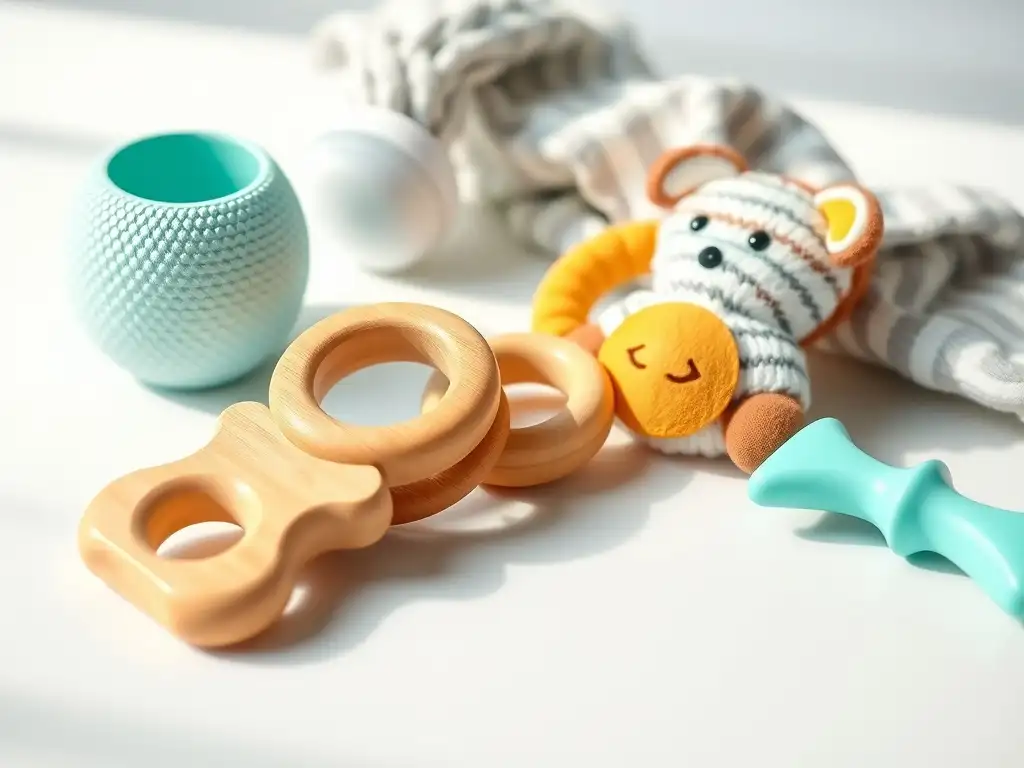
Maintaining the hygiene and safety of your baby's teething toys is crucial for preventing infections and ensuring their well-being. Babies explore the world through their mouths, and teething toys are constantly subjected to saliva and potential germs. Following proper cleaning and storage protocols minimizes the risk of bacterial or viral contamination. Choosing the right materials and knowing when to replace your baby's teethers are also critical aspects of maintaining a safe and healthy teething experience. This section will provide you with detailed guidelines to ensure your little one's safety.
Cleaning and Sterilizing Teethers: Best Practices
Cleaning and sterilizing teething toys should be a regular part of your baby's care routine. The frequency depends on the toy's material and how frequently it's used. For example, teethers that frequently drop on the floor require more frequent cleaning than those primarily used in a controlled environment.
Here's a breakdown of best practices:
- Daily Cleaning: After each use, wash the teether thoroughly with warm, soapy water. Use a soft-bristled brush or sponge to reach all crevices. A mild, baby-safe dish soap is recommended. Thoroughly rinse the teether to remove all traces of soap.
- Sterilization: Sterilizing is advisable, especially for newborns and babies with weakened immune systems. You can achieve this through several methods:
- Boiling: Boil the teether in water for 5-10 minutes. Ensure the teether is fully submerged.
- Steam Sterilizer: Use a dedicated steam sterilizer following the manufacturer's instructions. This is a convenient and effective method for many types of teething toys.
- Dishwasher: Some teethers are dishwasher-safe (check the label!). Use the top rack and a gentle cycle.
- Material Considerations: Different materials require different cleaning approaches. Silicone and rubber teethers are generally easier to clean and sterilize than those made from fabric or wood. Always check the manufacturer's instructions for specific cleaning recommendations.
- Drying: After cleaning and sterilizing, allow the teether to air dry completely before giving it back to your baby. A clean, dry cloth can be used to speed up the drying process. Avoid using towels that might leave lint behind.
Storing Teething Toys Properly: Preventing Contamination
Proper storage is just as important as cleaning. Leaving teethers lying around increases the risk of contamination.
Here are some tips for safe storage:
- Designated Container: Keep teething toys in a clean, airtight container or a dedicated storage bag when not in use. This prevents dust and other contaminants from settling on the teethers.
- Clean Storage Area: Ensure the area where you store the teethers is clean and dry. Avoid storing them in places prone to dust or spills.
- Avoid Sharing: Do not let other children use your baby's teething toys to prevent the spread of germs. This is especially important for young infants.
- Regular Inspection: Before each use, visually inspect the teether for any signs of damage or dirt. Discard any damaged or heavily soiled teethers.
When to Replace Teething Toys: Recognizing Signs of Wear and Tear
Teething toys, like any other baby product, have a limited lifespan. Over time, they can become worn, damaged, or harbor bacteria despite proper cleaning. Knowing when to replace them is crucial for your baby's safety.
Here are some signs indicating it's time for a new teether:
- Cracks or Breaks: Any cracks, breaks, or significant damage to the teether necessitates immediate replacement. These imperfections can pose a choking hazard.
- Excessive Wear: If the teether shows significant wear and tear, such as excessive discoloration, significant chewing marks that compromise its structural integrity, or a noticeable loss of material, it's time to get a new one.
- Strong Odor: A persistent unpleasant odor, despite thorough cleaning, suggests the teether may be harboring bacteria and should be replaced.
- Mold or Mildew: The presence of mold or mildew is a clear indication that the teether needs to be discarded immediately.
Regularly assessing the condition of your baby's teething toys is a simple yet essential step in ensuring their safety and well-being. Remember, prioritizing safety guarantees peace of mind and contributes to a healthy developmental journey for your little one. Choosing the best baby teething toys also involves understanding their lifespan and replacing them when necessary. 👶
Beyond Teething Toys: Additional Soothing Methods
Choosing the right teething toy is a crucial step in managing your baby's teething discomfort, but it's not the only solution. Many parents find that a multi-pronged approach works best. Combining teething toys with other soothing methods can significantly alleviate your little one's pain and crankiness. This section explores complementary strategies to provide comprehensive relief during this challenging phase.
Natural Remedies for Teething Pain
Many parents turn to natural remedies to soothe their baby's teething pain. These methods often offer gentle relief and avoid the potential side effects of some medications. However, it's crucial to remember that these are complementary methods and shouldn't replace professional advice if your baby is experiencing significant discomfort.
Some popular natural remedies include:
- Cold compresses: A chilled, damp washcloth or a clean, cold teething toy can numb the gums and reduce inflammation. The coolness provides temporary relief, and the gentle pressure can be soothing. Ensure the washcloth is not icy cold to avoid shocking your baby.
- Gentle gum massage: Using a clean finger, gently massage your baby's gums. This can help relieve pressure and discomfort. Be extremely gentle to avoid hurting your baby's sensitive gums.
- Over-the-counter homeopathic remedies: Some parents opt for homeopathic teething gels or tablets. These are generally considered safe, but always check the ingredients and consult your pediatrician before use. Remember that the efficacy of homeopathic remedies is a subject of ongoing debate within the scientific community. Always prioritize safety and consult with your healthcare provider.
- Breastfeeding or bottle-feeding: The sucking motion can be soothing during teething, and the warmth of breast milk or formula can provide comfort.
When to Consult a Pediatrician: Recognizing Potential Issues
While teething is a normal developmental stage, some symptoms might indicate a more serious issue requiring professional attention. Knowing when to seek medical advice is crucial for your baby's well-being. This section highlights warning signs that necessitate a visit to your pediatrician.
Recognizing the difference between typical teething discomfort and a potential problem is vital. While fussiness, drooling, and mild gum swelling are common, certain symptoms warrant immediate attention. These include:
- High fever (above 100.4°F or 38°C): A high fever during teething isn't typical and could suggest an infection.
- Diarrhea or vomiting: These symptoms could indicate a gastrointestinal issue unrelated to teething, requiring medical intervention.
- Rash or unusual skin irritation: A rash could be a sign of an allergic reaction to a teething toy or another factor.
- Difficulty breathing or swallowing: These are serious symptoms that require immediate medical attention.
- Persistent irritability or inconsolable crying: While some fussiness is expected, excessive crying that doesn't respond to soothing measures could indicate a problem.
- Refusal to eat or drink: This could lead to dehydration and requires prompt medical assessment.
Remember, your pediatrician is your best resource for guidance on your baby's health. Don't hesitate to contact them if you have any concerns, no matter how small they may seem. Early intervention can prevent more significant issues. Your peace of mind, and your baby's health, are paramount. Early detection is key to managing potential complications effectively and ensuring your baby's well-being.
Frequently Asked Questions
What are the best materials for baby teething toys?
Look for toys made from safe, non-toxic materials like food-grade silicone, natural rubber, or hardened wood. Avoid toys containing BPA, PVC, or phthalates. Always check for age appropriateness.
How can I tell if a teething toy is safe for my baby?
Check for any small parts that could detach and pose a choking hazard. Ensure the toy is sturdy and well-made, with smooth surfaces to avoid cuts or scratches. Look for compliance with safety standards.
When should I start using teething toys with my baby?
You can introduce teething toys around 3-6 months of age, when your baby's first teeth start to emerge. Always supervise your baby while they are using a teething toy.
What are some effective ways to use teething toys?
Chill the toy in the refrigerator (not the freezer) for soothing relief. Gently massage your baby's gums with the toy. Offer a variety of textures and shapes to keep your baby engaged.
Are there any teething toys I should avoid?
Avoid toys with small parts, loose pieces, or those made from materials that can leach chemicals. Avoid toys that are easily damaged or become brittle over time. Always prioritize safety.
Final Reflection: Nurturing Tiny Teeth, Shaping Big Futures
The quest for the perfect teething toy is more than just a search for relief; it's a reflection of our deep-seated desire to provide the best possible start for our little ones. Finding safe and effective options isn't merely about soothing sore gums; it's about fostering healthy oral hygiene habits from the very beginning, setting the stage for a lifetime of confident smiles.
The impact of early childhood experiences, particularly those surrounding comfort and oral health, is profound and far-reaching. The simple act of choosing a teething toy becomes a powerful symbol of parental care and a commitment to a child's well-being. The hands that rock the cradle rule the world.
This adage, while perhaps overly simplistic, highlights the significant role parents play in shaping their children's futures, and the seemingly small choices we make, like selecting a safe teething toy, contribute to this larger narrative.
So, as you embark on this journey of parenthood, remember the power of your choices. Consider the materials, the design, and the overall safety of the teething toys you select. Don't just soothe those aching gums; nurture the development of healthy habits and a positive relationship with oral care. Let this guide serve not just as a resource for finding the best baby teething toys, but as an inspiration to prioritize your child's well-being in every aspect of their early development. Embrace this opportunity to create a foundation of health and happiness that will last a lifetime.
Unlock Your Little One's Happy Smile: Take Action Now!
Thank you for joining us on this journey to finding the perfect teething toy! We hope you now feel confident in choosing safe and effective options to soothe your baby's discomfort. Ready to put this knowledge into practice?
- Prioritize your baby's needs: Choose a teething toy from our recommended list (found in the article) based on your baby's age and preferences. Consider the material, size, and texture to ensure a comfortable and safe experience.
- Share your teething toy successes (or challenges!): Let other parents know what worked best for you in the comments below. We love hearing your experiences and learning from your insights!
- Explore our other resources on baby development and soothing techniques for additional support during this developmental milestone.
What unique teething solutions have you discovered that worked wonders for your baby? Let's share our collective wisdom!