
Summer Baby Immune System: Keeping Your Baby Healthy During Summer


Welcome to BabyCareHub, your ultimate guide to navigating the incredible journey of parenthood! Are you ready to unlock the secrets to keeping your little one thriving, especially during the warmer months? This summer, discover how to effectively boost your baby's immune system and ensure their health and happiness. Learn practical strategies and expert advice within our Health & Safety section—your journey to a healthy and happy baby starts here!
- Understanding Your Summer Baby's Immune System
- Boosting Your Summer Baby's Immunity Naturally
- Protecting Your Summer Baby from Summer Illnesses
- When to Seek Professional Medical Advice
- Maintaining a Healthy Home Environment During Summer
-
Frequently Asked Questions
- How can I boost my summer baby's immune system naturally?
- What are some summer-specific threats to a baby's immune system?
- My baby seems more irritable during summer. Could this be related to their immune system?
- Are there any specific foods I should feed my baby to support their immune system during summer?
- How can I protect my baby from the sun while also ensuring they get enough outdoor time?
- Final Reflection: Nurturing Summer Immunity: A Legacy of Health
- Unlock Your Baby's Summer Wellness!
Understanding Your Summer Baby's Immune System
Summer brings sunshine, fun, and… increased risk of illness for your little one. While the warmer weather is enjoyable, it also presents unique challenges to your baby's developing immune system. This comprehensive guide will delve into the specifics of how summer affects your baby's immunity, common summer ailments, and crucial steps to bolster their defenses against seasonal threats. We'll explore practical strategies to help you navigate the summer months and keep your baby healthy and thriving.
Understanding your baby's immune system during summer is key to proactive parenting and ensuring their well-being. This is especially important because a baby's immune system is still developing, making them more vulnerable to various infections compared to older children and adults. This article will equip you with the knowledge and tools to effectively support your baby's immunity during the hottest months of the year, helping you navigate common summer health challenges.
Summer Heat and its Impact on Infant Immunity
The summer heat itself can significantly impact your baby's immune system. High temperatures and humidity can lead to dehydration, which weakens the body's ability to fight off infections. Dehydration reduces the effectiveness of immune cells, making your baby more susceptible to viruses and bacteria. Furthermore, increased exposure to sunlight, while providing Vitamin D benefits, can also lead to sunburn, which can further stress the immune system and compromise its functionality.
Babies, with their delicate and thinner skin, are particularly vulnerable to the effects of sunburn. Moreover, the increased prevalence of certain viruses and bacteria during warmer months, such as those causing gastrointestinal illnesses, further complicates the situation. Maintaining optimal hydration and protecting your baby's skin from excessive sun exposure are crucial strategies to mitigate these risks and support a robust immune response. Remember, a well-hydrated baby is a healthier baby, better equipped to tackle summer illnesses.
Common Summer Illnesses Affecting Babies
Summer brings a surge in several common illnesses that affect babies. These include:
- Viral Gastroenteritis (Stomach Flu): Characterized by vomiting, diarrhea, and dehydration. The highly contagious nature of this illness makes it easily spread among babies, especially in crowded environments.
- Heat Rash: A skin irritation caused by excessive sweating and trapped moisture. It's characterized by small, red bumps, often appearing on the neck, chest, and groin area.
- Respiratory Infections: While less common than in winter, viral respiratory infections like bronchiolitis can still occur. These can manifest as coughing, wheezing, and difficulty breathing.
- Conjunctivitis (Pink Eye): A highly contagious eye infection that can cause redness, swelling, and discharge. It can spread easily through touch.
- Hand, Foot, and Mouth Disease: A viral infection causing sores in the mouth, and a rash on the hands and feet. This is especially prevalent during summer months.
Understanding these common illnesses helps you recognize the symptoms early and seek timely medical attention. Early intervention is crucial for effective treatment and preventing complications. Knowing the typical symptoms of each illness allows you to differentiate between minor ailments and more serious conditions, guiding your decision to consult a pediatrician.
Signs of a Weakened Immune System in Summer Babies
Recognizing the signs of a weakened immune system in your summer baby is crucial for timely intervention. While a slightly runny nose or mild cough might be common, certain signs warrant immediate attention:
- Persistent Fever: A high fever that lasts for an extended period, especially accompanied by other symptoms.
- Lethargy and Irritability: Unusual fatigue, excessive sleepiness, or an unusually irritable disposition.
- Poor Feeding: A significant decrease in appetite or refusal to feed, indicating potential illness.
- Dehydration: Dry mouth, sunken eyes, decreased urination, and lethargy are key indicators.
- Difficulty Breathing: Wheezing, rapid breathing, or shortness of breath should be addressed immediately.
- Diarrhea and Vomiting (persistent): Prolonged diarrhea and vomiting can lead to severe dehydration.
These symptoms could indicate a more serious underlying issue and require prompt medical attention. Don't hesitate to contact your pediatrician if you observe any of these signs, even if they seem relatively minor. Early diagnosis and treatment are essential to prevent potentially serious complications and ensure your baby's swift recovery. Remember, it's always better to err on the side of caution when it comes to your baby's health.
Boosting Your Summer Baby's Immunity Naturally

Summer brings sunshine, fun, and… increased risk of illness for your little one. A strong immune system is crucial for navigating the warmer months, protecting your baby from common summer ailments. This section focuses on natural ways to bolster your baby's defenses, helping them thrive throughout the summer season. We'll explore key strategies to support a robust summer baby immune system, focusing on hydration, nutrition, and safe sun exposure. Remember, always consult your pediatrician before making significant changes to your baby's diet or routine.
Hydration: The Cornerstone of Summer Baby Health
Dehydration is a significant threat to infants during summer. It weakens the immune system, making your baby more susceptible to infections. Maintaining adequate hydration is paramount to a strong summer baby immune system boost. For babies under six months, breastfeeding or formula feeding remains the primary source of hydration. However, you can introduce small amounts of water, especially during hot days, after consulting your pediatrician.
For babies over six months, you can offer small sips of water alongside their usual diet. Signs of dehydration include fewer wet diapers than usual, dry mouth, sunken eyes, and lethargy. Pay close attention to these indicators, and seek medical advice if you suspect dehydration. Remember, even slight dehydration can impact your baby's immune function. 💧
Nutrition for a Strong Summer Immune System
A balanced diet rich in essential nutrients is vital for a thriving immune system. Breast milk remains the gold standard for the first six months, providing all the necessary antibodies and nutrients. After six months, introducing age-appropriate solid foods packed with vitamins and minerals is crucial. Focus on nutrient-dense options like:
- Fruits and vegetables: Rich in antioxidants and vitamins, these are immune system powerhouses. Think colorful options like sweet potatoes, carrots, berries, and leafy greens (pureed or finely chopped).
- Healthy fats: Essential for cell function and immune response. Avocado, olive oil (in moderation), and fatty fish (introduced after one year) are great sources.
- Probiotics: These beneficial bacteria support gut health, which is intricately linked to immunity. You can find probiotics in yogurt (after one year) and certain fermented foods.
- Iron-rich foods: Essential for red blood cell production and oxygen transport, crucial for a strong immune response. Iron-fortified cereals and pureed meats are good options.
Avoid processed foods, sugary drinks, and excessive salt, as these can negatively impact your baby's immune system. A well-planned, nutritious diet will significantly contribute to a summer baby immune system boost. 🍎🥕🥦
Safe Sun Exposure and Vitamin D for Immunity
Vitamin D plays a crucial role in immune function. While sunscreen is essential to protect your baby's delicate skin from harmful UV rays, limited sun exposure can help your baby produce vitamin D naturally. However, direct sunlight should be limited, particularly during peak hours (10 am to 4 pm). Short periods of morning or late afternoon sun exposure (with appropriate sun protection) can provide a healthy dose of vitamin D. Always use a broad-spectrum, high SPF sunscreen on exposed skin, and consider supplementing with vitamin D after consulting your pediatrician, especially if your baby has limited sun exposure.
The recommended amount of vitamin D varies, so it's essential to follow your doctor's advice. ☀️ Remember, balance is key – protection from harmful UV rays and sufficient Vitamin D for a strong immune system. A healthy balance will contribute significantly to a summer baby immune system boost.
Importance of Rest and Sleep for Immune Function
Sufficient sleep is paramount for a baby's developing immune system, especially during the summer months when increased activity and heat can disrupt their sleep patterns. A well-rested baby is better equipped to fight off infections. During sleep, the body releases cytokines, proteins that act as messengers between cells and are crucial for immune responses. Lack of sleep reduces cytokine production, weakening the immune system's ability to combat viruses and bacteria.
Newborns and young infants require significantly more sleep than older children, typically 14-17 hours a day. Summer heat can make it challenging to maintain this sleep schedule; therefore, parents should prioritize creating a cool, dark, and quiet sleep environment for their little ones. Consider using lightweight cotton clothing, a fan, or air conditioning to regulate the temperature. Consistent sleep routines, including regular bedtime and wake-up times, are also vital for promoting healthy sleep patterns and supporting a strong immune system.
Establishing a relaxing bedtime routine, such as a warm bath and a gentle lullaby, can help signal to your baby that it's time to sleep. Remember, a well-rested baby is a healthy baby, particularly important during the summer when exposure to various pathogens is increased. Insufficient sleep can lead to increased irritability, reduced appetite, and a weakened immune response, making your baby more susceptible to summer illnesses.
The Role of Breast Milk in Strengthening Immunity
Breast milk is nature's perfect immune booster for babies, especially during the summer months. It contains antibodies, immune cells, and other protective factors that help shield your baby from infections. These components provide passive immunity, offering immediate protection against common summer ailments like diarrhea and respiratory infections. The composition of breast milk adapts to the baby's needs and the environmental conditions, providing tailored protection.
For instance, during summer, breast milk may contain higher levels of antibodies that combat bacteria commonly found in contaminated water or food. The protective benefits of breastfeeding extend beyond the immediate immune response. Studies have shown that breastfeeding is linked to a reduced risk of developing allergies and autoimmune diseases later in life. Exclusive breastfeeding for the first six months is recommended by healthcare organizations worldwide, further strengthening your baby’s immune system.
Beyond the direct benefits of antibodies and immune cells, breast milk also contains prebiotics and probiotics that promote the growth of beneficial bacteria in the baby's gut. A healthy gut microbiome is essential for a robust immune system, making breastfeeding a crucial strategy for supporting your baby's immunity throughout the summer and beyond. It's important to note that even if you are unable to exclusively breastfeed for the full six months, any amount of breast milk provides significant immune benefits to your baby.
Importance of Hydration for Immune System Function
Adequate hydration is crucial for optimal immune function, especially during the summer months when babies are at a higher risk of dehydration due to increased sweating and fluid loss. Dehydration can compromise the body's ability to fight off infections. Water plays a vital role in transporting immune cells throughout the body, allowing them to effectively reach areas of infection. It also helps to flush out toxins and waste products, supporting overall immune health.
Signs of dehydration in babies include dry mouth, fewer wet diapers than usual, sunken eyes, and lethargy. During summer, it's important to offer your baby breast milk or formula more frequently, and to supplement with water as appropriate, especially if they are sweating excessively. The amount of water needed will vary depending on your baby’s age, activity level, and climate. Always consult your pediatrician for guidance on appropriate hydration strategies for your child, especially during hot weather.
Remember, maintaining proper hydration is an essential part of supporting your baby's immune system and keeping them healthy throughout the summer. Avoid sugary drinks, as these can contribute to dehydration. Plain water is the best choice for hydration.
Protecting Your Summer Baby from Summer Illnesses
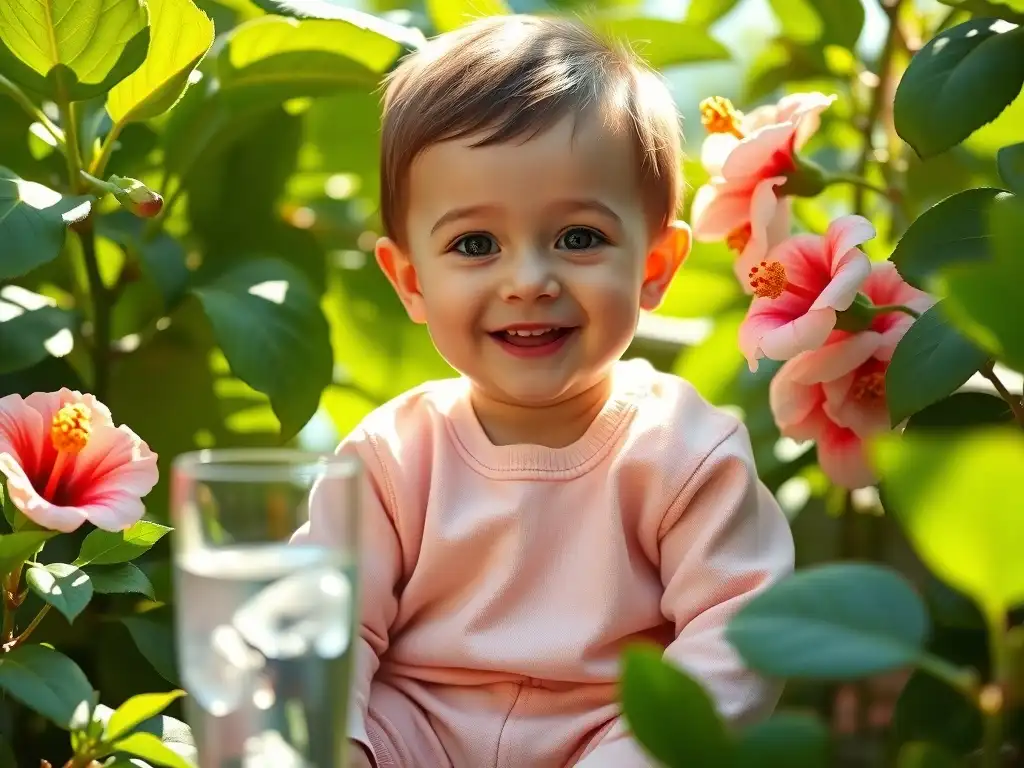
Summer brings sunshine and fun, but it also presents unique challenges for a baby's delicate immune system. Protecting your little one from summer illnesses requires proactive measures and a keen awareness of potential risks. This section focuses on practical strategies to bolster your summer baby's defenses and ensure a healthy, happy summer. Understanding how to support your baby's immune system during the warmer months is crucial for preventing common summer ailments and promoting overall well-being. This involves a multi-pronged approach, encompassing hygiene, sun protection, and safe food handling.
Handwashing and Hygiene Practices for Babies
Maintaining impeccable hygiene is paramount in preventing the spread of germs, especially during summer when viruses and bacteria thrive. Frequent handwashing is the cornerstone of this strategy. However, washing a baby's hands effectively requires a slightly different approach than washing an adult's hands.
- Frequent Washing: Aim to wash your baby's hands with soap and water after each diaper change, before meals, and after playing outdoors. Use lukewarm water to avoid drying out their delicate skin.
- Gentle Soap: Opt for mild, fragrance-free baby soaps to minimize the risk of skin irritation. Harsh chemicals can disrupt the skin barrier, leaving your baby more vulnerable to infections.
- Thorough Cleaning: Pay attention to the spaces between fingers and under the nails. Gently massage the soap into the skin, ensuring thorough cleaning.
- Drying: Pat your baby's hands dry with a soft towel. Avoid rubbing, which can irritate the skin.
Beyond handwashing, consider these additional hygiene practices:
- Sanitize Surfaces: Regularly disinfect frequently touched surfaces like toys, high chairs, and changing tables. Use baby-safe disinfectants to prevent the spread of germs.
- Clean Pacifiers: Sterilize pacifiers regularly, especially if they've fallen on the ground. Boiling is an effective method for sterilization.
- Avoid Sharing: Prevent the sharing of toys, cups, and utensils to limit the transmission of germs.
Preventing Insect Bites and Sunburns
Summer's warm weather attracts insects, and their bites can cause discomfort and potential health risks for your baby. Sunburn is another significant concern, as a baby's skin is particularly sensitive to the sun's harmful ultraviolet (UV) rays.
- Insect Repellent: Use an insect repellent specifically formulated for babies. Always follow the manufacturer's instructions carefully and avoid applying repellent to the baby's face and hands. Consider natural repellents like citronella candles (when used safely and appropriately).
- Protective Clothing: Dress your baby in lightweight, long-sleeved clothing and pants to minimize exposed skin. Look for clothing with UPF (Ultraviolet Protection Factor) ratings for added sun protection.
- Sun Hats and Shades: Use wide-brimmed hats to shade your baby's face, neck, and ears. For older babies, consider using sunglasses that offer UV protection.
- Sunscreen (6 Months+): For babies over six months old, apply a broad-spectrum, water-resistant sunscreen with an SPF of 30 or higher. Apply liberally 15-30 minutes before sun exposure and reapply every two hours, or more frequently if swimming or sweating. Avoid using sunscreen on babies younger than 6 months; seek shade instead.
Remember, preventing insect bites and sunburns is crucial for maintaining your baby's comfort and preventing potential skin infections or allergic reactions. Always prioritize shade during peak sun hours (10 am to 4 pm).
Safe Food Handling and Preparation for Infants
Introducing solid foods is an exciting milestone, but it also introduces potential risks if proper food safety practices are not followed. Maintaining hygiene during food preparation and storage is key to preventing foodborne illnesses.
- Cleanliness: Wash your hands thoroughly before preparing any food for your baby. Ensure all utensils and surfaces are clean.
- Safe Temperatures: Ensure that food is cooked thoroughly to kill harmful bacteria. Avoid giving your baby raw or undercooked foods.
- Proper Storage: Store prepared food properly in the refrigerator and discard any leftovers after 24 hours. Never leave food out at room temperature for extended periods.
- Allergen Awareness: Introduce new foods one at a time and monitor your baby for any allergic reactions. Start with single-ingredient purees to identify potential allergens.
- Water Safety: Ensure that your baby's drinking water is clean and safe. If you're using tap water, consider boiling it for extra precaution.
Following these guidelines will help ensure that your baby receives the nourishment they need while minimizing the risk of foodborne illnesses. Remember, a healthy diet contributes significantly to a strong immune system. A well-balanced diet supplemented with breast milk or formula (as appropriate) will significantly support your baby's immunity. 👶
Recognizing and Responding to Early Illness Symptoms
Recognizing early signs of illness in your summer baby is crucial for timely intervention and preventing complications. A seemingly minor symptom can quickly escalate, especially in the heat. Therefore, vigilant observation is key to maintaining your baby's well-being during the summer months. Pay close attention to changes in their behavior, appetite, and physical condition.
For example, a slight fever might be accompanied by lethargy, refusing to feed, or unusual fussiness. These subtle cues often precede more significant symptoms. A runny nose, initially clear, might later become thicker and discolored, signaling a potential infection. Similarly, a cough, initially dry, can progress to a wet cough, indicating increased mucus production. Diarrhea, characterized by loose or watery stools, is another common symptom warranting attention, particularly in warmer weather where dehydration is a greater risk.
Rashes, especially those accompanied by fever or irritability, should also be promptly evaluated. Remember, even seemingly mild symptoms can indicate underlying issues that need professional attention. Don't hesitate to contact your pediatrician if you notice any concerning changes in your baby's health, even if they seem insignificant. Early intervention often leads to faster recovery and minimizes potential complications.
Trust your instincts; if something feels "off," seek medical advice. Your pediatrician is your best resource for guidance on managing your baby's health, especially during the summer months when the risk of certain illnesses is higher. They can help differentiate between minor ailments and conditions requiring more extensive care. Remember, proactive monitoring and prompt action are vital components of a strong summer baby immune system boost.
Remember to keep a close eye on your baby's hydration levels. Dehydration can exacerbate symptoms and lead to more serious complications. Signs of dehydration include fewer wet diapers than usual, sunken eyes, dry mouth, and lethargy. If you suspect dehydration, contact your pediatrician immediately. They can advise on rehydration strategies and potentially provide intravenous fluids if necessary. Proper hydration is a crucial element in supporting your baby's immune system, especially during the summer heat.
When to Seek Professional Medical Advice
Summer, while a joyful season, presents unique challenges to a baby's delicate immune system. While many minor summer ailments can be managed at home, knowing when to seek professional medical advice is crucial for your baby's well-being. This section will outline key indicators that necessitate immediate medical attention, and offer guidance on selecting and preparing for visits with your pediatrician. Successfully navigating these aspects will help you boost your summer baby's immune system and ensure their health and safety.
Recognizing Serious Symptoms Requiring Immediate Attention
Recognizing serious symptoms is paramount in protecting your baby's health. Delaying treatment can lead to complications. Immediate medical attention is required if your baby exhibits any of the following:
- High fever (above 100.4°F or 38°C): A persistent high fever, especially in infants under 3 months, warrants immediate medical evaluation. This could indicate a serious infection requiring prompt antibiotic treatment. Monitor your baby's temperature regularly and note any accompanying symptoms. Always check your thermometer's accuracy; a faulty one can lead to unnecessary worry or delayed treatment.
- Lethargy and difficulty waking: Unusual sleepiness, accompanied by difficulty rousing your baby, can signify a serious underlying issue. This is especially concerning if combined with other symptoms like fever, poor feeding, or respiratory distress.
- Dehydration: Signs of dehydration, such as sunken eyes, dry mouth, decreased urination, and lack of tears when crying, are serious and require immediate attention. Dehydration can quickly become life-threatening in infants. Proper hydration is crucial, especially during the summer months, to support a strong immune system.
- Difficulty breathing: Rapid breathing, wheezing, grunting, or nasal flaring are signs of respiratory distress. These symptoms could indicate a range of conditions, from bronchiolitis to pneumonia, requiring urgent medical intervention.
- Seizures: Any seizure activity in your baby is a medical emergency. Call emergency services immediately. Note the duration and characteristics of the seizure to inform medical professionals. Seizures can have various causes, and prompt diagnosis is vital.
- Persistent vomiting or diarrhea: While occasional vomiting or diarrhea is common, persistent episodes can lead to dehydration. Monitor your baby's fluid intake and output carefully. If dehydration is suspected, seek immediate medical attention. This is especially true if accompanied by fever or other concerning symptoms.
Choosing the Right Pediatrician for Summer Health Concerns
Selecting a pediatrician experienced in handling summer-related health concerns for babies is crucial. Look for a pediatrician with:
- Extensive experience with infants: Ensure your chosen pediatrician has a strong track record of caring for newborns and infants. Their expertise in this age group is critical for accurate diagnosis and appropriate treatment.
- Availability during peak summer months: Consider the pediatrician's availability during the summer months, especially considering vacation schedules. You need a doctor who will be readily available during peak summer illness periods.
- Strong communication skills: Effective communication between you and your pediatrician is vital, especially when dealing with concerns about your baby’s health. A pediatrician who listens carefully and explains things clearly is essential.
- Access to specialists: In case your baby requires specialized care, ensure your pediatrician has a well-established network of specialists to refer to if needed. This is important for situations requiring immediate attention or specialized treatment.
Preparing for Summer Doctor Visits
Preparation for doctor's visits can help ensure a smoother experience for both you and your baby. Consider these tips:
- Prepare a list of questions and concerns: Write down all your questions and concerns beforehand to ensure nothing is overlooked during your appointment. This is particularly important during busy summer months when appointments may be shorter.
- Pack essentials: Bring diapers, wipes, a change of clothes, and any necessary medications. Packing these items ensures a smoother and less stressful visit, especially for younger babies.
- Keep a detailed record of symptoms: Note the onset, duration, and severity of any symptoms your baby exhibits. This detailed information will assist your pediatrician in making a prompt and accurate diagnosis.
- Consider the timing of your visit: If possible, schedule visits during less busy times of day to minimize waiting times. This is especially beneficial during the summer months when doctor's offices tend to be busier.
- Bring a comfort item: A familiar toy or blanket can help soothe your baby during the visit. Familiar items can reduce your baby's anxiety and make the experience more comfortable.
Remember, proactive care and vigilant observation are key to boosting your summer baby's immune system and ensuring their overall health and well-being. Don't hesitate to seek professional advice when needed. This proactive approach will provide peace of mind and contribute to your baby's healthy development throughout the summer months.
Maintaining a Healthy Home Environment During Summer
Summer presents unique challenges to a baby's delicate immune system. While enjoying the sunshine, it's crucial to create a safe and healthy home environment to minimize exposure to potential threats and boost your little one's natural defenses. This section focuses on practical strategies to strengthen your summer baby's immune system by optimizing your home environment. We'll explore temperature control, air quality management, and essential summer-proofing adjustments. Remember, a proactive approach to home environment management is a significant step in supporting your baby's immune system resilience during the warmer months.
Controlling Indoor Temperature and Humidity for Baby's Comfort
Maintaining a comfortable indoor temperature is paramount for your baby's well-being, especially during the summer heat. Extreme temperatures can stress the body, weakening the immune system and making your baby more susceptible to illness. Aim for a temperature between 70-72°F (21-22°C). This range is generally comfortable for most babies and helps prevent overheating, a significant summer risk.
Overheating can lead to dehydration and heat rash, both of which can weaken your baby's immune system. Use a thermometer to monitor the temperature regularly, especially in rooms where your baby spends the most time. Consider using fans strategically to promote air circulation, but ensure the fan is placed safely away from your baby's crib to prevent accidents.
Humidity also plays a role. High humidity can exacerbate discomfort and increase the risk of respiratory issues. Ideally, aim for a humidity level between 30-50%. A dehumidifier can be helpful in particularly humid climates. Conversely, excessively dry air can also irritate your baby's delicate skin and respiratory system, so monitor humidity levels carefully. A humidifier might be necessary in very dry conditions. Regularly cleaning air conditioning filters and humidifiers is crucial to prevent the growth of mold and mildew, which can trigger allergies and respiratory problems, further compromising your baby's immune system.
Air Quality and Allergens: Minimizing Summer Irritants
Summer brings an influx of outdoor allergens indoors, impacting your baby's respiratory health and overall immune function. Pollen, dust mites, and mold spores are common culprits. Minimizing exposure to these irritants is crucial for strengthening your summer baby's immune system.
Here are some practical steps:
- Regular Cleaning: Frequent cleaning, especially vacuuming and dusting, is essential. Use a HEPA filter vacuum to effectively remove allergens from carpets and upholstery. Wash bedding, including blankets, sheets, and crib mattress covers, in hot water weekly.
- Air Filtration: Consider using an air purifier with a HEPA filter in your baby's room to remove airborne allergens and pollutants. This is particularly beneficial if you live in an area with high pollen counts or significant air pollution.
- Ventilation: While keeping the temperature comfortable is important, ensure adequate ventilation to prevent the buildup of stale air and allergens. Open windows briefly during cooler parts of the day, but be mindful of pollen levels.
- Outdoor Precautions: On high-pollen days, try to limit your baby's time outdoors, especially during peak pollen hours. If you do venture out, change your baby's clothes and give them a bath afterward to remove pollen and other allergens from their skin and hair.
- Plant Awareness: Be aware of plants in and around your home that might trigger allergies. Consider removing or minimizing exposure to plants known to cause allergic reactions.
Summer-Safe Babyproofing Tips
Summer brings increased activity and potential hazards for curious babies. Babyproofing your home for summer safety is crucial, not only for preventing injuries but also for ensuring your baby's overall well-being. Injuries and stress can weaken the immune system.
Here's a checklist of essential summer babyproofing measures:
| Hazard | Prevention |
|---|---|
| Sunburn | Use sunscreen with SPF 30 or higher, and dress your baby in protective clothing. |
| Overheating | Maintain a cool indoor temperature and provide ample hydration. |
| Pool/Water Accidents | Never leave your baby unattended near water, even for a second. Install appropriate safety barriers around pools. |
| Insect Bites/Stings | Use insect repellent (DEET-free for babies), and dress your baby in lightweight, long-sleeved clothing. |
| Falls | Secure furniture, install window guards, and use safety gates. |
| Poisoning | Keep all cleaning products, medications, and other potentially harmful substances out of reach. |
| Electrical Hazards | Cover electrical outlets and keep cords out of reach. |
Remember, a safe and healthy home environment is the foundation for a strong immune system in your summer baby. By proactively addressing these areas, you're significantly contributing to your baby's overall health and well-being. Enjoy the summer with peace of mind knowing you've taken steps to boost your little one's immunity!
Frequently Asked Questions
How can I boost my summer baby's immune system naturally?
A healthy diet rich in fruits and vegetables, breastfeeding (if applicable), and ensuring adequate sleep are key. Also, maintaining good hygiene practices helps prevent infections.
What are some summer-specific threats to a baby's immune system?
Heatstroke, dehydration, and increased exposure to viruses and bacteria (due to more outdoor time) pose significant risks. Protecting your baby from these is crucial.
Increased irritability can be a sign of discomfort from heat or illness. Consult your pediatrician if you are concerned about your baby's behavior or if symptoms persist.
Are there any specific foods I should feed my baby to support their immune system during summer?
Focus on nutrient-rich foods like yogurt (with live and active cultures), avocado, and sweet potatoes. Always introduce new foods one at a time and monitor for allergies.
How can I protect my baby from the sun while also ensuring they get enough outdoor time?
Limit sun exposure during peak hours, dress your baby in lightweight, loose-fitting clothing, and use a broad-spectrum sunscreen with an SPF of 30 or higher on exposed skin. Seek shade whenever possible.
Final Reflection: Nurturing Summer Immunity: A Legacy of Health
Protecting your baby's immune system during the summer months is not just about avoiding illness; it's about building a foundation for a lifetime of robust health. The seemingly simple act of shielding your little one from summer's unique challenges translates into a powerful investment in their future well-being, shaping their resilience against disease for years to come.
The delicate balance between exposure and protection is a constant theme in parenting, and this is especially true during the summer months. The vibrant energy of summer, with its outdoor adventures and social gatherings, often comes with increased exposure to germs and environmental factors that can impact a baby's developing immune system. The child is the father of the man,
as Wordsworth penned, and the care we provide in their formative years profoundly shapes their health trajectory. This careful nurturing during summer lays the groundwork for a stronger, healthier future.
Now, consider the knowledge you've gained. Think about the practical steps you can take – from ensuring adequate hydration and sun protection to making informed choices about vaccinations and nutrition. You are not merely a caregiver; you are an architect of health, building a resilient immune system brick by brick. Embrace this responsibility, and empower your little one to thrive, not just survive, through the sunny days of summer and beyond.
Unlock Your Baby's Summer Wellness!
Thank you for learning how to keep your little one healthy this summer! We hope you found our advice helpful. Now, let's put that knowledge into action. Ready to boost your baby's immunity and enjoy a worry-free summer?
- Prioritize sun safety: Protecting your baby from the sun is crucial. This is the single most important step you can take. Remember to use sunscreen with a high SPF, dress your baby in protective clothing, and seek shade during the hottest parts of the day.
- Stock up on essentials: Prepare a summer health kit for your baby. Include items like sunscreen, a hat, insect repellent, rehydration fluids, and any necessary medications. Being prepared will give you peace of mind.
- Share your summer wellness tips: Join our BabyCareHub community and share your best summer baby health tips! Let's support each other in keeping our babies happy and healthy!
What's your best strategy for keeping your baby healthy during the summer months? Let's discuss!