
Preventing the Spread: Practical Tips to Protect Your Baby from Germs


Welcome to BabyCareHub, your ultimate guide to navigating the incredible journey of parenthood! Are you a first-time parent feeling overwhelmed by the complexities of newborn care? We understand. That's why we've created this comprehensive resource, packed with practical advice and expert insights.
Discover essential information on everything from feeding schedules to developmental milestones, and learn how to create a safe and nurturing environment for your little one. But first, let's tackle a crucial aspect of baby care: effective germ protection. Dive into our insightful article on "Baby germ protection tips" to learn practical strategies for shielding your precious baby from harmful germs and ensuring their healthy development. Let's begin this exciting chapter together!
- Baby Germ Protection Tips: A Comprehensive Guide for New Parents
- Hand Hygiene: The First Line of Defense Against Baby Germs
- Cleaning and Disinfecting Baby's Surroundings
- Protecting Baby from Germs in Public Spaces
- Boosting Baby's Immune System for Enhanced Germ Protection
- Recognizing Signs of Illness in Your Baby
- Creating a Germ-Free Home Environment for Your Baby: A Step-by-Step Guide
-
Frequently Asked Questions
- How can I best protect my baby from germs in public places?
- What are some effective ways to clean my baby's toys?
- My baby is crawling now – how do I keep their hands clean?
- Should I be concerned about visitors bringing germs to my baby?
- What are the most important steps to take to protect my baby from germs at home?
- Final Reflection: A Legacy of Health: Protecting Our Little Ones
- Unlock Your Baby's Healthier Tomorrow: Simple Steps to Shield from Germs
Baby Germ Protection Tips: A Comprehensive Guide for New Parents
New parenthood is a joyous journey filled with wonder and discovery, but it also brings a wave of concerns, especially regarding your little one's health. Protecting your baby from germs is paramount, and understanding how to effectively minimize their exposure is crucial for their well-being. This comprehensive guide provides practical, evidence-based tips to safeguard your newborn and infant from common illnesses, empowering you to navigate this phase with confidence and peace of mind.
We'll explore infant immunity, identify common germ threats, and offer actionable strategies for prevention, all tailored to the unique vulnerabilities of babies. Learning about effective germ protection is a key component of ensuring your baby thrives in their early months and beyond.
Remember, proactive measures are key to preventing illness and promoting a healthy start to your baby's life. This guide will equip you with the knowledge to make informed choices and create a safe and healthy environment for your precious little one.
Understanding Infant Immunity and Vulnerability to Germs
Newborns possess an immature immune system, making them significantly more susceptible to infections than older children and adults. Their immune systems are still developing, lacking the full arsenal of antibodies and defenses necessary to fight off many common pathogens. This vulnerability extends across various aspects of their health, from respiratory infections to gastrointestinal illnesses. Several factors contribute to this increased risk.
For instance, their smaller airways make them more prone to respiratory issues, while their developing digestive systems leave them vulnerable to diarrhea and dehydration. Understanding these vulnerabilities is the first step in implementing effective germ protection strategies. Think of it like this: your baby's immune system is like a seedling – delicate and needing careful nurturing to grow strong and resilient. Protecting them from exposure to harmful germs is akin to shielding that seedling from harsh weather conditions, allowing it to thrive.
Common Germs Affecting Babies: Identifying Potential Threats
Several common germs pose a significant threat to infants. These pathogens can cause a range of illnesses, from mild discomfort to severe complications. Early identification of these threats and understanding their modes of transmission are crucial for effective prevention. Being aware of the typical symptoms associated with each germ allows for timely intervention and reduces the severity of the illness. It's important to remember that while some infections may seem minor, they can quickly escalate, particularly in vulnerable infants. Prompt medical attention is vital if you notice any concerning symptoms. Let's delve into some specific examples:
Respiratory Syncytial Virus (RSV) Prevention in Infants
RSV is a highly contagious virus causing respiratory infections, ranging from mild cold-like symptoms to severe bronchiolitis and pneumonia. Infants, particularly premature babies and those with underlying health conditions, are at increased risk of severe RSV complications. Prevention strategies focus on reducing exposure to the virus. This includes frequent handwashing, avoiding close contact with sick individuals, and ensuring good ventilation in the home. [Specific data on RSV infection rates in infants pending]. Remember, preventing RSV infection is crucial for protecting your baby's delicate respiratory system.
Preventing Rotavirus Infections in Babies
Rotavirus is a leading cause of severe diarrhea in infants and young children. It's highly contagious and spreads easily through the fecal-oral route. Vaccination is the most effective preventative measure against rotavirus. In addition to vaccination, meticulous hand hygiene and careful food preparation are essential to minimizing the risk of infection. [Data on the effectiveness of rotavirus vaccination rates and resulting infection reduction pending]. Good sanitation practices are vital in preventing the spread of this highly contagious virus.
Protecting Your Baby from Influenza (Flu)
Influenza, or the flu, is another significant threat to infants. The flu virus can cause severe respiratory illness, leading to hospitalization in some cases. Vaccination is highly recommended for infants six months and older. In addition to vaccination, practicing good hygiene, such as frequent handwashing and covering coughs and sneezes, is vital in protecting your baby from the flu.
[Statistics on flu-related hospitalizations in infants pending]. Remember, preventing the flu is a crucial step in maintaining your baby's overall health and well-being. Protecting your baby from these common germs requires a multi-faceted approach combining vaccination, hygiene practices, and minimizing exposure to sick individuals. By following these guidelines, you can significantly reduce your baby’s risk of infection and promote a healthy start to life.
Hand Hygiene: The First Line of Defense Against Baby Germs
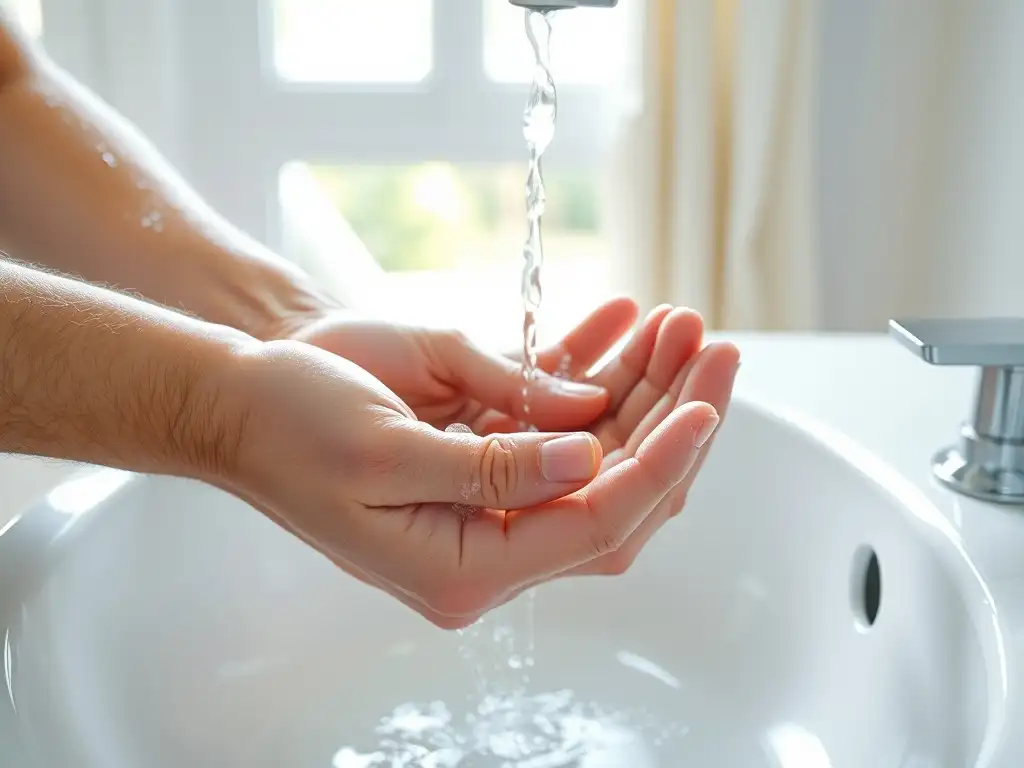
Hand hygiene is paramount in preventing the spread of germs to your precious little one. Babies have immature immune systems, making them highly susceptible to infections. Simple, consistent handwashing is the most effective and readily available tool in your arsenal for baby germ protection. Think of your hands as the primary vectors for transferring pathogens – viruses, bacteria, and other microorganisms – to your baby. By diligently practicing proper hand hygiene, you significantly reduce this risk. This section details practical techniques and strategies to make handwashing a natural part of your daily routine.
Proper Handwashing Techniques for Caregivers
Effective handwashing involves more than a quick rinse. It's a meticulous process that requires attention to detail. Follow these steps religiously, especially before handling your baby, preparing food, or after changing diapers:
- Wet your hands: Use warm running water.
- Apply soap: Use a liquid soap, as bar soap can harbor bacteria. A generous amount is key.
- Lather: Rub your hands together vigorously, creating a rich lather. Don't forget to scrub between your fingers, under your nails, and the backs of your hands. This step should take at least 20 seconds – sing the "Happy Birthday" song twice to ensure sufficient scrubbing time.
- Rinse: Thoroughly rinse your hands under running water.
- Dry: Dry your hands completely with a clean towel or air dry them.
Remember, consistent, thorough handwashing is crucial. The frequency of washing should increase during cold and flu season or if someone in the household is unwell. Consider posting a visual reminder near sinks to reinforce the importance of this crucial habit. This simple act significantly contributes to your baby's overall health and well-being. Regular handwashing is one of the most effective baby germ protection tips you can follow.
When and How to Use Hand Sanitizer for Baby's Protection
While handwashing remains the gold standard, hand sanitizer can be a valuable supplement, particularly when soap and water aren't readily available. However, it's crucial to understand that hand sanitizer shouldn't replace handwashing entirely. It's most effective against certain types of germs but less effective against others like norovirus.
Hand sanitizer should contain at least 60% alcohol. Apply a pea-sized amount to your palm, then rub your hands together until they are completely dry. Ensure you cover all surfaces of your hands, including between your fingers and under your nails.
Here are some instances where hand sanitizer can be helpful for baby germ protection:
- On-the-go: When you're out and about and don't have access to a sink.
- After handling potentially contaminated surfaces: Such as public door handles or shopping carts.
- Before and after feeding your baby (in conjunction with handwashing): This provides an extra layer of protection.
However, never use hand sanitizer on your baby's hands. Their skin is delicate and susceptible to irritation. Always prioritize handwashing for your baby's direct care. Remember, hand sanitizer is a supplemental tool, not a replacement for proper handwashing, in your baby germ protection strategy. The best approach is a combination of both for optimal results. This dual approach offers comprehensive protection against a wide range of germs.
Cleaning and Disinfecting Baby's Surroundings
Protecting your baby from germs starts with maintaining a clean and hygienic environment. This involves regular cleaning and disinfection of surfaces your baby comes into contact with, as well as practicing good hygiene habits for yourself and anyone interacting with the little one. Remember, babies have developing immune systems, making them particularly vulnerable to infections. A proactive approach to hygiene is key in preventing the spread of common illnesses. The frequency of cleaning will depend on your baby's age and mobility; a crawling baby will need more frequent cleaning than a newborn.
Disinfecting Baby Toys and Surfaces
Babies explore the world through their mouths, making toy and surface hygiene paramount. Regular disinfection is crucial. Many baby toys are made of materials that can be easily cleaned. For hard plastic toys, you can generally wipe them down with a damp cloth and mild soap. However, for thorough disinfection, consider using a diluted bleach solution (1 tablespoon of bleach per gallon of water). Ensure you rinse the toys thoroughly afterwards and allow them to air dry completely before giving them back to your baby. Remember to always supervise your baby during playtime.
For surfaces like changing tables, high chairs, and play mats, a similar approach is recommended. Wipe down these surfaces daily with a disinfectant wipe or a solution of mild soap and water. For particularly soiled areas, the diluted bleach solution can be used, followed by thorough rinsing and drying. Remember to always check the manufacturer's instructions for your specific toys and surfaces before using any cleaning solutions.
Consider using disposable wipes for quick cleanups between more thorough disinfecting sessions. This diligent cleaning helps prevent the transfer of germs from surfaces to your baby’s hands and mouth. The goal is to create a germ-free environment to minimize the risk of infection.
Cleaning and Sanitizing Baby Bottles and Feeding Utensils
Sterilizing baby bottles and feeding utensils is essential, especially during the first few months of your baby's life. While boiling is a traditional method, sterilizing with a steam sterilizer or using dishwasher-safe bottles and utensils is equally effective and often more convenient. If you choose to boil bottles, ensure they are fully submerged in boiling water for at least 5 minutes. However, make sure to check the manufacturer's instructions as some materials might not be suitable for boiling.
For dishwashers, select the highest temperature setting to ensure effective sanitization. Always ensure the bottles and utensils are thoroughly rinsed after washing, whether by hand or in the dishwasher, to remove any residual soap. Proper cleaning and sanitization of feeding equipment prevents the growth of harmful bacteria that can cause illness. Regularly inspect bottles and nipples for wear and tear; replace any damaged items immediately. This meticulous approach to cleaning feeding supplies significantly reduces your baby's risk of contracting infections through contaminated food or drink. Remember, consistent hygiene is paramount in protecting your baby's health.
Laundry Practices for Baby Clothes and Linens
Washing baby clothes and linens separately from adult clothes is a crucial step in baby germ protection. Use a baby-specific detergent that is free from harsh chemicals and dyes to minimize the risk of skin irritation. Always wash new clothes and linens before your baby uses them to remove any manufacturing residues. Choose the hottest water setting that the fabric allows for optimal germ elimination. Consider using a sanitizing cycle on your washing machine if available.
After washing, thoroughly dry the clothes and linens, preferably in a dryer on a high-heat setting. Sunlight is also a natural disinfectant; hanging clothes outside to dry can further reduce the number of germs. Regularly wash baby blankets, burp cloths, bibs, and any other items that come into frequent contact with your baby.
The frequency of washing will depend on how soiled the items are, but aim for daily or every other day washing of heavily soiled items. Proper laundry practices are a vital component of maintaining a hygienic environment for your baby, directly impacting their health and well-being. Prioritizing clean laundry helps reduce the likelihood of your baby contracting various infections.
Protecting Baby from Germs in Public Spaces
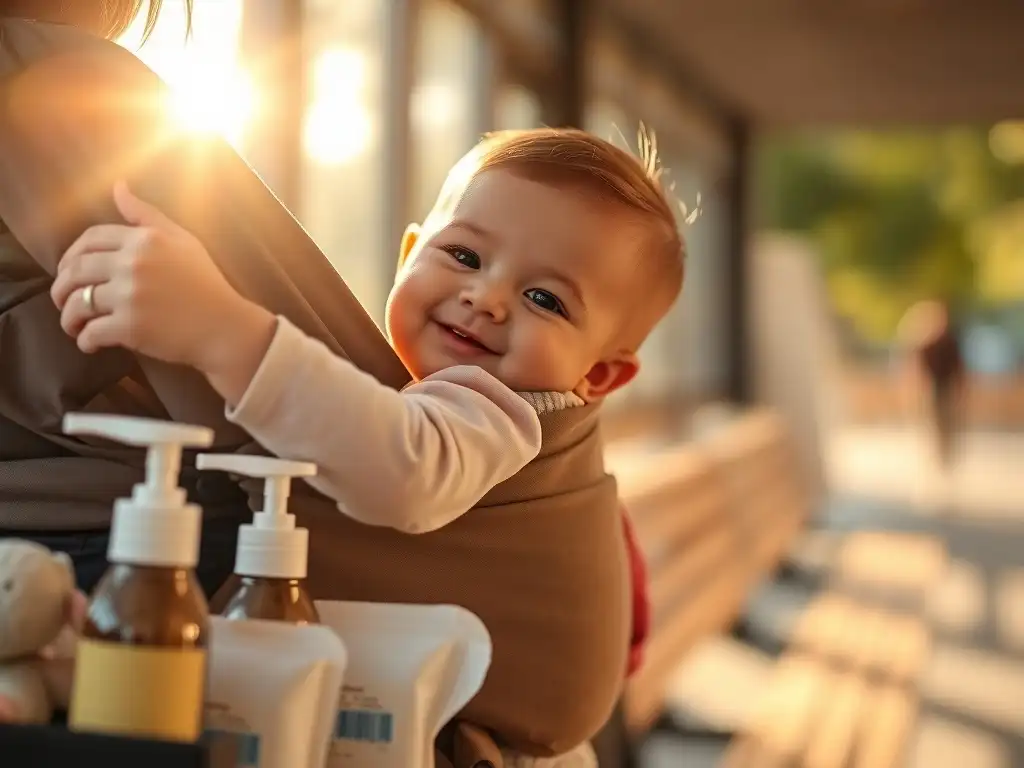
Protecting your little one from germs is crucial, especially in public spaces teeming with unseen pathogens. Babies, with their developing immune systems, are particularly vulnerable to infections. This section focuses on practical strategies to minimize your baby's exposure to germs when venturing out into the world. Remember, even seemingly minor precautions can significantly reduce the risk of illness. Effective "baby germ protection tips" are about proactive measures and mindful choices.
Minimizing Exposure to Crowds and Sick Individuals
Exposure to large crowds significantly increases your baby's risk of encountering airborne viruses and bacteria. The concentration of germs in crowded areas, such as shopping malls, supermarkets during peak hours, or busy public transportation, is considerably higher. Therefore, strategic timing is key. Consider visiting these places during off-peak hours when the crowds are smaller.
Planning is paramount. Check online for crowd levels at popular destinations before you go. Many large stores and facilities publish real-time crowd data or provide estimated wait times. This allows you to choose less busy times for your outings.
If you must go out during peak hours, consider using a baby carrier instead of a stroller. This offers better control and allows you to maneuver more easily through crowds, keeping your baby away from potentially infected individuals.
It's also crucial to be observant. If you notice anyone coughing or sneezing excessively near your baby, politely move to a different location. While we want to be considerate of others, your baby's health should be your priority. Remember, early intervention and avoidance are your strongest tools in "baby germ protection tips."
Safe Practices When Visiting Public Places with Your Baby
Even with careful planning, some exposure to germs is unavoidable when you're out and about. Implementing safe practices minimizes the impact of this exposure. Hand hygiene is paramount. Carry hand sanitizer with at least 60% alcohol and use it frequently, especially after touching surfaces like shopping carts, door handles, or elevator buttons. Frequent hand washing with soap and water is even better if facilities are available.
Consider carrying disposable wipes to clean surfaces your baby might touch, such as high chairs in restaurants or play areas in shops. These wipes can significantly reduce the transmission of germs. Remember, these are simple yet effective "baby germ protection tips."
Always bring a change of clothes for your baby. Accidents happen, and a quick change can prevent discomfort and potential infection, especially if your baby has come into contact with something messy.
Teach older siblings about germ prevention. Older children can inadvertently spread germs to their younger siblings. Reinforce the importance of handwashing and covering coughs and sneezes. Make it a fun learning experience to foster good habits.
Traveling Safely with a Baby: Germ Protection on the Go
Traveling with a baby presents unique challenges regarding germ protection. Airplanes and trains are enclosed spaces with increased exposure to various pathogens. Pack plenty of sanitizing wipes and hand sanitizer. Wipe down surfaces your baby might touch on the plane or train – tray tables, seatbelts, armrests.
Consider bringing your own food and drinks for your baby to avoid potential contamination from restaurant or airport food. Breastfeeding, if possible, provides natural immunity and reduces the risk of illness.
During long journeys, plan for frequent breaks to allow your baby to stretch, move around, and get some fresh air. This helps maintain their overall health and well-being, reducing their susceptibility to illness. Remember, proactive planning is crucial for successful "baby germ protection tips" during travel.
Prioritize your baby's health and well-being. These precautions, while seeming minor, contribute significantly to a healthier and safer experience for you and your little one. Remember that consistent application of these "baby germ protection tips" is essential for building a strong defense against common illnesses.
Boosting Baby's Immune System for Enhanced Germ Protection
Protecting your baby from germs is paramount, and a strong immune system is the first line of defense. While hygiene practices are crucial (as we'll discuss later), proactively bolstering your baby's natural defenses is equally important. This section focuses on strategies to strengthen your baby's immunity, making them more resilient to common illnesses. Remember, a healthy immune system is the best "baby germ protection tip" you can offer.
Importance of Breastfeeding for Immunity
Breast milk is far more than just nourishment; it's a powerhouse of immune-boosting components. Colostrum, the first milk produced after birth, is particularly rich in antibodies that protect your baby against infections. These antibodies, specifically IgA, IgG, and IgM, directly combat bacteria and viruses. Beyond antibodies, breast milk contains:
- Lactoferrin: This iron-binding protein inhibits the growth of harmful bacteria.
- Lysozyme: An enzyme that breaks down bacterial cell walls.
- Leukocytes: White blood cells that fight infection.
- Bifidus factor: Promotes the growth of beneficial gut bacteria, further strengthening the immune system.
Studies consistently demonstrate that breastfed babies have lower rates of respiratory infections, ear infections, diarrhea, and other illnesses compared to formula-fed babies. The protective effects of breastfeeding extend beyond infancy, contributing to long-term immune health. The benefits are undeniable, making breastfeeding a cornerstone of baby germ protection. Even partial breastfeeding offers significant advantages.
Nutritional Support for a Strong Immune System
Once your baby begins solids (around 6 months), providing a diverse and nutritious diet is vital for continued immune development. Focus on offering a range of foods rich in:
- Vitamin A: Found in sweet potatoes, carrots, and spinach, essential for immune cell function.
- Vitamin C: Present in citrus fruits, berries, and broccoli, acts as an antioxidant and supports immune cell production.
- Vitamin D: Crucial for calcium absorption and immune regulation; often supplemented in infancy.
- Zinc: Found in meat, beans, and nuts, plays a critical role in immune cell development and function.
- Iron: Essential for red blood cell production and oxygen transport, supporting overall immune health.
Introducing allergens gradually and safely (under the guidance of your pediatrician) can also help your baby develop tolerance and a robust immune response. Avoid processed foods, sugary drinks, and excessive salt, as these can negatively impact immune function. A balanced diet, tailored to your baby's age and developmental stage, is a key component of effective baby germ protection.
Importance of Vaccination in Baby Germ Protection
Vaccinations are one of the most effective ways to protect your baby from serious and potentially life-threatening diseases. Vaccines work by introducing a weakened or inactive form of a virus or bacteria, triggering the body to produce antibodies without causing illness. This creates immunological memory, providing long-lasting protection. The recommended vaccination schedule for infants is carefully designed to protect them during their most vulnerable periods.
Following this schedule is crucial for safeguarding your baby's health. Remember to discuss any concerns with your pediatrician; they can provide tailored advice and address any questions you may have about vaccines and their role in comprehensive baby germ protection. Vaccination is a vital part of proactive healthcare and offers a powerful defense against numerous preventable illnesses.
Recognizing Signs of Illness in Your Baby

Protecting your baby from germs is paramount, but knowing when a sniffle is just a sniffle and when it's something more serious is crucial. Early detection is key to effective management of common baby illnesses. This section provides insights into recognizing subtle indicators of illness in your little one, empowering you to take prompt and appropriate action. This is vital for effective baby germ protection.
Early Detection of Common Baby Illnesses
Infants, with their developing immune systems, are particularly vulnerable to various illnesses. Recognizing the early signs can significantly impact the severity and duration of the illness. Common symptoms often overlap, making it challenging for new parents. Here's a breakdown of some key indicators:
- Fever: A rectal temperature above 100.4°F (38°C) is generally considered a fever in babies. However, even slightly elevated temperatures warrant attention. Pay close attention to your baby's overall demeanor. A fever, combined with other symptoms, is a strong indicator of illness. Remember to always use a reliable thermometer and consult your pediatrician for guidance on fever management.
- Changes in Feeding Habits: A sudden decrease in appetite or difficulty feeding can signal illness. If your baby, usually a hungry little one, is suddenly refusing to feed or is feeding less enthusiastically, it could be a sign that something is amiss. This is often accompanied by lethargy or fussiness.
- Respiratory Issues: Increased respiratory rate, wheezing, coughing, or difficulty breathing are common signs of respiratory infections. Pay attention to the sound of your baby's breathing. Rapid, shallow breaths or noisy breathing should prompt a call to your pediatrician.
- Changes in Bowel Movements or Urination: Changes in the frequency, consistency, or color of your baby's stools or urine can be significant. Diarrhea, constipation, or changes in urine output should be monitored carefully. Dehydration is a serious concern, so watch for dry mouth or fewer wet diapers.
- Lethargy and Irritability: A baby who is unusually lethargic, irritable, or difficult to soothe might be unwell. While babies have fussy periods, a persistent change in temperament, especially combined with other symptoms, warrants attention. This is especially important with newborns.
- Skin Rashes: Rashes, while sometimes harmless, can sometimes indicate an infection or allergic reaction. Note the appearance, location, and any associated symptoms. A widespread rash should be checked by a medical professional.
Remember, these are just common indicators. Every baby is different, and what might seem like a minor issue to one could be a serious problem for another. Trust your instincts; if you're concerned, it's always best to seek professional advice. Consistent monitoring and prompt action are crucial components of effective baby germ protection.
When to Seek Medical Attention for Your Baby
While many minor illnesses resolve on their own, knowing when to seek professional medical help is vital for your baby's well-being. Here are some situations requiring immediate medical attention:
- High Fever (above 100.4°F or 38°C): Especially if accompanied by other symptoms like lethargy, difficulty breathing, or refusal to feed.
- Difficulty Breathing or Rapid Breathing: This is a serious sign and requires immediate attention.
- Dehydration: Signs include fewer wet diapers than usual, dry mouth, sunken eyes, and lethargy.
- Persistent Vomiting or Diarrhea: This can lead to dehydration, especially in babies.
- Seizures: Any seizure, regardless of duration, is a medical emergency.
- Lethargy or Unresponsiveness: If your baby is unusually difficult to wake or seems unresponsive, seek immediate medical help.
- Umbilical Cord Infection: Redness, swelling, or pus around the umbilical cord stump requires immediate medical attention.
- Severe Rash or Skin Changes: Widespread rashes, blistering, or significant skin changes warrant immediate evaluation.
This list is not exhaustive. If you have any doubts or concerns about your baby's health, don't hesitate to contact your pediatrician or seek medical advice. Early intervention is often crucial in preventing complications and ensuring the best possible outcome for your little one. Prioritizing your baby's health is a key aspect of comprehensive baby germ protection. Always err on the side of caution when it comes to your baby's health.
Creating a Germ-Free Home Environment for Your Baby: A Step-by-Step Guide
Protecting your newborn from germs is paramount for their health and well-being. Creating a clean and hygienic home environment is a crucial first step in your baby's germ protection strategy. This involves proactive measures before your baby arrives and consistent practices afterward. Remember, even seemingly minor steps contribute significantly to minimizing exposure to harmful bacteria and viruses. This section outlines a practical, step-by-step guide to establishing a germ-free haven for your little one, offering baby germ protection tips that are both effective and manageable.
Step 1: Deep Cleaning Before Baby Arrives
Before your baby arrives, a thorough deep clean of your home is essential. This isn't just about tidying up; it's about eliminating existing germs and creating a fresh, clean slate. Think of it as establishing a baseline of hygiene.
This deep clean should focus on high-touch areas and often-overlooked spots. Pay particular attention to:
- Bathrooms: Scrub toilets, sinks, and showers with a disinfectant cleaner. Don't forget to clean grout and handles thoroughly.
- Kitchen: Disinfect countertops, sinks, and appliance handles. Clean the inside and outside of your refrigerator and microwave. Pay close attention to the area around the garbage disposal.
- Floors: Vacuum or mop all floors, paying special attention to corners and under furniture. Consider steam cleaning for carpets and rugs to eliminate dust mites and other allergens.
- Bedrooms: Wash all bedding, curtains, and soft furnishings in hot water. Wipe down surfaces, including light switches, doorknobs, and furniture.
- Toys (if any are already present): Wash or wipe down any existing toys with a suitable disinfectant.
Remember to wear gloves during cleaning to protect your own hands and use appropriate cleaning products. Proper ventilation is also key to removing cleaning product fumes. A deep clean before your baby arrives sets the stage for a healthier environment and helps minimize the risk of early exposure to harmful germs. This proactive approach forms the bedrock of effective baby germ protection.
Step 2: Daily Cleaning Routine for Germ Prevention
Once your baby arrives, maintaining a daily cleaning routine is vital for ongoing baby germ protection tips. This doesn't mean you need to spend hours scrubbing, but rather incorporating simple, consistent practices into your daily schedule.
Here's a suggested daily routine:
- Wipe down surfaces: Focus on high-touch areas like doorknobs, light switches, and countertops. Use a disinfectant wipe or a solution of water and a mild disinfectant.
- Clean spills immediately: Spills can quickly become breeding grounds for bacteria. Clean them up promptly to prevent germ spread.
- Wash hands frequently: This is arguably the single most effective germ prevention measure. Wash your hands thoroughly with soap and water, especially before handling your baby, after changing diapers, and after using the restroom.
- Wash baby's hands (as appropriate): As your baby gets older, teach them the importance of handwashing.
- Clean feeding equipment: Thoroughly wash and sterilize bottles, pacifiers, and other feeding equipment after each use.
Establishing a consistent daily routine will help to prevent the buildup of germs and create a safer environment for your baby. Remember, consistency is key to effective baby germ protection. This ongoing effort significantly reduces the risk of common childhood illnesses.
Step 3: Regular Disinfection of High-Touch Surfaces
High-touch surfaces are frequently touched by multiple people, making them hotspots for germ accumulation. These areas require more frequent disinfection than general cleaning. This is a critical aspect of your baby germ protection tips.
High-touch surfaces include:
| Surface | Disinfection Frequency | Cleaning Method |
|---|---|---|
| Doorknobs | Daily | Disinfectant wipes or spray |
| Light switches | Daily | Disinfectant wipes or spray |
| Remote controls | Daily | Disinfectant wipes or spray; consider washable covers |
| Tabletops | Daily | Disinfectant wipes or spray |
| Mobile phone | Daily | Disinfectant wipes (avoid submerging in water) |
| Diaper changing areas | After each diaper change | Disinfectant wipes or spray; consider a disposable changing pad |
Regular disinfection of these areas, using an appropriate disinfectant, is crucial in minimizing the risk of germ transmission. Remember to always follow the manufacturer's instructions for the disinfectant you choose. This diligent approach is a cornerstone of comprehensive baby germ protection. The frequency of disinfection may need adjusting based on the number of people in your household and their activities. Prioritizing these high-touch areas significantly contributes to a cleaner and healthier home environment for your baby. 👶
Step 4: Maintaining Air Quality in Your Home
Maintaining good air quality is crucial for baby germ protection tips, as airborne pathogens can easily infect your little one. A clean and well-ventilated home significantly reduces the risk of respiratory infections. Here's how to achieve this:
Regularly cleaning and changing air filters in your HVAC system is paramount. Dirty filters can harbor dust mites, mold spores, and other allergens, all of which can trigger respiratory problems in babies. Aim to change your filters every 3-6 months, or more frequently if you notice significant dust accumulation or a reduction in airflow.
Consider using high-efficiency particulate air (HEPA) filters for superior filtration, especially beneficial if you live in an area with high levels of air pollution or if someone in your household suffers from allergies. Remember to check your filter’s condition and replace it according to the manufacturer's guidelines. Ignoring this simple step can significantly impact your baby's respiratory health.
Beyond air filters, ventilation is key. Open windows regularly to allow fresh air to circulate throughout your home, especially in rooms where your baby spends the most time. This helps to dilute airborne contaminants and reduce the concentration of germs. Aim for at least 15-30 minutes of ventilation twice a day, weather permitting. If the weather is unsuitable for opening windows, consider using an air purifier with a ventilation function. These devices circulate and filter the air, removing pollutants and improving air quality. Always follow the manufacturer's instructions for operation and maintenance.
Finally, address potential sources of indoor air pollution. This includes things like pet dander, dust mites, mold, and cigarette smoke. Regular vacuuming and dusting, especially in your baby's room, can significantly reduce allergens. Use a vacuum cleaner with a HEPA filter for optimal allergen removal. Ensure that your home is free from mold and mildew by regularly checking for dampness and addressing any issues promptly.
If you smoke, do so outdoors and away from your baby and your home. Even residual smoke can irritate your baby's respiratory system and increase susceptibility to illness. Creating a clean and well-ventilated environment is a proactive step in your baby's overall health and well-being. Remember, consistent effort in maintaining air quality is a vital component of your baby germ protection strategy.
Frequently Asked Questions
How can I best protect my baby from germs in public places?
Always sanitize your hands before touching your baby. Use a hand sanitizer with at least 60% alcohol, or wash your hands thoroughly with soap and water. Avoid putting your baby down on surfaces in public places.
What are some effective ways to clean my baby's toys?
Regularly wash soft toys in the washing machine following the manufacturer's instructions. Wipe down hard toys with a disinfectant wipe. Avoid sharing toys between babies.
My baby is crawling now – how do I keep their hands clean?
Keep a clean, damp cloth handy to wipe your baby's hands frequently, especially after they've been playing on the floor. Supervise closely to prevent them from putting unclean objects in their mouth.
Should I be concerned about visitors bringing germs to my baby?
Yes, it's important to be mindful. Ask visitors to wash their hands before handling the baby, and consider limiting visitors, especially if your baby is very young or unwell.
What are the most important steps to take to protect my baby from germs at home?
Frequent handwashing is crucial for everyone in the household. Regularly clean and disinfect frequently touched surfaces like doorknobs and countertops. Ensure everyone is practicing good hygiene habits.
Final Reflection: A Legacy of Health: Protecting Our Little Ones
The fight against germs is a constant battle, and the health of our babies is a paramount concern in this ongoing war. Protecting our newborns from illness is not merely a matter of hygiene; it's an investment in their future, shaping their development and overall well-being from the very start. The seemingly small actions detailed in this article—handwashing, safe food preparation, and mindful social interaction—are, in reality, powerful weapons in our arsenal against preventable diseases.
The impact of consistent germ prevention extends far beyond the immediate health of a single child. It contributes to a healthier community, reducing the spread of illness and protecting vulnerable populations. The care of the human family is the highest calling of humanity.
This quote, while not directly about germ prevention, speaks to the profound responsibility we have to protect the most vulnerable among us, and our babies are undoubtedly at the top of that list. The knowledge and practices shared here are not just for today; they are a legacy we pass on to future generations, shaping a healthier world for all.
Now, consider the practical steps outlined in this article. Think about how you can integrate these simple yet effective strategies into your daily routine. You are not just protecting your baby; you are actively participating in building a healthier, safer world for them and everyone around them. Take a moment to reflect on the power you hold in safeguarding your little one's health, and commit to making these preventative measures a consistent part of your life. The health and well-being of your baby—and the future—depend on it.
Unlock Your Baby's Healthier Tomorrow: Simple Steps to Shield from Germs
Thank you for learning about protecting your baby from germs! We hope this article has provided valuable information to keep your little one safe and healthy. Now, let's put that knowledge into action!
- Prioritize handwashing: This simple act is the most effective way to prevent the spread of illness. Make it a family ritual – wash your hands frequently, especially before handling your baby.
- Share this article: Help other parents protect their babies by sharing these practical tips. Let's build a community of germ-conscious caregivers!
- Explore additional resources: Discover more articles and guides on child health and well-being on our website. We're here to support you on your parenting journey!
What small step will you take today to prioritize your baby's health and well-being?