
Is It Just a Rash? Identifying Common Diaper Rash Types

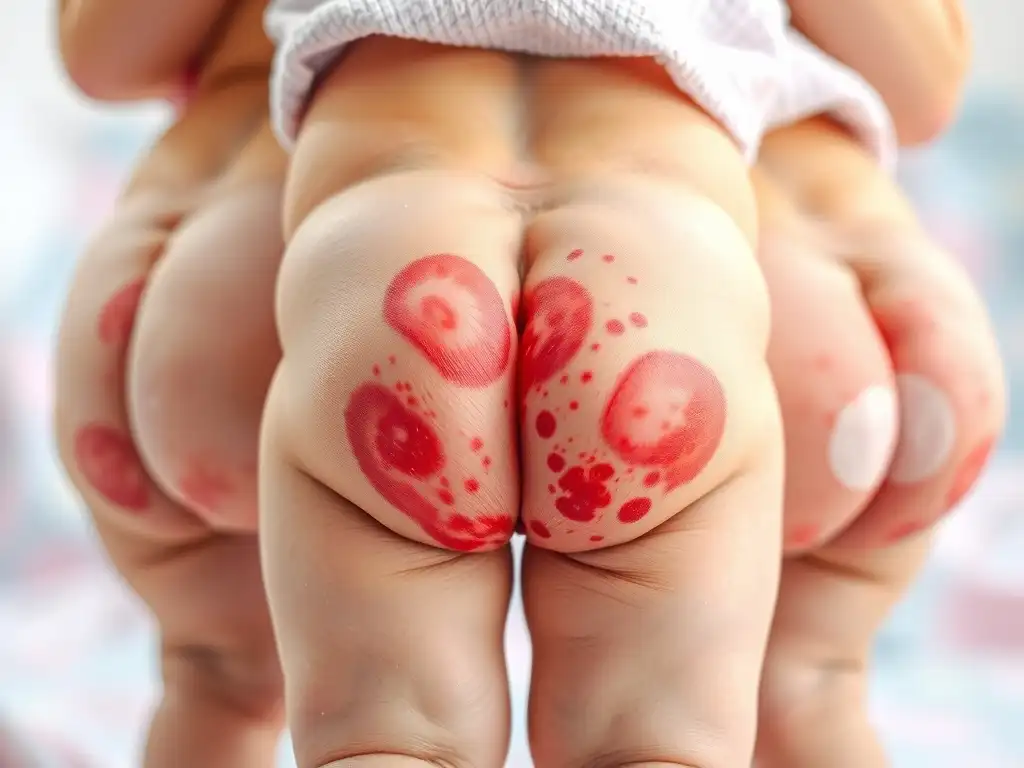
Welcome to BabyCareHub, your ultimate guide to navigating the incredible journey of parenthood! Are you a first-time parent feeling overwhelmed by the complexities of newborn care? We understand. That's why we've created this comprehensive resource, packed with practical advice and expert insights.
But first, let's tackle a common concern: Is that just a simple rash, or something more? Learn to identify different Diaper Rash Types and discover how to provide the best care for your little one's delicate skin. Dive in and explore our expert advice on everything from feeding schedules to developmental milestones – your baby's well-being starts here.
- Understanding Diaper Rash: A Parent's Guide to Identification
- Identifying Common Diaper Rash Types: A Visual Guide
- When to Seek Professional Medical Advice for Diaper Rash
- Preventing Diaper Rash: Proactive Steps for Happy Baby Bottoms
- Diaper Rash Treatment Options: Home Remedies and Medical Interventions
- Diaper Rash Prevention and Treatment: Frequently Asked Questions (FAQ)
- Frequently Asked Questions
- Final Reflection: Understanding Diaper Rash: A Journey Towards Prevention and Care
- Unlock Your Diaper Rash Detective Skills!
Understanding Diaper Rash: A Parent's Guide to Identification
Navigating the world of newborn care can feel overwhelming, especially for first-time parents. Among the many challenges you'll face, diaper rash is a common and often frustrating issue. This comprehensive guide will equip you with the knowledge to identify different types of diaper rash, understand their causes, and take appropriate steps towards effective treatment.
Learning to distinguish between various diaper rash presentations is crucial for ensuring your baby receives the right care and preventing complications. Mastering diaper rash types identification is a key skill in providing optimal care for your little one, promoting their comfort and overall well-being. This guide will delve into the specifics of identifying common diaper rash types, empowering you to confidently address this prevalent issue.
What is Diaper Rash and Why Does it Occur?
Diaper rash, also known as diaper dermatitis, is an inflammation of the skin in the diaper area. It's characterized by redness, soreness, and sometimes, painful blisters or bumps. The primary cause is prolonged exposure of the delicate skin to moisture, urine, and feces. The combination of these irritants, coupled with friction from the diaper itself, creates an ideal environment for inflammation and irritation. Babies are particularly susceptible due to their sensitive skin and the frequent changes in their diapers. Understanding the underlying mechanisms of diaper rash is the first step in effective prevention and treatment. The constant wetness from urine and stool breaks down the skin's protective barrier, making it vulnerable to irritation and infection. This breakdown allows bacteria and yeast to thrive, potentially worsening the rash.
Several factors contribute to the severity and type of diaper rash. These include: the frequency of diaper changes, the type of diaper used (disposable vs. cloth), the baby's diet (certain foods can alter stool consistency), and underlying health conditions. Even seemingly minor variations in these factors can significantly impact the appearance and treatment of the rash. For example, a diet high in acidic foods may contribute to a more severe rash. Regularly changing diapers, using gentle, fragrance-free wipes, and ensuring proper diaper fit are all crucial preventative measures.
Common Causes of Diaper Rash in Infants
Several factors contribute to the development of diaper rash. While prolonged exposure to moisture is the primary culprit, other contributing factors include:
- Irritation from urine and feces: Ammonia in urine and the enzymes in feces are known irritants.
- Friction from the diaper: Constant rubbing from the diaper can exacerbate existing irritation.
- Infections: Yeast ( Candida albicans) and bacteria can cause secondary infections, leading to more severe symptoms.
- Allergies: Sensitivity to certain diaper materials, lotions, or detergents can trigger a rash.
- Sensitivity to certain foods: The baby's diet can influence the composition of their stool, potentially increasing irritation.
- Poor diaper fit: A diaper that is too tight or too loose can contribute to friction and moisture retention.
Understanding these causes helps parents take preventative measures and choose appropriate treatment options. For example, switching to a different type of diaper or using a barrier cream can significantly reduce the severity of the rash. Regularly assessing the fit of the diaper is equally important.
Recognizing the Signs and Symptoms of Diaper Rash
Diaper rash presents differently depending on the underlying cause. Identifying the specific type of rash is crucial for appropriate treatment. Common signs and symptoms include:
| Rash Type | Appearance | Other Symptoms |
|---|---|---|
| Contact Dermatitis | Red, inflamed skin, often localized to areas of contact | Itching, burning |
| Irritant Contact Dermatitis | Redness, scaling, and possible blistering | Mild to moderate discomfort |
| Yeast Infection (Candidiasis) | Bright red, satellite lesions (small, red spots surrounding the main rash) | Possible cracking and bleeding of the skin |
| Bacterial Infection | Pustules (pus-filled bumps), strong odor | Fever, irritability, potentially more widespread infection |
Recognizing these variations will help in determining the best course of action. For instance, a yeast infection typically requires antifungal treatment, while a bacterial infection may necessitate antibiotic intervention. If you are unsure about the cause of your baby's diaper rash, consulting a pediatrician is always recommended. Early intervention is key to preventing complications and ensuring your baby's comfort. 👶
Identifying Common Diaper Rash Types: A Visual Guide
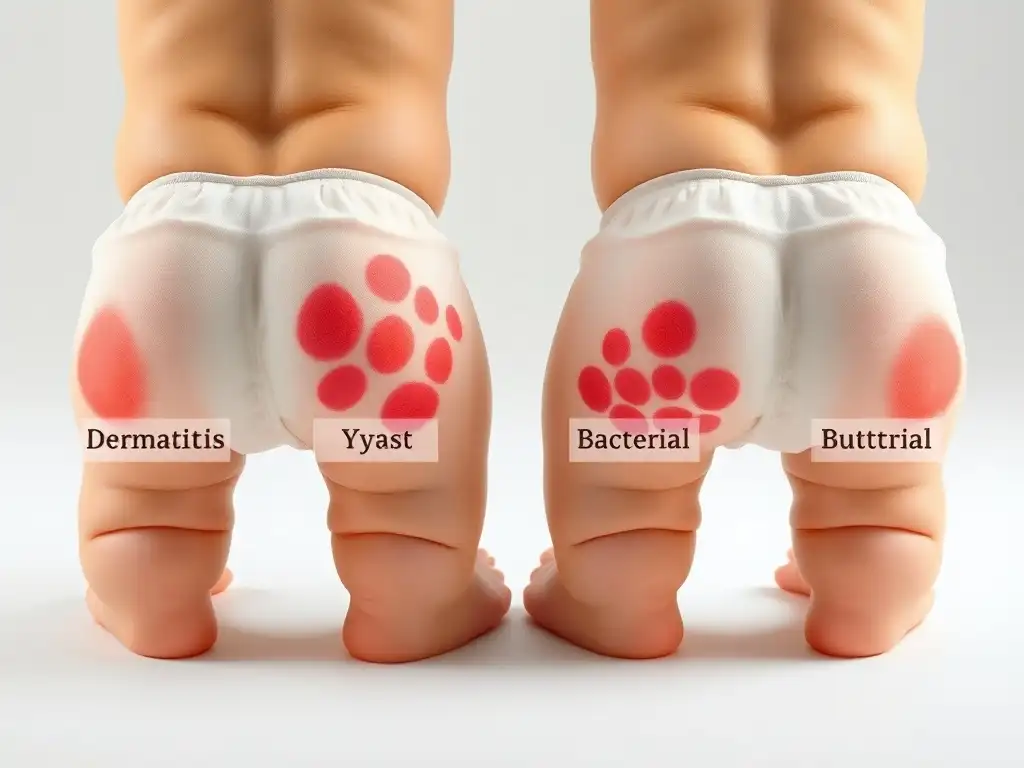
This section focuses on visually identifying common diaper rash types, equipping you with the knowledge to distinguish between different conditions and seek appropriate treatment. Accurate diaper rash types identification is crucial for effective management and preventing complications. Early and correct identification can significantly improve your baby's comfort and speed up healing.
Irritant Contact Dermatitis: The Most Common Diaper Rash Type
Irritant contact dermatitis is the most frequently encountered type of diaper rash. It's primarily caused by prolonged exposure of the delicate baby skin to irritants like urine, feces, and certain ingredients in diaper wipes or lotions. Understanding its characteristics is key to effective diaper rash types identification.
Identifying Irritant Contact Dermatitis: Symptoms and Appearance
Irritant contact dermatitis typically presents as:
- Redness: A widespread redness across the diaper area is the hallmark symptom. The redness might be bright red or a more diffuse, pinkish hue.
- Inflammation: The skin may appear swollen and tender to the touch.
- Location: The rash usually affects the areas most exposed to irritants – the buttocks, inner thighs, and genital area. It often spares the skin folds.
- Texture: The affected skin can feel rough or slightly bumpy. It might be slightly raised, but typically not significantly.
- No Blisters or Pus: Unlike other diaper rash types, irritant contact dermatitis usually doesn't involve blisters or pus-filled lesions.
Think of it like this: imagine a mild sunburn, but confined to the diaper area. This is a common presentation of irritant contact dermatitis. Accurate diaper rash types identification requires careful observation of these key characteristics.
Treatment Options for Irritant Contact Dermatitis
Treatment for irritant contact dermatitis focuses on minimizing irritation and promoting healing. Key strategies include:
- Frequent Diaper Changes: Change diapers frequently, ideally every 2-3 hours, to reduce exposure to irritants.
- Gentle Cleansing: Use lukewarm water to cleanse the affected area. Avoid harsh soaps, wipes containing fragrances or alcohol, and excessive rubbing.
- Barrier Creams: Apply a thick layer of a barrier cream like zinc oxide or petroleum jelly to protect the skin from further irritation.
- Air Time: Allow the baby's bottom to air dry frequently. This helps to reduce moisture, a key factor in diaper rash development.
- Loose-Fitting Diapers: Choose diapers that are loose-fitting and breathable to minimize friction.
Candidiasis (Yeast Infection) Diaper Rash: Recognizing the Signs
Candidiasis, or yeast infection, is another common cause of diaper rash. It's caused by the Candida albicans fungus, which thrives in warm, moist environments. Accurate diaper rash types identification is critical because treatment for yeast infections differs significantly from that of irritant dermatitis.
Identifying Candidiasis: Symptoms and Appearance
Yeast diaper rash often presents with:
- Bright Red Rash: The rash is typically bright red, often with sharply defined borders.
- Satellite Lesions: Small, red bumps (satellite lesions) may appear surrounding the main rash area. This is a very characteristic feature of candidiasis.
- Scaly Patches: The affected skin may appear scaly or have a slightly raised, bumpy texture.
- Possible Blisters or Pus: In some cases, small blisters or pus-filled lesions may be present.
- Location: While it often involves the diaper area, it can also spread to the skin folds and even beyond.
The appearance of satellite lesions is a strong indicator of candidiasis, aiding in diaper rash types identification. This is a key differentiator from irritant dermatitis.
Treatment Options for Yeast Infection Diaper Rash
Treatment for yeast diaper rash typically involves antifungal medications. These are usually available over-the-counter or by prescription. It's crucial to consult a pediatrician for accurate diagnosis and treatment recommendations. Effective treatment options may include:
- Antifungal Creams: These creams contain ingredients like nystatin or clotrimazole, which kill the Candida fungus.
- Maintaining Dryness: As with irritant dermatitis, maintaining a dry environment is crucial to prevent further fungal growth.
- Careful Hygiene: Thorough cleaning of the affected area is essential, but avoid harsh soaps or irritating cleansers.
- Diaper Choice: Using breathable, well-fitting diapers can help to maintain a less moist environment.
Accurate diaper rash types identification is paramount for successful treatment. If you are unsure about the type of diaper rash your baby has, always seek professional medical advice. Early intervention can prevent the rash from worsening and ensure your baby's comfort and quick recovery. 👶
Allergic Contact Dermatitis: A Less Common but Important Type
Allergic contact dermatitis is a type of diaper rash caused by an allergic reaction to a substance that comes into contact with the baby's skin. This isn't as prevalent as other diaper rash types, but it's crucial for parents to recognize it because it can be quite intense and persistent. Unlike other forms of diaper rash, allergic contact dermatitis isn't simply irritation; it's a true allergic response. The baby's immune system overreacts to a specific allergen, leading to inflammation and a characteristic rash.
This reaction can be triggered by various substances, including ingredients in diapers, wipes, lotions, detergents used on clothing, or even certain foods that come into contact with the diaper area. The key is identifying the culprit allergen to effectively treat and prevent future occurrences. Early identification and intervention are essential to minimize discomfort and prevent complications.
Identifying Allergic Contact Dermatitis: Symptoms and Appearance
Allergic contact dermatitis often presents with a distinct appearance. Instead of the generalized redness and inflammation seen in other diaper rashes, it might show as intensely red, bumpy patches, often with small blisters. 1 The rash is typically sharply defined, meaning it has clear boundaries separating the affected area from the surrounding healthy skin. Intense itching is a common symptom, leading to the baby being irritable and fussy. The location of the rash can be a clue; it might be concentrated in areas directly exposed to the suspected allergen, such as the diaper's edges or areas where lotion was applied. The rash might also be accompanied by swelling and weeping, making it appear wet and shiny. Observing the timing of the rash's onset relative to introducing a new product (diaper, lotion, etc.) can also aid in diagnosis. Remember, if you suspect allergic contact dermatitis, consulting a pediatrician is crucial for accurate diagnosis and treatment.
Treatment and Management of Allergic Contact Dermatitis
The cornerstone of treating allergic contact dermatitis is identifying and eliminating the allergen. This often requires careful observation and potentially a trial-and-error process to pinpoint the specific trigger. 2 Once the allergen is identified, it must be removed completely from the baby's environment. This might involve switching diaper brands, using fragrance-free and hypoallergenic wipes and lotions, and changing laundry detergents. Treatment usually involves applying a mild, fragrance-free moisturizer to soothe the irritated skin. In some cases, a topical corticosteroid cream prescribed by a pediatrician may be necessary to reduce inflammation and itching. It is essential to follow the pediatrician's instructions carefully regarding the application of any medication. For severe cases, oral antihistamines might be prescribed to help manage the itching. Regularly changing diapers and keeping the area clean and dry are also important aspects of management. Preventive measures, such as careful selection of products and avoidance of known allergens, are key to preventing future episodes.
Intertrigo: Diaper Rash in Skin Folds
Intertrigo is a type of diaper rash that specifically affects skin folds, such as the groin, inner thighs, and buttocks. It thrives in warm, moist environments created by skin rubbing against skin. This type of rash isn't simply caused by irritation from urine and feces; it's a combination of friction, moisture, and often, a yeast or bacterial overgrowth.
The constant rubbing and trapped moisture create the perfect breeding ground for these microorganisms, leading to inflammation and a characteristic rash. It’s a common problem, particularly in babies with chubby thighs or those who spend extended periods in diapers. Understanding the underlying causes of intertrigo is vital for effective treatment and prevention.
Identifying Intertrigo: Symptoms and Appearance
Intertrigo typically presents as bright red, inflamed skin in the skin folds. The affected area might be smooth or slightly raised, and it often has a well-defined border. Unlike some other diaper rashes, intertrigo often doesn't have many individual bumps or blisters. Instead, the redness is more diffuse, covering the entire area of the skin fold. The skin might appear shiny or wet due to moisture trapped in the folds.
A characteristic feature of intertrigo is a slightly raised, scaly border around the affected area. The affected skin can be quite sore, and the baby may show signs of discomfort and irritability when the area is touched. The constant moisture and friction can also lead to cracking and bleeding in severe cases. If you notice these symptoms, especially in the skin folds, it is crucial to consult a pediatrician for proper diagnosis and treatment.
Treatment Options for Intertrigo
Treatment for intertrigo focuses on reducing moisture, improving air circulation, and treating any underlying infection. Keeping the area clean and dry is paramount. Gentle washing with lukewarm water is recommended, avoiding harsh soaps or wipes that could irritate the skin further.
Allowing the area to air dry completely is essential, and applying a barrier cream can help protect the skin from further irritation and moisture. In cases where a yeast or bacterial infection is suspected, the pediatrician might prescribe antifungal or antibacterial creams. These creams should be applied as directed, and it's important to continue treatment even after the rash appears to have cleared to prevent recurrence.
Maintaining good hygiene, ensuring proper diaper changes, and using breathable fabrics can help prevent future occurrences of intertrigo. In some cases, a change in diet might be recommended, especially if the rash is linked to food allergies or intolerances. Regular monitoring and adherence to the pediatrician’s recommendations are crucial for successful management.
1 [Specific information pending: Reference for the appearance of allergic contact dermatitis] 2 [Specific information pending: Reference for the identification and elimination of allergens in allergic contact dermatitis]
Diaper Rash Complicated by Bacterial Infection
Diaper rash, while usually a relatively minor irritation, can sometimes become complicated by a secondary bacterial infection. This often happens when the skin barrier is already compromised by the existing rash, making it more susceptible to bacterial invasion. The most common culprits are Staphylococcus aureus and Streptococcus pyogenes, bacteria commonly found on the skin.
These infections can significantly worsen the symptoms and require prompt medical attention. Ignoring a bacterial infection can lead to more severe complications, including cellulitis (a spreading skin infection) and, in rare cases, sepsis. Early identification and treatment are crucial for preventing these serious consequences.
The progression from a simple diaper rash to a bacterial infection is often gradual, with the initial symptoms subtly changing over time. Paying close attention to the evolving nature of the rash is key to early detection. Parents should be particularly vigilant if they notice a worsening of symptoms, especially if the rash spreads beyond the diaper area.
Identifying Bacterial Infection: Symptoms and Appearance
Identifying a bacterial infection superimposed on a diaper rash requires careful observation. While a typical diaper rash might present as redness, mild swelling, and some scaling, a bacterial infection often introduces several additional symptoms. The rash may become significantly more inflamed, exhibiting bright red, shiny skin that can be hot to the touch. The affected area might also become more painful, causing noticeable distress to the baby.
Furthermore, the rash may develop pus-filled blisters or pustules, indicating a deeper bacterial infection. The appearance can vary, ranging from small, isolated pustules to larger, confluent areas of pus. A foul odor emanating from the rash is another strong indicator of bacterial involvement. In severe cases, the infection can spread beyond the diaper area, leading to cellulitis characterized by extensive redness, swelling, and pain extending beyond the original rash site.
This warrants immediate medical attention. Remember, if you're uncertain about the nature of the rash, it's always best to consult a pediatrician for proper diagnosis and treatment. 👶
Treatment for Bacterial Infections in Diaper Rash
Treatment for bacterial infections complicating diaper rash typically involves topical or systemic antibiotics. The choice of antibiotic and the route of administration (topical cream or oral medication) will depend on the severity of the infection and the baby's overall health. A pediatrician will make the appropriate determination based on a thorough examination and, possibly, bacterial culture to identify the specific bacteria causing the infection. Topical antibiotics, such as mupirocin ointment, are often the first-line treatment for localized infections.
These are applied directly to the affected area several times a day. For more severe or widespread infections, systemic antibiotics (oral or intravenous) may be necessary to effectively combat the bacteria and prevent further spread. In addition to antibiotics, diligent diaper changing, keeping the area clean and dry, and using barrier creams can help facilitate healing and prevent recurrence. It's crucial to follow the pediatrician's instructions carefully regarding the dosage, duration of treatment, and any potential side effects.
Regular monitoring of the rash is important to ensure the infection is responding to treatment. If there's no improvement or if symptoms worsen, immediate medical attention is required. Remember, early and appropriate treatment is key to resolving the infection and preventing potential complications. Delaying treatment can lead to more severe infections and prolonged discomfort for your baby.
When to Seek Professional Medical Advice for Diaper Rash
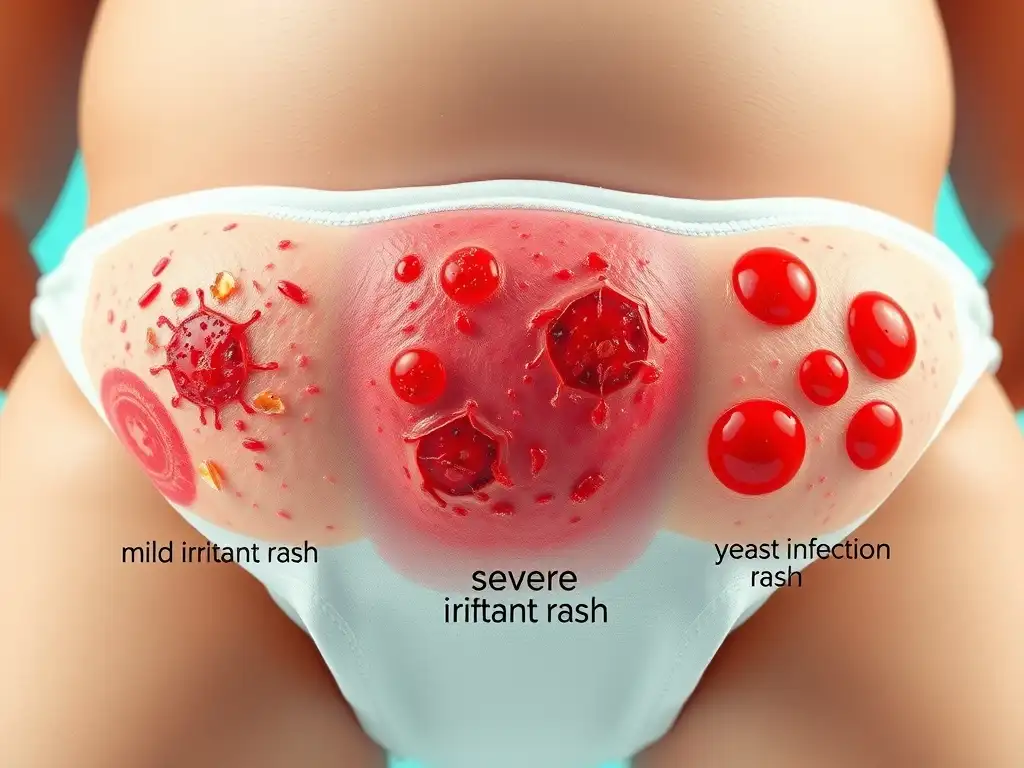
Knowing when a diaper rash warrants a doctor's visit is crucial for your baby's well-being. While many diaper rashes are easily managed at home, some require professional medical intervention. Ignoring potentially serious symptoms can lead to complications, so understanding the warning signs is paramount for responsible diaper rash types identification.
Severe Diaper Rash Symptoms Requiring Immediate Attention
Certain diaper rash symptoms indicate a need for immediate medical attention. These severe symptoms often go beyond simple redness and irritation. Look for signs such as:
- Extensive blistering: Numerous blisters across the diaper area, often accompanied by fever, suggest a more serious infection.
- Fever and/or irritability: A high fever paired with a severe rash or a baby who is unusually fussy and inconsolable warrants a doctor's visit immediately.
- Bleeding or oozing: Any bleeding or significant oozing from the rash area requires prompt professional assessment. This could indicate a secondary bacterial or fungal infection.
- Spread beyond the diaper area: If the rash spreads beyond the diaper area, particularly to the inner thighs or abdomen, it's crucial to seek medical advice. This indicates a potentially more widespread infection.
- Signs of dehydration: A severe diaper rash can lead to dehydration, particularly in infants. Look for signs like decreased urination, dry mouth, sunken eyes, and lethargy. If you observe any of these, contact a doctor immediately.
Remember, early intervention is key. Don't hesitate to contact your pediatrician if you're concerned about the severity of your baby's diaper rash, even if you're unsure whether it's serious. Trust your instincts – it's always better to err on the side of caution. Prompt diagnosis and treatment can prevent unnecessary suffering for your little one.
Diaper Rash That Doesn't Respond to Home Treatment
Even with diligent home care, some diaper rashes stubbornly resist improvement. If you've tried various home remedies, including frequent diaper changes, gentle cleansing, and barrier creams, and the rash persists or worsens after 3-5 days, it's time to consult a healthcare professional. This is particularly true if the rash is accompanied by other symptoms like fever or irritability. The persistence of the rash may indicate an underlying infection or allergy requiring specific medical treatment. Delaying professional care could prolong your baby's discomfort and potentially lead to complications. Accurate diaper rash types identification is important to ensure appropriate treatment.
Consider keeping a detailed record of your home treatment efforts, including the products used and the rash's response. This information will be helpful for your doctor in determining the best course of action. The doctor might perform a skin scraping or culture test to identify the cause and prescribe appropriate medication.
Distinguishing Between Diaper Rash and Other Skin Conditions
Sometimes, what appears to be a simple diaper rash might actually be another skin condition, requiring a different approach to treatment. Accurate diaper rash types identification is crucial to avoid misdiagnosis and inappropriate treatment. For example:
| Condition | Key Differentiating Features |
|---|---|
| Yeast Infection (Candidiasis) | Bright red rash with satellite lesions (small, red bumps surrounding the main rash), often in skin folds. |
| Bacterial Infection | Pus-filled blisters or sores, often accompanied by fever and general malaise. |
| Contact Dermatitis | Rash triggered by a specific irritant (e.g., detergents, wipes), often localized to areas of contact. |
| Eczema | Dry, itchy, scaly rash, often appearing outside the diaper area as well. |
If you're unsure whether your baby's rash is a simple diaper rash or something else, a doctor's examination is recommended. They can accurately diagnose the condition and recommend the appropriate treatment. Early and correct identification is vital for effective management and prevention of potential complications. Delaying professional help could lead to prolonged discomfort and potentially more severe issues. Don't hesitate to seek medical advice if you are uncertain about the nature of your baby's skin condition.
Preventing Diaper Rash: Proactive Steps for Happy Baby Bottoms
Preventing diaper rash is far more effective than treating it. Proactive measures significantly reduce the chances of your little one experiencing the discomfort and irritation associated with this common ailment. By focusing on proactive strategies, you can contribute to a happier, healthier baby.
This section will outline key preventative steps, focusing on diaper changing techniques, diaper and wipe selection, and the importance of air drying. Effective diaper rash prevention is a crucial aspect of baby care, contributing significantly to your baby's overall well-being and comfort. Remember, a proactive approach to diaper rash prevention is key to maintaining your baby's healthy skin.
Maintaining Proper Diaper Changing Practices
Regular diaper changes are paramount in preventing diaper rash. Prolonged exposure to wet or soiled diapers creates a breeding ground for bacteria and irritants, increasing the risk of rash development. Aim for diaper changes every 2-3 hours, or more frequently if your baby has loose stools. During each change:
- Clean thoroughly: Use warm water and a soft cloth to gently cleanse the entire diaper area. Avoid harsh soaps or wipes that contain fragrances or alcohol, as these can irritate sensitive skin.
- Pat dry gently: Avoid rubbing, which can further irritate the skin. Instead, pat the area dry with a soft, clean towel.
- Apply barrier cream (if necessary): A thin layer of a fragrance-free, zinc oxide-based diaper rash cream can create a protective barrier against moisture and irritation. Apply this after the area is completely dry.
- Ensure proper diaper fit: A diaper that is too tight can also cause irritation. Choose a diaper that fits comfortably but isn't overly snug. The diaper should fit snugly around the legs to prevent leakage but not constrict the baby's movement.
Choosing the Right Diapers and Wipes for Sensitive Skin
The type of diaper and wipes you choose can significantly impact your baby's skin health. Opt for hypoallergenic, fragrance-free options designed for sensitive skin. Look for diapers made with breathable materials to allow for better air circulation. Consider these factors when making your selection:
- Material: Look for diapers made from natural, breathable materials like cotton or bamboo. Avoid those made with harsh chemicals or dyes.
- Absorbency: Choose diapers with high absorbency to keep your baby's skin dry. Leakage dramatically increases the risk of diaper rash.
- Wipes: Opt for fragrance-free, alcohol-free wipes, or consider using plain warm water and soft cloths for cleaning. Many parents find that reusable, cloth wipes are a gentler alternative.
| Diaper Feature | Recommended Choice | Less Recommended Choice |
|---|---|---|
| Material | Breathable cotton, bamboo, hypoallergenic materials | Plastics, dyes, strong fragrances |
| Absorbency | High absorbency | Low absorbency |
| Fragrance/Additives | Fragrance-free, additive-free | Fragrances, lotions, alcohol |
The Importance of Air Drying Baby's Bottom
Allowing your baby's bottom ample time to air dry is a crucial preventative measure. Air exposure helps to reduce moisture, a key contributor to diaper rash development. Consider these strategies:
- Diaper-free time: Whenever possible, let your baby's bottom air out for short periods. This is especially beneficial after a bath or diaper change. A few minutes of air exposure can make a significant difference.
- Loose-fitting clothing: Dress your baby in loose-fitting clothing made from breathable fabrics to allow for better air circulation around the diaper area. Avoid tight clothing that can trap moisture.
- Proper ventilation: Ensure good ventilation in your baby's room to prevent excessive humidity, which can contribute to diaper rash.
Remember, consistent application of these preventative measures can significantly reduce the likelihood of diaper rash. By prioritizing proper diaper changing techniques, choosing the right products, and allowing for sufficient air drying, you can contribute greatly to your baby's comfort and overall well-being. A healthy bottom means a happy baby! 👶
Using Barrier Creams and Ointments to Prevent Diaper Rash
Barrier creams and ointments form a protective layer on your baby's delicate skin, preventing irritants like urine and feces from coming into direct contact. This is a crucial step in diaper rash prevention, especially for babies prone to sensitive skin or frequent diaper changes. The effectiveness of these products lies in their ability to create a physical barrier, reducing friction and inflammation. They don't treat existing rashes, but they are incredibly effective at preventing them from developing in the first place.
Several types of barrier creams and ointments are available, each with its own benefits. Zinc oxide is a common and highly effective ingredient found in many diaper rash creams. It works by creating a protective film that keeps moisture away from the skin. Petrolatum-based ointments, like petroleum jelly, also create a barrier but may not be as breathable as zinc oxide creams. Some parents find that a combination of both zinc oxide and petrolatum provides the best protection. Always check the ingredients list to ensure the product is suitable for your baby's sensitive skin and free from potential allergens.
The application process is simple but crucial for maximum effectiveness. Apply a generous amount of cream or ointment to a clean and dry diaper area after each diaper change. Ensure complete coverage, particularly in the creases and folds of the skin where moisture tends to accumulate.
Don't be afraid to use a liberal amount – a thin layer won't provide the same level of protection. Remember, prevention is always better than cure when it comes to diaper rash, and consistent use of barrier creams is a key component of a proactive diaper rash prevention strategy. Regular application, even when no rash is present, can significantly reduce the risk of future occurrences, saving you and your baby discomfort and potential complications.
Choosing the right barrier cream and applying it consistently are vital steps in keeping your baby's bottom happy and healthy. This proactive approach can significantly reduce the frequency and severity of diaper rash, leading to a happier and more comfortable baby.
Diaper Rash Treatment Options: Home Remedies and Medical Interventions
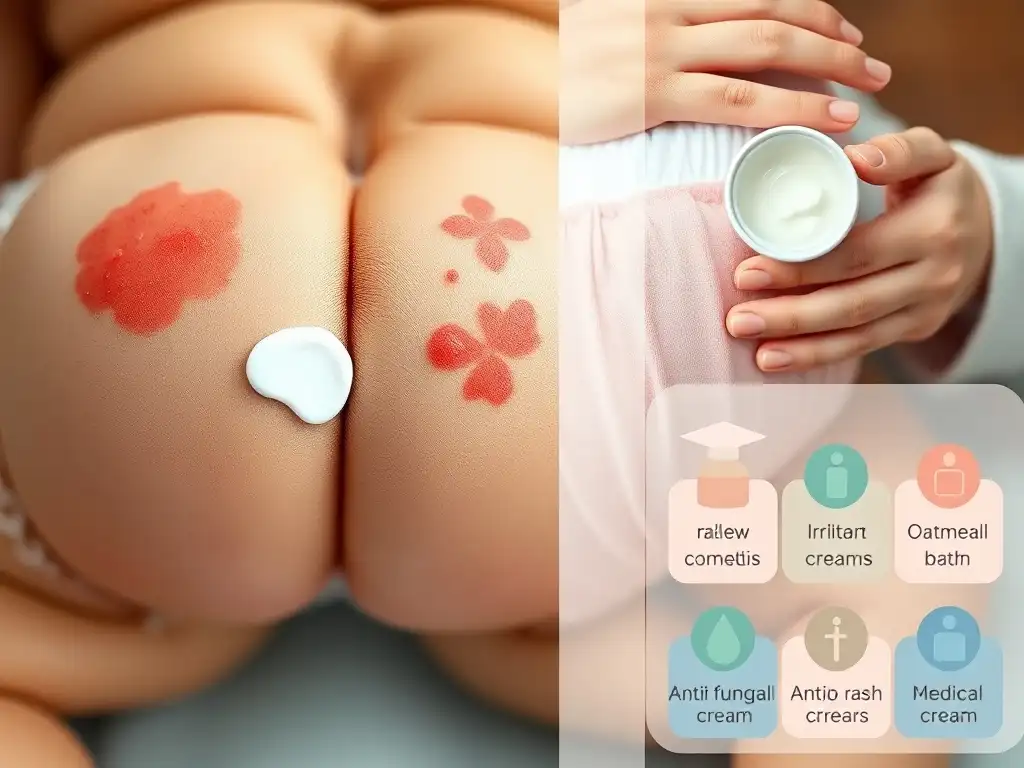
Diaper rash, a common ailment among infants, can range from mild irritation to severe inflammation. Effective treatment depends heavily on correctly identifying the type of diaper rash, a crucial step in managing and resolving the issue. This section focuses on various treatment options, progressing from simple home remedies to medical interventions, emphasizing that professional advice should always be sought for persistent or worsening symptoms. Successful diaper rash types identification is key to choosing the right approach.
Home Remedies for Mild Diaper Rash
For mild diaper rash characterized by redness and slight discomfort, several home remedies can provide relief. The key is to keep the affected area clean, dry, and protected from further irritation. These methods are generally safe and effective for managing less severe cases of diaper rash.
- Airtime: Allowing the baby's bottom to have regular periods of air exposure can significantly reduce moisture, a major contributor to diaper rash. Aim for 15-20 minutes at a time, several times a day, especially after diaper changes. This simple, yet effective, method promotes healing by letting the skin breathe.
- Warm Baths: Lukewarm (not hot!) baths with plain water can soothe irritated skin. Avoid using harsh soaps or bubble baths, as these can further dry and irritate the skin. Pat the area dry gently afterward, avoiding rubbing.
- Frequent Diaper Changes: This is paramount! Promptly changing wet or soiled diapers minimizes contact with irritants like urine and feces. Consider using fragrance-free, hypoallergenic wipes or simply using a soft, damp cloth and warm water for cleaning.
- Barrier Creams (Natural): Applying a thin layer of a natural barrier cream, such as petroleum jelly or zinc oxide ointment, can create a protective layer against moisture and friction. These creams help to soothe irritated skin and prevent further irritation. However, avoid using these excessively, as it can trap moisture if applied too thickly.
Over-the-Counter Treatments for Diaper Rash
If home remedies prove insufficient, several over-the-counter (OTC) treatments can effectively manage more persistent or moderate diaper rash. These products are readily available at pharmacies but should be used as directed. Always check the ingredients for potential allergens and consult a pediatrician if you have any concerns.
- Hydrocortisone Cream (1%): This mild corticosteroid cream can help reduce inflammation and itching associated with diaper rash. It's generally safe for short-term use but should not be used for extended periods without consulting a doctor. Overuse can thin the skin.
- Anti-fungal Creams: If the diaper rash presents with satellite lesions (small, red bumps surrounding the main rash), a fungal infection may be present. OTC antifungal creams containing clotrimazole or miconazole can effectively treat this type of diaper rash. However, always confirm a fungal infection with a healthcare professional before using these creams.
- Other OTC options: Numerous other OTC creams and ointments are available, each with slightly different formulations and active ingredients. Carefully read the label to understand the ingredients and their purpose before applying them to your baby's skin.
Prescription Medications for Severe Diaper Rash
Severe diaper rash, characterized by extensive redness, weeping sores, or signs of infection (fever, pus), requires medical attention. A pediatrician will likely prescribe stronger medications to address the underlying cause and accelerate healing. Ignoring severe diaper rash can lead to complications, so prompt medical intervention is crucial.
- Stronger Corticosteroids: For severe inflammation, a doctor might prescribe a stronger corticosteroid cream than what's available OTC. These are generally used for shorter durations due to the potential for side effects with prolonged use.
- Antibiotics: If a bacterial infection is present, the doctor will prescribe antibiotics, either in cream form or orally, depending on the severity. This is essential to combat the infection and prevent further complications.
- Other Prescription Treatments: Depending on the specific diagnosis, other treatments might be recommended, including antifungal medications (for severe yeast infections) or other specialized therapies. It's crucial to follow the doctor's instructions precisely and report any adverse reactions immediately.
Remember, accurate diaper rash types identification is crucial for effective treatment. If you're unsure about the cause or severity of your baby's diaper rash, always consult a healthcare professional for proper diagnosis and treatment. Early intervention can prevent complications and ensure your baby's comfort and well-being.
Diaper Rash Prevention and Treatment: Frequently Asked Questions (FAQ)
This section addresses common questions surrounding diaper rash prevention and treatment, offering practical advice for parents navigating this common babyhood challenge. Understanding the duration, suitable remedies, and preventative measures is crucial for effective diaper rash management. Accurate diaper rash types identification is the first step in effective treatment.
How long does diaper rash last?
The duration of a diaper rash varies significantly depending on its severity and the underlying cause. A mild diaper rash, often characterized by redness and slight irritation, might clear up within a few days with diligent diaper changing and barrier cream application. However, more severe cases involving blistering, weeping sores, or signs of infection (like increased pain, fever, or pus) may persist for a week or longer.
In such instances, prompt medical attention is recommended. Early and effective treatment, including meticulous hygiene and appropriate topical applications, is key to minimizing the duration and discomfort. Delayed treatment can prolong the rash and potentially lead to secondary infections.
Remember, consistent monitoring is vital; if the rash worsens or shows no improvement within a few days, consult a pediatrician for accurate diaper rash types identification and tailored treatment. Accurate diagnosis is critical to determining the appropriate course of action and ensuring your baby's comfort and speedy recovery.
Can I use baby powder for diaper rash?
While baby powder was once a common recommendation, its use for diaper rash is now largely discouraged. The fine particles can irritate delicate baby skin, potentially worsening the rash and even leading to inhalation problems if the baby inhales the powder. Furthermore, baby powder may not provide effective protection against moisture, a key factor in diaper rash development. Instead of baby powder, opt for gentle, fragrance-free diaper rash creams containing zinc oxide or other barrier-forming ingredients.
These creams create a protective layer that shields the skin from moisture and irritants. Choosing hypoallergenic and fragrance-free options minimizes the risk of further irritation. Always check the ingredient list carefully to ensure the product is suitable for sensitive baby skin. Prioritize products specifically designed for diaper rash treatment for optimal results and to avoid potentially harmful ingredients.
What are the best diaper rash creams?
Many effective diaper rash creams are available, but the "best" one depends on your baby's specific needs and the severity of the rash. Creams containing zinc oxide are generally considered a safe and effective first-line treatment. Zinc oxide forms a protective barrier, preventing further irritation from urine and feces.
Look for creams that are fragrance-free, hypoallergenic, and free from harsh chemicals or dyes to minimize the risk of allergic reactions. Some parents find additional ingredients such as petrolatum (petroleum jelly) or lanolin helpful in providing extra moisture and soothing irritated skin. However, always conduct a patch test before applying any new cream to a large area to check for potential allergic reactions.
For severe diaper rashes or those that don't improve with over-the-counter treatments, consult a pediatrician for accurate diaper rash types identification and guidance on prescription-strength options. Remember, consistent and diligent application is key to effective treatment, regardless of the specific cream used. Regular diaper changes and thorough cleaning also play a crucial role in preventing and treating diaper rash.
When should I call the doctor about my baby's diaper rash?
A diaper rash is usually a minor inconvenience, easily treated with over-the-counter remedies and diligent diaper changing. However, some situations warrant a call to your pediatrician. Knowing when to seek professional medical advice is crucial for your baby's well-being. Don't hesitate to contact your doctor if the rash doesn't improve within a few days of home treatment, or if it worsens.
Several warning signs indicate a need for immediate medical attention. For instance, if the rash is accompanied by a fever, this could suggest a more serious underlying infection. A fever, combined with lethargy or irritability in your baby, should be considered a medical emergency. Prompt assessment and treatment are vital in these cases.
Furthermore, if the diaper rash is unusually severe, exhibiting signs such as blistering, bleeding, or significant swelling, it requires immediate medical attention. These symptoms could indicate a severe allergic reaction or infection. The rash might spread rapidly, potentially covering a large area of your baby's skin, causing significant discomfort. Don't delay seeking help if you observe such symptoms.
Beyond the severity of the rash itself, consider the baby's overall health. If your baby is unusually fussy, exhibiting symptoms like poor feeding, vomiting, or diarrhea alongside the diaper rash, it's crucial to consult your doctor. These symptoms suggest a more complex medical issue might be at play, requiring professional diagnosis and treatment. Early intervention can greatly improve your baby's prognosis.
Finally, if the diaper rash persists despite consistent home treatment, it's essential to seek professional advice. Your pediatrician can determine the underlying cause of the persistent rash, ruling out more complex conditions and ensuring appropriate treatment is administered. Persistent diaper rash can sometimes indicate a yeast infection, or a reaction to a certain product, requiring a specific course of treatment. Don't underestimate the importance of seeking professional help for persistent skin irritation. Remember, early detection and treatment are key to preventing complications. Your pediatrician is your best resource for addressing any concerns regarding your baby's health.
Frequently Asked Questions
What are the common types of diaper rash?
Diaper rash can manifest in several ways. Common types include contact dermatitis (irritation from wetness or friction), candidiasis (yeast infection, often appearing bright red with satellite lesions), and irritant contact dermatitis (caused by harsh soaps or detergents).
How can I tell the difference between diaper rash and other skin conditions?
Some rashes may look similar, but key differences exist. Diaper rash is typically confined to the diaper area, unlike eczema which can appear elsewhere. A severe, blistering rash may indicate a more serious condition, requiring medical attention.
What are some home remedies for mild diaper rash?
For mild cases, frequent diaper changes and applying a barrier cream like zinc oxide can help. Gentle cleansing with water is preferred over harsh wipes. Always consult your pediatrician if the rash worsens.
When should I take my baby to the doctor about a diaper rash?
Seek medical advice if the rash is severe, doesn't improve after a few days of home treatment, or shows signs of infection (fever, pus, bleeding). Also, consult your doctor if your baby seems unusually irritable or uncomfortable.
Can I prevent diaper rash?
Yes, preventative measures include frequent diaper changes, using gentle, fragrance-free wipes and cleansers, ensuring proper diaper fit, and allowing for airtime for the baby's bottom. Keeping the area clean and dry is key.
Final Reflection: Understanding Diaper Rash: A Journey Towards Prevention and Care
The seemingly simple diaper rash is far more than a minor inconvenience; it's a window into a child's overall health and well-being. Millions of parents worldwide grapple with this common issue, and understanding the nuances of different diaper rash types is crucial for effective treatment and prevention. This knowledge empowers parents to make informed decisions, leading to faster healing and reduced discomfort for their little ones.
The impact of diaper rash extends beyond the immediate physical discomfort. It can disrupt sleep, affect feeding patterns, and even strain the parent-child bond. The constant worry and the search for solutions can be emotionally taxing. The smallest things take up the most room in your heart.
This quote perfectly encapsulates the overwhelming feeling parents experience when dealing with their child's discomfort, even something as seemingly minor as a diaper rash. Understanding the various types allows for targeted treatment, reducing the overall stress and anxiety associated with this common ailment.
Now, consider what you've learned. Take a moment to reflect on the information presented and how it can benefit you, whether you're a parent, caregiver, or healthcare professional. Empower yourself with knowledge; learn to identify the subtle differences between diaper rash types, and equip yourself to provide the best possible care. By understanding the causes and treatments, you can contribute to a healthier and happier experience for both the child and the caregiver. Let's work together to ensure every child experiences the comfort and care they deserve.
Unlock Your Diaper Rash Detective Skills!
Thank you for learning about identifying different types of diaper rash! We hope this guide has given you the confidence to better understand your baby's skin. Now, let's put that knowledge into practice.
- Become a Diaper Rash Expert: Download our free printable guide outlining simple home remedies and when to seek professional medical advice. This will help you effectively treat those pesky rashes!
- Share Your Experience: Have you successfully treated a diaper rash using a home remedy? Share your tips and tricks in the comments below – your experience could help another parent!
- Join Our Community: Connect with other parents on our BabyCareHub forum to discuss diaper rash and other baby care challenges.
Ready to conquer diaper rash and give your baby happy, healthy skin?