
Garden Safety for Babies: Essential Tips to Protect Your Little One

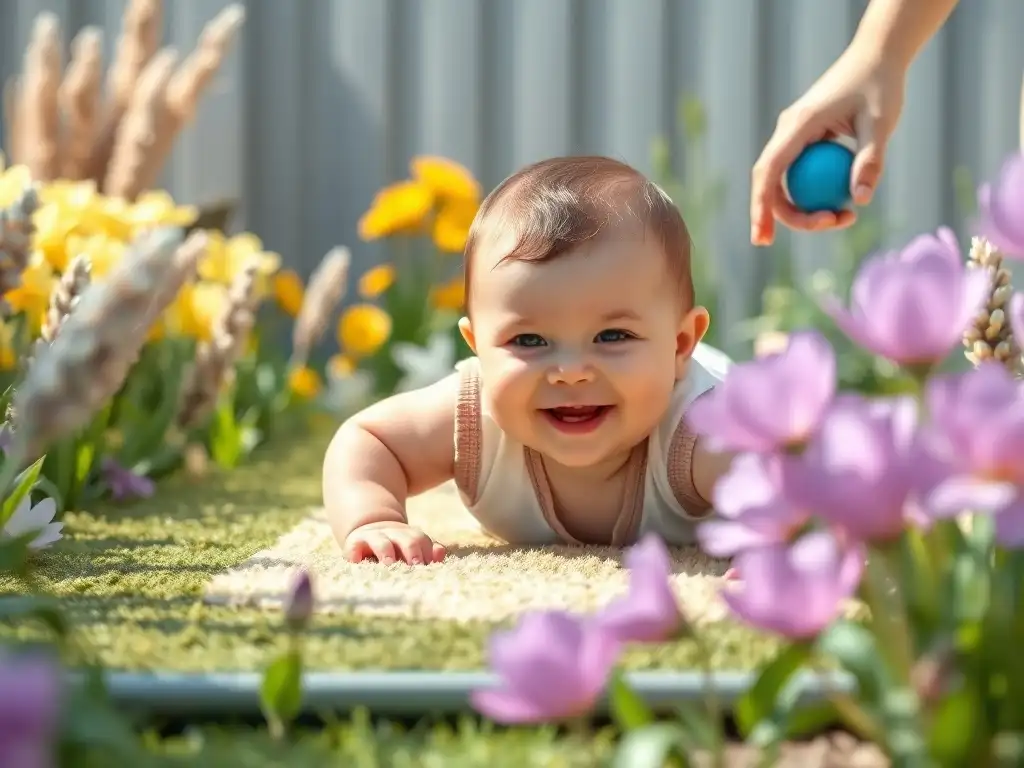
Welcome to BabyCareHub, your ultimate guide to navigating the incredible journey of parenthood! Are you ready to create a safe and nurturing environment for your little one? Then discover essential baby garden safety tips that will transform your outdoor space into a haven, protecting your precious child from potential hazards. Dive in and explore our expert advice – because a happy, healthy baby starts with a safe home, inside and out.
- Creating a Safe Baby-Friendly Garden Environment
-
Babyproofing Your Garden: Step-by-Step Guide to Childproofing Outdoor Spaces
- Step 1: Inspecting and Removing Small Objects and Debris
- Step 2: Securing Garden Tools and Equipment: Preventing Accidents
- Step 3: Protecting from Water Hazards: Pool Safety and Pond Covers
- Step 4: Ensuring Fence Safety and Gate Security for Toddlers
- Step 5: Covering and Protecting Potentially Harmful Plants
- Choosing Safe Garden Materials and Plants for Your Baby's Play Area
- Supervising Your Baby in the Garden: Constant Monitoring and Safe Practices
- First Aid and Emergency Preparedness for Garden Accidents
-
Frequently Asked Questions
- What are the biggest dangers in a garden for babies?
- How can I make my garden safe for crawling babies?
- What plants should I avoid having in my garden if I have a baby?
- How important is supervision when my baby is in the garden?
- What are some simple steps I can take to improve garden safety for my baby?
- Final Reflection: Cultivating a Safe Haven for Little Ones
- Ready to Create a Safe & Fun Garden for Your Baby?
Creating a Safe Baby-Friendly Garden Environment
Bringing your baby into the world is a joyous occasion, filled with exciting new experiences. As your little one grows and begins to explore, the allure of the garden becomes undeniable. However, this outdoor paradise can also present unforeseen dangers if not properly prepared for a crawling, curious infant. This comprehensive guide provides essential baby garden safety tips, helping you transform your garden into a safe haven for your precious child. We will cover crucial steps to assess and mitigate potential risks, ensuring your baby's safety while they enjoy the wonders of nature. This guide focuses on creating a baby-proofed outdoor space, addressing common hazards and offering practical solutions to protect your little one from harm. Remember, proactive safety measures are key to preventing accidents and fostering a happy, healthy environment for your child's development. Let's delve into the specifics to create a safe and enjoyable garden for your baby.
Assessing Your Garden for Potential Hazards: Identifying Risks for Crawling Babies
Before your baby even takes their first crawl, it's crucial to conduct a thorough assessment of your garden. Think like a baby – what might seem insignificant to you could be a major obstacle or danger to a curious little explorer. This involves a systematic check for potential hazards, focusing on those most accessible to crawling babies.
This process should include:
- A ground-level inspection: Get down on your hands and knees to see the garden from your baby's perspective. Look for small objects they could swallow (pebbles, broken glass, etc. ), sharp edges on furniture or plants, and uneven terrain that could cause falls.
- Identifying low-hanging branches and shrubs: These could easily injure a crawling baby if they fall on them or brush against sharp thorns.
- Checking for standing water: Even small puddles can pose a drowning risk to a baby. Ensure proper drainage and eliminate any stagnant water sources.
- Locating potential tripping hazards: Toys, garden tools, and uneven paving stones should be removed or secured.
- Reviewing the fencing and gates: Ensure the fence is securely fastened and tall enough to prevent escape. Gates should be self-closing and latching securely. Check for gaps or weaknesses in the fencing.
Remember to document your findings and prioritize the most immediate dangers. This detailed assessment allows for a targeted approach to baby-proofing, maximizing safety and peace of mind. A safe garden is a happy garden! 👶
Removing Toxic Plants and Flowers: A Comprehensive Guide to Safe Landscaping for Toddlers
Many common garden plants are toxic if ingested by babies and toddlers. Therefore, removing or relocating potentially harmful plants is a crucial step in ensuring your garden's safety. This involves identifying and eliminating plants known to be poisonous, opting for non-toxic alternatives that are equally beautiful and child-friendly.
Here’s a helpful checklist:
| Plant Type | Toxicity Level | Potential Effects | Safe Alternatives |
|---|---|---|---|
| Oleander | High | Cardiac arrest, death | Geraniums, Marigolds |
| Rhododendron | High | Nausea, vomiting, diarrhea, cardiac issues | Lavender, Petunias |
| Foxglove | High | Irregular heartbeat, death | Snapdragons, Coneflowers |
| Nightshade | High | Hallucinations, paralysis, death | Impatiens, Zinnias |
| Daffodils | Moderate | Vomiting, diarrhea | Tulips (in moderation), Hyacinths |
This table provides a starting point. A thorough research of your specific plants is recommended. Consider consulting a gardening expert or using a plant identification app to ensure the complete safety of your landscaping. Replacing potentially harmful plants with safe, child-friendly options will enhance both the beauty and safety of your garden.
Securing Potential Hazards: Fencing, Gates, and Pond Safety for Little Ones
Securing potential hazards is paramount in baby garden safety. This involves creating physical barriers to prevent access to dangerous areas, ensuring that all gates are properly secured and that any water features are adequately protected.
This section focuses on these key areas:
- Fencing: Ensure your fence is at least 4 feet high, with no gaps large enough for a child to squeeze through. Regularly inspect for any damage or weaknesses and repair them immediately. Consider burying wire mesh at the base to deter digging.
- Gates: All gates leading to the garden should be self-closing and have secure latches that are out of a child's reach. Regularly check the functionality of the latches and hinges. Consider using childproof locks for added security.
- Ponds and Water Features: Ponds, even small ones, pose a significant drowning risk to babies. Securely fence off any water features with a barrier that is at least 4 feet high. Consider using a pool cover for added protection. Never leave a child unattended near water.
By implementing these safety measures, you significantly reduce the risk of accidents and create a safer environment for your baby to explore and enjoy the outdoors. Remember, safety should always be the top priority.
Babyproofing Your Garden: Step-by-Step Guide to Childproofing Outdoor Spaces
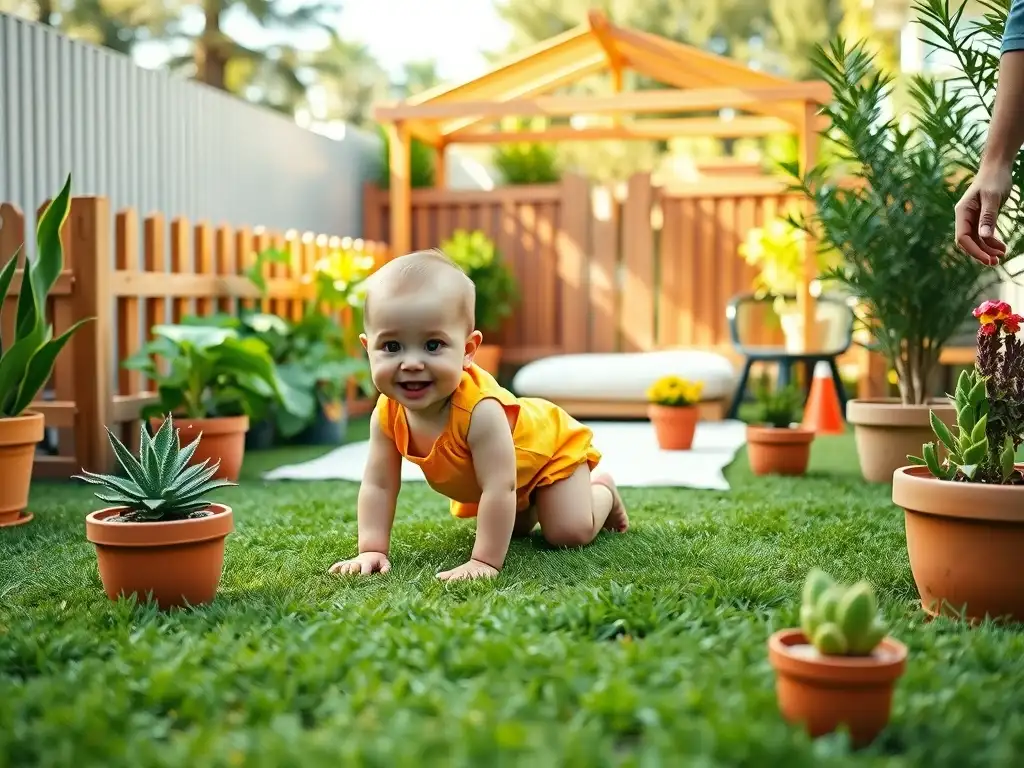
This section details crucial steps to ensure your garden is a safe haven for your little one. Remember, even seemingly harmless items can pose significant risks to curious babies and toddlers. Proactive babyproofing is key to preventing accidents and ensuring your child's well-being while enjoying the outdoors. Implementing these baby garden safety tips will significantly reduce potential hazards in your outdoor space.
Step 1: Inspecting and Removing Small Objects and Debris
Before your baby even begins crawling, a thorough inspection of your garden is paramount. Think like a baby – what small objects might be tempting to pick up and put in their mouth? This includes, but is not limited to:
- Small stones and pebbles: These can be easily swallowed, causing choking hazards. Remove them completely, particularly from areas where your baby might play.
- Broken glass and sharp fragments: These are extremely dangerous and require immediate removal. Thoroughly sweep and rake the area, paying close attention to flowerbeds and under bushes.
- Toxic plants and berries: Research plants in your garden to identify any potentially poisonous species. Remove these plants or restrict access to them with fencing or barriers. Consider labeling plants clearly to remind others of potential dangers. A quick online search with the plant name and "toxicity" can provide valuable information.
- Weed killer and fertilizer pellets: These are often brightly colored and may attract a child's attention. Store these products securely, well out of reach, preferably in a locked shed or cabinet. Always follow instructions on the packaging regarding safe storage and handling.
- Nuts and seeds: Even seemingly harmless nuts and seeds can pose choking hazards, especially for younger babies. Ensure these are kept away from accessible areas.
Remember, even seemingly insignificant items can become significant hazards to a curious baby. Regular inspections, especially after gardening or inclement weather, are crucial for maintaining a safe environment. Regular sweeping and raking are essential components of your baby garden safety plan.
Step 2: Securing Garden Tools and Equipment: Preventing Accidents
Garden tools and equipment present a multitude of potential dangers to babies and toddlers. Sharp edges, heavy weight, and moving parts can lead to serious injuries. Here's how to minimize these risks:
- Store tools in locked sheds or toolboxes: This is the most effective way to prevent access. Always ensure the shed or toolbox is securely locked and out of reach.
- Use wall-mounted tool racks: If storage space is limited, consider using wall-mounted racks to keep tools up high and away from little hands.
- Keep lawnmowers and other power equipment out of reach: These should be stored in a locked shed or garage, far away from play areas. Never leave them unattended, even for a short period.
- Secure hoses and cables: Tripping hazards are a concern. Keep hoses and cables neatly coiled and out of walkways. Consider using cable covers to protect them from being pulled or chewed.
- Fence off potentially dangerous areas: This could include areas with sharp tools or equipment left unattended, even momentarily.
Implementing these safety measures significantly reduces the risk of accidents caused by garden tools and equipment. Remember, prevention is always better than cure when it comes to child safety. Regularly check the security of your storage solutions to ensure they remain effective.
Step 3: Protecting from Water Hazards: Pool Safety and Pond Covers
Water features, even small ones, pose a significant drowning risk to babies and toddlers. The following steps are crucial for creating a safe environment around water:
| Water Feature | Safety Measures |
|---|---|
| Swimming Pools | Install a securely fastened fence around the pool with a self-closing, self-latching gate. Never leave a child unattended near water. Consider a pool alarm. |
| Ponds and Water Features | Install a secure fence or cover the pond completely with a sturdy, weighted net. Regularly check the cover for any damage. |
| Buckets and Containers | Never leave buckets or containers of water unattended, even for a short time. Empty them immediately after use. |
Always supervise children closely around any water source, even shallow puddles. A moment's inattention can have devastating consequences. Remember that even small amounts of water can be dangerous to a young child. Early intervention and preventative measures are key to ensuring your child's safety around water. Teaching children to swim at an appropriate age is also a vital aspect of water safety. 👶💦
Step 4: Ensuring Fence Safety and Gate Security for Toddlers
Toddlers are naturally curious and possess an impressive ability to wriggle through surprisingly small spaces. Therefore, securing your garden fence and gates is paramount for baby garden safety. A seemingly secure fence might have gaps or weak points a determined toddler can exploit. Regular inspections are crucial.
Check for gaps between fence panels, loose boards, or any areas where a small child could squeeze through. Consider the height of your fence; it should be tall enough that a child cannot easily climb over it. Ideally, fences should be at least 4 feet high, but taller is better, especially if you have older, more adventurous toddlers. Remember, even a seemingly small gap can be a significant risk.
Gate security is equally vital. Gates should be self-closing and self-latching, preventing accidental openings. Test the latch mechanism regularly to ensure it's functioning correctly. Avoid gates with flimsy latches that a child might be able to open easily. Consider installing a double-locking mechanism for added security.
Furthermore, ensure the gate posts are firmly embedded in the ground and cannot be easily dislodged. A wobbly gate post compromises the entire security system. Regularly inspect the hinges and ensure they are securely fastened. A well-maintained gate and fence system provides a crucial barrier, keeping your little one safely within the designated garden area. Don't underestimate the importance of a robust, reliable barrier system—it's a fundamental aspect of baby garden safety tips.
Step 5: Covering and Protecting Potentially Harmful Plants
Many common garden plants pose a hidden danger to curious babies and toddlers. Ingestion of even small amounts of certain plants can lead to serious health consequences. Therefore, identifying and properly managing potentially harmful plants is a key element of babyproofing your garden. Begin by identifying any toxic plants in your garden. Common culprits include daffodils, rhododendrons, foxgloves, and many others. A comprehensive guide to poisonous plants can be found in many gardening resources or online. You might find it helpful to create a garden map, marking the locations of all potentially hazardous plants.
Once you've identified the risky plants, you have several options for mitigating the risk. The safest approach is often to remove the plants entirely. However, if removal isn't feasible, consider covering them. This can be achieved by using protective netting or even simply placing a large, sturdy container over the plant. Ensure the covering is secure enough to prevent a child from accessing the plant.
For climbing plants, consider redirecting their growth away from easily accessible areas. Regularly inspect the coverings to ensure they remain intact and effective. Remember, even seemingly harmless plants can cause irritation or allergic reactions if ingested. Thorough plant identification and proactive mitigation strategies are crucial components of effective baby garden safety. Prioritize the safety of your little one above all else when planning your garden's layout and plant choices.
Choosing Safe Garden Materials and Plants for Your Baby's Play Area
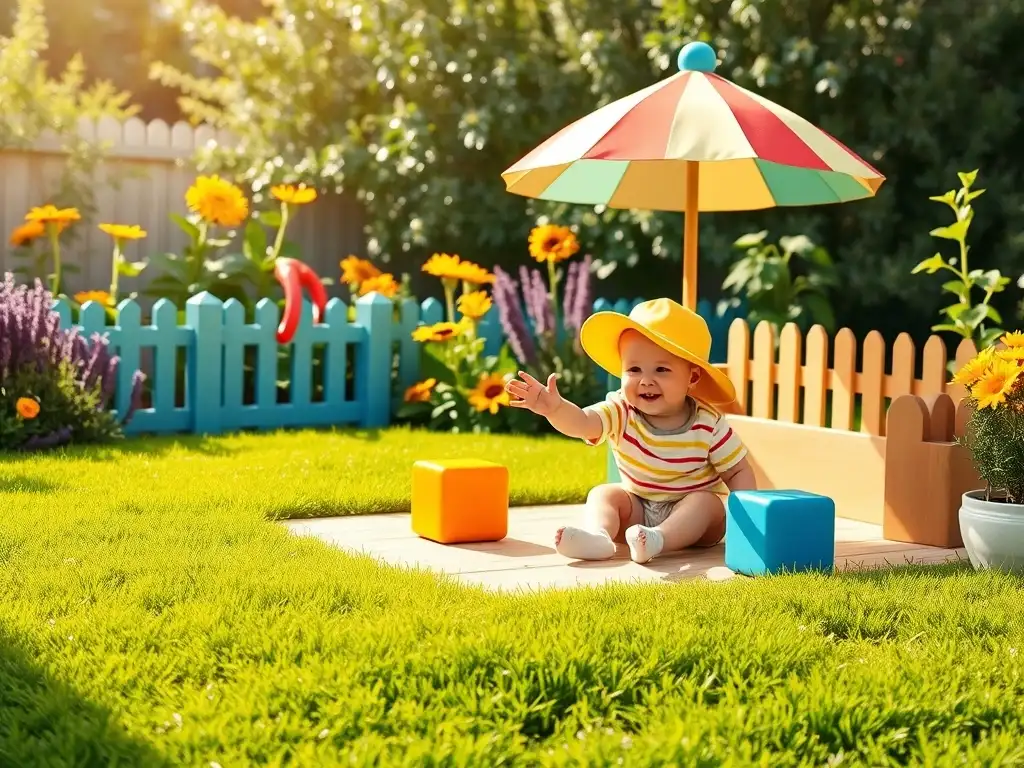
Creating a beautiful and safe garden for your baby requires careful consideration of the materials and plants you use. Many common garden elements pose potential hazards to curious little ones who are constantly exploring their environment. This section focuses on selecting materials and plants that minimize risks and maximize your baby's safety while enjoying the outdoors. Remember, prevention is key when it comes to baby garden safety tips.
Safe Plants and Flowers for Babies: Non-Toxic Options for Landscaping
Choosing non-toxic plants is paramount for baby garden safety. Many common garden plants contain compounds that can be irritating or even poisonous if ingested. Instead of relying on potentially harmful options, consider these safer alternatives:
- Sunflowers: These cheerful giants are not only visually appealing but also completely safe for babies to touch and even nibble on (in moderation, of course!). Their large, sturdy stems also make them great for little hands to grasp.
- Snapdragons: These vibrant flowers add a touch of color to the garden without posing a threat. Their unique shape is fascinating for babies, encouraging exploration.
- Nasturtiums: These edible flowers offer a peppery flavor and are a visually stimulating addition to the garden. Their bright colors and unique shape are captivating to babies.
- Marigolds: Known for their pest-repelling properties, marigolds are also safe for babies. Their bright orange and yellow hues add a cheerful touch to the landscape.
- Zinnias: These hardy annuals come in a wide array of colors and are completely non-toxic. They're relatively easy to grow, making them an ideal choice for beginner gardeners.
It's crucial to remember that even non-toxic plants can cause mild irritation if a baby rubs them on their skin. Always supervise your baby closely while they are in the garden. Consider creating a designated "baby zone" within the garden using a fence or other barrier, planting only the safest options in that area. Regularly check for any wilting or damaged plants, as these can become breeding grounds for insects.
Selecting Safe Garden Mulch: Avoiding Hazards for Crawling Babies
Garden mulch offers numerous benefits, including weed suppression and moisture retention. However, some types of mulch present significant hazards to crawling babies. Avoid using:
- Cocoa bean mulch: While it smells appealing, it contains theobromine, a compound that can be toxic to babies if ingested.
- Cedar mulch: The strong aroma of cedar mulch can be irritating to sensitive skin and respiratory systems.
- Untreated wood chips: While generally safe, untreated wood chips can harbor splinters and pose a choking hazard if ingested.
Opt for safer alternatives such as:
- Pea gravel: Smooth, rounded stones are less likely to cause injury and are easy to clean.
- Shredded bark (from a reputable supplier): Ensure the bark is specifically labeled as safe for children's play areas. Look for options that are free of chemicals and pesticides.
- Pine straw: A natural and readily available option, pine straw provides good ground cover and is relatively soft.
Remember to regularly check the mulch for any debris or hazards. Remove any sharp objects or potentially harmful items immediately. Consider using a thick layer of mulch to cushion falls, but avoid using excessively deep mulch which could trap a baby’s hands or feet.
Using Safe Garden Furniture: Avoiding Sharp Edges and Potential Injuries
Garden furniture can pose a serious risk to babies if not chosen carefully. Avoid furniture with:
- Sharp edges and corners: These can cause cuts and bruises. Look for rounded edges and smooth surfaces.
- Loose parts: Small parts can easily be detached and become choking hazards.
- Unstable structures: Furniture that is easily tipped over poses a significant risk of injury.
Prioritize furniture made from materials such as:
- Rounded plastic: Easy to clean and relatively resistant to damage.
- Smooth, treated wood: Ensure the wood is treated with child-safe finishes and free of splinters.
- Metal furniture (with rounded edges and no sharp points): Durable and long-lasting.
Regularly inspect garden furniture for any signs of damage or wear and tear. Replace any damaged or unsafe pieces immediately. Consider anchoring heavier pieces of furniture to the ground to prevent tipping. Always supervise your baby closely when they are near garden furniture. Creating a safe and enjoyable garden environment for your baby requires careful planning and consistent vigilance. Remember, a few simple precautions can go a long way in ensuring your little one's safety while they explore the wonders of nature. 👶
Supervising Your Baby in the Garden: Constant Monitoring and Safe Practices
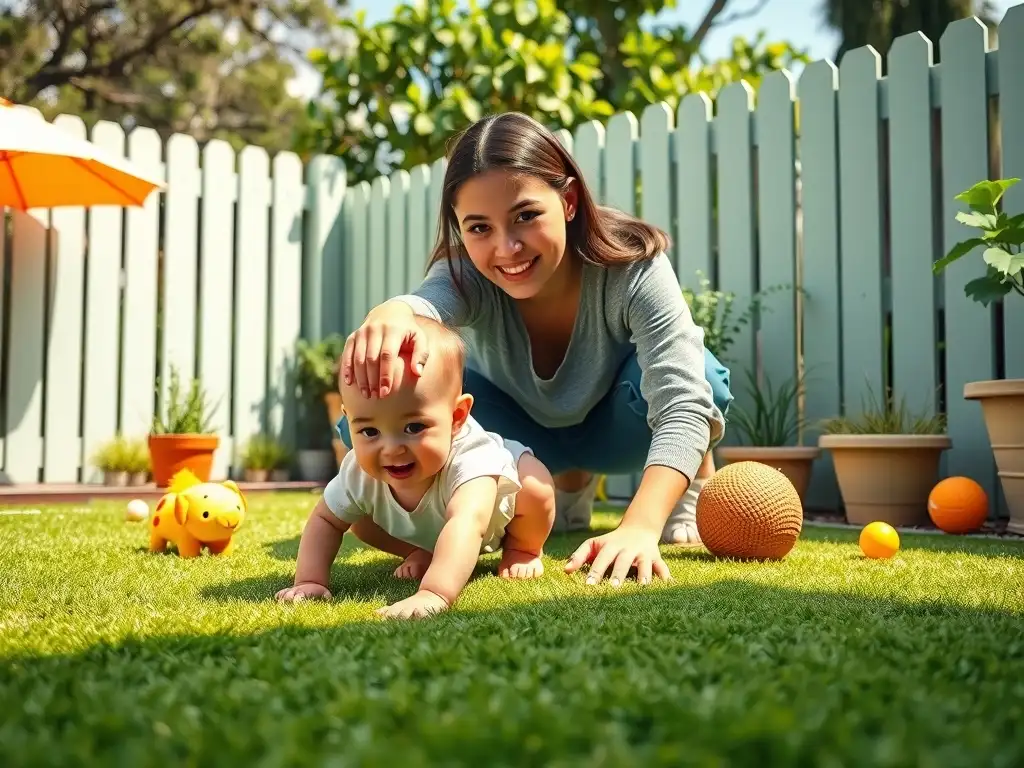
Maintaining a safe garden environment for your baby requires more than just removing hazards; it demands constant vigilance. Even with meticulous preparation, accidents can happen. This section focuses on the crucial role of supervision in ensuring your baby's safety while enjoying the outdoors.
Constant Supervision: The Golden Rule for Baby Garden Safety
Never leave your baby unattended in the garden, even for a moment. This is the most fundamental and critical aspect of baby garden safety. A seemingly harmless situation can quickly escalate into a dangerous one. For example, a seemingly stable plant could topple, a small object could be swallowed, or your baby could crawl into an unseen hazard. Think of it this way: a few seconds of distraction can have devastating consequences.
Consider using a baby monitor with outdoor range if you need to briefly attend to tasks outside the immediate vicinity of your baby. However, remember that this is a supplemental safety measure, not a replacement for direct supervision. Always prioritize direct visual contact with your little one.
Even if your baby is crawling or in a playpen, maintain constant awareness of their actions and surroundings. Active supervision means actively watching, not just passively being present. Engage with your baby, interact, and observe their movements. Regularly check their environment for potential hazards that may have emerged.
Establishing Safe Play Zones: Creating Designated Areas for Your Little One
Creating a designated play area within your garden significantly enhances your baby's safety. This involves selecting a specific, enclosed area free from potential hazards. Use fencing, barriers, or even strategically placed furniture to restrict your baby's access to dangerous areas such as ponds, flowerbeds containing toxic plants, or toolsheds.
Consider the following when establishing your baby's safe play zone:
- Surface: Opt for a soft, even surface like grass to cushion falls. Avoid hard surfaces like concrete or paving stones.
- Size: Make the area large enough for your baby to move around comfortably but small enough to easily supervise.
- Accessibility: Ensure the area is easily accessible to you, allowing for quick intervention if needed.
- Shade: Provide ample shade to protect your baby from the sun's harmful rays.
This dedicated space allows you to focus your attention on a smaller area, improving the effectiveness of your supervision. Remember to regularly inspect the designated play area for any new hazards or changes in the environment.
Teaching Your Child Garden Safety: Age-Appropriate Safety Lessons
While constant supervision is paramount for babies, introducing age-appropriate safety lessons as your child grows is crucial for long-term garden safety. This proactive approach helps your child understand and internalize essential safety rules, making them a safer and more responsible garden explorer.
Start with simple lessons:
- "No touch" rules: Teach your baby (with visual cues and gentle guidance) not to touch potentially harmful items such as garden tools, fertilizers, pesticides, or poisonous plants.
- Plant identification: As your child grows, teach them to identify safe and unsafe plants. Use picture books and games to help them learn.
- Boundaries: Clearly define boundaries for your child's play area, reinforcing the importance of staying within the designated space.
Remember that teaching garden safety is an ongoing process. Reinforce these lessons regularly, adapting them to your child's developmental stage. Patience and consistency are key to success. The goal is to cultivate a lifelong understanding and respect for garden safety. This will contribute significantly to preventing accidents and instill good habits.
First Aid and Emergency Preparedness for Garden Accidents
Protecting your baby in the garden involves more than just removing hazards; it's about being prepared for the unexpected. Accidents can happen, even with the best precautions. A proactive approach to first aid and emergency preparedness is crucial for ensuring your little one's safety. This section focuses on practical steps you can take to minimize the impact of garden-related mishaps.
Mastering these skills will give you peace of mind while allowing your baby to explore the wonders of the outdoors. Remember, quick and informed action is key in any emergency. Prioritizing "baby garden safety tips" means thinking ahead and being ready.
Building a Baby-Friendly First Aid Kit for Outdoor Emergencies
A well-stocked first-aid kit specifically designed for outdoor use is a must-have for any parent. Your standard indoor kit might not suffice for garden-specific emergencies. Here's what you should include:
- Antiseptic wipes: For cleaning minor cuts and scrapes.
- Band-aids (various sizes): Essential for covering minor wounds and preventing infection.
- Sterile gauze pads: For larger wounds or bleeding.
- Tweezers: For removing splinters or embedded objects.
- Hydrocortisone cream: To alleviate itching from insect bites or rashes.
- Pain reliever (infant acetaminophen or ibuprofen – always consult your pediatrician before use): For managing pain and fever. Never give aspirin to a child.
- Insect repellent (DEET-free for babies): Protect your little one from mosquito bites and other insect stings.
- Thermometer: To monitor your baby's temperature.
- Small scissors: For cutting bandages or clothing.
- Gloves: To maintain hygiene when handling wounds.
- Emergency contact list: Keep a list of important phone numbers (doctor, poison control, emergency services) readily accessible.
Remember to regularly check the expiration dates of all items and replenish as needed. Keep the kit in a waterproof, easily accessible container, ideally within arm's reach while in the garden. This preparedness is a vital component of comprehensive "baby garden safety tips".
Knowing What to Do in Case of an Accident: Steps to Take in an Emergency
Accidents can be frightening, but a calm and collected response is crucial. Following these steps can help you effectively manage a garden emergency involving your baby:
- Assess the situation: Remain calm and carefully evaluate the extent of the injury. Is it a minor scrape, a more serious cut, or something else entirely?
- Administer first aid: Use your prepared first-aid kit to clean and dress the wound appropriately. If the injury is severe (e.g., deep cut, broken bone, suspected poisoning), skip directly to step 3.
- Call for help: Contact your pediatrician or emergency services immediately for serious injuries or if you are unsure how to handle the situation. Be prepared to describe the situation clearly and concisely. Provide details about the injury, your baby's age and weight, and your location.
- Comfort your baby: Offer reassurance and comfort to your baby throughout the process. A calm and loving presence can significantly reduce their distress.
- Document the incident: Note the date, time, nature of the injury, treatment provided, and any other relevant information. This information can be helpful for future reference or medical records.
Practicing these steps beforehand, perhaps through a role-playing exercise with your partner, will significantly increase your confidence and preparedness during a genuine emergency. This proactive approach is a cornerstone of effective "baby garden safety tips". Remember, your swift and informed actions can make a world of difference.
Frequently Asked Questions
What are the biggest dangers in a garden for babies?
The biggest dangers are poisonous plants, standing water, sharp objects (like garden tools), and uneven surfaces that could cause falls. Always supervise your baby closely in the garden.
How can I make my garden safe for crawling babies?
Secure all potentially hazardous items, such as tools and chemicals, in a locked shed or high up out of reach. Fill in any holes or dips, and cover any ponds or pools. Consider using soft ground cover under play areas.
What plants should I avoid having in my garden if I have a baby?
Avoid poisonous plants like daffodils, lilies, and rhododendrons. If unsure about a plant's toxicity, err on the side of caution and remove it or keep it far out of reach. Research safe and non-toxic plants for children.
How important is supervision when my baby is in the garden?
Supervision is absolutely crucial. Never leave your baby unattended in the garden, even for a moment. Babies are fast and curious, and accidents can happen quickly.
What are some simple steps I can take to improve garden safety for my baby?
Regularly inspect the garden for hazards, keep tools and chemicals locked away, install fences or barriers around potentially dangerous areas, and always supervise your baby closely. Consider using soft ground cover.
Final Reflection: Cultivating a Safe Haven for Little Ones
The innocent joy of a baby exploring the wonders of a garden is a precious sight, but ensuring their safety amidst nature's beauty is paramount. A seemingly harmless environment can hold hidden dangers for curious little hands and feet, making proactive safety measures absolutely crucial. This is not just about preventing accidents; it's about fostering a space where exploration and growth can thrive without the shadow of risk.
The impact of garden safety extends far beyond the immediate protection of a child. It shapes a parent's peace of mind, allowing them to fully enjoy those precious moments of shared discovery. The best things in life are unseen, but felt in the heart.
This sentiment rings true when considering the intangible benefits of a safe garden environment – the freedom to let your baby explore, the relief from constant worry, and the joy of witnessing their wonder unfold without fear. This is a legacy we build, not just for our children, but for the generations to come who will inherit our gardens and our commitment to safety.
Now, consider your own garden. What small adjustments can you make today to create an even safer haven for your little one? Perhaps it's securing a loose fence post, covering a potentially hazardous plant, or simply taking a fresh look at your space through the eyes of a curious baby. Take this opportunity to cultivate not just a beautiful garden, but a sanctuary of safety and joy for your child, a space where their spirit can blossom freely. Let's work together to create a world where every garden is a safe and nurturing environment for the youngest among us.
Ready to Create a Safe & Fun Garden for Your Baby?
Thank you for learning about garden safety for your little one! We hope you feel empowered to create a beautiful and safe outdoor space. Now, let's put that knowledge into action.
- Prioritize your garden's safety: A thorough safety check is crucial. Begin by removing or securing any potential hazards, such as poisonous plants or sharp objects.
- Share this vital information: Spread the word! Tell your friends and family about these essential garden safety tips – they might find them incredibly helpful.
- Join the conversation: What's your biggest garden safety concern, and how do you plan to address it? We'd love to hear your tips and experiences!
Ready to transform your garden into a baby-safe haven?