
Fever and Vomiting: What to Do When Your Baby is Throwing Up

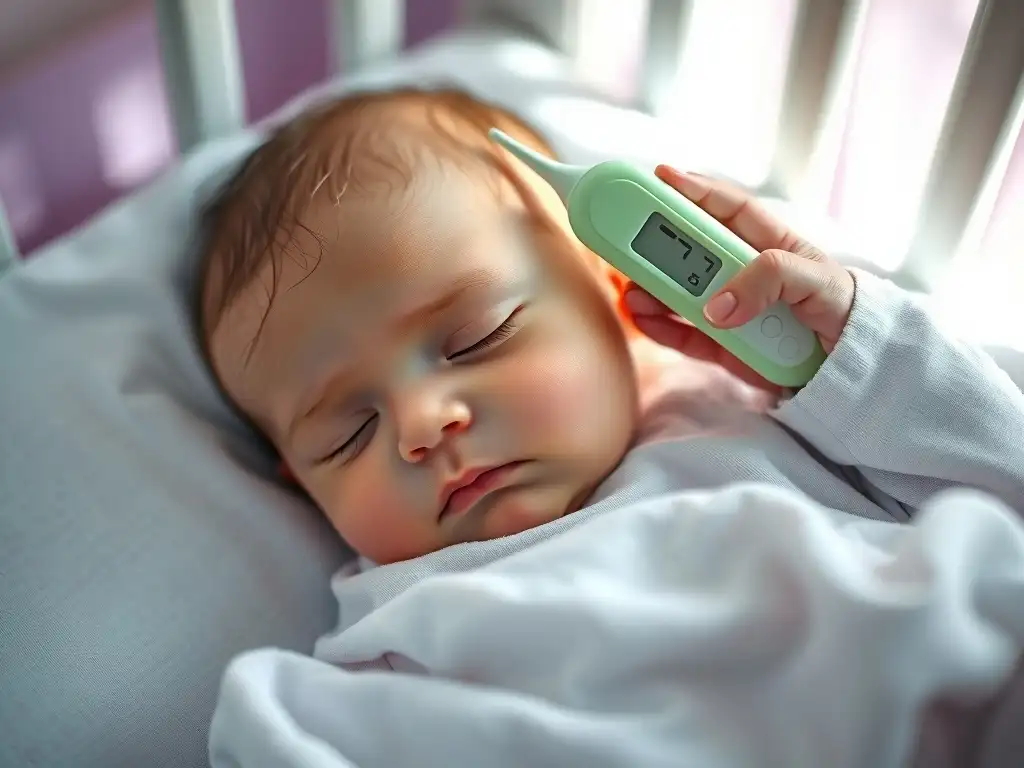
Welcome to BabyCareHub, your ultimate guide to navigating the incredible journey of parenthood. Are you facing the worry of a feverish baby who's also vomiting? We understand the immediate concern this causes. This is why we've created a detailed, step-by-step guide on Baby vomiting fever treatment, offering expert advice and practical solutions to help you handle this situation confidently. Discover how to identify the cause, when to seek immediate medical attention, and what steps you can take to soothe and care for your little one. Let's explore the crucial information you need to navigate this challenge.
- Understanding Baby Vomiting and Fever: A Parent's Guide
- Baby Vomiting Fever Treatment: Home Care Strategies
- Baby Vomiting Fever Treatment: Preventing Dehydration
- When to Call the Doctor: Baby Vomiting and Fever
- Baby Vomiting Fever Treatment: Prevention and Future Care
- Frequently Asked Questions
- Final Reflection: Navigating the Storm: When Fever and Vomiting Strike
- Take Control: Nurturing Your Little One Back to Health
Understanding Baby Vomiting and Fever: A Parent's Guide
Navigating the world of newborn care can be overwhelming, especially when faced with unexpected health concerns. This guide provides first-time parents with crucial information on managing a common yet worrying situation: when your baby is experiencing both vomiting and a fever. We will explore the symptoms of both vomiting and fever in infants, help you differentiate between normal spitting up and concerning vomiting, and offer a clear understanding of when professional medical attention is necessary.
Remember, while this guide offers valuable information, it's crucial to consult your pediatrician for personalized advice and treatment for your baby. Early intervention is key to ensuring your little one's health and well-being.
This article aims to equip you with the knowledge to confidently address "Baby vomiting fever treatment" and similar concerns. We'll cover everything from recognizing the signs to knowing when to seek immediate medical help, helping you navigate this challenging situation with greater ease and confidence.
Recognizing the Symptoms of Vomiting in Infants
Vomiting in babies can manifest in various ways, ranging from forceful expulsion of stomach contents to a gentler, more passive regurgitation. Understanding the nuances of these symptoms is crucial for accurate assessment. Here's a breakdown of what to look for:
- Forceful Vomiting: This involves a strong projection of stomach contents, often accompanied by distress and crying. The amount of vomit can vary, from small amounts to larger volumes. The vomit might contain undigested food or a slightly greenish tinge. 😨
- Passive Regurgitation: This is a more gentle outflow of milk or formula, often occurring after feeding. It's usually small in volume and doesn't typically cause distress to the baby. This is often more common in newborns and is usually not a cause for concern.
- Projectile Vomiting: This is a forceful expulsion of vomit that is projected a significant distance. This warrants immediate medical attention as it could indicate a serious underlying issue. 🚨
- Frequency: Note the frequency of vomiting episodes. Is it happening once or twice a day, or is it more frequent? Frequent vomiting can lead to dehydration.
- Other Symptoms: Pay close attention to accompanying symptoms like diarrhea, lethargy, changes in bowel movements, or difficulty breathing. These could indicate a more serious condition.
Distinguishing Between Spitting Up and Vomiting
Many parents confuse spitting up with vomiting. While both involve the expulsion of stomach contents, there are key differences:
| Feature | Spitting Up | Vomiting |
|---|---|---|
| Force | Gentle, passive | Forceful, projectile |
| Volume | Small amount | Can be large, varies significantly |
| Frequency | Often after feedings, may be frequent | Less frequent, may be associated with other symptoms |
| Baby's Reaction | Usually calm, content | Often distressed, crying |
| Appearance | Mostly milk or formula; may be slightly curdled | May contain undigested food, bile (greenish) |
Spitting up is often considered normal, especially in newborns. However, persistent or excessive spitting up warrants a consultation with your pediatrician. Vomiting, on the other hand, is generally a more serious concern and requires closer monitoring.
Fever in Babies: Recognizing the Signs and Taking Temperatures
A fever in a baby is a significant indicator of potential illness and requires careful attention. While a slightly elevated temperature might be harmless, a high fever needs immediate medical evaluation.
- Recognizing the Signs: Babies might exhibit various signs of a fever, including: feeling warm to the touch, fussiness or irritability, lethargy, decreased appetite, and rapid breathing. Some babies might also have a rash or other symptoms depending on the underlying cause.
- Taking Temperatures: Accurately measuring your baby's temperature is crucial. You can use a rectal thermometer (most accurate for babies), an axillary (armpit) thermometer, or a temporal artery thermometer (forehead). Always follow the manufacturer's instructions carefully. Remember that normal temperatures can vary slightly. Consult your pediatrician for guidance on what constitutes a fever in your baby. A temperature of 100.4°F (38°C) or higher, rectally, is generally considered a fever. 🤒
Remember to always consult your pediatrician if your baby exhibits any concerning symptoms. Early intervention is crucial for managing illnesses effectively and ensuring your baby's well-being.
When to Seek Immediate Medical Attention for Baby Vomiting and Fever
Baby vomiting and fever can be alarming for new parents. While many instances are relatively mild and resolve on their own, some situations require immediate medical attention. Knowing when to seek help is crucial for your baby's well-being. Prompt intervention can prevent serious complications and ensure your little one receives the necessary care.
Several warning signs indicate that you should seek immediate medical attention. These include:
- Lethargy or unusual sleepiness: If your baby is unusually unresponsive or difficult to rouse, this could signal a more serious underlying issue. A persistently lethargic baby needs immediate evaluation.
- Dehydration: Dehydration is a significant concern, especially in babies. Signs of dehydration include dry mouth, sunken eyes, fewer wet diapers than usual, and decreased urination. Severe dehydration can be life-threatening, requiring prompt medical intervention. This is particularly important to monitor when vomiting and fever are present, as both contribute to fluid loss.
- Persistent vomiting: While some vomiting is to be expected, persistent vomiting (vomiting multiple times in quick succession or vomiting for more than 24 hours) warrants a visit to the doctor. This could indicate gastroenteritis, a more serious infection, or another underlying condition.
- High fever: A high fever (typically above 100.4°F or 38°C rectally, though thresholds may vary slightly depending on the baby's age and individual circumstances), especially when accompanied by other symptoms like vomiting, should prompt immediate medical attention. High fevers can indicate serious infections requiring treatment. Always consult your pediatrician regarding appropriate fever management strategies.
- Difficulty breathing: Any difficulty breathing, rapid breathing, or unusual breathing sounds (wheezing, grunting) are serious symptoms requiring immediate medical attention. These can be signs of respiratory infection or other life-threatening conditions.
- Bloody vomit or stool: The presence of blood in your baby's vomit or stool is a serious sign that requires immediate medical attention. It may indicate internal bleeding, which requires prompt diagnosis and treatment.
- Signs of severe illness: If your baby exhibits signs of severe illness such as a stiff neck, seizures, or unusual skin rash, do not hesitate to seek immediate medical care. These could be indicators of meningitis or other serious conditions requiring urgent intervention. Trust your instincts – if something feels seriously wrong, it's always best to err on the side of caution.
Remember, this information is for guidance only and does not replace professional medical advice. Always consult your pediatrician or healthcare provider if you have any concerns about your baby's health. Early detection and treatment are key to a positive outcome when dealing with baby vomiting and fever. Don't delay seeking help if you observe any of these warning signs. 👶🩹
Baby Vomiting Fever Treatment: Home Care Strategies

This section focuses on managing a baby's fever and vomiting at home. Remember, this information is for guidance only and should not replace professional medical advice. Always consult your pediatrician if your baby shows signs of severe illness. Early intervention is crucial for effective baby vomiting fever treatment.
Hydration is Key: Offering Fluids to a Vomiting Baby
Dehydration is a significant risk when a baby is vomiting. Restoring and maintaining hydration is paramount in baby vomiting fever treatment. The goal is to replace lost fluids gently and frequently. Avoid large volumes at once, as this can trigger further vomiting. Instead, offer small amounts of fluid frequently.
Suitable fluids include:
- Breast milk or formula (if your baby is usually breastfed or formula-fed): Continue offering these regularly, even in smaller amounts than usual. Your baby's body will absorb what it needs.
- Electrolyte solutions specifically formulated for infants: These solutions help replace vital electrolytes lost through vomiting and diarrhea (if present). Always follow the dilution instructions carefully.
- Plain water (in small amounts and only if your pediatrician approves): Water alone may not replace all lost electrolytes, but it can help with hydration.
Signs of dehydration in babies include:
- Sunken eyes
- Dry mouth and tongue
- Fewer wet diapers than usual
- Lethargy or unusual sleepiness
- No tears when crying
If you notice any of these signs, seek immediate medical attention. Early intervention is key to successful baby vomiting fever treatment. Consistent monitoring of your baby's hydration status is crucial.
Oral Rehydration Solutions (ORS) for Babies
Oral Rehydration Solutions (ORS) are specifically designed to replace fluids and electrolytes lost due to vomiting and diarrhea. They are a vital component of effective baby vomiting fever treatment. However, it's crucial to use solutions specifically formulated for infants. Adult ORS solutions may contain inappropriate levels of electrolytes for a baby's delicate system.
When using infant ORS:
- Follow the instructions on the packaging precisely. Incorrect dilution can be harmful.
- Offer small amounts frequently using a syringe or a small spoon. Avoid forcing your baby to drink.
- Monitor your baby's response carefully. If vomiting persists, contact your doctor.
Remember, ORS is a supplementary measure, not a replacement for breast milk or formula. Continue offering these regularly alongside the ORS as part of your baby vomiting fever treatment strategy. The combination of gentle feeding and electrolyte replenishment is often the most effective approach.
Small, Frequent Feedings: Adjusting Your Baby's Diet
When your baby is vomiting, it's tempting to withhold food entirely. However, this can worsen dehydration. Instead, adjust your baby's feeding schedule to smaller, more frequent meals. This approach is a cornerstone of effective baby vomiting fever treatment.
Recommendations:
- Offer smaller portions of breast milk or formula more frequently than usual.
- If your baby is on solids, consider bland foods like plain rice cereal or toast. Avoid sugary or greasy foods.
- Observe your baby's tolerance to food. If vomiting persists after a feeding, reduce the portion size for subsequent feedings.
- Introduce new foods gradually, monitoring for any adverse reactions.
Remember, every baby is different. What works for one baby might not work for another. Close observation and careful adjustment of your baby's diet are essential parts of successful baby vomiting fever treatment. Don't hesitate to consult your pediatrician for personalized advice. They can provide tailored guidance based on your baby's specific needs and health status.
Rest and Comfort: Creating a Soothing Environment for Your Baby
When your baby is experiencing both fever and vomiting, ensuring adequate rest and comfort is paramount. A calm and soothing environment can significantly ease their discomfort and aid in recovery. This means minimizing stimulation and focusing on creating a peaceful atmosphere. Avoid bright lights, loud noises, and excessive activity. Instead, opt for a dimly lit room with soft, gentle music playing in the background. White noise machines can also be helpful in masking disruptive sounds.
Creating a comfortable sleeping space is crucial. Ensure your baby's bedding is clean, soft, and breathable. A slightly elevated position, achieved by placing a rolled-up towel under the mattress, can help reduce reflux and breathing difficulties, especially if vomiting is persistent. Frequent, smaller feeds of breast milk or formula, if your baby is willing to take them, can also help maintain hydration and comfort.
Remember, small, frequent sips are better than forcing larger volumes. Skin-to-skin contact can offer significant soothing benefits, promoting feelings of security and warmth and regulating your baby's body temperature. This is especially helpful if your baby is experiencing chills associated with the fever. Remember to monitor your baby's temperature regularly during skin-to-skin contact to ensure it doesn't rise further.
Monitoring Your Baby's Condition: Tracking Symptoms
Closely monitoring your baby's condition is crucial when dealing with fever and vomiting. This involves vigilant observation and meticulous record-keeping. Keep a detailed log of your baby's temperature, noting the time and the reading. Use a reliable thermometer, preferably a digital rectal thermometer for the most accurate readings in infants. Note the frequency and volume of vomiting episodes. Record the color and consistency of the vomit. Is it clear, yellow, green, or bloody?
This information is valuable in determining the underlying cause and the severity of the illness. Observe your baby's urine output, noting the frequency and color. Decreased urine output can be a sign of dehydration, a serious complication of vomiting. Pay attention to your baby's overall behavior and alertness. Are they lethargic, irritable, or unusually quiet? Are they feeding normally, or are they refusing food and liquids? Any changes in behavior or alertness should be noted and reported to your pediatrician.
Document any other symptoms, such as diarrhea, rash, or respiratory distress. This comprehensive record will help your doctor assess your baby's condition accurately and guide the appropriate treatment. Remember, early detection and prompt medical attention are key in managing a baby's fever and vomiting effectively. Don't hesitate to contact your pediatrician if you have any concerns or observe any worsening symptoms. Early intervention can prevent serious complications and ensure your baby’s swift recovery. This detailed record will also be invaluable when discussing your baby’s condition with healthcare professionals.
Baby Vomiting Fever Treatment: Preventing Dehydration

Fever and vomiting in babies can be alarming, but swift action in preventing dehydration is crucial. This section focuses on recognizing the signs of dehydration and implementing preventative measures. Effective management of these symptoms significantly improves your baby's chances of a speedy recovery and minimizes the need for more intensive baby vomiting fever treatment. Remember, early intervention is key when dealing with a sick infant. This is especially important when considering the potential for rapid dehydration in babies due to their smaller body size and higher metabolic rate.
Recognizing Signs of Dehydration in Infants
Recognizing dehydration early is paramount. While a fever and vomiting might seem like the primary concerns, dehydration poses a serious threat. Babies, with their smaller fluid reserves, dehydrate much faster than adults. Look out for these tell-tale signs:
- Dry mouth and tongue: Your baby's mouth may feel unusually dry, and their tongue might appear coated or sticky.
- Sunken eyes: The eyes may appear slightly sunken into their sockets.
- Few or no wet diapers: A significant decrease in the number of wet diapers is a major warning sign. This indicates reduced urine output, a direct consequence of dehydration. For babies under 6 months old, fewer than six wet diapers in 24 hours is cause for concern. For older babies, this number will vary but a drastic reduction is always a red flag.
- Lethargy and irritability: A dehydrated baby might seem unusually listless, irritable, or unresponsive. They may not be as playful as usual and may show signs of extreme fatigue.
- Sunken fontanelle (soft spot): In infants, the soft spot on the top of the head (fontanelle) may appear sunken. This is a particularly serious sign of severe dehydration.
- Dry skin: Pinching the skin and seeing how slowly it returns to its normal position (turgor) is a method used by healthcare professionals to assess dehydration. Slow skin turgor indicates dehydration.
The presence of even one or two of these symptoms warrants immediate attention. Don't hesitate to contact your pediatrician or seek medical advice. Early intervention can significantly impact the outcome. Remember, a proactive approach to baby vomiting fever treatment starts with recognizing the subtle signs of dehydration. Always err on the side of caution when dealing with a sick infant.
Preventing Dehydration: Tips for Parents
Preventing dehydration is a cornerstone of baby vomiting fever treatment. Here are some practical steps parents can take:
- Frequent small sips of fluids: Offer your baby small amounts of fluids frequently rather than large quantities at once. Breast milk or formula remains the best option for infants, providing essential electrolytes and nutrients. For older babies, you can offer oral rehydration solutions (ORS) specifically formulated for infants. Avoid sugary drinks as they can worsen diarrhea.
- Monitor fluid intake: Keep a close eye on how much your baby is drinking. This helps you gauge their hydration levels and adjust fluid intake accordingly.
- Avoid foods that can worsen vomiting: While your baby may not be hungry, avoid giving them solid foods that could trigger further vomiting, at least until the vomiting subsides.
- Rest and comfort: Ensure your baby gets plenty of rest. A comfortable and calm environment can help reduce stress and aid recovery.
- Cool compresses: For fever management, cool compresses can help lower the temperature. Avoid using ice directly on the skin.
Remember, consistent monitoring and prompt action are critical. Even if your baby seems to be improving, continue offering fluids regularly. Dehydration can develop insidiously. The combination of fever and vomiting increases the risk significantly.
When to Seek Medical Help for Dehydration
While home management can often address mild dehydration, certain situations demand immediate medical attention:
| Symptom | Severity | Action |
|---|---|---|
| Lethargy/Unresponsiveness | Significant decrease in responsiveness | Seek immediate medical attention. |
| Sunken fontanelle | Visible depression of the soft spot | Emergency medical care is required. |
| Persistent vomiting (more than 24 hours) | Ongoing vomiting despite fluid intake | Consult a doctor immediately. |
| Very few or no wet diapers (prolonged) | Significant reduction in urine output for hours | Urgent medical attention is necessary. |
| High fever (above 102°F or 39°C) | Elevated body temperature that doesn't respond to treatment | Seek medical advice promptly. |
| Blood in vomit or stool | Presence of blood in vomit or stool | Requires immediate medical evaluation. |
If you are unsure about your baby's condition or if symptoms worsen, it's always best to err on the side of caution and seek medical advice. Don't delay seeking help if you are concerned. Early intervention can prevent serious complications. Your pediatrician is the best resource for guidance on baby vomiting fever treatment and managing your baby's health.
When to Call the Doctor: Baby Vomiting and Fever
Knowing when to seek professional medical attention for your baby's vomiting and fever is crucial. While occasional vomiting and low-grade fevers can be relatively benign, certain situations warrant immediate medical intervention. This section aims to equip you with the knowledge to make informed decisions regarding your baby's health. Remember, this information is for guidance only and does not replace professional medical advice. Always consult your pediatrician or healthcare provider if you have any concerns.
Persistent Vomiting: How Long is Too Long?
Persistent vomiting in babies is a serious concern, especially when coupled with a fever. The duration of vomiting is a key indicator of severity. Generally, vomiting that lasts for more than twelve hours without improvement should prompt a call to your doctor. This is particularly true if your baby is also exhibiting signs of dehydration, such as decreased urination, dry mouth, sunken eyes, or lethargy. Keep a detailed record of the vomiting episodes – noting the time, volume, and the nature of the vomit (e.g., watery, bilious, or containing blood).
This information will be extremely helpful for your doctor in assessing the situation. Even if the vomiting seems to subside temporarily, but then recurs, it's essential to monitor the situation closely and seek medical advice. Early intervention can prevent complications. Accurate and thorough record-keeping is paramount in effectively communicating the situation to healthcare professionals.
High Fever with Vomiting: Warning Signs
A high fever, typically defined as 100.4°F (38°C) or higher rectally in babies, combined with vomiting, represents a significant cause for concern. The combination increases the risk of dehydration and points towards a potentially more serious underlying illness. Pay close attention to the type of fever. A fever that spikes suddenly and remains high, or fluctuates erratically, warrants immediate medical attention. Additionally, look out for other symptoms that might accompany the high fever and vomiting, such as:
- Lethargy or unusual sleepiness: Is your baby unusually difficult to rouse or unresponsive?
- Irritability or fussiness: Is your baby more irritable or crying inconsolably than usual?
- Refusal to feed: Is your baby refusing to breastfeed or take formula? This is a significant warning sign of dehydration.
- Rash: The appearance of a rash can indicate various infections and should be reported to your doctor.
- Difficulty breathing: Rapid breathing or labored breathing is a serious sign requiring immediate medical attention.
- Diarrhea: Vomiting coupled with diarrhea significantly increases the risk of dehydration.
The presence of any of these additional symptoms alongside high fever and vomiting should trigger an immediate call to your pediatrician or emergency services. Don't hesitate to seek help; prompt medical attention can make a significant difference in your baby's outcome.
Other Symptoms Accompanying Vomiting and Fever
Beyond persistent vomiting and high fever, other symptoms can help determine the severity of your baby's condition and guide your decision on when to seek medical care. These symptoms, often overlooked, can provide valuable clues for diagnosing the underlying cause of the vomiting and fever. Consider the following:
| Symptom | Description | Severity |
|---|---|---|
| Headache | Persistent or severe headache, especially in older infants. | Could indicate meningitis or other serious conditions; seek medical attention. |
| Stiff Neck | Resistance to passive neck flexion. | A serious sign potentially indicating meningitis; needs immediate medical attention. |
| Seizures | Convulsions or uncontrolled muscle spasms. | Medical emergency; call emergency services immediately. |
| Changes in alertness | Lethargy, unusual sleepiness, or unresponsiveness. | Indicates severe illness; seek immediate medical attention. |
| Breathing difficulties | Rapid breathing, grunting, or retractions (sucking in of the chest between ribs). | Medical emergency; call emergency services immediately. |
| Dehydration signs | Sunken eyes, dry mouth, decreased urination, lack of tears. | Requires prompt medical attention to prevent serious complications. |
| Bloody vomit or stool | Presence of blood in vomit or stool. | Medical emergency; call emergency services immediately. |
The presence of any of these additional symptoms alongside vomiting and fever necessitates immediate medical attention. Do not delay seeking help if you observe any of these warning signs. Remember, your baby's health is paramount, and early intervention is key to a positive outcome. Early detection and treatment of serious illnesses can significantly improve your baby's chances of a speedy recovery. 👶
Age-Specific Considerations for Vomiting and Fever
Infants, particularly those under three months old, are especially vulnerable when experiencing both vomiting and a fever. Their immature immune systems make them more susceptible to serious infections. A fever in this age group, even if seemingly mild, warrants immediate medical attention. Vomiting, coupled with a fever, can quickly lead to dehydration, a life-threatening condition in such young babies. Parents should not hesitate to contact their pediatrician or seek emergency care if their infant under three months exhibits these symptoms. Early intervention is crucial for preventing potentially severe complications.
For babies between three and six months, the situation is somewhat less critical, but still requires careful monitoring. While a fever might be associated with a common viral infection, the persistent vomiting needs attention. Dehydration remains a significant concern, and parents should watch for signs like decreased wet diapers, sunken eyes, and lethargy. If the vomiting is forceful or accompanied by other symptoms like diarrhea or difficulty breathing, immediate medical consultation is necessary. The pediatrician can assess the severity of the situation and recommend appropriate treatment, potentially including rehydration therapy.
Babies aged six months to one year are slightly more resilient, but the combination of fever and vomiting still demands vigilance. The frequency and intensity of the vomiting should be noted, along with the baby's overall demeanor. While some viral illnesses cause both symptoms, other more serious conditions could be at play.
Persistent high fever (above 102°F or 39°C rectally) or vomiting that prevents adequate fluid intake necessitates seeking medical advice. The doctor can help determine the underlying cause and provide guidance on managing the symptoms safely. Parents should also be aware of potential signs of more serious conditions, such as ear infections, which can present with both fever and vomiting.
Beyond one year of age, while the risk isn't as high as with younger infants, the combination of fever and vomiting still warrants careful observation and appropriate medical intervention if necessary. The severity and duration of both symptoms should be considered. While some milder viral infections resolve on their own, persistent or worsening symptoms, such as severe dehydration, persistent high fever, or the presence of other concerning symptoms (e.g., bloody vomit, severe abdominal pain, lethargy), require a doctor's assessment.
Parents should prioritize the child's comfort and ensure adequate fluid intake, but not hesitate to seek professional medical help if needed. Remember, it's always better to err on the side of caution when dealing with a sick baby.
Baby Vomiting Fever Treatment: Prevention and Future Care

This section focuses on proactive measures you can take to minimize the risk of future episodes of vomiting and fever in your baby. Remember, prevention is key to ensuring your little one's health and well-being. While this information is helpful, it's crucial to consult your pediatrician for personalized advice and treatment plans regarding your baby's specific health needs. They can provide the best guidance on managing your baby's condition and preventing future occurrences.
Preventing Future Episodes of Vomiting and Fever
Preventing future episodes of vomiting and fever in babies involves a multi-pronged approach focusing on hygiene, diet, and overall wellness. Good hygiene practices significantly reduce the risk of viral and bacterial infections, common culprits behind fever and vomiting.
Thorough handwashing before handling your baby is paramount. This simple act can dramatically decrease the transmission of germs. Regular cleaning and disinfection of surfaces your baby comes into contact with, such as toys and feeding equipment, are equally important. This minimizes the chances of your baby ingesting harmful bacteria or viruses.
Beyond hygiene, maintaining a healthy and balanced diet plays a crucial role. Proper nutrition strengthens your baby's immune system, making them more resilient to infections. A diet rich in fruits, vegetables, and whole grains provides the essential vitamins and minerals needed for optimal immune function. Avoid giving your baby honey before their first birthday, as it can contain harmful bacteria.
Furthermore, ensuring adequate hydration is vital. Dehydration can exacerbate vomiting and fever, making recovery more challenging. Offer your baby frequent small sips of fluids, such as breast milk, formula, or electrolyte solutions (as recommended by your pediatrician). Monitor their hydration levels closely by checking their wet diapers and the moistness of their mouth.
Developing a Healthy Diet for Your Baby
A well-balanced diet is crucial for preventing future instances of vomiting and fever. A healthy diet contributes significantly to a robust immune system, better equipped to fight off infections. The type of diet will depend on your baby's age and developmental stage.
For breastfed babies, ensuring the mother maintains a healthy diet is essential. Breast milk provides crucial antibodies and nutrients that protect the baby. For formula-fed babies, choosing a high-quality formula that meets their nutritional needs is vital.
Introduce solid foods gradually, following your pediatrician's recommendations. Start with single-ingredient purees and slowly introduce new foods, monitoring for any allergic reactions or digestive issues. Avoid giving your baby foods that are known to be common allergens, such as peanuts, eggs, and dairy, until they are older. Introduce these foods one at a time, waiting a few days before adding another to identify potential reactions.
Pay attention to food safety. Ensure all foods are prepared and stored correctly to minimize the risk of foodborne illnesses. Always wash your hands thoroughly before preparing your baby's food.
Boosting Your Baby's Immunity
A strong immune system is the first line of defense against infections causing fever and vomiting. Several strategies can help boost your baby's immunity.
- Breastfeeding: Breast milk provides essential antibodies and nutrients that strengthen your baby's immune system. If possible, continue breastfeeding for as long as recommended by your pediatrician.
- Vaccinations: Ensure your baby receives all recommended vaccinations according to the vaccination schedule provided by your pediatrician. These vaccinations protect against various diseases that can cause fever and vomiting.
- Adequate Sleep: Sufficient sleep is crucial for immune system function. Establish a consistent sleep routine for your baby to promote restful sleep.
- Stress Reduction: While difficult to quantify, minimizing stress in your baby's environment can contribute to a healthier immune response. A calm and nurturing environment can positively impact their overall well-being.
- Regular Checkups: Regular checkups with your pediatrician help monitor your baby's growth and development, identify potential health issues early, and ensure they are receiving the necessary care to maintain optimal health. This proactive approach is vital in preventing future illnesses.
Remember, while these strategies can significantly reduce the risk of future episodes, they are not foolproof. If your baby experiences vomiting and fever again, consult your pediatrician immediately. Early intervention is key to managing these symptoms effectively and ensuring your baby's quick recovery. 👶
Building a Strong Parent-Child Bond During Illness
Experiencing your baby's illness, especially when it involves fever and vomiting, can be incredibly stressful. However, this challenging time also presents an opportunity to strengthen the parent-child bond. Consistent, loving care during these vulnerable moments can profoundly impact your baby's emotional development and sense of security. The physical closeness of comforting your baby, providing soothing touches, and offering gentle words creates a sense of safety and reassurance. This tactile interaction releases oxytocin, often called the "love hormone," in both you and your baby, fostering a deeper connection.
Remember that even seemingly small gestures, such as softly stroking your baby's hair while they rest or singing a lullaby, can significantly ease their discomfort and strengthen your bond. Your calm presence and reassuring demeanor will help your baby feel safe and loved, even amidst the distress of illness. This consistent nurturing during a challenging period builds trust and security, forming a strong foundation for your relationship as your baby grows.
Consider skin-to-skin contact whenever possible, as this promotes calmness and regulates your baby's body temperature and heart rate. This close physical contact also helps you become more attuned to your baby's subtle cues, allowing for more responsive and effective care.
Beyond physical affection, verbal reassurance plays a vital role. Speaking softly and calmly to your baby, even if they don't understand the words, can have a calming effect. Narrating your actions – "Mommy's cleaning your face now," or "Daddy's giving you a little sip of water" – creates a sense of predictability and control in a situation that might otherwise feel chaotic to your little one.
This consistent communication builds a sense of connection and trust, reinforcing the parent-child bond during this difficult time. Remember to prioritize self-care as well; you can't pour from an empty cup. Taking care of your own emotional and physical well-being allows you to be a more present and effective caregiver, ultimately strengthening the parent-child bond.
Frequently Asked Questions
What should I do if my baby has a fever and is vomiting?
If your baby has a fever and is vomiting, seek immediate medical attention. This combination of symptoms requires professional evaluation to rule out serious illnesses. Don't delay; contact your pediatrician or go to the emergency room.
Is vomiting with a fever always serious in babies?
Not always, but it warrants careful monitoring and potentially medical intervention. Mild viral infections can cause both, but more serious conditions need to be ruled out by a doctor. Never hesitate to contact your pediatrician if you are concerned.
How can I help my baby stay hydrated if they're vomiting?
Offer small, frequent amounts of electrolyte solution specifically designed for infants. Avoid sugary drinks. If your baby continues to vomit, contact your doctor immediately to prevent dehydration.
When should I worry about my baby's fever and vomiting?
Worry if the vomiting is projectile or frequent, if your baby is lethargic or unresponsive, or if the fever is very high or persistent. Also, pay attention to other symptoms like diarrhea, rash, or difficulty breathing.
What are some common causes of fever and vomiting in babies?
Common causes include viral infections like the flu or gastroenteritis. Other possibilities include bacterial infections, ear infections, or food allergies. A doctor can determine the underlying cause and recommend appropriate treatment.
The unsettling experience of a feverish, vomiting baby is a universal parental fear, a stark reminder of our children's vulnerability. This fear, however, can be mitigated with knowledge and preparedness. Understanding the potential causes, recognizing warning signs, and knowing when to seek professional help are crucial steps in navigating this challenging situation. The information presented in this article aims to empower parents with the tools to respond effectively and confidently.
The emotional toll of witnessing a sick child is immense, a feeling deeply etched in the memory of every parent who has faced it. The constant worry, the sleepless nights, the overwhelming sense of responsibility – these are all part of the experience. Yet, amidst the anxiety, there's also a profound strength that emerges, a fierce determination to protect and care for our little ones. The most beautiful thing you can wear is confidence.
This confidence, built on knowledge and informed decision-making, is what truly empowers us to face these challenges head-on.
Now, consider the information you've just read. Take a moment to reflect on the key takeaways. Do you feel more prepared to handle a similar situation in the future? Remember, this article is a resource, a guide to help you navigate the complexities of childhood illness. But ultimately, your intuition and your child's needs should always guide your actions. Don't hesitate to seek professional medical advice when needed; your peace of mind and your child's well-being are paramount. Empower yourself with knowledge, and face the storm with confidence and compassion.
Take Control: Nurturing Your Little One Back to Health
Thank you for seeking information on helping your baby recover from a fever and vomiting. We hope this article has provided reassurance and practical advice. Now, let's focus on getting your little one feeling better!
- Prioritize rest and hydration: This is crucial. Offer small, frequent sips of fluids and ensure plenty of rest. A well-rested baby will recover faster.
- Monitor your baby's progress: Keep a simple record of your baby’s temperature, fluid intake, and the frequency of vomiting episodes. This will help you track their recovery and provide valuable information for your pediatrician if necessary. Regular monitoring allows for early intervention if needed.
- Connect with other parents (optional): Our community forum offers a supportive space to share experiences and learn from others facing similar challenges. Knowing you're not alone can be incredibly helpful.
What will you do today to help your baby feel more comfortable?