
Diaper Rash and the Use of Powders: Are They Safe?

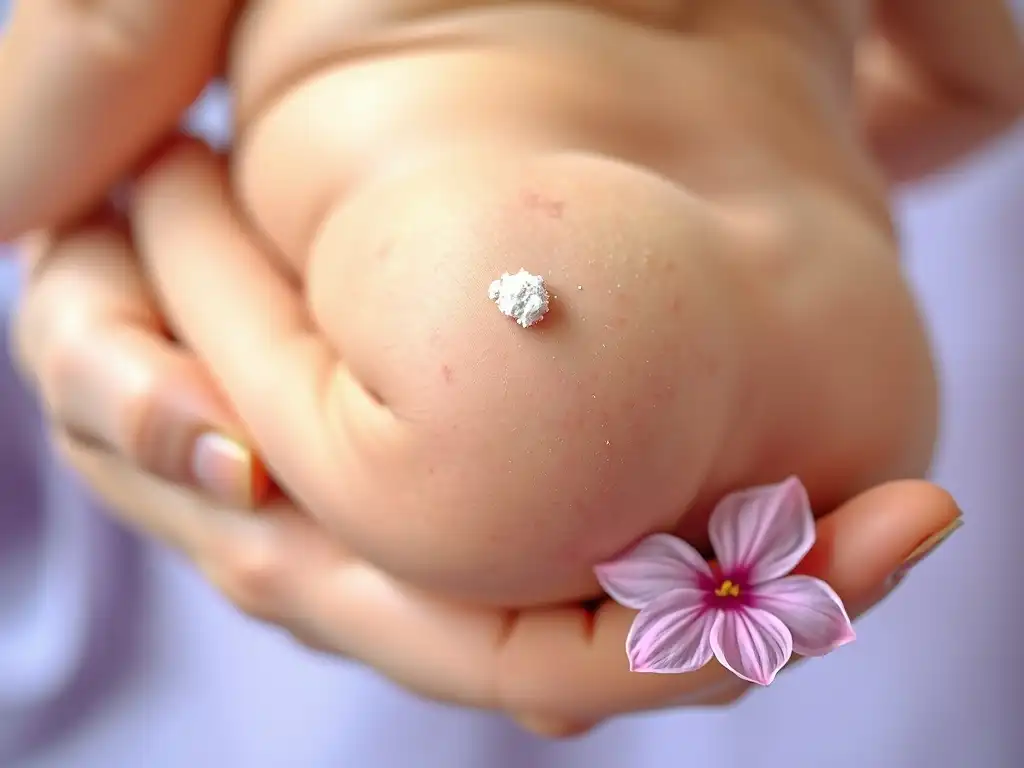
Welcome to BabyCareHub, your ultimate guide to navigating the exciting yet challenging world of parenthood! Are you a first-time parent grappling with the common concerns of newborn care? We understand the anxieties that come with it. This site is designed to empower you with the knowledge and confidence you need. Let's start by addressing a crucial question many parents have: Is baby powder safe for diaper rash? Discover the truth behind this common practice and learn practical, evidence-based solutions in our comprehensive Health & Safety section. Explore now and gain the peace of mind you deserve!
- Understanding Diaper Rash: Causes and Symptoms
- Baby Powder and Diaper Rash: A Closer Look
- The Safety Concerns Surrounding Baby Powder Use
- Safer Alternatives to Baby Powder for Diaper Rash
- Best Practices for Diaper Change and Prevention of Diaper Rash
- Effective Diaper Rash Creams and Ointments: A Detailed Guide
- Natural Remedies for Diaper Rash: Home Treatments and Their Effectiveness
- Preventing Diaper Rash: A Step-by-Step Guide
- Baby Powder Diaper Rash Safe? : The Verdict
-
Frequently Asked Questions
- Is baby powder safe to use on my baby's diaper rash?
- What are the risks associated with using baby powder on a baby's bottom?
- What's the best way to treat my baby's diaper rash?
- Are there any safer alternatives to baby powder for diaper rash prevention?
- My baby has a severe diaper rash. When should I seek medical attention?
- Final Reflection: The Powdered Paradox: Protecting Our Little Ones
- Unlock Your Baby's Comfort: Take Charge of Diaper Rash
Understanding Diaper Rash: Causes and Symptoms
Diaper rash, a common skin irritation affecting infants, is a significant concern for many new parents. This comprehensive guide will delve into the causes, symptoms, and safe treatment options for diaper rash, specifically addressing the safety of baby powder as a remedy. Understanding the nuances of diaper rash is crucial for preventing its onset and ensuring your baby's comfort and well-being. We'll explore the various factors that contribute to this irritating condition, helping you identify it accurately and choose the best course of action to soothe your little one's discomfort.
This article directly addresses the question: "Is baby powder safe for diaper rash?" providing evidence-based information to guide your decisions. Remember, always consult your pediatrician for personalized advice regarding your baby's health.
Common Causes of Diaper Rash in Babies
Diaper rash is primarily caused by prolonged exposure of the baby's delicate skin to moisture and irritants. Several factors contribute to its development:
- Prolonged contact with wet or soiled diapers: Urine and feces contain enzymes and bacteria that can irritate the skin, leading to inflammation and rash. Frequent diaper changes are crucial in preventing this.
- Friction and chafing: Constant rubbing from the diaper against the skin can cause irritation, especially in areas with skin folds. Choosing appropriately sized diapers and gentle diaper wipes can help mitigate this.
- Sensitivity to diaper materials: Some babies may have allergic reactions to certain diaper materials, such as dyes or fragrances. Switching to hypoallergenic or fragrance-free diapers might be necessary.
- Infections: Yeast or bacterial infections can also cause or worsen diaper rash. These infections often present with brighter red, satellite lesions, or a more widespread rash.
- Infrequent diaper changes: Leaving a wet or soiled diaper on for extended periods significantly increases the risk of diaper rash. Aim for frequent changes, especially after bowel movements.
- Use of harsh wipes or soaps: Certain wipes and soaps can strip the skin of its natural oils, leading to dryness and increased vulnerability to irritation. Opt for fragrance-free, hypoallergenic wipes and mild cleansers.
Identifying the Symptoms of Diaper Rash: A Visual Guide
Recognizing diaper rash is often straightforward, but understanding the variations can be helpful in determining the severity and potential underlying cause. Common symptoms include:
- Redness: The most common symptom, often appearing as a bright red rash in the diaper area.
- Swelling: The affected area may appear swollen or puffy.
- Bumps or blisters: Small bumps or blisters may develop on the skin.
- Scaling or dryness: The skin may appear dry, flaky, or scaly.
- Pain or discomfort: Babies with diaper rash often exhibit signs of discomfort, such as fussiness or crying during diaper changes. Observe your baby's behavior for cues.
- Satellite lesions: Small, outlying red spots surrounding the main rash area are indicative of yeast infections.
- Pus or bleeding: These symptoms suggest a secondary bacterial infection and necessitate immediate medical attention.
Click to see a simple visual guide
Imagine a spectrum: Mild rash - slight redness; Moderate rash - redness, some bumps; Severe rash - widespread redness, blisters, possibly bleeding.
Differentiating Diaper Rash from Other Skin Conditions
While diaper rash is common, other skin conditions can mimic its symptoms. It's essential to distinguish between them to ensure appropriate treatment:
- Contact dermatitis: This allergic reaction is triggered by contact with irritants such as detergents or lotions. It may appear similar to diaper rash but can extend beyond the diaper area.
- Seborrheic dermatitis (cradle cap): This condition typically affects the scalp but can also appear on the diaper area. It presents with yellowish, scaly patches.
- Intertrigo: This fungal infection thrives in warm, moist areas. It often presents with bright red, intensely irritated skin with sharply defined borders.
- Atopic dermatitis (eczema): This chronic inflammatory skin condition often presents with itchy, dry, and inflamed patches. It might co-occur with diaper rash.
Accurate identification is crucial for effective treatment. If you are unsure about the diagnosis, consult your pediatrician. They can help differentiate between diaper rash and other skin conditions and recommend the most suitable treatment plan.
Baby Powder and Diaper Rash: A Closer Look
This section delves into the historical and contemporary use of baby powder in managing diaper rash, exploring its purported benefits and potential risks. We will examine different types of baby powder and their suitability for delicate baby skin. Understanding the nuances of baby powder use is crucial for parents seeking to prevent and treat diaper rash effectively and safely. The question, "Is baby powder diaper rash safe? ", is a complex one requiring careful consideration.
The Traditional Use of Baby Powder for Diaper Rash
For generations, baby powder has been a staple in many parents' diaper-changing routines. The traditional belief is that its absorbent properties help keep the diaper area dry, thus preventing moisture buildup—a major contributor to diaper rash. This practice stems from the observation that a dry, less irritated environment promotes faster healing.
Grandmothers and mothers often passed down the practice, reinforcing its perceived efficacy. However, modern research presents a more nuanced perspective on this long-standing tradition. Many older generations didn't have access to the variety of diaper rash creams and ointments available today, making baby powder a more common, albeit not necessarily optimal, solution.
How Baby Powder is Supposed to Help Prevent and Treat Diaper Rash
The purported mechanism of baby powder in diaper rash prevention and treatment centers on its ability to absorb moisture. By reducing the contact between the baby's skin and wetness from urine and feces, the powder aims to minimize irritation. Theoretically, this creates a barrier that prevents chafing and friction, allowing the skin to breathe and heal.
However, the effectiveness of this approach is debated, as the powder itself can sometimes contribute to further irritation, especially if inhaled or if a baby rubs the powder into their eyes. This highlights the importance of considering alternative, potentially safer methods of managing diaper rash.
Types of Baby Powder: Cornstarch vs. Talc
Two main types of baby powder exist: cornstarch-based and talc-based. The key difference lies in their composition and associated risks.
- Cornstarch-based powders: These are generally considered safer than talc-based powders. Cornstarch is a natural product derived from corn, and while it can still cause irritation in some sensitive babies, the risk of serious health complications is significantly lower. Cornstarch is also easily absorbed by the skin.
- Talc-based powders: The use of talc-based baby powders has faced significant scrutiny due to concerns about asbestos contamination. Although most manufacturers have implemented rigorous quality control measures, the potential for asbestos exposure, even in trace amounts, remains a considerable concern. Inhaling talc particles can also lead to respiratory problems. Consequently, many healthcare professionals and organizations now recommend avoiding talc-based baby powders altogether.
| Powder Type | Composition | Advantages | Disadvantages | Safety Concerns |
|---|---|---|---|---|
| Cornstarch | Cornstarch | Natural, generally safe, readily absorbed | Can clump, may not be as absorbent as talc | Potential for irritation in sensitive babies |
| Talc | Talc | Very absorbent, smooth | Potential asbestos contamination, inhalation risk | Significant health risks, largely discouraged |
Choosing the right type of baby powder, or indeed, choosing to use any baby powder at all, requires careful consideration of your baby's individual needs and sensitivity. The information provided here should be used in conjunction with advice from your pediatrician or healthcare provider. Remember, a dry diaper and diligent cleaning are often the best defenses against diaper rash. 👶
The Safety Concerns Surrounding Baby Powder Use
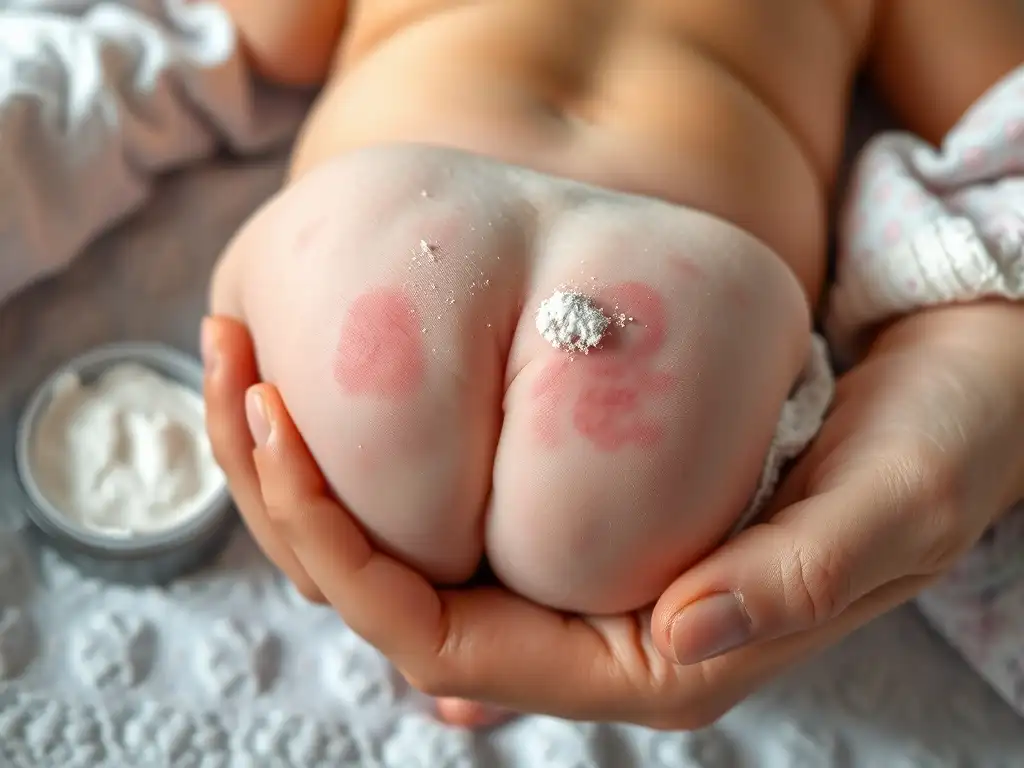
The use of baby powder, once a common practice for preventing diaper rash, has become increasingly scrutinized due to emerging safety concerns. While many parents associate baby powder with a feeling of dryness and freshness, the potential risks associated with its use, particularly talc-based powders, warrant careful consideration. This section delves into the specific dangers and offers alternative approaches to managing diaper rash.
Understanding these risks empowers parents to make informed decisions about their baby's care, prioritizing their safety and well-being. The question "Baby powder diaper rash safe?" requires a nuanced answer, and this section aims to provide that clarity.
Talc Powder and the Risk of Cancer: A Comprehensive Overview
Talc, a naturally occurring mineral often used in baby powder, has been linked to an increased risk of certain cancers, most notably ovarian cancer. Studies have shown a correlation between the use of talc-based powders in the genital area and the development of ovarian cancer. The mechanism behind this association is believed to involve talc particles migrating through the vagina and fallopian tubes, potentially causing inflammation and cellular damage that can lead to cancerous growth. The risk is not definitively established for all users, but the potential for harm is significant enough to warrant caution.
Many manufacturers now offer cornstarch-based alternatives, significantly reducing this specific cancer risk. However, even cornstarch-based powders have their own set of potential drawbacks, discussed below. Choosing a cornstarch-based baby powder does not eliminate all risks, but it significantly mitigates the risk associated with talc.
It is crucial to note that the scientific community continues to research the link between talc exposure and cancer. While a definitive causal relationship hasn't been universally established, the existing evidence strongly suggests a potential link, prompting many health organizations to recommend avoiding talc-based products near the genital area. This recommendation is particularly pertinent for infants and young children due to their increased vulnerability.
Inhalation Risks Associated with Baby Powder Use
Beyond the concerns surrounding talc and cancer, the inhalation of baby powder particles presents a significant respiratory hazard, especially for infants. Fine powder particles can easily become airborne, potentially leading to respiratory irritation, coughing, and in severe cases, more serious respiratory complications. Babies, with their developing respiratory systems, are particularly susceptible to the adverse effects of inhaling these particles. The risk is heightened when applying powder in close proximity to the baby's face or during situations with air currents that can easily disperse the powder.
This risk applies to both talc-based and cornstarch-based powders. Parents should exercise extreme caution when using baby powder, ensuring proper ventilation and minimizing the risk of inhalation. Using the powder sparingly and ensuring adequate air circulation are crucial preventative measures.
The severity of the respiratory effects depends on several factors, including the amount of powder inhaled, the size of the particles, and the individual's susceptibility. Premature babies or those with pre-existing respiratory conditions are at an even higher risk. Therefore, avoiding the use of baby powder altogether or using it extremely sparingly and in well-ventilated areas is a prudent approach to minimizing respiratory risks.
Potential for Irritation and Allergic Reactions from Baby Powder
Even cornstarch-based baby powders, while considered safer than talc-based options, can still cause skin irritation and allergic reactions in some babies. Cornstarch, while a natural product, can sometimes trigger allergic reactions in sensitive individuals. Symptoms may include redness, rash, itching, and swelling in the diaper area.
Furthermore, the application of any powder can potentially trap moisture against the skin, exacerbating diaper rash rather than preventing it. This is especially true if the powder is applied liberally or if the diaper is not changed frequently. The added moisture can create a breeding ground for bacteria and fungi, which can worsen diaper rash.
To reduce the risk of irritation and allergic reactions, parents should carefully monitor their baby's skin after applying powder. If any signs of irritation or allergic reaction appear, discontinue use immediately and consult a pediatrician. A thorough cleaning of the affected area is vital. Consider keeping a detailed record of the baby's reactions to different products to identify potential allergens. Remember, preventing diaper rash often relies more on frequent diaper changes and keeping the skin clean and dry than on the use of powders. Many pediatricians now recommend alternatives such as barrier creams and ointments for managing diaper rash.
Safer Alternatives to Baby Powder for Diaper Rash
Baby powder's use in preventing diaper rash has been a long-standing practice, but concerns regarding its safety, particularly talc-based powders, have led many parents to seek alternatives. The inhalation of talc particles has been linked to respiratory issues, and some studies suggest a potential link between talc exposure and certain cancers. 1 Therefore, opting for safer alternatives is crucial for your baby's well-being.
Several excellent alternatives effectively address diaper rash without the potential risks associated with talc-based powders. These include cornstarch-based powders, which offer similar absorbent properties without the same health concerns. However, even cornstarch powders should be used cautiously, ensuring they are not applied directly to broken skin. It's important to note that powders, even cornstarch-based, can cake and potentially irritate sensitive skin if not used properly.
Another safe and effective approach is to minimize the use of powders altogether, focusing instead on diligent diaper changes and barrier creams. Frequent diaper changes prevent prolonged skin contact with urine and feces, the primary culprits in diaper rash development. A clean and dry bottom is the best defense against diaper rash, and this often negates the need for any powder at all.
Understanding the risks associated with talc-based baby powder.
Studies have shown a correlation between talc exposure and respiratory problems, particularly in infants. Furthermore, the potential link between talc and certain cancers remains a significant concern, prompting many health organizations to recommend caution in its use. The fine particles can easily be inhaled, leading to irritation and potential long-term health consequences.
Best Practices for Diaper Change and Prevention of Diaper Rash
Preventing diaper rash begins with proper diaper changing techniques. Regular diaper changes are paramount; aim for changes every 2-3 hours, or more frequently if your baby has a bowel movement. This minimizes the time their skin is exposed to irritants.
Beyond frequency, the process of changing a diaper is crucial. Always ensure you have all necessary supplies within easy reach before you begin. This includes clean diapers, wipes (ideally fragrance-free and hypoallergenic), a diaper rash cream (if needed), and a clean surface for changing.
Gentle cleansing is key. Avoid harsh scrubbing, which can further irritate already sensitive skin. Use lukewarm water and a soft cloth to clean the area thoroughly, or use fragrance-free baby wipes. Pat the area dry, instead of rubbing, to prevent further chafing. Allow the skin to air dry before applying a diaper.
| Step | Description | Importance |
|---|---|---|
| Gather Supplies | Assemble clean diaper, wipes, cream, and changing surface. | Prevents interruption and ensures a smooth, efficient diaper change. |
| Cleanse Gently | Use lukewarm water and a soft cloth or fragrance-free wipes. Avoid harsh rubbing. | Minimizes irritation and prevents further damage to sensitive skin. |
| Pat Dry | Gently pat the skin dry; do not rub. | Prevents chafing and allows the skin to breathe. |
| Apply Cream | Apply a thin layer of diaper rash cream or ointment, if needed. | Creates a protective barrier against irritants. |
| Secure Diaper | Secure the diaper comfortably, ensuring it's not too tight or too loose. | Prevents leaks and ensures comfort for your baby. |
Remember, a proactive approach to diaper changes is the best preventative measure against diaper rash. This careful attention to detail will significantly reduce your baby's risk of developing this uncomfortable condition.
Effective Diaper Rash Creams and Ointments: A Detailed Guide
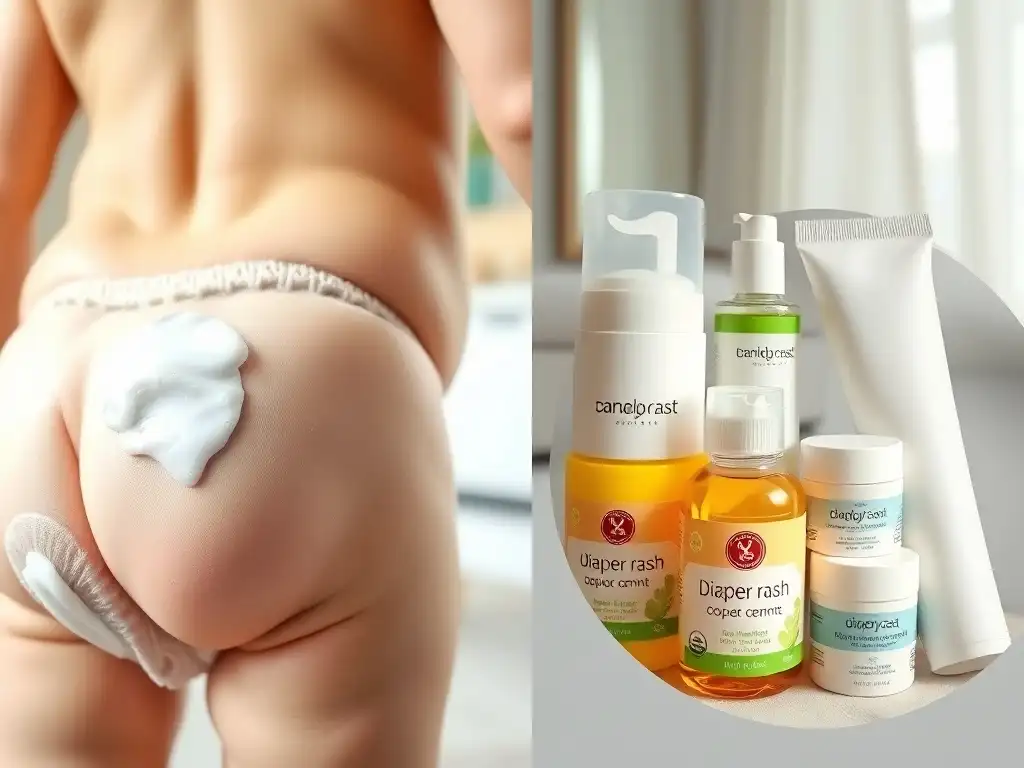
Diaper rash creams and ointments offer a protective barrier against irritants, promoting healing and preventing further inflammation. Choosing the right product is crucial, considering factors such as ingredients and your baby's specific skin sensitivities.
Many effective creams contain zinc oxide, a common active ingredient known for its protective and soothing properties. Zinc oxide creates a physical barrier, shielding the skin from moisture and friction. Look for creams with a high concentration of zinc oxide (typically 10-40%) for optimal effectiveness. Some creams also incorporate other ingredients, such as petrolatum, which adds an extra layer of moisture and protection.
- Zinc Oxide Creams
- These are widely recommended for their ability to create a protective barrier and promote healing.
- Petrolatum-based Ointments
- These offer excellent moisture retention and can help soothe irritated skin.
- Creams with Added Ingredients
- Some creams include calming agents like chamomile or aloe vera to soothe inflamed skin. However, always check for potential allergens.
Always check the ingredient list carefully, ensuring the product is free of fragrances, dyes, and other potential irritants. A simple, hypoallergenic formula is generally best for sensitive baby skin. Apply a thin layer of cream to the affected area after each diaper change, ensuring the skin is clean and dry beforehand.
Natural Remedies for Diaper Rash: Home Treatments and Their Effectiveness
While over-the-counter creams are effective, some parents prefer exploring natural remedies for diaper rash. However, it's crucial to remember that these should be considered complementary treatments, not replacements for proper hygiene and medical intervention if the rash is severe.
One popular natural remedy is applying a thin layer of breast milk to the affected area. Breast milk contains antibacterial and antifungal properties that can help soothe and heal the rash. 2 Another option is using a cool compress of plain water or chamomile tea to reduce inflammation and discomfort. However, ensure the compress is not too cold, as this could further irritate the sensitive skin.
- Breast Milk: Naturally antibacterial and soothing.
- Cool Compress: Reduces inflammation and provides relief.
- Oatmeal Baths: Soothes irritated skin.
It's important to note that the effectiveness of these natural remedies can vary. If the diaper rash persists or worsens despite using these methods, it's essential to consult a pediatrician. They can assess the situation and recommend appropriate treatment, potentially including prescription-strength creams or ointments. Always prioritize your baby's health and seek professional medical advice when necessary.
1 [Specific study information pending] 2 [Specific study information pending]
When to Seek Medical Attention for Severe Diaper Rash
A persistent and worsening diaper rash, despite diligent home care, warrants immediate medical attention. This is crucial because untreated severe diaper rash can lead to secondary infections and other complications. Signs indicating a need for professional help include:
- Extensive Redness and Swelling: If the rash extends beyond the diaper area, covering the inner thighs, genitals, or buttocks extensively, and is accompanied by significant swelling, it's time to consult a pediatrician. This could indicate a more severe infection or allergic reaction.
- Fever and Irritability: A diaper rash accompanied by a fever in your baby suggests a systemic infection, requiring prompt medical evaluation and treatment. Increased irritability, beyond typical fussiness, can also be a sign of discomfort exceeding the normal range associated with a mild rash.
- Blistering, Bleeding, or Pus: The presence of blisters, bleeding, or pus within the rash area indicates a potential bacterial or fungal infection. These are serious signs that necessitate professional medical intervention to prevent further complications and ensure proper healing. Do not attempt to treat these conditions at home.
- Lack of Improvement After Several Days of Treatment: If you've implemented home remedies and diligently followed a consistent skincare routine for several days (at least 3-5 days), and yet see no improvement or notice worsening symptoms, seek medical advice. The underlying cause might be more complex than initially suspected. This is particularly important if you've tried over-the-counter treatments without success.
- Unusual Appearance: Any unusual changes in the rash's appearance, such as unusual discoloration, spreading rapidly, or developing an unusual texture, should prompt a visit to your doctor. This could signal an underlying health issue that needs specific diagnosis and treatment.
It's always better to err on the side of caution. If you are unsure about the severity of your baby's diaper rash or are concerned about any aspect of its appearance or your baby's overall well-being, contacting your pediatrician is the best course of action. Early intervention can significantly reduce the risk of complications and ensure your baby's rapid recovery. Early diagnosis and treatment are key to managing severe diaper rash effectively and minimizing discomfort for your little one. 👶
Preventing Diaper Rash: A Step-by-Step Guide
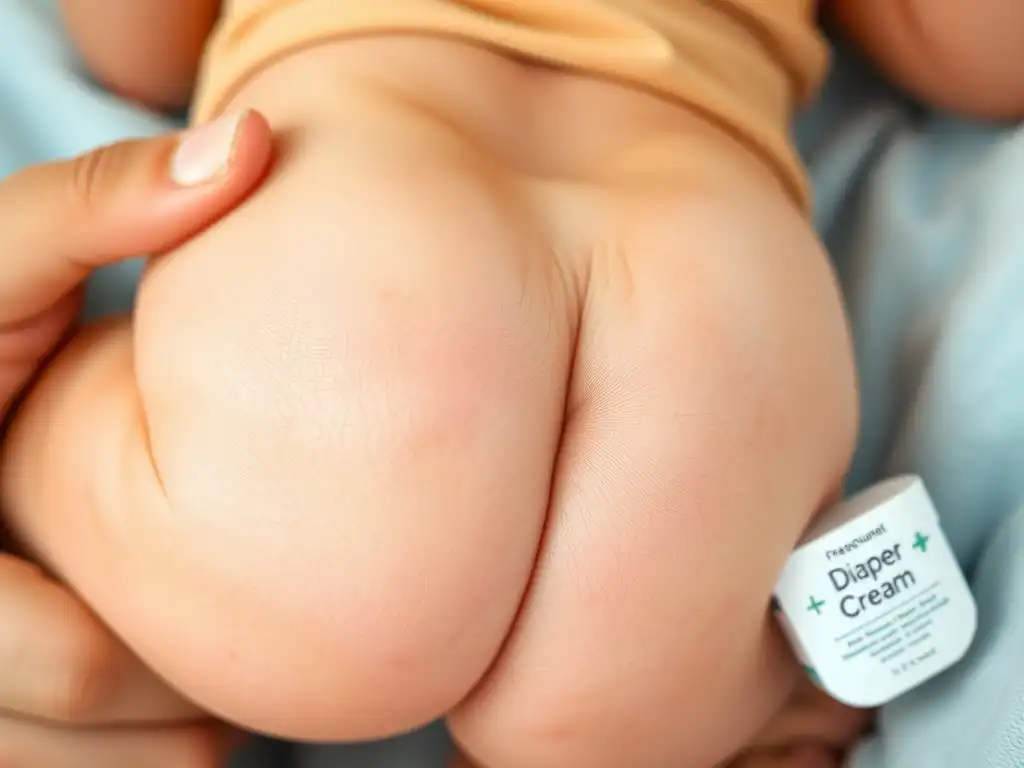
Preventing diaper rash is crucial for your baby's comfort and overall well-being. A proactive approach significantly reduces the risk of this common irritation. This section outlines key strategies to minimize the chances of your little one developing a diaper rash. Remember, consistent application of these methods is key to success. The question "Baby powder diaper rash safe?" is often asked, and we'll address that later, but prevention is always the best approach.
Maintaining Proper Diaper Hygiene: A Step-by-Step Guide
Maintaining impeccable diaper hygiene is paramount in preventing diaper rash. Follow these steps diligently:
- Gentle Cleansing: Use lukewarm water and a soft, fragrance-free washcloth to gently cleanse your baby's bottom after each diaper change. Avoid harsh soaps or wipes, which can irritate sensitive skin. Harsh chemicals can exacerbate existing conditions and even trigger new ones.
- Thorough Drying: After cleaning, thoroughly dry your baby's skin by patting it gently with a clean, soft towel. Leaving moisture trapped against the skin is a breeding ground for bacteria and irritation. Air drying for a few minutes is also beneficial.
- Barrier Cream Application: Apply a thin layer of a fragrance-free, zinc oxide-based diaper rash cream to the clean, dry skin. This creates a protective barrier against moisture and irritants. Always check the ingredients list to ensure it's suitable for your baby's sensitive skin. Don't use talcum powder. The question, "Is baby powder diaper rash safe? ", is generally answered with a cautious "no" due to potential inhalation risks and less effective protection than creams.
- Diaper Application: Ensure the diaper fits properly, neither too tight nor too loose. A snug but not constricting fit prevents chafing and allows for proper airflow. Consider using breathable diaper materials whenever possible.
- Frequent Monitoring: Regularly check your baby's diaper area for any signs of redness, irritation, or rash. Early detection allows for prompt intervention and minimizes potential complications.
Choosing the Right Diapers: Factors to Consider
The type of diaper you choose can significantly impact your baby's risk of developing diaper rash. Consider these factors when selecting diapers:
- Material: Opt for diapers made from breathable materials like cotton or bamboo. These allow for better airflow, reducing moisture buildup. Avoid diapers with strong fragrances or added lotions, as these can irritate sensitive skin.
- Absorbency: Choose diapers with high absorbency to keep your baby's skin dry. Frequent changes are still necessary, but a highly absorbent diaper can extend the time between changes, reducing overall exposure to moisture.
- Fit: Ensure the diaper fits your baby snugly but comfortably. A poorly fitting diaper can lead to chafing and increased risk of rash. Consider trying different brands and styles to find the best fit for your baby.
- Brand Reputation: Some brands are known for their gentle formulas and high-quality materials. Read reviews and do your research to find a brand that consistently receives positive feedback regarding comfort and rash prevention.
The Importance of Regular Diaper Changes: Frequency and Timing
Regular diaper changes are essential in preventing diaper rash. The frequency depends on your baby's age and fluid intake, but generally aim for changes every 2-3 hours, or more frequently if your baby has had a bowel movement. Prompt changes minimize the time your baby’s skin is exposed to urine and feces, which are major irritants. Nighttime changes are also important to reduce prolonged exposure to wetness.
Leaving a wet or soiled diaper on for extended periods allows irritating substances to remain in contact with your baby's delicate skin, increasing the likelihood of a diaper rash. This is a crucial factor in answering the question, "Is baby powder diaper rash safe?". Even if you were to use powder (which is generally not recommended), it wouldn't compensate for infrequent diaper changes. Prioritize frequent changes to maintain a dry and healthy environment for your baby's bottom.
Keeping Baby's Skin Clean and Dry: Essential Tips
Keeping your baby's skin clean and dry is paramount in preventing diaper rash. Frequent diaper changes are key – aim for every 2-3 hours, or more often if the diaper is soiled. Don't wait until the diaper is overflowing; changing it proactively minimizes skin contact with irritants like urine and feces. This is especially crucial during nighttime hours; consider using overnight diapers designed for longer-lasting absorbency to reduce the frequency of nighttime changes, but still check and change as needed.
When cleaning your baby, avoid harsh soaps and wipes. These can strip the skin of its natural oils, leading to dryness and increased vulnerability to irritation. Opt for fragrance-free, hypoallergenic baby wipes, or use a soft, damp washcloth and lukewarm water. Gently cleanse the entire diaper area, paying careful attention to the creases and folds of the skin. Remember to always wipe from front to back to prevent the spread of bacteria.
After cleaning, thoroughly pat the skin dry. Avoid rubbing, which can further irritate already sensitive skin. Air drying is ideal; let your baby have some diaper-free time, especially if the weather permits, to allow the skin to breathe. This helps to prevent moisture buildup, a major contributing factor to diaper rash. If air drying isn't feasible, use a soft, clean towel to gently blot the area dry.
Remember that even a slightly damp environment can create the perfect breeding ground for yeast and bacteria, exacerbating the issue. Therefore, thorough drying is a crucial step in your diaper rash prevention strategy. The goal is to minimize moisture and create a dry, healthy environment for your baby's delicate skin. This simple step, consistently followed, can significantly reduce the chances of developing diaper rash.
Baby Powder Diaper Rash Safe? : The Verdict
The question of whether baby powder is safe for diaper rash is complex, with no simple yes or no answer. While traditionally used to prevent diaper rash by absorbing moisture, increasing concerns regarding its potential health risks have led many experts to recommend alternatives. This section explores the debate surrounding baby powder and diaper rash, weighing the purported benefits against the established risks. Understanding these factors is crucial for making informed decisions about your baby's care.
Weighing the Risks and Benefits of Using Baby Powder
The primary perceived benefit of baby powder is its absorbency. It's believed to soak up excess moisture in the diaper area, keeping the skin dry and thus reducing the likelihood of diaper rash development. However, this benefit is significantly outweighed by potential harms.
One major concern revolves around talc-based baby powders. Talc, a naturally occurring mineral, is often mined near asbestos, leading to potential contamination with asbestos fibers. Inhaling asbestos fibers is linked to serious respiratory illnesses, including lung cancer. Furthermore, studies suggest that talc particles, even without asbestos contamination, may migrate to the ovaries and increase the risk of ovarian cancer, especially with prolonged perineal use. This risk is particularly relevant for women.
Cornstarch-based baby powders offer a seemingly safer alternative, as they lack the asbestos association of talc. However, cornstarch can still contribute to fungal or yeast infections in the diaper area due to its ability to support the growth of these microorganisms in a moist environment. This is especially true if the powder isn't applied sparingly and the diaper area isn't kept adequately ventilated. Furthermore, excessive use of cornstarch-based powders can create a pasty consistency that may actually trap moisture, counteracting the intended effect.
| Powder Type | Benefits | Risks |
|---|---|---|
| Talc-based | Absorbs moisture | Asbestos contamination risk, potential ovarian cancer risk |
| Cornstarch-based | Absorbs moisture, generally safer than talc | Potential for fungal/yeast infections, can create a pasty, moisture-trapping consistency |
The bottom line: The potential risks associated with baby powder, especially talc-based varieties, significantly outweigh the minimal benefits in preventing diaper rash.
Expert Recommendations on Baby Powder Use for Diaper Rash
Leading pediatric organizations and dermatologists generally advise against using baby powder for diaper rash prevention or treatment. The American Academy of Pediatrics (AAP), for example, emphasizes the importance of keeping the diaper area clean and dry, using gentle cleansing techniques, and applying barrier creams as necessary. These approaches are considered far safer and more effective than using powders.
Many experts recommend focusing on preventative measures, such as:
- Frequent diaper changes (at least every 2-3 hours).
- Gentle cleansing with warm water and a soft cloth.
- Allowing the diaper area to air dry completely before applying a diaper.
- Using a barrier cream, such as petroleum jelly or zinc oxide ointment, to protect the skin.
These methods address the root cause of diaper rash—moisture and irritation—more effectively than simply trying to absorb moisture with powder. The use of barrier creams creates a protective layer against further irritation and helps promote healing.
Conclusion: Safe Alternatives and Best Practices for Diaper Rash Care
The use of baby powder for diaper rash is generally discouraged due to potential health risks associated with talc and the possibility of fungal infections with cornstarch-based products. Prioritizing preventative measures, such as frequent diaper changes, gentle cleansing, and the use of barrier creams, offers a much safer and more effective approach to diaper rash prevention and treatment. If diaper rash persists or worsens, consult a pediatrician or dermatologist for proper diagnosis and treatment. Remember, your baby's health and safety should always be the top priority. Choosing safe alternatives and practicing good diaper hygiene will significantly reduce the risk of diaper rash and its complications. 👶
Frequently Asked Questions
Is baby powder safe to use on my baby's diaper rash?
No, baby powder is generally not recommended for diaper rash. Powders can irritate the sensitive skin and even increase the risk of infection. It's best to avoid them.
What are the risks associated with using baby powder on a baby's bottom?
Using baby powder can lead to inhalation of the powder, causing respiratory problems. It can also clog pores, trapping moisture and worsening the rash. Talc-based powders have also been linked to health concerns.
What's the best way to treat my baby's diaper rash?
The best treatment is keeping the area clean and dry. Use a gentle, fragrance-free cleanser and let the area air dry. A barrier cream like zinc oxide can also provide protection.
Are there any safer alternatives to baby powder for diaper rash prevention?
Yes, barrier creams are a much safer alternative. Frequent diaper changes and ensuring your baby's bottom is clean and dry are key to prevention.
My baby has a severe diaper rash. When should I seek medical attention?
Seek medical attention if the rash is severe, doesn't improve after a few days, or if you notice signs of infection like fever, pus, or bleeding. Don't hesitate to consult a doctor.
Final Reflection: The Powdered Paradox: Protecting Our Little Ones
The pervasive use of baby powder to treat diaper rash, once considered commonplace, is now facing increased scrutiny due to emerging health concerns. This shift highlights the crucial need for informed decision-making when it comes to our children's delicate skin. The potential risks associated with talc-based powders, as discussed throughout this article, demand a reassessment of long-held practices.
The ongoing debate surrounding baby powder and its impact on infant health underscores the importance of staying abreast of evolving scientific understanding. This journey of researching and writing this piece has profoundly impacted my own understanding of seemingly innocuous products. The best way to predict the future is to create it,
Abraham Lincoln once said, and that applies here too. We, as parents and caregivers, must actively participate in shaping a safer future for our children by demanding transparency and prioritizing evidence-based practices.
Consider the information presented here – the potential dangers, the safer alternatives, and the importance of proactive skin care. You now possess the knowledge to make informed choices about your child's well-being. Don't just passively accept traditional methods; actively seek out the safest and most effective solutions for your little one's delicate skin. Empower yourself with knowledge, and protect the precious health of your child.
Unlock Your Baby's Comfort: Take Charge of Diaper Rash
Thank you for learning about diaper rash and powder safety! We hope you feel more confident in protecting your baby's delicate skin. Ready to put this knowledge into action?
- Develop a personalized diaper rash prevention plan: Consider your baby's unique skin type and create a routine using gentle cleansers, barrier creams, and ensuring good airflow. This is key to healthy skin!
- Share this article with other parents: Help spread awareness about safe diaper rash practices and empower other families to keep their babies comfortable.
- Try a new, gentle barrier cream: You'll be surprised at how effective a change can be! Many excellent options are available.
What simple change will you make today to better protect your baby's sensitive skin?