
Demystifying Baby Skin Rashes: A Comprehensive Guide

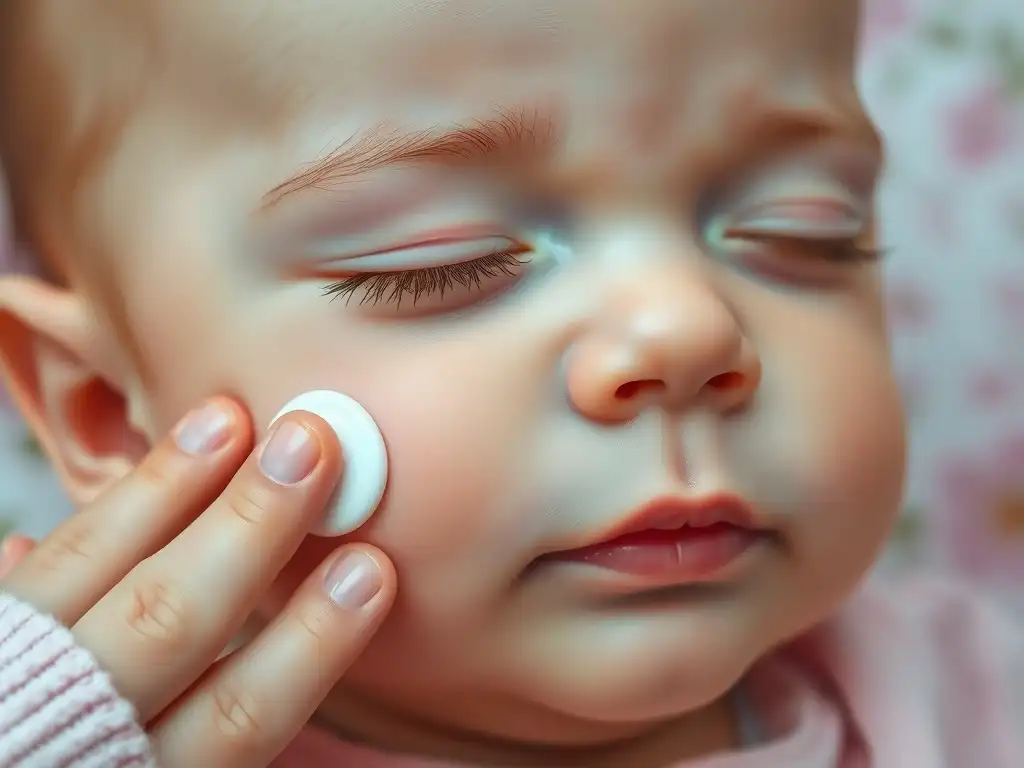
Welcome to BabyCareHub, your ultimate guide to navigating the incredible journey of parenthood! Are you facing the worry of a baby rash? We understand the anxieties that come with caring for a newborn, and that's why we've created this comprehensive resource. Discover our expert Baby Rash Treatment Guide within our Health & Safety section—a step-by-step resource designed to alleviate your concerns and empower you with the knowledge to provide the best possible care for your little one. Explore the site and unlock the secrets to confident and joyful parenting!
-
Understanding Common Baby Rashes: Types and Causes
- Identifying Heat Rash in Infants: Symptoms and Treatment
- Diaper Rash: Prevention, Treatment, and When to See a Doctor
- Eczema in Babies: Recognizing Symptoms and Managing Flare-Ups
- Cradle Cap: Understanding and Treating This Scalp Condition
- Allergic Reactions: Identifying Triggers and Providing Relief
- Other less common rashes: Causes and Characteristics
- Baby Rash Treatment Guide: Home Remedies and When to Seek Medical Advice
- Preventing Baby Skin Rashes: Proactive Steps for Healthy Skin
- Baby Rash Treatment Guide: Case Studies and Expert Advice
- Baby Rash Treatment Guide: Frequently Asked Questions (FAQ)
- Frequently Asked Questions
- Final Reflection: Understanding Baby Skin, Empowering Parents
- Unlock Your Baby's Skin's Secrets: Take Action Now!
Understanding Common Baby Rashes: Types and Causes
New parenthood is a joyous journey filled with many firsts, but it also comes with its share of anxieties. One common concern for new parents is baby skin rashes. These seemingly innocuous skin irritations can range from mild discomfort to more serious conditions requiring medical attention.
This comprehensive guide aims to demystify baby skin rashes, providing you with the knowledge and tools to identify, treat, and prevent common types of rashes in infants. We'll explore various causes, symptoms, and treatment options, empowering you to confidently navigate this aspect of baby care. Understanding the underlying causes is crucial for effective management and preventing future occurrences.
Remember, while this guide offers valuable information, it's always best to consult your pediatrician for any concerns about your baby's skin. This guide serves as a valuable resource to help you better understand and address common baby skin rash issues, allowing you to provide the best possible care for your little one.
Identifying Heat Rash in Infants: Symptoms and Treatment
Heat rash, also known as prickly heat, is a common skin irritation caused by blocked sweat ducts. It typically appears as small, red bumps, often clustered together, and can be itchy. These bumps are most frequently found in areas where sweat tends to accumulate, such as the neck, chest, groin, and armpits. The rash usually develops in hot, humid weather or when a baby is overdressed. 🤔
Symptoms: The telltale signs of heat rash include:
- Small, red bumps that may be raised or flat.
- Itching or prickling sensation.
- Appearance of the rash in areas covered by clothing or where sweat collects.
- Rash often clears up within a few days with proper management.
Treatment: Treating heat rash primarily involves keeping your baby cool and dry. This means:
- Dressing your baby in lightweight, breathable clothing.
- Ensuring adequate ventilation in the baby's room.
- Using a cool, damp cloth to gently pat the affected areas.
- Avoiding the use of harsh soaps or lotions.
- Keeping the baby hydrated by offering frequent breastfeeding or formula feedings.
In most cases, heat rash resolves on its own within a few days. However, if the rash persists, worsens, or is accompanied by fever or other symptoms, consult your pediatrician immediately.
Diaper Rash: Prevention, Treatment, and When to See a Doctor
Diaper rash is another prevalent skin condition affecting babies. It typically presents as redness and inflammation in the diaper area, often caused by prolonged contact with wet or soiled diapers, irritation from feces or urine, or an allergic reaction to certain diaper products. Careful attention to diaper changing practices and hygiene is crucial for preventing and managing diaper rash. Early intervention is key to preventing complications. 👶
Prevention: Preventing diaper rash involves a multi-pronged approach:
- Frequent diaper changes: Change diapers as soon as they become soiled.
- Gentle cleansing: Use mild, fragrance-free wipes or wash the area with lukewarm water. Avoid harsh soaps.
- Air drying: Allow the diaper area to air dry before applying a fresh diaper.
- Barrier creams: Applying a barrier cream, such as petroleum jelly or zinc oxide ointment, can protect the skin from moisture and irritation.
Treatment: If a diaper rash develops, treatment focuses on soothing the irritated skin and allowing it to heal:
- Continue frequent diaper changes.
- Apply a diaper rash cream containing zinc oxide or other soothing ingredients.
- Consider using a breathable diaper.
When to See a Doctor: Seek medical attention if:
- The rash is severe or doesn't improve after a few days of home treatment.
- The rash is accompanied by fever, pus, or bleeding.
- Your baby seems unusually fussy or uncomfortable.
Eczema in Babies: Recognizing Symptoms and Managing Flare-Ups
Atopic dermatitis, more commonly known as eczema, is a chronic inflammatory skin condition that often manifests in infancy. It's characterized by dry, itchy skin that can become inflamed and cracked. Eczema in babies can be challenging to manage, but with proper care and consistent routines, you can significantly reduce the frequency and severity of flare-ups. Early identification and consistent management are crucial for long-term skin health. This involves a combination of skincare routines and sometimes, prescription medications. 🧴
Recognizing Symptoms: Eczema in babies can present in several ways:
- Dry, scaly skin.
- Red, inflamed patches.
- Intense itching, leading to scratching and potential secondary infections.
- Small, raised bumps.
- Areas of weeping or crusting.
Managing Flare-Ups: Managing eczema flare-ups requires a multifaceted approach:
- Moisturizing: Regularly apply a thick, fragrance-free moisturizer to hydrate the skin.
- Bathing: Use lukewarm water and gentle, fragrance-free cleansers. Limit bath time to avoid drying out the skin.
- Clothing: Dress your baby in soft, loose-fitting clothes made from breathable fabrics.
- Triggers: Identify and avoid potential triggers such as irritants, allergens, or harsh soaps.
- Medications: In some cases, your pediatrician may prescribe topical corticosteroids or other medications to help control inflammation.
Remember, consistency is key in managing eczema. Work closely with your pediatrician to develop a personalized care plan tailored to your baby's specific needs.
Cradle Cap: Understanding and Treating This Scalp Condition
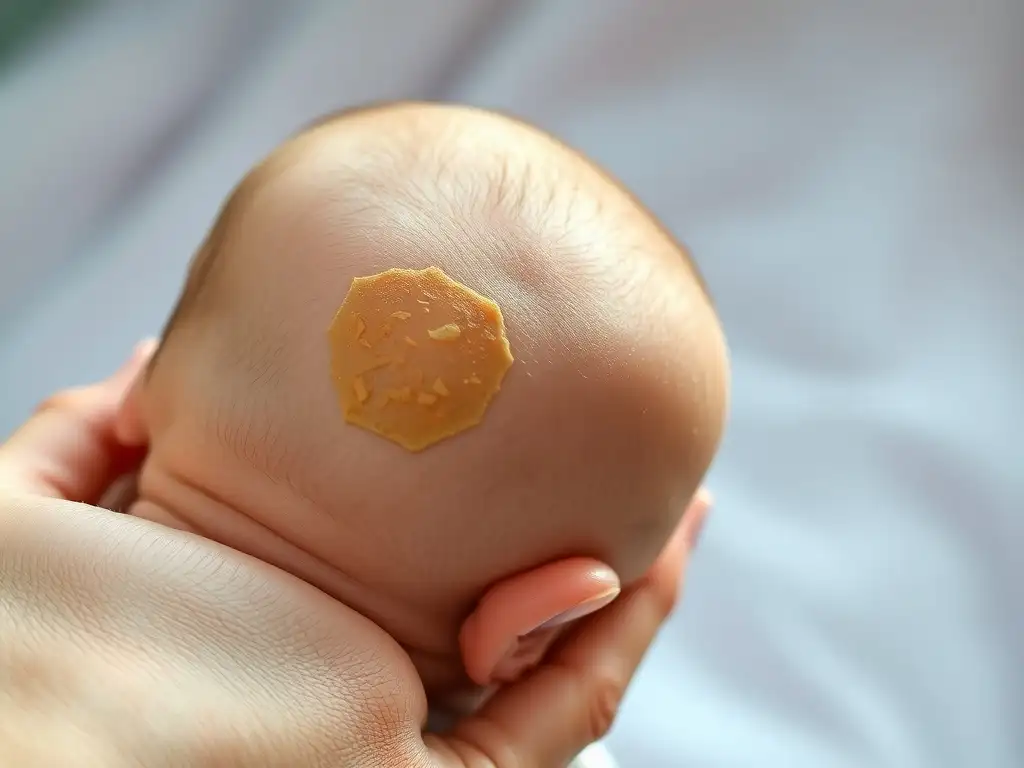
Cradle cap, also known as infant seborrheic dermatitis, is a common skin condition affecting many newborns. It presents as yellowish, greasy scales or crusts on the scalp, sometimes extending to the eyebrows, eyelids, and behind the ears. While the exact cause isn't fully understood, it's believed to be linked to an overproduction of sebum (oil) by the sebaceous glands, potentially exacerbated by a yeast called Malassezia globosa. This isn't contagious and usually isn't itchy or painful for the baby.
Treatment for cradle cap typically involves gentle cleansing. Avoid harsh soaps and shampoos. Instead, use a mild baby shampoo and gently massage the scalp to loosen the scales. You can also use a soft-bristled brush to remove loosened scales. In some cases, a doctor might recommend a medicated shampoo containing antifungal ingredients to help control the yeast.
Consistency is key; regular gentle cleansing is usually sufficient to clear the cradle cap within a few weeks. However, if the condition worsens or doesn't improve after a few weeks of home treatment, it's crucial to consult a pediatrician to rule out other potential issues. Remember, patience is vital, and the condition usually resolves on its own as the baby grows. Using olive oil or other natural oils to soften the crusts before washing can also prove beneficial.
Allergic Reactions: Identifying Triggers and Providing Relief
Allergic reactions manifest as rashes in babies, often appearing as red, itchy patches, hives (urticaria), or eczema-like inflammation. These reactions are triggered by contact with allergens, such as certain foods, clothing materials (like wool or synthetic fabrics), detergents, lotions, or even pollen. Identifying the trigger is crucial for effective treatment. A detailed history of what the baby has been exposed to, including food, clothing, and skincare products, will help pinpoint the allergen.
Managing allergic reactions involves avoiding the allergen as much as possible. This might involve switching detergents, using hypoallergenic lotions and clothing, or eliminating suspected food allergens from the baby's diet (always consult a pediatrician before making dietary changes for your baby). Over-the-counter hydrocortisone cream (1%) can help relieve itching and inflammation in mild cases. For more severe reactions, a pediatrician might prescribe stronger topical steroids or antihistamines.
In rare cases, a severe allergic reaction (anaphylaxis) may require immediate medical attention. Keeping a detailed diary of the baby's exposure and reaction can be invaluable in identifying triggers and managing future episodes. This proactive approach is vital for a baby’s comfort and overall well-being.
Other less common rashes: Causes and Characteristics
Beyond cradle cap and allergic reactions, several other rashes can affect babies. These include prickly heat (miliaria), a rash caused by blocked sweat glands, often appearing as tiny red bumps, particularly in warm, humid conditions. Treatment focuses on keeping the baby cool and dry. Another example is diaper rash, a common irritation in the diaper area due to prolonged exposure to moisture and urine.
Regular diaper changes, barrier creams, and allowing the area to air dry can help prevent and treat diaper rash. Infectious rashes, such as viral exanthems (like roseola or fifth disease), often present with a characteristic rash along with other symptoms like fever. These require medical attention for diagnosis and management. Finally, autoimmune conditions like eczema can cause chronic, itchy rashes requiring specialized treatment.
Early identification and appropriate medical care are essential for managing these less common but potentially significant baby rashes. Careful observation of the rash's appearance, location, and associated symptoms will aid in determining the potential cause and the need for professional medical attention. Remember, if you're unsure about a rash, always consult a pediatrician for a proper diagnosis and treatment plan.
Baby Rash Treatment Guide: Home Remedies and When to Seek Medical Advice
This section provides a practical guide to managing common baby rashes, outlining effective home remedies and crucial indicators requiring professional medical attention. Understanding when to intervene is critical for ensuring your baby's comfort and well-being. Remember, this information is for educational purposes and does not replace professional medical advice. Always consult your pediatrician for any concerns regarding your baby's health.
Soothing Home Remedies for Baby Rashes: Application and Precautions
Many mild baby rashes can be effectively treated with gentle home remedies. However, always test a small area of skin first to check for any allergic reactions. Here are some commonly used and effective options:
- Oatmeal Baths: Colloidal oatmeal, specifically formulated for baby's delicate skin, can soothe inflammation and itching. Add a cup of colloidal oatmeal to a lukewarm bath. Avoid using regular oatmeal, as it can clog pores. After the bath, gently pat the skin dry; avoid rubbing.
- Cool Compresses: Applying cool, damp compresses to the affected area can provide immediate relief from itching and burning sensations. Use clean, soft cloths and change them frequently.
- Coconut Oil: Many parents find that applying a small amount of extra virgin coconut oil to the rash helps moisturize and protect the skin. Its antibacterial properties may also aid in healing. However, some babies may be sensitive to coconut oil, so monitor for any reactions.
- Aloe Vera: The gel from an aloe vera plant, applied sparingly, can soothe irritated skin. Make sure to use pure aloe vera gel, avoiding products with added fragrances or chemicals.
Important Precautions:
- Avoid harsh soaps and detergents: Use fragrance-free, hypoallergenic baby wash.
- Dress your baby in loose-fitting, breathable clothing: Cotton is best. Avoid synthetic fabrics that can trap heat and moisture.
- Keep the affected area clean and dry: Gently pat the skin dry after bathing or cleaning. Avoid harsh scrubbing.
- Trim your baby's nails: Long nails can scratch the irritated skin, worsening the rash.
- Monitor for signs of infection: Increased redness, swelling, pus, or fever necessitate immediate medical attention.
Effective Over-the-Counter Treatments for Baby Skin Irritation
While home remedies can be helpful for mild rashes, some conditions may require over-the-counter (OTC) treatments. These should be used only after consulting your pediatrician, as improper use can be harmful. Some common OTC options include:
- Hydrocortisone Cream (1%): A low-potency steroid cream that can effectively reduce inflammation and itching. It's crucial to use it only as directed by your doctor and for a limited time. Prolonged use can thin the skin.
- Antihistamines (Oral): For rashes accompanied by intense itching, your pediatrician may recommend an oral antihistamine, specifically formulated for babies. Always follow dosage instructions carefully.
- Moisturizers: Regular moisturizing with fragrance-free, hypoallergenic lotions or creams is vital, especially for dry skin rashes. Look for products containing ceramides or hyaluronic acid, which help retain moisture.
Choosing the Right OTC Treatment:
The choice of OTC treatment depends entirely on the type of rash and its severity. A detailed diagnosis from a pediatrician is essential before using any OTC medication. Never self-medicate your baby.
When to Consult a Pediatrician for Baby Skin Rashes: Warning Signs
While many baby rashes are harmless and resolve on their own, some require immediate medical attention. Seek professional help if you observe any of the following warning signs:
| Warning Sign | Description | Action |
|---|---|---|
| Fever | Temperature above 100.4°F (38°C) | Consult a pediatrician immediately. |
| Pus or Blisters | Yellowish discharge or fluid-filled blisters | Seek immediate medical attention. |
| Widespread Rash | Rash covering a large area of the body | Consult a pediatrician. |
| Severe Itching | Intense itching that interferes with your baby's sleep or causes distress | Consult a pediatrician. They may prescribe a stronger medication. |
| No Improvement After 7 Days | Rash persists or worsens despite home remedies or OTC treatments | Consult a pediatrician to rule out more serious conditions. |
| Unusual Appearance | Rash with unusual color, texture, or pattern (e.g., purple, target-shaped) | Seek immediate medical attention. |
| Difficulty Breathing | Any signs of respiratory distress | Emergency medical care is necessary. |
Ignoring these warning signs can lead to complications. Early intervention is key to preventing potential health issues. Always err on the side of caution when it comes to your baby's health. Remember, a pediatrician can provide an accurate diagnosis and recommend the appropriate treatment plan. 👶
Choosing the Right Baby Skincare Products: Ingredients to Look For and Avoid
Choosing the right skincare products for your baby's delicate skin is crucial, especially when dealing with a rash. The key is to select products that are gentle, hypoallergenic, and free of harsh chemicals that can irritate sensitive skin further. Many parents find themselves overwhelmed by the sheer number of options available, so understanding what to look for—and what to avoid—is paramount.
One of the most important factors to consider is the ingredient list. Look for products specifically formulated for babies, often labeled as "hypoallergenic" or "fragrance-free." These labels indicate a reduced risk of allergic reactions. Gentle, naturally-derived ingredients are generally preferred. For example, products containing colloidal oatmeal are often soothing and effective for calming irritated skin.
Similarly, ingredients like shea butter and coconut oil can provide moisturizing benefits without clogging pores. Aloe vera is another excellent choice known for its soothing and anti-inflammatory properties. Always check for certifications like those from organizations dedicated to safe and natural ingredients. This added layer of assurance can help parents make informed decisions.
However, it's equally important to know which ingredients to avoid. Many common skincare products contain chemicals that can exacerbate baby rashes. Fragrances, even those labeled as "natural," are often a primary culprit. They can be highly irritating, leading to redness, itching, and worsening of existing conditions. Similarly, artificial colors and preservatives (like parabens) should be avoided. These synthetic additives can trigger allergic reactions in sensitive individuals.
Sulfates, commonly found in cleansers, can be drying and stripping, potentially making the rash worse. Strong alcohols and other harsh chemicals should also be avoided. Reading labels carefully and opting for products with minimal and recognizable ingredients is key to protecting your baby's sensitive skin. Remember, when in doubt, consult your pediatrician for guidance on the best skincare products for your baby's specific needs. They can provide personalized recommendations based on your baby's skin type and the nature of the rash.
Preventing Baby Skin Rashes: Proactive Steps for Healthy Skin

Preventing baby skin rashes is crucial for your little one's comfort and overall well-being. A proactive approach, focusing on hygiene, diaper choice, and clothing, can significantly reduce the risk of various rashes. This section offers practical advice to help you create a healthy skin environment for your baby. Remember, a healthy skin barrier is the first line of defense against irritation and infection. This guide, focused on "baby rash treatment guide" strategies, emphasizes prevention as the best form of care.
Maintaining Proper Hygiene for Your Baby's Skin
Maintaining proper hygiene is paramount in preventing baby skin rashes. This doesn't mean harsh scrubbing; rather, it's about gentle cleansing and moisturizing.
- Bathing Frequency: Avoid over-bathing. Two to three times a week is usually sufficient for newborns and infants. More frequent bathing can strip the skin of its natural oils, leading to dryness and irritation.
- Water Temperature: Use lukewarm water, never hot. Hot water can further dry out delicate baby skin.
- Soap Selection: Opt for mild, fragrance-free, and hypoallergenic baby soaps. Avoid adult soaps and harsh detergents, which can disrupt the skin's pH balance.
- Gentle Patting: Instead of rubbing, gently pat your baby's skin dry with a soft towel. This minimizes friction and irritation.
- Moisturizing: After bathing, apply a fragrance-free, hypoallergenic moisturizer to lock in hydration. This is especially crucial in dry climates or during winter months. Look for moisturizers containing ingredients like ceramides or hyaluronic acid, known for their skin-barrier supporting properties. Regular moisturizing is a key component in any effective "baby rash treatment guide."
Choosing the Right Diapers and Wipes to Prevent Irritation
Diaper rash is a common culprit behind baby skin irritation. Selecting the right diapers and wipes can significantly minimize this risk.
- Diaper Type: Consider using hypoallergenic and breathable diapers. Some babies react to certain diaper materials, so experimentation might be necessary to find the best fit. Look for diapers that are labeled as "sensitive skin" or "hypoallergenic."
- Diaper Changes: Frequent diaper changes are essential. Prolonged exposure to wetness and urine increases the likelihood of diaper rash. Aim for changes every 2-3 hours, or more frequently if needed.
- Wipe Selection: Opt for fragrance-free, alcohol-free, and hypoallergenic baby wipes. Some wipes contain harsh chemicals that can irritate delicate skin. Alternatively, you can use soft, damp cotton cloths and plain water for cleaning.
- Airtime: Allow your baby's bottom some airtime whenever possible. This helps keep the skin dry and prevents moisture build-up.
Dressing Your Baby Appropriately to Avoid Heat Rash
Overdressing can trap heat and moisture against your baby's skin, leading to heat rash. Dressing your baby appropriately is crucial for preventing this common skin irritation.
- Layer Appropriately: Dress your baby in lightweight, breathable clothing made from natural fibers like cotton. Avoid dressing them in too many layers, especially in warmer weather.
- Room Temperature: Maintain a comfortable room temperature. Overheating can contribute to heat rash. A slightly cool room is ideal.
- Loose Clothing: Choose loose-fitting clothing that allows for good air circulation. Tight clothing can rub against the skin and cause irritation.
- Fabric Selection: Natural fibers like cotton are breathable and less likely to irritate sensitive skin compared to synthetic fabrics. Avoid materials like polyester or nylon, which can trap heat and moisture. This approach is vital in any comprehensive "baby rash treatment guide."
Remember, consistency and observation are key. Pay close attention to your baby's skin, and don't hesitate to consult a pediatrician if you notice any concerning rashes or changes in their skin condition. Early intervention is crucial for effective management and prevention. 👶
Creating a Gentle Skincare Routine for Your Baby
Establishing a gentle and consistent skincare routine is crucial in preventing baby rashes. Newborn skin is incredibly delicate and prone to irritation. Avoid harsh soaps, perfumes, and dyes found in many commercial baby products. Opt instead for fragrance-free, hypoallergenic cleansers specifically designed for babies. These products are less likely to trigger allergic reactions or irritate sensitive skin. Look for terms like "hypoallergenic," "pH-balanced," and "free of dyes and fragrances" on the packaging.
A simple routine involves washing your baby's skin with warm water during bath time, followed by gently patting the skin dry with a soft towel. Avoid rubbing, as this can cause friction and irritation. After bathing, apply a thin layer of a fragrance-free, hypoallergenic moisturizer to keep the skin hydrated. This is especially important in drier climates or during winter months. Remember, less is more; over-moisturizing can sometimes clog pores and lead to other skin issues.
Consider the frequency of bathing. Daily baths aren't always necessary, especially for newborns. Over-bathing can strip the skin of its natural oils, leading to dryness and increased susceptibility to rashes. Two to three baths per week are usually sufficient, unless your baby has a specific skin condition or has gotten particularly messy. Focus on cleaning areas prone to soiling, such as the diaper area, face, and hands, as needed.
The choice of bath products is paramount. Avoid using adult soaps or shampoos, as these are too harsh for a baby's delicate skin. Opt for mild, tear-free baby wash and shampoo. Always rinse thoroughly to remove any residue that could irritate the skin. Pay close attention to the creases and folds of the skin, ensuring all soap is removed to prevent the build-up of irritants.
Regularly inspect your baby's skin for any signs of redness, dryness, or rash, and adjust your routine accordingly. If you notice any persistent issues, consult your pediatrician for personalized advice. Early intervention is key in managing baby skin problems and preventing complications. A proactive approach to skincare will significantly reduce your baby's risk of developing rashes and promote healthy skin development.
Baby Rash Treatment Guide: Case Studies and Expert Advice
This section delves into practical applications of baby rash treatment, offering real-world examples and expert recommendations to guide you through various scenarios. We'll explore successful treatment strategies for common baby rashes, providing insights into effective management techniques. Remember, always consult your pediatrician or dermatologist before starting any treatment regimen for your baby.
Case Study 1: Atopic Dermatitis Management in a 6-Month-Old
Six-month-old Lily presented with widespread, intensely itchy eczema (atopic dermatitis). Her skin was dry, cracked, and inflamed, particularly on her cheeks, elbows, and knees. Initial attempts at home remedies, including moisturizing lotions, proved ineffective. Her pediatrician diagnosed moderate atopic dermatitis and recommended a multi-pronged approach:
- Gentle Cleansing: Switching to fragrance-free, hypoallergenic cleansers designed for sensitive skin. This involved avoiding harsh soaps and opting for lukewarm water washes.
- Moisturization: Application of a thick, fragrance-free emollient cream several times daily, focusing on damp skin after bathing to lock in moisture. The pediatrician specifically recommended a cream containing ceramides to help repair the skin barrier.
- Topical Corticosteroids: Short-term use of a low-potency topical corticosteroid cream, prescribed by the pediatrician, to control inflammation during flare-ups. Careful adherence to the prescribed usage was emphasized to avoid potential side effects.
- Environmental Control: Minimizing exposure to potential irritants like harsh detergents, wool fabrics, and extreme temperatures. Her parents were advised to wash Lily's clothing in fragrance-free detergent and dress her in soft cotton clothing.
Within four weeks of implementing this plan, Lily’s eczema showed significant improvement. The inflammation reduced considerably, and the itching lessened. Regular follow-up appointments with the pediatrician were crucial in monitoring her progress and adjusting treatment as needed. This case highlights the importance of a holistic approach involving gentle cleansing, consistent moisturization, and, when necessary, targeted medication under professional guidance. This approach successfully managed Lily's atopic dermatitis, improving her comfort and overall well-being.
Case Study 2: Successful Treatment of Severe Diaper Rash
Three-month-old Ethan developed a severe diaper rash characterized by bright red, inflamed skin, with some areas showing small blisters and satellite lesions. His parents initially tried over-the-counter diaper rash creams, but his condition worsened. A visit to the pediatrician revealed a candidiasis (yeast) diaper rash, a common complication of prolonged moisture exposure and antibiotic use (Ethan had recently completed a course of antibiotics).
The treatment plan included:
- Frequent Diaper Changes: Changing Ethan's diaper every two hours, ensuring thorough cleaning with warm water and a soft cloth. Wipes were avoided to minimize irritation.
- Air Drying: Allowing Ethan's bottom to air dry completely before applying any creams.
- Antifungal Cream: Application of a prescribed antifungal cream containing nystatin to combat the yeast infection.
- Barrier Cream: Use of a thick barrier cream, such as zinc oxide, to protect his skin from further irritation.
Within a few days of starting this treatment, Ethan's diaper rash showed remarkable improvement. The inflammation reduced, the blisters healed, and the satellite lesions disappeared. The pediatrician emphasized the importance of consistent treatment and preventative measures, such as ensuring proper diaper fit and using absorbent diapers. This case demonstrates the effectiveness of targeted treatment for specific types of diaper rash, emphasizing the importance of identifying the underlying cause (in this case, candidiasis) for effective management. The prompt identification and treatment of the yeast infection were critical for Ethan's quick recovery.
Expert Advice on Managing Baby Skin Rashes: Recommendations from Dermatologists
Dermatologists emphasize a proactive approach to managing baby skin rashes. They recommend the following:
- Early Intervention: Addressing rashes promptly is crucial to prevent complications and reduce discomfort.
- Proper Diagnosis: Accurate identification of the rash type is essential for effective treatment. This often requires a consultation with a pediatrician or dermatologist.
- Gentle Care: Always use gentle, hypoallergenic products for cleansing and moisturizing. Avoid harsh soaps, fragrances, and dyes.
- Consistent Moisturizing: Regular application of a thick, fragrance-free emollient is vital, especially after bathing.
- Barrier Protection: Using barrier creams, such as zinc oxide, can help protect sensitive skin from further irritation.
- Avoiding Irritants: Minimize exposure to potential irritants like harsh detergents, certain fabrics, and extreme temperatures.
- Follow-Up: Regular follow-up appointments with a healthcare professional are important to monitor progress and adjust treatment as needed.
Remember, this information is for educational purposes only and does not constitute medical advice. Always consult a healthcare professional for any concerns about your baby's skin. Early intervention and a comprehensive approach are key to effectively managing baby skin rashes and ensuring your baby's comfort and well-being. A proactive approach, guided by professional advice, is the best strategy for a healthy baby's skin.
Baby Rash Treatment Guide: Frequently Asked Questions (FAQ)

This section addresses common concerns regarding baby skin rashes, offering practical advice and guidance for parents navigating this frequently encountered challenge. Remember, this information is for general knowledge and should not replace professional medical advice. Always consult your pediatrician or a qualified healthcare professional for diagnosis and treatment of your baby's rash.
What are the common causes of baby skin rashes?
Baby skin rashes are surprisingly common, and several factors can contribute to their development. Understanding the underlying causes is crucial for effective management. Here are some of the most prevalent culprits:
- Diaper Rash: This is perhaps the most frequent type of baby rash, primarily caused by prolonged exposure to wet or soiled diapers. The resulting irritation and friction can lead to redness, inflammation, and sometimes even painful sores. Infrequent diaper changes, harsh diaper wipes, and certain types of diapers can exacerbate the problem.
- Eczema (Atopic Dermatitis): This chronic inflammatory skin condition manifests as dry, itchy, and inflamed patches of skin. Eczema is often genetic and tends to appear in infancy. It can flare up in response to irritants, allergens, or changes in temperature and humidity. The rash might appear on the face, scalp, arms, and legs.
- Heat Rash (Miliaria): This occurs when sweat ducts become blocked, trapping sweat beneath the skin's surface. It presents as tiny, red bumps, often clustered together, and is commonly found in areas covered by clothing. Hot and humid weather is a primary trigger.
- Contact Dermatitis: This type of rash develops as an allergic reaction or irritation from direct contact with substances like soaps, detergents, lotions, or certain fabrics. The rash usually appears in the area of contact.
- Viral Infections: Some viral infections, such as roseola or hand, foot, and mouth disease, can manifest as rashes. These rashes often accompany other symptoms, such as fever or blisters.
- Food Allergies: While less directly causing a rash, food allergies can trigger skin reactions in some babies. Common culprits include cow's milk, soy, eggs, and peanuts. The rash may appear alongside other symptoms like vomiting or diarrhea.
Understanding these common causes allows you to better identify potential triggers and take preventative measures. For instance, frequent diaper changes and the use of gentle, fragrance-free wipes can help prevent diaper rash. Similarly, choosing breathable clothing and maintaining a cool environment can reduce the risk of heat rash.
How can I differentiate between different types of baby rashes?
Differentiating between various baby rashes requires careful observation and consideration of accompanying symptoms. While this guide provides information, it is not a substitute for professional medical advice.
| Rash Type | Appearance | Location | Other Symptoms |
|---|---|---|---|
| Diaper Rash | Red, inflamed skin, possibly blisters or sores | Buttocks, inner thighs, genitals | Irritation, discomfort during diaper changes |
| Eczema | Dry, itchy, scaly patches, redness, weeping | Face, scalp, arms, legs, anywhere | Intense itching, possible sleep disruption |
| Heat Rash (Miliaria) | Tiny, red bumps, often clustered | Areas covered by clothing | Usually no other symptoms |
| Contact Dermatitis | Red, itchy, inflamed area, possibly blisters | Area of contact with irritant | Itching, burning sensation |
| Viral Rash (e.g., Roseola) | Flat or raised red spots, may be blotchy | Varies depending on the viral infection | Fever, irritability, other illness symptoms |
Remember that the appearance and location of a rash can vary, and some rashes may overlap in symptoms. Therefore, seeking professional medical advice is crucial for accurate diagnosis and treatment.
When should I worry about a baby rash?
While many baby rashes are relatively benign and resolve on their own with simple home care, there are instances where professional medical attention is necessary. You should contact your pediatrician immediately if your baby's rash:
- Is accompanied by a high fever (over 100.4°F or 38°C).
- Shows signs of infection, such as pus or oozing.
- Spreads rapidly across the body.
- Causes significant discomfort or interferes with your baby's sleep or feeding.
- Doesn't improve or worsens despite home treatment.
- Appears to be accompanied by other symptoms such as difficulty breathing, lethargy, or poor feeding.
Early intervention is key to preventing complications. Don't hesitate to contact your healthcare provider if you have any concerns about your baby's rash. A timely diagnosis and appropriate treatment can ensure your baby's comfort and well-being. Early detection and prompt action are vital aspects of effective baby rash treatment. Don't delay seeking professional advice if you are worried. 👶
What are the long-term effects of untreated baby rashes?
Untreated baby rashes can have a range of long-term effects, depending on the underlying cause and severity. Some rashes, like diaper rash, might simply cause discomfort and delay healing if left untreated, potentially leading to secondary infections like yeast infections. These infections can be more painful and require stronger treatments. However, other rashes might indicate more serious underlying conditions.
For instance, a rash that's a symptom of eczema, if not properly managed, can lead to chronic dry, itchy skin, increasing the risk of skin infections and scarring. The constant itching can also disrupt sleep, impacting the baby's overall well-being and development. In severe cases, untreated eczema can affect the child's self-esteem and social interactions as they grow older. Similarly, untreated allergic reactions manifested as a rash could lead to the development of more severe allergies or even anaphylaxis in the future if not properly identified and addressed.
It's crucial to consult a pediatrician for any persistent or concerning rash to ensure early diagnosis and treatment, preventing potential long-term complications. Early intervention is key to minimizing the potential impact of any baby rash. 👶
What are some tips for preventing future rashes?
Preventing baby rashes involves a multi-pronged approach focusing on hygiene, clothing choices, and environmental factors. Maintaining good diaper hygiene is paramount, especially for diaper rash. This means frequent diaper changes, gentle cleansing with warm water (avoid harsh wipes), and allowing the diaper area to air dry completely before applying a fresh diaper. Choosing breathable, soft fabrics for clothing and bedding is also essential. Avoid harsh detergents and fabric softeners when washing baby's clothes; opt for fragrance-free, hypoallergenic options.
Regularly washing baby's bedding and clothing also helps prevent irritants from accumulating. If your baby has sensitive skin, consider using mild, fragrance-free baby soaps and lotions. Keep your baby's skin moisturized to prevent dryness, which can make them more prone to rashes. Introduce new foods slowly and monitor for any allergic reactions manifested as a rash. Pay close attention to the baby's environment; identify and avoid potential allergens like dust mites, pet dander, and certain plants.
If your baby has a history of eczema or allergies, discuss preventative measures with your pediatrician. Regular check-ups can help identify potential issues early and prevent future rashes. Remember, prevention is always better than cure when it comes to baby skin health. 🧴🧼
Frequently Asked Questions
What are the common causes of baby rashes?
Baby rashes can stem from many sources, including irritants like detergents, allergic reactions to foods or fabrics, infections like diaper rash, or heat. Identifying the cause is key to effective treatment.
How can I tell if my baby's rash needs medical attention?
Seek immediate medical attention if your baby's rash is accompanied by fever, lethargy, or pus-filled blisters. Also consult a doctor if the rash doesn't improve within a few days of home treatment.
What are some home remedies for mild baby rashes?
For mild rashes, try applying a thin layer of fragrance-free moisturizer, ensuring the area is clean and dry. A cool bath with oatmeal can also soothe irritated skin.
My baby has a diaper rash. What can I do?
Frequent diaper changes, gentle cleaning with warm water, and allowing the area to air dry are crucial. Apply a barrier cream like zinc oxide to protect the skin.
When should I use over-the-counter treatments for a baby rash?
Only use over-the-counter hydrocortisone cream (1%) for mild rashes after consulting your pediatrician. Never use strong steroid creams without professional guidance, as they can have side effects.
Final Reflection: Understanding Baby Skin, Empowering Parents
The delicate skin of a newborn is a constant source of worry for parents, and the appearance of a rash can trigger immediate anxiety. This guide aimed to demystify the often-confusing world of baby skin rashes, providing parents with the knowledge and tools to confidently navigate this common challenge. Understanding the causes, recognizing the symptoms, and knowing when to seek professional help are crucial steps in ensuring the well-being of your little one.
The impact of skin issues on a baby's comfort, and consequently, the parent's peace of mind, is immeasurable. The emotional toll of dealing with an unexplained rash is significant, often leading to sleepless nights and constant worry. A mother's love is a powerful force, and nothing tests that love more than seeing your child in discomfort.
This sentiment perfectly encapsulates the emotional landscape parents navigate when faced with a baby's skin rash. This guide aimed to provide a resource that alleviates some of that stress, empowering parents with the information they need to make informed decisions.
Now, consider your own experiences. Have you ever faced a similar situation? What did you learn from this guide? Remember, knowledge is power, and understanding the nuances of baby skin rashes is the first step towards proactive care. Take the time to review the information presented, and don't hesitate to consult with your pediatrician if you have any concerns. Empower yourself with knowledge, and be confident in your ability to care for your baby's precious skin.
Unlock Your Baby's Skin's Secrets: Take Action Now!
Thank you for learning about baby skin rashes! We hope this guide has empowered you to better understand and care for your little one's delicate skin. Now, let's put that knowledge into practice.
- Maintain a detailed rash diary: Record the rash's appearance, potential triggers, and how it responds to any treatments. This simple yet invaluable step is often overlooked but can be incredibly helpful for future reference and discussions with your pediatrician.
- Connect with other parents: Share your experiences and learn from others in our supportive BabyCareHub community forums. Connecting with other parents facing similar challenges can provide invaluable insights, tips, and emotional support.
- Schedule a doctor's appointment (if necessary): Even seemingly minor rashes may benefit from professional assessment. Don't hesitate to schedule an appointment with your pediatrician if you have any concerns.
Ready to confidently address future skin concerns? What's the first step you'll take to improve your baby's skin health?