
Decoding Car Seat Types: Which One is Right for Your Baby?

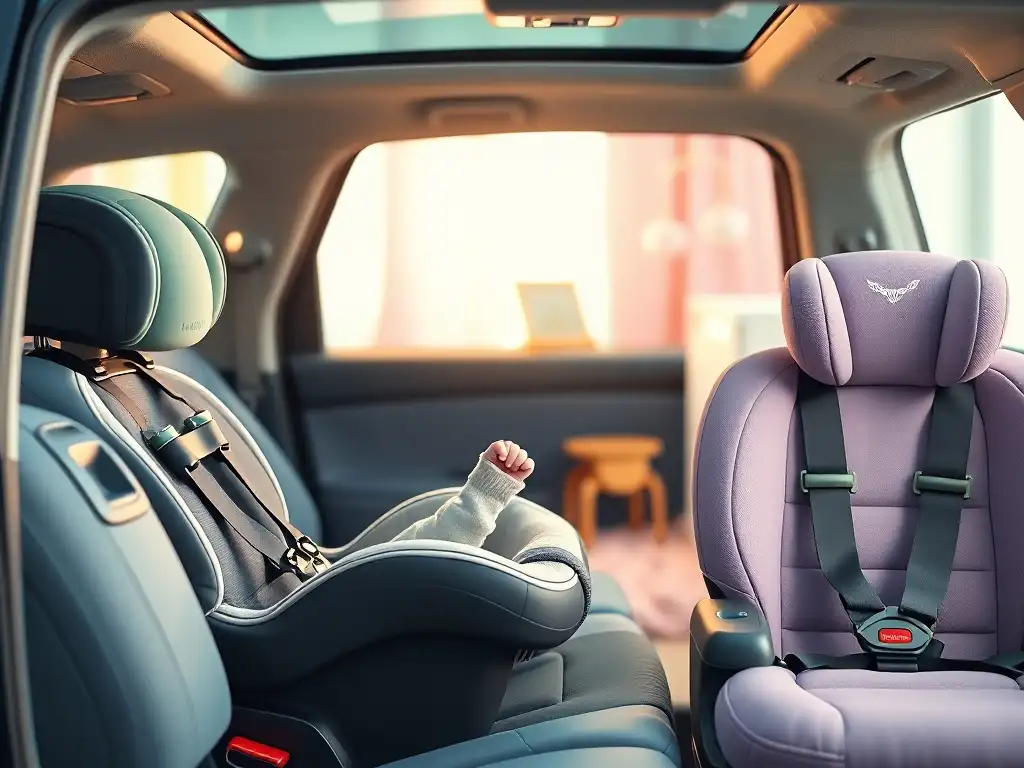
Welcome to BabyCareHub, your ultimate guide to navigating the exciting yet sometimes overwhelming world of parenthood! Are you ready to embark on this incredible journey? We're here to support you every step of the way, providing expert advice and practical tips for raising your little one. Choosing the right car seat is crucial, and that's why we've dedicated a comprehensive article to helping you find the Best car seat for newborn. Discover the secrets to selecting the safest and most comfortable ride for your precious cargo – your journey begins here!
- Understanding Car Seat Stages and Regulations for Newborns
- Key Factors to Consider When Selecting a Newborn Car Seat
- Step-by-Step Guide: Installing Your Chosen Car Seat
- Maintaining Your Baby's Car Seat: Cleaning and Care
- Frequently Asked Questions about Choosing the Best Car Seat for Newborn
- Frequently Asked Questions
- Final Reflection: The Journey to Safe Travels Begins Here
- Unlock Your Baby's Safe Journey: Find the Perfect Car Seat Now!
Understanding Car Seat Stages and Regulations for Newborns
Choosing the right car seat for your newborn is a crucial decision, impacting your baby's safety and well-being for years to come. This guide navigates the complexities of car seat selection, focusing on the best car seat for newborn babies, while adhering to all relevant safety regulations. We’ll explore different car seat types, highlighting their features, benefits, and limitations to empower you to make an informed choice that prioritizes your little one's safety.
Understanding the various stages of car seat use and the regulations surrounding them is paramount in ensuring your baby travels safely and comfortably. This is not just about finding a seat that fits; it's about finding a seat that provides optimal protection during every stage of your child's development, from infancy through toddlerhood and beyond. We'll delve into the specifics of rear-facing versus forward-facing seats, examining the safety implications of each and providing a clear understanding of when and why each option is appropriate.
The goal is to equip you with the knowledge to select the best car seat for your newborn, aligning with both safety standards and your family's specific needs. Remember, your baby's safety is non-negotiable, and this guide is designed to help you make the best decision possible.
Choosing the Best Car Seat for Newborn: Rear-Facing vs. Forward-Facing
The most important decision when choosing a car seat for a newborn is whether to opt for a rear-facing or forward-facing model. All experts strongly recommend keeping your baby rear-facing for as long as possible, ideally until they reach the highest weight or height limit allowed by their car seat's manufacturer. This is because rear-facing car seats provide significantly superior protection in the event of a collision. In a crash, the force is directed away from your baby's vulnerable head and neck, reducing the risk of serious injury.
Forward-facing car seats, on the other hand, expose your child's head and neck to greater impact forces. While forward-facing seats are necessary eventually, transitioning too early can dramatically increase the risk of injury. Many car seats now offer extended rear-facing capabilities, allowing you to keep your child rear-facing for longer. Check the manufacturer's instructions for the specific weight and height limits of your chosen car seat.
Remember, following these guidelines is crucial for maximizing your baby's safety. The peace of mind knowing your child is optimally protected is invaluable. Prioritize safety and consult your pediatrician or a certified child passenger safety technician if you have any doubts.
Infant Car Seats: Features, Benefits, and Limitations
Infant car seats are designed for newborns and infants up to a certain weight and height, typically around 30 pounds. They are characterized by their lightweight and portable design, often featuring a built-in carrying handle. This makes them incredibly convenient for parents, allowing for easy transfer between the car and other locations such as strollers.
However, infant car seats also have limitations. Their relatively small size means they might not accommodate a growing baby for an extended period. Once your baby outgrows the weight or height limits, you'll need to transition to a different car seat. Additionally, the base of the infant car seat must remain in the car, making it less versatile than other types of car seats.
The convenience of the carrying handle is offset by the need to transfer the baby from the seat rather than simply unbuckling them. While these are limitations, the safety and convenience offered in the newborn stage are undeniable. Weigh these aspects carefully alongside your specific needs and budget when making your decision.
Convertible Car Seats: Adaptability and Long-Term Value for Growing Babies
Convertible car seats offer significant long-term value, as they can be used in both rear-facing and forward-facing positions. This eliminates the need to purchase multiple car seats as your child grows. They are designed to accommodate babies from infancy all the way through toddlerhood and even beyond, often with a rear-facing capacity of up to 40 or 50 pounds and a forward-facing capacity up to 65 or even 100 pounds (depending on the model).
The adaptability of convertible car seats is a major advantage. They often come with adjustable headrests and harness straps to accommodate your child's changing size. This flexibility ensures a proper and secure fit throughout their development, maximizing safety and comfort. While the initial investment may be higher than an infant car seat, the cost savings in the long run are substantial.
Consider the overall cost-effectiveness when comparing options. Choosing a high-quality convertible car seat can be a smart financial decision, ensuring your child's safety and comfort for many years. The longevity and versatility of a convertible car seat make it a worthwhile investment for many families.
All-in-One Car Seats: A Single Solution from Infant to Toddler
All-in-one car seats, sometimes called convertible car seats, offer a compelling solution for parents seeking a single car seat to cover a wide age range. These seats typically transition from rear-facing infant mode to forward-facing toddler mode, eliminating the need to purchase multiple seats as your child grows. This cost-effectiveness is a significant advantage, saving parents both money and the hassle of multiple installations. However, it's crucial to understand the limitations and potential drawbacks.
One significant aspect to consider is the size and weight of these all-in-one car seats. Because they're designed to accommodate a larger range of sizes and weights, they tend to be bulkier and heavier than infant-only car seats. This can make installation and removal more challenging, particularly for smaller vehicles or parents with limited upper body strength. Furthermore, the added bulk can sometimes reduce the available space in the vehicle's back seat, impacting passenger comfort.
The lifespan of an all-in-one car seat is another factor to consider. While designed to last several years, the extended use can lead to wear and tear. The seat's fabric may show signs of wear from spills and daily use, and the harness system might require more frequent adjustments and cleaning over time. Regular inspection for damage and ensuring the seat remains in good working condition is paramount for continued safety. Remember, a worn-out car seat compromises your child's safety, highlighting the importance of regular maintenance and potential replacement based on manufacturer recommendations and visible signs of wear.
Choosing the right all-in-one car seat requires careful consideration of your vehicle's size, your child's size and weight, and your budget. Reading reviews and consulting with child passenger safety experts can help you make an informed decision. Remember, the "best" car seat is the one that is correctly installed, properly fits your child, and is used consistently and appropriately for your child's age and weight.
Prioritizing safety features and ease of use alongside cost-effectiveness is key when selecting an all-in-one car seat for your newborn and beyond. This approach ensures your little one enjoys safe and comfortable travels throughout their early years.
Key Factors to Consider When Selecting a Newborn Car Seat
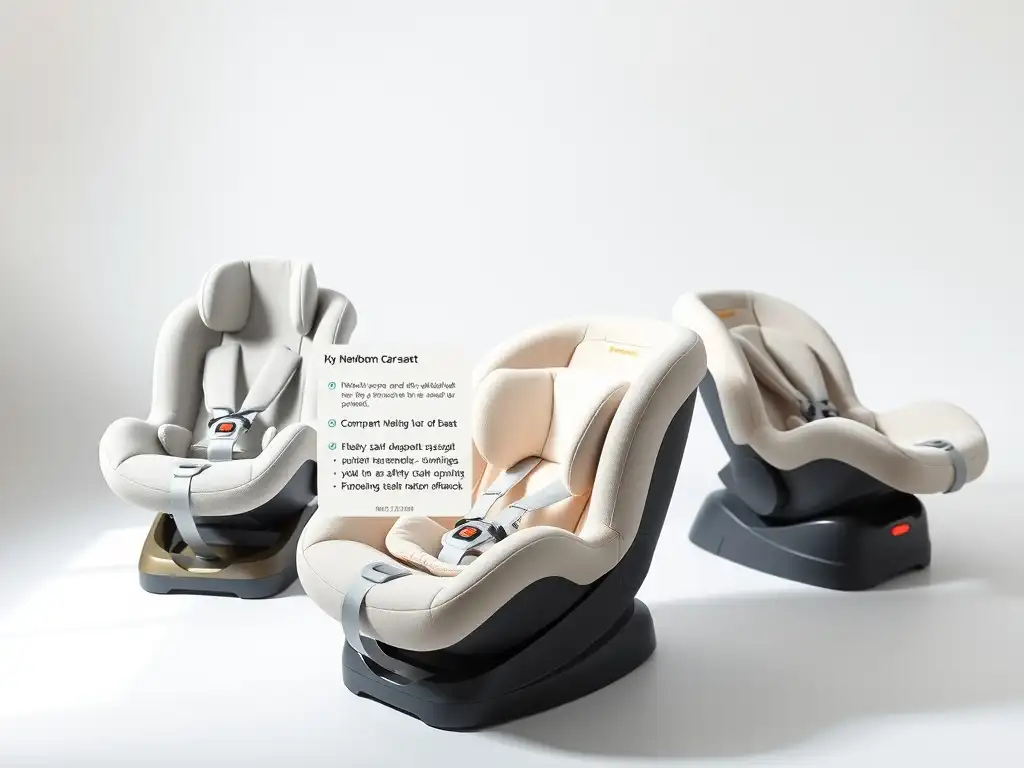
Choosing the best car seat for a newborn is a crucial decision for new parents. It's not just about finding a seat that fits your car; it's about ensuring your baby's safety and comfort during every journey. Several key factors must be carefully considered before making a purchase. This section will delve into the most important aspects to help you navigate this important choice. Remember, prioritizing safety should always be paramount. The right car seat can provide peace of mind, knowing your little one is securely protected.
Safety Ratings and Certifications: Ensuring Your Baby's Protection
Safety should be the top priority when selecting a car seat. Look for car seats that have received high safety ratings from reputable organizations. These organizations conduct rigorous testing to evaluate the car seat's ability to withstand impacts and protect the occupant. Certifications like those from the American Academy of Pediatrics (AAP) or similar organizations in your country are crucial indicators of a car seat's safety performance. Don't solely rely on marketing claims; check independent testing results and reviews.
Pay close attention to side-impact protection, as these collisions are particularly dangerous for infants. Features like reinforced side panels and energy-absorbing materials are significant indicators of superior safety. A well-designed car seat should minimize the risk of injury in various accident scenarios. Always install the car seat according to the manufacturer's instructions and ensure a snug fit for your baby.
The following table highlights some key safety features to look for:
| Feature | Description | Importance |
|---|---|---|
| Side Impact Protection | Enhanced structural design to absorb impact energy in side collisions. | Crucial for minimizing injuries in side-impact accidents, which are very common. |
| Harness System | 5-point harness system for secure restraint. | Provides superior restraint compared to other systems. |
| LATCH System | Lower Anchors and Tethers for Children system for easy installation. | Simplifies installation and ensures proper connection to the vehicle. |
| Impact Absorbing Materials | Materials designed to absorb and dissipate impact energy. | Reduces the force transmitted to the child during a collision. |
| Certification | Certifications from recognized safety organizations (e.g., AAP). | Provides assurance of meeting stringent safety standards. |
The price range of car seats varies significantly. While premium car seats often boast advanced features and enhanced safety technologies, budget-friendly options can still provide adequate protection. The key is to find a balance between cost and essential safety features. Don't compromise on crucial safety aspects to save money. Focus on securing a car seat with high safety ratings and certifications, regardless of the price tag.
However, consider features that enhance convenience and usability, such as easy-to-adjust straps and a comfortable infant insert. These features can significantly impact your experience as a parent. Research thoroughly and compare features across different price points to make an informed decision. Reading reviews from other parents can offer valuable insights into the real-world performance and value of different car seat models.
Consider these points when comparing prices:
- Don't sacrifice safety for cost. A cheaper car seat with lower safety ratings is a false economy.
- Look for sales and discounts. Many retailers offer discounts on car seats periodically.
- Consider used car seats cautiously. Only consider used car seats from trusted sources and ensure they haven't been involved in an accident.
Ease of Installation and Use: A Parent's Perspective
Installing a car seat correctly is paramount to ensuring your baby's safety. A complicated installation process can lead to errors, compromising the effectiveness of the car seat. Opt for a car seat with a user-friendly installation system. Features like clear instructions, color-coded components, and a straightforward LATCH system can significantly simplify the process. A well-designed car seat should be easy to adjust the harness and headrest as your baby grows. Think about the practicality of the car seat in your daily routine. Will it be easy to buckle your baby in and out, and will it fit comfortably in your car without obstructing other passengers or cargo? Consider the weight and size of the car seat, especially if you frequently move it between vehicles. A cumbersome car seat can make everyday tasks more challenging. Ultimately, a car seat that's easy to use correctly is safer and less stressful for parents.
Remember, the "best" car seat for your newborn depends on your specific needs and preferences. By carefully considering these factors, you can make an informed decision and choose a car seat that prioritizes your baby's safety and provides you with peace of mind. Remember to always consult the car seat's instruction manual for detailed installation and usage guidelines.
Comfort and Features: Harness System, Padding, and Cup Holders
Choosing a car seat that prioritizes your baby's comfort is crucial for both their safety and your peace of mind during travel. A comfortable car seat will keep your baby content, reducing fussiness and allowing for safer, more relaxed journeys. Several key features contribute to a comfortable car seat experience.
The harness system is paramount. Look for a car seat with a five-point harness system – this distributes impact forces across five points (two shoulders, two hips, and one crotch) in the event of a collision, providing superior protection compared to three-point harnesses. Ensure the straps are easily adjustable and padded to prevent chafing against your baby's delicate skin.
A good harness system should be easy to tighten and loosen, allowing for a snug fit without being overly constricting. Consider the ease of adjusting the harness height as your baby grows; some models offer one-handed adjustments, a significant convenience for parents. Furthermore, check the harness's material; breathable fabrics are preferable to avoid overheating.
Next, consider the padding. Generous padding is essential for newborn comfort, providing cushioning and support for their small bodies. Look for plush padding on the headrest, body, and straps. The padding should be easily removable and washable, a must-have for dealing with inevitable spills and messes. The type of padding material also matters; breathable, hypoallergenic materials are ideal for sensitive skin. Avoid seats with excessive padding that might compromise the harness fit or restrict airflow. A well-padded car seat will cradle your baby securely and comfortably, preventing excessive movement during the ride.
Finally, while not strictly related to safety, cup holders can significantly enhance the convenience of your car seat. Cup holders allow you to keep drinks and other essentials within easy reach, minimizing distractions while driving. However, prioritize safety features over cup holders; a safe and comfortable seat is far more important than added convenience features. If choosing a seat with cup holders, ensure they are securely attached and won't interfere with the harness or overall safety of the seat. The presence or absence of cup holders should be a secondary consideration after safety and comfort features.
Step-by-Step Guide: Installing Your Chosen Car Seat
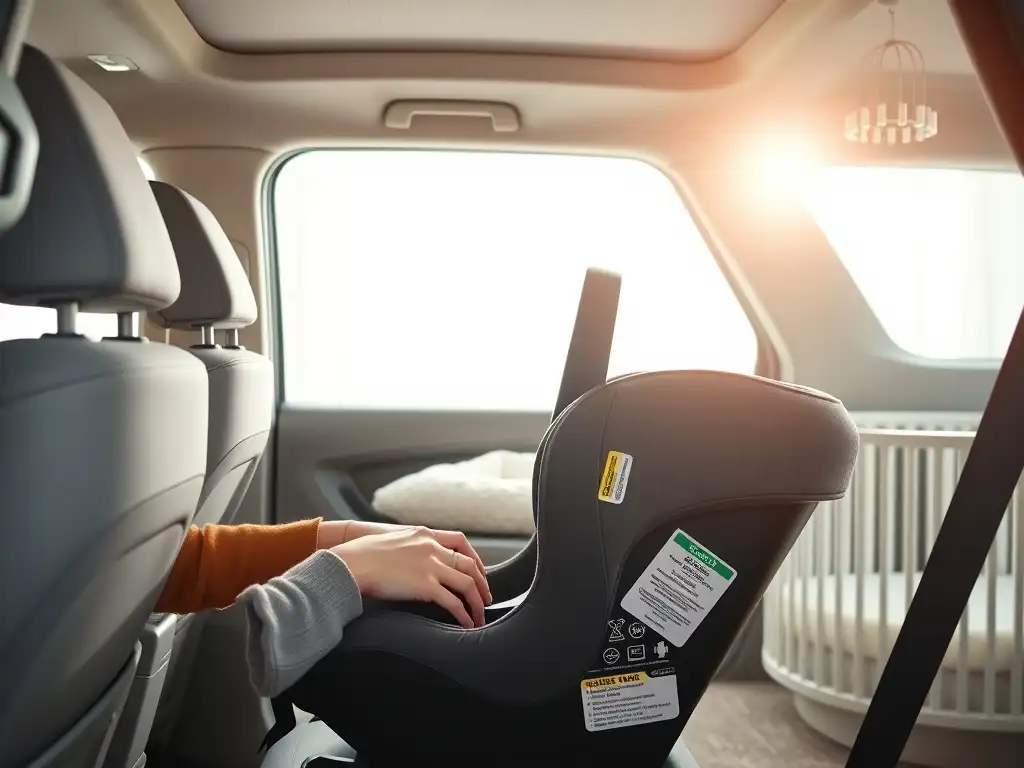
This section provides a detailed, step-by-step guide to installing your chosen car seat, ensuring your baby's safety. Remember, proper installation is crucial for optimal protection. Always refer to your car seat's individual instruction manual for specific guidance as models vary. This guide offers general advice applicable to most car seats. Finding the best car seat for newborn involves not only choosing the right seat but also installing it correctly.
Securing the Base: LATCH vs. Seat Belt Installation
Choosing between LATCH (Lower Anchors and Tethers for Children) and the vehicle's seat belt system for base installation depends on your vehicle and car seat. LATCH systems offer a convenient and often simpler installation method, using lower anchors located in the vehicle's back seat and a tether strap (usually located at the top of the car seat). However, not all vehicles or car seats are compatible with LATCH.
LATCH Installation:
- Locate the Lower Anchors: Find the lower LATCH anchors in your vehicle's back seat. They are usually located between the seat cushions and the back of the seat.
- Connect the LATCH Straps: Attach the LATCH straps from your car seat base to the lower anchors. Ensure the straps are tightly secured and there is no slack.
- Attach the Tether Strap: Connect the tether strap to the appropriate tether anchor in your vehicle. This is typically found on the rear deck or behind the rear seat. Tighten the tether strap until it's taut.
Seat Belt Installation:
- Route the Seat Belt: Route the vehicle's seat belt through the designated slots on the car seat base. Your car seat manual will clearly indicate where to route the belt.
- Secure the Seat Belt: Ensure the seat belt is tightly fastened and locked. There should be no slack. Many vehicles have a locking mechanism to help secure the belt.
- Check for Stability: Try to move the car seat base. If it moves more than an inch, tighten the seat belt further.
| Installation Method | Advantages | Disadvantages |
|---|---|---|
| LATCH | Easier, quicker installation often available | Weight limits may restrict usage; not always compatible |
| Seat Belt | Works in all vehicles; no weight limits (generally) | Can be more challenging to install correctly; requires more force |
Remember to always check your vehicle's owner's manual and your car seat's instruction manual for specific instructions and weight limits for both LATCH and seat belt installations. Choosing the correct method is vital in securing the best car seat for newborn.
Attaching the Car Seat to the Base: Detailed Steps with Illustrations
(Note: Illustrations would be included here if this were a full article. These descriptions will help visualize the process.)
Once the base is securely installed, attaching the car seat is relatively straightforward.
- Align the Car Seat: Carefully align the car seat with the base, ensuring it clicks into place. You should hear a clear "click" sound indicating a secure connection.
- Check for Stability: Gently try to move the car seat. It should not move easily. If it does, re-check the base installation and ensure the car seat is properly attached.
- Level Check: Ensure the car seat is level. A tilted car seat can compromise safety.
This step is crucial for the proper functioning of the car seat. A correctly attached car seat is essential for securing your baby and providing optimal protection. Always double-check the connection before placing your baby in the seat. This is especially important when aiming for the best car seat for newborn.
Harnessing Your Baby: Safe and Secure Harnessing Techniques
Proper harnessing is paramount for your baby's safety. Incorrect harnessing can significantly reduce the effectiveness of the car seat in an accident.
- Adjust the Harness: Adjust the harness straps to fit snugly against your baby's shoulders. There should be minimal slack. The straps should be at or below your baby's shoulders.
- Chest Clip Positioning: Fasten the chest clip at your baby's armpit level. It should be flat against the baby's chest.
- Recline Position: Ensure the car seat is reclined to the correct angle for your baby's age and size. Newborns require a more reclined position.
- Pinch Test: After adjusting the harness, perform a pinch test. Pinch the harness straps at your baby's shoulder. If you can pinch more than an inch of fabric, the harness is too loose.
Following these steps ensures your baby is securely harnessed, optimizing the protection offered by the best car seat for newborn. Regularly check the harness fit as your baby grows. A properly adjusted harness is a key element in ensuring your child's safety during travel.
Checking for Proper Installation: Tips and Tricks for a Secure Fit
Ensuring your baby's car seat is correctly installed is paramount for their safety. A poorly installed car seat, even the "best car seat for newborn," can significantly increase the risk of injury in an accident. This section provides crucial tips and tricks to guarantee a secure fit. Remember, a slightly loose car seat is just as dangerous as one that's improperly installed.
One of the most common mistakes is failing to tighten the seatbelt or LATCH system sufficiently. Many parents believe they've tightened it enough when, in reality, a bit more force is usually needed. You should feel significant resistance when tightening the straps. If you can easily move the car seat more than an inch in any direction, it needs further tightening. This is especially crucial for rear-facing car seats, where a secure fit is even more important for protecting your baby's delicate neck and spine.
Another critical aspect often overlooked is checking the vehicle's seatbelt path. The manual for your car and your car seat should provide detailed diagrams showing the correct routing of the seatbelt. Incorrect routing can significantly compromise the seat's ability to protect your baby. Make sure the belt is firmly snug against the car seat's designated belt path, avoiding any twists or kinks. A twisted or improperly routed seatbelt can weaken the overall security of the car seat.
Beyond tightening and belt path, pay close attention to the car seat's recline angle. This is especially important for newborns and infants. The angle should be correctly adjusted according to the manufacturer's instructions and your baby's age and size. An improperly reclined car seat can increase the risk of head slumping and airway obstruction, especially during a sudden stop or collision. Consult your car seat's manual for precise instructions on how to adjust the recline.
Finally, after completing the installation, perform the crucial "inch test." Try to move the car seat in every direction – forward, backward, side-to-side. If you can move the car seat more than one inch, it's not securely installed and needs further tightening or adjustment. Remember, safety is non-negotiable when it comes to your baby's car seat.
Take your time, double-check everything, and don't hesitate to seek assistance if you're uncertain about any aspect of the installation process. Your local fire department or certified child passenger safety technician can offer invaluable support and guidance. Investing time in proper installation is an investment in your baby's safety and peace of mind.
Maintaining Your Baby's Car Seat: Cleaning and Care
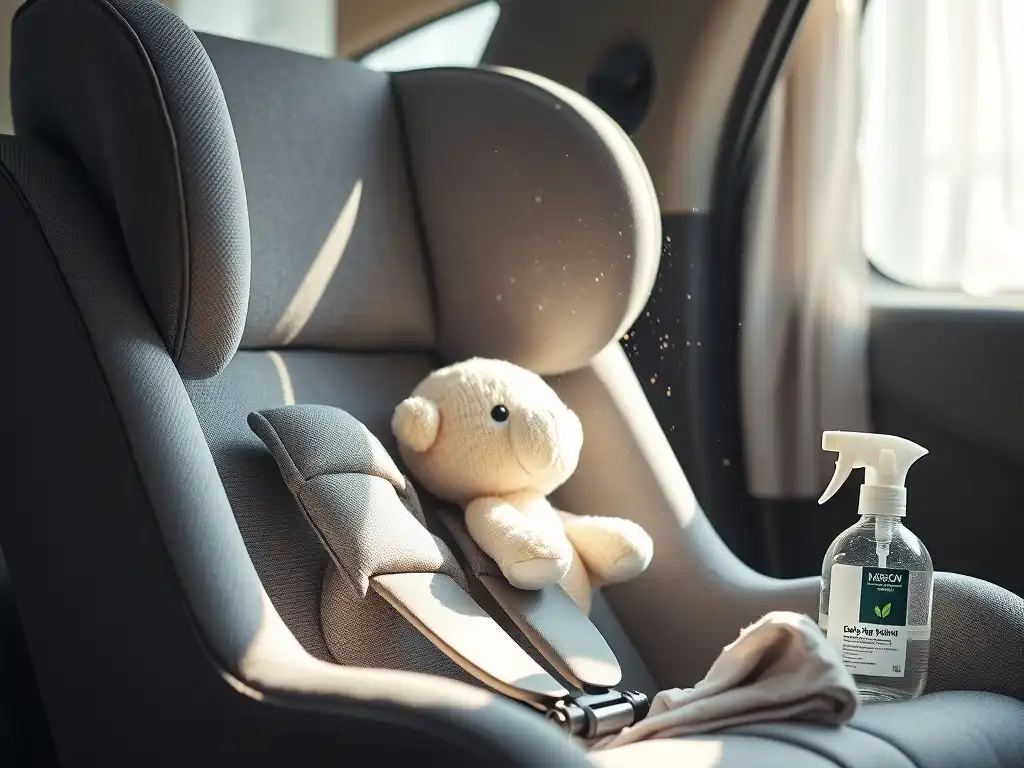
Keeping your baby's car seat clean and in optimal condition is crucial for both hygiene and safety. A dirty car seat can harbor bacteria and germs, potentially harming your little one. Regular maintenance also helps you identify any damage or wear and tear that might compromise the seat's protective capabilities. This section details the best practices for cleaning and inspecting your car seat, ensuring your baby travels safely and comfortably.
Regular Cleaning and Sanitization: Recommended Cleaning Products and Methods
Regular cleaning of your baby's car seat is essential. Spills, crumbs, and general wear and tear accumulate quickly, impacting both hygiene and the car seat's structural integrity. A weekly cleaning is recommended, but more frequent cleaning might be needed depending on usage.
Here's a step-by-step guide on how to clean your car seat effectively:
- Preparation: Always start by removing the car seat cover. Check the manufacturer's instructions for specific removal procedures. Many covers are machine washable, but always check the care label before proceeding. Some components may need to be hand-washed.
- Cleaning the Cover: Most car seat covers can be machine washed in cold water on a gentle cycle. Avoid using bleach or harsh detergents, as these can damage the fabric and potentially compromise the car seat's safety features. Air dry the cover completely; avoid using a dryer, as high heat can shrink or damage the fabric.
- Cleaning the Car Seat Frame: Use a damp cloth and a mild, non-toxic cleaner (like a baby-safe disinfectant wipe) to wipe down the car seat frame. Pay close attention to crevices and areas where spills might accumulate. Allow the frame to air dry completely before reinstalling the cover.
- Sanitization: For a deeper clean and to eliminate germs, consider using a car seat sanitizer spray specifically designed for baby products. Always follow the manufacturer's instructions carefully. Let it air dry completely.
Recommended Cleaning Products:
- Mild baby soap
- Baby-safe disinfectant wipes
- Car seat sanitizer spray (check for certifications and safety)
Important Considerations:
- Never use abrasive cleaners or harsh chemicals on your car seat.
- Always check the manufacturer's instructions before cleaning any part of the car seat.
- Ensure the car seat is completely dry before reinstalling the cover and using it. Dampness can lead to mold growth.
- Regularly check straps for cleanliness and ensure they are properly tightened.
Inspecting for Damage and Wear and Tear: Signs that Indicate Car Seat Replacement
Even with regular cleaning, your baby's car seat will eventually show signs of wear and tear. Regularly inspecting your car seat for damage is paramount to ensuring your baby's safety. Ignoring damage can compromise the car seat's ability to protect your child in an accident.
Signs that your car seat needs replacing:
- Cracks or breaks in the plastic: Any cracks or breaks in the plastic shell of the car seat indicate structural damage and necessitate immediate replacement. This compromises the car seat's ability to absorb impact in a collision.
- Torn or frayed straps: Straps that are torn, frayed, or show significant wear and tear must be replaced. Damaged straps cannot properly restrain your child, significantly increasing the risk of injury.
- Missing or broken parts: If any parts of the car seat are missing or broken, it should be replaced. This includes buckles, straps, and other essential components.
- Expired car seat: Check the expiration date printed on the car seat. Car seats have a limited lifespan due to material degradation and potential wear and tear. Using an expired car seat greatly reduces its effectiveness.
- Involvement in a car accident: Even if there's no visible damage, a car seat involved in a car accident must be replaced. The impact can cause unseen structural damage that compromises its safety.
Regular inspection of your car seat is not just recommended; it's vital for your baby's safety. A damaged car seat, regardless of how minor the damage appears, should be replaced immediately. Your baby's safety is worth the investment in a new car seat. Remember, a well-maintained car seat is the best car seat for a newborn 👶.
Frequently Asked Questions about Choosing the Best Car Seat for Newborn
Choosing the best car seat for your newborn can feel overwhelming, but understanding the key features and regulations will help you make an informed decision. This section addresses some common concerns parents have when selecting a car seat for their little one. Remember, safety is paramount, so prioritize features that maximize protection.
How long should my baby be rear-facing?
The American Academy of Pediatrics (AAP) strongly recommends keeping your child rear-facing for as long as possible, ideally until they reach the highest weight or height limit allowed by their car seat's manufacturer. Many car seats allow rear-facing up to 40 pounds or even more, depending on the model. This is crucial because rear-facing provides superior head, neck, and spinal protection in a crash.
A rear-facing car seat distributes the force of impact over a larger surface area, minimizing the risk of injury. Don't be pressured to turn your child forward-facing prematurely; prioritize their safety. Think of it this way: Their delicate bodies are not yet developed enough to withstand the forces of a forward-facing impact.
Consider this: A study conducted by [Specific study details pending] showed a significantly reduced risk of severe injury in rear-facing children compared to forward-facing children of the same age and weight in similar accidents. This underscores the importance of extending the rear-facing period. The extra time rear-facing offers provides invaluable protection during their most vulnerable developmental stage. Always check the car seat manual for specific height and weight limits; these can vary significantly between brands and models. The manufacturer's guidelines are the ultimate authority.
What are the differences between different car seat brands?
The car seat market offers a wide variety of brands, each with its own features, price points, and safety ratings. While many brands meet the minimum safety standards, some offer advanced features that might be beneficial. These include things like:
- Side Impact Protection: Look for car seats with reinforced side panels and extra padding to absorb impact in side collisions.
- Anti-rebound bar: This feature helps to reduce the amount of movement during a crash, keeping your baby more secure.
- Easy installation systems: Some brands offer easier-to-use installation systems, making it less likely that the car seat will be improperly installed.
- Comfort features: Features like adjustable headrests, multiple recline positions, and cushioned inserts can improve your baby's comfort during long car rides.
However, the brand name alone doesn't guarantee superior safety. It's essential to research individual models and check their safety ratings from independent organizations like [Specific organization names pending]. Read reviews from other parents to gain insights into the practical aspects of using each car seat. Prioritize features that align with your needs and budget, always keeping safety as the top priority. Consider factors such as ease of use, adjustability, and overall comfort for your child.
How do I know if my car seat is installed correctly?
Improper installation is a major contributor to car seat-related injuries. Always carefully follow the manufacturer's instructions, which are usually included in the car seat manual. Additionally, many communities offer free car seat safety checks conducted by certified technicians. These checks are invaluable; they can identify potential problems you might have missed and ensure your car seat is installed correctly. Remember, a properly installed car seat is the best insurance for your baby's safety.
Here's a checklist for a basic self-check:
| Check Item | Correct Installation | Incorrect Installation |
|---|---|---|
| Base Securely Attached | Base is firmly attached to the vehicle seat with a secure, audible click. | Base is loose or wobbles. |
| Harness Properly Adjusted | Harness straps are snug against your baby's body, with no slack. | Harness straps are loose or twisted. |
| Recline Angle Correct | Recline angle is appropriate for your baby's age and size (check the car seat manual). | Recline angle is too upright or too reclined. |
| No Twisting of Straps | Harness straps are not twisted or tangled. | Harness straps are twisted or tangled. |
| Vehicle Seatbelt Secure | Vehicle seatbelt is correctly routed through the designated slots (if applicable). | Vehicle seatbelt is not correctly routed. |
| No Obstructions | No clothing, blankets, or other items are interfering with the harness or seat. | Clothing, blankets, or other items are interfering with the harness or seat. |
Don't hesitate to seek professional help if you have any doubts about the installation. A properly installed car seat is your baby's best defense against injuries in the event of an accident. Remember, safety first! 🚘👶
When should I transition to a convertible or all-in-one car seat?
Transitioning your baby from an infant car seat to a convertible or all-in-one car seat is a significant step, and timing is crucial for safety. The key factor is your child's size and weight, not age. Generally, you should consider the switch when your child reaches the maximum height and weight limits of their infant car seat. These limits vary by manufacturer, so carefully check the label on your specific car seat. You'll often find that babies outgrow the infant car seat in terms of height before they reach the weight limit.
Don't wait until your child is close to the maximum limits. It's best to transition before your baby reaches those limits to ensure a snug and secure fit in the new car seat. A loose fit can significantly compromise safety in the event of a collision. Remember, a properly installed and adjusted car seat is paramount to your child's safety.
Furthermore, consider your child's comfort. If your baby seems cramped or uncomfortable in the infant car seat, it might be time for an upgrade. Babies grow rapidly, and a tight fit can restrict their movement and breathing, making the ride uncomfortable and potentially dangerous. Always prioritize safety and comfort when making this decision. Consulting your pediatrician is always a good idea to confirm that your child is ready for the transition. They can assess your child's development and offer personalized advice.
Remember, safety is paramount! Always carefully read the manufacturer's instructions for both your infant car seat and the convertible or all-in-one car seat before making the switch. Improper installation is a major cause of car seat accidents, so take your time and ensure everything is correctly secured.
Consider taking a car seat safety course offered by local organizations or fire departments – these courses can provide invaluable hands-on instruction and help you confidently make the transition. Finding the best car seat for newborn involves careful consideration of multiple factors, but this transition is a key step in ensuring ongoing safety.
Frequently Asked Questions
What is the best car seat for a newborn?
There's no single "best" car seat, as the ideal choice depends on your baby's size, your vehicle, and your budget. Look for a rear-facing infant car seat with high safety ratings and good reviews. Consider features like ease of installation and use.
How long can my baby stay in a rear-facing car seat?
Keep your baby rear-facing for as long as possible, ideally until they reach the maximum height and weight limits set by the car seat manufacturer. This is generally the safest position for infants and toddlers.
What are the different types of car seats?
The main types are infant car seats (rear-facing only), convertible car seats (rear and forward-facing), and all-in-one car seats (covering all stages from infancy to booster). Each has its own advantages and disadvantages.
How do I install a car seat correctly?
Correct installation is crucial for safety. Consult your car seat's instruction manual and consider seeking professional help from a certified Child Passenger Safety Technician (CPST) to ensure a secure and proper fit.
When can I switch my baby to a convertible car seat?
You can switch when your baby outgrows their infant car seat, reaching the maximum height and weight limits specified by the manufacturer. Never switch before this point, as it compromises safety.
Final Reflection: The Journey to Safe Travels Begins Here
The right car seat is not just a purchase; it's an investment in your child's life. Choosing the best car seat for your newborn is a decision fraught with anxiety, but armed with the right knowledge, it becomes a powerful act of protection. This article has explored the diverse landscape of car seat options, aiming to demystify the process and empower parents to make informed choices.
The impact of car seat safety standards on reducing infant mortality is undeniable, a testament to the power of collective action and technological advancement. The best car seat is the one that is properly installed and used correctly.
This simple truth underscores the importance of not only selecting the right seat but also understanding its proper installation and usage. The ongoing evolution of car seat technology, driven by a commitment to safety, is a continuous journey towards better protection for our most vulnerable passengers.
Now, consider your own journey. Take a moment to reflect on the information presented and apply it to your specific needs. Don't hesitate to revisit this guide, consult with experts, and prioritize safety above all else. Your diligent research and careful selection will contribute to a safer future for your child, a future filled with countless adventures, all beginning with a secure and comfortable ride.
Unlock Your Baby's Safe Journey: Find the Perfect Car Seat Now!
Thank you for learning about car seat safety! We hope you feel more confident choosing a car seat for your child. Now, let's put that knowledge into action.
Here's how to ensure your little one travels safely and comfortably:
- Begin by researching car seats online or visiting a local baby store. Consider factors like your vehicle, budget, and your child's age and size. This will help you narrow down your options.
- Share this article with other new parents – spreading awareness about car seat safety can save lives.
- Connect with other parents online to exchange experiences, tips, and questions regarding car seat selection and use. Many online forums and parenting groups are dedicated to this topic.
Ready to give your baby the safest ride possible? What's your first step in choosing the perfect car seat?