
Decoding Baby's Breathing Sounds: Stridor, Wheezing, and Crackles


Welcome to BabyCareHub, your ultimate guide to navigating the incredible journey of parenthood! Are you a first-time parent feeling overwhelmed by the complexities of newborn care? We understand. That's why we've created this comprehensive resource. Begin your exploration by deciphering the often-mysterious world of baby breathing sounds, and learn to distinguish between normal sounds and those that might require attention in our in-depth article, "Decoding Baby's Breathing Sounds: Stridor, Wheezing, and Crackles," found within our Health & Safety section. Discover the knowledge and confidence you need to embrace this beautiful chapter of your lives.
- Understanding Abnormal Baby Breathing Sounds: A Parent's Guide
- Recognizing Stridor in Babies: A High-Pitched Wheeze
- Wheezing in Babies: A Whistling or Rattling Sound
- Crackles in Babies: A Popping or Clicking Sound
- Differentiating Between Stridor, Wheezing, and Crackles: Key Differences
- Baby Breathing Sounds Explained: When to Worry
- Seeking Professional Medical Advice for Your Baby's Respiratory Health
- Preventing Respiratory Issues in Your Baby
- Frequently Asked Questions
- Final Reflection: The Silent Symphony of a Baby's Breath
- Unveil Your Baby's Breathing Secrets
Understanding Abnormal Baby Breathing Sounds: A Parent's Guide
New parenthood is a rollercoaster of emotions, filled with joy, wonder, and, inevitably, a healthy dose of worry. One of the most common anxieties for new parents revolves around their baby's breathing. While a baby's breathing pattern can be irregular and sometimes even sound a little concerning, understanding the nuances of normal versus abnormal breathing sounds is crucial for peace of mind and prompt action when necessary.
This comprehensive guide will help you decipher common baby breathing sounds, differentiating between normal variations and potentially problematic respiratory noises. We'll explore the distinct sounds of stridor, wheezing, and crackles, offering valuable insights into their causes and when professional medical attention is warranted. Learning to recognize these sounds empowers you to advocate for your baby's health and well-being, providing you with the knowledge to navigate this aspect of newborn care with greater confidence.
This article will specifically address the keyword "baby breathing sounds explained," providing a clear and concise explanation of common respiratory issues in infants. Remember, while this guide offers valuable information, it is not a substitute for professional medical advice. Always consult your pediatrician or healthcare provider if you have any concerns about your baby's health.
Identifying Unusual Breathing Noises in Infants
Infants, with their delicate respiratory systems, are particularly susceptible to respiratory issues. Learning to identify unusual breathing noises is a vital skill for any parent. These noises can manifest in various ways, often causing significant parental anxiety. Some common abnormal sounds include:
- Stridor: A high-pitched, whistling sound, usually heard during inhalation, often indicating a narrowing of the upper airway. Think of it as a harsh, almost "crowing" sound. Stridor can be caused by several factors, including croup, epiglottitis, and foreign body aspiration. The severity and timing of the stridor are crucial in determining the urgency of medical intervention.
- Wheezing: A whistling or sighing sound, typically heard during exhalation, often indicating airway narrowing in the smaller bronchioles. Wheezing can be a sign of bronchiolitis, asthma, or other respiratory infections. The intensity and persistence of wheezing will help your doctor assess the severity of the condition.
- Crackles (rales): These are crackling or popping sounds heard during inhalation, often indicating fluid in the lungs. Crackles can be caused by pneumonia, respiratory distress syndrome, or other pulmonary conditions. The frequency and location of the crackles are important diagnostic indicators.
It's important to note that the presence of any of these sounds doesn't automatically signify a serious problem. However, their presence should prompt you to monitor your baby closely and seek medical attention if they worsen or are accompanied by other symptoms like fever, difficulty feeding, or increased respiratory rate. Remember to note the specifics of the sound (high-pitched, low-pitched, continuous, intermittent), when it occurs (inhalation, exhalation, both), and any other accompanying symptoms. This detailed information will be invaluable when discussing your concerns with your pediatrician.
Common Respiratory Sounds in Babies: Normal vs. Abnormal
Distinguishing between normal and abnormal breathing sounds in babies can be challenging, even for experienced parents. Babies' breathing patterns are naturally irregular, often characterized by pauses and changes in rhythm. However, certain sounds should raise a red flag.
| Sound | Description | Normal/Abnormal | Potential Causes | When to Seek Medical Attention |
|---|---|---|---|---|
| Sniffling | Occasional nasal sounds during breathing. | Normal | Normal nasal secretions | If accompanied by fever, increased respiratory rate, or difficulty breathing |
| Grunting | Short, explosive sounds during exhalation. | Abnormal | Difficulty exhaling, often indicating respiratory distress | Immediately |
| Snorting | Short, forceful expulsion of air through the nose. | Abnormal | Nasal congestion, often a symptom of a cold or infection | If accompanied by other concerning symptoms or if it worsens |
| Wheezing | High-pitched whistling sound during exhalation. | Abnormal | Asthma, bronchiolitis, other respiratory infections | Immediately if severe or accompanied by other symptoms |
| Stridor | High-pitched crowing sound during inhalation. | Abnormal | Croup, epiglottitis, foreign body aspiration | Immediately |
| Crackles | Crackling or popping sounds during inhalation. | Abnormal | Pneumonia, respiratory distress syndrome | Immediately |
Remember, this table provides general information. The best way to determine if your baby's breathing sounds are cause for concern is to consult your pediatrician. Early intervention is key in managing respiratory issues in infants. Trust your instincts—if something feels off, seek medical advice. The peace of mind gained from a quick check-up far outweighs any potential delay.
Recognizing Stridor in Babies: A High-Pitched Wheeze
Stridor, a high-pitched, wheezing sound during breathing, is a common concern for parents of newborns and infants. Unlike the lower-pitched wheezes associated with asthma or bronchiolitis, stridor is often heard during inhalation and is a sign of upper airway obstruction. It's crucial to understand that stridor can range in severity, from a barely audible whistling sound to a harsh, crowing noise that can be quite alarming.
The sound is caused by turbulent airflow through a narrowed airway, and its location helps pinpoint the potential cause. Think of it like a partially blocked straw – the air struggles to pass through, creating that distinctive sound. Differentiating stridor from other breathing sounds, such as wheezing or crackles, is vital for appropriate intervention.
Parents should be vigilant in observing their baby's breathing patterns and noting any unusual sounds. Prompt identification of stridor can lead to timely diagnosis and treatment, preventing serious complications. The intensity and timing of the stridor (during inhalation, exhalation, or both) provide important clues for healthcare professionals.
Causes of Stridor in Infants: From Croup to Other Conditions
Several conditions can cause stridor in infants. One of the most common is croup, a viral infection affecting the larynx and trachea. Croup typically presents with a characteristic barking cough alongside stridor, often worse at night. Another potential cause is epiglottitis, a serious infection of the epiglottis (the flap of cartilage at the base of the tongue), which can cause severe airway obstruction. Epiglottitis is less common now due to widespread vaccination against Haemophilus influenzae type B (Hib). Other causes include:
- Laryngomalacia: A congenital condition where the soft cartilage of the larynx collapses during breathing. This often improves with age.
- Vascular rings: Rare congenital anomalies where blood vessels around the trachea compress the airway.
- Foreign body aspiration: A piece of food or object lodged in the airway. This is a medical emergency.
- Subglottic stenosis: A narrowing of the airway below the vocal cords.
The following table summarizes potential causes and their associated symptoms:
| Condition | Main Symptom | Other Symptoms | Severity |
|---|---|---|---|
| Croup | Barking cough, inspiratory stridor | Fever, hoarseness | Usually mild |
| Epiglottitis | Severe inspiratory stridor, difficulty breathing | High fever, drooling, lethargy, tripod positioning | Medical emergency |
| Laryngomalacia | Inspiratory stridor, often worse when lying down | Noisy breathing, sometimes choking episodes | Variable |
| Vascular Ring | Inspiratory stridor, often worse when lying down | Difficulty feeding, cyanosis (bluish skin) | Variable |
| Foreign Body Aspiration | Sudden onset stridor, choking, coughing | Difficulty breathing, cyanosis | Medical emergency |
| Subglottic Stenosis | Inspiratory stridor, often present from birth | Wheezing, recurrent respiratory infections | Variable |
Remember, this information is for educational purposes only and should not be considered medical advice. Always consult a healthcare professional for any concerns about your baby's breathing.
When to Seek Medical Attention for Stridor
Stridor should always be taken seriously, especially if it's accompanied by other symptoms like difficulty breathing, cyanosis (bluish discoloration of the skin), lethargy, or a high fever. Seek immediate medical attention if your baby:
- Is struggling to breathe or exhibiting signs of respiratory distress (rapid breathing, nasal flaring, retractions – the skin around the ribs and collarbone sinking in with each breath).
- Has a weak, ineffective cough.
- Is lethargic or unresponsive.
- Is turning blue around the lips or fingertips.
- Has a high fever.
- Experiences a sudden onset of stridor, particularly after choking or aspirating something.
Even if the stridor seems mild, it's vital to contact your pediatrician or seek medical advice to rule out any serious underlying conditions. Early intervention is key to managing stridor and preventing potentially life-threatening complications. Early diagnosis and treatment can significantly improve your baby's outcome. Don't hesitate to reach out for professional help; your baby's health is paramount. 👶
Wheezing in Babies: A Whistling or Rattling Sound

Wheezing in babies is a common respiratory sound characterized by a high-pitched whistling or rattling noise during breathing. It's often heard most clearly during exhalation, but can also be present during inhalation. This sound is produced by the narrowing of the airways in the lungs, making it difficult for air to pass through. Understanding the underlying causes is crucial for effective management and ensuring your baby's well-being.
This section focuses on identifying wheezing, differentiating it from other respiratory sounds, and understanding when to seek professional medical attention. Remember, this information is for educational purposes and should not replace professional medical advice. Always consult your pediatrician or healthcare provider if you have concerns about your baby's breathing.
Understanding the Causes of Wheezing in Infants: Asthma and Bronchiolitis
Wheezing in infants can stem from various factors, with asthma and bronchiolitis being prominent culprits. Asthma is a chronic condition causing inflammation and narrowing of the airways. In infants, asthma may present with wheezing, coughing, and shortness of breath, often triggered by allergens, viral infections, or environmental irritants. The symptoms can vary widely in severity and frequency.
Bronchiolitis, on the other hand, is typically caused by a viral infection, most commonly respiratory syncytial virus (RSV). This infection inflames the small airways in the lungs (bronchioles), leading to wheezing, coughing, and difficulty breathing. Bronchiolitis is more common in infants under six months old and often occurs during the colder months.
Here's a table summarizing key differences:
| Feature | Asthma | Bronchiolitis |
|---|---|---|
| Cause | Chronic inflammatory condition | Viral infection (often RSV) |
| Onset | Can be gradual or sudden | Usually sudden |
| Duration | Chronic, recurring episodes | Typically resolves within a few weeks |
| Triggers | Allergens, irritants, viral infections | Viral infection |
| Treatment | Inhalers, medications, avoidance of triggers | Supportive care, hydration, monitoring |
It's important to note that other conditions, such as infections, allergies, or foreign body aspiration, can also cause wheezing in babies. A proper diagnosis by a healthcare professional is essential to determine the underlying cause and implement the appropriate treatment plan. Accurate diagnosis relies on a thorough physical examination and may involve further investigations such as chest X-rays or blood tests.
Home Care for Whezing in Babies: Managing Mild Whezing at Home
For mild wheezing episodes, certain home care measures can help alleviate your baby's discomfort. These measures focus on keeping your baby comfortable and supporting their respiratory function. However, it is crucial to remember that this information is not a substitute for professional medical advice. Always consult your pediatrician before implementing any home remedies, especially if the wheezing is severe or accompanied by other concerning symptoms.
- Hydration: Ensure your baby is well-hydrated. Offer frequent breast milk or formula feedings. For older infants, you can offer small amounts of electrolyte solution if advised by your doctor. 💦
- Humidified Air: A cool-mist humidifier can help add moisture to the air, potentially easing breathing. Ensure the humidifier is cleaned regularly to prevent the growth of mold and bacteria.
- Elevated Head Position: Slightly elevating your baby's head while sleeping can help improve breathing comfort. However, avoid placing anything under your baby's head that could pose a suffocation risk.
- Rest: Ensure your baby gets plenty of rest. A calm and quiet environment can help reduce stress and improve breathing. 😴
- Monitoring: Closely monitor your baby's breathing, looking for any signs of worsening, such as increased difficulty breathing, bluish discoloration of the skin (cyanosis), or lethargy. Keep a record of your baby's breathing patterns and any other symptoms.
When to Seek Immediate Medical Help for Baby Wheezing
While mild wheezing might respond to home care, certain signs indicate the need for immediate medical attention. Don't hesitate to seek professional help if your baby exhibits any of the following:
- Severe difficulty breathing: Your baby is struggling to breathe, making rapid, shallow breaths (tachypnea), or retracting their chest wall (sunken areas between the ribs or above the collarbone).
- Bluish discoloration of the skin (cyanosis): This indicates a lack of oxygen in the blood and requires immediate medical attention.
- Lethargy or unresponsiveness: If your baby is unusually lethargic, unresponsive, or difficult to rouse, seek immediate medical assistance.
- High fever: A high fever (above 100.4°F or 38°C) accompanying wheezing could signal a serious infection.
- Worsening wheezing or new symptoms: If your baby's wheezing worsens, or they develop new symptoms such as a persistent cough, vomiting, or refusal to feed, contact your pediatrician immediately.
Remember, early intervention is crucial in managing respiratory issues in babies. Don't hesitate to contact your pediatrician or seek emergency medical care if you have any concerns about your baby's breathing. Your baby's health and well-being are paramount.
Crackles in Babies: A Popping or Clicking Sound
Crackles, also known as rales, are abnormal sounds heard during a baby's breathing. Unlike the smooth, quiet breathing expected in healthy infants, crackles sound like popping, clicking, or crackling noises. These sounds are often described as similar to the sound of rubbing hair together near your ear. They're caused by air passing through airways containing fluid or mucus, indicating a potential respiratory issue.
Understanding the causes and management of crackles is crucial for ensuring your baby's respiratory health. This section delves into the specific causes of crackles in babies and provides guidance on appropriate management strategies. It's important to remember that this information is for educational purposes and should not replace professional medical advice. Always consult your pediatrician or healthcare provider if you suspect your baby has a respiratory problem.
Causes of Crackles in a Baby's Lungs: Pneumonia and Other Illnesses
Crackles in a baby's lungs are often associated with several underlying conditions. One of the most common is pneumonia, a lung infection that causes inflammation and fluid buildup in the air sacs (alveoli). This fluid obstructs airflow, leading to the characteristic crackling sound. Other potential causes include:
- Bronchiolitis: This viral infection primarily affects the smaller airways (bronchioles) in the lungs, causing inflammation and mucus production. This excess mucus can create crackles during breathing.
- Congenital heart defects: Certain heart conditions can lead to fluid buildup in the lungs, resulting in crackles.
- Pulmonary edema: This condition involves fluid accumulation in the lungs, often due to heart failure or other underlying medical issues. This fluid can create crackling sounds during respiration.
- Aspiration: If a baby inhales food, liquid, or other foreign objects into their lungs, it can cause inflammation and crackles.
- Respiratory Distress Syndrome (RDS): This condition, primarily affecting premature babies, involves a lack of surfactant in the lungs, leading to collapsed alveoli and crackling sounds.
The severity of the crackles and accompanying symptoms (cough, fever, difficulty breathing) will help determine the underlying cause. Early diagnosis and appropriate treatment are essential for managing these conditions effectively. Remember, a proper diagnosis requires a medical evaluation.
Managing Crackles in Infants: Treatment Options and Monitoring
Managing crackles in infants depends heavily on the underlying cause. Treatment focuses on addressing the root problem and relieving symptoms. This may involve:
- Medication: Antibiotics are prescribed for bacterial infections like pneumonia. Bronchodilators may be used to open the airways in cases of bronchiolitis or asthma.
- Oxygen therapy: Supplemental oxygen may be necessary if the baby is experiencing respiratory distress.
- Respiratory support: In severe cases, mechanical ventilation might be required to assist breathing.
- Fluid management: Intravenous fluids may be administered to prevent dehydration, especially in cases of fever or vomiting.
- Monitoring: Close monitoring of the baby's vital signs (heart rate, respiratory rate, oxygen saturation) is crucial to track progress and adjust treatment as needed.
The prognosis for babies with crackles varies greatly depending on the cause and severity of the underlying condition. Early intervention and appropriate medical care significantly improve the chances of a full recovery. Regular follow-up appointments with your pediatrician are essential for monitoring your baby's progress and ensuring the condition is properly managed.
Always seek immediate medical attention if you notice crackles accompanied by significant difficulty breathing, cyanosis (bluish discoloration of the skin), or lethargy. Careful observation and prompt medical care are vital for ensuring your baby's respiratory health and well-being. Remember, a proactive approach to baby breathing sounds, understanding what's normal and when to seek help, is a key element of responsible parenting.
Differentiating Between Stridor, Wheezing, and Crackles: Key Differences
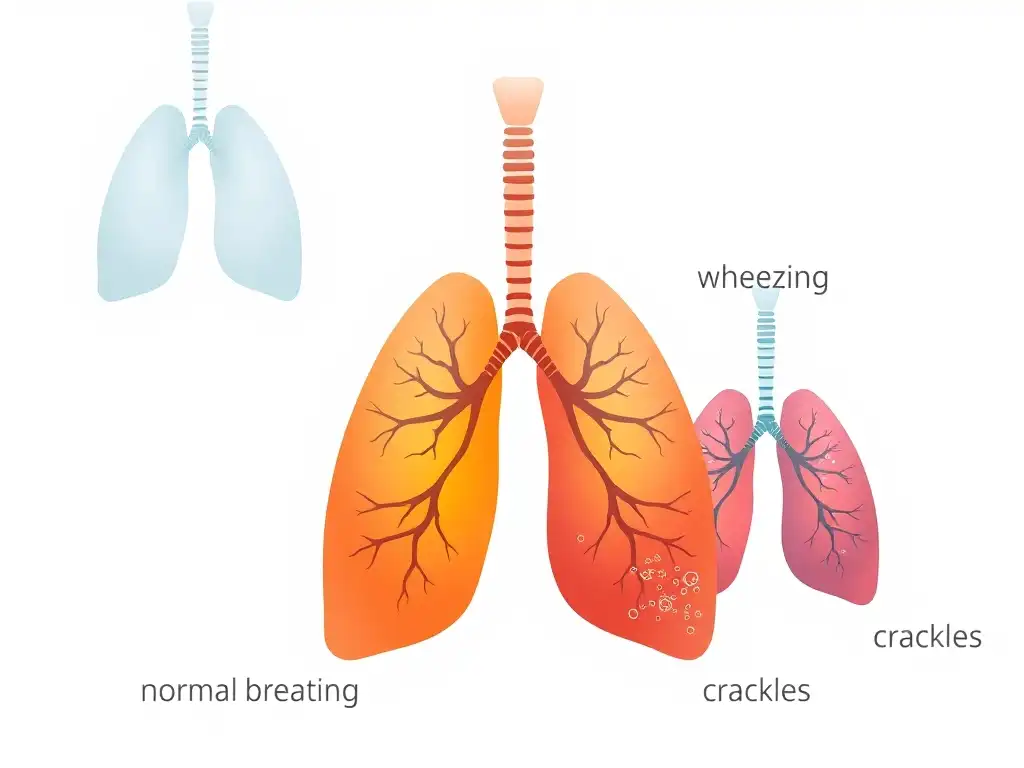
Understanding the nuances of your baby's breathing sounds is crucial for early intervention. While all three – stridor, wheezing, and crackles – indicate potential respiratory distress, they stem from different underlying causes and present with distinct auditory characteristics. This section focuses on helping you, the parent, discern these differences, empowering you to seek appropriate medical attention when necessary. Recognizing these sounds can be instrumental in ensuring your baby receives timely and effective care. This is vital for managing conditions such as bronchiolitis, croup, and asthma, common respiratory issues in infants.
Comparing the Sounds: A Helpful Guide for Parents
Differentiating between stridor, wheezing, and crackles requires careful listening. Think of it like learning a new language – initially challenging, but with practice, you'll become more adept at recognizing subtle differences.
| Sound | Description | Location of Sound | Potential Underlying Cause(s) | Severity Indication |
|---|---|---|---|---|
| Stridor | A high-pitched, musical sound, often heard during inhalation. | Usually heard in the neck or upper airway. | Croup, epiglottitis, laryngomalacia, foreign body aspiration | Can range from mild to life-threatening; always seek medical attention. |
| Wheezing | A whistling or sighing sound, often heard during both inhalation and exhalation. | Usually heard in the chest. | Asthma, bronchiolitis, reactive airway disease, pneumonia | Varies depending on the severity and underlying condition. |
| Crackles | Short, popping or crackling sounds, often heard during inhalation. | Usually heard in the chest. | Pneumonia, bronchopneumonia, fluid in the lungs, pulmonary edema | Can indicate serious lung conditions; seek immediate medical attention. |
Remember, this table provides a general guideline. The actual sound might vary depending on the severity of the condition and your baby's individual characteristics. Furthermore, some conditions can present with a combination of these sounds.
Important Note: This information is for educational purposes only and should not replace professional medical advice. Always consult your pediatrician or healthcare provider if you are concerned about your baby's breathing.
Visual Aids: Audio and Visual Examples of Each Sound
Unfortunately, providing actual audio and visual examples within this text format is not feasible. However, we strongly encourage you to search online for "baby stridor sounds," "baby wheezing sounds," and "baby crackles sounds." Many reputable medical websites and educational resources offer audio clips and visual representations that can greatly enhance your understanding of these distinct respiratory sounds. This hands-on approach will significantly improve your ability to identify these sounds in your baby and respond appropriately.
The visual and auditory cues together are far more effective than textual descriptions alone in helping you learn to recognize these crucial sounds. Remember, early detection is key to effective management of your baby's respiratory health. Seeking prompt medical attention when necessary is crucial for your baby's well-being. 👶
Baby Breathing Sounds Explained: When to Worry

Understanding your baby's breathing is crucial for their well-being. While some sounds are normal, others can indicate underlying respiratory problems requiring immediate attention. This section focuses on identifying concerning breathing sounds and when to seek professional help. The key is recognizing the difference between normal breathing noises and those that signal potential issues. This is especially important for first-time parents navigating the complexities of newborn care. Learning to interpret these sounds is a vital skill in ensuring your baby's respiratory health.
Common Questions About Unusual Baby Breathing Sounds
Many new parents are understandably anxious about unusual baby breathing sounds. Let's address some common concerns:
- Wheezing: A high-pitched whistling sound during breathing, often heard on exhalation, can indicate airway narrowing. This might be due to bronchiolitis, asthma, or other respiratory infections. Wheezing accompanied by coughing, difficulty breathing, or a bluish tinge to the skin necessitates immediate medical attention. The intensity and persistence of the wheezing should be carefully monitored.
- Stridor: A high-pitched, harsh sound, typically heard during inhalation, often signifies a blockage in the upper airway. Croup is a common cause of stridor, characterized by a barking cough and difficulty breathing. Stridor is a serious sign and requires prompt medical evaluation. The sound is often described as a "seal-like" bark.
- Crackles (rales): These are clicking, crackling, or popping sounds heard during inhalation. They often suggest fluid in the lungs, possibly due to pneumonia or other lung infections. Crackles, especially when accompanied by fever, lethargy, or rapid breathing, warrant immediate medical attention. The frequency and intensity of the crackles are important indicators.
- Grunting: Babies may grunt during exhalation as a way to keep their airways open. While occasional grunting might be normal, persistent grunting is a sign of respiratory distress and requires immediate medical assessment. This is often a sign the baby is working hard to breathe.
Remember, this information is for educational purposes only and does not replace professional medical advice. Always consult your pediatrician or healthcare provider if you have any concerns about your baby's breathing.
Seeking Professional Medical Advice for Your Baby's Respiratory Health
Knowing when to seek immediate medical attention for your baby's respiratory health is paramount. Delaying treatment can worsen the condition and potentially lead to serious complications. This section outlines key indicators requiring prompt medical evaluation. Early intervention is key to managing respiratory issues effectively.
When to Call Your Doctor Immediately
Several symptoms necessitate an immediate call to your pediatrician or a visit to the emergency room. These include:
- Difficulty breathing: This includes retractions (sucking in of the skin between the ribs or under the collarbone), nasal flaring, grunting, and rapid breathing. These are clear signs of respiratory distress. The severity and frequency of these symptoms should be carefully noted.
- Bluish discoloration of the skin (cyanosis): This indicates a lack of oxygen in the blood and is a medical emergency. The location and extent of the discoloration should be recorded.
- Lethargy or unresponsiveness: If your baby is unusually lethargic, unresponsive, or difficult to rouse, seek immediate medical help. A change in responsiveness is a critical indicator.
- High fever: A high fever, especially combined with other respiratory symptoms, requires immediate medical attention. Accurate temperature readings are crucial.
- Persistent cough or wheezing: A cough that doesn't improve or worsens, along with persistent wheezing, warrants prompt medical evaluation. The character of the cough (e.g., dry, wet, barking) should be noted.
This information serves as a guide. Trust your instincts. If you are ever concerned about your baby's breathing, don't hesitate to contact your healthcare provider. Early intervention can make a significant difference in your baby's health and recovery. Remember, it's always better to err on the side of caution when it comes to your baby's health. 👶
Preventing Respiratory Issues in Your Baby
Preventing respiratory issues in your baby requires a proactive approach encompassing both environmental control and bolstering their immune system. Early intervention and preventative measures are crucial in minimizing the risk of conditions like bronchiolitis, croup, and asthma. Understanding the common causes and implementing simple strategies can significantly reduce your baby's vulnerability to respiratory problems. This section focuses on practical steps you can take to create a healthier environment and strengthen your baby's natural defenses.
Maintaining a Healthy Home Environment for Your Infant
A clean and allergen-free home is the first line of defense against respiratory infections. Dust mites, pet dander, and mold spores are common irritants that can trigger wheezing, coughing, and other respiratory symptoms in infants. Here's how to minimize their impact:
- Regular Cleaning: Dust and vacuum frequently, paying special attention to carpets, upholstery, and bedding. Use a HEPA filter vacuum cleaner to remove microscopic allergens more effectively. Consider using hypoallergenic bedding and washable toys.
- Air Quality: Ensure good ventilation in your home by opening windows regularly, especially in bedrooms. Use an air purifier with a HEPA filter, particularly during allergy season, to remove airborne particles. Avoid smoking or allowing others to smoke near your baby. This includes e-cigarettes, as they also release harmful particles.
- Temperature Control: Maintain a comfortable room temperature, avoiding extreme heat or cold. Overheating can dry out nasal passages, making babies more susceptible to infections.
- Humidification: A cool-mist humidifier can add moisture to the air, especially during dry winter months. However, it's crucial to clean humidifiers regularly to prevent mold growth. Overly humid environments can also be problematic, so monitoring humidity levels is important.
- Pet Considerations: If you have pets, keep them out of your baby's bedroom and regularly groom them to minimize dander. Regular bathing of pets can also reduce allergens.
Supporting Your Baby's Immune System: Nutrition and Hygiene Practices
A strong immune system is your baby's best defense against respiratory infections. Proper nutrition and good hygiene practices play a vital role in building this resilience.
- Breastfeeding: Breast milk provides essential antibodies and nutrients that protect against various infections, including respiratory illnesses. Breastfeeding is strongly recommended for at least the first six months of life. The antibodies and nutrients in breast milk actively contribute to a stronger immune response.
- Proper Nutrition: Once your baby starts solid foods, ensure a balanced diet rich in fruits, vegetables, and whole grains. These provide essential vitamins and minerals that support immune function. Avoid processed foods, sugary drinks, and excessive salt.
- Hand Hygiene: Wash your hands thoroughly and frequently, especially before handling your baby. This simple practice significantly reduces the transmission of germs. Encourage others who interact with your baby to do the same. Hand sanitizers can be used when soap and water are unavailable.
- Immunizations: Vaccinations are crucial for protecting your baby against preventable respiratory illnesses, including influenza and respiratory syncytial virus (RSV). Follow your pediatrician's recommended immunization schedule. Immunizations significantly reduce the incidence and severity of respiratory infections.
- Avoiding Exposure: Limit your baby's exposure to sick individuals. During cold and flu season, avoid crowded places and practice social distancing whenever possible. Early identification and management of respiratory illnesses in family members can minimize the risk of transmission.
By diligently following these preventative measures, you can significantly reduce the risk of your baby developing respiratory problems. Remember, consistent effort is key to creating a safe and healthy environment for your little one. Always consult your pediatrician if you have any concerns about your baby's breathing or health. Early detection and intervention are vital in managing respiratory issues.
Frequently Asked Questions
What are normal baby breathing sounds?
Normal baby breathing sounds are often soft and quiet. You might hear some slight sniffling or occasional sighs. These are usually nothing to worry about.
When should I worry about my baby's breathing sounds?
Seek immediate medical attention if you hear noisy breathing, like wheezing, stridor (high-pitched whistling sound), or grunting, accompanied by difficulty breathing, rapid breathing, or bluish skin discoloration.
What is stridor, and why does it occur?
Stridor is a high-pitched, whistling sound during breathing, usually caused by a narrowing of the upper airway. This can be due to various factors, including infections or birth defects, and requires prompt medical evaluation.
What causes wheezing in babies?
Wheezing is a whistling or rattling sound during breathing, often indicating airway narrowing, potentially due to bronchiolitis, asthma, or allergies. Consult your pediatrician for proper diagnosis and treatment.
What are crackles (rales) in a baby's breathing?
Crackles are wet, crackling sounds during breathing, often indicating fluid in the lungs. This can be a sign of pneumonia or other respiratory infections and requires immediate medical attention.
Final Reflection: The Silent Symphony of a Baby's Breath
Understanding a baby's breathing sounds is not just about deciphering medical jargon; it's about unlocking a window into their well-being. The subtle nuances of stridor, wheezing, and crackles can signal everything from a minor irritation to a serious condition, highlighting the crucial role of parental awareness and prompt medical attention. This knowledge empowers parents to become active participants in their child's healthcare journey.
The emotional impact of hearing unusual breathing sounds in your baby is profound. The anxiety and uncertainty are palpable, making the ability to identify and understand these sounds incredibly valuable. The most important thing a parent can do is to trust their instincts. If something feels wrong, seek medical help immediately.
This simple truth underscores the importance of the information presented in this article, empowering parents to advocate for their children's health with confidence and knowledge.
Now, consider the sounds your baby makes. Are they clear and consistent, or do you notice anything unusual? Take a moment to reflect on the information you've learned. Remember, this knowledge is a tool, not a replacement for professional medical advice. Empower yourself to be a vigilant and informed caregiver, and don't hesitate to seek medical attention if you have any concerns. Your baby's health is paramount, and your attentiveness is their greatest defense.
Unveil Your Baby's Breathing Secrets
Thank you for learning more about your baby's breathing. Understanding these subtle cues is crucial for ensuring your little one's well-being. Let's put that knowledge into practice!
- Schedule a checkup with your pediatrician: This is the most important step. Don't hesitate to seek professional advice if you have any concerns about your baby's breathing.
- Share this information with other parents: Help spread awareness about the importance of recognizing subtle changes in a baby's breathing. Many parents will find this information helpful.
- Keep a breathing log: Track your baby's breathing patterns for the next few days. Note any changes, and share this information with your pediatrician at your next appointment.
Ready to provide the best possible care for your precious baby? What specific sounds or patterns have you noticed in your baby's breathing that you'd like to understand better?