
The Complete Guide to Babyproofing Your Garden

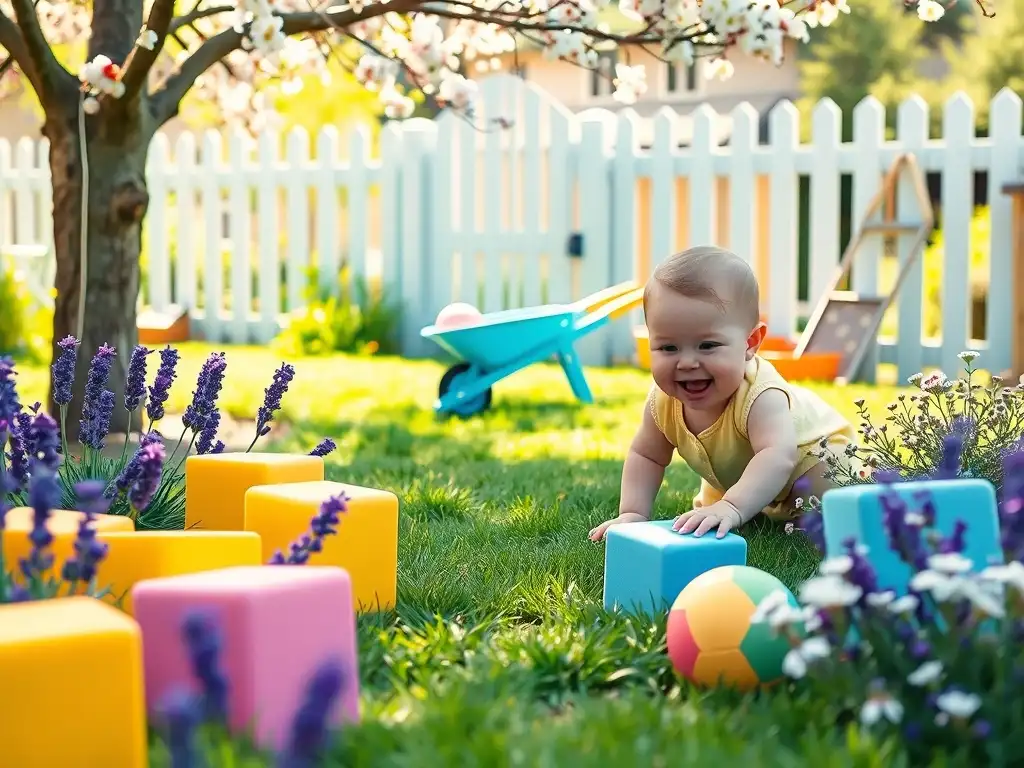
Welcome to BabyCareHub, your ultimate resource for navigating the incredible journey of parenthood! Are you ready to create a safe and nurturing environment for your little one? Then you're in the right place.
We understand the anxieties that come with caring for a newborn, and our expert advice, covering everything from feeding schedules to developmental milestones, is designed to empower you. But first, let's tackle an often-overlooked aspect of baby safety: discover our essential baby proof garden checklist and ensure your outdoor space is just as secure as the inside of your home. Dive in and learn how to transform your garden into a haven of fun and safety for your precious baby!
- Creating a Safe Outdoor Haven: Your Baby Proof Garden Checklist
-
Babyproofing Your Garden Step-by-Step
- Step 1: Fence and Gate Safety: Securing Boundaries
- Step 2: Plant Assessment and Removal of Toxic Plants
- Step 3: Securing Tools and Equipment
- Step 4: Childproofing the Pond or Pool Area
- Step 5: Covering and Protecting Exposed Areas
- Step 6: Removing Small Objects and Choking Hazards
- Step 7: Installing Protective Barriers
- Step 8: Creating Safe Play Zones
- Step 9: Regular Maintenance and Inspections
- Maintaining a Safe Garden Environment for Your Growing Baby
- Frequently Asked Questions
- Final Reflection: Cultivating a Safe Haven: Your Garden, Your Child's Sanctuary
- Ready to Make Your Garden a Baby-Safe Haven?
Creating a Safe Outdoor Haven: Your Baby Proof Garden Checklist
Becoming a parent is a joyous journey filled with countless firsts. As your little one grows, so does their curiosity, leading them to explore the world around them – including your garden. This comprehensive guide provides a step-by-step approach to babyproofing your garden, transforming it from a potential hazard zone into a safe and stimulating outdoor play area. This checklist will help you systematically identify and mitigate risks, ensuring your baby's safety while they enjoy the wonders of nature.
We'll cover everything from poisonous plants to sharp objects, water hazards to insect bites, providing practical solutions to create a truly baby-proofed garden paradise. This guide is crucial for parents searching for a reliable "baby proof garden checklist," offering peace of mind and a safe environment for your precious child. Let's begin creating a haven where your baby can thrive and explore without compromising their safety.
Assessing Your Garden's Risks: Identifying Potential Hazards for Babies
Before you start babyproofing, a thorough assessment of your garden is crucial. Get down on your hands and knees – literally – to see your garden from your baby's perspective. Consider their crawling, toddling, and reaching capabilities. Look for anything that could pose a threat: low-hanging branches, exposed wires, sharp objects, and anything small enough to be swallowed. Note the location of potential hazards, such as ponds, pools, or areas with poisonous plants.
Take photos to document these areas; this will help you prioritize your babyproofing efforts and track your progress. Remember, even seemingly harmless items can become dangerous in the hands (or mouths!) of curious babies. This initial assessment forms the backbone of your "baby proof garden checklist," enabling a proactive and comprehensive approach to safety.
Common Garden Hazards and How to Mitigate Them
Once you've identified potential hazards, it's time to address them. This section details common garden hazards and provides practical solutions to mitigate the risks. Remember to always supervise your baby in the garden, regardless of the precautions you take. A watchful eye is the best form of babyproofing! Let's delve into specific hazards and how to neutralize them.
Poisonous Plants and Flowers: Identification and Removal
Many common garden plants are toxic if ingested. Thoroughly research the plants in your garden to identify any poisonous varieties. Utilize online resources or consult with a gardening expert for accurate identification. The safest approach is to remove poisonous plants entirely. If removal isn't feasible, ensure they are inaccessible to your baby by using barriers or fences. Keep a detailed list of all poisonous plants removed, just in case. Remember, prevention is always better than cure when dealing with poisonous plants. This is a crucial step in your comprehensive "baby proof garden checklist."
Sharp Objects: Securing Tools and Trimming Hazards
Garden tools, such as shears, spades, and rakes, pose a significant risk to babies. Store all tools securely in a locked shed or outbuilding, inaccessible to curious little hands. If storage isn't an option, consider using wall-mounted racks high out of reach. Similarly, trim any sharp or thorny plants, and remove any broken branches or sharp stones that could cause injury. Regular garden maintenance is key to preventing accidents. Always remember to check for sharp objects from your baby’s perspective.
Water Hazards: Preventing Drowning Accidents in Ponds and Pools
Water features, such as ponds and pools, are major drowning hazards. If you have a pond, fence it off completely with a sturdy, self-closing gate that is high enough to prevent a child from climbing over it. Similarly, install safety fencing around pools, complying with all relevant safety standards. Never leave your baby unattended near any water source, even for a moment. This is a critical item on your "baby proof garden checklist."
Small Objects: Choking Hazards from Seeds, Pebbles, and More
Small objects like seeds, pebbles, and beads pose a significant choking hazard. Regularly inspect your garden for these items and remove them immediately. Mulch can also contain small stones, so consider using a safer alternative. Always supervise your baby while they are playing in the garden, and never let them put anything in their mouth unsupervised.
Insect Bites and Stings: Protection Strategies
Insect bites and stings can be painful and potentially dangerous for babies. Use insect repellent appropriate for babies, following the manufacturer's instructions carefully. Consider planting insect-repelling plants, such as lavender or citronella. Regularly check your baby for any bites or stings and treat them promptly. Keep a close eye on the garden for nests, and contact a pest control professional if necessary.
Sun Protection: Shade and Sunscreen for Your Little One
Babies' delicate skin is highly susceptible to sunburn. Provide ample shade in your garden using umbrellas, awnings, or strategically placed plants. Always apply a high SPF, broad-spectrum sunscreen specifically designed for babies, and reapply regularly, especially after swimming or sweating. Dress your baby in protective clothing, including a hat, to minimize sun exposure. Remember, sun protection is a vital element of your "baby proof garden checklist."
Babyproofing Your Garden Step-by-Step
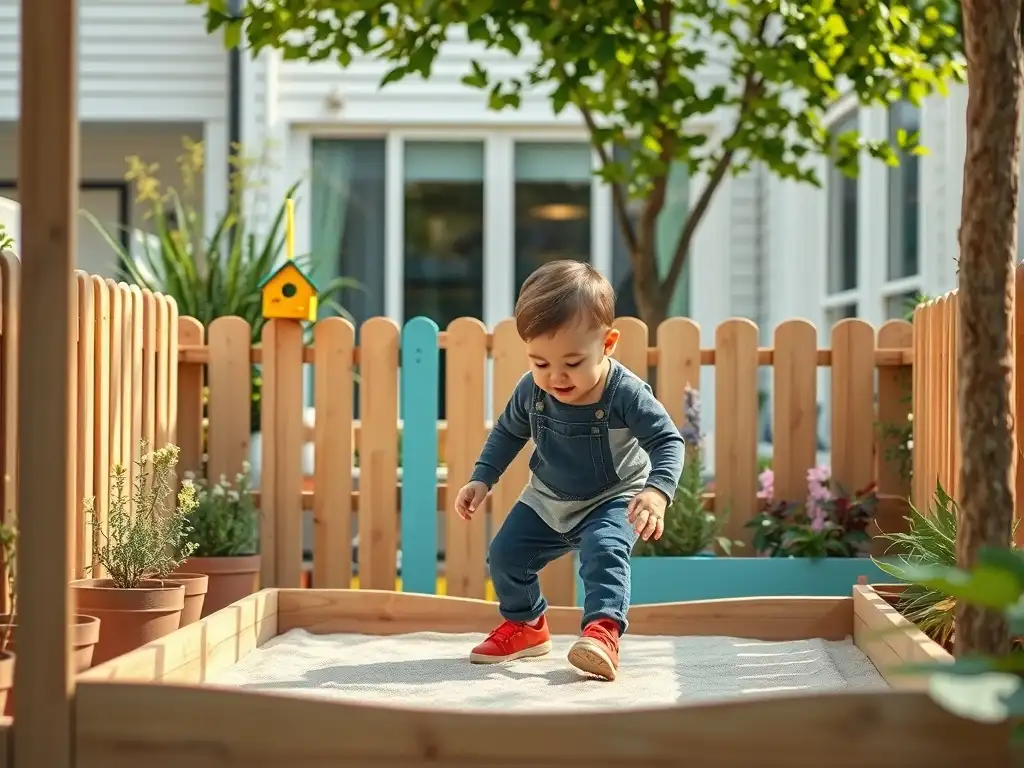
This section provides a detailed, step-by-step guide to babyproofing your garden, ensuring a safe outdoor environment for your little one. Creating a safe haven for your child involves careful consideration of potential hazards, proactive measures, and regular checks. This checklist will help you systematically address these concerns, transforming your garden into a play area free from risks. Remember, a baby-proofed garden is a happy and safe garden!
Step 1: Fence and Gate Safety: Securing Boundaries
Securing your garden perimeter is the first and most crucial step in babyproofing. A sturdy fence and securely fastened gates are your first line of defense against wandering toddlers. Here's what to check:
- Fence Height: Ensure your fence is at least 4 feet tall. A taller fence (5 feet or more) is even better, especially if you have a determined climber! A shorter fence might be easily scaled by a curious toddler.
- Gate Latches: Standard latches are often easily opened by clever toddlers. Invest in self-closing and self-latching gates with high-quality latches that are positioned out of reach of little hands. Consider using double-locking mechanisms for added security.
- Fence Condition: Check for any gaps, loose boards, or damaged sections. Repair or replace these immediately to prevent escapes. Look for areas where a child could squeeze through or climb over.
- Gate Placement: Ensure gates open outwards, away from the garden, to prevent accidental trapping. Never leave a gate open unattended.
- Sharp Points/Protrusions: Check for any sharp points or protrusions on the fence posts or gates that could cause injury. Cover or pad these with appropriate protective materials.
Remember, a well-maintained fence and secure gates are paramount for preventing accidents and keeping your little one safe within the garden's boundaries. Regular inspection is key to maintaining this crucial layer of protection.
Step 2: Plant Assessment and Removal of Toxic Plants
Many common garden plants are toxic if ingested by young children. Thorough plant assessment and removal of hazardous plants is a critical part of your "baby proof garden checklist".
- Identify Toxic Plants: Research common poisonous plants in your area. Some common culprits include daffodils, azaleas, rhododendrons, oleander, and nightshade. A quick online search using terms like "toxic garden plants for babies" will provide a comprehensive list.
- Removal: The safest approach is to remove any potentially toxic plants entirely from your garden. This eliminates the risk altogether.
- Replacement: Consider replacing toxic plants with child-safe alternatives. Many beautiful and non-toxic flowers and plants are available.
- Out-of-Reach Placement: If removal isn't feasible for certain plants, ensure they are placed well out of reach of your child. This means at least several feet away from any areas your child could access independently.
- Mulch and Ground Cover: Use thick mulch or ground cover to deter children from digging or reaching for plants at ground level. This adds an extra layer of protection.
A toxic-free garden environment ensures peace of mind and safeguards your child's health. Regularly review your plant inventory, especially during periods of growth and change in your garden.
Step 3: Securing Tools and Equipment
Garden tools and equipment represent another significant hazard in the garden. Sharp objects, heavy machinery, and chemicals pose serious risks to curious toddlers. Here's how to tackle this aspect of your baby proof garden checklist:
- Storage: Store all tools and equipment in a secure shed or locked container, completely out of reach of children. This includes spades, rakes, hoes, shears, and any other sharp or potentially dangerous items.
- Chemicals: Pesticides, herbicides, and fertilizers are extremely hazardous to children. Store these in a locked cabinet, well away from your child's reach. Always follow label instructions carefully.
- Heavy Equipment: Mowers, tillers, and other heavy equipment should be stored in a locked shed or garage, completely inaccessible to children. Never leave them unattended while operating.
- Consider Child-Resistant Locks: Use child-resistant locks on sheds and tool cabinets to ensure added security.
- Regular Check: Regularly check for any misplaced tools or equipment. Promptly secure any items that are left out.
By following these steps, you can create a safe and enjoyable outdoor environment for your child. Remember that regular inspection and maintenance are crucial for maintaining a baby-proofed garden. Enjoy the peace of mind knowing your little one can explore the garden safely!
Step 4: Childproofing the Pond or Pool Area
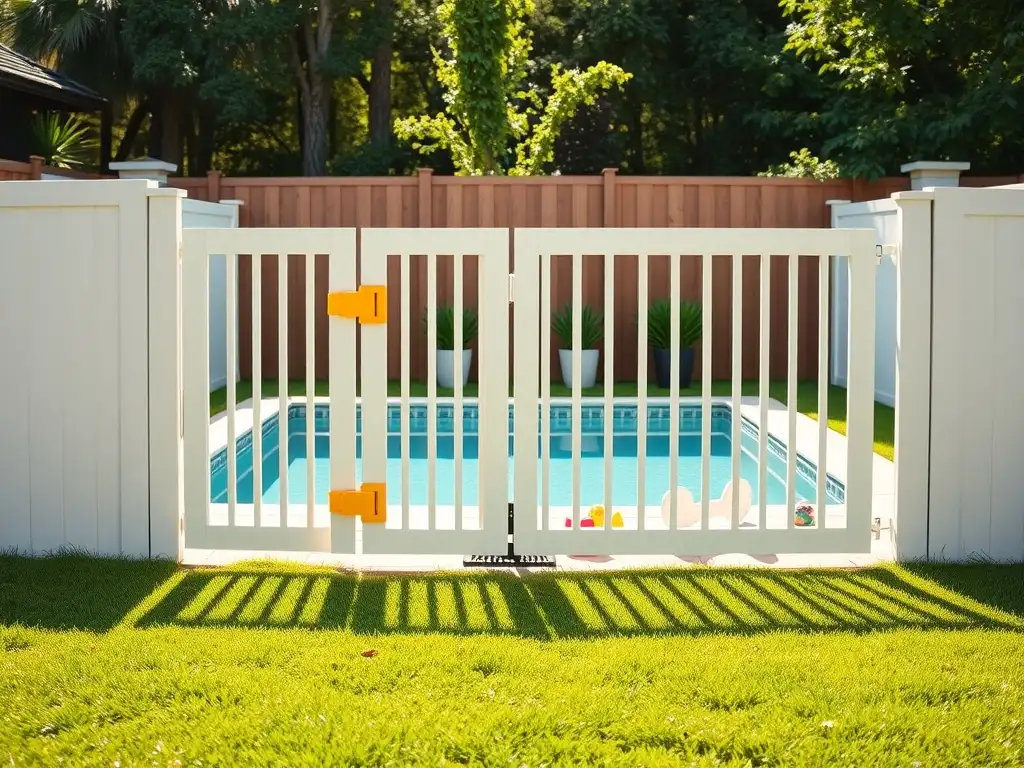
Water features, even seemingly shallow ones, present a significant drowning hazard for babies and toddlers. A seemingly innocuous paddling pool can become a death trap if left unsupervised. Therefore, securing this area is paramount in your baby proof garden checklist. For ponds, the most effective solution is often a securely fastened fence, at least four feet high, surrounding the entire perimeter. This fence should have self-closing and self-latching gates, placed out of a child's reach.
Never rely on a child's ability to understand danger – always assume they will investigate. Regular inspections are key; ensure the fence remains in perfect condition and the gate latches securely. For pools, similar fencing is essential, ideally compliant with local safety regulations. Additionally, consider pool alarms that sound when the water is disturbed. Pool covers are also crucial, but remember that they should not be relied upon as the sole safety measure.
Always supervise children around water, no matter how many safety measures are in place. Adult supervision is the most crucial element of water safety. Remember, even a few inches of water can be dangerous for a young child. A baby proof garden checklist should always prioritize water safety above all else. 👶💦
Step 5: Covering and Protecting Exposed Areas
Many garden features pose hidden dangers. Exposed pipes, sharp edges on planters, or even protruding tree roots can cause serious injuries to a crawling or walking baby. A thorough sweep of your garden is essential, using your baby proof garden checklist as a guide. Exposed pipes can be covered with protective tubing or casing, readily available at most hardware stores. Sharp edges on planters can be softened with padding or covered with protective material.
Protruding tree roots can be covered with soil or mulch, creating a smoother surface. Remember, it's better to err on the side of caution; even small, seemingly harmless protrusions can cause significant injury. Consider the perspective of a small child – they will explore everything within their reach. Think about how a baby might interact with each element in your garden and address potential hazards proactively. A well-maintained garden, free of exposed dangers, is a safer garden for your little one.
Regularly inspecting these areas, particularly after gardening or weather events, is a crucial part of maintaining a safe outdoor space. This preventative approach reduces the risk of accidents and helps ensure a worry-free playtime for your baby. This comprehensive approach is a key element of any effective baby proof garden checklist. 🪴🛡️
Step 6: Removing Small Objects and Choking Hazards
Small objects present a significant choking hazard for babies. This is a crucial point in your baby proof garden checklist. Anything small enough to fit inside a toilet paper roll is potentially dangerous. This includes pebbles, small stones, seeds, nuts, and even small toys left outdoors. Thoroughly examine your garden, removing any such items.
Pay particular attention to areas where children might play, such as flowerbeds, under bushes, or near patios. Regularly check for new hazards, especially after gardening or windy conditions. Remember that babies often put things in their mouths to explore, so eliminating small objects is a vital step in creating a safe environment. Consider the potential for small items to be hidden within plants or under foliage, ensuring a thorough and systematic check of the entire garden area. Prioritize safety by regularly clearing out small objects and keeping the garden free from potential choking hazards.
This diligent approach is a non-negotiable component of a complete baby proof garden checklist. Your vigilance in this area will contribute significantly to your baby's safety and peace of mind. Remember, prevention is always better than cure. 🧹👶🚫
Step 7: Installing Protective Barriers
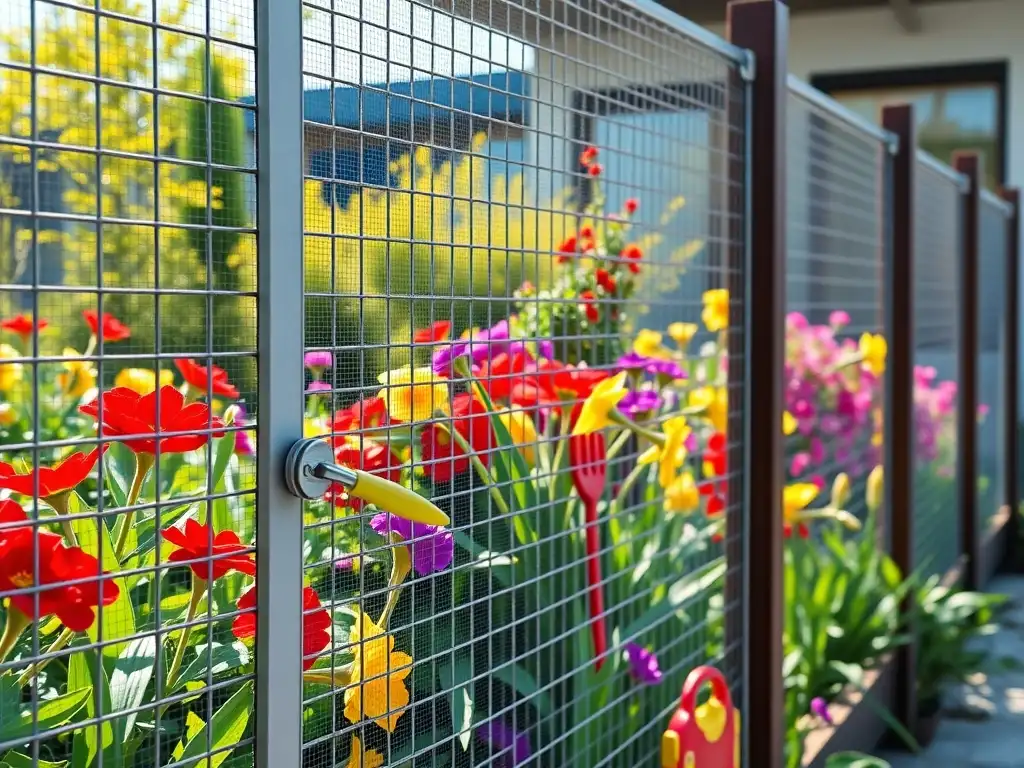
Installing protective barriers is a crucial step in babyproofing your garden, significantly reducing the risk of your little one accessing dangerous areas or objects. Consider the specific hazards in your garden when choosing barrier types. For example, a pool requires a robust fence that meets safety standards, ideally with a self-closing and self-latching gate placed out of a child's reach. These gates should be regularly checked to ensure they're functioning correctly and securely fastened. For smaller areas like flowerbeds or ponds, you might use sturdy mesh fencing or decorative barriers that are both child-safe and aesthetically pleasing.
Remember, the height of the barrier is paramount; it should be high enough that a child cannot easily climb over it. A minimum height of four feet is generally recommended, though taller barriers are even safer, especially for more adventurous toddlers. Always choose materials that are durable and resistant to damage from weather and small hands. Regularly inspect the barriers for any signs of wear and tear, promptly repairing or replacing damaged sections to maintain their effectiveness.
Consider using child-resistant latches and locks on gates and fences to add an extra layer of security. Don't underestimate the importance of a well-installed barrier system; it can be the difference between a safe and a potentially hazardous environment for your baby. Remember that even seemingly harmless decorative features can become climbing aids for a curious child. Take the time to assess all potential entry points and install barriers accordingly.
Step 8: Creating Safe Play Zones
Designing designated safe play zones within your garden is a proactive approach to babyproofing, offering a dedicated space where your baby can explore and play without encountering hazards. This area should be fully enclosed, preferably with soft surfaces to cushion falls. Consider using soft, permeable ground cover like grass or mulch rather than hard surfaces such as concrete or paving stones. The play zone should be free from potential hazards such as sharp objects, toxic plants, and small items that could be swallowed.
Regularly check the area for any debris or hazards that might have appeared since the last inspection. Keep in mind that a baby’s definition of “safe” evolves as they grow and become more mobile. What might seem safe to a crawling baby might pose a danger to a toddler who is walking and exploring more independently. Therefore, regularly review and adjust the play zone as your baby develops.
You might consider using a playpen or creating a fenced-in area within the garden specifically for playing, ensuring it is well-ventilated and shaded to provide a comfortable environment for your child. This dedicated space allows you to supervise your baby more easily while still letting them enjoy the outdoors. Remember to always supervise your child while they are playing, even in a designated safe play zone.
Step 9: Regular Maintenance and Inspections
Regular maintenance and inspections are vital to ensuring your garden remains a safe haven for your baby. Conduct thorough inspections at least once a week, checking for any new hazards that may have emerged, such as broken branches, exposed wires, or changes in the landscape. Regularly weed and trim plants, removing any that are poisonous or have sharp thorns. Inspect all barriers, gates, and fences for damage or weaknesses. Immediately address any issues you find, repairing or replacing damaged components promptly.
Keep tools and equipment stored securely out of reach, preferably in a locked shed or garage. Consider using childproof latches on storage units to prevent access to potentially dangerous items. Seasonal changes also require adjustments to your babyproofing strategy. For example, in autumn, fallen leaves can create slippery surfaces and hiding places for small objects, while winter may introduce hazards like ice.
Adapting your babyproofing strategy based on the season ensures ongoing safety. Remember, even seemingly minor oversights can lead to accidents. A proactive approach to maintenance and regular inspections offers the best chance of preventing accidents and ensuring your garden is a safe and enjoyable space for your little one. Documenting your babyproofing efforts, including dates of inspections and repairs, can be helpful for future reference and tracking maintenance needs.
Maintaining a Safe Garden Environment for Your Growing Baby
This section focuses on the ongoing maintenance of a safe garden environment for your baby, emphasizing the proactive nature of babyproofing and the importance of regular checks. A safe garden isn't a one-time project; it's an evolving process that adapts to your baby's development and the changing seasons. Think of it as an investment in your child's well-being and peace of mind. Consistent vigilance is key to preventing accidents and ensuring your little one can explore their surroundings safely. We'll explore practical strategies and provide a baby proof garden checklist to help you stay on top of potential hazards.
Ongoing Safety Checks: A Regular Baby Proof Garden Checklist
Regular inspections are crucial for maintaining a safe garden environment. Think of this as a proactive approach to baby proofing your garden. Don't just check once and assume everything is safe forever. Babies are constantly developing new skills—crawling, pulling themselves up, walking—which means new potential hazards emerge. Here's a sample baby proof garden checklist to guide your regular safety checks:
| Checklist Item | Frequency | Action |
|---|---|---|
| Fence Integrity: Check for gaps, loose boards, or damaged sections. | Weekly/Bi-weekly | Repair or replace damaged sections immediately. |
| Gate Security: Ensure gates are securely latched and functioning properly. | Daily | Test gates frequently, especially if your child is starting to climb. |
| Plant Toxicity: Review plant list for poisonous species. | Monthly | Remove or relocate poisonous plants; clearly label any that remain. |
| Water Features: Inspect ponds, pools, or fountains for safety. | Weekly/Bi-weekly | Ensure proper fencing and covers are in place. |
| Sharp Objects: Check for tools, broken glass, or sharp debris. | Weekly/Bi-weekly | Remove or secure all sharp objects. |
| Chemicals: Verify pesticides, fertilizers, and other chemicals are safely stored. | Monthly | Store all chemicals out of reach, preferably in a locked shed. |
| Loose Debris: Look for rocks, toys, or other items that could cause tripping. | Weekly/Bi-weekly | Clear debris regularly. |
Remember to involve other caregivers in these checks. A second pair of eyes can often spot potential hazards you might miss. Use this checklist as a template and customize it to fit your specific garden and your baby's developmental stage. A proactive approach is the best way to ensure your garden remains a safe and enjoyable space for your little one. This baby proof garden checklist will help you maintain a safe and stimulating environment for your growing child.
Adapting Your Garden as Your Baby Grows
Your garden's safety requirements will evolve as your baby grows and develops new abilities. A baby who crawls will have different risks than a toddler who can walk and climb. Here's how to adapt your babyproofing strategy:
- Crawling Stage: Focus on ground-level hazards. Cover electrical outlets, secure low-hanging plants, and pad sharp corners. Keep small objects out of reach.
- Pulling-Up Stage: Secure furniture and tall plants to prevent tipping. Install window guards if necessary. Pay close attention to anything your child could use to pull themselves up and potentially fall.
- Walking Stage: Childproof gates become even more important. Lock cabinets containing cleaning supplies and other harmful substances. Supervise your child closely while they explore the garden.
- Toddler Stage: As mobility increases, so does the potential for injury. Consider adding more padding to play areas, installing a sandbox with soft sand, and ensuring that all fences are securely fastened. Regularly check for any potential hazards they could access, such as exposed wires or small objects.
Remember, flexibility is key. Regularly assess your garden's safety and adjust your babyproofing measures as your child's abilities change. This ongoing process ensures your child's safety and allows for enjoyable exploration of their outdoor space. The baby proof garden checklist provided earlier should be reviewed and adapted according to each stage of your baby's development.
Seasonal Adjustments to Babyproofing Your Garden
Seasonal changes bring new challenges to garden safety. Your babyproofing efforts should adapt to these variations.
- Spring: Emerging plants may present new hazards, including poisonous flowers or thorns. Check for any new growth that could pose a risk. Pay particular attention to newly blooming plants to ensure none are poisonous to your child.
- Summer: Increased heat and humidity can lead to dehydration. Ensure your baby has access to shade and plenty of fluids. Also, be mindful of insect bites and stings; consider using insect repellent appropriate for babies.
- Autumn: Falling leaves and branches can create tripping hazards. Rake leaves regularly and prune overhanging branches. Beware of potential hazards from decaying plants.
- Winter: Ice and snow can create slippery conditions. Clear walkways and steps regularly. Be aware of potential hazards from frostbite and hypothermia. Ensure that all garden tools and chemicals are stored securely, away from your child's reach.
Adapting your baby proof garden checklist to account for seasonal changes will ensure your garden remains a safe haven for your child throughout the year. Regular vigilance and a proactive approach are essential to maintaining a secure outdoor environment for your little one. Remember that a safe garden is a happy garden for both you and your baby.
Frequently Asked Questions
What are the most important areas to focus on when babyproofing my garden?
The most important areas are access points, such as gates and fences, ensuring they are secure and tall enough. You should also prioritize removing or securing any potential hazards like poisonous plants, sharp objects, and standing water.
How can I make my garden safe for crawling babies?
For crawling babies, focus on ground-level hazards. Cover any exposed soil or mulch, remove small objects they could swallow, and ensure there are no low-hanging branches or sharp objects they could hit. Soft ground cover is ideal.
What poisonous plants should I be particularly wary of?
Common poisonous plants to remove or fence off include oleander, azaleas, rhododendrons, and daffodils. Consult a local nursery or gardening expert for a complete list specific to your region and ensure proper identification before removing any plants.
What about the garden pond or pool?
A secure fence around any water feature is absolutely essential. This should be at least four feet high and have a self-closing gate. Never leave a baby unattended near water, regardless of safety measures.
My baby loves exploring – how can I still let them enjoy the garden safely?
Create a designated safe zone within the garden with soft surfaces and age-appropriate toys. Supervise your baby constantly and consider using a playpen or safety net in specific areas. Constant supervision is key.
Final Reflection: Cultivating a Safe Haven: Your Garden, Your Child's Sanctuary
Creating a truly child-safe garden isn't just about ticking boxes on a checklist; it's about cultivating a space where your little ones can explore, learn, and grow without compromising their safety. This guide has provided a comprehensive framework for achieving that, addressing everything from poisonous plants to potential hazards lurking in seemingly innocuous corners. But the real work lies in the mindful application of these principles, transforming your garden into a haven of discovery.
The journey of babyproofing a garden is a continuous one, a reflection of our evolving understanding of child development and the ever-changing needs of our growing children. It's a process that demands constant vigilance and adaptation, a testament to the profound love and responsibility we feel for our little ones. As we create these safe spaces, we also create a legacy of mindful parenting, shaping not just our children's environment but also their perception of the world around them. The best inheritance a parent can give his children is a few minutes of his time each day.
– Anonymous. This quote resonates deeply, reminding us that the time invested in babyproofing is an investment in our children's future.
Now, take a moment to reflect on your own garden. Consider the specific hazards present in your unique outdoor space and how you can address them proactively. Don't just passively check items off a list; actively engage with your environment, envisioning it through the eyes of your curious child. Remember, this isn't just about preventing accidents; it's about fostering a nurturing environment where your child can thrive, explore, and create memories that will last a lifetime. Embrace the journey, and watch your garden transform into a safe and enriching playground for your precious little one.
Ready to Make Your Garden a Baby-Safe Haven?
Thank you for taking the time to learn how to babyproof your garden! You now have the knowledge to create a safe and fun outdoor space for your child. Let's put that knowledge into action.
- Prioritize your top safety concerns: Begin by addressing the most significant hazards in your garden. This might involve securing a pond, fencing off a raised garden bed, or removing poisonous plants. Even small improvements can make a big difference!
- Share your babyproofing journey: Post a picture of your safe garden space on social media using the hashtag #BabyCareHubGarden. Let's inspire other parents!
- Explore creative solutions: Search online for "DIY garden babyproofing" to discover ingenious ideas and share your own solutions in the comments below.
What garden improvement are you most excited to make today?