
Choking Hazards: A Detailed Guide for Parents


Welcome to BabyCareHub, your ultimate guide to navigating the incredible journey of parenthood! Are you a first-time parent feeling overwhelmed by the sheer volume of information out there? We understand. That's why we've created this comprehensive resource, packed with practical advice and expert insights to help you confidently care for your little one.
But first, let's address a crucial concern: baby choking hazards. Discover our detailed Baby Choking Hazards Prevention Guide and learn how to safeguard your baby's well-being from this serious threat. Dive in and start exploring the wealth of information we offer – your peace of mind starts here.
- Understanding Baby Choking Hazards: Prevention Guide
- Assessing Choking Risks: A Step-by-Step Approach
- Preventing Choking Incidents: Practical Strategies
- Baby Choking Prevention: Creating a Safe Home Environment
- Responding to Choking: Emergency Procedures
- Frequently Asked Questions
- Final Reflection: The Silent Threat, the Vital Shield
- Ready to Tackle Choking Hazards Head-On?
Understanding Baby Choking Hazards: Prevention Guide
Becoming a parent is a joyous journey filled with countless firsts, but it also comes with its share of concerns, especially when it comes to your little one's safety. One of the most significant worries for new parents is the risk of choking. This comprehensive guide aims to equip you with the knowledge and strategies to prevent choking hazards, offering a step-by-step approach to ensuring your baby's safety. We will explore common choking hazards, methods for identifying potential risks in everyday items, and how to select age-appropriate toys that promote safe play and healthy development. This guide serves as your essential resource for navigating the world of baby choking hazards prevention, empowering you to create a safer environment for your precious child. Learning to identify and mitigate these risks is crucial in preventing accidents and ensuring your baby's well-being. Remember, proactive prevention is key to a happy and healthy childhood.
Common Choking Hazards for Babies and Toddlers
Babies and toddlers explore the world through their mouths, making them particularly vulnerable to choking. Understanding common choking hazards is the first step towards prevention. Many seemingly harmless items can pose a significant risk. Here's a breakdown of frequent culprits:
- Small objects: Anything smaller than a ping-pong ball can easily obstruct a baby's airway. This includes small parts from toys, buttons, coins, beads, marbles, and even small pieces of food. Think about the size and shape – anything that can fit entirely within a toilet paper roll is a potential hazard. 👶
- Food items: Certain foods are notorious choking hazards, particularly for babies who are still developing their chewing and swallowing skills. Examples include whole grapes (cut them in half or quarters! ), hot dogs (cut into very small, flat pieces), popcorn, nuts, hard candies, and raw carrots (cut into very small, soft pieces). 🍎
- Household items: Surprisingly, many common household items can present a choking risk. These include balloons (deflated balloons are especially dangerous), small magnets, bottle caps, and even small pieces of paper or plastic. Regularly check your home for potential dangers, keeping small items out of reach. 🏠
- Toys: Toys designed for older children often contain small parts that can easily detach and become choking hazards for babies. Always check toy labels for age recommendations and inspect toys regularly for loose or detachable components. 🧸
Identifying Potential Choking Risks in Toys and Household Items
Preventing choking hazards requires vigilance and a keen eye for detail. Regularly inspect your baby's environment, both at home and when you're out and about. Here are some tips to help you identify potential risks:
- The "toilet paper roll test": If an object can fit entirely inside a standard toilet paper roll, it's likely too small for a baby or toddler. Use this simple test to quickly assess the safety of toys and household items.
- Check for small parts: Regularly inspect toys for loose or detachable parts that could become dislodged and pose a choking hazard. Pay close attention to toys with small buttons, eyes, or other embellishments.
- Examine food carefully: Before giving your baby food, always check it carefully for pieces that are too large or hard. Cut foods into appropriately sized and shaped pieces.
- Keep a watchful eye: Never leave a baby or toddler unattended, especially when they are eating or playing with toys. Constant supervision is crucial in preventing choking incidents.
Age-Appropriate Toys: Choosing Safe Playthings for Your Baby
Selecting age-appropriate toys is paramount to ensuring your baby's safety. Look for toys that are specifically designed for babies and toddlers, and always check the manufacturer's age recommendations. Here's what to consider:
- Large, soft toys: Opt for large, soft toys that are too big to be swallowed. Stuffed animals, large blocks, and soft balls are generally safe choices.
- Toys with no small parts: Avoid toys with small parts that can easily detach or be pulled off. Choose toys with securely attached components.
- Durable materials: Select toys made from durable, non-toxic materials that can withstand rough play.
- Regular inspections: Even age-appropriate toys require regular inspections for wear and tear. Discard any toys that show signs of damage or have loose parts.
Remember, prevention is always better than cure. By following these guidelines and remaining vigilant, you can significantly reduce the risk of choking hazards for your baby, creating a safe and nurturing environment for your little one to thrive. 💝
Assessing Choking Risks: A Step-by-Step Approach
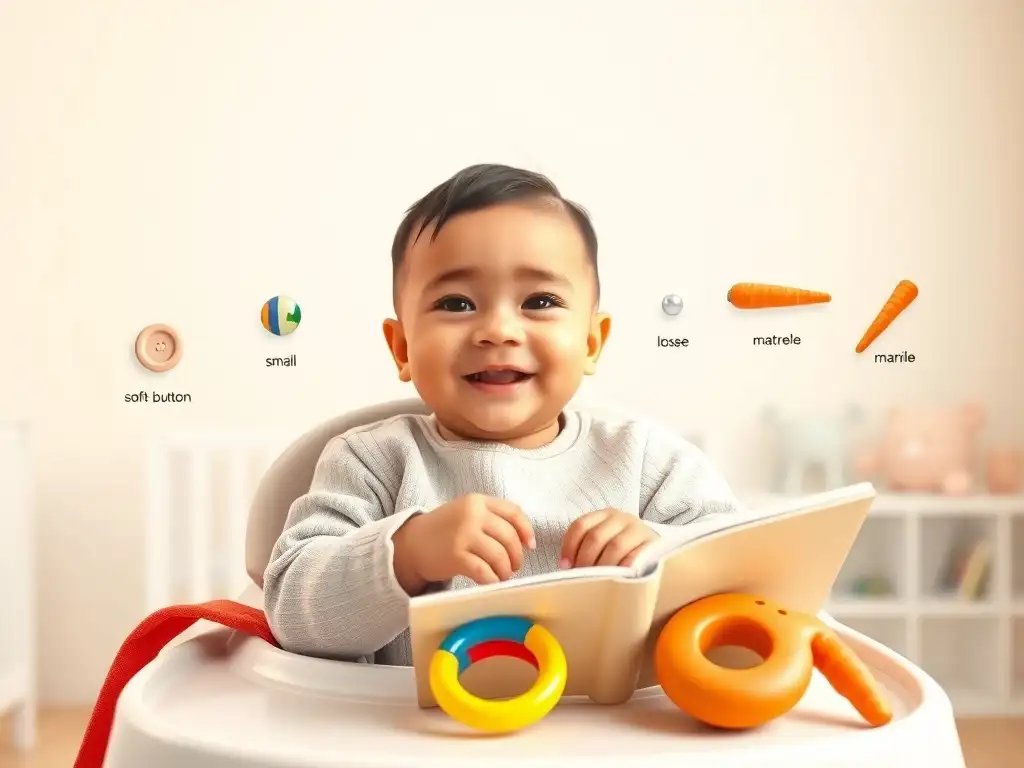
This section provides a practical, step-by-step approach to assessing choking hazards in your baby's environment. Preventing choking incidents requires vigilance and a proactive approach to toy selection and supervision. Remember, even seemingly safe items can pose a risk to curious little ones. This guide helps you identify potential dangers and mitigate them effectively, contributing to a safer environment for your baby's development.
Evaluating Toy Size and Shape: The Choking Hazard Test
The most crucial aspect of preventing choking hazards is evaluating the size and shape of toys. The classic "choking hazard test" involves using a toilet paper tube. If a toy can fit completely inside the tube, it poses a significant choking risk for infants and young toddlers. This is because small objects can easily become lodged in a baby's airway, obstructing breathing and potentially leading to serious complications.
This simple test is a great first step in screening toys. However, it's not foolproof. Consider these additional points:
- Irregular Shapes: Even if a toy doesn't fit entirely in the tube, irregular shapes with small, detachable parts or sharp edges can also present a choking hazard. Think about toys with small buttons, eyes that can be pulled off, or oddly shaped pieces that can break off.
- Age Appropriateness: Always check the manufacturer's recommended age range on the toy packaging. These guidelines are based on safety standards and developmental milestones. Never give a baby a toy intended for an older child.
- Hard vs. Soft: Hard, rigid toys pose a greater choking risk than soft, pliable ones. While soft toys aren't entirely risk-free (they can still have small detachable parts), they generally present less of a threat in terms of airway obstruction.
Material Matters: Identifying Safe and Unsafe Materials for Baby Toys
The material a toy is made from significantly impacts its safety. Some materials are inherently safer than others, particularly when considering the risk of choking.
| Material | Safety Level | Potential Hazards | Considerations |
|---|---|---|---|
| Soft, pliable materials (silicone, rubber, cloth) | Generally Safe | Small parts could detach; check for stitching integrity | Regularly inspect for tears or loose components. |
| Hard plastics | Moderate Risk | Can break into sharp pieces; small parts can detach | Choose toys with smooth surfaces and no small parts. |
| Wood | Moderate Risk | Splinters, small pieces can break off | Ensure wood is smooth, sanded, and free from splinters. |
| Metal | High Risk | Sharp edges, small parts can detach, potential for rust | Avoid metal toys, especially those with sharp edges. |
It's crucial to avoid toys made from materials that can easily break down or release harmful substances. Always opt for toys made from non-toxic, durable materials that meet relevant safety standards.
Inspecting Toys Regularly: Detecting Wear and Tear
Regular inspection is key to preventing choking hazards. Toys, especially those frequently used, can experience wear and tear, leading to the creation of small, potentially hazardous parts. Make it a habit to regularly check toys for:
- Cracks and Breaks: Look for any signs of cracking, breakage, or damage that could result in small pieces breaking off.
- Loose Parts: Check for buttons, eyes, or other small components that might become detached.
- Fraying or Tears: Inspect fabric toys for fraying or tears that could expose stuffing or small internal components.
- Sharp Edges: Feel the toy's surface to check for any sharp edges or points.
By following these steps, you can significantly reduce the risk of choking hazards and create a safer play environment for your baby. Remember, prevention is always better than cure. Constant vigilance and careful selection of toys are essential for ensuring your baby's safety and well-being. 👶
Preventing Choking Incidents: Practical Strategies

This section focuses on proactive measures parents can take to minimize the risk of choking incidents in babies and young children. A comprehensive approach encompassing food preparation, toy selection, and constant supervision is crucial for creating a safe environment. This guide emphasizes practical strategies to prevent choking, a leading cause of injury and death in infants. Remember, prevention is always better than cure when it comes to baby choking hazards. Let's delve into the specifics.
Safe Food Preparation for Babies: Avoiding Choking Hazards During Feeding
Introducing solid foods to your baby is an exciting milestone, but it also introduces potential choking hazards. The texture and size of food are paramount. Foods should be soft, easily mashed, and cut into small, manageable pieces. Avoid round, hard foods like grapes, cherry tomatoes, or hard candies, as these can easily block a baby's airway. Instead, opt for well-cooked and pureed vegetables, fruits, and soft meats.
Here's a table summarizing safe and unsafe food choices for babies:
| Safe Food Choices | Unsafe Food Choices | Notes |
|---|---|---|
| Mashed sweet potatoes | Whole grapes | Cut grapes into small quarters lengthwise. |
| Pureed carrots | Cherry tomatoes | Cut into very small pieces. |
| Soft cooked pasta (small pieces) | Hard candies, nuts, popcorn | These pose extremely high choking risks. |
| Avocado (mashed) | Raw carrots (unless extremely soft and pureed) | Ensure all foods are soft and easily dissolvable in the mouth. |
| Well-cooked and shredded chicken (small pieces) | Hot dogs (unless finely minced and well cooked) | Avoid hot dogs unless prepared extremely carefully to avoid large, solid pieces. |
Remember to always supervise your baby during feeding. Never leave them unattended with food, even for a moment. Introduce new foods one at a time to monitor for any allergic reactions. Always check the temperature of the food before feeding to prevent burns.
Supervise Your Baby Constantly During Playtime
Constant supervision is the cornerstone of preventing choking hazards during playtime. Even seemingly safe toys can become dangerous if a baby manages to break them apart and ingest small pieces. While selecting age-appropriate toys is important (more on that in the next section), vigilance is key. Never leave a baby unattended with toys, especially those with small parts. Regularly inspect toys for damage or loose parts that could pose a choking risk.
This applies to all play areas, from the living room to the crib. A baby's curiosity is boundless, and their exploration often involves putting things in their mouths. This behavior is normal, but requires unwavering parental attention. Consider creating a safe play area free from small objects and potential hazards.
First Aid for Choking: Essential Steps for Parents
Knowing how to respond to a choking incident is crucial. While prevention is the best strategy, being prepared for emergencies is vital. Familiarize yourself with the Heimlich maneuver for infants and the steps for back blows and chest thrusts. These techniques can be lifesaving in a choking emergency.
Remember, immediate action is critical. If your baby is choking and unable to breathe, immediately call emergency services. While waiting for help, administer first aid as you've learned. Regularly attend first aid and CPR courses designed for parents and caregivers to stay updated on the latest techniques. The peace of mind knowing you are prepared is invaluable.
Knowing the signs of choking — such as coughing, wheezing, or turning blue — is equally crucial. Early recognition can be life-saving. Always prioritize your baby's safety and seek professional help when needed. Don't hesitate to contact your pediatrician or a qualified medical professional with any questions or concerns regarding choking hazards or baby safety.
Baby Choking Prevention: Creating a Safe Home Environment

Preventing choking incidents in babies requires a proactive approach to home safety. A baby's environment should be meticulously assessed and modified to minimize potential hazards. This involves more than just removing obvious dangers; it's about anticipating a baby's developing abilities and curiosity. This section focuses on practical steps to create a safer home environment for your little one, significantly reducing the risk of choking. Remember, even seemingly innocuous items can pose a significant choking threat to a curious baby. This guide will help you understand and effectively mitigate those risks. This is your ultimate Baby choking hazards prevention guide.
Childproofing Your Home: Removing Choking Hazards from Baby's Reach
The first step in baby choking prevention is a thorough childproofing of your home. This isn't a one-time task; it's an ongoing process, adjusting as your baby grows and develops new skills. Begin by crawling on your hands and knees to get a baby's-eye view of your home. What might you find appealing to grab and put in your mouth?
Here's a checklist of common choking hazards to remove or secure:
- Small Toys: Any toy with small parts, such as those intended for older children, should be kept out of reach. This includes building blocks, small balls, and toys with detachable pieces. 🧸
- Household Items: Buttons, coins, beads, marbles, and small magnets are all significant choking risks. Keep these items stored securely in cabinets with childproof locks. Pay special attention to areas like your bathroom and kitchen, which often contain many small, potentially hazardous objects.
- Food Items: Cut food into small, manageable pieces. Avoid giving babies whole grapes, nuts, popcorn, hard candies, or hot dogs (unless cut into very small, thin pieces). Always supervise mealtimes closely. 🍎
- Packaging: Plastic bags, wrappers, and twist ties are all extremely dangerous. Dispose of these immediately and keep them out of reach. Never leave plastic bags unattended.
- Electrical Cords: Babies may try to chew on electrical cords, posing a significant electrical shock hazard. Secure these cords with cord covers or by taping them to the wall out of reach.
Storing Hazardous Items Safely: Out of Sight, Out of Reach
Simply removing choking hazards isn't enough; you need to ensure they remain out of reach. Effective storage is crucial for consistent safety.
- High Shelves and Cabinets: Store hazardous items on high shelves or in cabinets equipped with childproof locks. Regularly check that these locks are functioning correctly. This includes medications, cleaning supplies, and any small objects that could be a choking hazard.
- Secure Drawers: Use safety latches or straps to secure drawers containing potentially hazardous items. This prevents curious babies from accessing these items.
- Designated Storage Areas: Create designated storage areas for small items, using containers with secure lids. This makes it easier to keep track of potential hazards and prevents them from becoming scattered around the house.
Consider using clear storage containers so you can quickly see what's inside, without having to open them. This will help maintain a safe and organized environment.
Educating Caregivers: Sharing Choking Hazard Awareness
Preventing choking isn't solely the responsibility of parents. If other caregivers, such as grandparents or babysitters, are involved in your baby's care, it's crucial that they are equally aware of the risks and preventative measures.
- Clear Communication: Have open and honest conversations with all caregivers about potential choking hazards and safe practices. Share this Baby choking hazards prevention guide with them.
- Hands-on Training: Show caregivers how to properly childproof your home and identify potential hazards. Practice safe food preparation techniques together.
- Regular Check-ins: Conduct regular check-ins to ensure that everyone is following safe practices and to address any concerns.
Remember, a collaborative approach to baby safety is the most effective way to ensure your little one's well-being. Consistent vigilance and awareness are key to preventing choking incidents. By implementing these strategies, you can significantly reduce the risk and create a safer environment for your baby to thrive in.
Responding to Choking: Emergency Procedures
This section focuses on immediate actions to take if your baby or toddler is choking. Remember, swift and correct responses are crucial in these situations. A calm and efficient approach can significantly improve the outcome. This guide provides a framework; however, it’s vital to take a first-aid course to gain hands-on experience and confidence in managing choking emergencies. Knowing how to prevent baby choking hazards is just as important as knowing how to react when it occurs.
Recognizing the Signs of Choking in Infants and Toddlers
Recognizing the signs of choking is the first step in effective intervention. Infants and toddlers may exhibit different symptoms depending on the severity of the blockage. Early recognition is key to preventing a life-threatening situation. Here's a breakdown of the signs to watch for:
- Infants (under 1 year):
- Weak or ineffective cough
- High-pitched, noisy breathing
- Blue or gray skin color (cyanosis)
- Inability to cry or make sounds
- Loss of consciousness
- Clutching at their throat (though less common in infants)
- Toddlers (1-4 years):
- Inability to speak or cough forcefully
- Difficulty breathing
- Wheezing or gasping for air
- Clutching at their throat
- Skin turning blue or gray
- Becoming increasingly distressed
- Eyes watering; becoming pale
It's important to note that a forceful cough might indicate the airway isn't completely blocked. However, even a forceful cough shouldn't be ignored; monitor the child closely. The absence of a cough is a more serious sign requiring immediate action. Remember, baby choking hazards prevention guide emphasizes proactive measures, but knowing these signs is critical for reactive response.
Performing Infant and Child CPR: A Quick Guide
While the Heimlich maneuver is suitable for older children and adults, infants and toddlers require a different approach. This section provides a simplified overview; a proper CPR certification course is essential for detailed training. Remember, every second counts in a choking emergency.
For Infants (under 1 year):
- Back Blows: Lay the infant face down along your forearm, supporting the head and neck. Give five firm back blows between the shoulder blades using the heel of your hand.
- Chest Thrusts: Turn the infant face up, supporting the head and neck. Place two fingers in the center of the chest, just below the nipple line. Give five chest compressions, pushing firmly downwards about 1.5 inches.
- Repeat: Alternate between back blows and chest thrusts until the object is dislodged or emergency help arrives.
For Toddlers (1-4 years):
- Abdominal Thrusts (Heimlich Maneuver): Stand behind the child, wrapping your arms around their waist. Make a fist with one hand and place it slightly above their navel. Grasp your fist with your other hand and give quick upward thrusts into their abdomen.
- Chest Compressions (if abdominal thrusts are ineffective): If abdominal thrusts are unsuccessful, begin chest compressions as described for infants, adjusting the depth of compression according to the child's size.
- Repeat: Continue alternating or performing the appropriate technique until the object is expelled or help arrives.
Remember to call for emergency medical assistance while performing these procedures. A baby choking hazards prevention guide is invaluable, but mastering these life-saving techniques is crucial.
When to Call Emergency Services: Recognizing Life-Threatening Situations
Calling emergency services (911 or your local equivalent) is paramount in several choking scenarios. Don't hesitate to call if:
- The child is unconscious.
- The child is unable to breathe or cough.
- The child's skin is blue or gray (cyanosis).
- The child's condition is worsening despite your efforts.
- You are unsure about how to proceed.
Even if you successfully dislodge the object, it's crucial to monitor the child carefully and seek medical attention if any breathing difficulties persist. Early intervention can significantly reduce the risk of long-term complications. Remember, preventing baby choking hazards is the best approach, but knowing when to seek professional help is equally important. This information should not replace professional medical advice. Always seek the guidance of a healthcare provider for any concerns regarding your child's health and safety.
Frequently Asked Questions
What are common choking hazards for babies?
Common choking hazards include small objects like buttons, coins, beads, balloons, and food pieces that are too large or hard for a baby to manage. Always supervise your baby closely during playtime and mealtimes.
How can I prevent my baby from choking on food?
Introduce solid foods gradually, starting with soft, easily mashed foods. Cut food into small, manageable pieces, avoiding round or hard shapes. Never leave your baby unattended while they are eating.
What should I do if my baby is choking?
If your baby is choking, immediately call emergency services. Then, begin back blows and chest thrusts (depending on the baby's age) as demonstrated in a certified first aid course. Time is critical.
At what age are babies most at risk of choking?
Babies between the ages of 4 months and 3 years are at the highest risk of choking, as they are exploring their world through their mouths and are still developing their chewing and swallowing skills. Constant supervision is crucial during this period.
What are some choking hazard prevention tips for playtime?
Always select age-appropriate toys that are too large to fit into your baby's mouth. Regularly inspect toys for small, loose parts that could become detached and pose a choking hazard. Never leave your baby unsupervised with toys.
Final Reflection: The Silent Threat, the Vital Shield
The silent threat of choking hazards remains a pervasive danger for young children, demanding constant vigilance and proactive prevention. A single moment of inattention can have devastating consequences, underscoring the critical importance of the information presented in this guide. Every parent deserves to feel empowered and equipped to protect their little ones from this preventable tragedy.
The impact of choking hazards extends far beyond the immediate crisis; it casts a long shadow over parental anxieties and shapes the way we interact with our children in their formative years. The constant awareness, the careful scrutiny of toys and foods, the unwavering attention – these become ingrained aspects of parenthood. The best way to find yourself is to lose yourself in the service of others.
– Mahatma Gandhi. While not directly about choking prevention, this quote speaks to the profound responsibility parents feel to safeguard their children, a responsibility that underpins the very essence of this guide.
You, the reader, now hold the knowledge to create a safer environment for your child. Take the time to review the information presented, to discuss it with your partner or family, and to actively implement the strategies outlined. Don't let this knowledge remain passive; transform it into a proactive shield of protection for your precious child. Your vigilance, your informed choices, are the most powerful tools in preventing choking hazards and ensuring a happy, healthy childhood.
Ready to Tackle Choking Hazards Head-On?
Thank you for taking the time to learn about choking hazards—your dedication to your child's safety is admirable! You've gained valuable knowledge to protect your little one. Now, let's put that knowledge into action.
- Prioritize a Choke-Safe Environment: Immediately assess your home, removing any potential choking hazards. This is the most crucial step. For example, ensure small objects are out of reach, and that food is appropriately sized and prepared for your child's age and abilities.
- Share Your Knowledge: Spread the word! Share this information with other parents—a quick text or email can make a significant difference in keeping children safe.
- Join the Conversation: What unexpected choking hazard did you discover in your home? Let's share experiences and learn from each other in the comments below.
Ready to create a safer home for your child?